
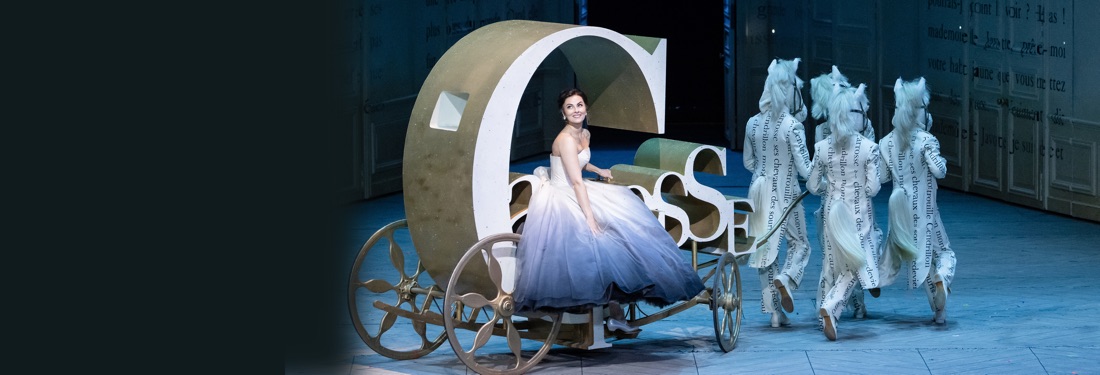
Every little thing she does is magic
A good time seemed to be had by all though I don’t recall seeing a single child in attendance.
A good time seemed to be had by all though I don’t recall seeing a single child in attendance.

Since my previous CD round-up review the onslaught of solo recital disks of 18th century (and sometimes also 17th) vocal music has continued unabated.
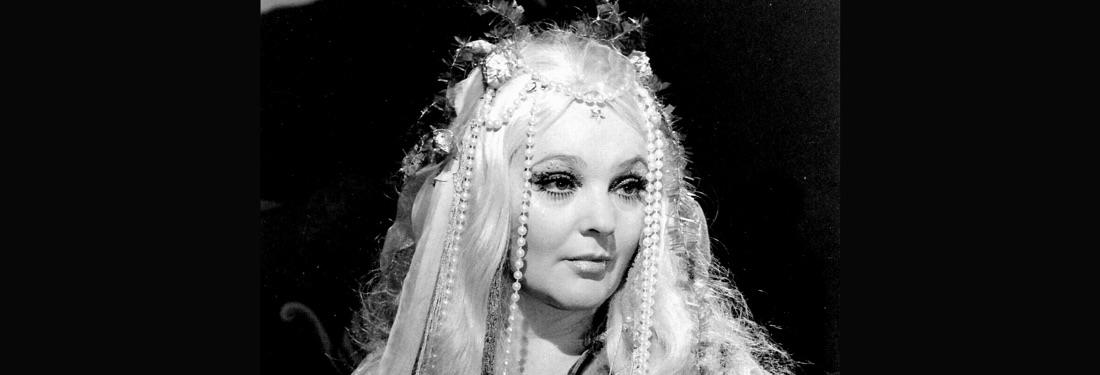
My sister Julie celebrates an important birthday later this month which reminded me—as I also recalled I visiting her while she was living in Prague—that I should unearth Bohuslav Martin?’s Julietta with Lucia Popp and Dénes Gulyás for this week’s Trove Thursday.
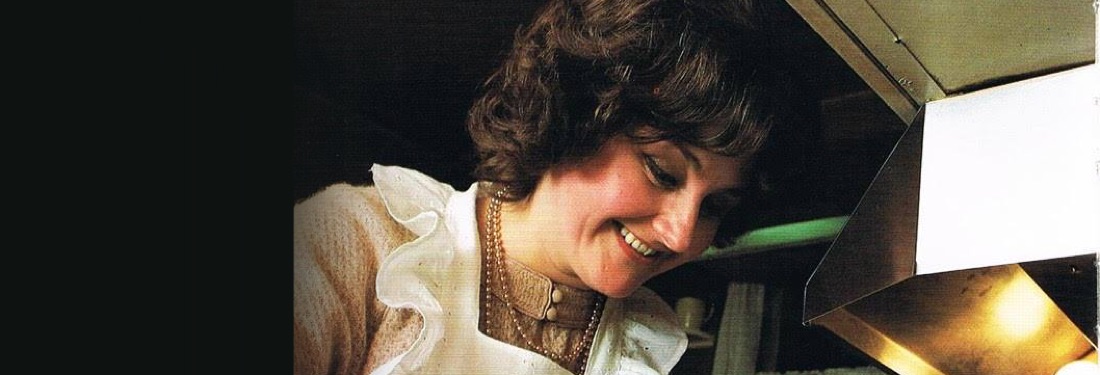
The entire dinner was spent discussing conductors.

Sondra Radvanovsky was a force of nature as Tosca on Thursday night at the Met.
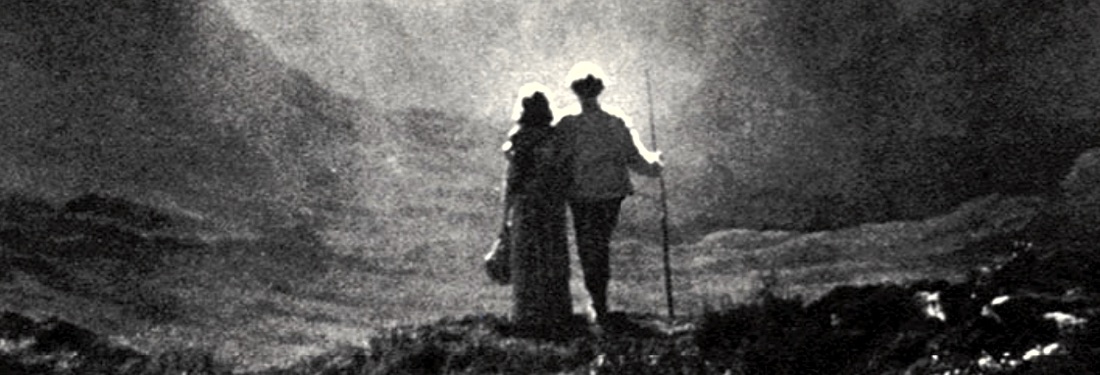
As one can see from the chronology published earlier this year, the American Opera Society, in addition to reviving a number of now familiar operas, introduced many singers who became important local figures; however, there were shooting-star exceptions like today’s Trove Thursday offering of d’Albert’s Tiefland featuring Angeles Gulin and Ion Buzea.
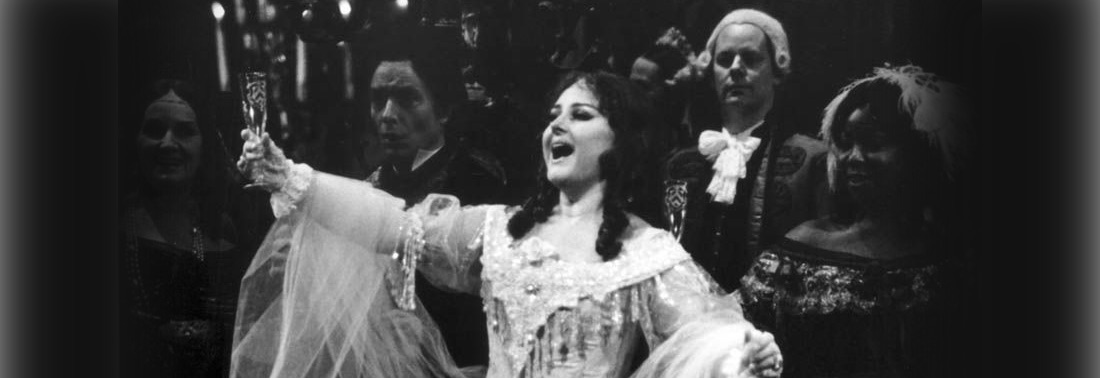
You know in some of those old Jeanette MacDonald movies where she plays a prima donna and receives applause in a public setting? That’s just what happened when the three of us walked into that restaurant, one patron calling out “Brava!”
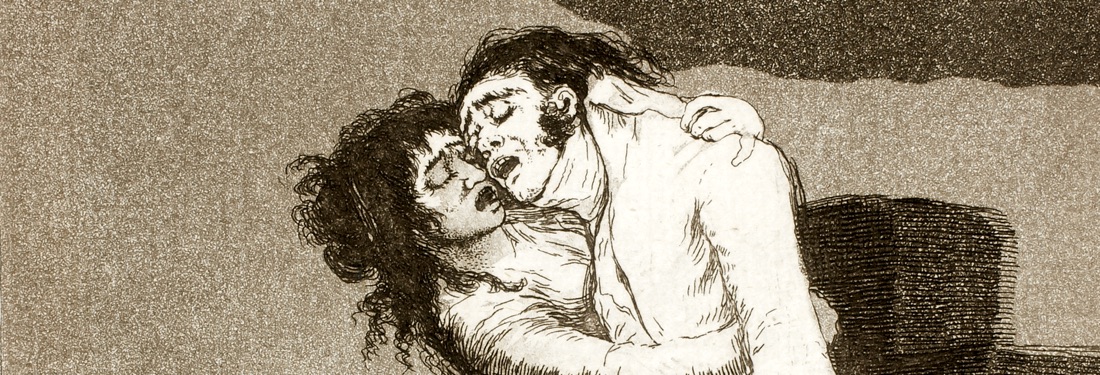
Trove Thursday adds two short works—Goyescas and L’enfant et les sortilèges—to Christian’s expansive recent survey of Bernard Haitink’s opera legacy.
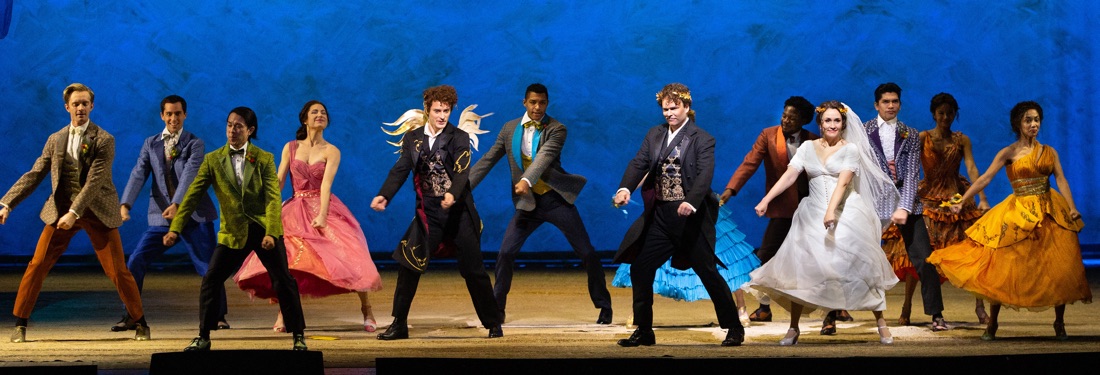
No, we don’t really need another “Orpheus” opera. Or, rather, we don’t need this one.
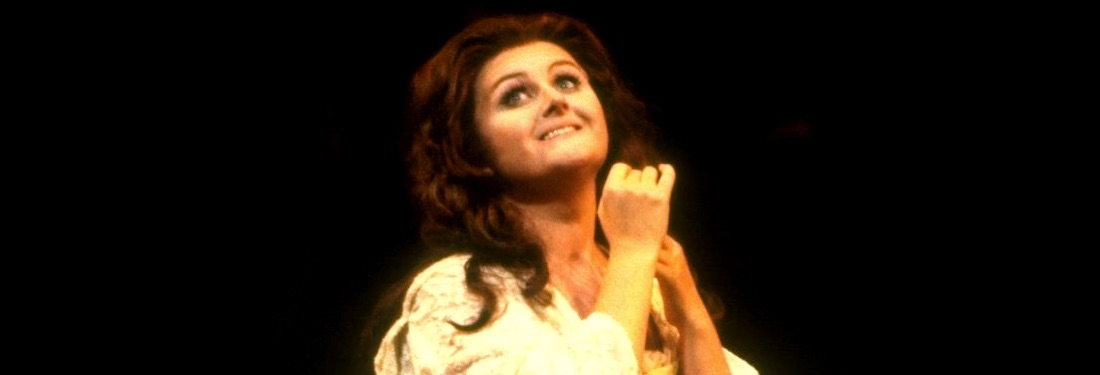
I proposed to Edita that we turn my 20-page paper into a book, a musical biography.
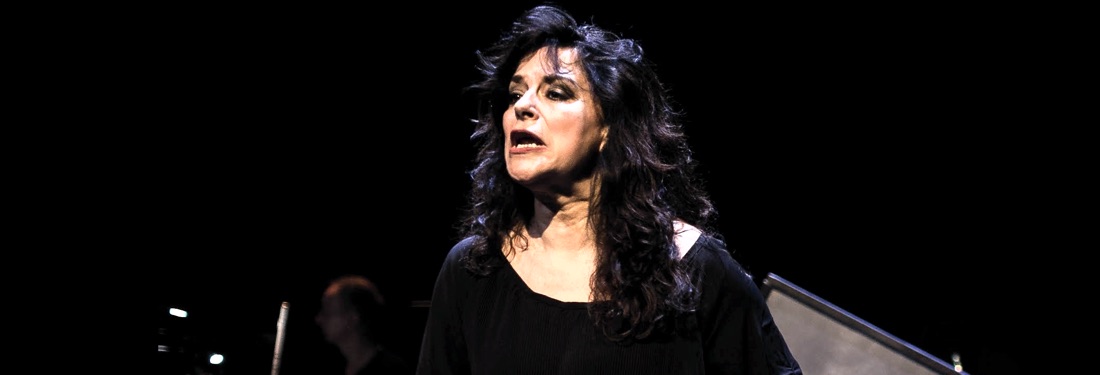
Teatro Grattacielo presented two visions of love’s magic on November 13 and 14—one via Spain and Argentina (in collaboration with Opera Hispánica) and the other via Alsace by way of Italy.

What is there to say about the Franco Zeffirelli Bohème? What is left to say?
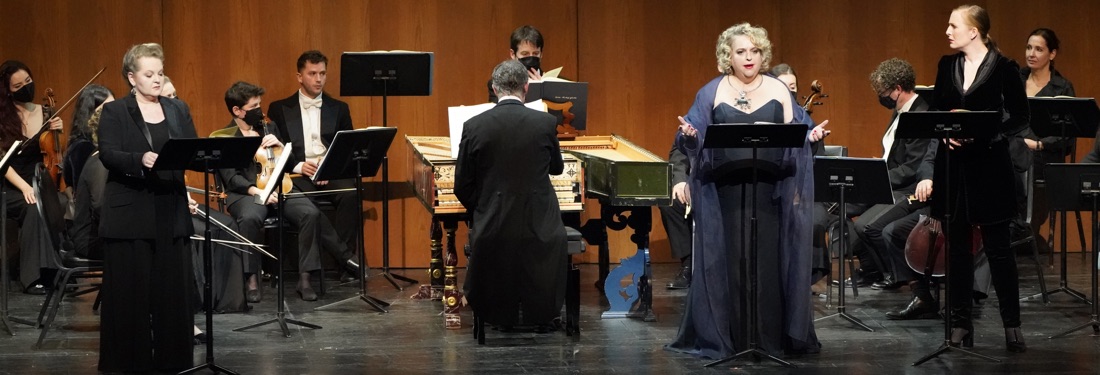
You’d think after nearly 40 years of opera going I’d have seen almost everything.. .twice. Yet I found myself at LA Opera Tuesday night for a special presentation of George Frideric Handel’s Alcina which was my first live experience with one of his operas.
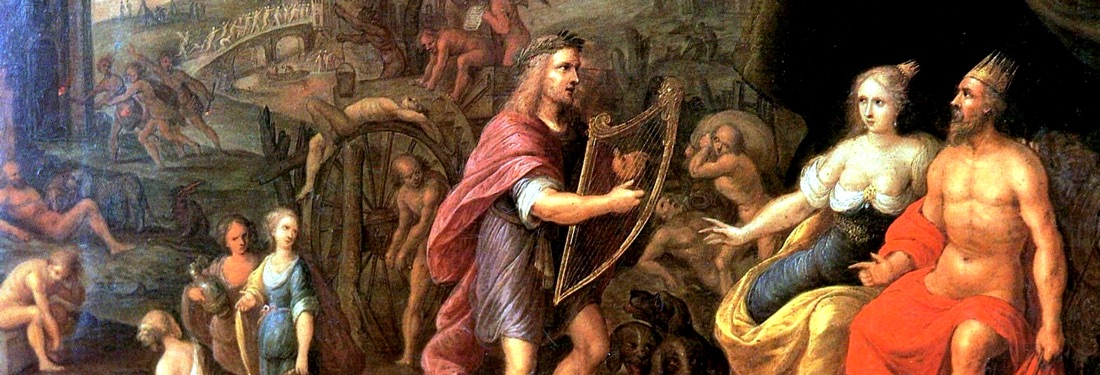
November in New York hosts two premieres dedicated to mythology’s greatest musician, which prompts Trove Thursday to present a vintage Monteverdi L’Orfeo with Judith Raskin and Gérard Souzay conducted by Leopold Stokowski (!) and a recent HIP London broadcast of Luigi Rossi’s L’Orfeo.
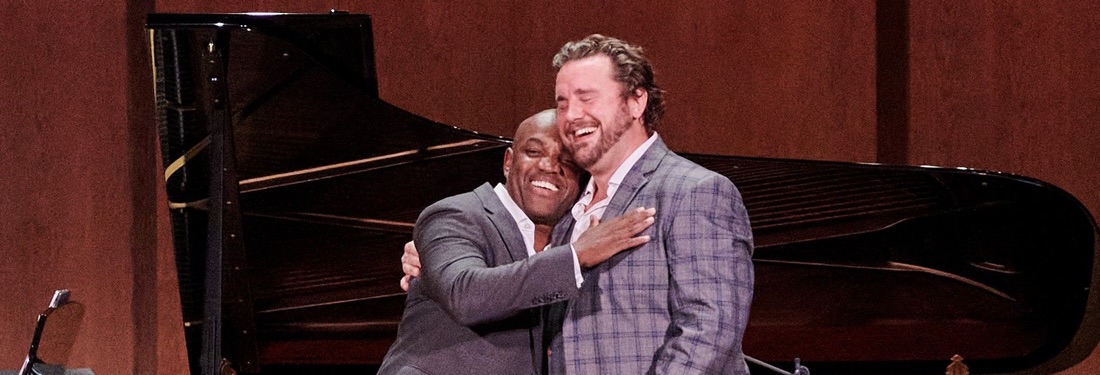
Last Wednesday the 92nd Street Y presented the friendliest-ever episode of American Gladiators when Lawrence Brownlee and Michael Spyres continued their bel canto bromance with a delirious (almost) all-Rossini recital accompanied by Myra Huang.
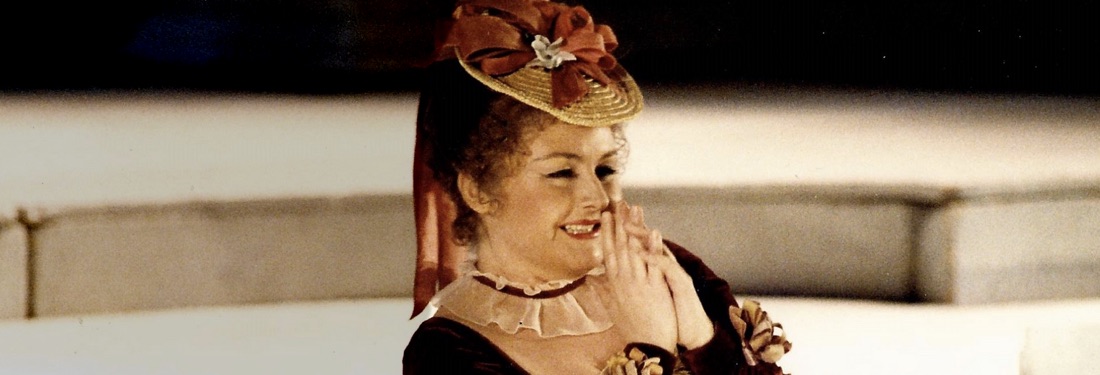
Trove Thursday remembers Edita Gruberová with live recordings of two of the three operas I heard her perform at the Met: a 1985 Munich La Traviata with Neil Shicoff and Wolfgang Brendel conducted by Carlos Kleiber and an I Puritani from Vienna 1994 featuring two other artists who recently left us too soon: Marcello Giordani and Dmitri Hvorostovsky.
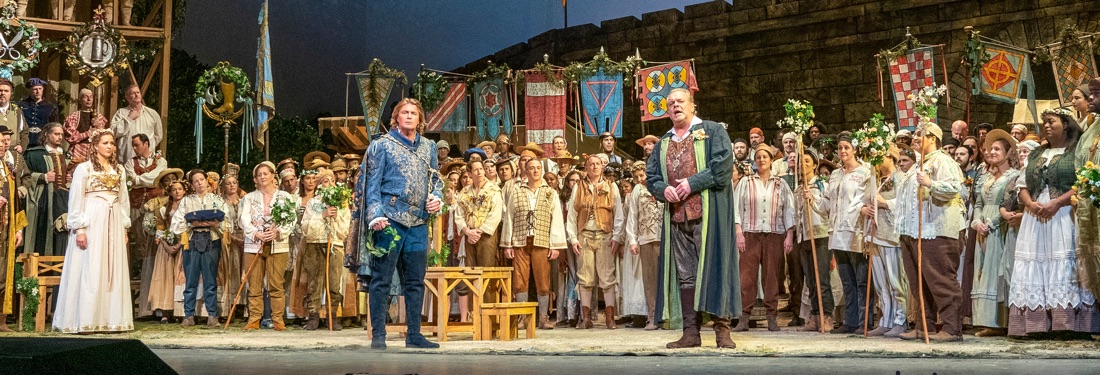
Last night’s cast of Die Meistersinger at the Met, dominated by the irascible, unbeatable duo of Michael Volle and Johannes Martin Kränzle as Sachs and Beckmesser, did much to enliven Otto Schenk’s creaky, nearly 30-year-old production.
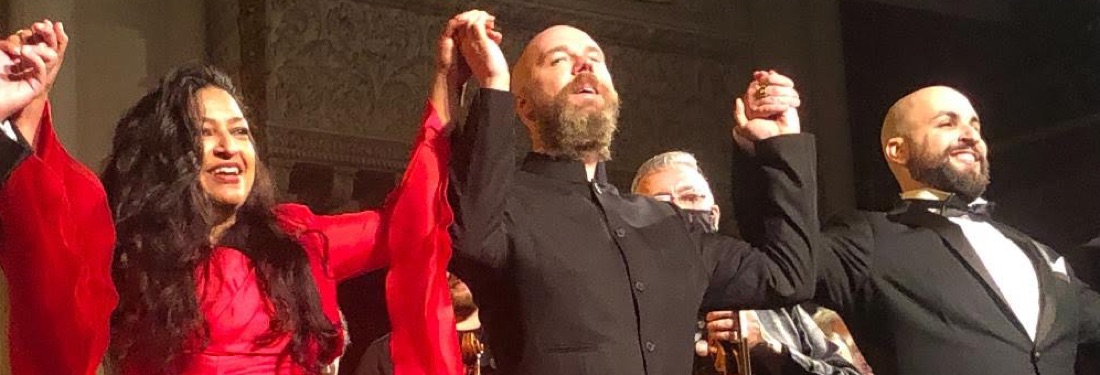
In an era when the Metropolitan Opera cannot cast an Aida, Trovatore or Forza consistently, New Amsterdam Opera managed to cast large, attractive and fully technically capable voices in all the cruelly demanding principal roles in I Vespri Siciliani!
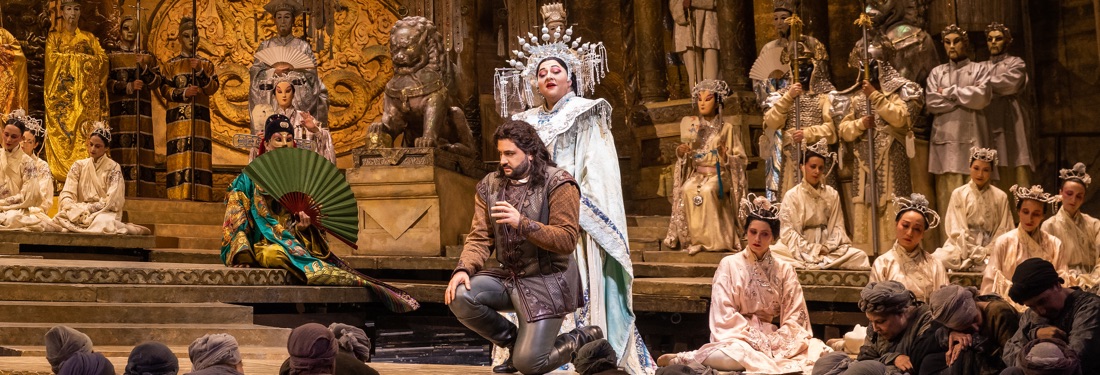
It’s back to business as usual at the Met, for better and for worse.

Turandot finally arrives on Trove Thursday, but it’s the setting by Ferruccio Busoni which predates by a decade the one by that other Italian guy, and it’s paired today with Arlecchino, the composer’s other commedia dell’arte-influenced short opera.
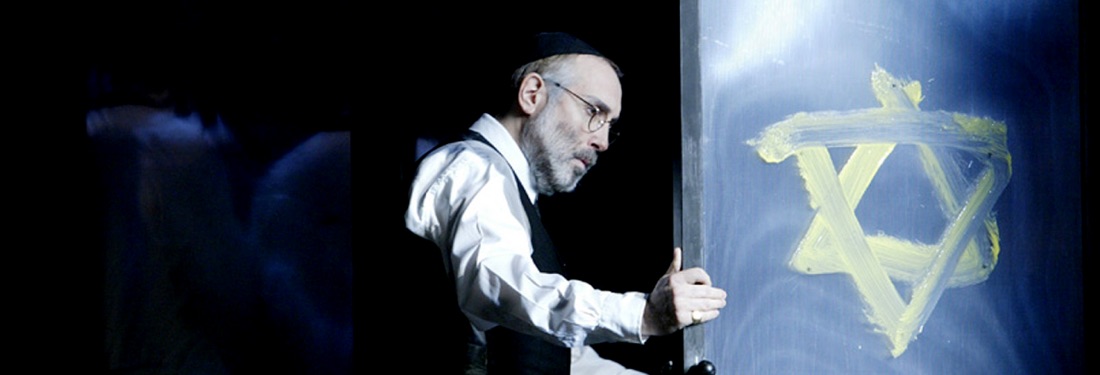
Trove Thursday offers two very different live recordings of Halévy’s grand opera La Juive.
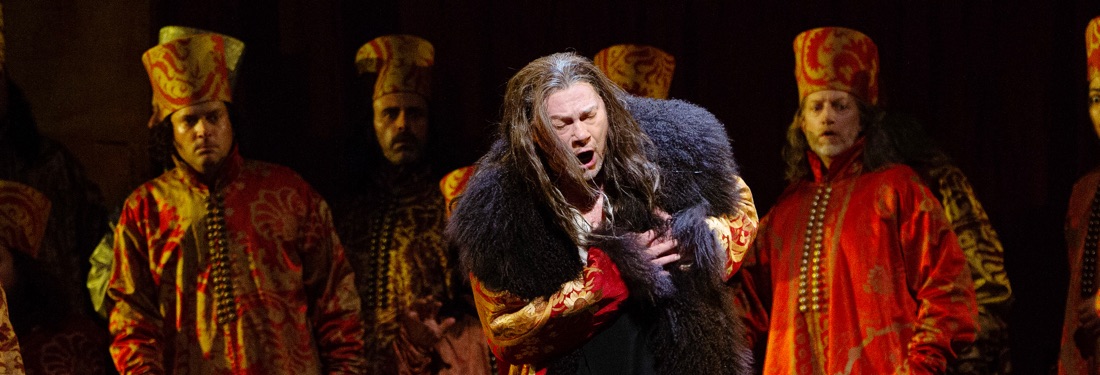
A snarky commentator might dub last night at the Met “Boris of the divo hair flip” but that would do a disservice to a serious, often effective performance of the challenging original version of Mussorgsky’s masterpiece.
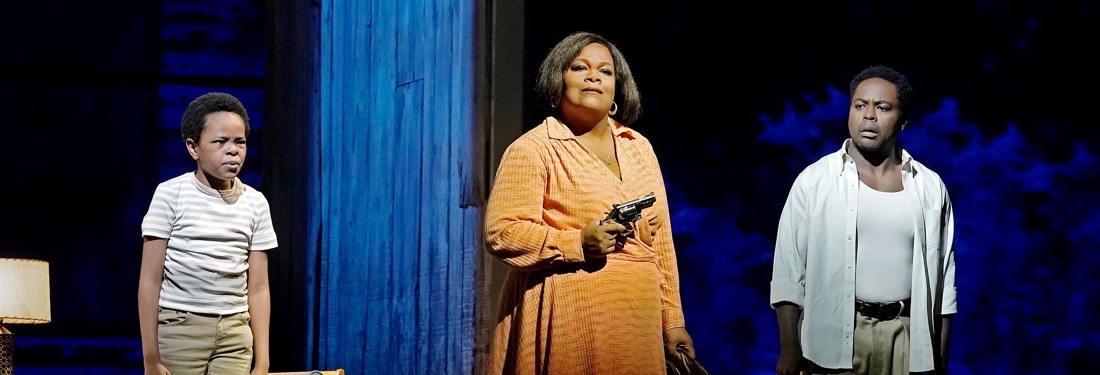
With composer Terence Blanchard and librettist Kasi Lemmons‘ incendiary Fire Shut Up in My Bones, the Met makes long overdue history and Will Liverman ascends to superstardom.
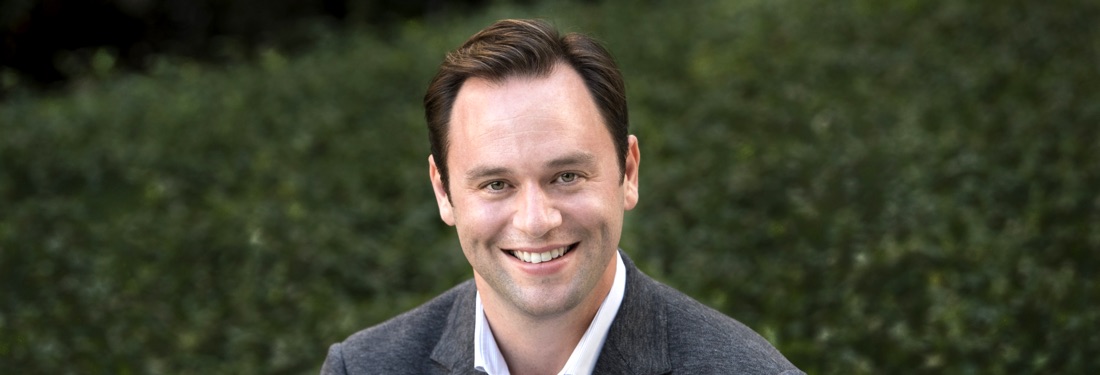
The program was set around themes of loss, of unfulfilled wishes, the endurance of loss, triumphant or depressed.

The days are getting shorter, but you can keep the prattle going this fall’s Talk of the Town! You will, you can, you must join in the discussion about: Great mezzo soprano performances (October),
Gained in translation (November), Teleport me back to… (December).
Exclusive opera reviews, commentary, and top reads
delivered to your email weekly…ish.