

Contained vehemence
The operatically elusive Marianne Crebassa is in Parterre Box‘s spotlight this week ahead of La clemenza di Tito in Barcelona.
The operatically elusive Marianne Crebassa is in Parterre Box‘s spotlight this week ahead of La clemenza di Tito in Barcelona.
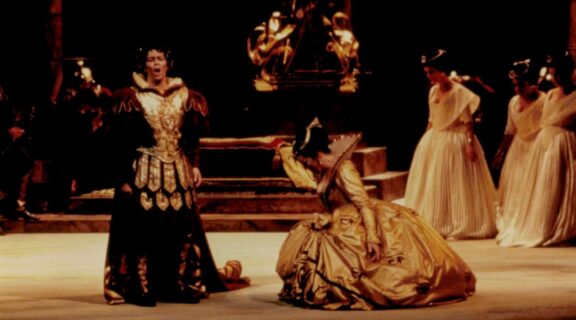
Singing truly becomes a living thing in Jennifer Larmore‘s remarkable voice and personality.
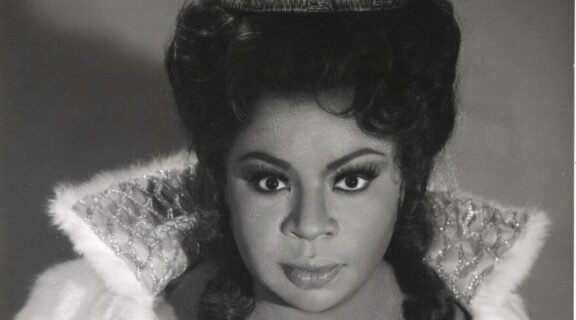
The versatile American soprano, a staple at the Metropolitan Opera and one of the most important Black opera singers of the 20th century, has died at 89.
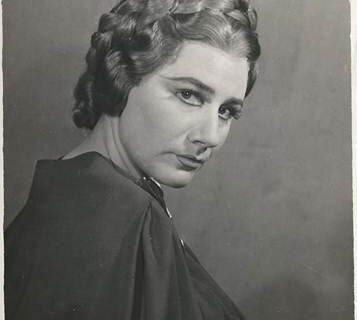
Ah, so many choices from my repertoire.

I went for Nilsson, but the star for me was the exceptional Mignon Dunn.
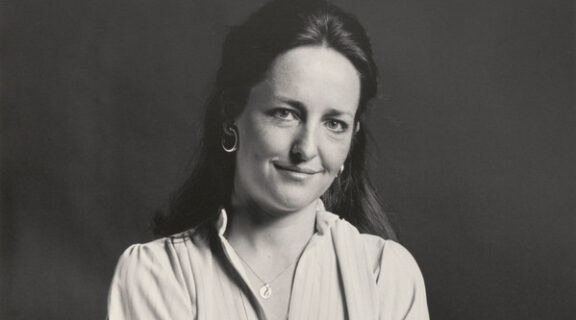
I find it unfathomable that Frederica Von Stade is 81 years old, for to me she is eternally 31.
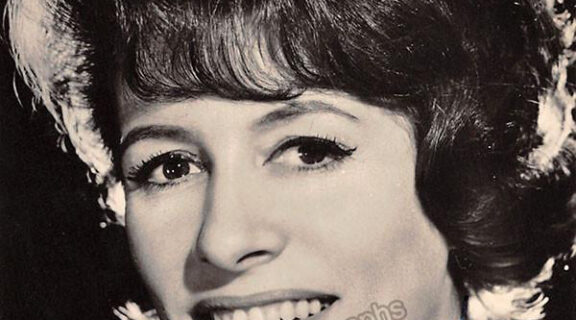
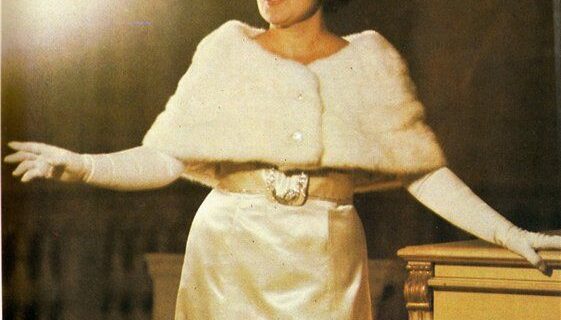
Irina Arkhipova gives a masterclass in singing in this thrilling excerpt from The Maid of Orleans by Tchaikovsky.
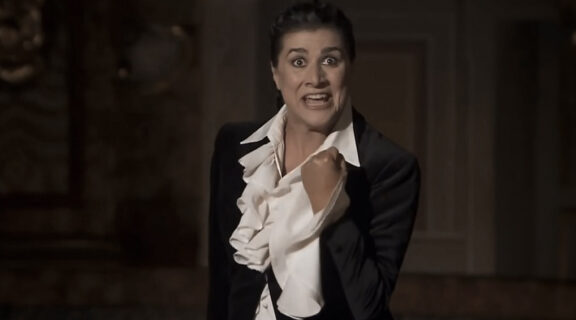
And then I remembered how much I love Cecilia Bartoli who was a major star when I first got into opera in my teens and remains so today.

Anita Rachvelishvili and Saioa Hernandez are headed back to New York and this week’s Grand Tier Grab Bag features them together in a performance from July.
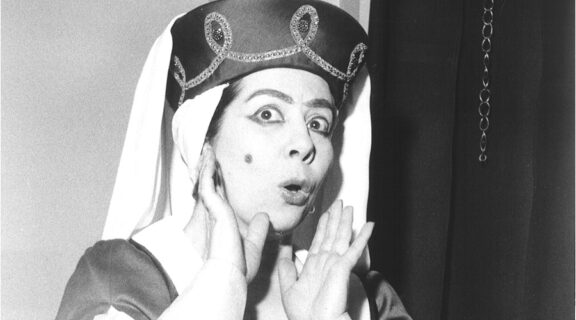
Who knew that Giulietta Simionato was so excellent in the Rossini coloratura repertoire?
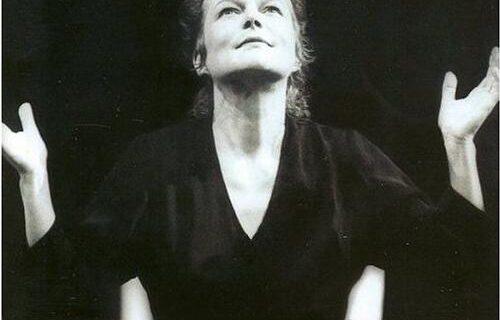
Lorraine Hunt Lieberson’s performance of “As with rosy steps the morn” from Handel’s Theodora is a masterclass in the confidence to simply hold space.
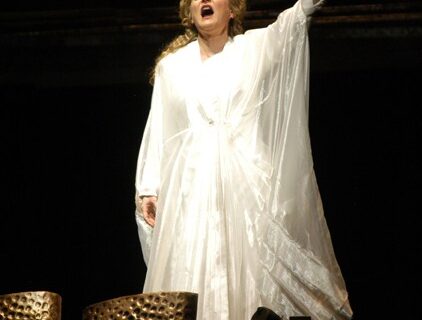
Seeing and hearing Lorraine Hunt Lieberson sing Didon at the Met was one of the greatest performances in my many years of opera going.
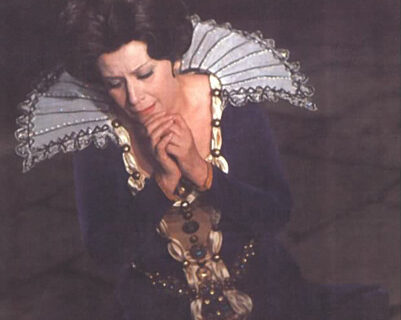
One mezzo I have always enjoyed was Elena Obraztsova.
Less than two weeks remain to submit to this fall’s The Talk of the Town!
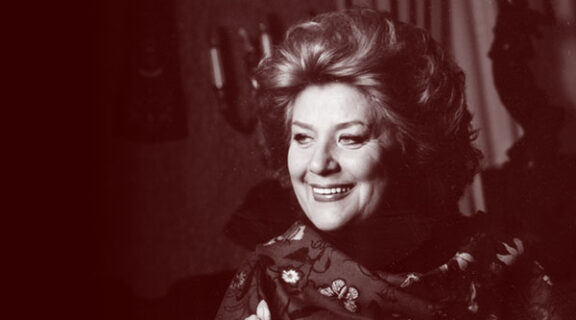
I’ve been an Elena Obraztsova superfan since I was 16.

Brigitte Fassbaender tears through the role like no other.
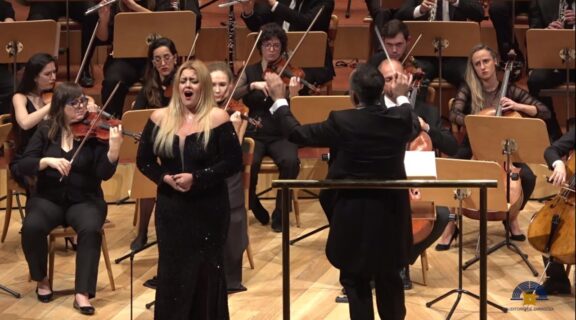
Iwona Sobotka, a favorite of Riccardo Muti, is this week’s featured Grand Tier Grab Bag artist
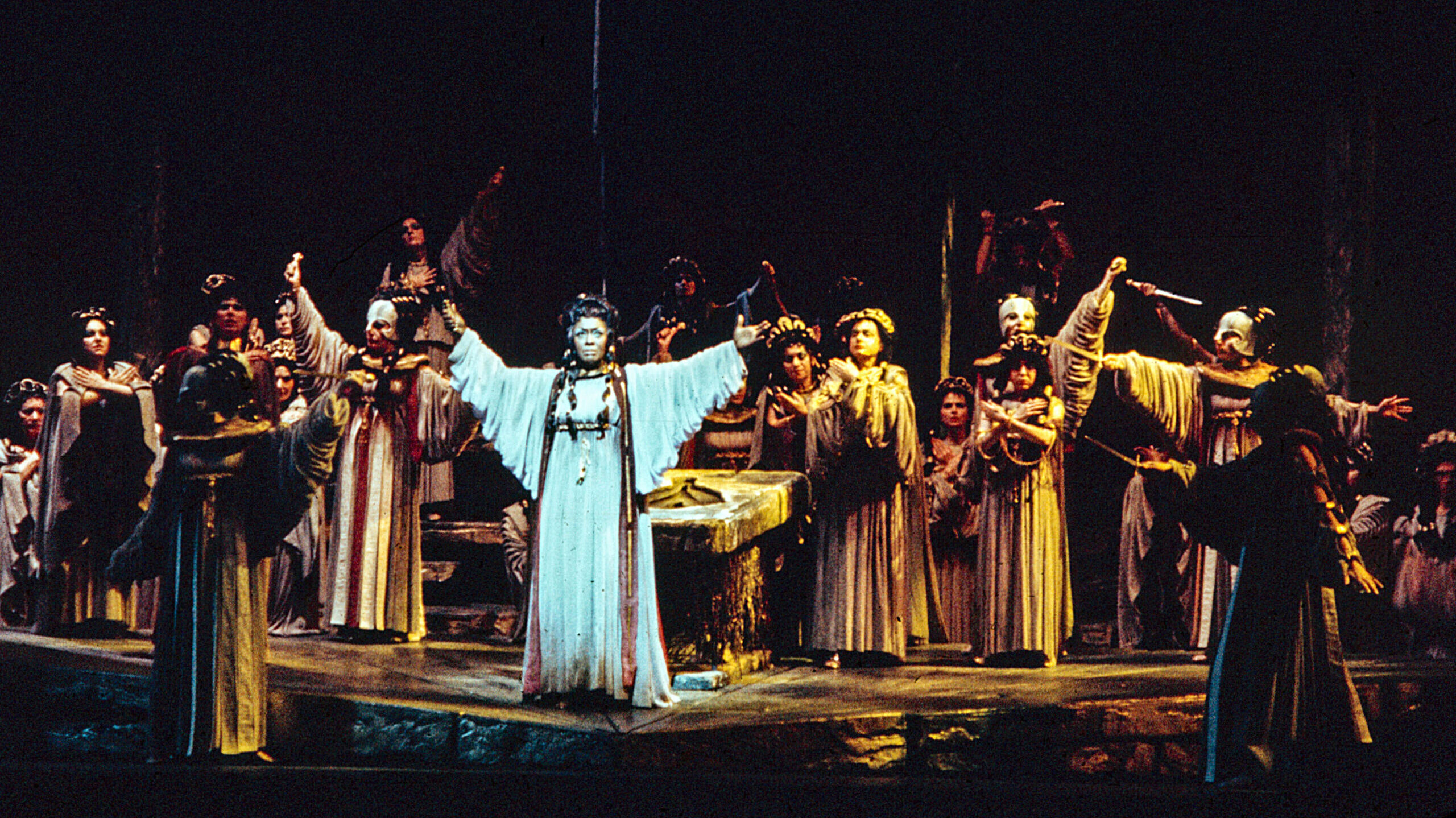
Most stunning mezzo performance in the premiere of an opera at the Met.
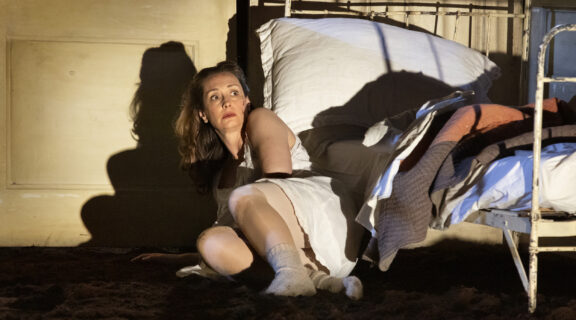
Eichenholz is much too rare on stage these days.
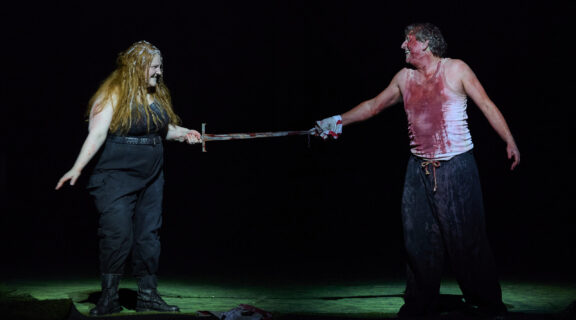
Tamara Wilson completes her first Ring Cycle as Brünnhilde next month, and Parterre Box celebrates with a clip of her in Siegfried.
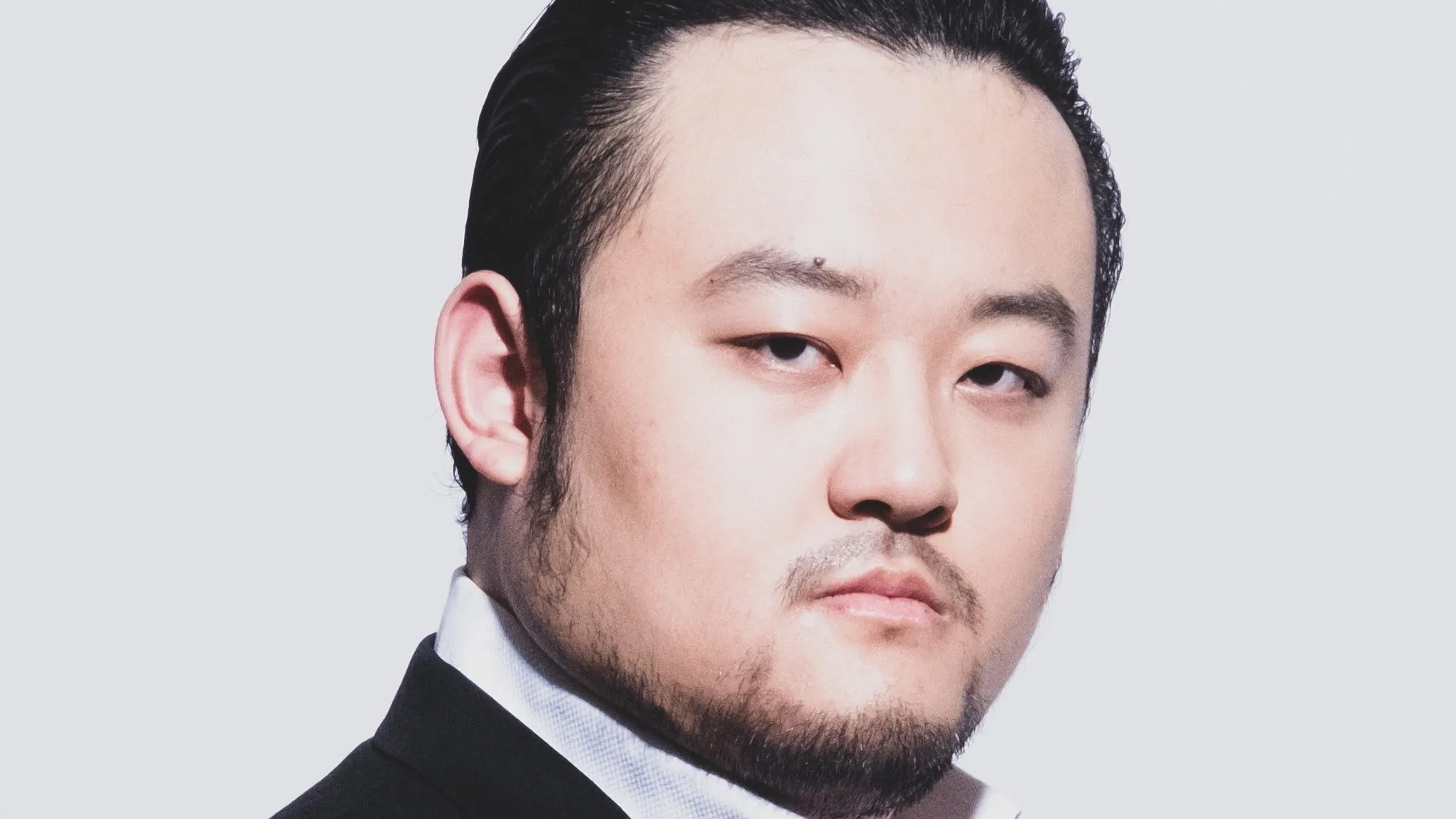
Finally, finally, a change to see Massenet‘s Hérodiade, albeit in concert from, though I long for a day when the Met or the Lyric Opera of Chicago would give us a staged performance.
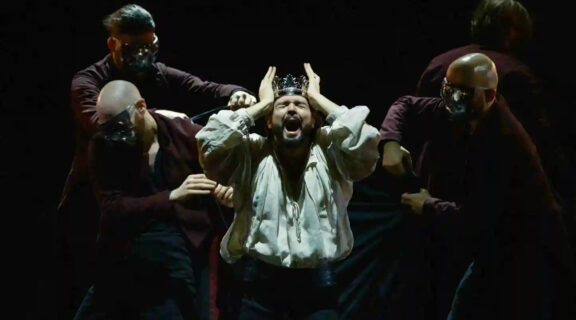
Parterre Box draws your attention to another Macbeth taking the stage this month, the triple-threat baritone Luca Micheletti.
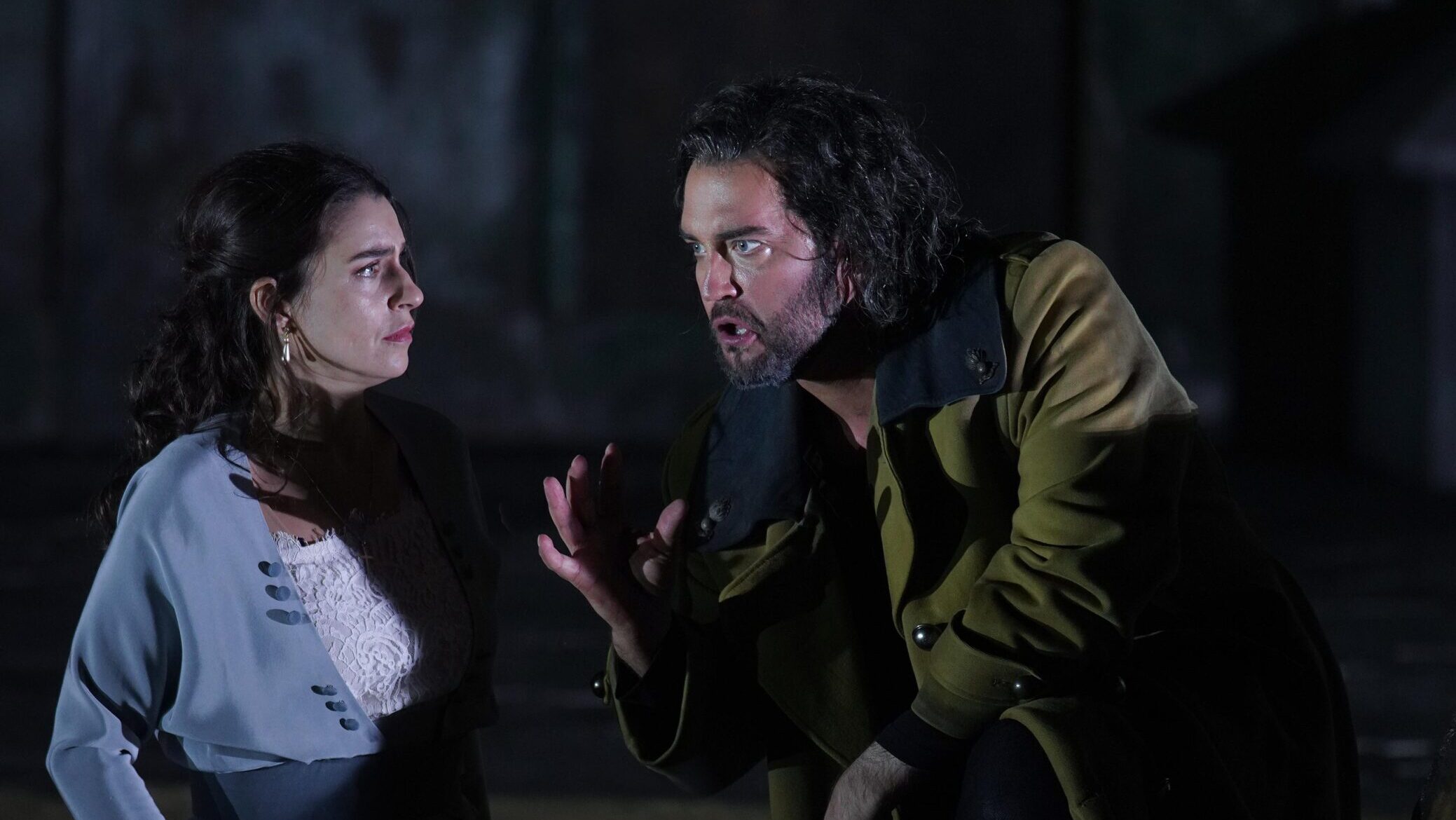
I am very much interested in La Scala’s upcoming opening night with Verdi’s Otello.

The days are getting shorter, but you can keep the prattle going this fall’s Talk of the Town! You will, you can, you must join in the discussion about: Great mezzo soprano performances (October),
Gained in translation (November), Teleport me back to… (December).
Exclusive opera reviews, commentary, and top reads
delivered to your email weekly…ish.