
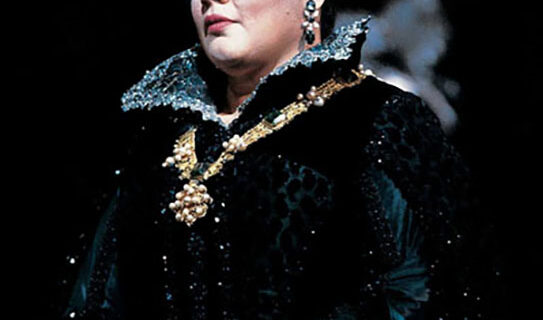
A favorite mezzo performance from Matthew Byrd
From the moment she started to sing until the end, all of us sat in complete silence letting this voice engulf us.
By Matthew Byrd
Comment
From the moment she started to sing until the end, all of us sat in complete silence letting this voice engulf us.
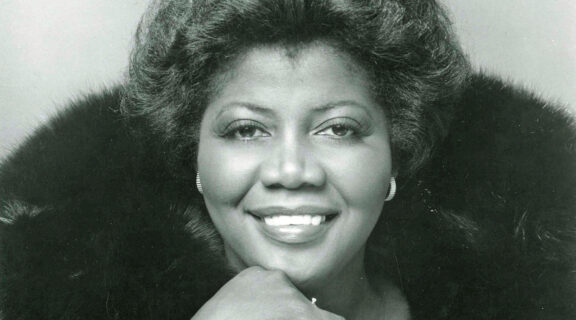
Florence Quivar’s blend of triple cream voice and superior musical expression earned her a discography and videography to rival those of any of her contemporaries.
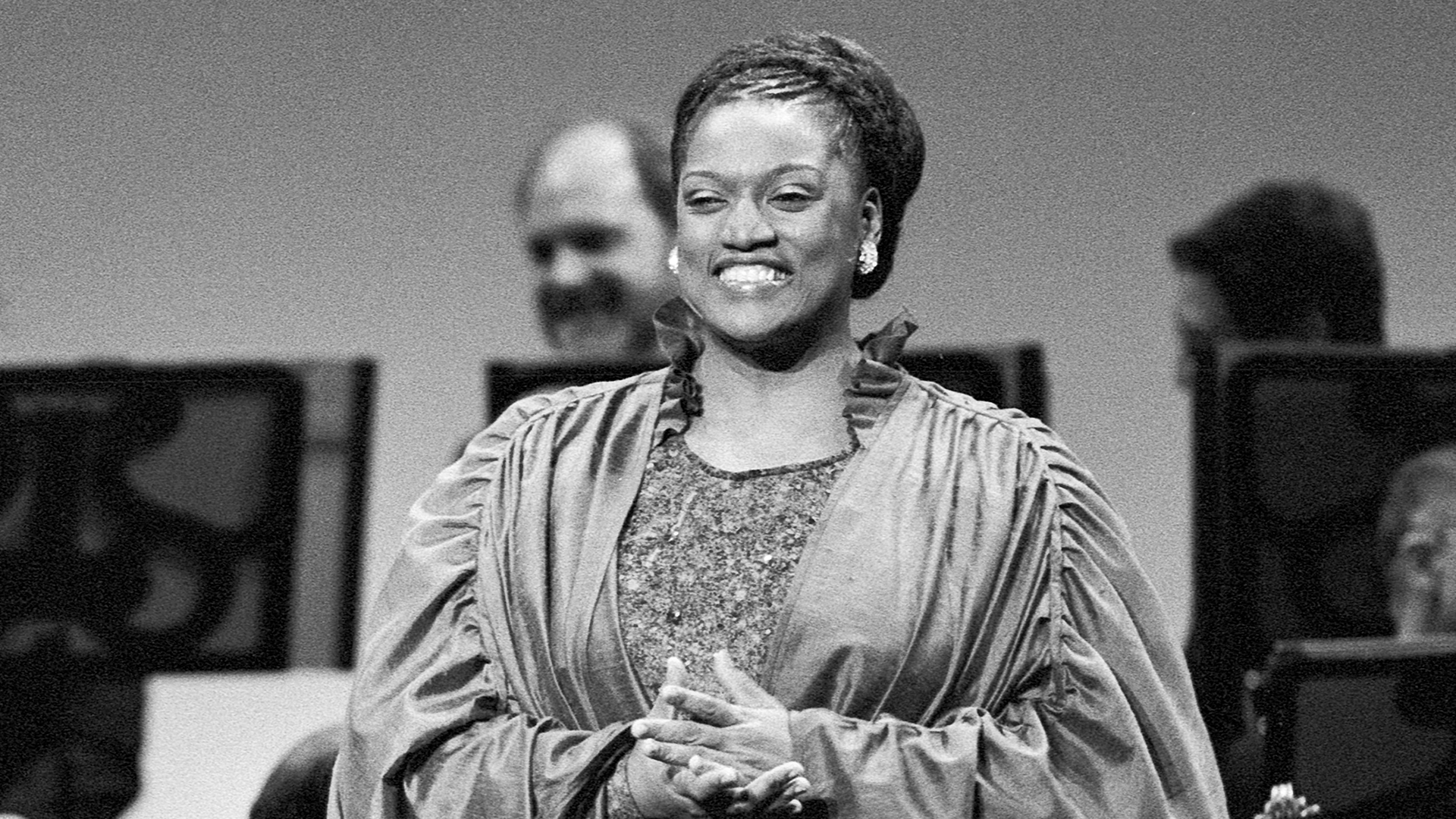
Sometimes, the first time you hear an oeuvre, it becomes the definitive performance for you.
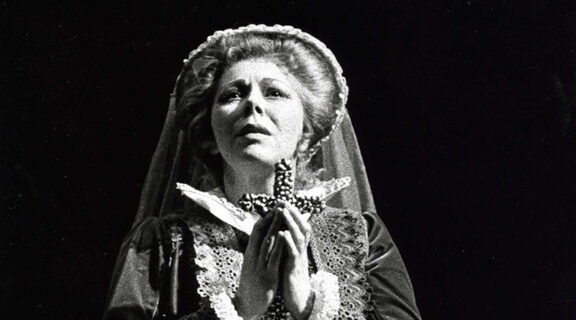
An elegant rendition, and an artistically true one.
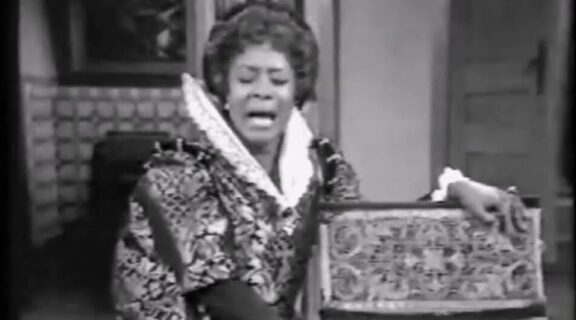
The open, skyward deliveries at the beginning and end of the aria as she addresses heaven! The mournful softness of her interceding “O mia Regina.”
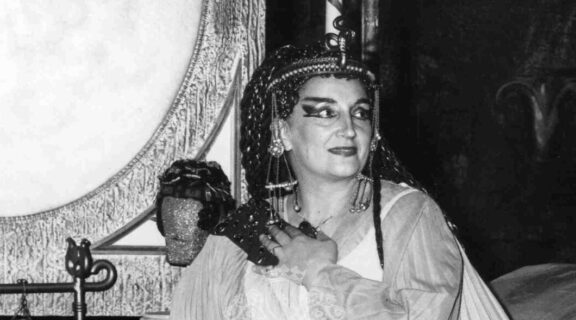
The guttsiest, bitchiest, verismoist Amneris in my experience
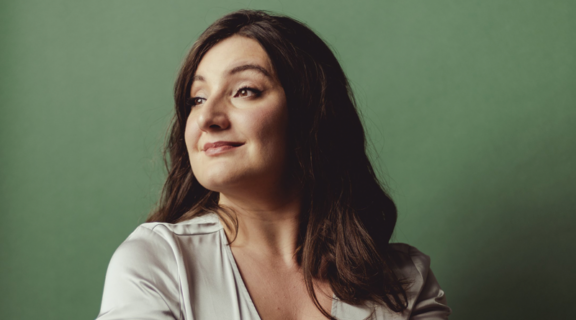
Beth Taylor sings with her whole heart and soul and it is evident in the aria “Priva son d’ogni conforto” from Handel’s Giulio Cesare.
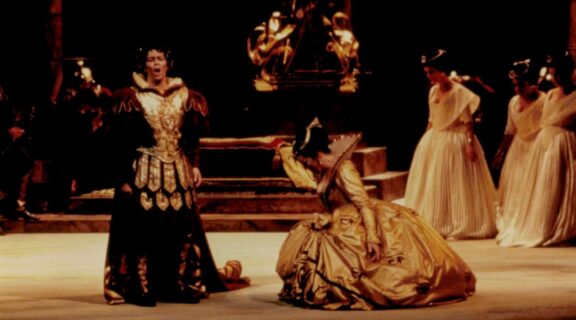
Singing truly becomes a living thing in Jennifer Larmore‘s remarkable voice and personality.
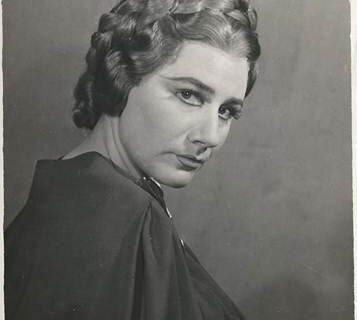
Ah, so many choices from my repertoire.
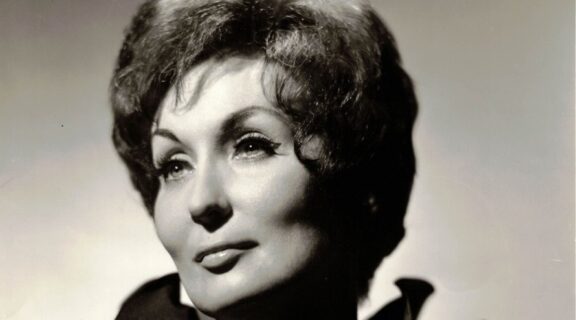
I went for Nilsson, but the star for me was the exceptional Mignon Dunn.
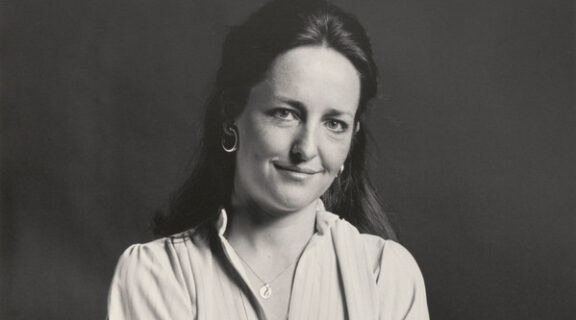
I find it unfathomable that Frederica Von Stade is 81 years old, for to me she is eternally 31.
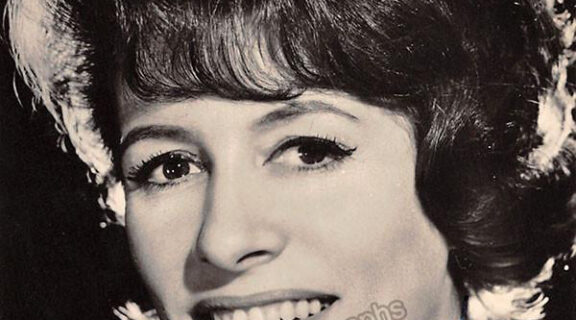
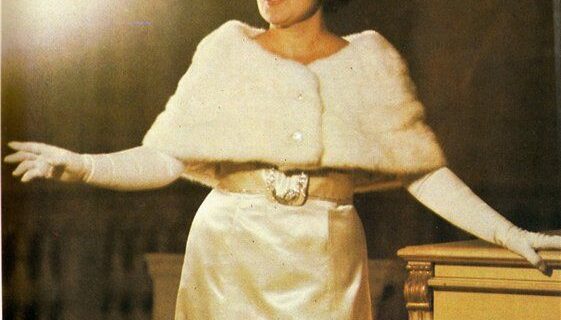
Irina Arkhipova gives a masterclass in singing in this thrilling excerpt from The Maid of Orleans by Tchaikovsky.
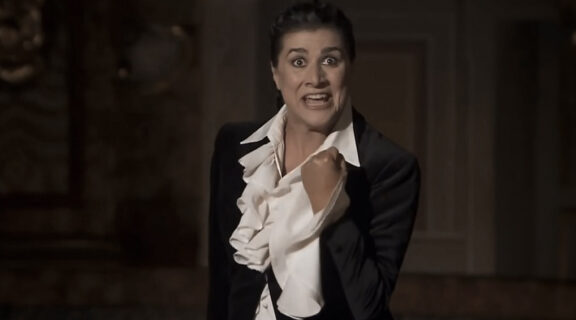
And then I remembered how much I love Cecilia Bartoli who was a major star when I first got into opera in my teens and remains so today.
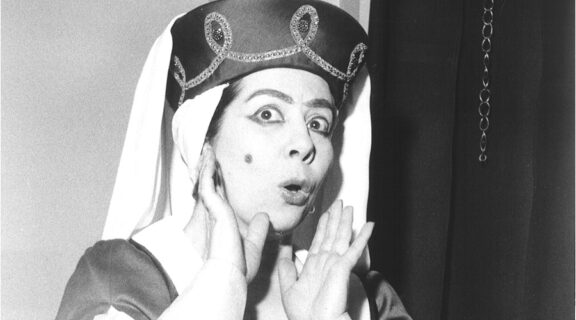
Who knew that Giulietta Simionato was so excellent in the Rossini coloratura repertoire?
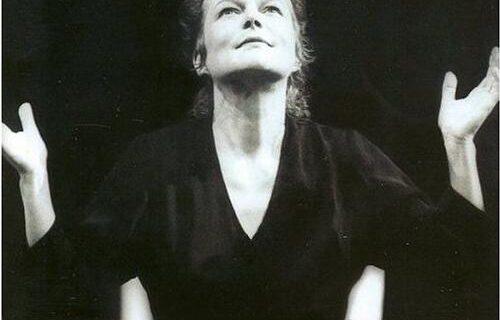
Lorraine Hunt Lieberson’s performance of “As with rosy steps the morn” from Handel’s Theodora is a masterclass in the confidence to simply hold space.
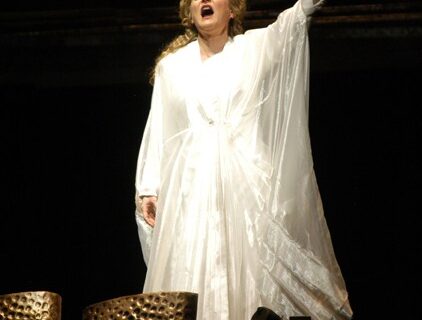
Seeing and hearing Lorraine Hunt Lieberson sing Didon at the Met was one of the greatest performances in my many years of opera going.
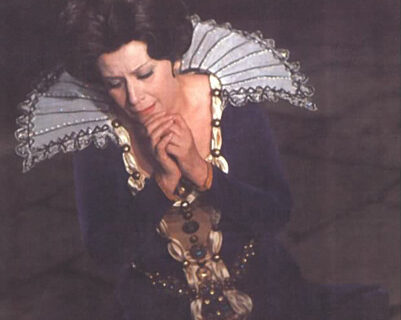
One mezzo I have always enjoyed was Elena Obraztsova.
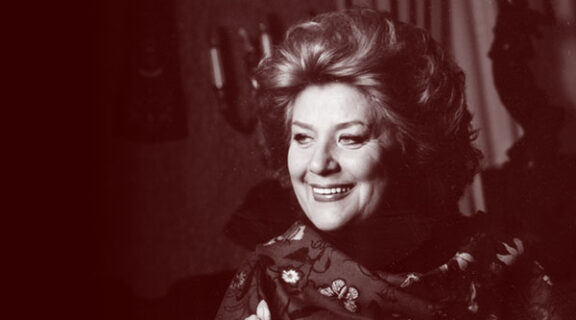
I’ve been an Elena Obraztsova superfan since I was 16.
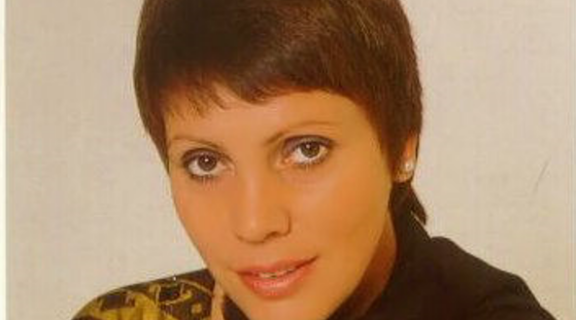
Brigitte Fassbaender tears through the role like no other.
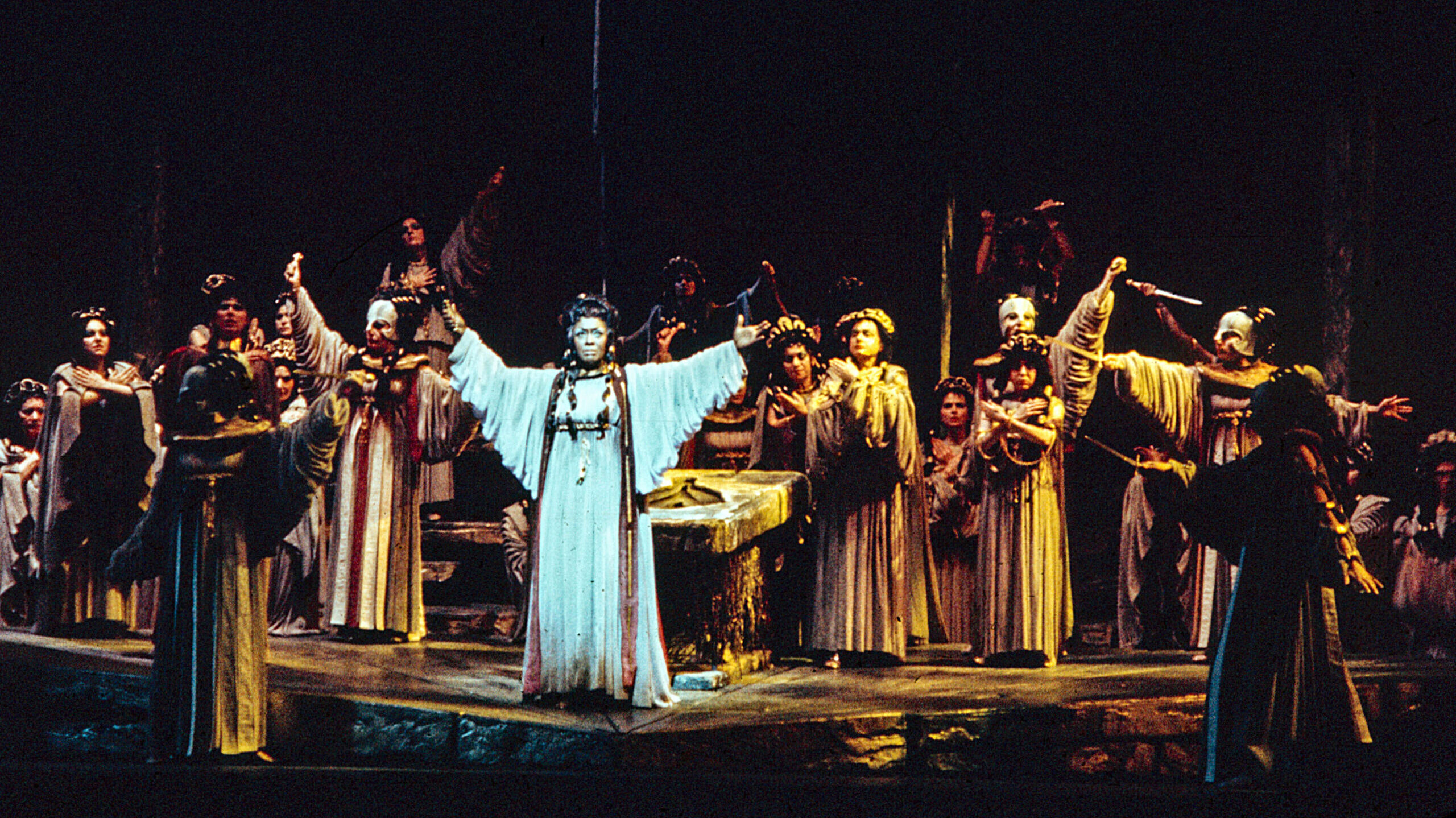
Most stunning mezzo performance in the premiere of an opera at the Met.
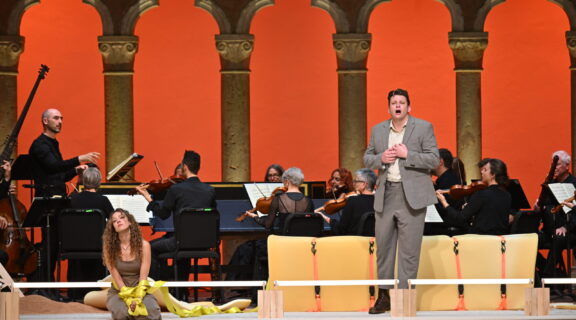
Last September I was most excited by Handel oratorios being performed during the 2025-26 season. This time I’m really looking forward to three of the composer’s operas arriving within a few weeks of each other in Spring 2027.
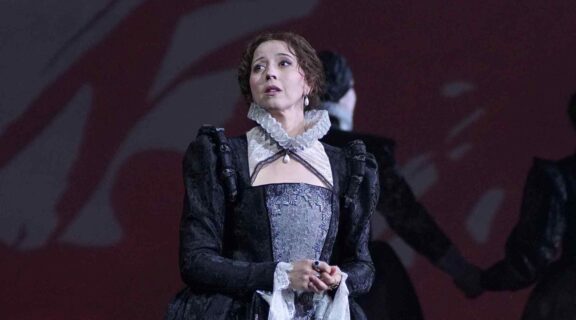
Isn’t it fun to see the Virgin Queen spew out some coloratura?
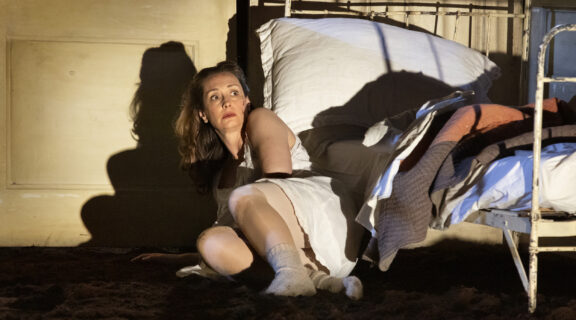
Eichenholz is much too rare on stage these days.

The days are getting shorter, but you can keep the prattle going this fall’s Talk of the Town! You will, you can, you must join in the discussion about: Great mezzo soprano performances (October),
Gained in translation (November), Teleport me back to… (December).
Exclusive opera reviews, commentary, and top reads
delivered to your email weekly…ish.