Wait, wait, don’t tell me
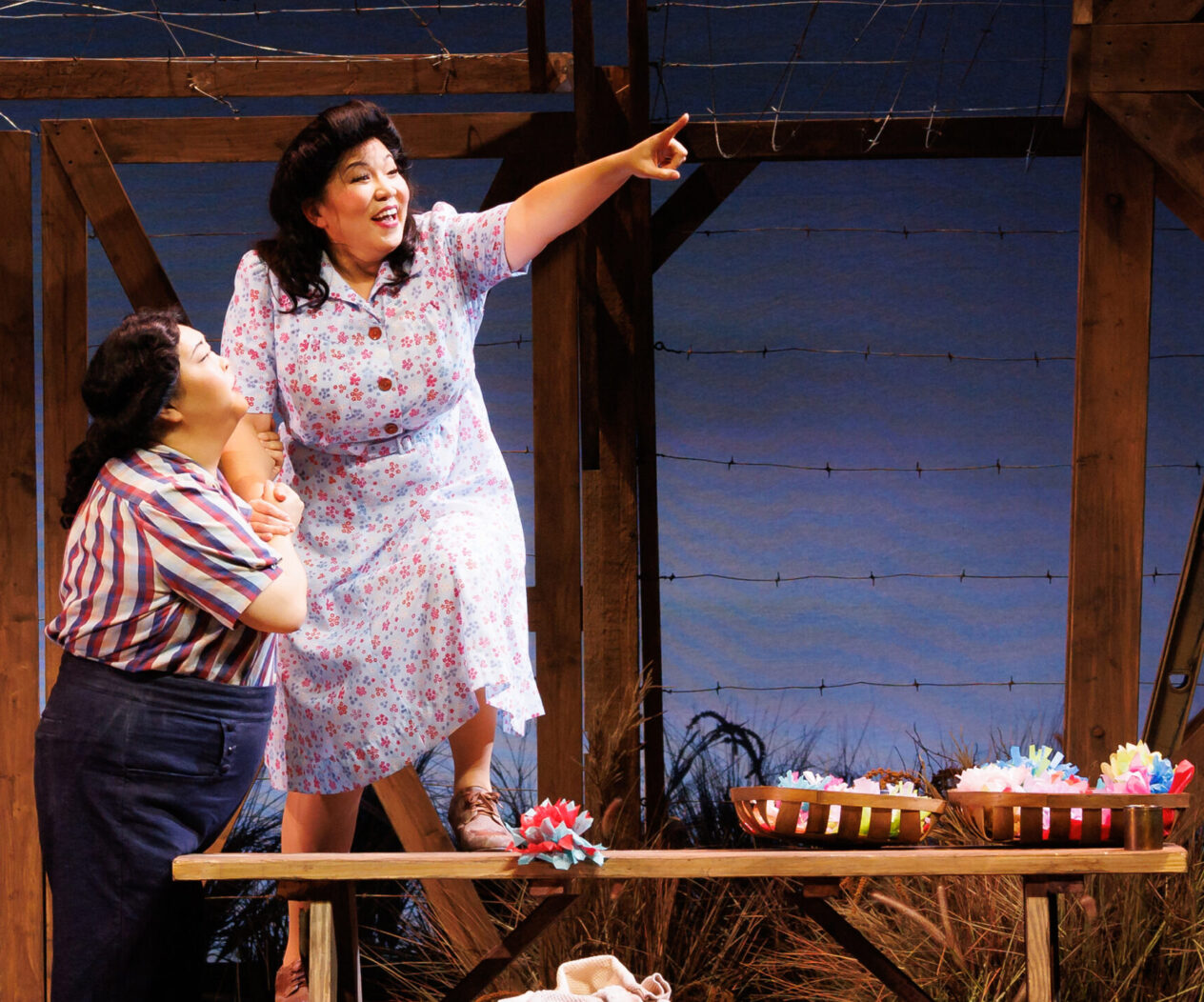
Seokyoung looks at how five different versions of “Un bel dì” support and subvert the stakes of Cio-Cio-San’s famous wait for Perspectives on an Aria.
Seokyoung looks at how five different versions of “Un bel dì” support and subvert the stakes of Cio-Cio-San’s famous wait for Perspectives on an Aria.
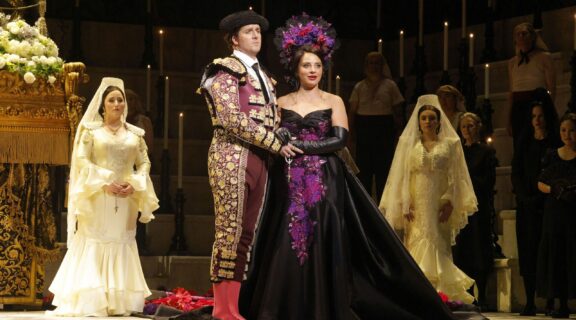
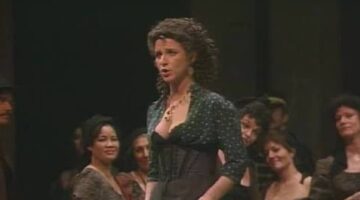
Domingo Hindoyan makes an auspicious debut as LA Opera’s Music Director against a distractingly busy production of Carmen.
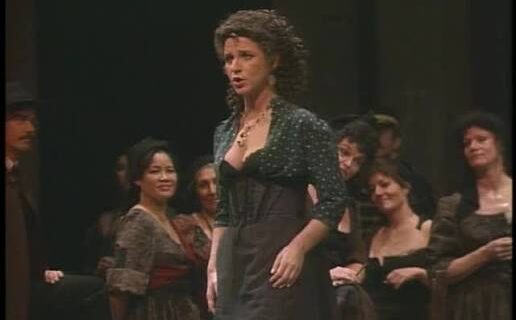
Remember, kids: if you sing with a “splatty” chest you’ll lose access to your top, which is why Agnes Baltsa had such a short international career.
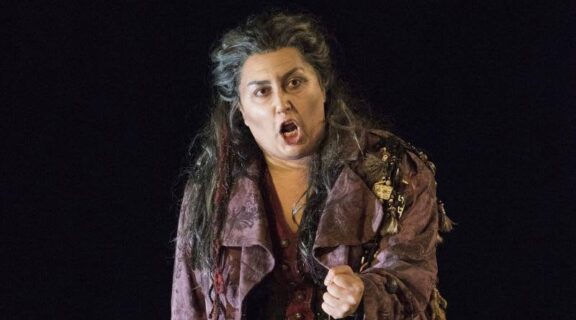
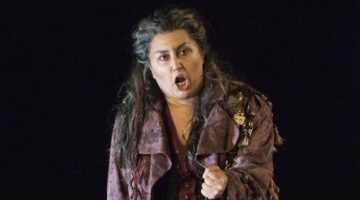
One of the few truly great mezzos I’ve heard in the 21st century here at the Metropolitan.
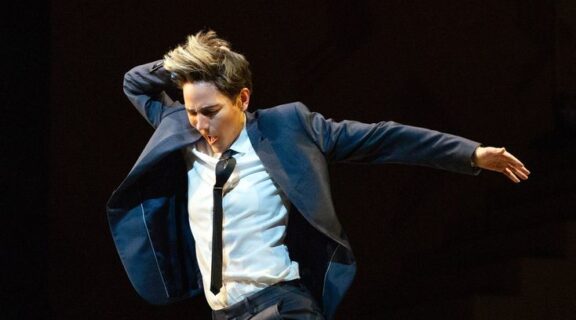
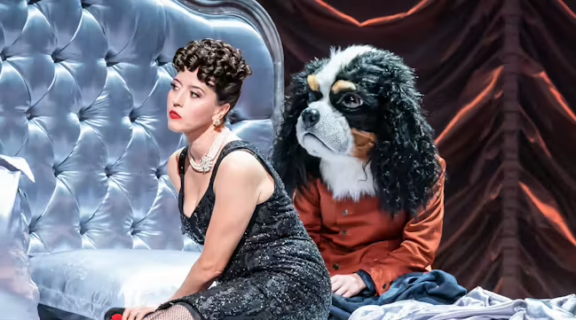
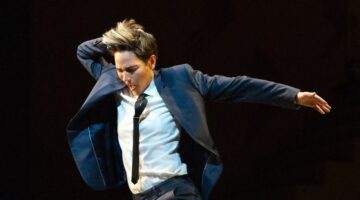
Every Baroque opera could be more feral, especially when cross-dressing is involved.

The days are getting shorter, but you can keep the prattle going this fall’s Talk of the Town! You will, you can, you must join in the discussion about: Great mezzo soprano performances (October),
Gained in translation (November), Teleport me back to… (December).
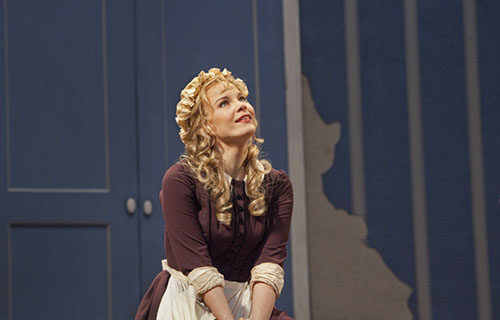
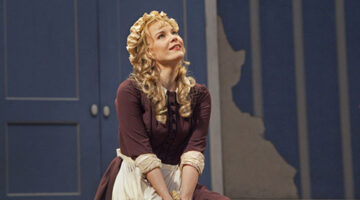
Elina Garanca has moved on from roles like Angelina in La Cenerentola, but this clip from 2001 shows why she became such a big star.
Cheers to Teresa Berganza, a Cenerentola for the ages.
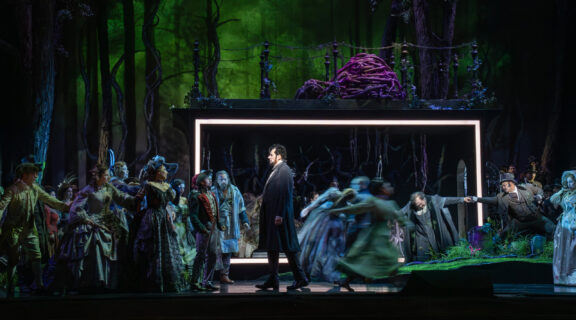
Lincoln in the Bardo fills its inaugural Metropolitan Opera run with musical delights and vibes—but how far can those go?

I have chosen “Våren” (The Spring) which is one of my favorite Grieg songs and which is sung perfectly by Anne Sofie von Otter.
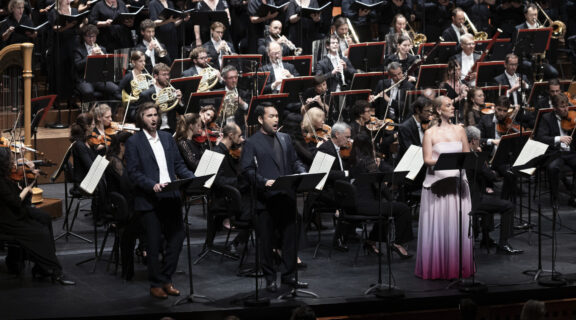
Köln’s current Rigoletto, the debonair Korean baritone Insik Choi, is this week’s Grand Tier Grab Bag featured artist.
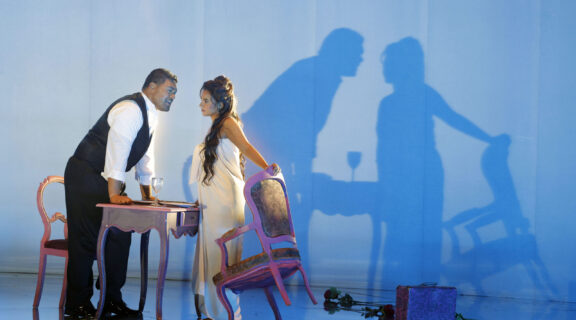
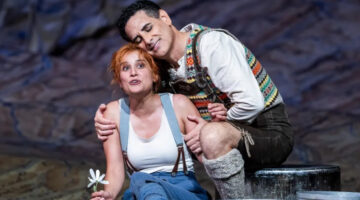
A husband-wife duo add star power to San Francisco Opera‘s stylish revival of Manon.
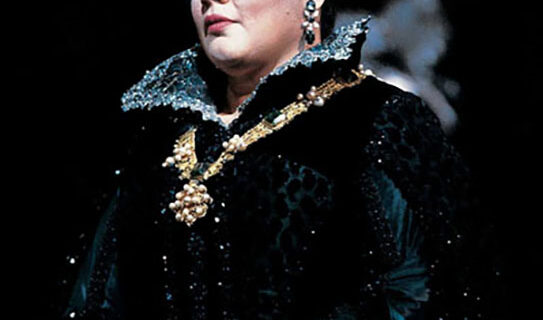
From the moment she started to sing until the end, all of us sat in complete silence letting this voice engulf us.

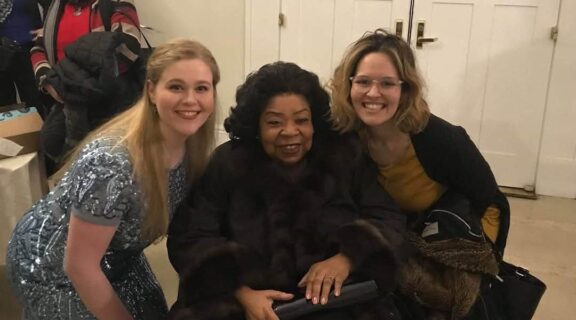
Melanie Spector pays tribute to the great soprano — and her mentor — Martina Arroyo.
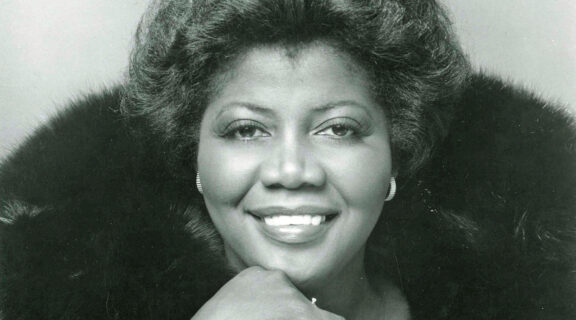
Florence Quivar’s blend of triple cream voice and superior musical expression earned her a discography and videography to rival those of any of her contemporaries.

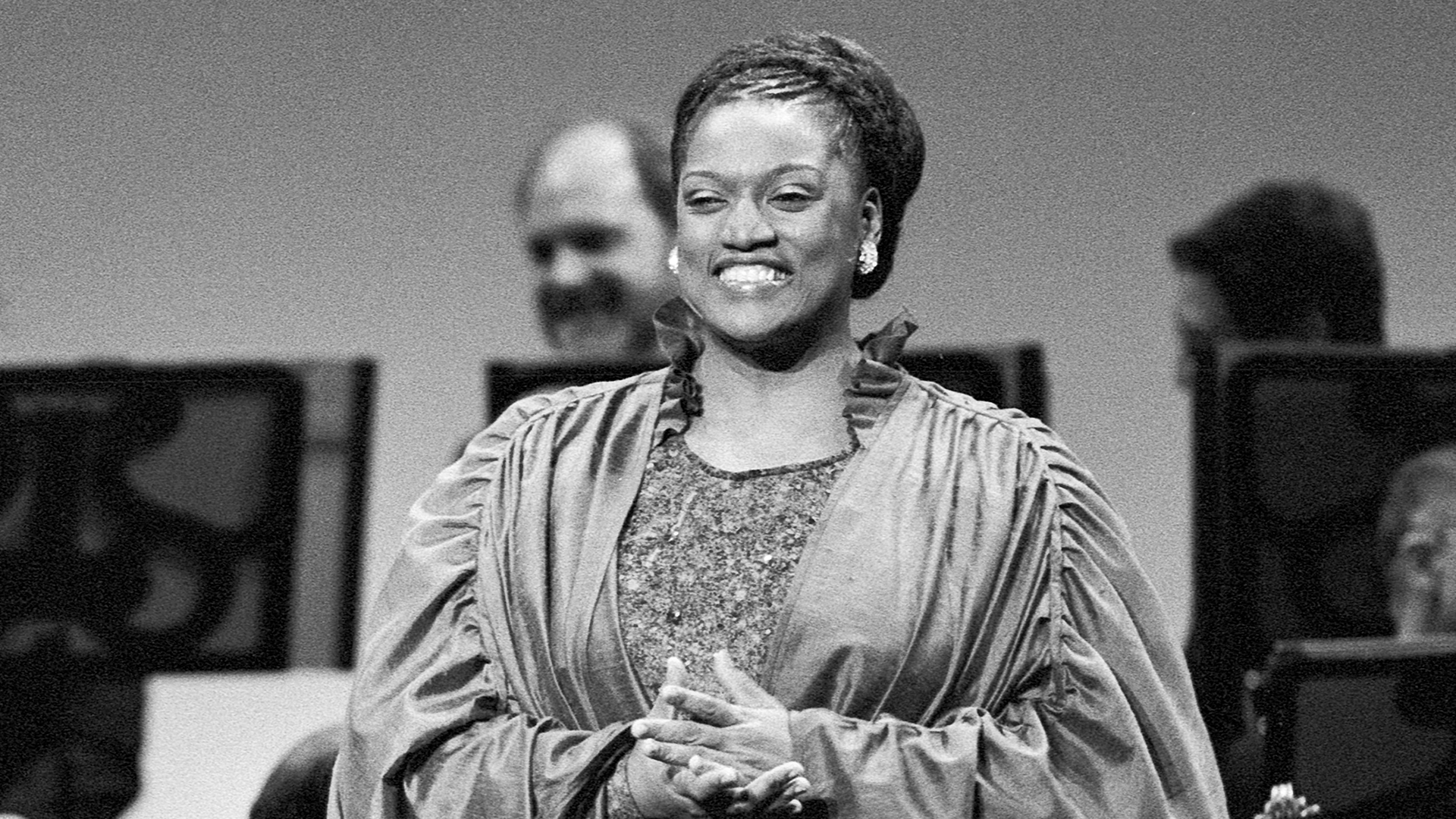
Sometimes, the first time you hear an oeuvre, it becomes the definitive performance for you.
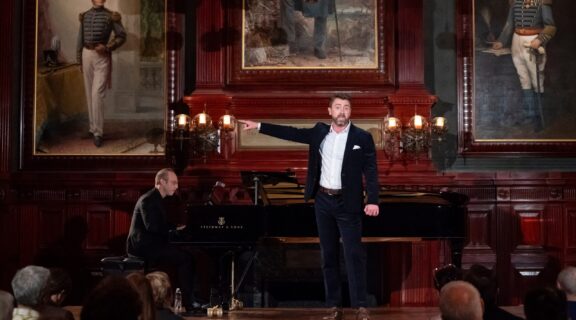
Our critics assess Kansas’s own Ben Bliss in a (nearly) all-American program performed at the Park Avenue Armory and Vocal Arts DC.
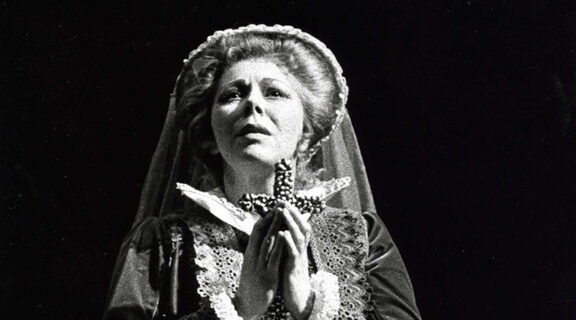
An elegant rendition, and an artistically true one.
Exclusive opera reviews, commentary, and top reads
delivered to your email weekly…ish.