

Fascinating but frustrating
Now, through the auspices of the Metropolitan Opera, we have Sonya Yoncheva—and if anything, the diva-dom has been kicked up a notch!
Now, through the auspices of the Metropolitan Opera, we have Sonya Yoncheva—and if anything, the diva-dom has been kicked up a notch!

Giacomo Puccini’s La fanciulla del West may have its detractors (Stravinsky referred to it as a “horse-opera’) but you will not find me among them.
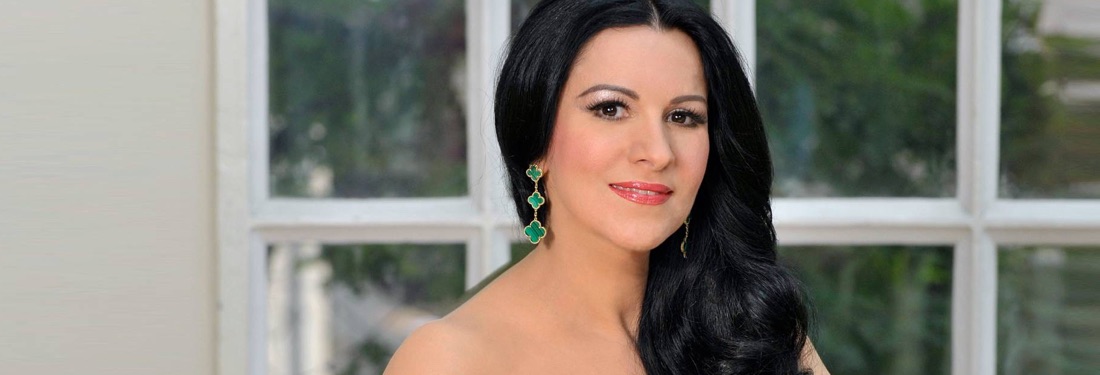
Whatever you think of Angela Gheorghiu, she epitomizes a star sound, the kind of voice that’s recognizable within three seconds, and she definitely knows her way around a performance.
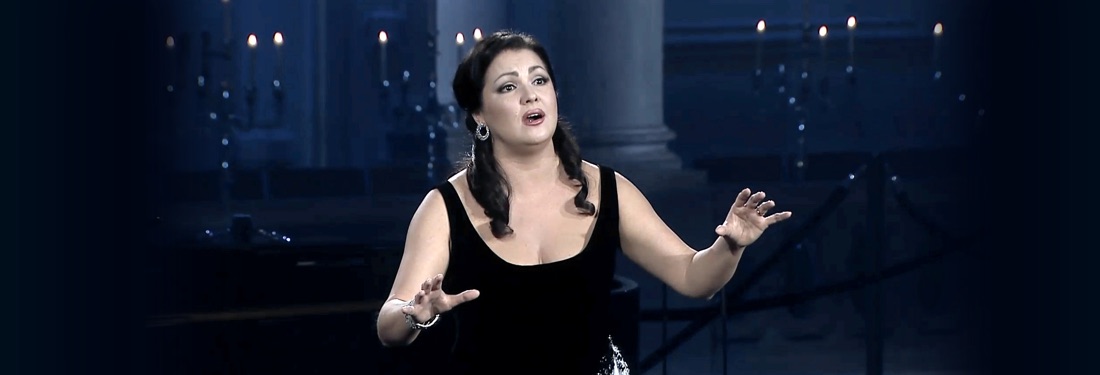
Proudly and vividly on display was Anna Netrebko’s unique and glamorous ability to wear the music like a parade of couture gowns—some more sparkly than others, some a more flattering fit, but all thoughtfully chosen and laced into with care.

It was a meaty program. But both singers had the chops for it.
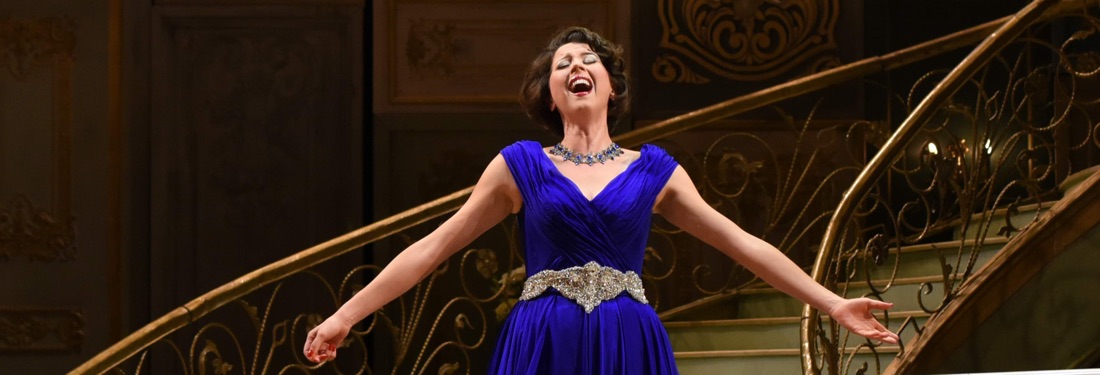
Opera Philadelphia Channel invites viewers to revisit a 2015 production of La Traviata, captured on the Academy of Music stage, that’s notable for Lisette Oropesa’s debut as Violetta Valéry.

Take it as a high compliment to the harrowing, riveting Soldier Songs that I was grateful it lasted only one hour. My nerves couldn’t have handled more.
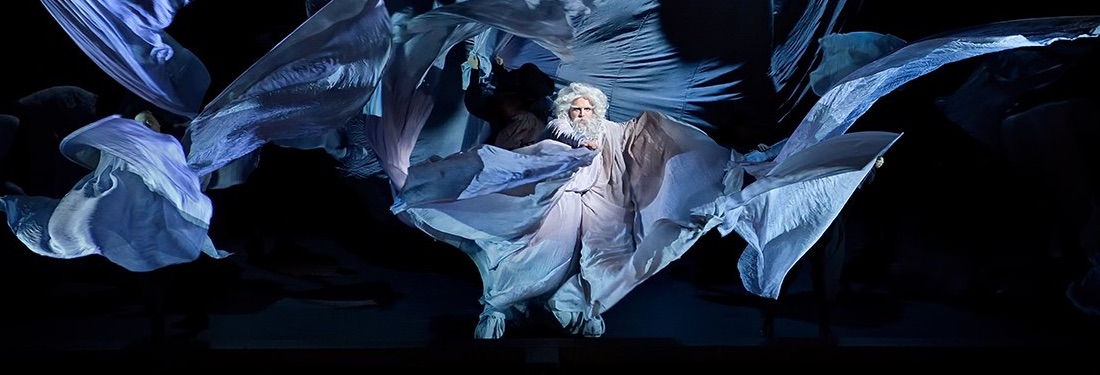
Dancing sheep! Flying sheep! Flying sheep who dance!

Conceived by Adam Guettel as a song cycle that explores human relationships to the gods across the span of history into today, Myths and Hymns has been seen and heard in concert and staged settings, and some of the individual songs are often performed in cabaret.

The performance of an opera, indeed, seems almost a third narrative, atop the dreamer under the scientific microscope and the larva turning into a butterfly, and the mingling is not always clear—but then, clarity never seems to be the intention.

Like everyone reading this, I imagine, I’ve missed going to see and hear something in person more than I thought possible.

Call Out is an ample demonstration of Zachary James’ many talents—and an inspiring example of the artistic light that can be generated even when our theaters are temporarily dark.

The immediate and personal catastrophe interleaves with the general and universal and ancient.
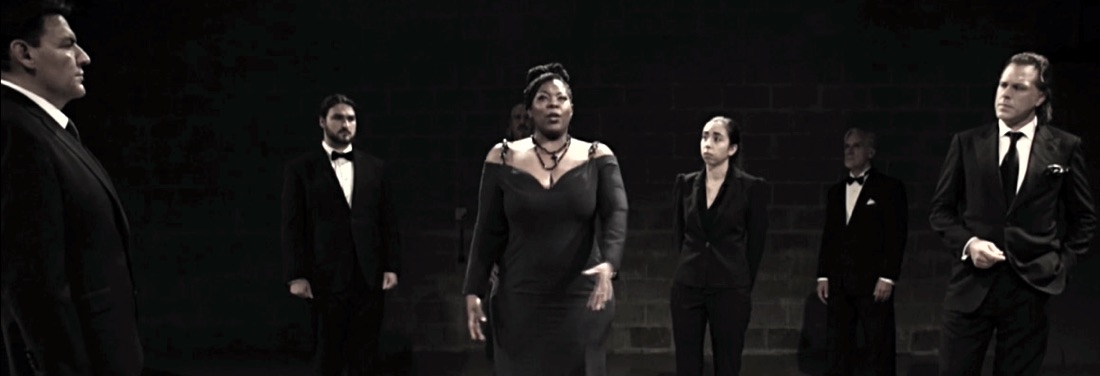
Without furnishings to distract them, the cast prowled the stage with sinister energy, exchanging significant looks and deadly secrets as though fearing Nihilists behind every drapery.

Despite the ongoing pandemic and the political upheaval, the Prototype Festival is back, and it is bigger and more accessible than ever before.

The Murder of Halit Yozgat by Ben Frost and Petter Ekmann is flavorsome in its use of sound, vocal and otherwise, to explore the elements of the story, to keep you tied in, and guessing.

As Julia Child, Jamie Barton is clearly having the time of her life.

Happy New Year, dear readers, from me, Callum, and Christine Goerke’s headband-tiara!

Erato’s irresistible Rossini collection Amici e Rivali is hands down my favorite vocal CD of 2020, featuring the inspired bravura sparrings of Lawrence Brownlee and Michael Spyres.

Jonas Kaufmann would like you know it’s Christmas. Well, not unlike a broken clock, he is right, at least for one day a year.

If the original version of The Prom had zazz—to borrow from one of the show’s signature numbers— Ryan Murphy’s adaptation barely achieves fizz.

Grab a fuzzy robe, a hot toddy, and a Wales guidebook, then sink blissfully into your couch for Bryn Terfel’s Christmas concert for the Met’s Live in Concert Series.

All in all, Mahler’s ethereal evocation of the natural world, and the world beyond our own, is becoming old hat.

Has anything positive happened to the performing arts since the plague engulfed us nearly ten months ago?

The days are getting shorter, but you can keep the prattle going this fall’s Talk of the Town! You will, you can, you must join in the discussion about: Great mezzo soprano performances (October),
Gained in translation (November), Teleport me back to… (December).
Exclusive opera reviews, commentary, and top reads
delivered to your email weekly…ish.