David Fox

As we continue to watch the world of live performance come cautiously back to post-COVID levels, I felt the greatest surge of joy so far when I saw Opera Philadelphia’s announcement of their 2022-23 season—and most especially, the reboot of Festival O.
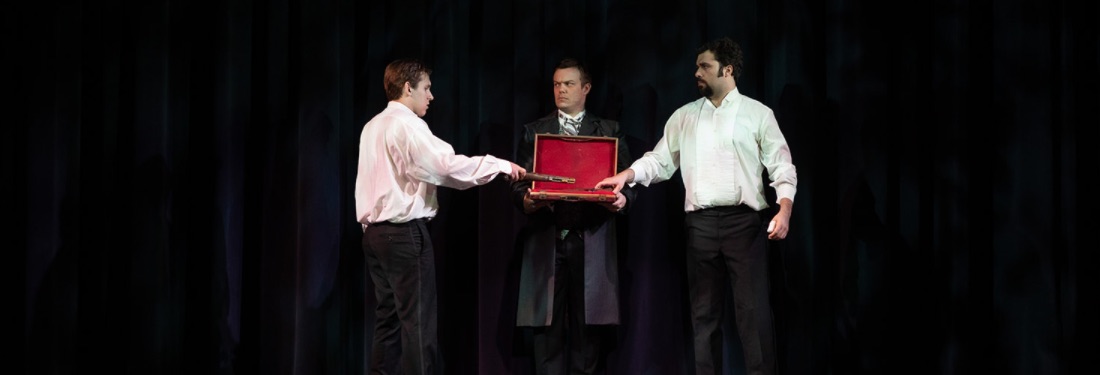
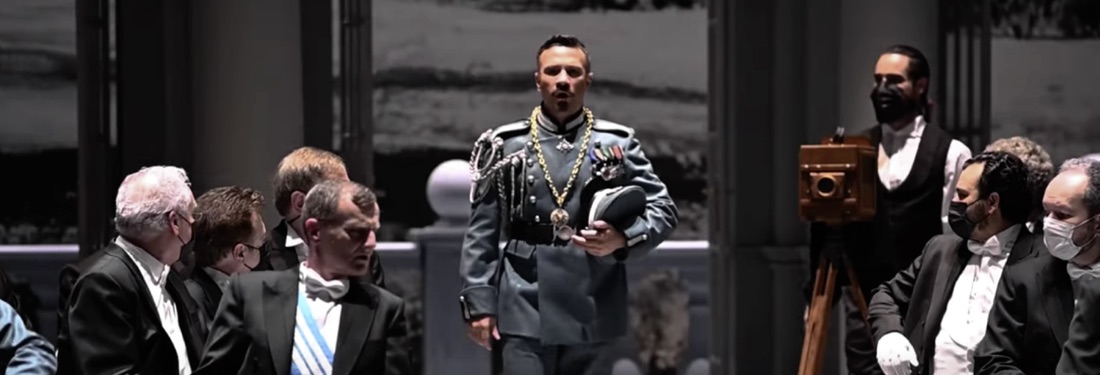
There was something very Russian—indeed, Chekhovian—about the mix of joy and tears, as the Academy of Vocal Arts performed Tchaikovsky’s Eugene Onegin
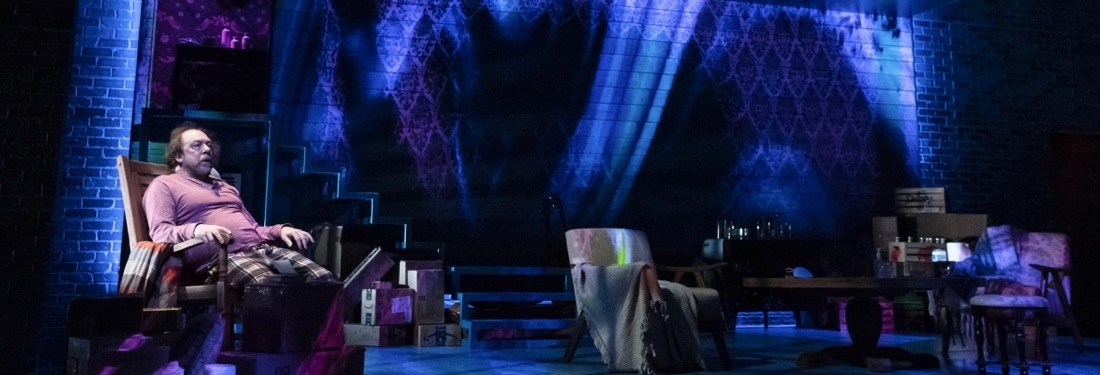
So that there’s no confusion: the Long Day’s Journey into Night seen here is contemporary, political, brutal, and universal.
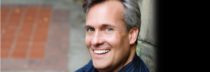
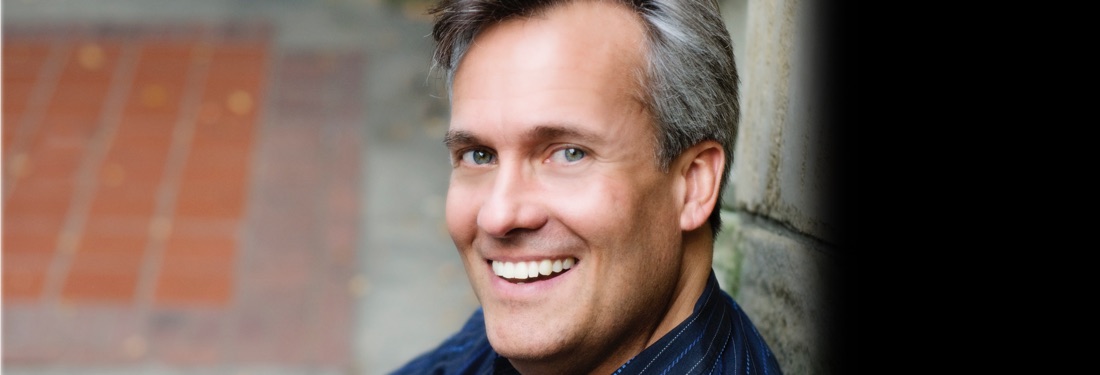
Opera Philadelphia’s return to the stage after two years was greeted by a cheering crowd who clearly would have been happy to stay longer, but as director David Devan acknowledged, this was a step in a continuing trajectory.
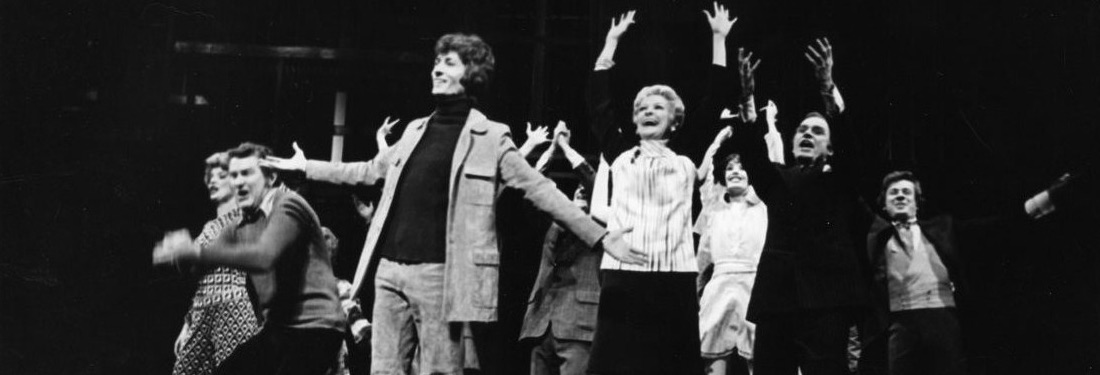
When I think of Stephen Sondheim, so many of my memories are not simply about shows of his I loved and learned from—they are experiences that literally shaped my life.

The Lehman Trilogy had me in its thrall from the moment the lights went up. It’s absolutely spellbinding. That’s not to say I endorse it wholeheartedly, though.

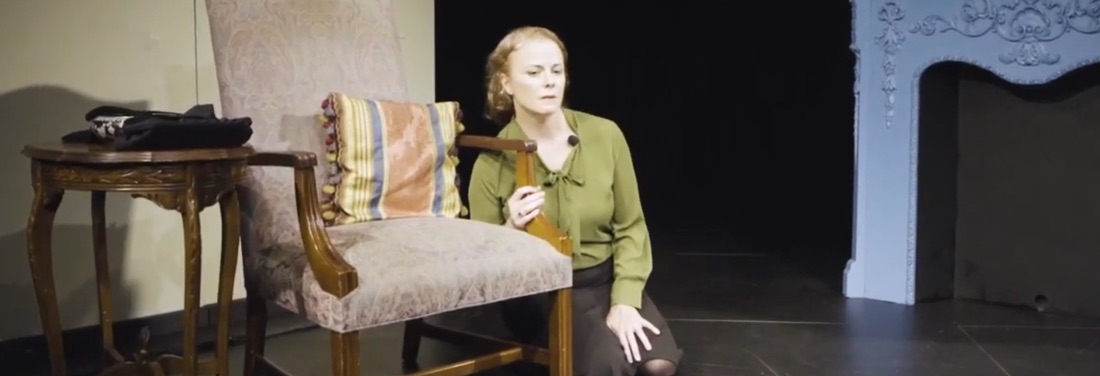
Call me Mary Quite Contrary if you want, but as we finally see live performances coming back, I’m reflecting with gratitude and even some nostalgia on the way COVID quarantine forged a path for entrepreneurial performance companies to recalibrate and deliver their work through streaming platforms.


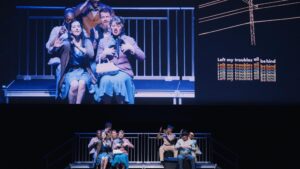
Faith. The title of this fourth and final chapter of Adam Guettel’s Myths and Hymns made me pause for reflection.


April is the cruelest month, the song tells us—but this year, it was a week later. Ghenady Meirson, Philadelphia’s master of Russian Opera and coach extraordinaire, died on May 8.


“Spring has sprung,” announces MasterVoices’ director Ted Sperling with a smile at the beginning of Part III. And indeed, even the doomsayers among us (and I count myself one) can’t help but feel signs of cautious optimism, as the world we knew slowly but noticeably begins to re-emerge.

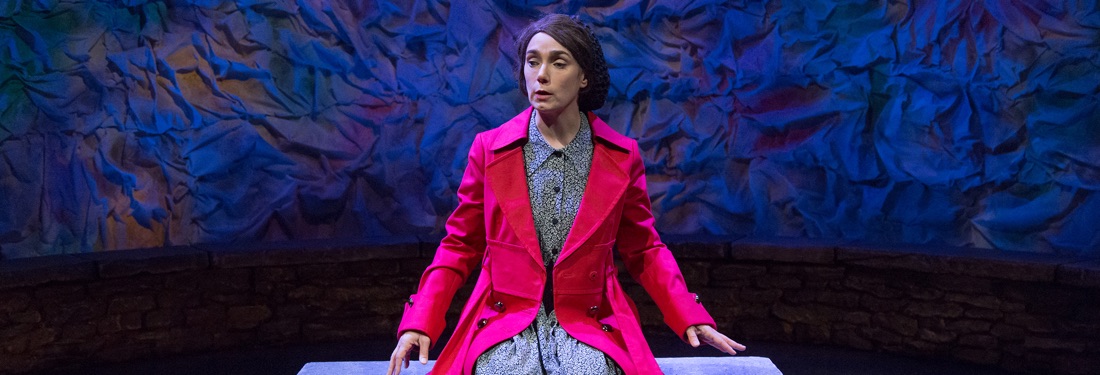
As I don’t need to remind you, we are fast approaching the one-year anniversary of COVID quarantine—and for the arts, it remains a scenario of giveth and taketh away.


Take it as a high compliment to the harrowing, riveting Soldier Songs that I was grateful it lasted only one hour. My nerves couldn’t have handled more.


Conceived by Adam Guettel as a song cycle that explores human relationships to the gods across the span of history into today, Myths and Hymns has been seen and heard in concert and staged settings, and some of the individual songs are often performed in cabaret.


Call Out is an ample demonstration of Zachary James’ many talents—and an inspiring example of the artistic light that can be generated even when our theaters are temporarily dark.


As Julia Child, Jamie Barton is clearly having the time of her life.

Has anything positive happened to the performing arts since the plague engulfed us nearly ten months ago?
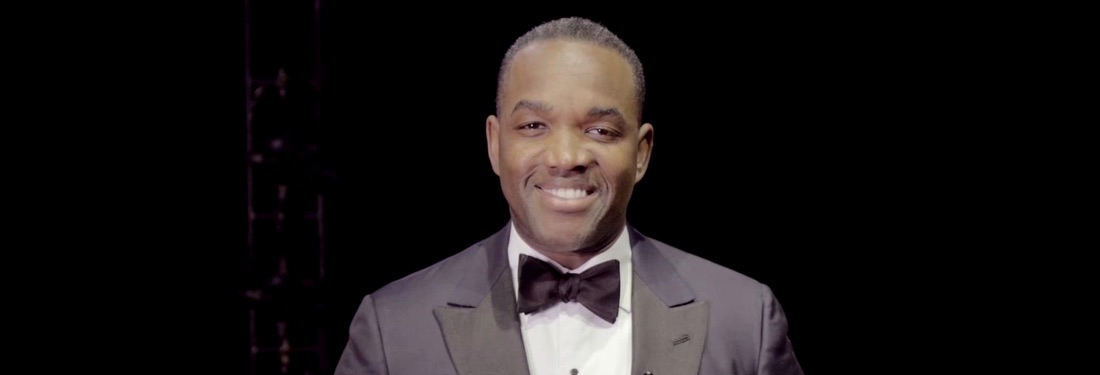
A particularly heartbreaking aspect of the pandemic shutdown has, of course, been helplessly watching rising artists have their careers plunged into indefinite silence. But for a few bold souls who are willing to try new things, the moment has also opened doors.
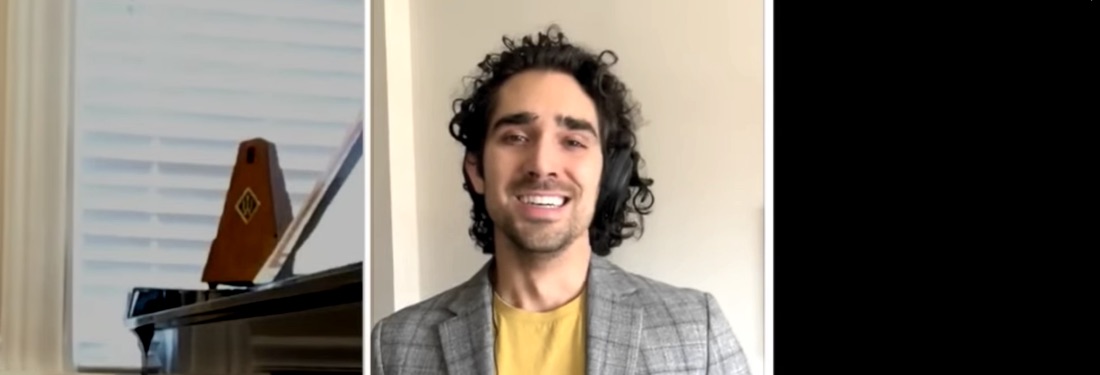
AVA met the challenge with a delightful, if necessarily truncated, video recital that allowed each singer to participate in the now-familiar Zoom platform.

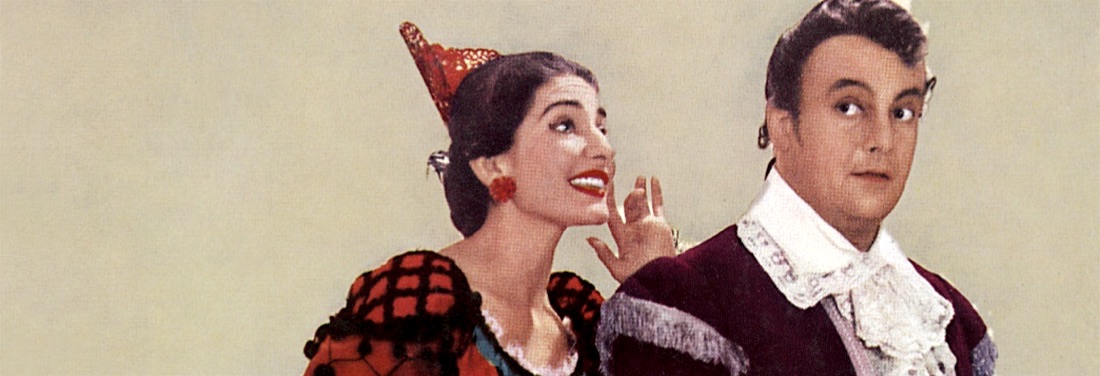
Somewhere in all of this, I decided it was time to try Callas.

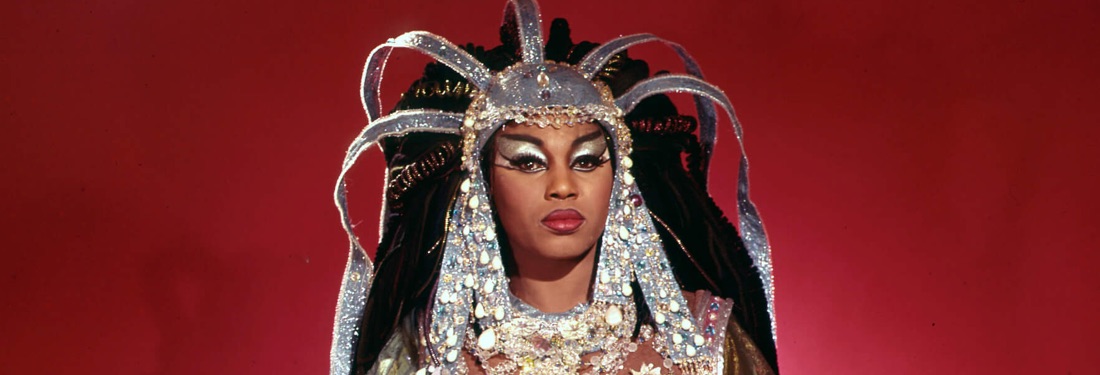
Who could doubt that Leontyne Price contains multitudes?


My introduction to the work was the Angel LP from 1964 with Elisabeth Schwarzkopf and George Szell… and yes, I’m aware that it’s a performance that tends to divide rooms.
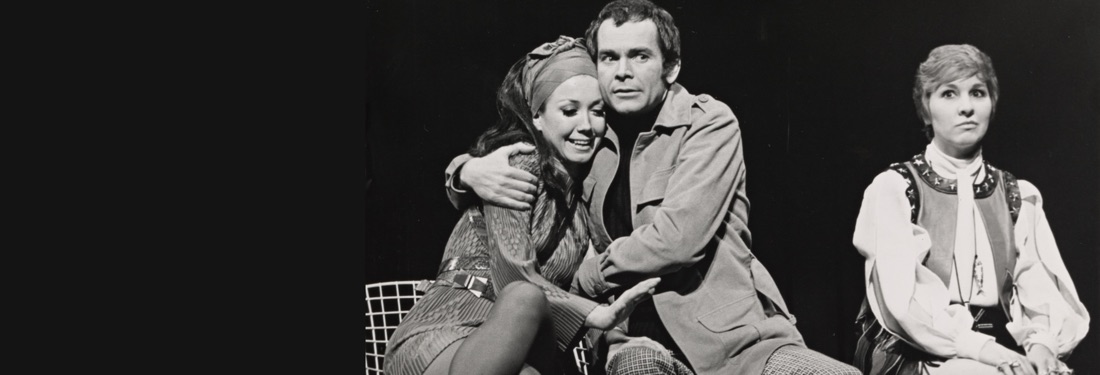
Today is Stephen Sondheim’s 90th birthday, and it’s not going as planned.
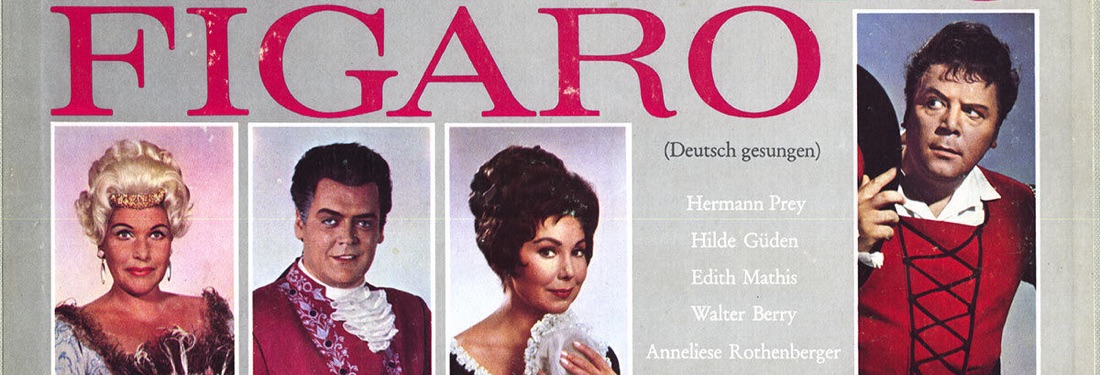
It was love at first hearing. The music was glorious, the conducting bouncy and pointed, and the singers sure sounded terrific to me.

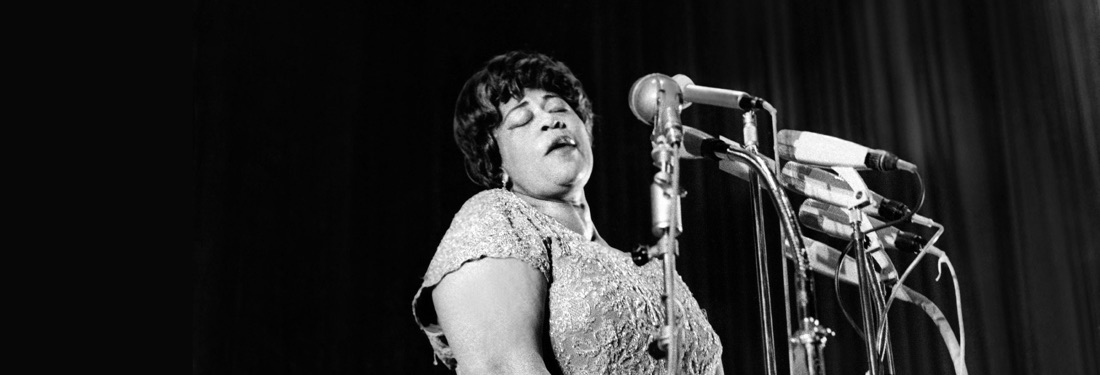
If you want to be sophisticated, drink a cocktail while listening to this particular record.
Tell us: What’s your favorite Verdi performance?
Hasten thee to feed another quarter of conversation for The Talk of the Town!