

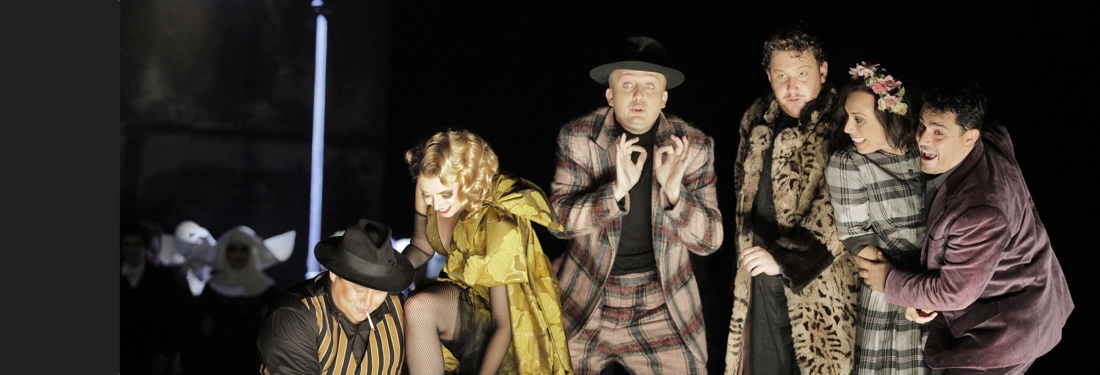
I’m certain I wasn’t the only one thrilled to bits to see LA Opera’s production of La Bohème finally retired after 26 years and seven mountings.

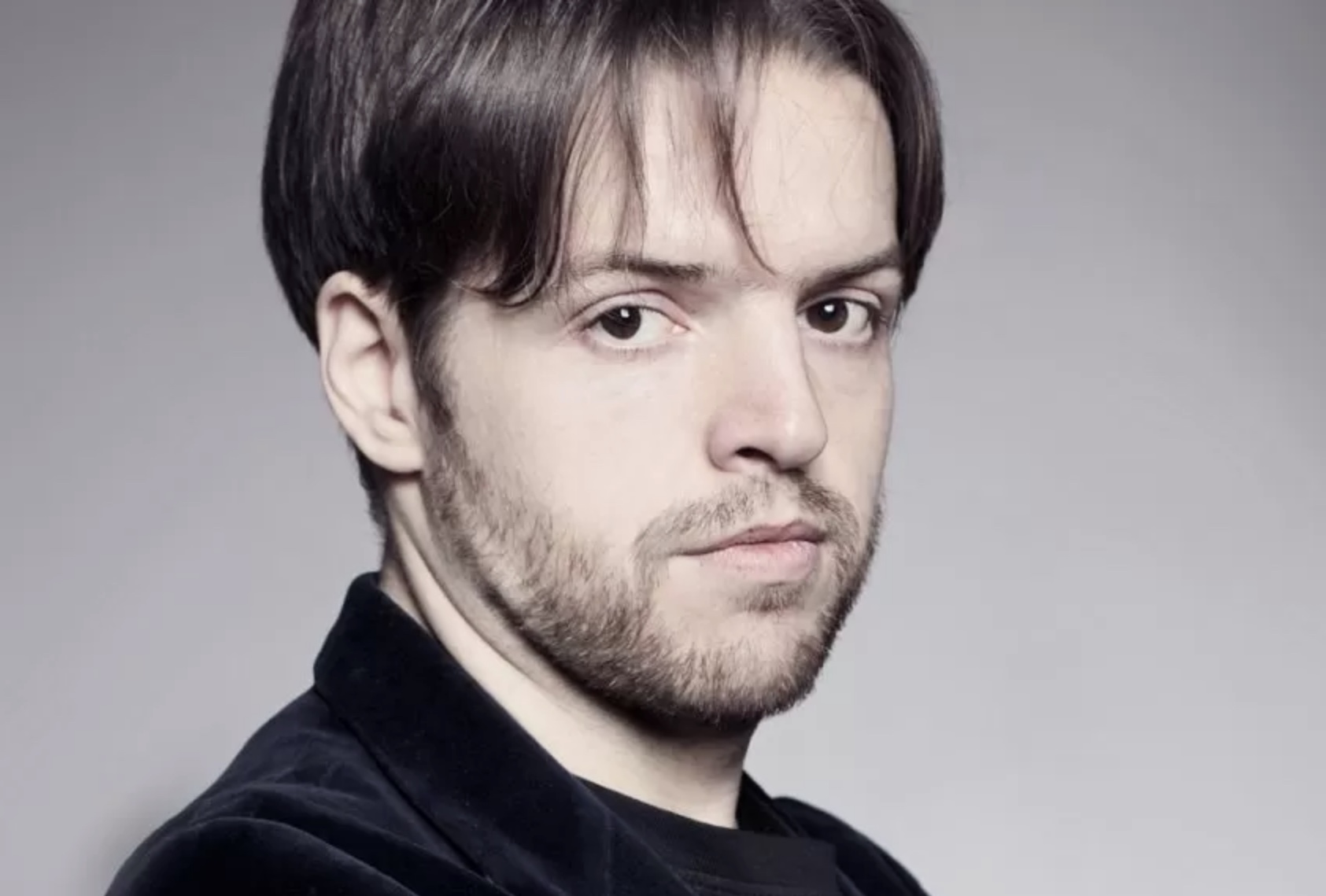
A brace of Handel operas at the George Enescu International Festival.
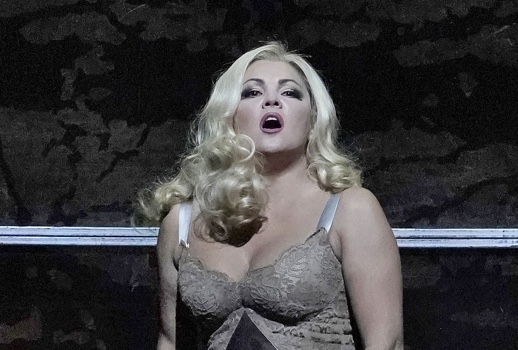
My blood sure boiled at this revival of the Met’s utterly punchable production of Macbeth.
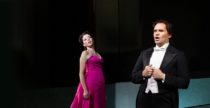
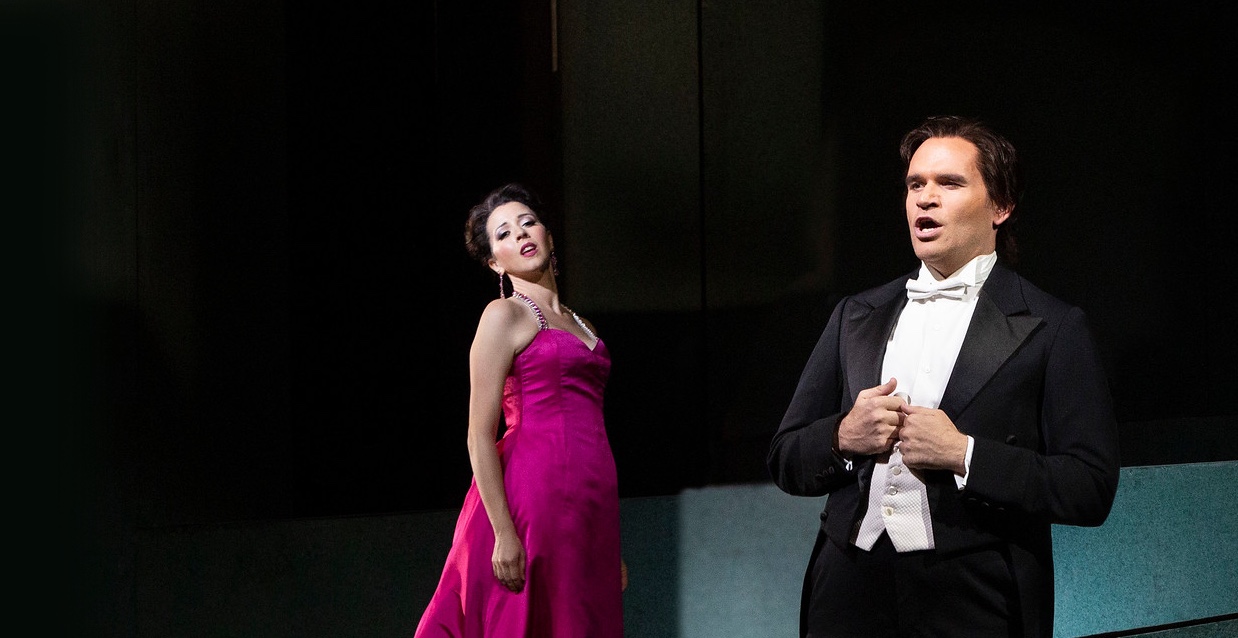
At the Met’s performance of Manon Tuesday evening, Michael Fabiano made as good a case as any for renaming the opera Chevalier des Grieux.

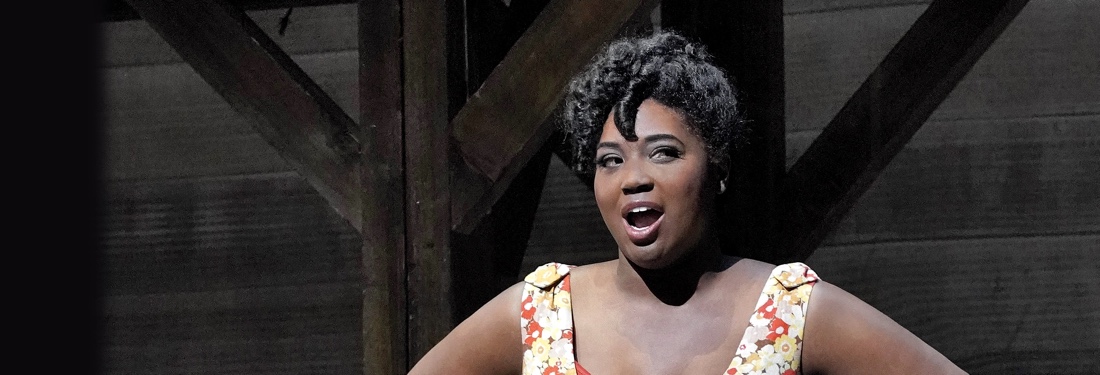
Opera’s latest superstar, Angel Blue, in a compleat and enthralling portrayal, gloriously sung and rivetingly acted.
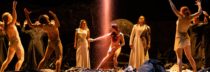
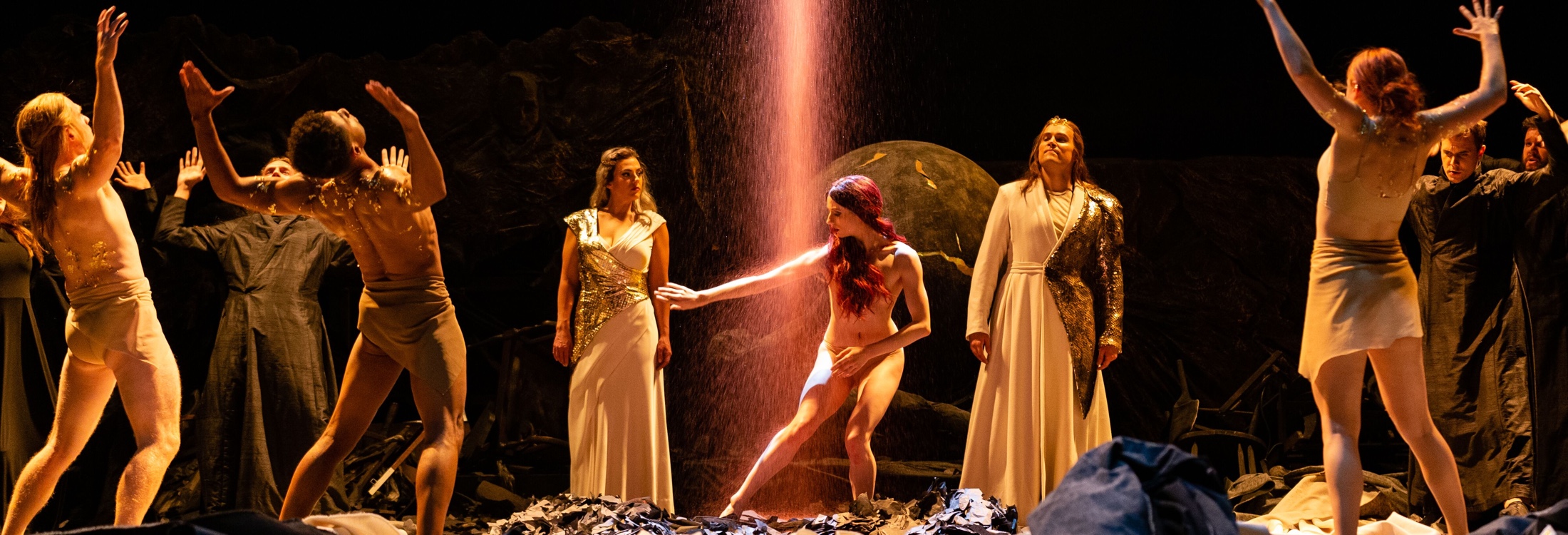
Kudos to Opera Philadelphia for programming Handel’s Semele in its exceptionally interesting and wide-ranging Festival 2019; unfortunately, despite an extraordinary cast, James Darrah’s drably dull production doomed it.
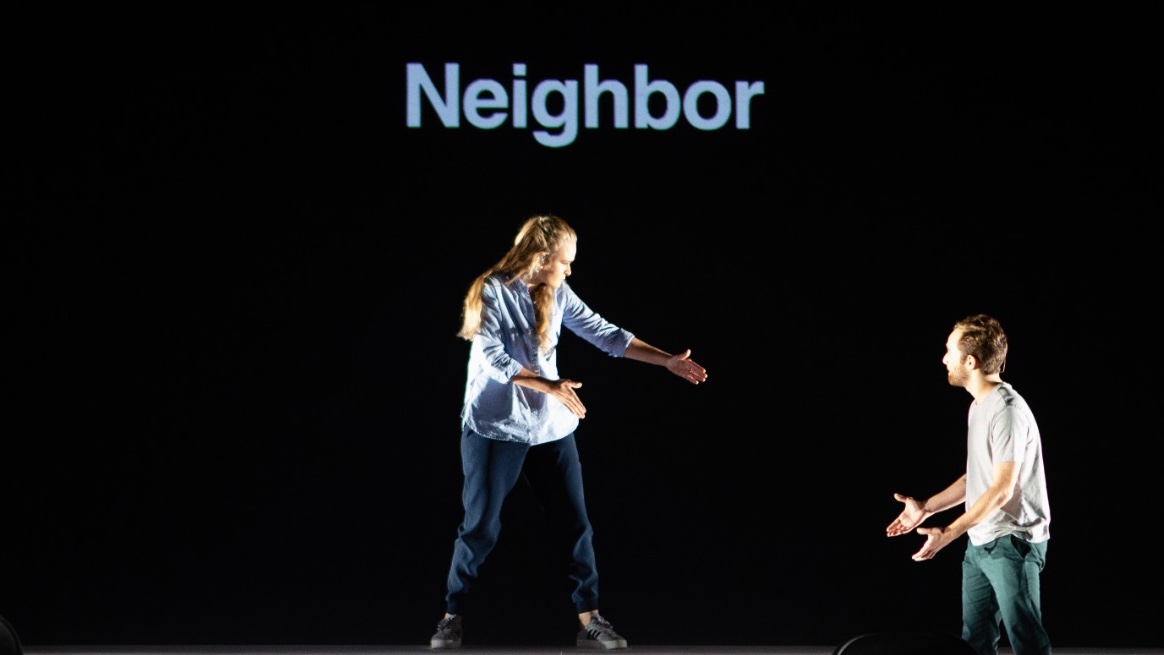
Employing the most slimly elegant resources, Festival O’s Denis & Katya is a monumental, dramatically shattering event.
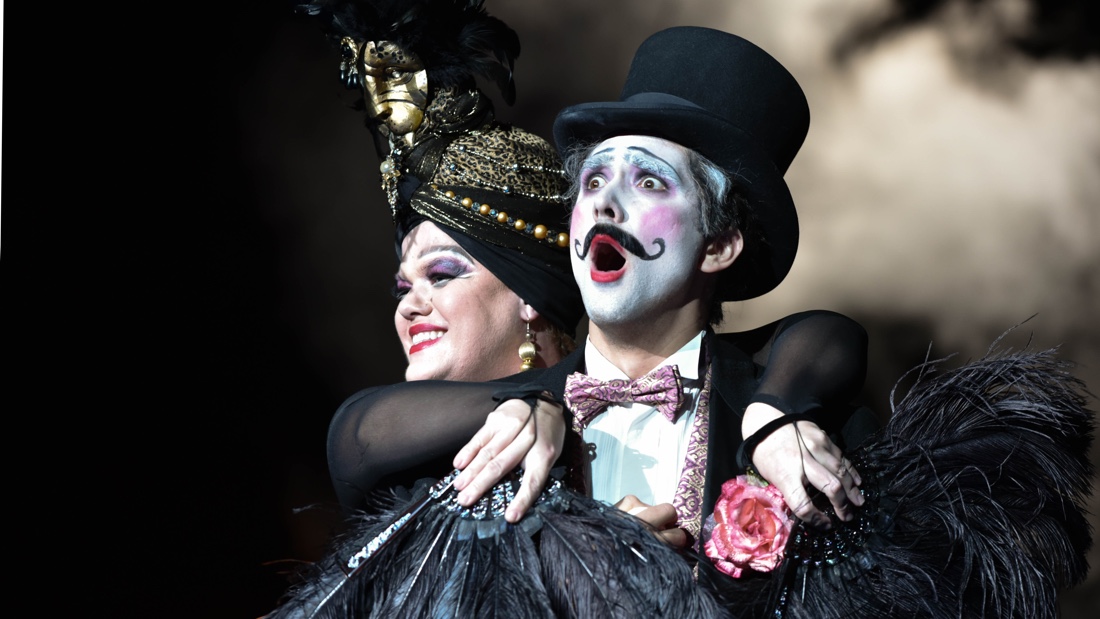
Opera Philadelphia’s Love of Three Oranges is never less than extravagantly entertaining theater.
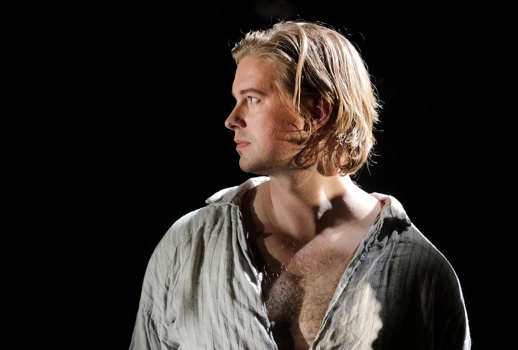
From the technical standpoint San Francisco Opera’s Billy Budd was pretty much flawless.

L’Italiana in Algeri‘s appearance at the Salzburg Festival should be no surprise since Ceciila Bartoli has been the intendant of the Whitsun Festival extension at Salzburg since 2012.
Following classic recordings documenting the work of Karl Böhm and Herbert von Karajan. Orfeo’s 150 Years Wiener Staatsoper box moves on to new releases that are seeing their first incarnation on an officially available disc.
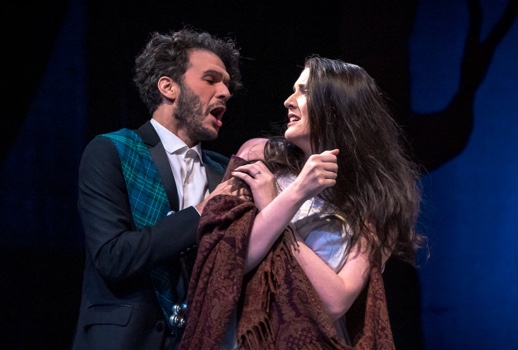
Dell’ Arte Opera Ensemble’s “Scenes from the Tower” evening is devoted to three operas composed by women, and the metaphorical tower is women’s sequestration from the opera stage.
Orfeo’s 150 Years box chronologically documents some of the finest nights of live opera from the Wiener Staatsoper in the years following its restoration in 1955.
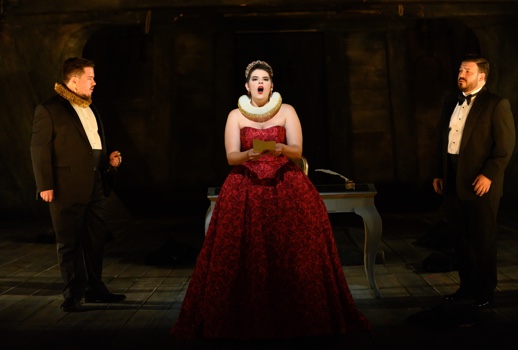
Saturday August 17 the Merola Opera Program wrapped up its annual Summer Festival with the Merola Grand Finale concert at the War Memorial Opera House.
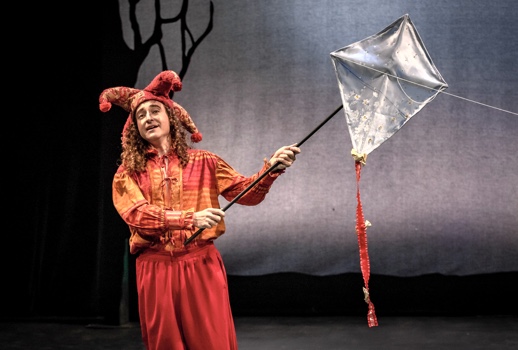
Whitney George’s music falls pleasingly upon the ear and is wittily scored for a small ensemble conducted by herself.

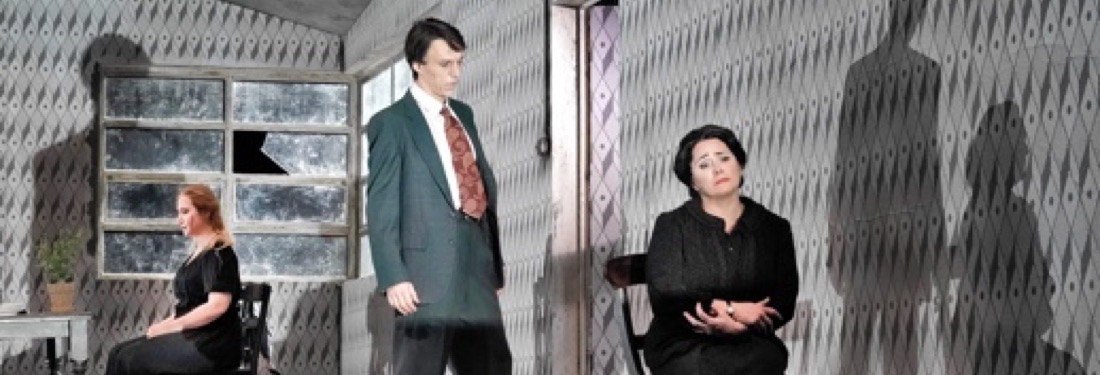
David Alden’s acclaimed production of Leos Janácek’s Jenufa was mounted for its final performance of the season during the evening that I experienced my first opera at Santa Fe.
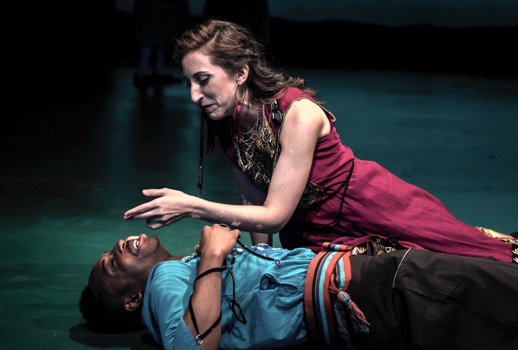
Dell’ Arte Opera Ensemble theme this summer is women composers, which is timely, and the more to be applauded as likely to turn up unusual works.

“Die Zauberflöte is an opera!” “No, it’s the first musical comedy!”
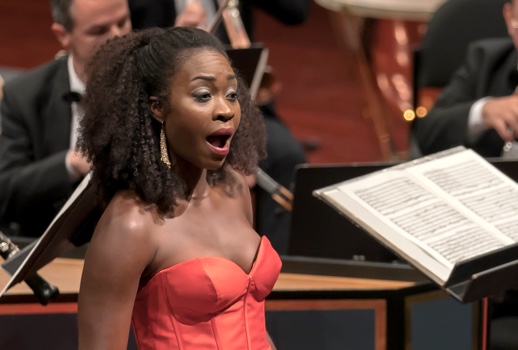
Beauteous Trinidadian soprano Jeanine De Bique appeared Sunday afternoon with the visiting Budapest Festival Orchestra under Ivan Fischer.
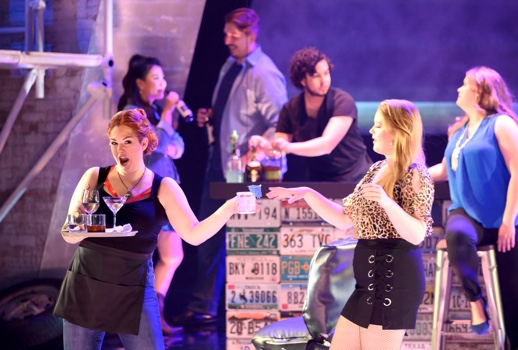
“Who are you? Who do you want to be?” The search for one’s identity is explored in American composer Jake Heggie and librettist Gene Scheer’s brand new opera If I Were You.
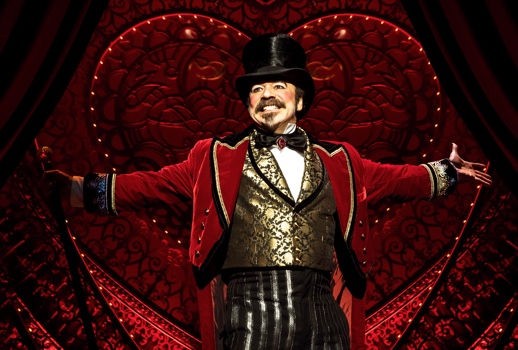
We’re two gay men, with 30-plus years between us, who went together to see the Broadway adaptation of Buz Luhrmann’s Moulin Rouge!
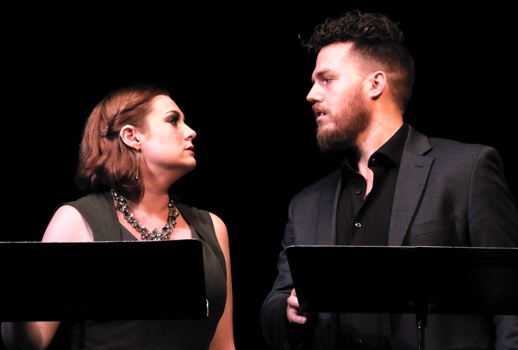
The second summer session of the Russian Opera Workshop concludes this week with concert performances of Tchaikovsky’s Maid of Orleans.
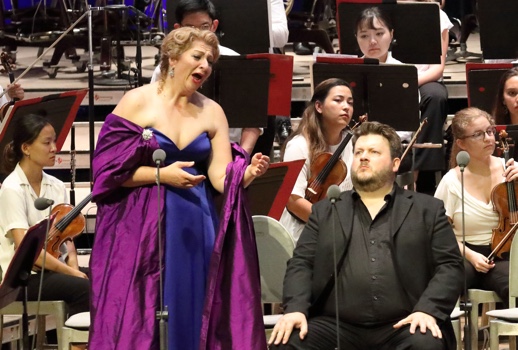
A hefty thunderclap shook Tanglewood’s Koussevitzky Shed just as Andris Nelsons raised his baton for the third act of the weekend’s concert Die Walküre.
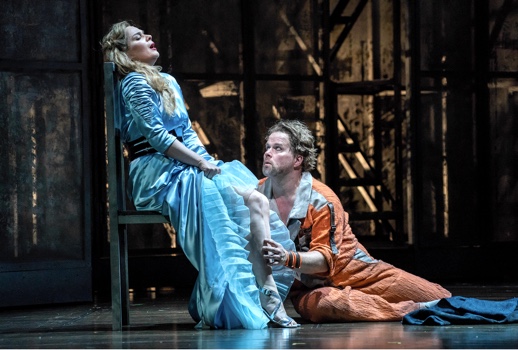
The aphorisms projected before each act of Das Wunder der Heliane suggested the work concerns the transformative power of love—but does it really?
Tell us: What’s your favorite Verdi performance?
Hasten thee to feed another quarter of conversation for The Talk of the Town!

