

Flawless!
At the Metropolitan Opera on Friday night, an otherwise undistinguished Traviata was salvaged by an astonishing performance from Aleksandra Kurzak, whose Violetta was an incontrovertible triumph.
At the Metropolitan Opera on Friday night, an otherwise undistinguished Traviata was salvaged by an astonishing performance from Aleksandra Kurzak, whose Violetta was an incontrovertible triumph.
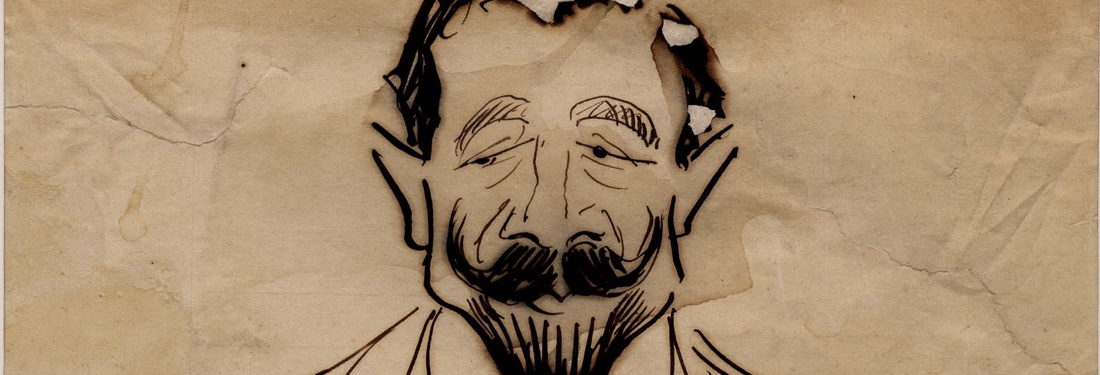
On this day in 1912 Pietro Mascagni‘s Lodoletta had its United States premiere at the Metropolitan with Geraldine Farrar and Enrico Caruso in the leads.
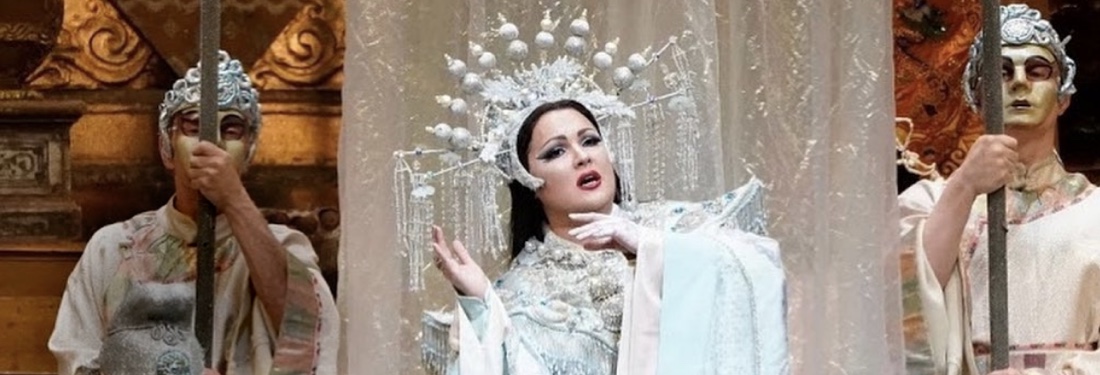
Although the gold glitter cannons detonated at the end of the act were an ostentatious reminder that this was a celebration of the new year, it seemed that the only words on anyone’s lips as the audience filed out of the theater were “Viva Netrebko!”
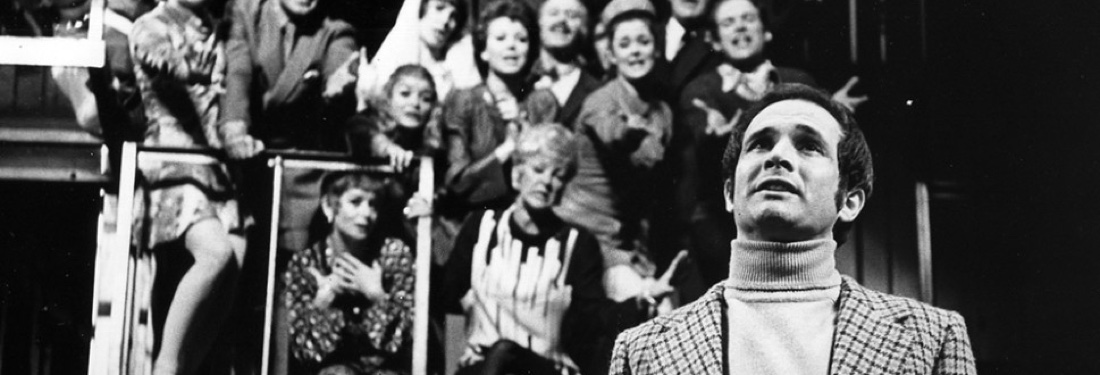
On this day in 1972, Stephen Sondheim‘s Company closed on Broadway, finishing a run of 705 performances.
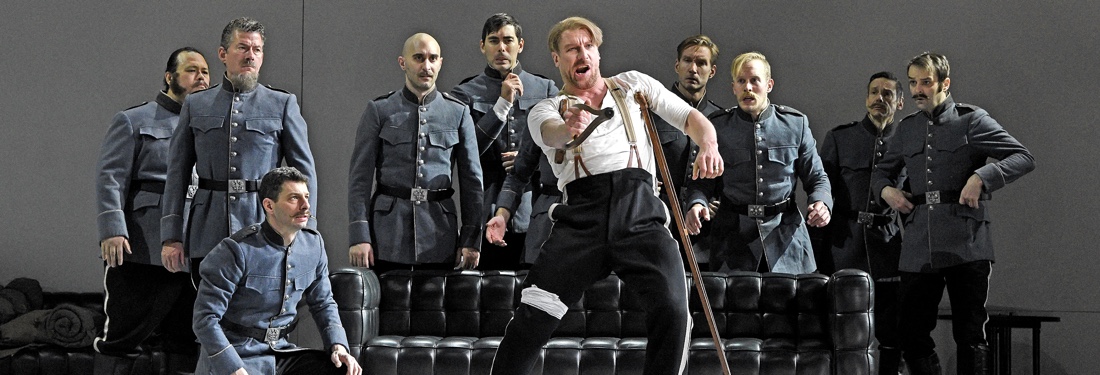
Saturday night’s Rosenkavalier at the Met was an evening of excess — beautiful singing, sensitive acting, elaborate sets, and an unfortunate business that mars Robert Carsen’s otherwise excellent production.
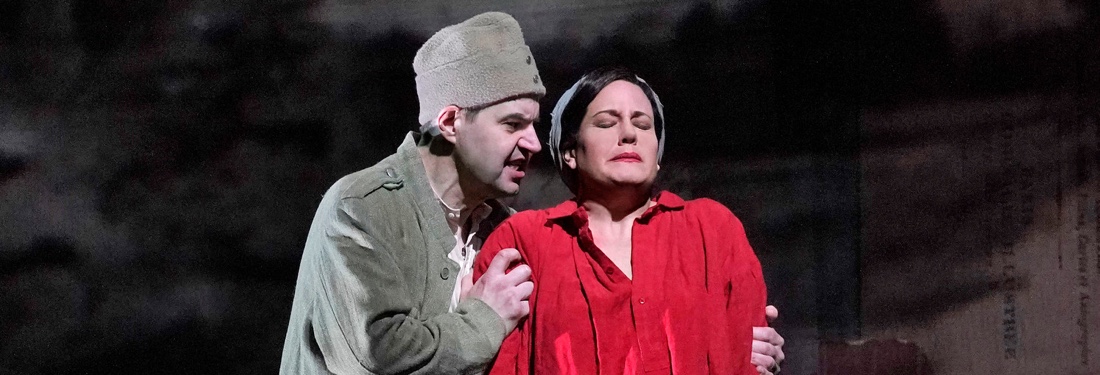
Yannick Nézet-Séguin and the Metropolitan Opera Orchestra reigned supreme at the opening night of Wozzeck on Friday evening, rendering every snarl and shimmer of Berg’s score with gripping intensity.

Trove Thursday bids adieu to 2019 with Bizet’s rare La Jolie Fille de Perth with the enchanting Christiane Eda-Pierre as the heroine who survives her madness.
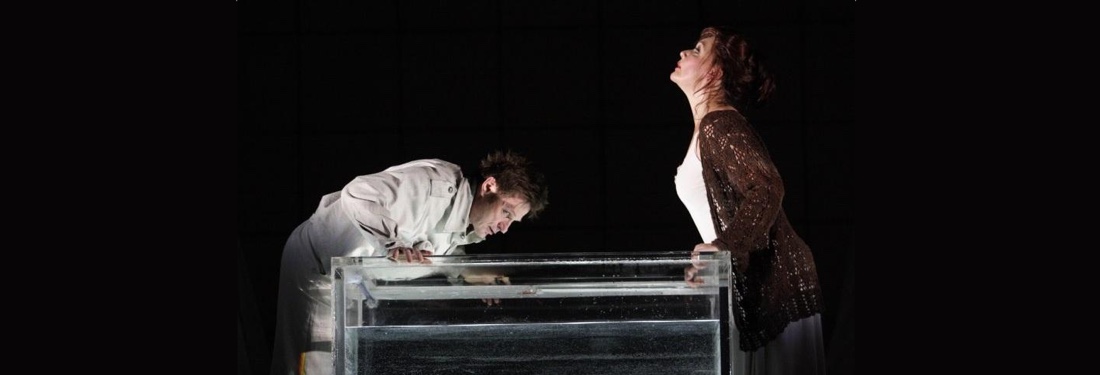
Trove Thursday presents that perennial holiday favorite Berg’s Wozzeck.

Greater Clements provokes more genuine poignancy than the whole of The Inheritance in half the running time. There’s hardly a moment that isn’t painfully true to life.
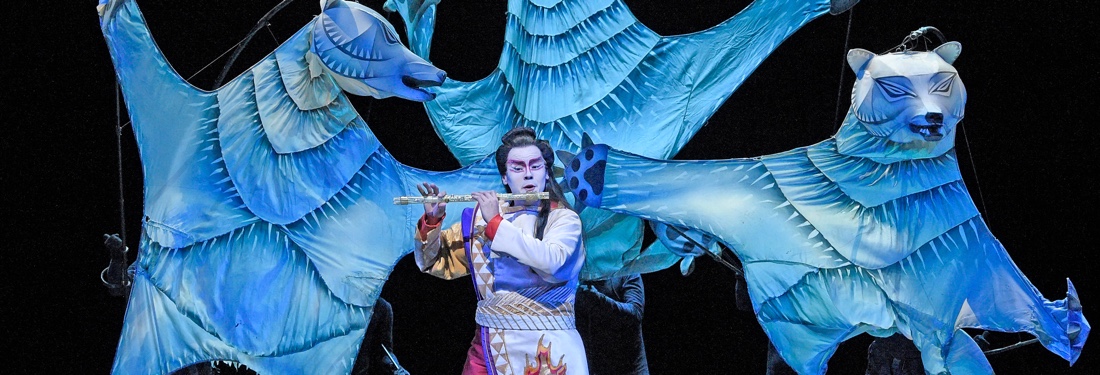
If Sunday’s performance of Magic Flute at the Met demonstrated one thing, it is that opera targeted at children must be just as good as (if not better than) opera targeted at adults.

Günther Groissböck’s ridiculously entertaining Baron Ochs and Sir Simon Rattle’s enthralling conducting soared highest during a mostly excellent revival of Der Rosenkavalier.
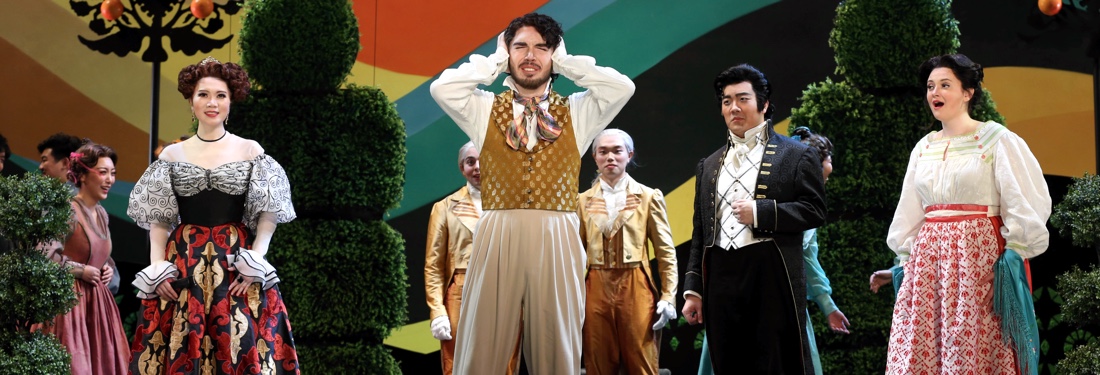
Mozart and Donizetti could humanize characters in a farce—Mercadante in I due FIgaro cannot get a handle on them.

Heartbeat Opera has set Der Freischütz in a contemporary era, in a rural locale where gun culture reigns supreme and bullying is natural.
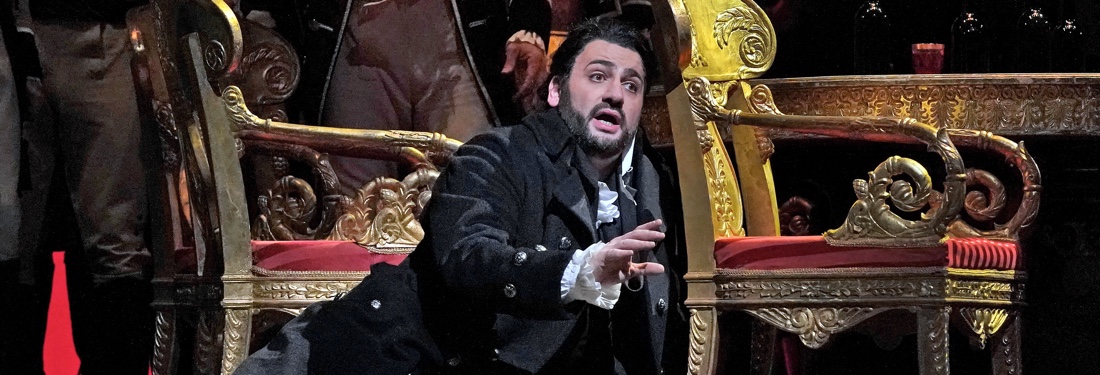
Yusif Eyvazov dominated Friday’s Met premiere of Pikovaya Dama with a fearless, world-class portrayal that instantly transformed the opera into December’s must-see event.
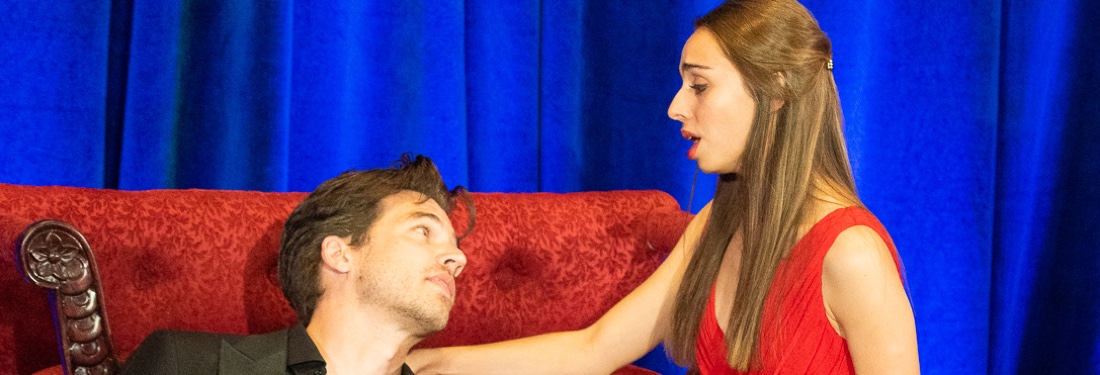
Over the past week New York City was blessed by two appealing 17th century presentations: John Blow’s Venus and Adonis from Opera Lafayette and La Storia di Orfeo courtesy of the Boston Early Music Festival.

South African Jacques Imbrailo’s high-lying baritone did much to highlight the lyrical possibilities of the title role of Hamlet, originally conceived for a tenor.

Maestro Yannick Nézet-Séguin, always with a gift for gab, is ever more loquacious in concerts, often talking directly to the audience.
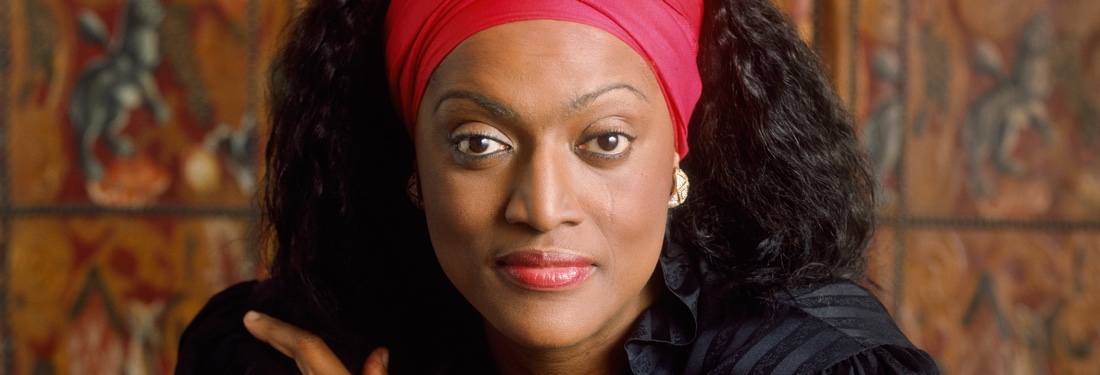
A near-full house attended the Jessye Norman Memorial Celebration at the Met on Sunday afternoon, the auditorium packed with family, friends, colleagues, and fans of the late soprano, who passed away on September 30 of this year.
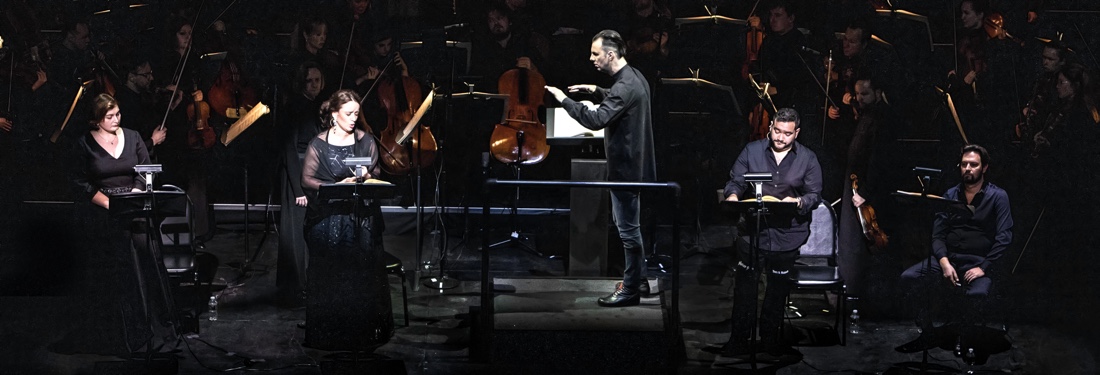
Beg. Borrow. Steal. Bargain. Cajole. Seduce. Threaten. Extort.

Christine Goerke‘s distracted, tentative Isolde turned out to be the least potent feature of what was an otherwise exciting and effective second act of Tristan.
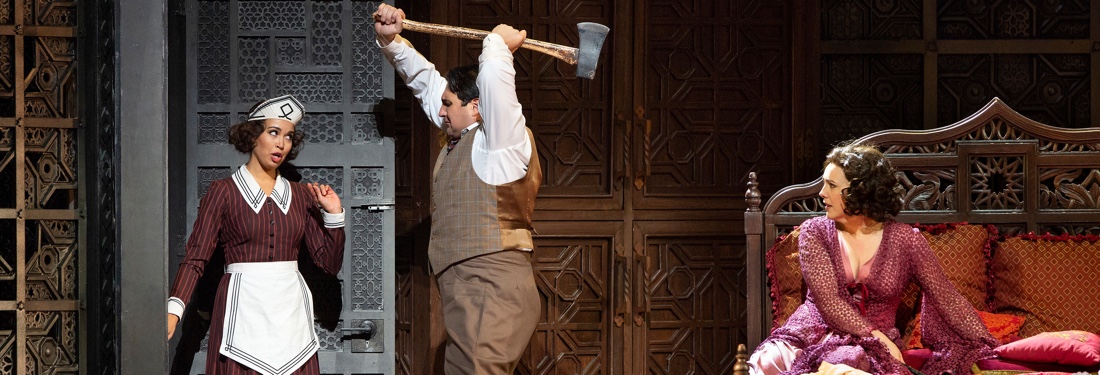
Saturday afternoon’s performance of Le Nozze di Figaro at the Met was awash with contradictions.

On this day in 1975 soprano Roberta Peters celebrated the 25th anniversary of her Metropolitan Opera debut, singing Despina.
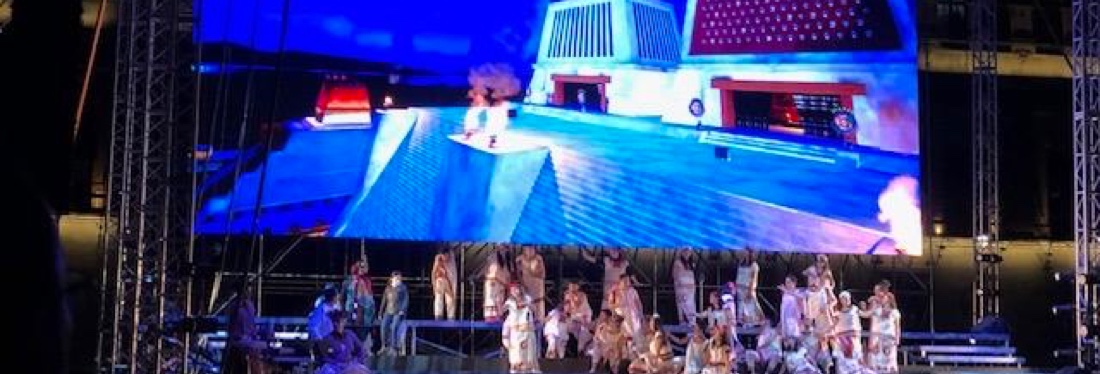
What is opera for if not to commemorate a national epic tragedy and triumph?

A second Trove Thursday marking the recent passing of Jessye Norman focuses on the soprano’s catholic repertoire with three 20th century works: Stravinsky’s Oedipus Rex; Berg’s Altenberg Lieder; and Franck’s Les Béatitudes.

The days are getting shorter, but you can keep the prattle going this fall’s Talk of the Town! You will, you can, you must join in the discussion about: Great mezzo soprano performances (October),
Gained in translation (November), Teleport me back to… (December).
Exclusive opera reviews, commentary, and top reads
delivered to your email weekly…ish.