
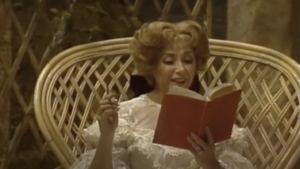


For those who complain (not entirely unfairly) that Handel operas are “just a string of da capo arias,” I sometimes mutter to myself, “Have they ever tried Rameau?”

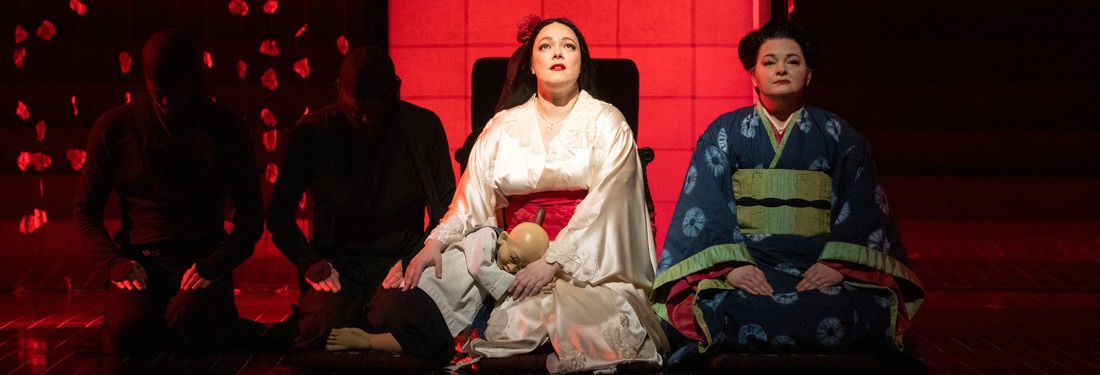
Eleanora Buratto at this fully matured point of her career has a warm, creamy full lyric soprano that has the roundness and sweet warmth of a Freni but can also expand into the spinto power of a Tebaldi.
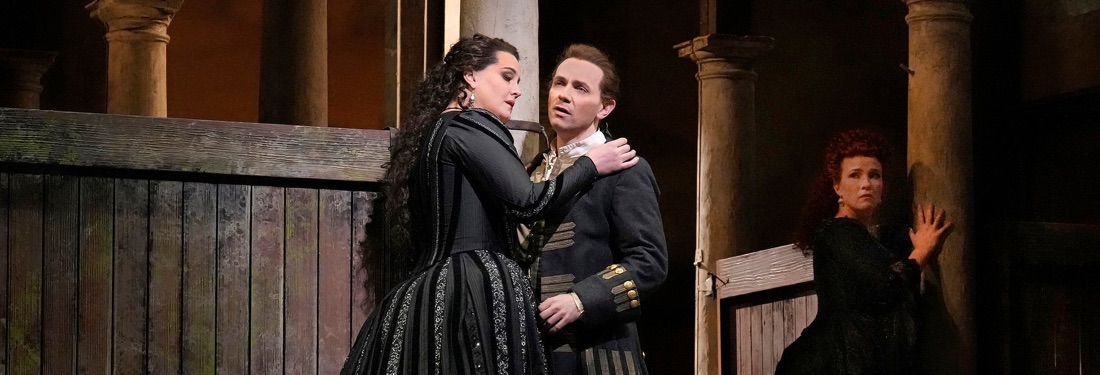
While it must be admitted that Elza van den Heever doesn’t have an ideally warm and agile Handel voice, she evidenced fierce control over her instrument and skillfully built a powerful portrait of the courageous Rodelida fighting for her survival.


We have two reasons for celebrating Jessye Norman and the first is a release on the BBC / London Philharmonic Orchestra label of a Richard Strauss concert.
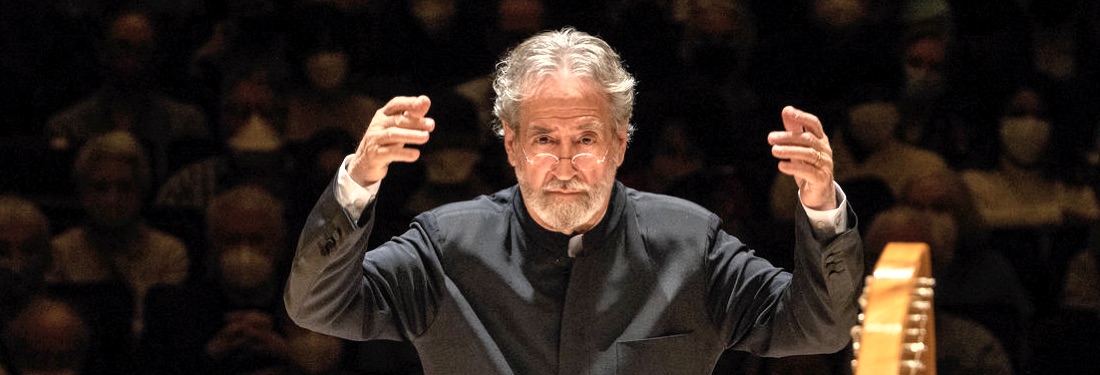
Jordi Savall and William Christie, 80 and 77 respectively, stand as the two senior masters whose recordings and appearances have done the most over the past decades to build a healthy local enthusiasm for pre-Classical music.

In any case, we are now in the Queen’s garden of the Palace in Madrid. It is the day before the coronation of King Philip. Coronation? What coronation?


The only correct version of Don Carlos must be in French. That is the language that Verdi composed it in and he made all his revisions in that language.

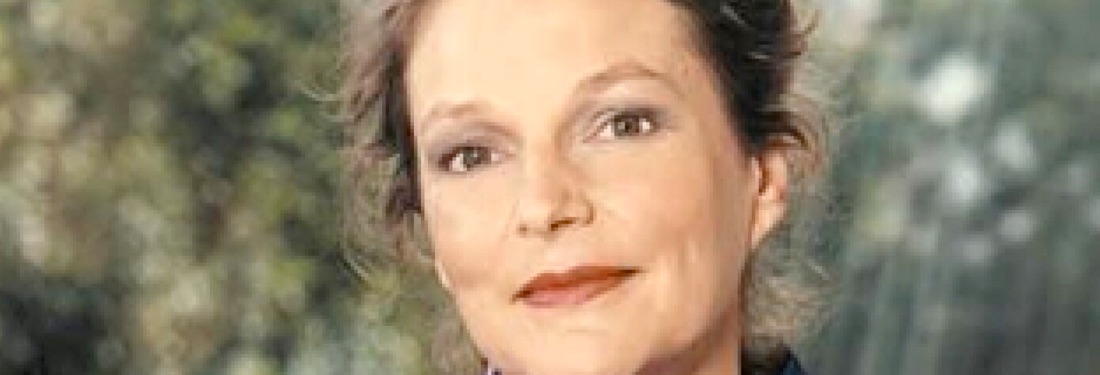
Next Wednesday is the composer’s 337th birthday, so Trove Thursday previews this spring’s most enticing Handel performance with two very different live versions of his delightful Serse,.


Don Carlos is my favorite Verdi opera, and I’m always in favor of including the most music. But it can be a dizzying task to keep track of all the options.

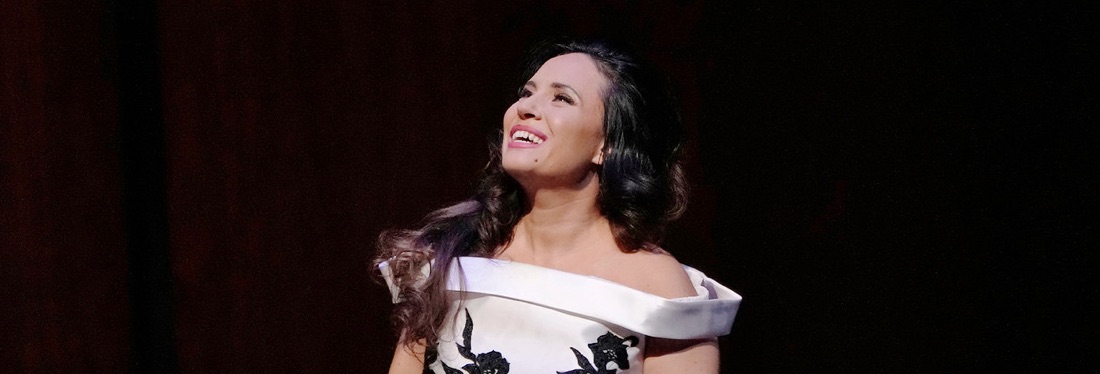
In the last weeks of January, as the Metropolitan Opera season wound to a close (prior to the winter hiatus) two striking sopranos were thrust into the limelight.

Only time can tell if some performances enter the collective opera memory, if such a thing even exists, as “historical”

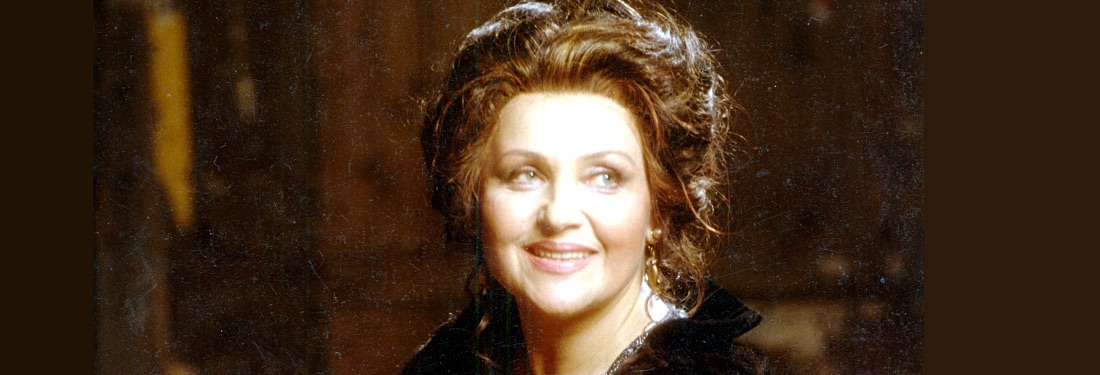
Teresa Zylis-Gara died in late August at 91 and Trove Thursday offers the Polish soprano in a wide-ranging collection of live material showcasing her great versatility.
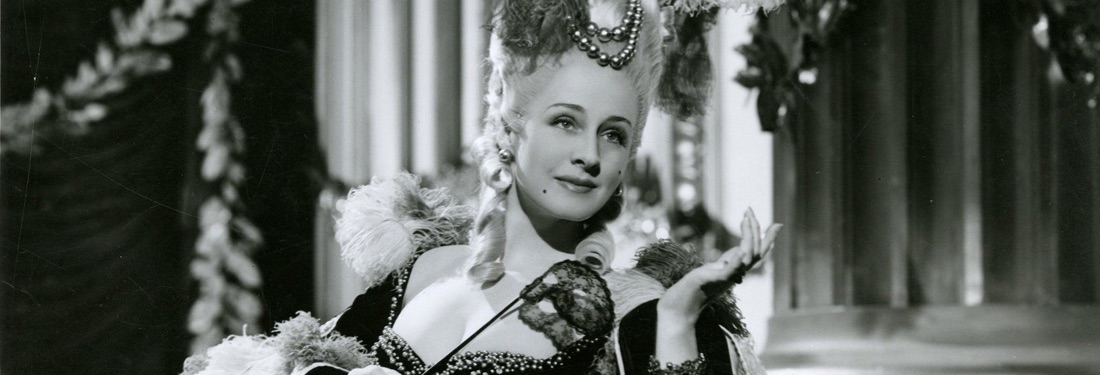
Un ballo in maschera—but instead of a tragedy, an opera buffa—and in Danish?


Since my previous CD round-up review the onslaught of solo recital disks of 18th century (and sometimes also 17th) vocal music has continued unabated.

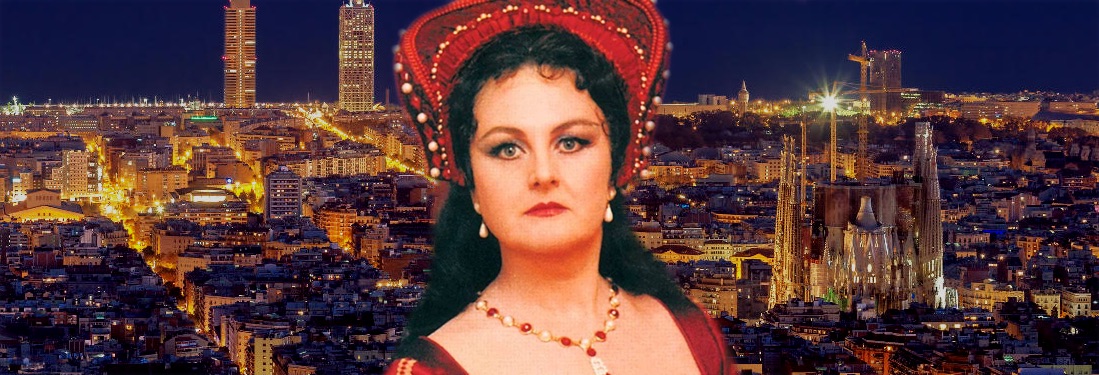
The 1990s effectively signaled a new phase in Edita Gruberova‘s career with her undertaking more demanding, heavier roles, while still essaying Zerbinetta and Lucia.

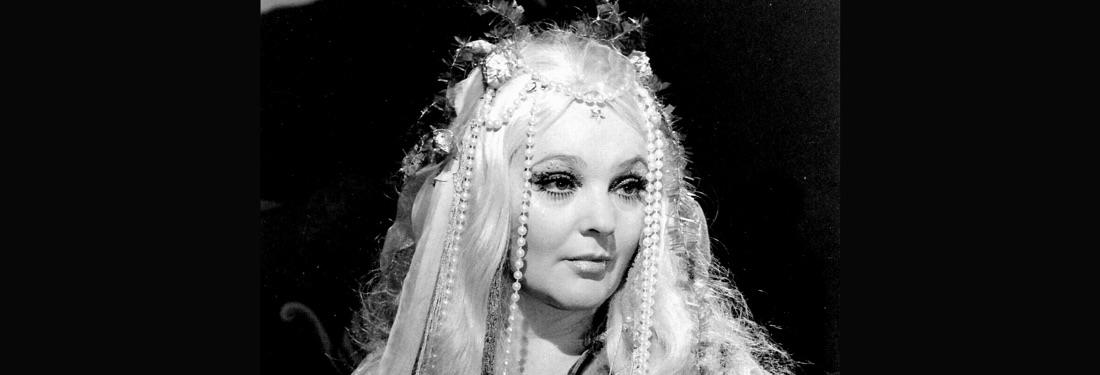
My sister Julie celebrates an important birthday later this month which reminded me—as I also recalled I visiting her while she was living in Prague—that I should unearth Bohuslav Martin?’s Julietta with Lucia Popp and Dénes Gulyás for this week’s Trove Thursday.
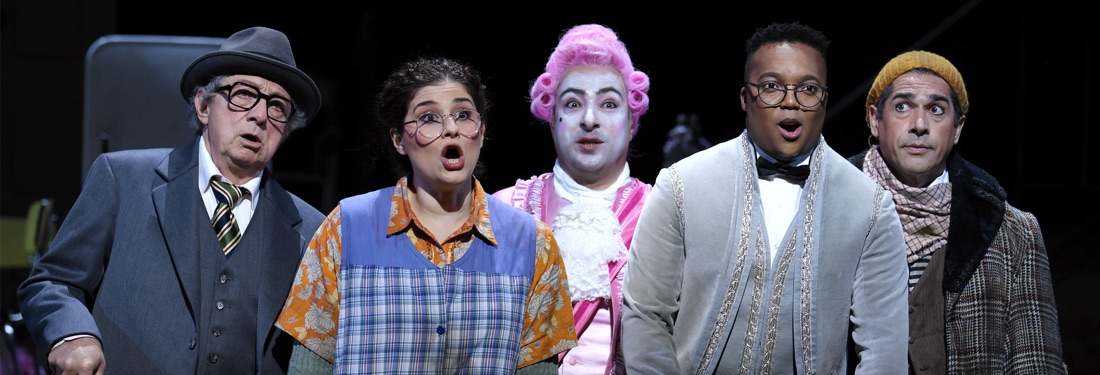
In spite of the fact that Rossini and his librettist Jacopo Ferretti removed all the magical elements from the story, therefore making it far easier to produce, there was more than enough enchantment in the singing, and intermittently in the production to enjoy.


I never fathomed I’d be writing words as these this soon.


In their realization of Alcina, Harry Bicket and his ensemble recreated a dramatically vivid and musically nuanced character study out of the opera’s central figures.

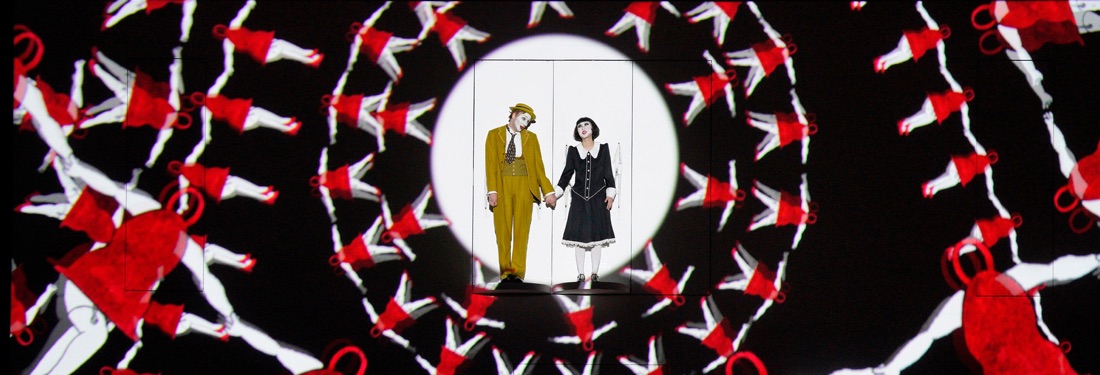
There is sensory overload, and very little humanity.
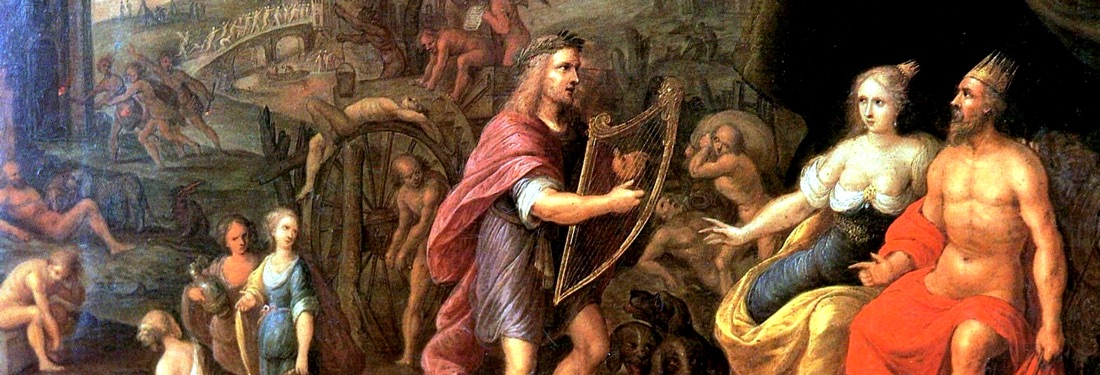
November in New York hosts two premieres dedicated to mythology’s greatest musician, which prompts Trove Thursday to present a vintage Monteverdi L’Orfeo with Judith Raskin and Gérard Souzay conducted by Leopold Stokowski (!) and a recent HIP London broadcast of Luigi Rossi’s L’Orfeo.
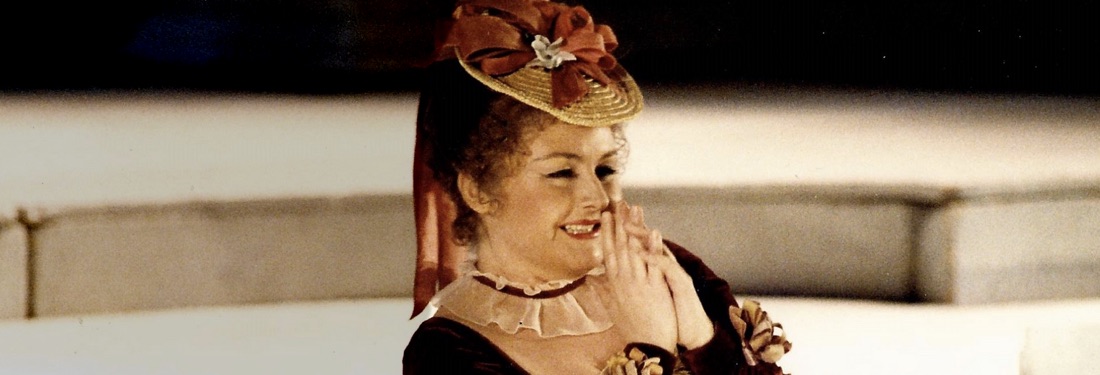
Trove Thursday remembers Edita Gruberová with live recordings of two of the three operas I heard her perform at the Met: a 1985 Munich La Traviata with Neil Shicoff and Wolfgang Brendel conducted by Carlos Kleiber and an I Puritani from Vienna 1994 featuring two other artists who recently left us too soon: Marcello Giordani and Dmitri Hvorostovsky.
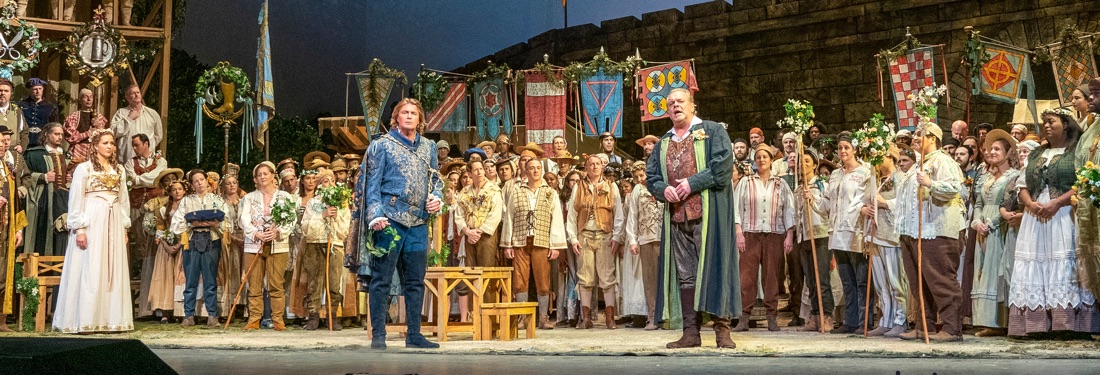
Last night’s cast of Die Meistersinger at the Met, dominated by the irascible, unbeatable duo of Michael Volle and Johannes Martin Kränzle as Sachs and Beckmesser, did much to enliven Otto Schenk’s creaky, nearly 30-year-old production.
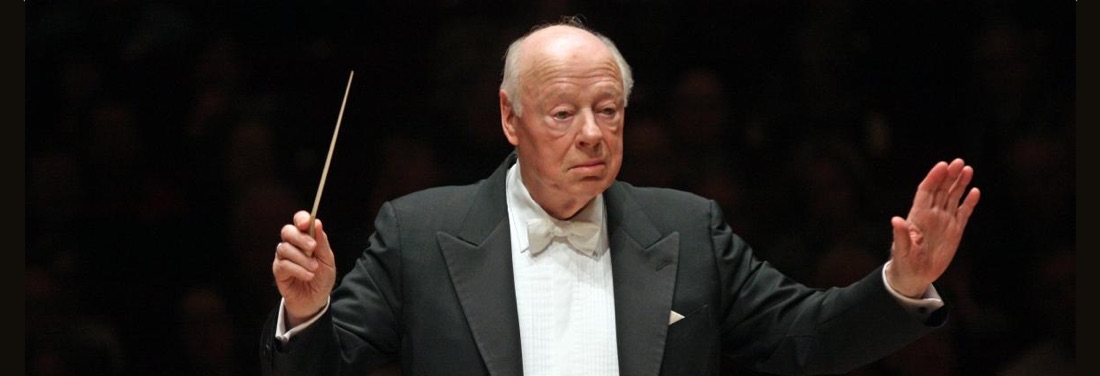
In the month and a half leading to Bernard Haitink’s passing on October 21, my AirPods constantly channeled a musical festival of sorts centered on the Dutch giant’s expansive discography.
Tell us: Filth or dementia?
Hasten thee to feed another quarter of conversation for The Talk of the Town!
×
Sign up for Parterre’s free newsletter.
Exclusive opera reviews, commentary, and top reads
delivered to your email weekly…ish.