

Diary of the dead
Joyce DiDonato’s take on Winterreise is a conceptual misstep that, song after song, frustratingly dilutes and distracts from an often rewarding musical performance.
121 pieces since 2008 — at 7 companies, most often at Metropolitan Opera.
Joyce DiDonato’s take on Winterreise is a conceptual misstep that, song after song, frustratingly dilutes and distracts from an often rewarding musical performance.

Maestro Yannick Nézet-Séguin, always with a gift for gab, is ever more loquacious in concerts, often talking directly to the audience.
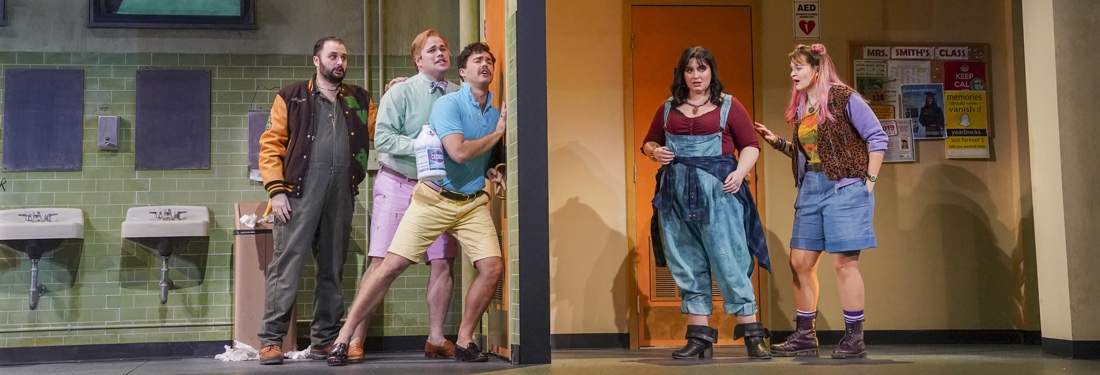
Così fan tutte presents a considerable challenge to the modern director.

At Friday night’s performance of La Bohème at the Met, the cast seemed to lean into (and gamble upon) the production’s enduring popularity.
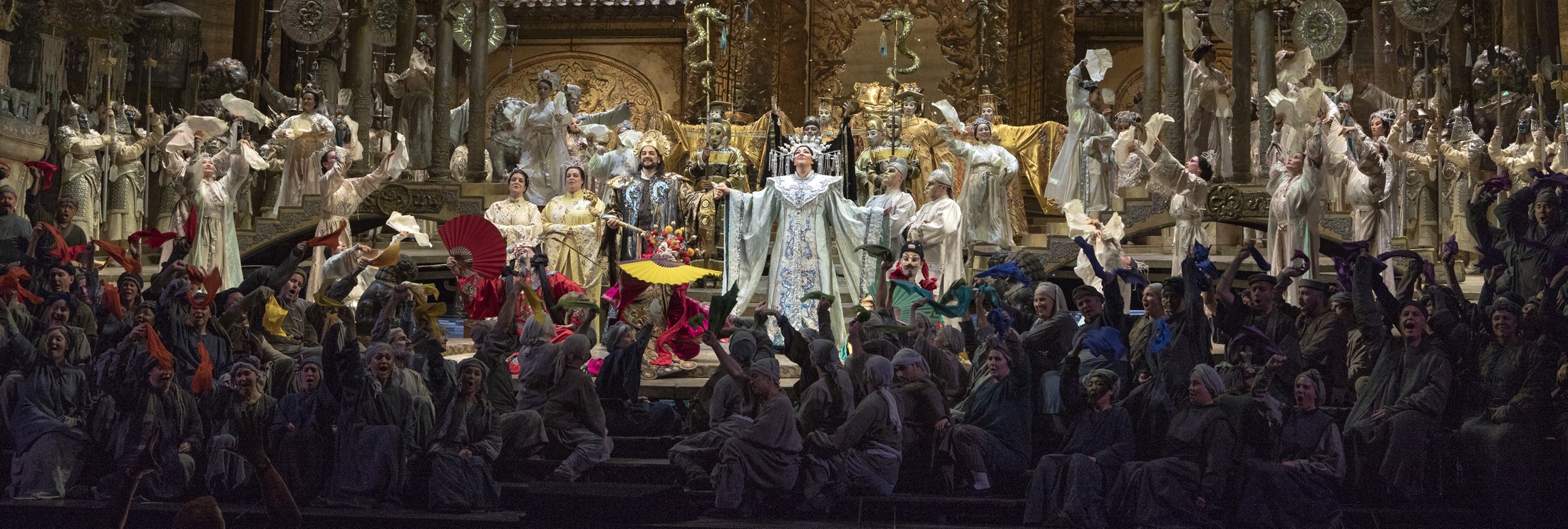
There were plenty of Turan-do’s and only a few Turandon’ts at the Met’s Turandot Sunday afternoon.
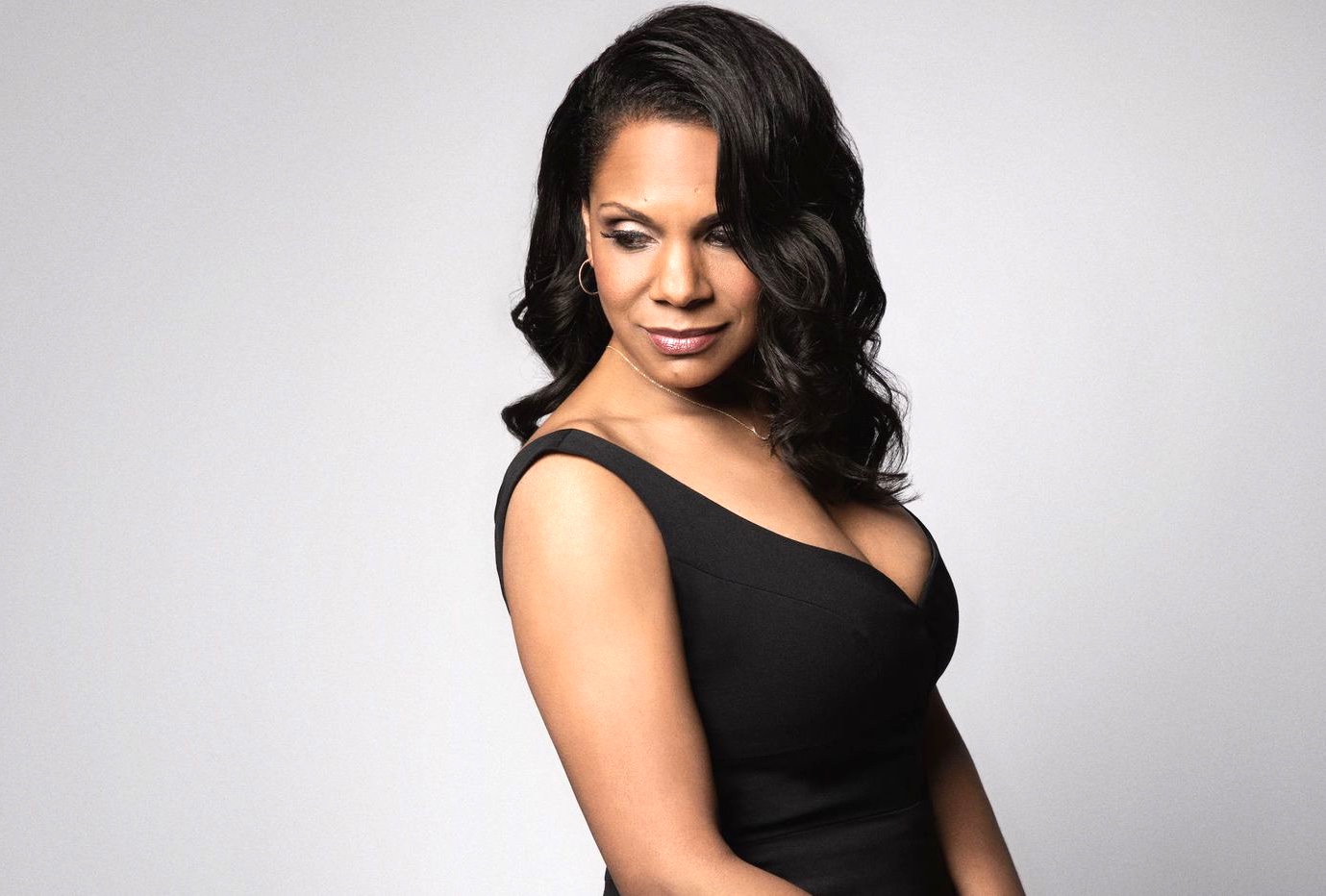
The Philadelphia Orchestra’s opening night concert, for better or worse, was not a gala evening starring Plácido Domingo.

“Die Zauberflöte is an opera!” “No, it’s the first musical comedy!”
With the Philadelphia Orchestra’s Candide, they saved the best (of all possible worlds) for last.
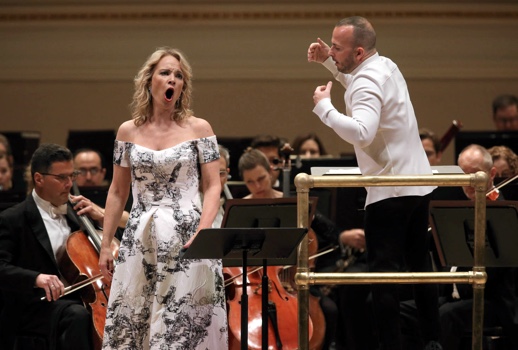
Elina Garanca was radiantly present at Carnegie Hall Friday night performing a ravishingly somber Rückert-Lieder with Yannick Nézet-Séguin and the MET Orchestra.
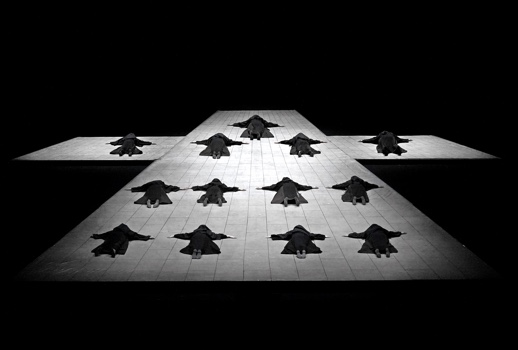
For more than 40 years, the magnificent opening image from Francis Poulenc’s Dialogues des Carmélites has served as an icon for the Met.
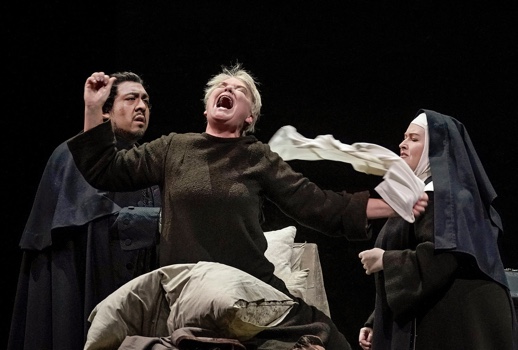
It was quite a pleasure—a privilege, really—to see John Dexter’s legendary production of Poulenc’s Dialogues des Carmélites.

“Trove Thursday” offers Die Frau ohne Schatten conducted by Georg Solti and also featuring Regina Resnik, Donald McIntyre and the inevitable James King.
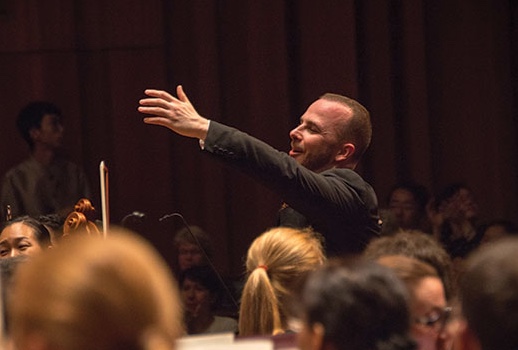
Yannick Nézet-Séguin’s “Music of Faith” with the Philadelphia Orchestra was a sensational concert, perhaps the best I’ve heard in more than a season.
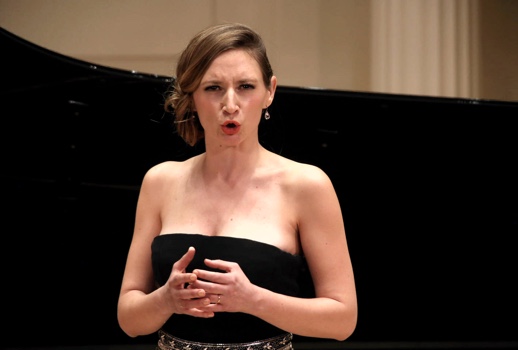
Although she didn’t sing that eponymous song by Reynaldo Hahn at Weill Recital Hall Thursday evening, Sabine Devieilhe did offer an “exquisite hour” of early 20th century French songs.

When a work is named for its lovers one might legitimately expect that pair to dominate its performance but in my experience that is never the case with Debussy’s Pelléas et Mélisande.
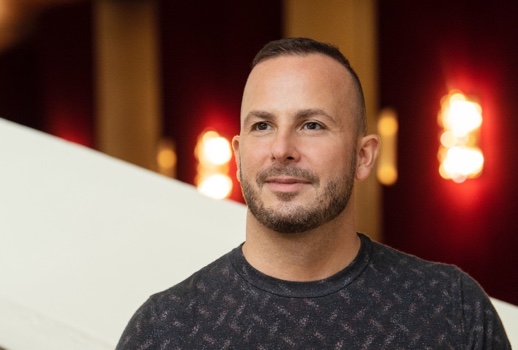
Now, you would think nothing could please gaycentric La Cieca more than yesterday’s New York Times profile of the Met’s new music director…
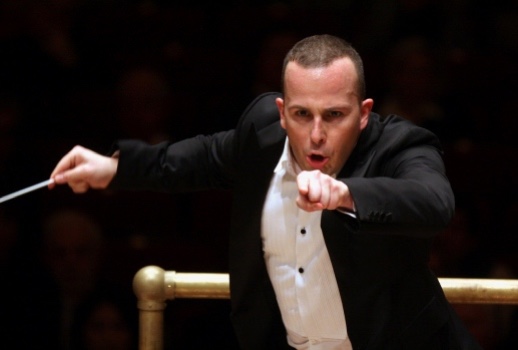
Philadelphia is a city famous for its musical institutions—so, of course, at this time of year Messiah performances abound.
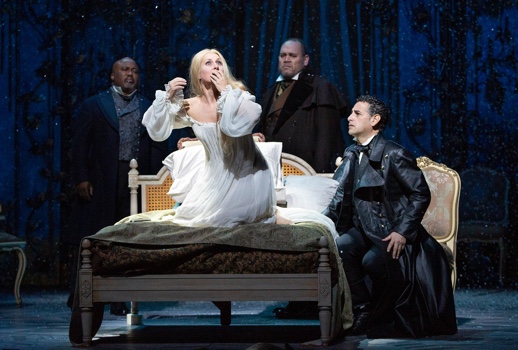
Diana Damrau‘s performance as Violetta was the work of a very ordinary artist, one susceptible to vocal flubs, poor intonation, and an all too banal approach operatic performance.
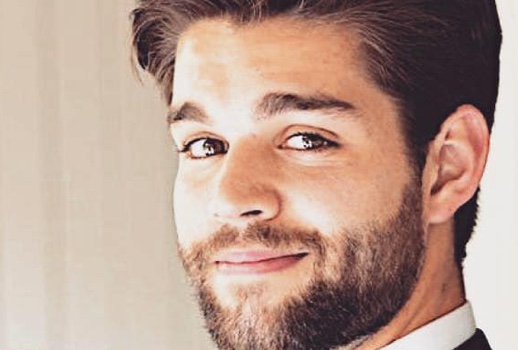
“The heavens are telling” begins the famous chorus that ends the first section of The Creation.
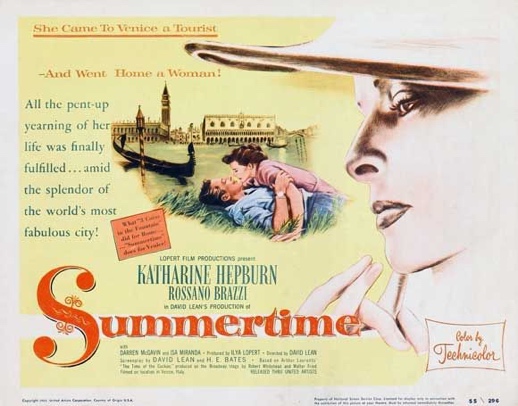
August on “Trove Thursday” begins with Midsummer Mezzo Madness featuring a sterling quartet of lower-voiced ladies
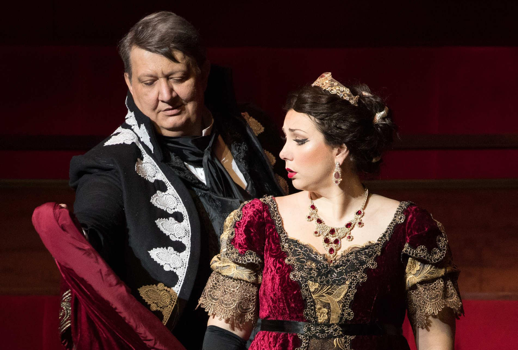
Though orchestrally lavish, this “semi-staging” delivers less theater than no staging at all.
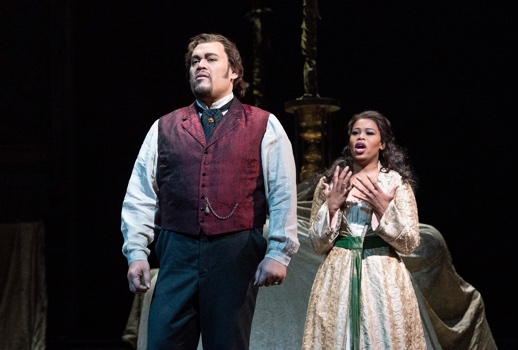
The new cast at the Met suggested an alliterative retitling of Lucia di Lammermoor was needed—perhaps Lost Loonies in Love or its Italian equivalent?
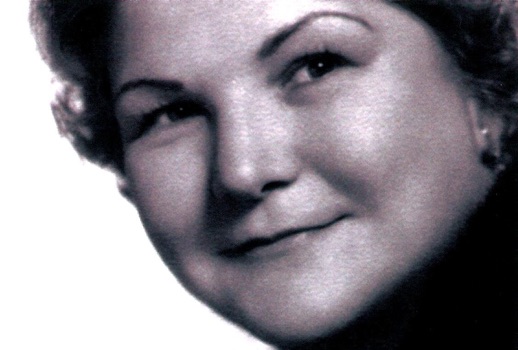
“Trove Thursday” presents a live Tristan 2 concert featuring one of my favorite dramatic sopranos. Gertrude Grob-Prandl.
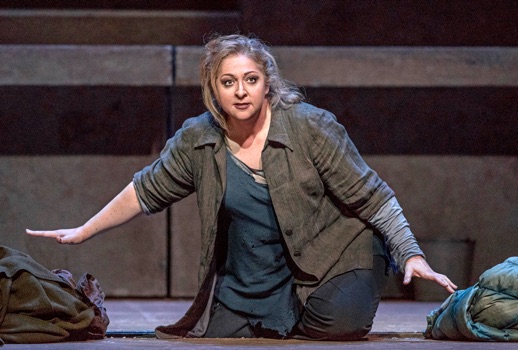
Christine Goerke‘s puzzling high register has become an increasingly troubling aspect of her singing. One just never knew what was going to come out from one moment to the next.

The days are getting shorter, but you can keep the prattle going this fall’s Talk of the Town! You will, you can, you must join in the discussion about: Great mezzo soprano performances (October),
Gained in translation (November), Teleport me back to… (December).
Exclusive opera reviews, commentary, and top reads
delivered to your email weekly…ish.