
Lost and found
Verdi must have gotten tired of tossing and turning by now and has gone back to resting in peace.
75 pieces since 2007 — in 31 roles, at 11 companies, most often at Metropolitan Opera.
Verdi must have gotten tired of tossing and turning by now and has gone back to resting in peace.
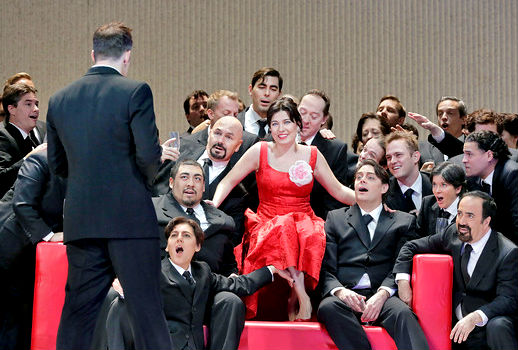
La Cieca’s spy wriggled into last night’s Met dress rehearsal of La traviata and reports: “One has to be careful about making too many judgments or drawing too many conclusions from a rehearsal, but last night’s final dress was indeed very promising.”
Willy Decker’s Traviata has garnered praise from critics and audiences alike in the week since its Metropolitan premiere, but (as was to be expected) this praise comes over the complaints of a select few traditionalists, a handful of lonely boos amid the mostly enthusiastic applause. Their objection (as usual) is that Decker’s production betrays the […]
“Let me look around once more. Who knows when I shall see this house again?”
I’ve been waiting (nearly) 20 years for another encounter with Samuel Barber and Gian Carlo Menotti’s Vanessa.
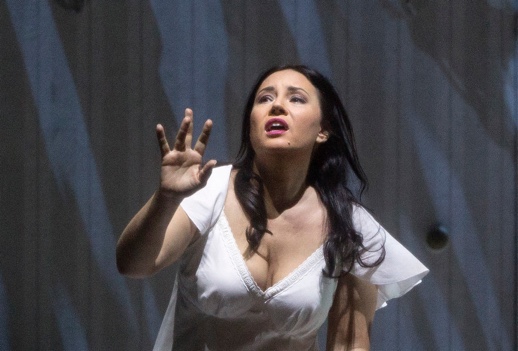
Iolanta was crowned on Thursday evening by Sonya Yoncheva’s haunting portrayal of the blind title character.
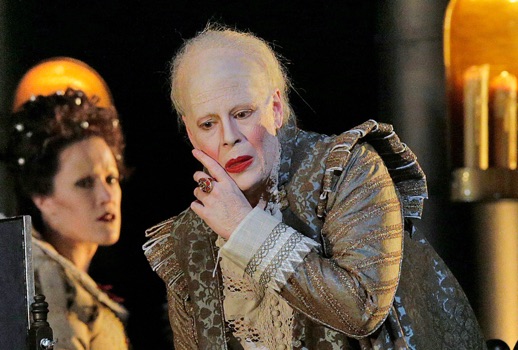
During its first-ever Roberto Devereux Thursday evening one felt transported back to the Volpe years: four of the Met’s biggest stars shining in an opulent (if occasionally perverse) but reassuringly non-challenging production paid for by Sybil B. Harrington.
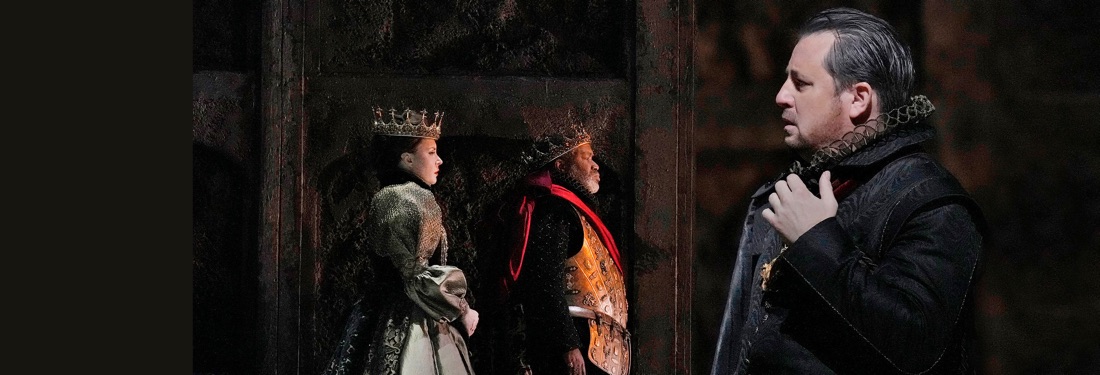
When was the last time the Metropolitan Opera mounted a new production that was musically outstanding yet the direction and/or design mostly sucked?
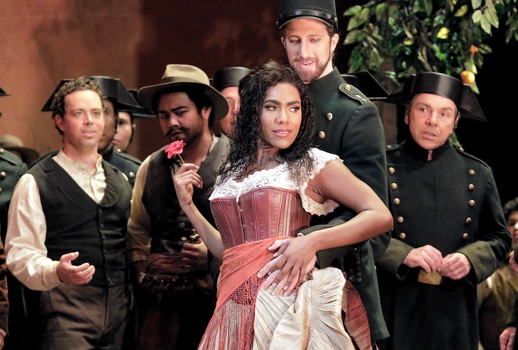
“Tame” seemed to be the appropriate adjective to describe San Francisco Opera’s Carmen.
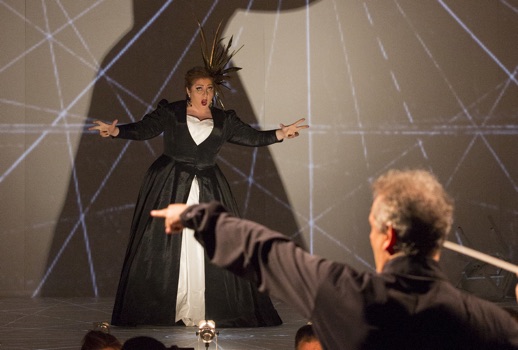
The unevenly-beating Heart unfortunately proved less than the sum of its deluxe parts.
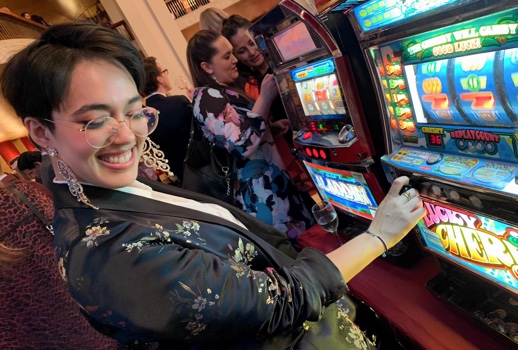
We are the elusive, the mysterious, the ever-courted Millennial Audience, Mr. Darcy to the marketing department’s Mrs. Bennet.
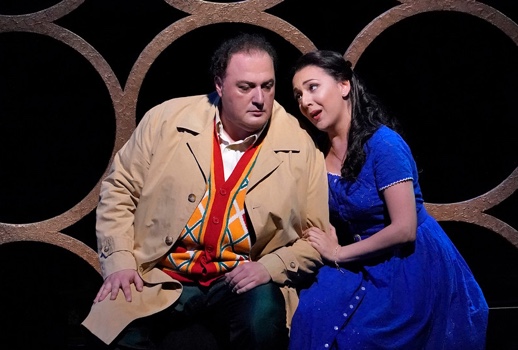
Friday night’s Rigoletto at the Metropolitan Opera revealed once again a predictable dissonance between the performances on stage and Michael Mayer’s production.
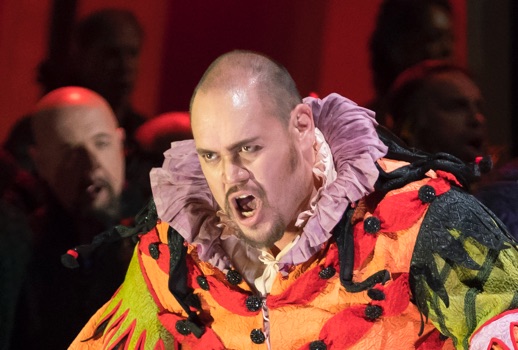
Verdi’s Rigoletto returned to Lyric Opera of Chicago, a rousing performance both musically and dramatically.
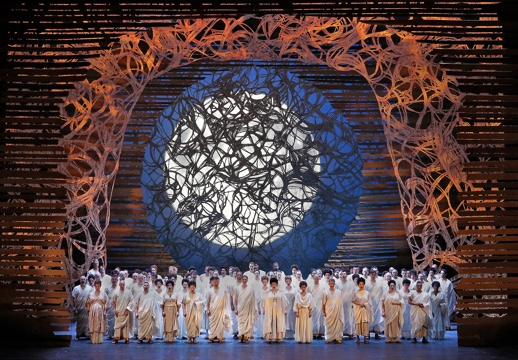
Anticipation of events like the Metropolitan Opera’s 50th Anniversary bash turns me back into the newly opera-soused kid who begged his parents to let him watch the highlights of the Bing Gala on the family color television.
Don Pasquale is one of those operas that make listeners feel very happy and gay, who, after seeing it, live happily ever after and gayer than before. It’s about a whore who needs to get laid, with an eye on the young (once and still bottom) hunk versus the older (once top, yes you guessed […]
Psychology is encoded in the composer’s vocal lines more than his librettist’s words.

There is a truism that there are no small parts, only small singers. Last night’s Così fan tutte has made me consider another possible truism: there are no bad productions, only miscast productions.

While James Levine’s name might not immediately spring to mind when pondering the great Mozart conductors, he does have a long and distinguished career leading operas by the Austrian master.

A revival of Peter Konwitschny’s rightly legendary Don Carlos and Dmitri Tcherniakov’s confounding new Salome: both turned out to be unforgettable!
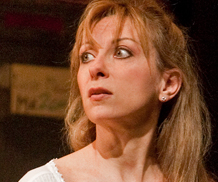
La Cieca has just received a complete report from her spy at today’s open dress rehearsal of La traviata at the Met.
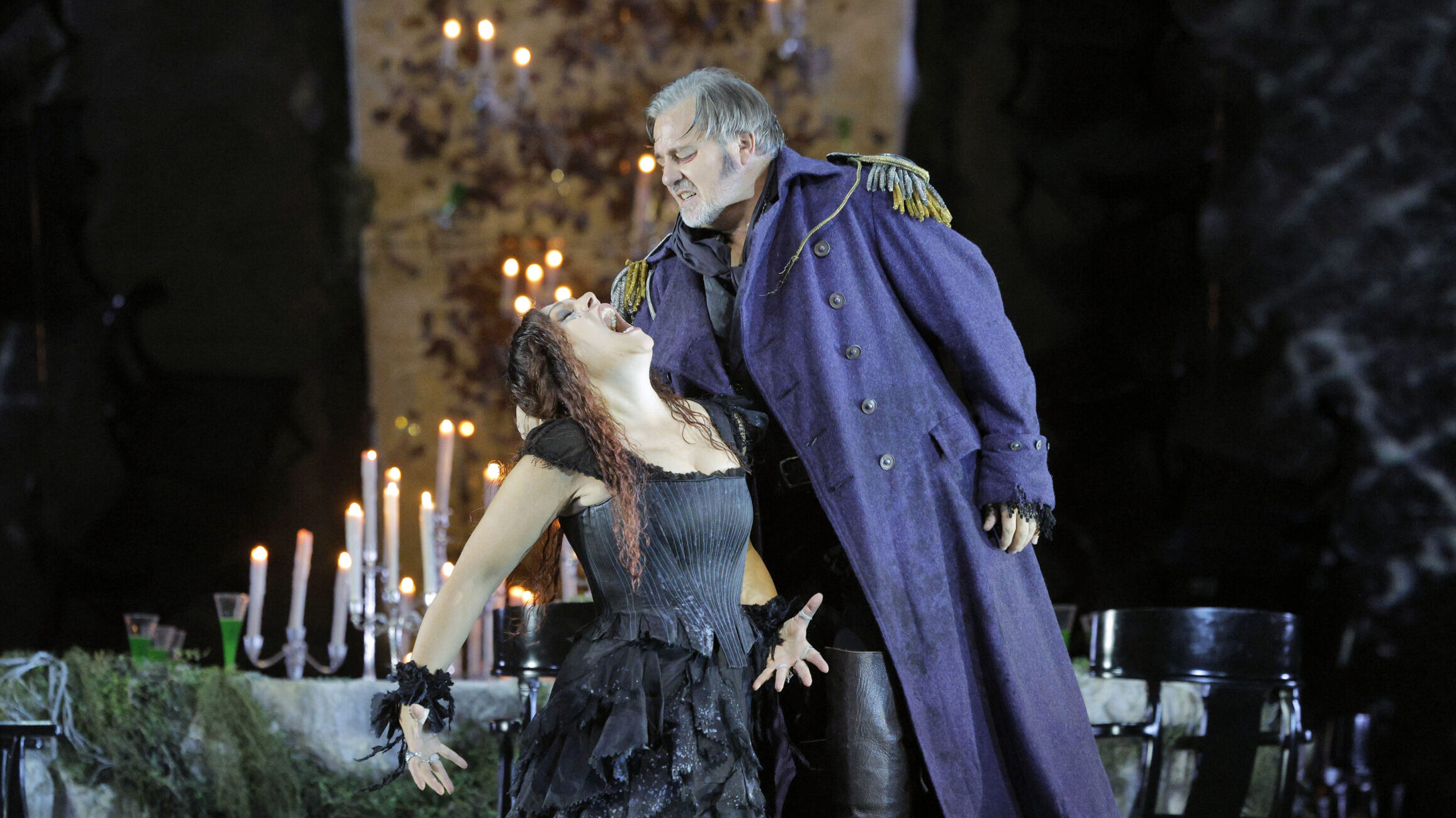
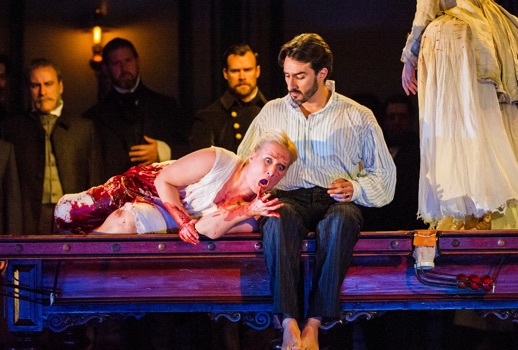
Seeing Sondra Radvanovsky as Medea at Lyric Opera of Chicago sprawled across the floor, soaked in her children’s blood, is proof that we’re witnessing an utterly haunting singer-actor.
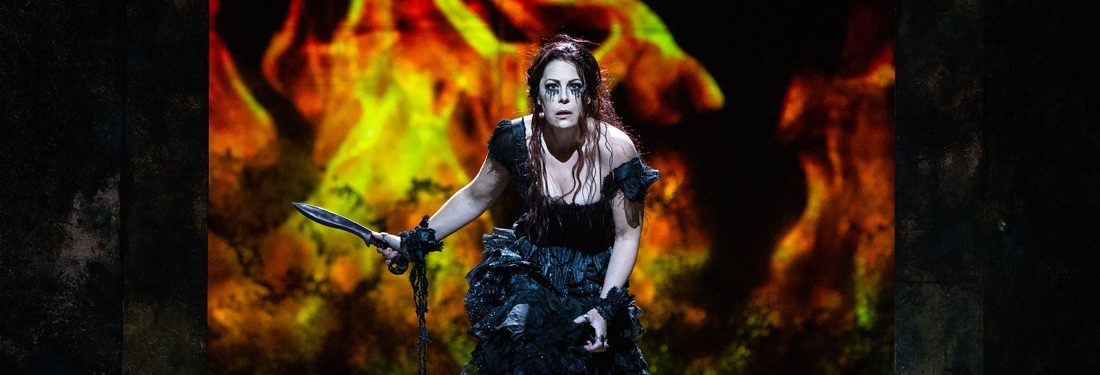
Sondra Radvanovsky has an unconventional voice that is suited to unconventional characters and is best used in rangy, difficult music. The lack of lush beauty was no deficit in depicting Medea’s jealousy and vengeful rage.
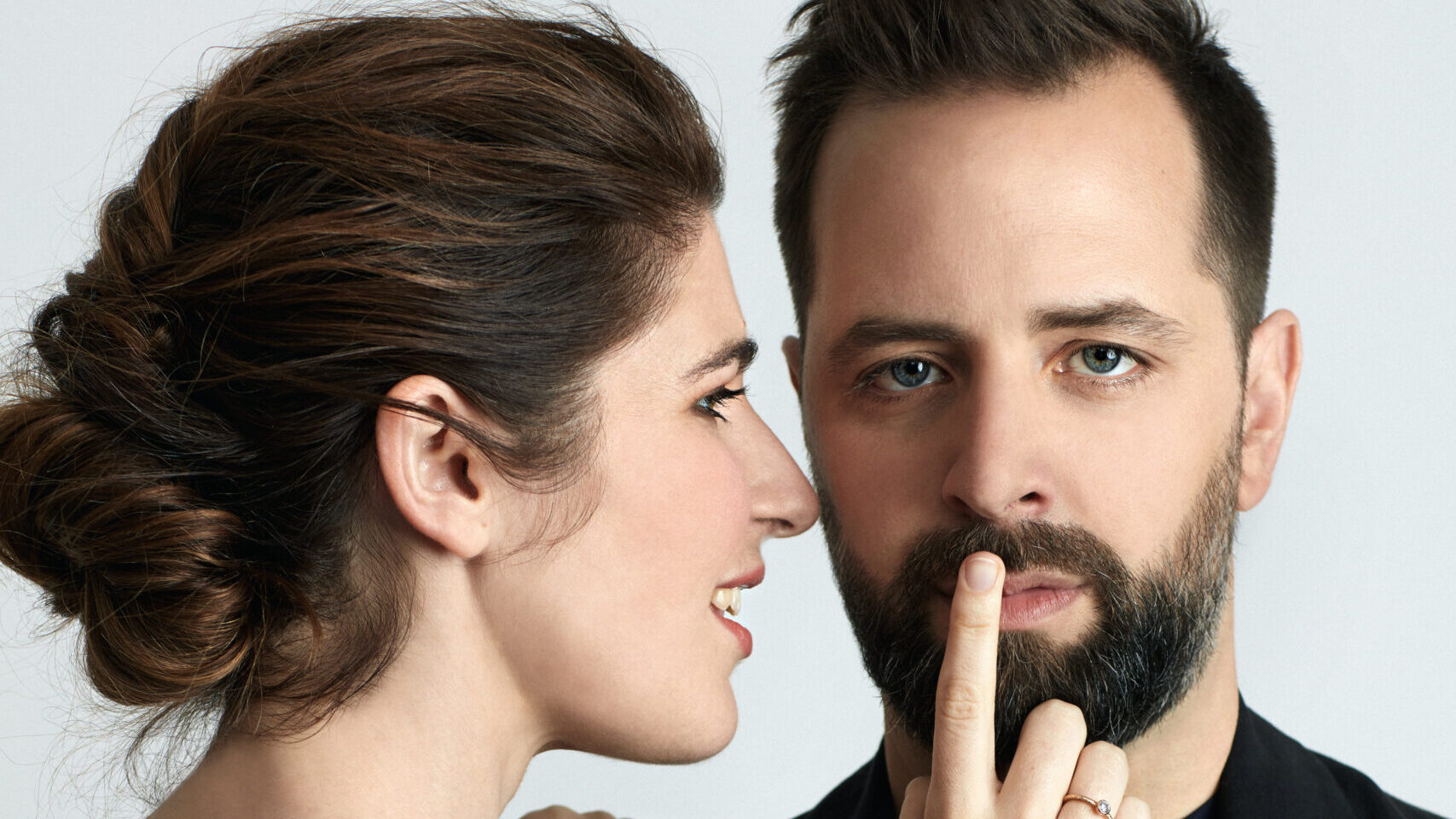
Ahead of their opening in Don Carlo in Dallas tonight, Christopher Corwin chats with Nicole Car and Étienne Dupuis — and offers a special edition of Chris’s Cache!
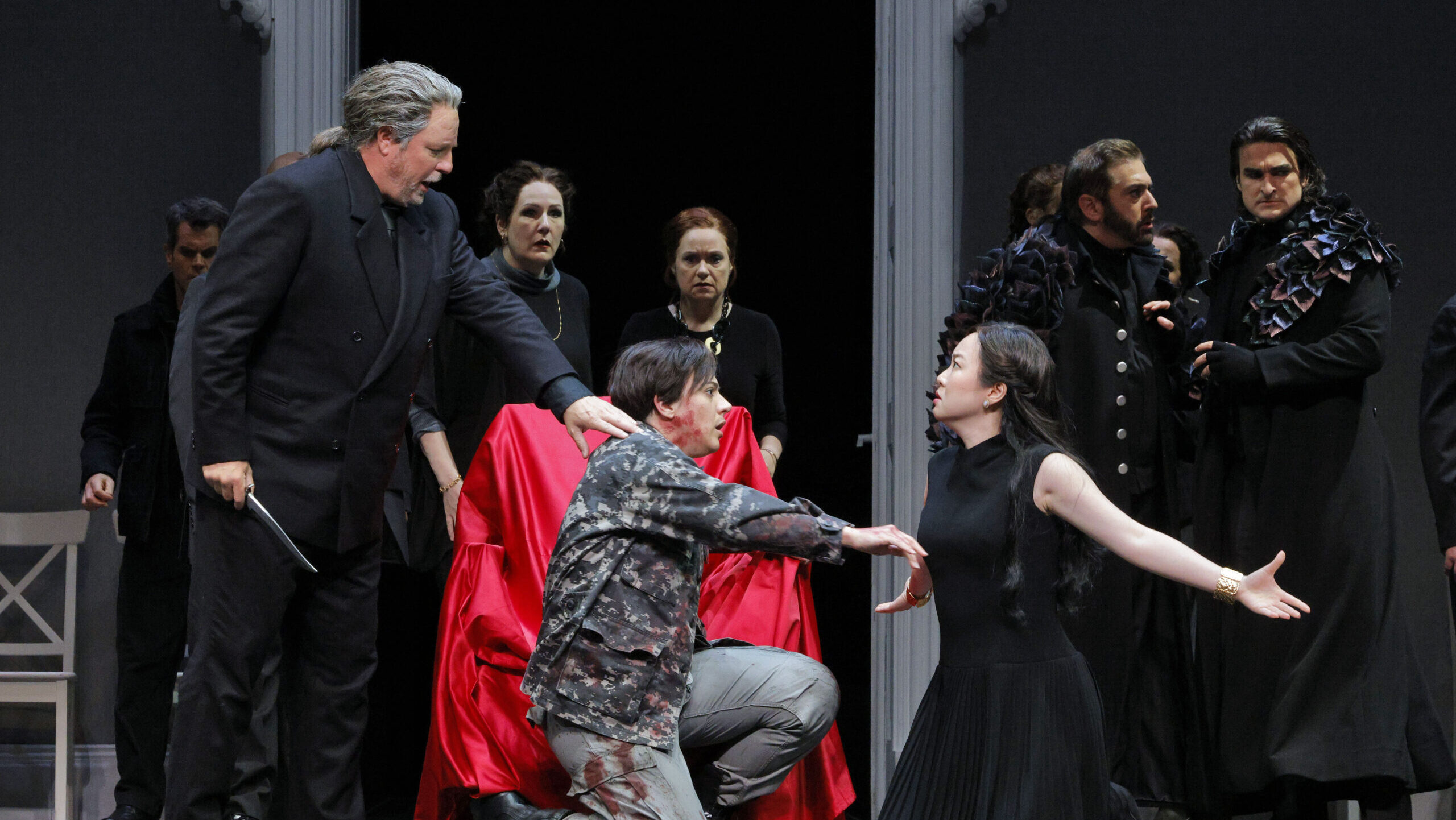
A muted production challenges a talented cast in San Francisco Opera’s Idomeneo
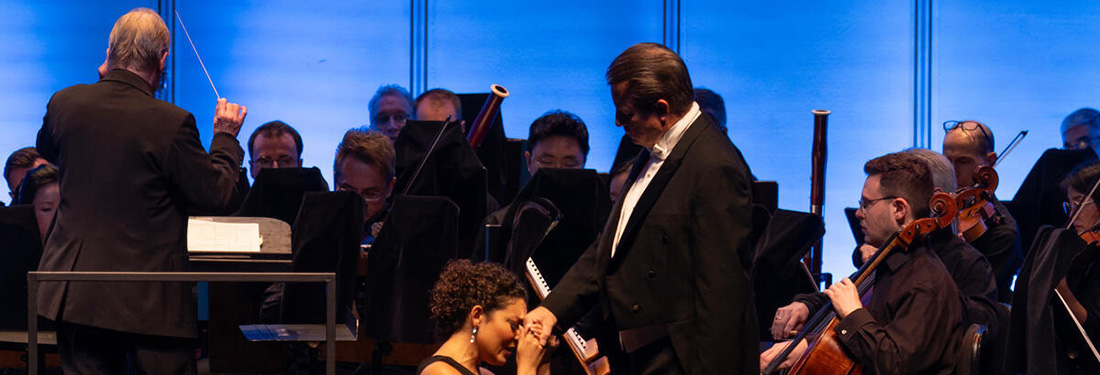
You probably won’t leave Idomeneo ready to burst out in song, but what the opera lacks in melodic immediacy it makes up for in sheer virtuosity.
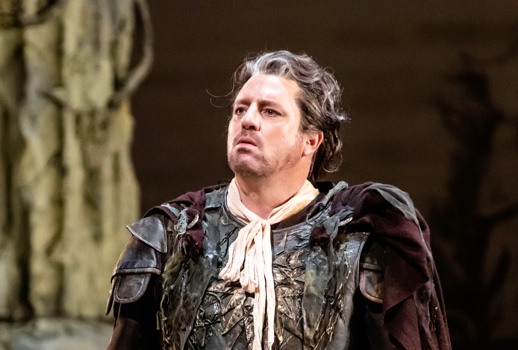
Those readers who know my musical tastes will not be shocked to find that I have a somewhat conflicted view of Mozart’s operatic works.

I have been a devotee of Berlioz’s Les Troyens since I first discovered the Covent Garden recording conducted by Colin Davis.
Les Troyens is one of those things, or often two of those things, that should be a big event or it practically needn’t happen at all.* The keynote is grandiosity in the best way, from the subject to the musical demands (let’s include the implicit challenge of one singer performing both Cassandre and Didon—not because […]
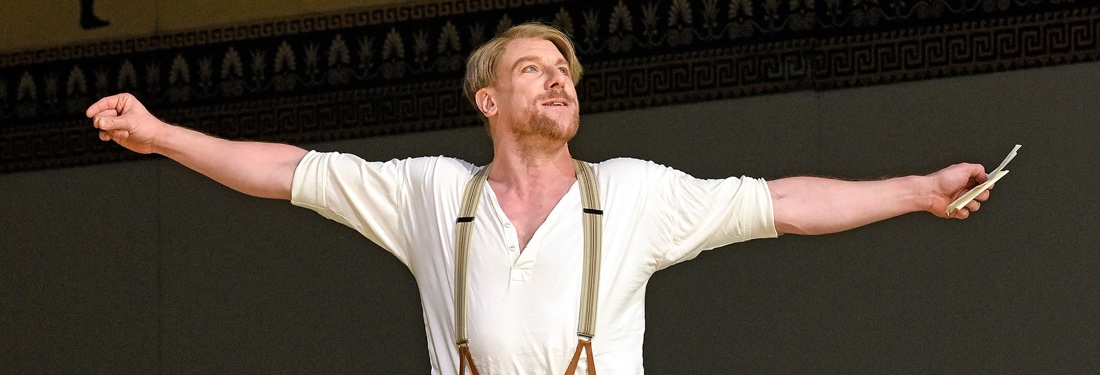
Günther Groissböck’s ridiculously entertaining Baron Ochs and Sir Simon Rattle’s enthralling conducting soared highest during a mostly excellent revival of Der Rosenkavalier.
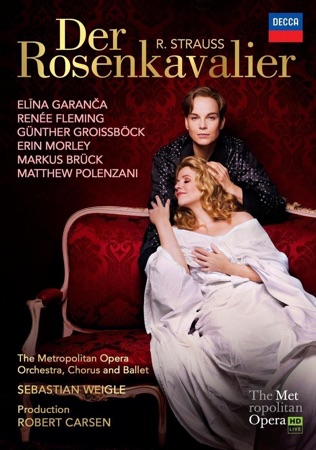
Der Rosenkavalier (on Blu-ray and DVD) is from the Met HD broadcast which also happened to be the final performance of the run, becoming a true souvenir of the farewells of its two leading ladies.

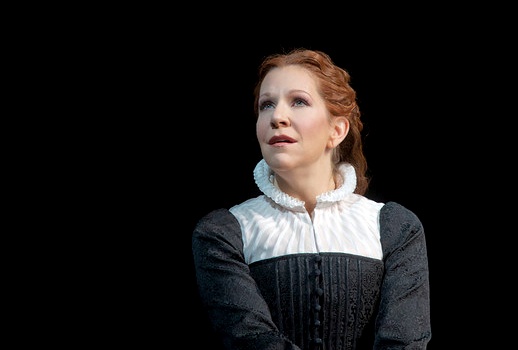
Joyce DiDonato is taking her Mary Stuart on the road, so to speak.
It’s easiest to write reviews when there are soaring triumphs and miserable failures.
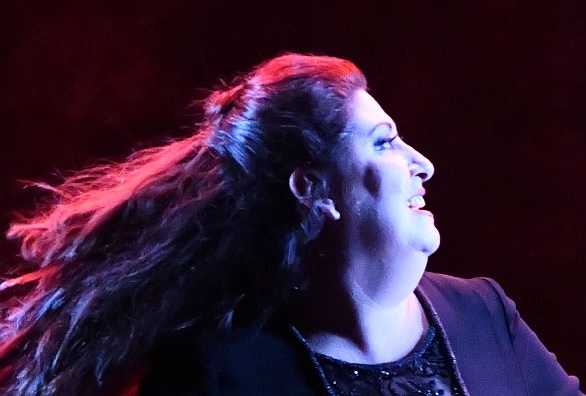
I can’t think of an opera this year that I’ve enjoyed as much as Tuesday’s Met Macbeth, thanks especially to the smashing house debut of Italian soprano Anna Pirozzi as its blazing Madame M.
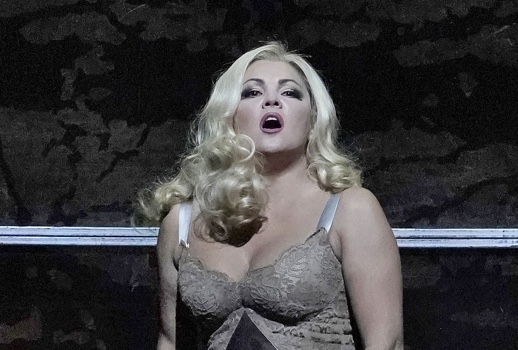
My blood sure boiled at this revival of the Met’s utterly punchable production of Macbeth.
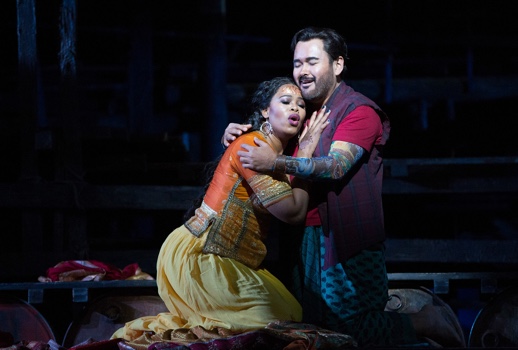
Alexander Birch Elliott‘ s dynamic if gauche Zurga added some pizzazz to an otherwise bland evening.
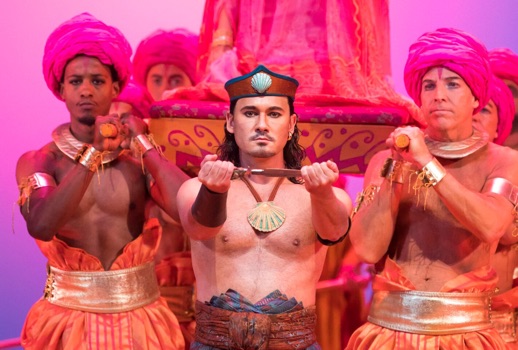
Lyric Opera of Chicago’s spectacularly colorful and glitzy new production of The Pearl Fishers opened on Sunday.

Returning after 99 years for the Met’s annual New Year’s Eve gala, Bizet’s youthful exercise in Orientalia Les Pêcheurs de Perles proved a real crowd-pleaser.
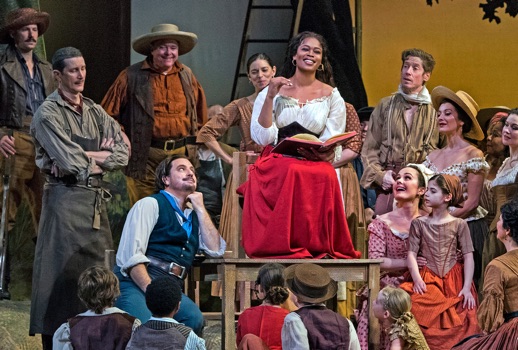
Good singing and a dramatically potent (if conservative) production were an unbeatable combination in the Metropolitan Opera’s season premiere of Donizetti’s L’Elisir d’Amore.
UPDATE: A video preview of the new Elisir follows the jump.
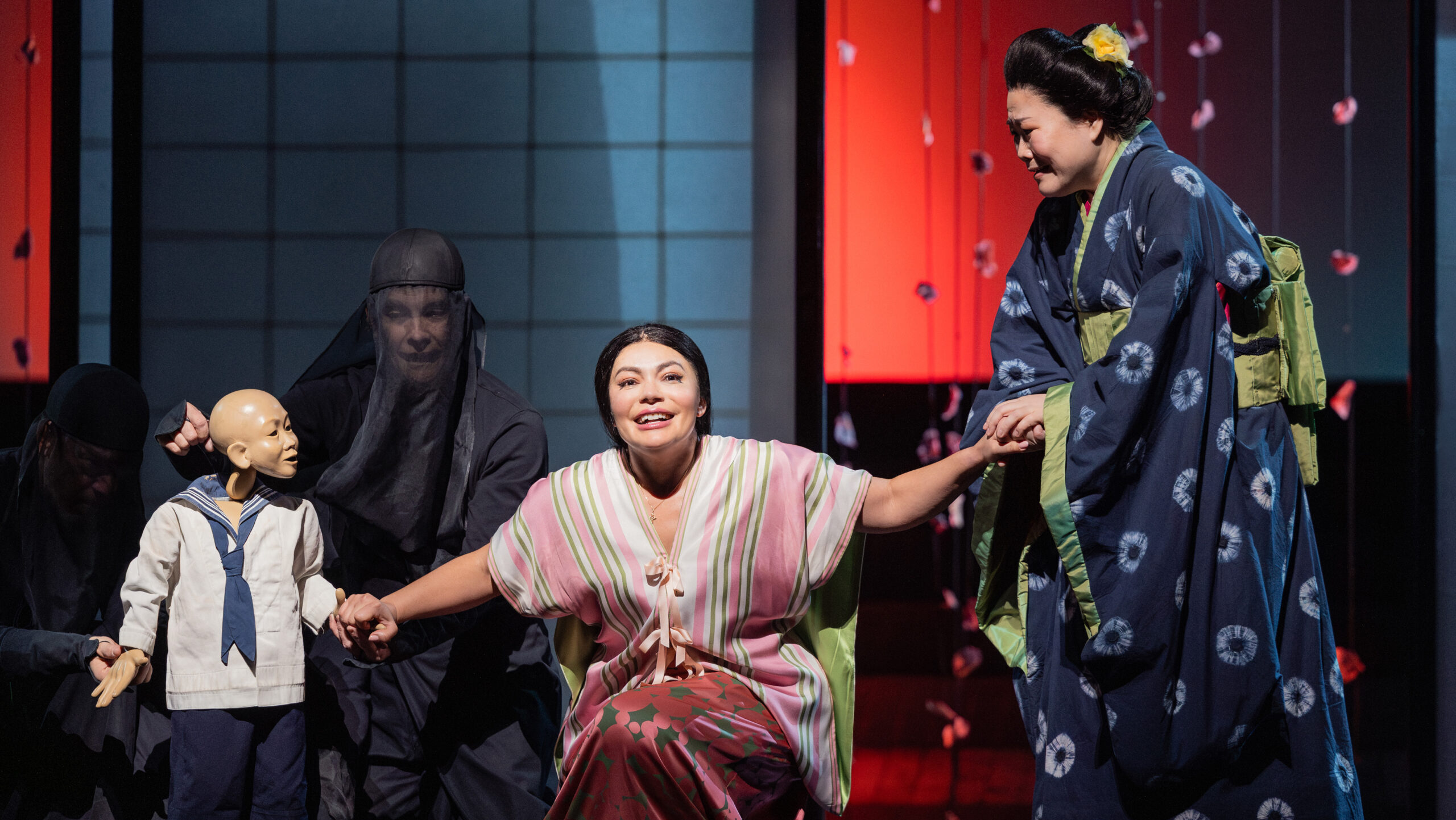
Back-to-back casts in the Metropolitan Opera’s revivals of Madama Butterfly and La traviata offer ample opportunity for soprano-gazing.
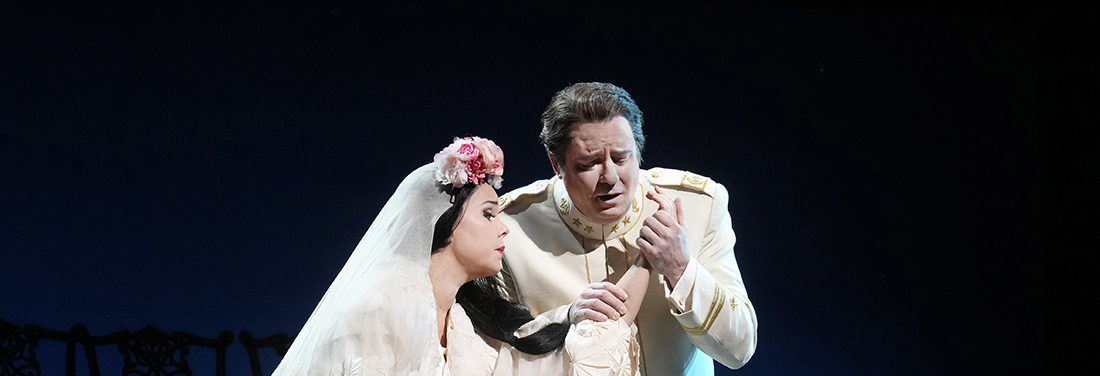
“The mystery of her voice gripped my soul,” Sharpless tells Pinkerton at the beginning of Puccini’s Madama Butterfly. One could say the same thing of Aleksandra Kurzak’s remarkable portrayal of the title role, the main reason to catch the Met’s latest revival.
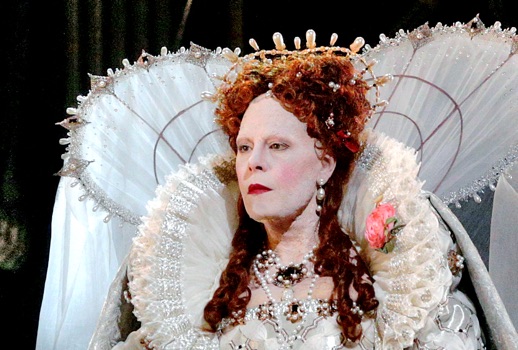
This season’s Met Donizetti Tudor Trilogy concluded with Roberto Devereux, given its penultimate performance by HD transmission Saturday, April 16. It is good to see these works finally given here; they are too important, too crucial a part of the operatic repertory to have been ignored for as long as they have.

It’s autumn in New York, baby.
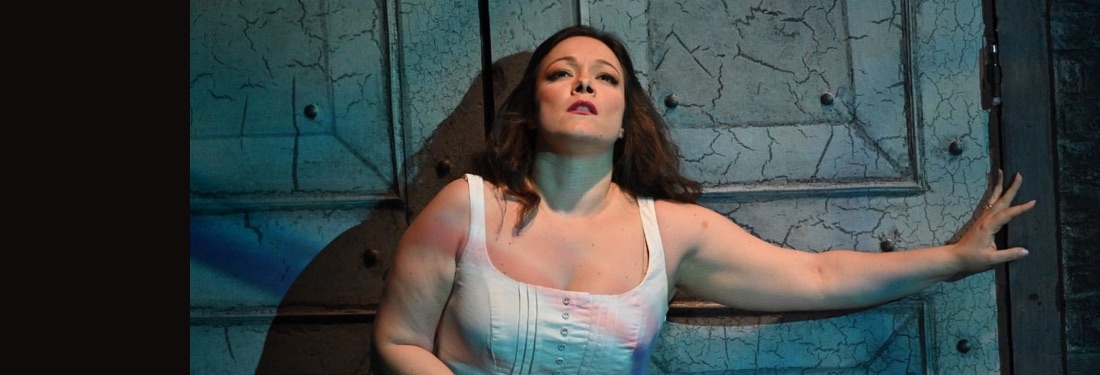
Pavarotti and Freni are gone but the Franco Zeffirelli Bohème remains.

Happy New Year, dear readers, from me, Callum, and Christine Goerke’s headband-tiara!
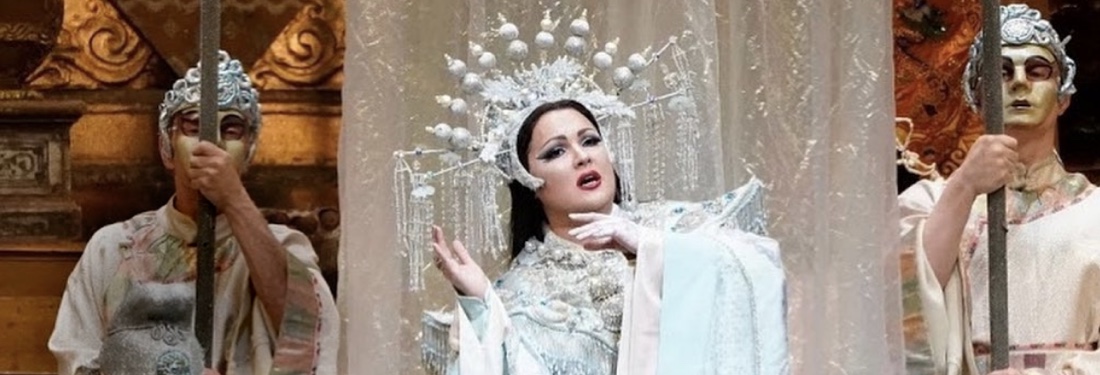
Although the gold glitter cannons detonated at the end of the act were an ostentatious reminder that this was a celebration of the new year, it seemed that the only words on anyone’s lips as the audience filed out of the theater were “Viva Netrebko!”

At Friday night’s performance of La Bohème at the Met, the cast seemed to lean into (and gamble upon) the production’s enduring popularity.
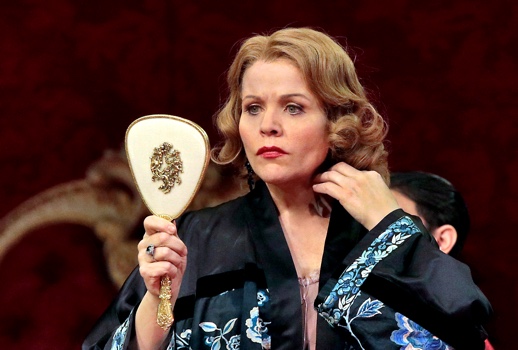
Any production of Der Rosenkavalier that can transform the usually excruciating first half of the third act into a hilarious romp already has my vote.
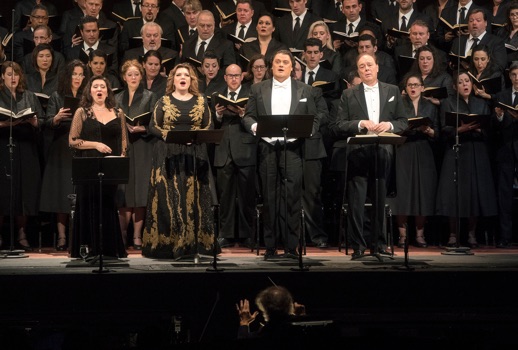
Usually the longer I know a work the more I look forward to rediscovering it, but that’s just not the case with the Verdi Requiem.

One got a sense that the Met and the maestro directed most of the rehearsal and preparation toward the opening night premiere of the Heggie opus
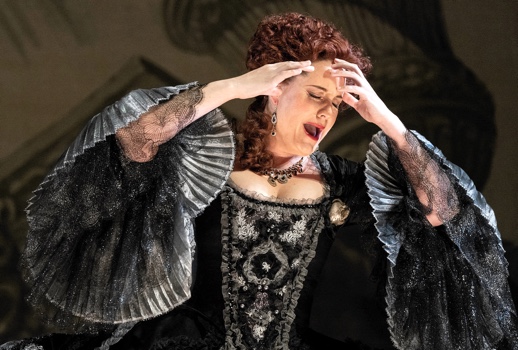
At the Metropolitan Opera on Saturday night, Mozart’s opera never sounded fresher, a superstar cast shining new light on one of the composer’s all-too-seldom-performed scores.

The days are getting shorter, but you can keep the prattle going this fall’s Talk of the Town! You will, you can, you must join in the discussion about: Great mezzo soprano performances (October),
Gained in translation (November), Teleport me back to… (December).
Exclusive opera reviews, commentary, and top reads
delivered to your email weekly…ish.