Wagner must intrude at some point because he invented film music.
My first exposure to Lucia di Lammermoor came under the auspices of The Three Stooges.
In operatic pathology, diseases are endowed with preposterous mythological properties: they are both an emblem of desire and the punishment for desire. They are crime, confessional, and executioner all rolled into one.
I need to get something off my chest. I love bel canto.
That question hung in the air when Teatro de la Zarzuela Madrid revived Tomás Bretón’s opera Farinelli for first time since its premiere in 1902.
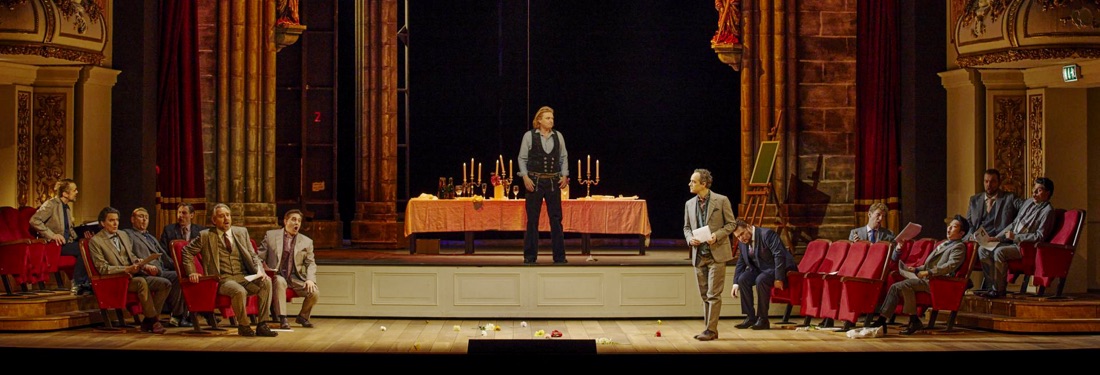
In the opera world, one of the pieces that underwent a multitude of changes in its reception was undoubtedly Richard Wagner’s longest and most Germanic opera, Die Meistersinger von Nürnberg.
It is rare to be moved to tears by a lieder recital. It is rarer still to be moved to tears by the third song on a recital program.
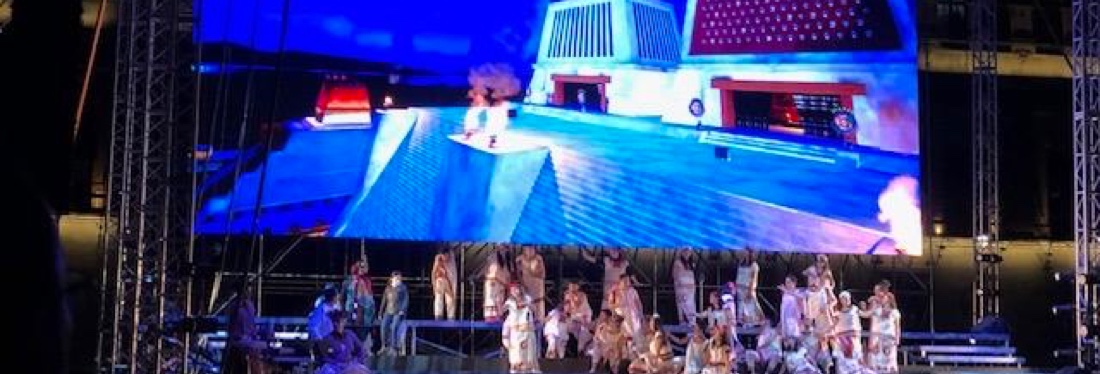
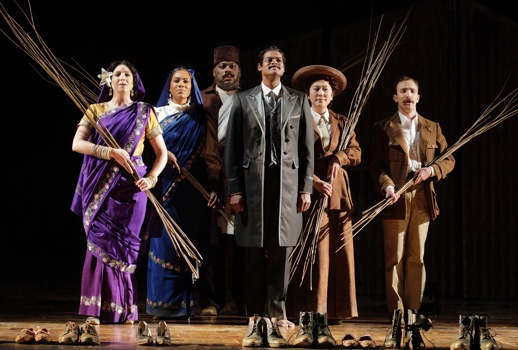
What is opera for if not to commemorate a national epic tragedy and triumph?
Cycle II represented an embarrassment of musical riches.
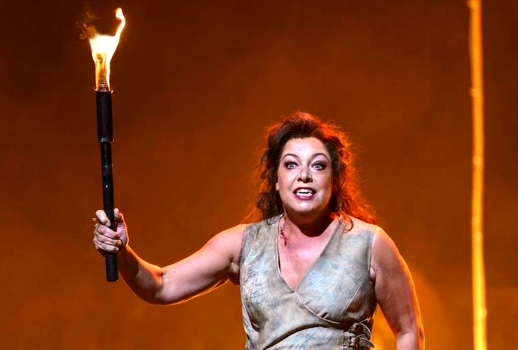
At the Metropolitan Opera’s Götterdämmerung on Saturday afternoon, the fires which consumed the Gods burned lukewarm.
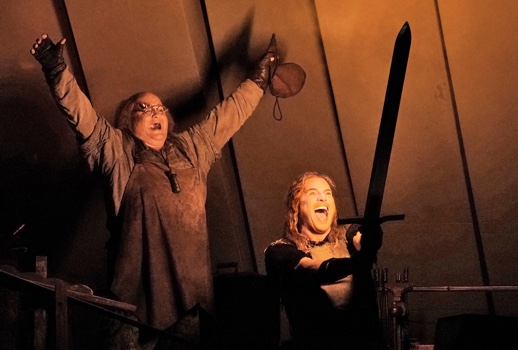
Stefan Vinke’s Siegfried was not so much brawny and terrestrial, but heady and mercurial
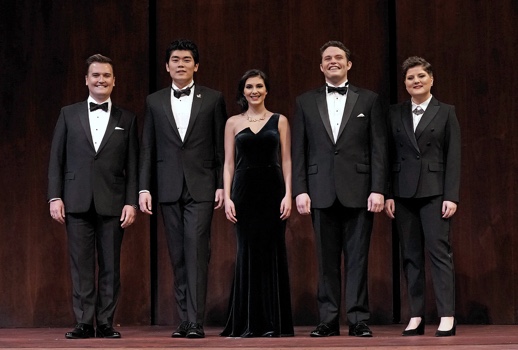
The finals on Sunday seemed a bit like the modern-day operatic equivalent of the Roman colosseum.
A return to Amore Opera’s production of Meyerbeer’s Dinorah to hear the second cast underlined two conclusions.
Wagner’s Ring is an artistic masterpiece that is peerless in its ability to continually reveal layers of musical, theatrical, and philosophical insight
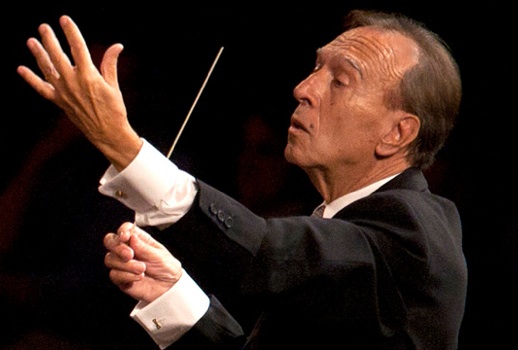
Claudio Abbado passed away on the 20th of January five years ago, just months before I began my Ph.D.
Logistically, a large-scale revival of the operas of Giacomo Meyerbeer is an unreasonable request, much less an expectation.
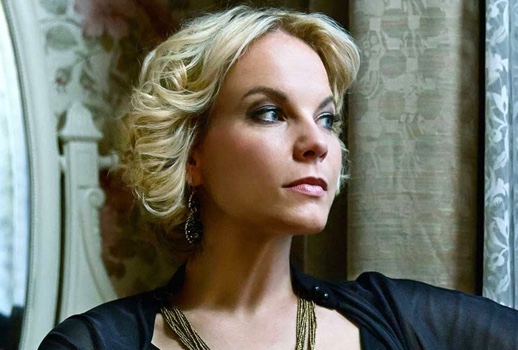
With a program of Schumann, Wagner, Ravel and de Falla, mezzo-soprano Elina Garanca and pianist Kevin Murphy delivered a underdone performance at Carnegie Hall on Tuesday night.
I hardly know where to heap my praise first.
I count myself as privileged to have witnessed Götterdämmerungat the Royal Opera House during this season’s revival of Keith Warner’s Ring.
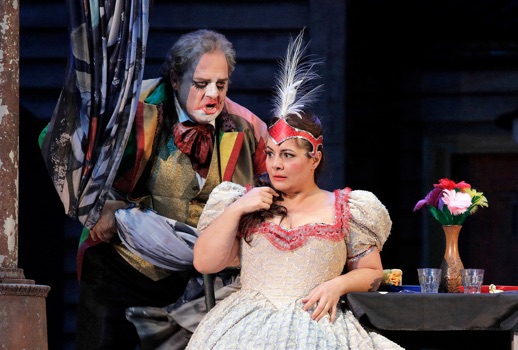
San Francisco Opera opened their 2018-19 Season Friday with a double bill of Italian verismo operas, Cavalleria rusticana and Pagliacci, which made a welcome return to War Memorial Opera House after 15 years.
Armide with a superbly grand Francophone heroine in Karina Gauvin and conducted by the always excellent Ivor Bolton.
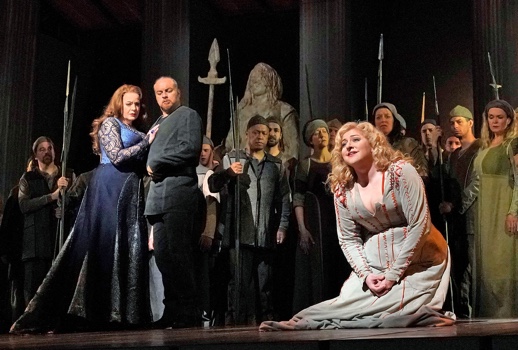
Simone Mayr’s Medea in Corinto, a curious work of 1813, has been revived by Will Crutchfield’s new enterprise, Teatro Nuovo.
As Brünnhilde invokes the gods of an empty Valhalla for one last time and strides confidently into a wall of flame, we pause for a moment, unsure of what will follow.
Siegfried is, in a sense, The Ring’s odd one out.
Tell us: Filth or dementia?
Hasten thee to feed another quarter of conversation for The Talk of the Town!
Sign up for our free Newsletter.
Support Parterre Box
Donate to keep opera's liveliest publication free and independent. No paywalls, no institutional backing, no bootlicking.
Get our free newsletter
Opera's top reads delivered to your email weekly…ish.
Join over 100k readers.
The best opera magazine on the web.
Reviews, breaking news, critical essays, and brainrot commentary on opera from those demented enough to love it.
Essentials
Copyright © 2026 Parterre Box.
All rights reserved.
Registration or use of this site constitutes acceptance of our Terms & Conditions and our Privacy Policy.
Sign up for Parterre’s free newsletter.
Exclusive opera reviews, commentary, and top reads
delivered to your email weekly…ish.