John Yohalem
To bring a well-known story to the stage, many methods are available.
parterre box turns 30 on Sunday and writers from around the box are reflecting on the legacy of founder James Jorden and three decades of “remembering when opera was queer and dangerous and exciting and making it that way again”
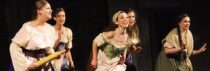
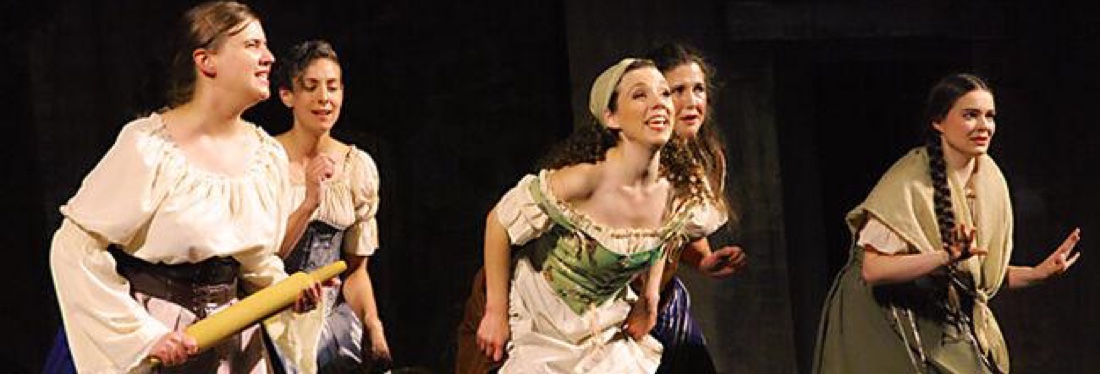
At the northern tip of Seneca, longest and deepest of New York State’s Finger Lakes, sits the pretty little town of Geneva.
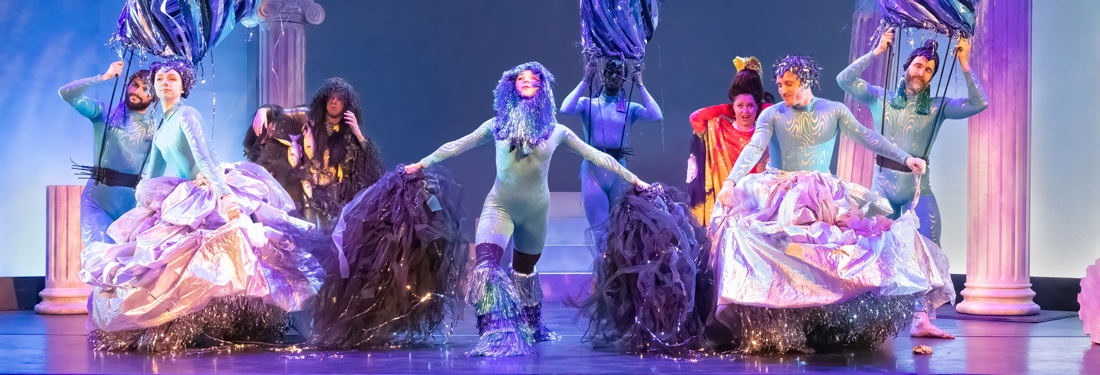
In French opera—until Pelleas et Mélisande anyway—there is always a great deal of dance; often, dance rather than song is the main event.

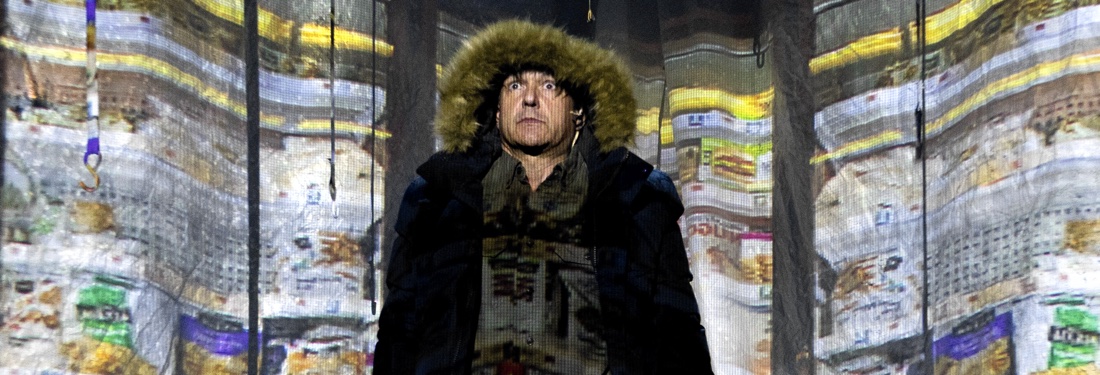
Du Yun is the Pulitzer Prize-winning composer of Angel’s Bone. Her new opera, In Our Daughter’s Eyes, a one-act monodrama for bass-baritone and an orchestra of six, opened the current tenth Prototype Festival, in a performance at the Baruch Performing Arts Center, starring erstwhile Met regular Nathan Gunn.
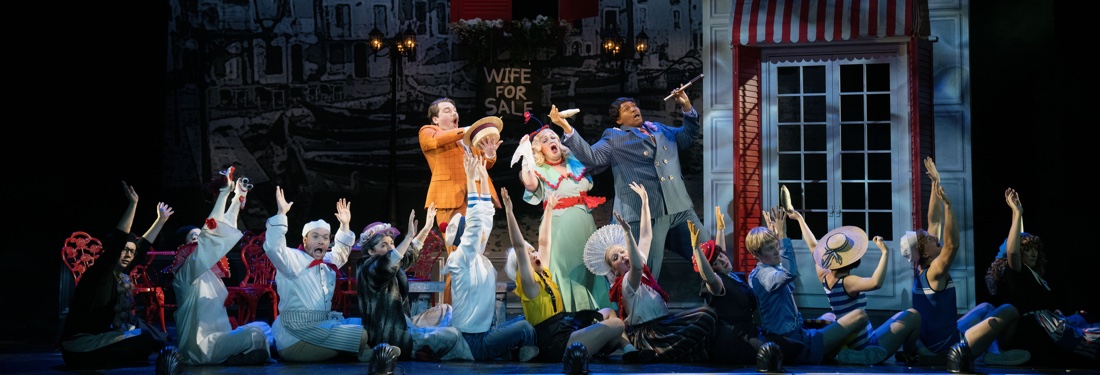
A double bill (with a choral intermezzo) that just finished four nights’ run at the Manhattan School of Music is a delight, musically whimsical and reminiscent, wittily and colorfully staged.


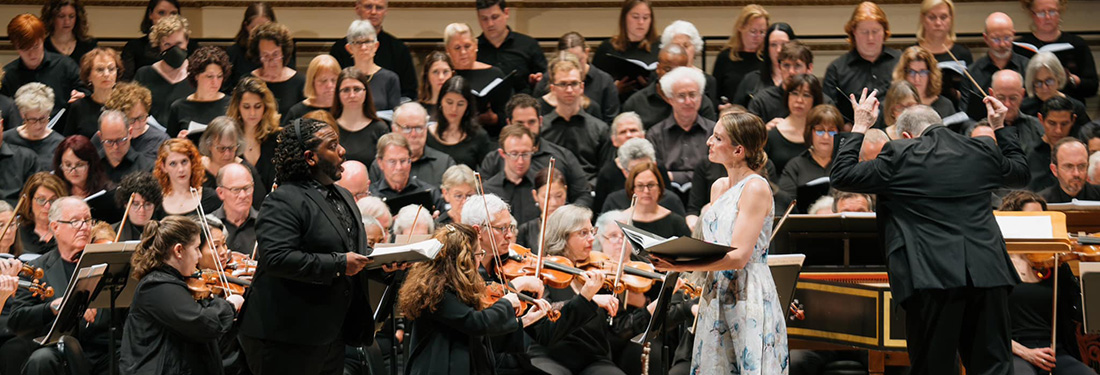
Davóne Tines has sung with Early Music groups and avant-garde ones, and he has a taste for projects that cross artistic boundaries, which suits an innate showmanship.
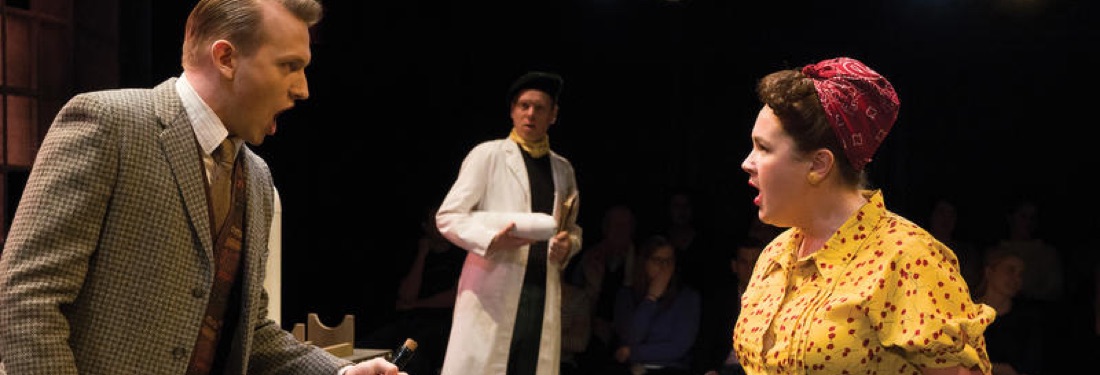
Why is so twinkling, tuneful a score so little known?

Young voices ringing out Stravinsky’s witty melodies at close quarters gives great pleasure if you are fond of this witty score and its many parodies of early operatic cliché.

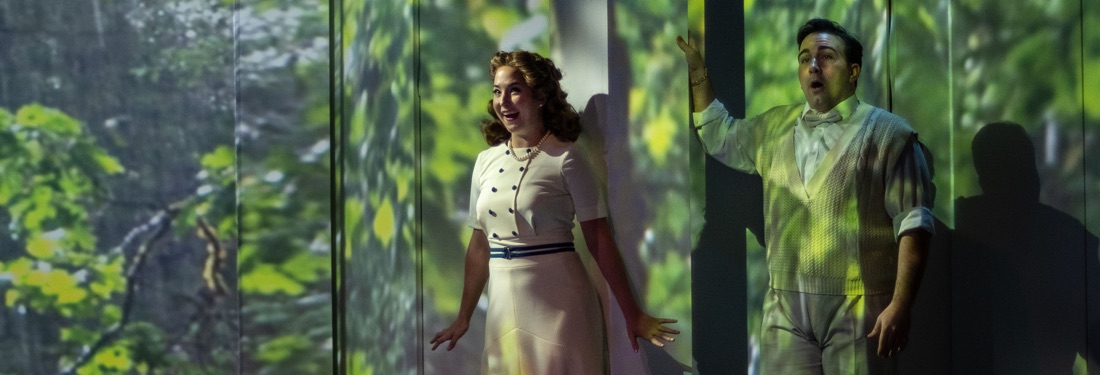
It’s 1938. We know, even if the characters do not, how the story will end.

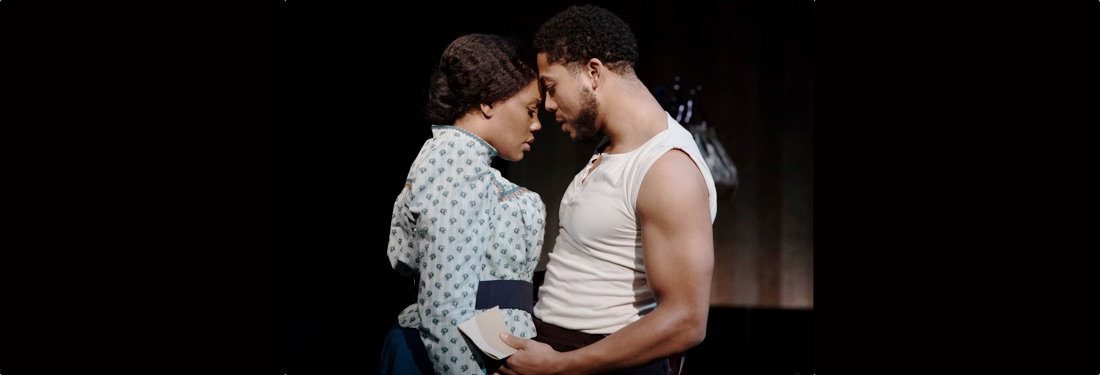
Two hours of bedazzlement await you.

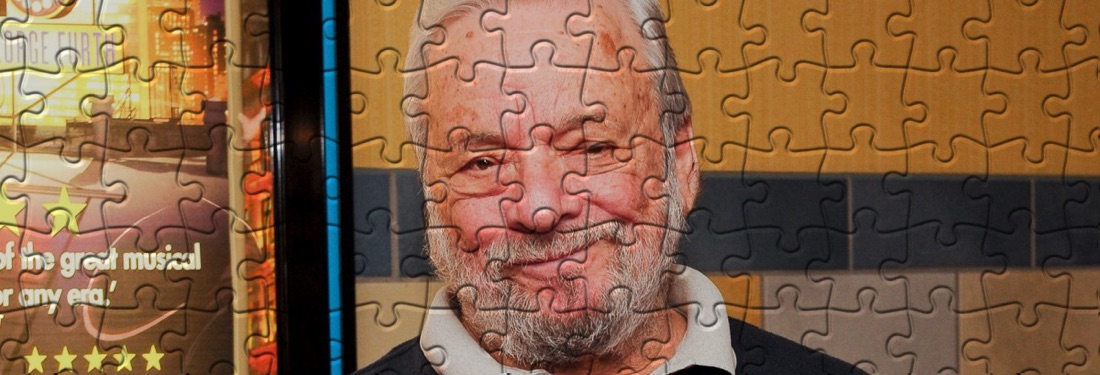
Steve adored puzzles, solving them and creating them, so it makes you wonder that this one continued to fester—was that so few of his songs attained the rank of “standard.”
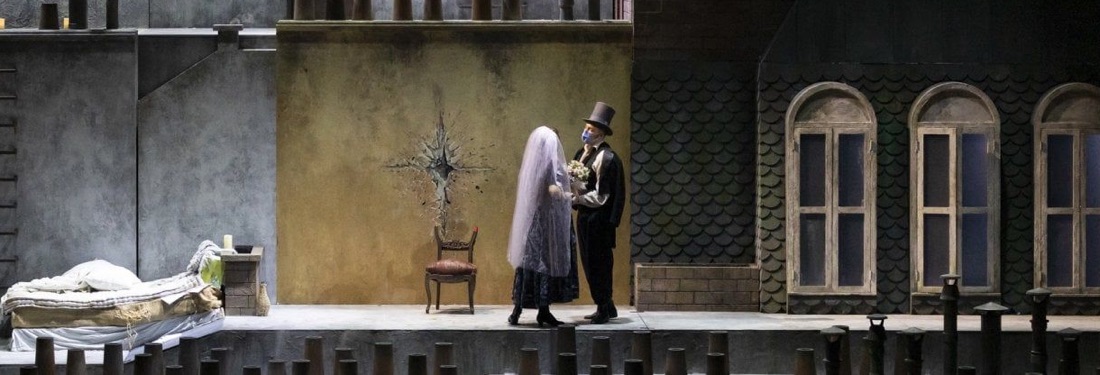
The people—I assume most of them were natives—seemed pretty happy at La Boheme at the San Carlo on Saturday night. For one thing, the theater was packed to the top tier, all of us masked (vigili di fuoco—firemen—made sure of that)

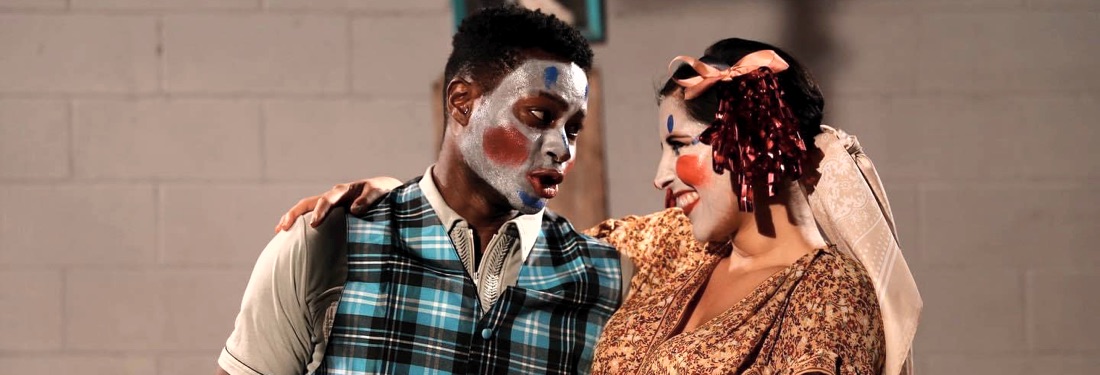
New Camerata Opera is presenting its first staged and indoor program in some time, at “The Muse,” a lofty cabaret space up against a cemetery in Bushwick, and their singers sound like they’ve been champing at the bit for eighteen months and are bursting to vocalize!

The program was set around themes of loss, of unfulfilled wishes, the endurance of loss, triumphant or depressed.
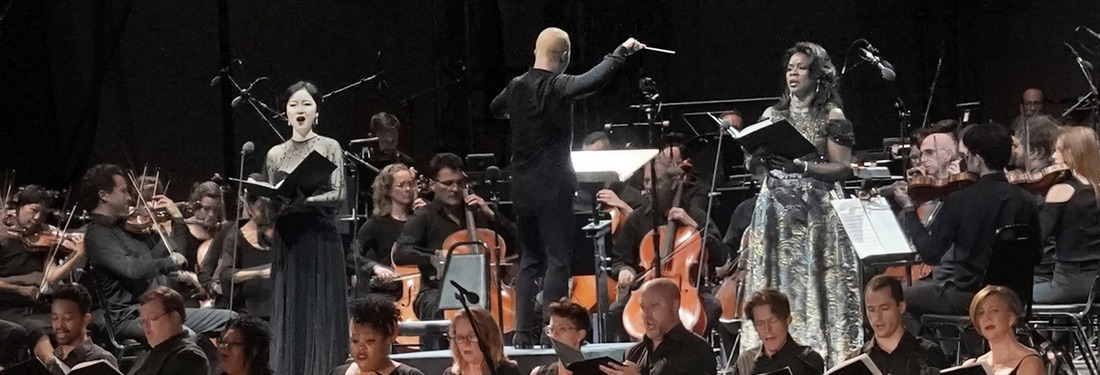
This was a great and happy event, but it wasn’t so much a musical one.


If you have not been following the exploits of Teatro Grattacielo during lockdown, it’s not because they haven’t been exploitatory all over the place.

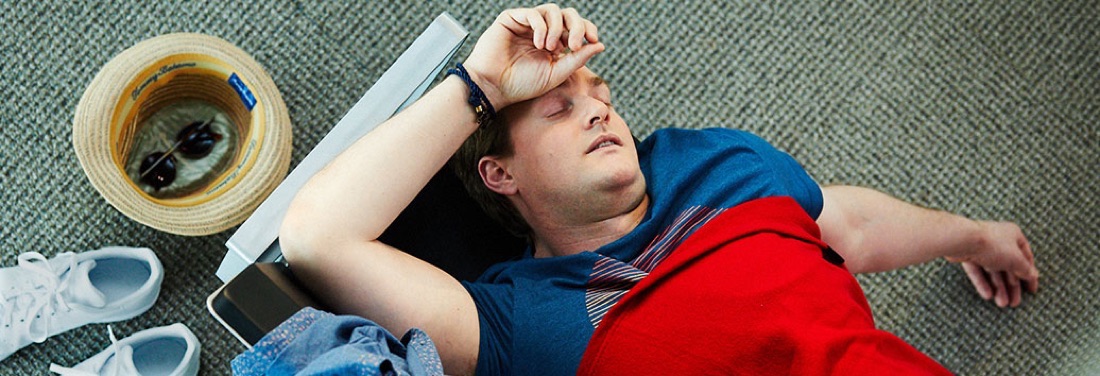
Jonathan Dove’s Flight, which premiered at Glyndebourne in 1998 and is now being streamed by the Seattle Opera, is structured like one of those baroque extravaganzas where some half dozen characters find themselves (in every sense) on a magical island, its properties little understood.
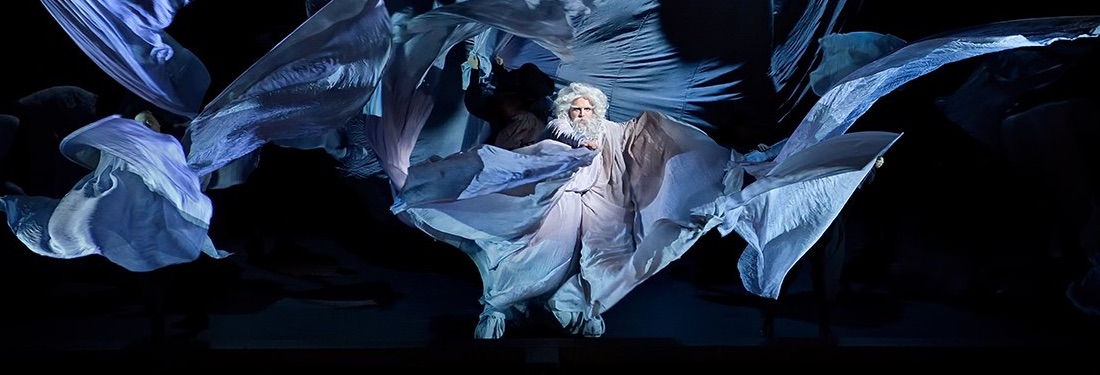
Dancing sheep! Flying sheep! Flying sheep who dance!

The performance of an opera, indeed, seems almost a third narrative, atop the dreamer under the scientific microscope and the larva turning into a butterfly, and the mingling is not always clear—but then, clarity never seems to be the intention.
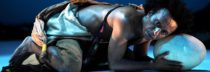

The immediate and personal catastrophe interleaves with the general and universal and ancient.
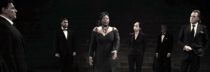
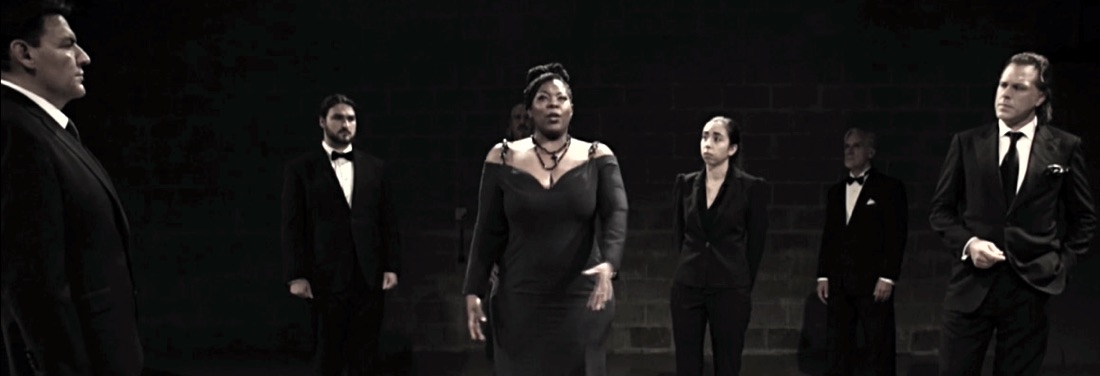
Without furnishings to distract them, the cast prowled the stage with sinister energy, exchanging significant looks and deadly secrets as though fearing Nihilists behind every drapery.

The Murder of Halit Yozgat by Ben Frost and Petter Ekmann is flavorsome in its use of sound, vocal and otherwise, to explore the elements of the story, to keep you tied in, and guessing.

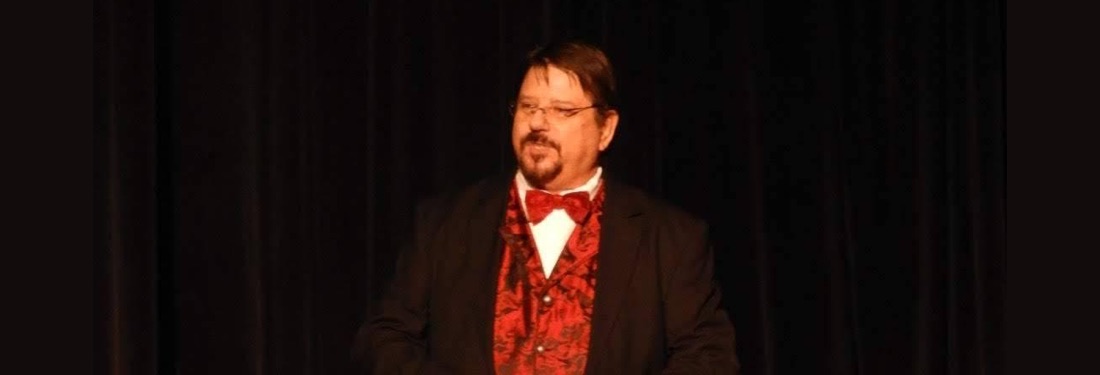
Nathan Hull was an operatic Quixote who did not go it alone, but inspired bands of optimists, giving proper employment to the many worthy New Yorkers mad enough to study voice and pleasure rare elsewhere to those of us thrilled to take it in.
Tell us: What’s your favorite Verdi performance?
Hasten thee to feed another quarter of conversation for The Talk of the Town!