
Jest you, jest me
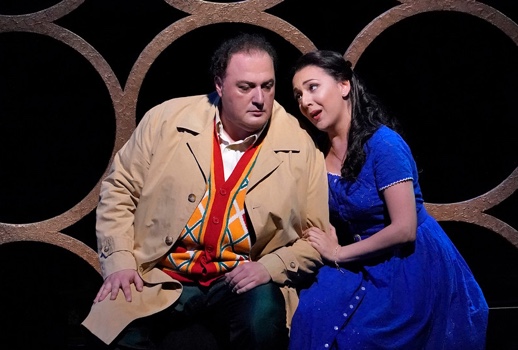
Friday night’s Rigoletto at the Metropolitan Opera revealed once again a predictable dissonance between the performances on stage and Michael Mayer’s production.
Friday night’s Rigoletto at the Metropolitan Opera revealed once again a predictable dissonance between the performances on stage and Michael Mayer’s production.

“Trove Thursday” turns to Jacopo Foroni’s rare 1849 historical melodrama Cristina, Regina di Svezia to commemorate the 330th anniversary tomorrow of that enigmatic monarch’s death.
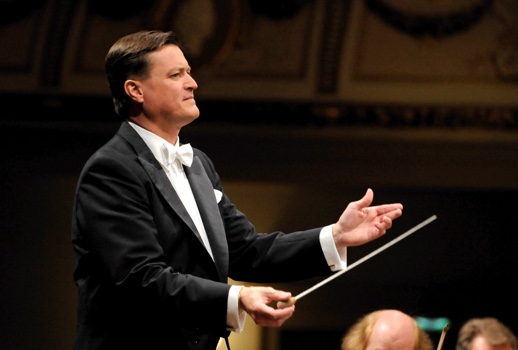
Christian Thielemann is widely regarded as our time’s preeminent master of the Austro-German symphonic ensemble.
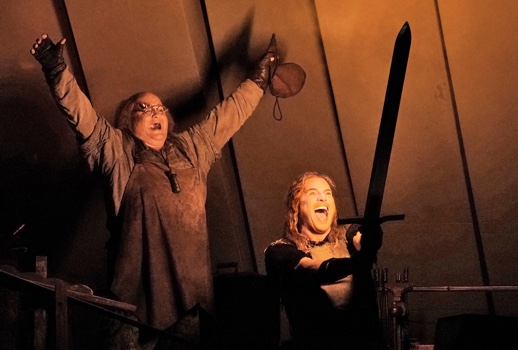
Stefan Vinke’s Siegfried was not so much brawny and terrestrial, but heady and mercurial

Peter Mattei, one of my two favorite baritones these days, in an unexpected title role, Britten’s Billy Budd.
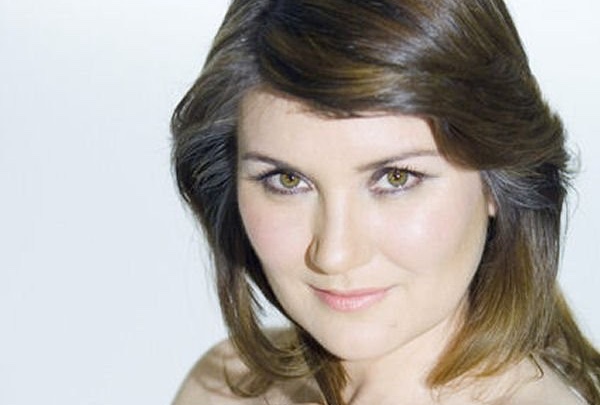
Zelmira, a work of 1822, was the last of the eight operas Rossini composed for the Teatro San Carlo in Naples, then the largest opera house in Italy—perhaps in Europe.
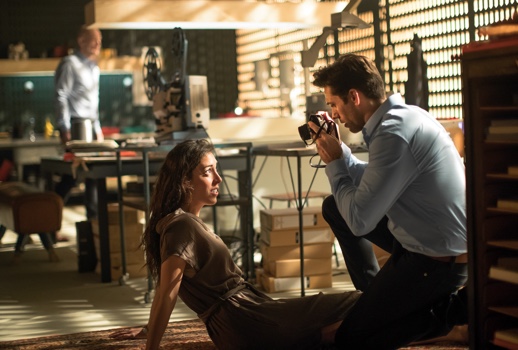
Ivo van Hove really seems to be everywhere lately.
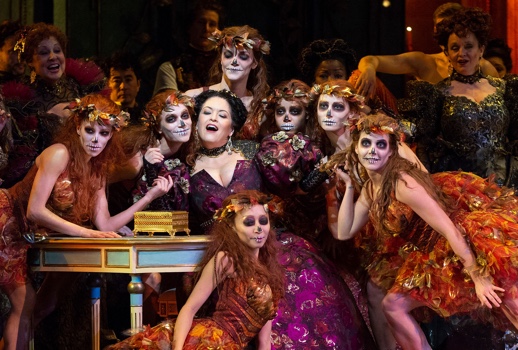
Michael Mayer‘s production of La traviata at the Met is so timid, so devoid of insight, so cynically pandering and gaudy that I hardly feel like it even matters what I think of the performances of the current cast.
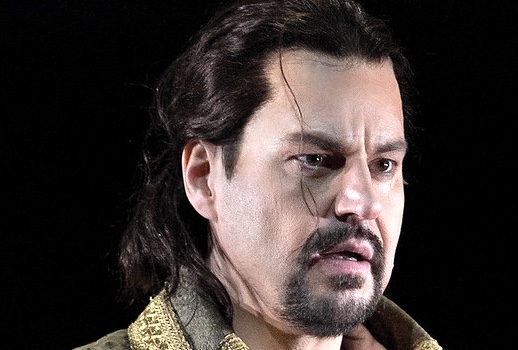
One needs liberty in order to be a libertine.
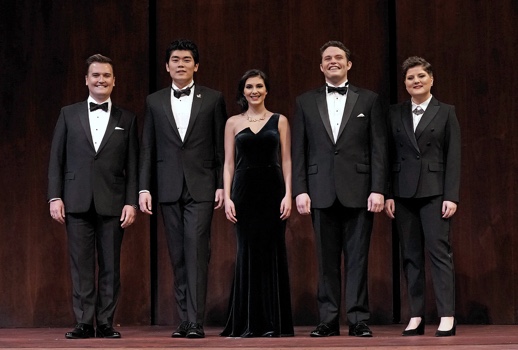
The finals on Sunday seemed a bit like the modern-day operatic equivalent of the Roman colosseum.
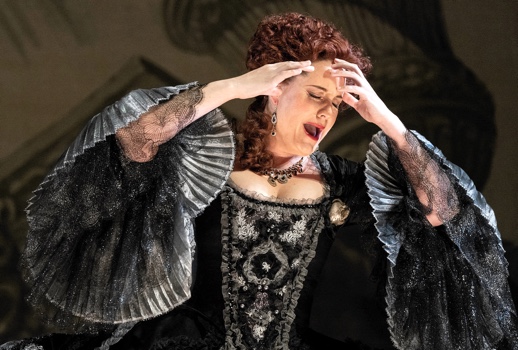
At the Metropolitan Opera on Saturday night, Mozart’s opera never sounded fresher, a superstar cast shining new light on one of the composer’s all-too-seldom-performed scores.

“Trove Thursday” offers Die Frau ohne Schatten conducted by Georg Solti and also featuring Regina Resnik, Donald McIntyre and the inevitable James King.
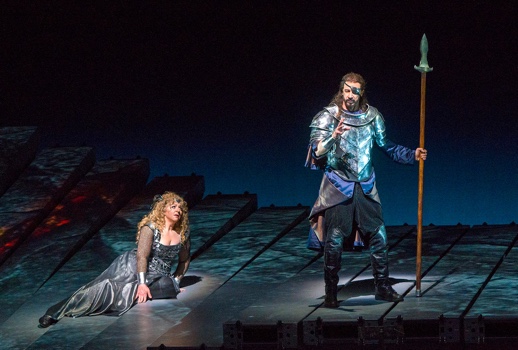
Die Walküre crystallizes the cycle’s questions, ideas, and stakes.
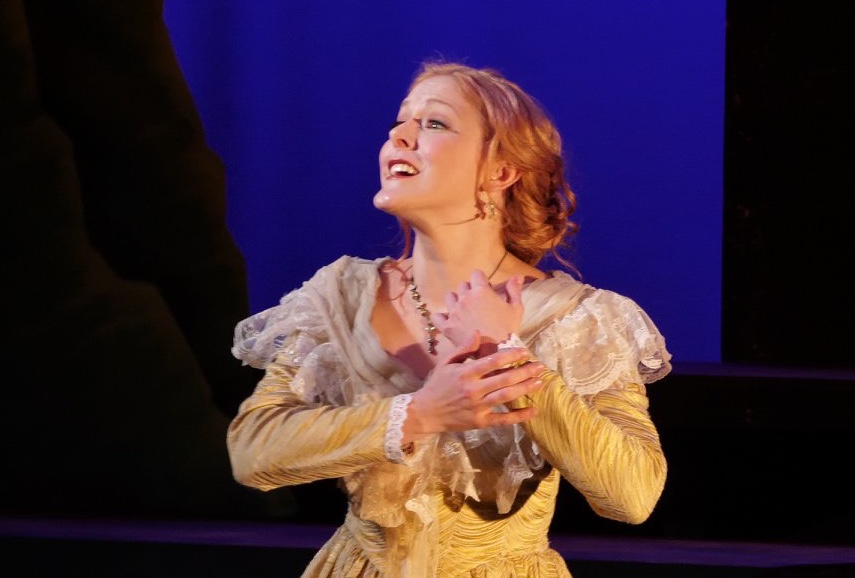
A return to Amore Opera’s production of Meyerbeer’s Dinorah to hear the second cast underlined two conclusions.

“Trove Thursday” offers Mozart’s late opera seria in a Paris “pirate” featuring the high-voltage diva-duo of Anna Caterina Antonacci and Elina Garanca.
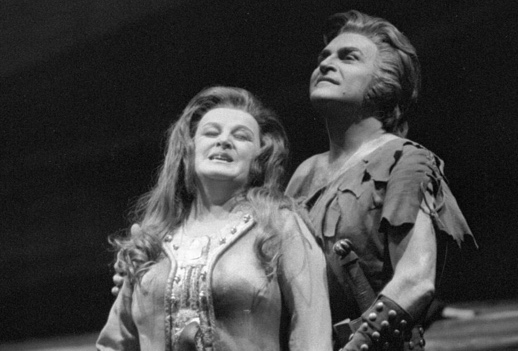
On this day in 1975 the Metropolitan Opera completed its first integral Ring cycle since 1962.
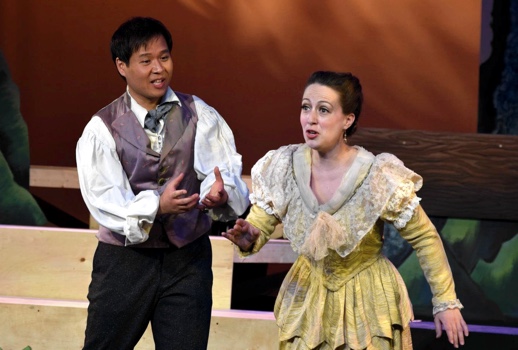
Amore Opera, one of New York’s smaller opera companies, is presenting the first local run of Dinorah, ou le Pardon de Ploërmel since before the war.
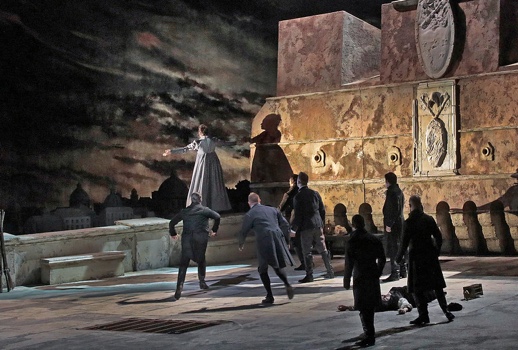
Soprano Iulia Isaev proved to be in just about every way a lovely Tosca.
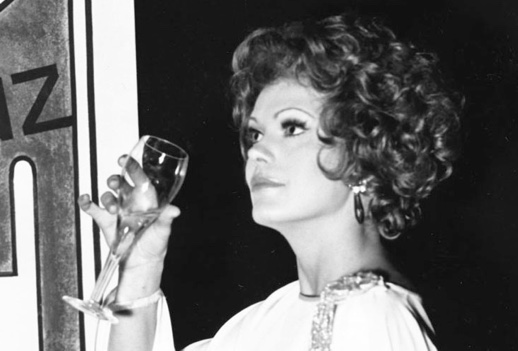
On this day in 1977 Alban Berg’s Lulu premiered at the Metropolitan Opera.
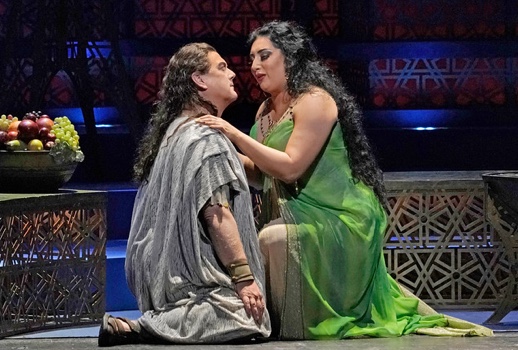
Austin McCormack‘s lascivious choreography outshone a tepid and tedious staging of Saint-Saëns’s old-testament epic.

“Trove Thursday” drafts a 1960s All-Star team for Verdi’s Il Trovatore broadcast from the Teatro Colón.
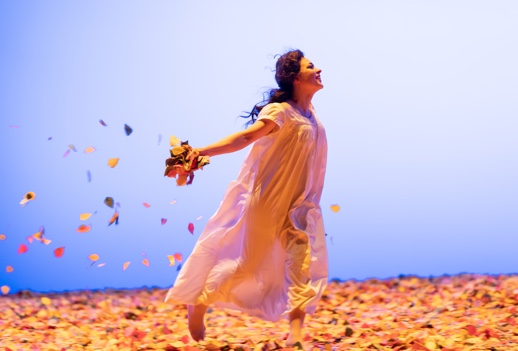
Is there any opera that can take more of a beating while still making an impact than Eugene Onegin?

With four hours’ notice and no stage rehearsal, soprano Marisa Galvany went on, making her Met debut as Norma.
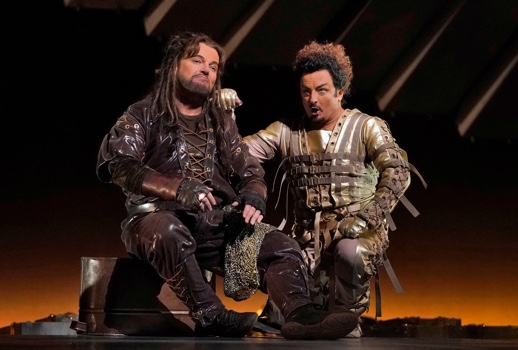
The Metropolitan Opera delivers on the promise of Wagner’s Gesamtkunswerk in a revival of Robert Lepage’s Ring.

The days are getting shorter, but you can keep the prattle going this fall’s Talk of the Town! You will, you can, you must join in the discussion about: Great mezzo soprano performances (October),
Gained in translation (November), Teleport me back to… (December).
Exclusive opera reviews, commentary, and top reads
delivered to your email weekly…ish.