
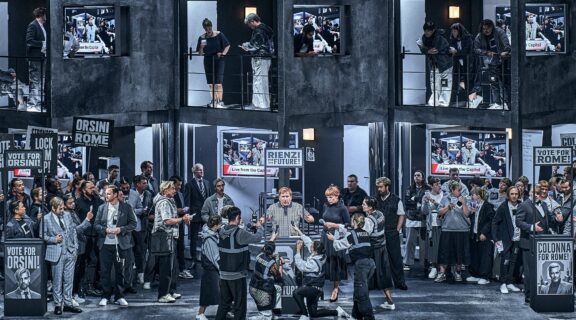
Vox populi
In Bayreuth, a confident Magnus Vigilius and luminous Jennifer Holloway attempt to elevate Wagner’s populist Rienzi.
45 pieces since 2009.
In Bayreuth, a confident Magnus Vigilius and luminous Jennifer Holloway attempt to elevate Wagner’s populist Rienzi.

Calling from 2066, Brendan Latimer argues that the best way to save opera might be to just blow up the standard repertoire altogether.
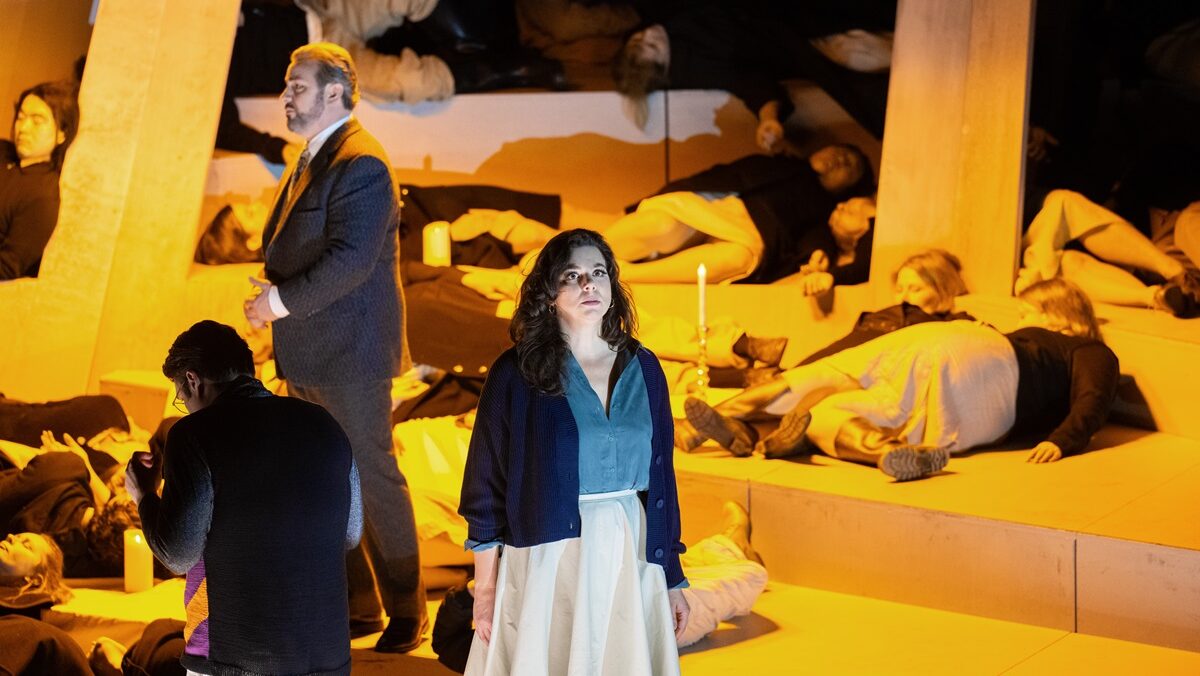
A new DVD recording of La Juive boasts considerable musical strengths in spite of a frustrating production.

Fine music-making meets a clunker of a production in La Monnaie‘s revival of Norma
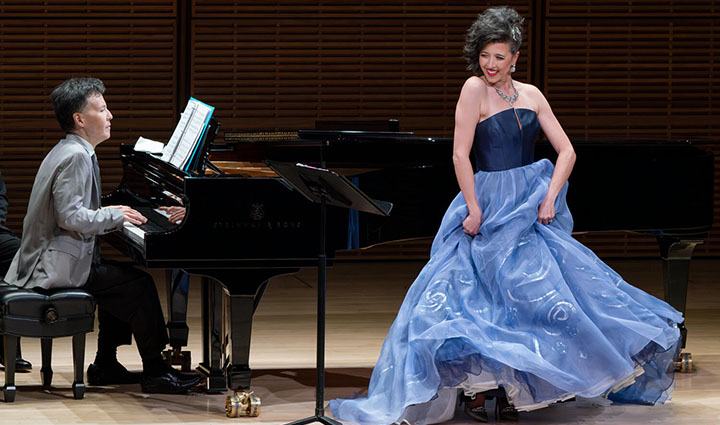
Lisette Oropesa, a product of the Metropolitan Opera Lindemann Young Artist Program, has not been seen much on the stage of the Met in recent seasons.
As revivals of the composer’s sprawling works represent a daunting expense for many opera houses, exceptionally cast recordings of such concert performances serve as valuable documents that foster appreciation for his achievements.
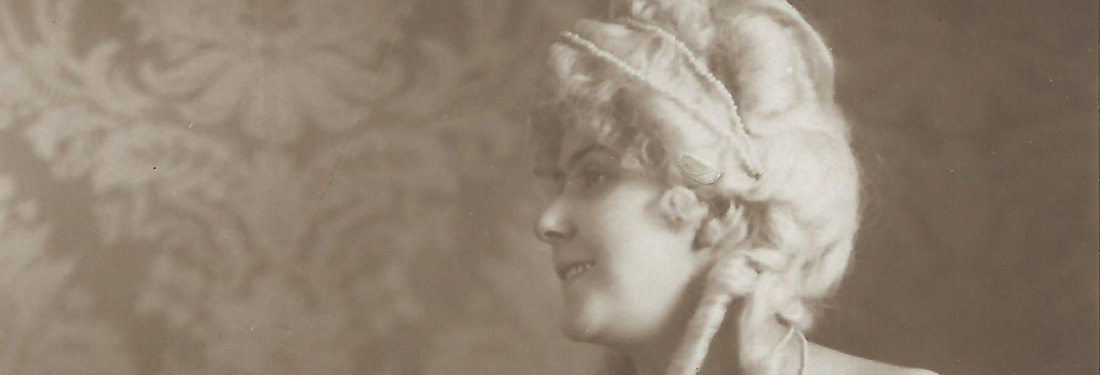
parterre box is excited to present again Mike Richter’s collection of recordings of Rose Ader along with this biographical tribute in honor of a significant artist whose Jewish identity perhaps prevented her from achieving the renown she deserved
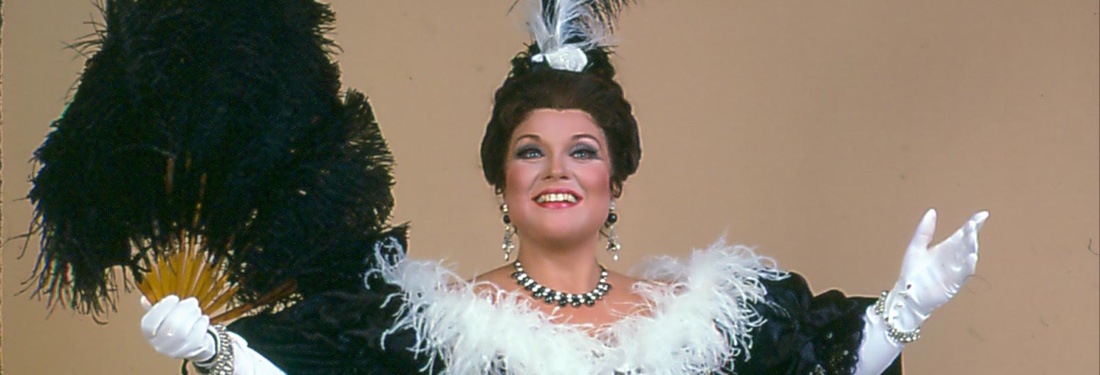
Recent discussion about the merits of Le Prophète has prompted Chris’s Cache to unearth a pirate recording of Meyerbeer’s opera with Marilyn Horne, Rita Shane and Guy Chauvet led by Charles Mackerras, along with an earlier collaboration of the mezzo and conductor: Gluck’s Orfeo ed Euridice in which Horne goes to hell to get back Adriana Maliponte with the help of Judith Blegen.

A Trove Thursday Mega-Post © featuring the wonderful American soprano Erin Morley in Orff’s Carmina Burana and Richard Strauss’s Brentano Lieder, plus extended live excerpts from Handel’s Orlando, Mozart’s Die Entführung aus dem Serail, and Meyerbeer’s Les Huguenots.

In online discussion on “Favorite Opera” and cuts in opera in general, it seems Don Carlos (in its original French title) or Don Carlo (as it is better known in Italian) – with or without the “s” – generally get the most votes both as favorite and as an opera from which deplorable cuts are made.

As one can see from the chronology published earlier this year, the American Opera Society, in addition to reviving a number of now familiar operas, introduced many singers who became important local figures; however, there were shooting-star exceptions like today’s Trove Thursday offering of d’Albert’s Tiefland featuring Angeles Gulin and Ion Buzea.
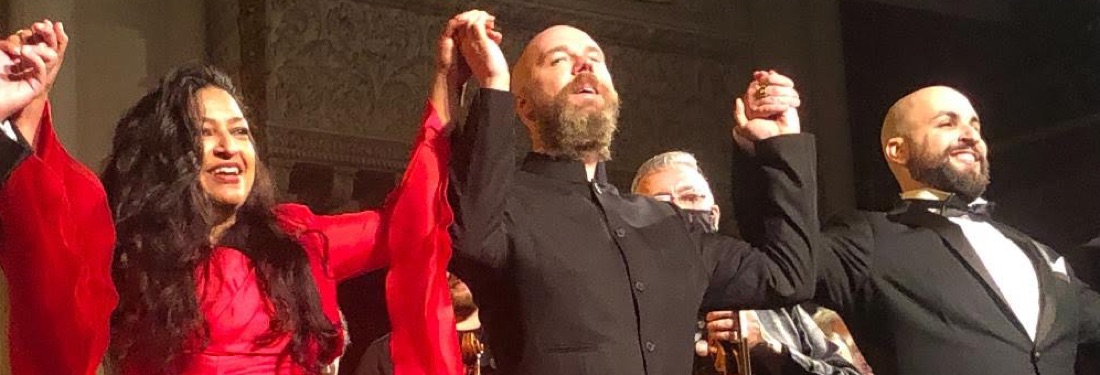
In an era when the Metropolitan Opera cannot cast an Aida, Trovatore or Forza consistently, New Amsterdam Opera managed to cast large, attractive and fully technically capable voices in all the cruelly demanding principal roles in I Vespri Siciliani!
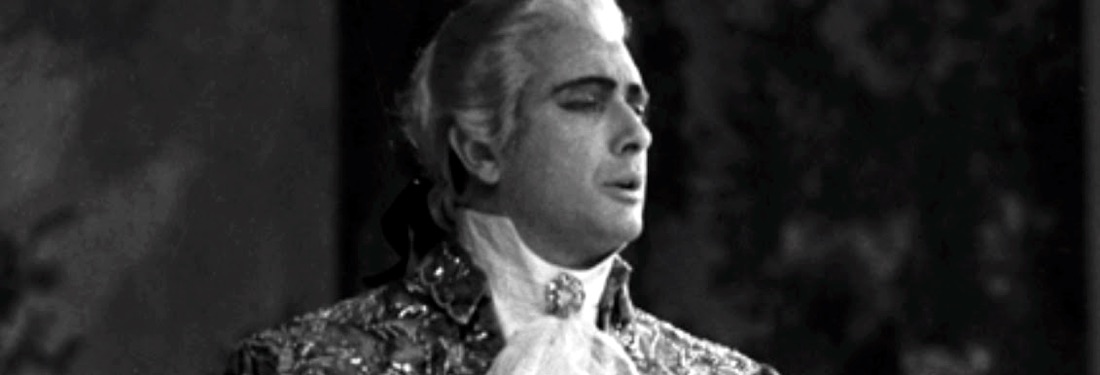
Franco Corelli was born on April 8, 1921 in Ancona and Trove Thursday celebrates the matinee-idol tenor’s centenary with a pair of his rare non-Met US appearances; seducing Marie Collier in La Fanciulla del West and vacillating between Ilva Ligabue and Grace Bumbry in Il Trovatore.
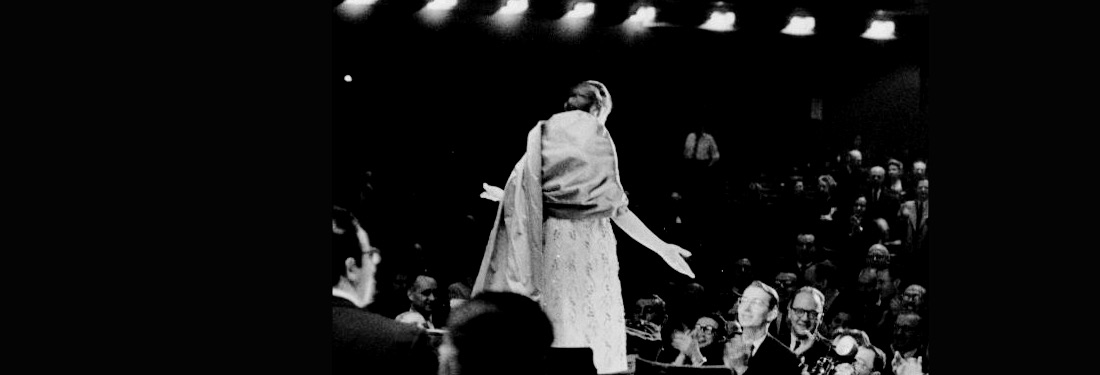
Off-and-on since last fall my PPP (Personal Pandemic Project) has been assembling a chronology of the American Opera Society. For 19 years beginning in 1951 it presented a remarkable series of concert performances of works unperformed by either the Met or New York City Opera.

For those pining for Puccini with the Met out of commission. Trove Thursday steps up with the composer’s brief first opera Le Villi with Krassimira Stoyanova, José Cura and Franz Grundheber, led by Simone Young.
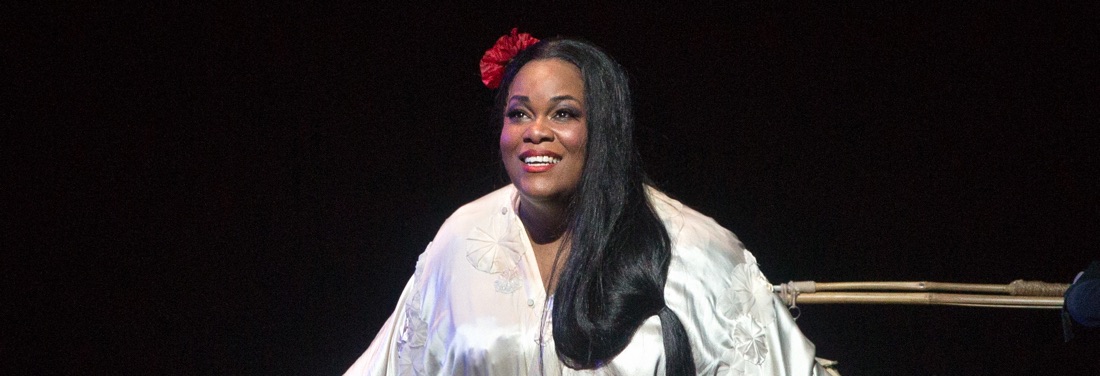
While the Met reruns over-familiar HDs, Trove Thursday offers a Puccini rarity: Edgar, the composer’s second opera, starring Latonia Moore and Marcello Giordani.
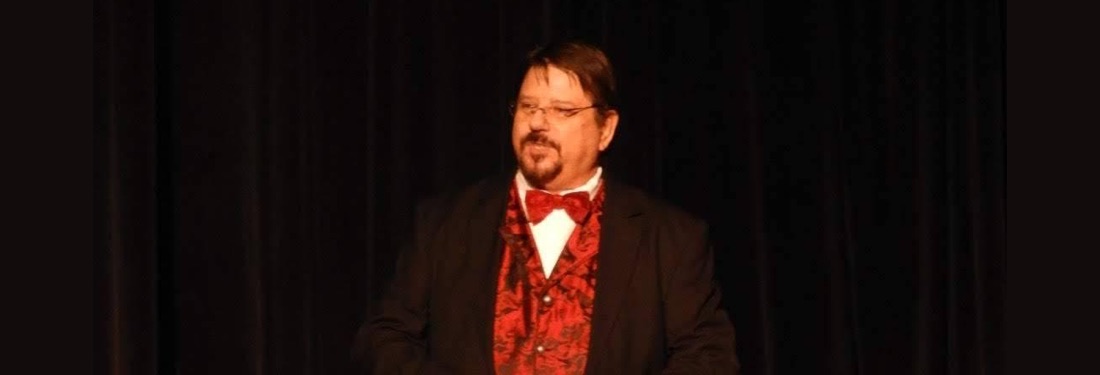
Nathan Hull was an operatic Quixote who did not go it alone, but inspired bands of optimists, giving proper employment to the many worthy New Yorkers mad enough to study voice and pleasure rare elsewhere to those of us thrilled to take it in.

Michael Spyres as Faust, despite a few flickers of indisposition, was nearly ideal.
Otto Nicolai’s Il Templario with Juan Diego Flórez, Clémentine Margaine and Luca Salsi.

Sunday’s Richard Tucker Gala at Carnegie Hall was unusually satisfying despite a less than usually superstarry line-up.
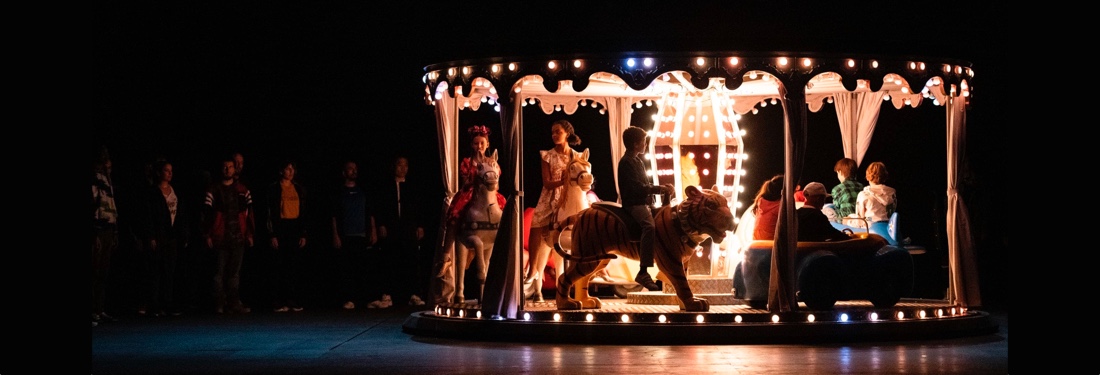
The Paris Opera assembled an all-French cast to stage arguably the most well-known example of opéra-ballet, Jean-Philippe Rameau’s Les Indes Galantes.

Although Gustav Mahler never wrote an opera, his colossal Eighth Symphony “The Symphony of a Thousand” may give us some glimpses of what a Mahler opera might have sounded like
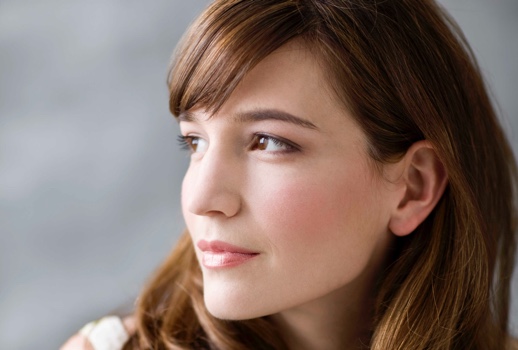
Washington Concert Opera on the occasion of Gounod’s 200th birthday presented the American premiere of his first opera, Sapho.
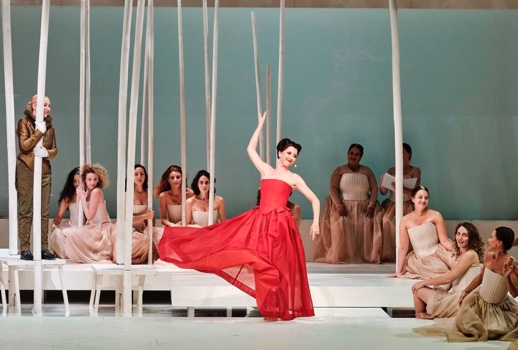
Logistically, a large-scale revival of the operas of Giacomo Meyerbeer is an unreasonable request, much less an expectation.

The days are getting shorter, but you can keep the prattle going this fall’s Talk of the Town! You will, you can, you must join in the discussion about: Great mezzo soprano performances (October),
Gained in translation (November), Teleport me back to… (December).
Exclusive opera reviews, commentary, and top reads
delivered to your email weekly…ish.