
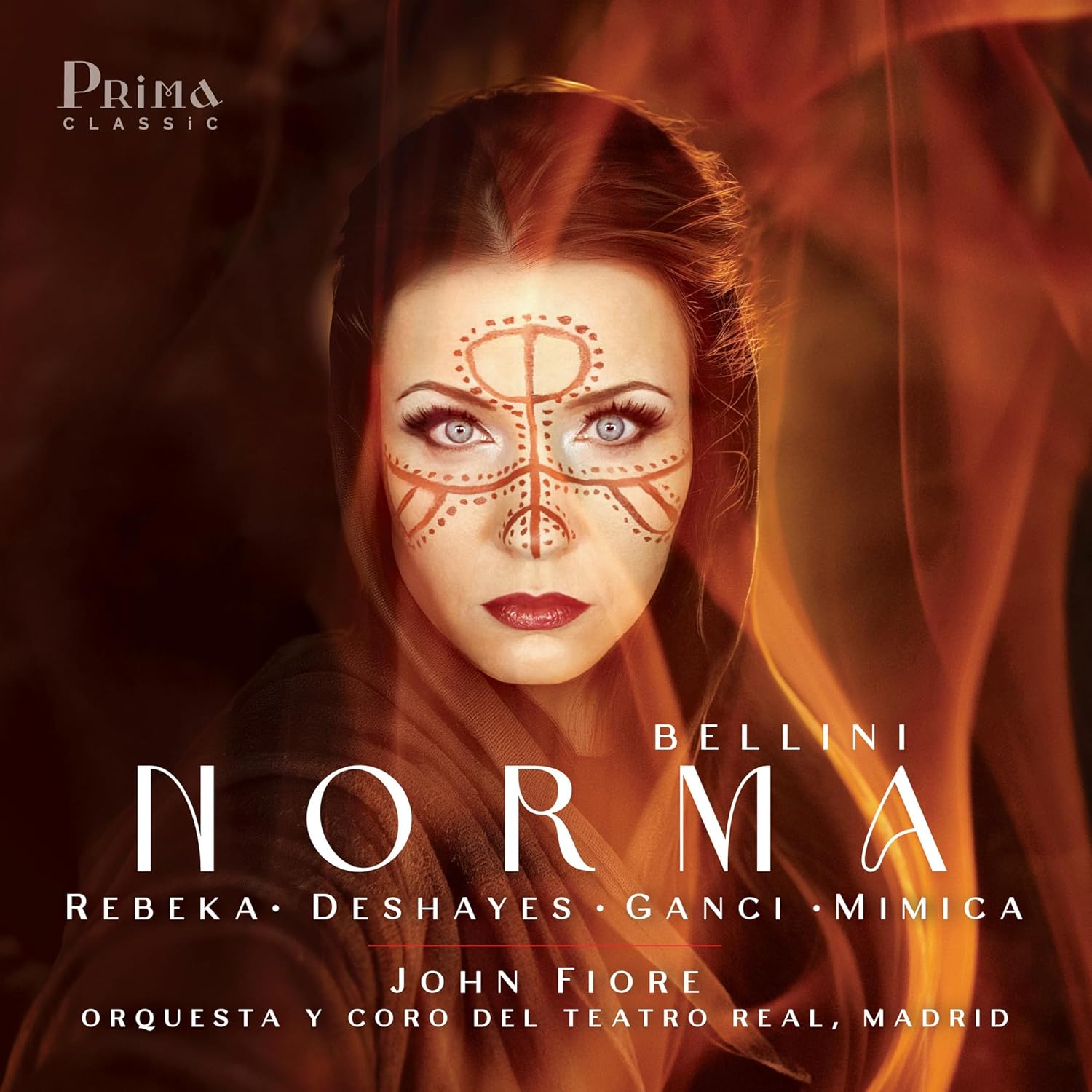
The new Norma
In a splashy new recording of Norma, Marina Rebeka “is doing something very untoward, and it appears destructive to her voice.” It has Niel Rishoi worried.
135 pieces since 2007 — in 20 roles, at 14 companies, most often at Metropolitan Opera.
In a splashy new recording of Norma, Marina Rebeka “is doing something very untoward, and it appears destructive to her voice.” It has Niel Rishoi worried.

Live opera returns to Lincoln Center when Teatro Nuovo presents Il Barbiere di Siviglia on July 27 and 28.
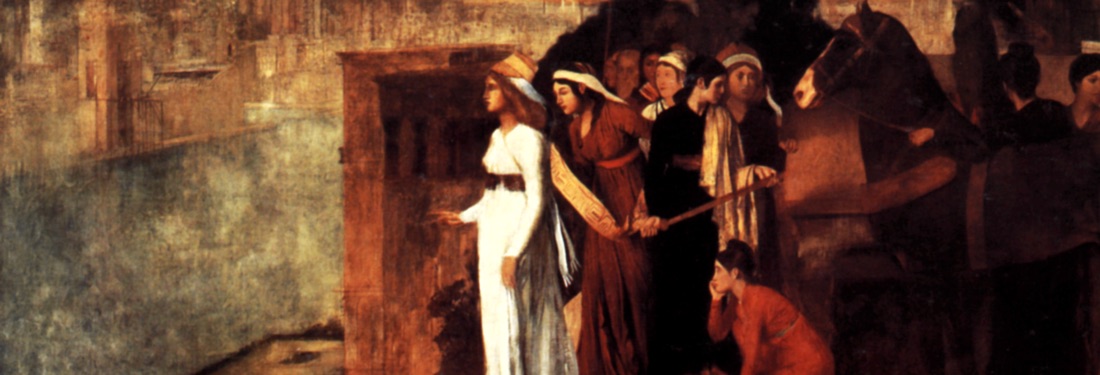
Produced at Carnegie Hall by Matthew Epstein in 1983 with June Anderson, Marilyn Horne, Samuel Ramey and Douglas Ahlstedt with Henry Lewis conducting.
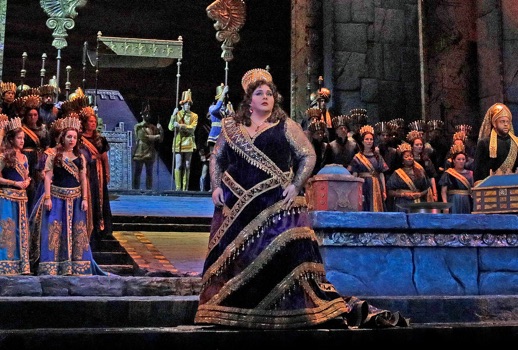
As a diehard completist I felt guilty as the Met’s scattered, campy revival of Semiramide lumbered toward its abrupt conclusion after nearly four hours.
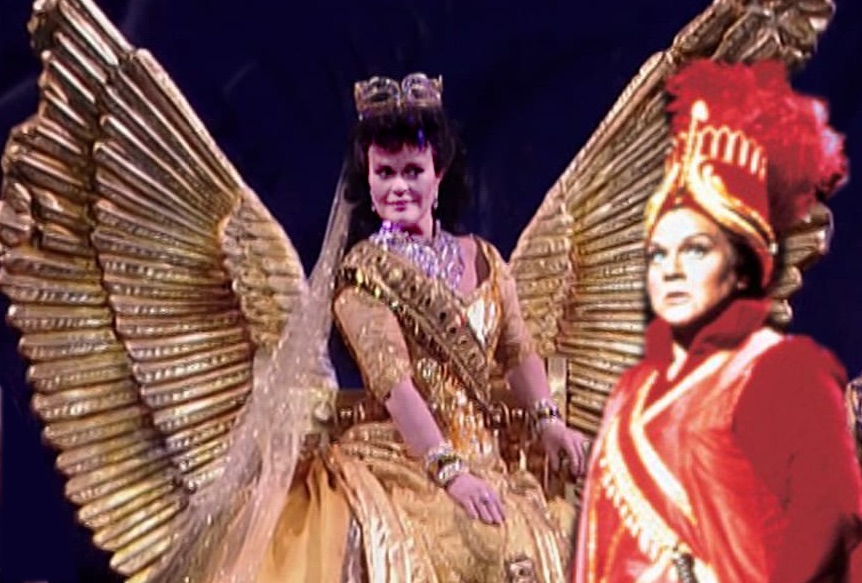
Semiramide produced at Carnegie Hall by Matthew Epstein in 1983 with June Anderson, Marilyn Horne, Samuel Ramey and Douglas Ahlstedt with Henry Lewis conducting.
Back when I was a good boy, I told my parents that my goal in getting my first job was to earn money for college; however, my real motive was to make my secret wish come true—to be able to consort with “pirates.”
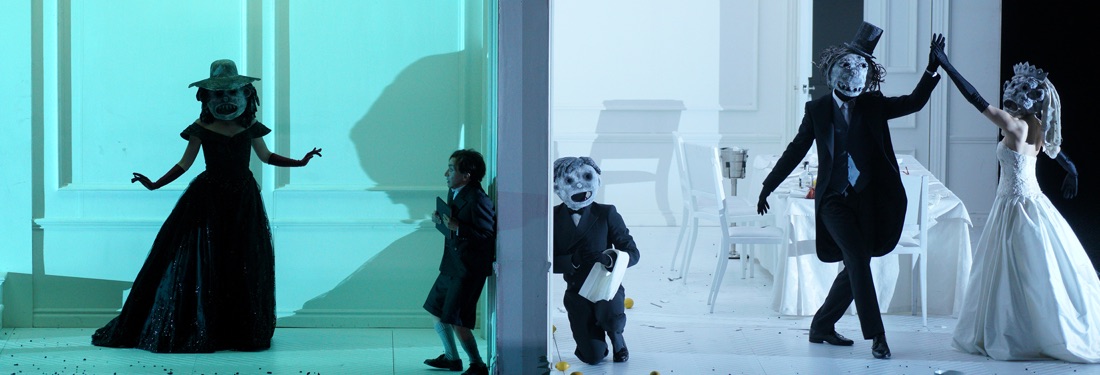
Sunday is Handel’s 335th birthday, an event Trove Thursday celebrates with Rodelinda, Regina de’Longobardi, one of the composer’s most popular works.
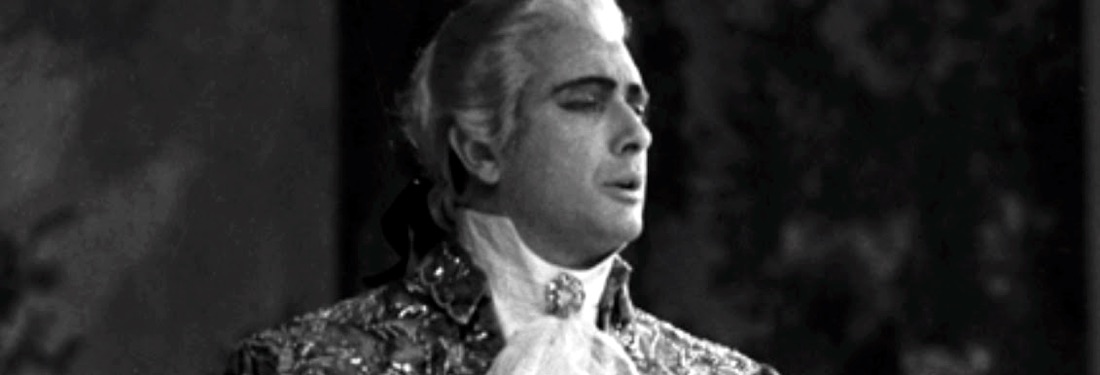
Franco Corelli was born on April 8, 1921 in Ancona and Trove Thursday celebrates the matinee-idol tenor’s centenary with a pair of his rare non-Met US appearances; seducing Marie Collier in La Fanciulla del West and vacillating between Ilva Ligabue and Grace Bumbry in Il Trovatore.
The opening night of the Metropolitan Opera of September 1972 was supposed to be the dawn of a new era.
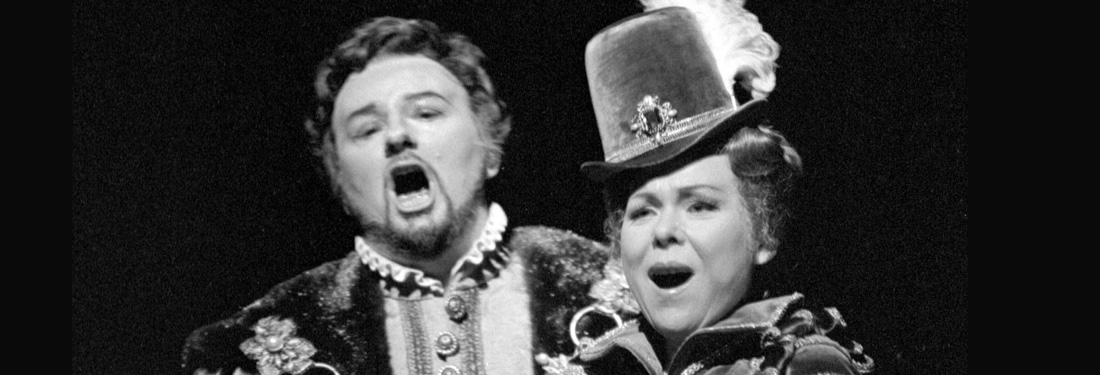
On this day in 1979 the Metropolitan Opera presented a new production of Verdi’s Don Carlo.
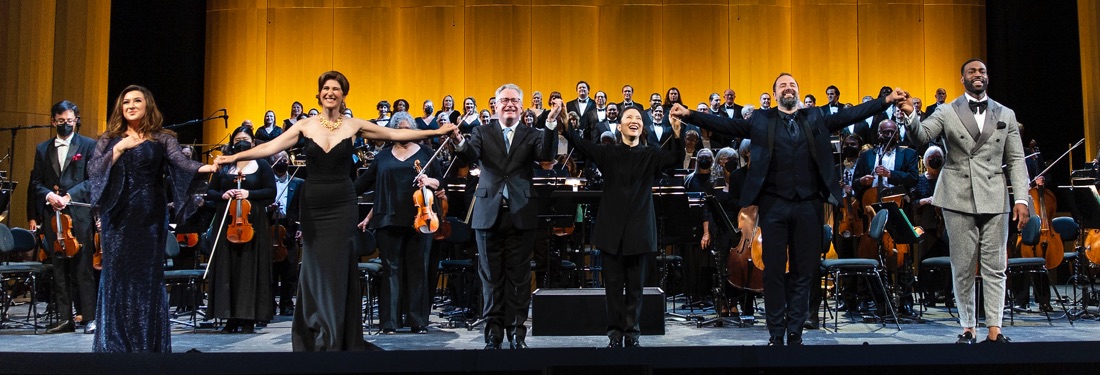
On Thursday June 30th, San Francisco Opera closed their summer season with a one-night-only special concert celebrating Eun Sun Kim’s first season as the Caroline H. Hume Music Director, in an aptly named concert “Eun Sun Kim Conducts Verdi.”
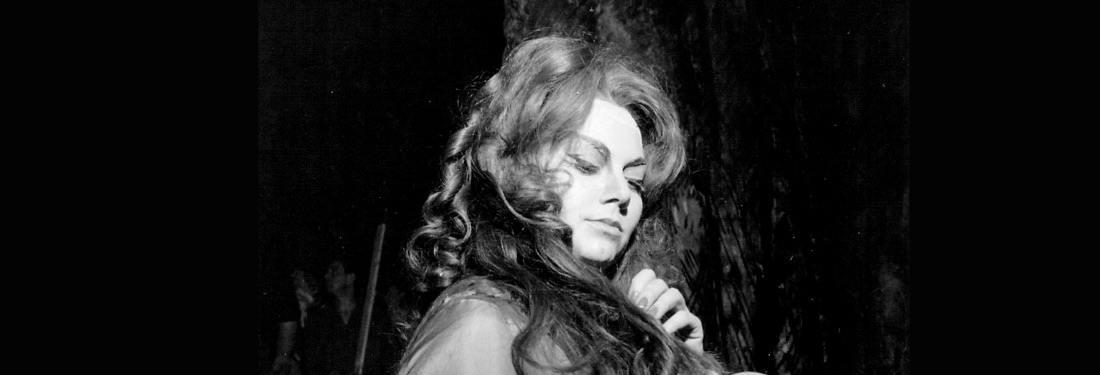
The American Opera Society introduced many important singers to New York City audiences, but few were as controversial as the Greek soprano Elena Souliotis; Trove Thursday offers her local debut (at age 23) in Anna Bolena with Marilyn Horne, Janet Baker, Plácido Domingo and Carlo Cava.
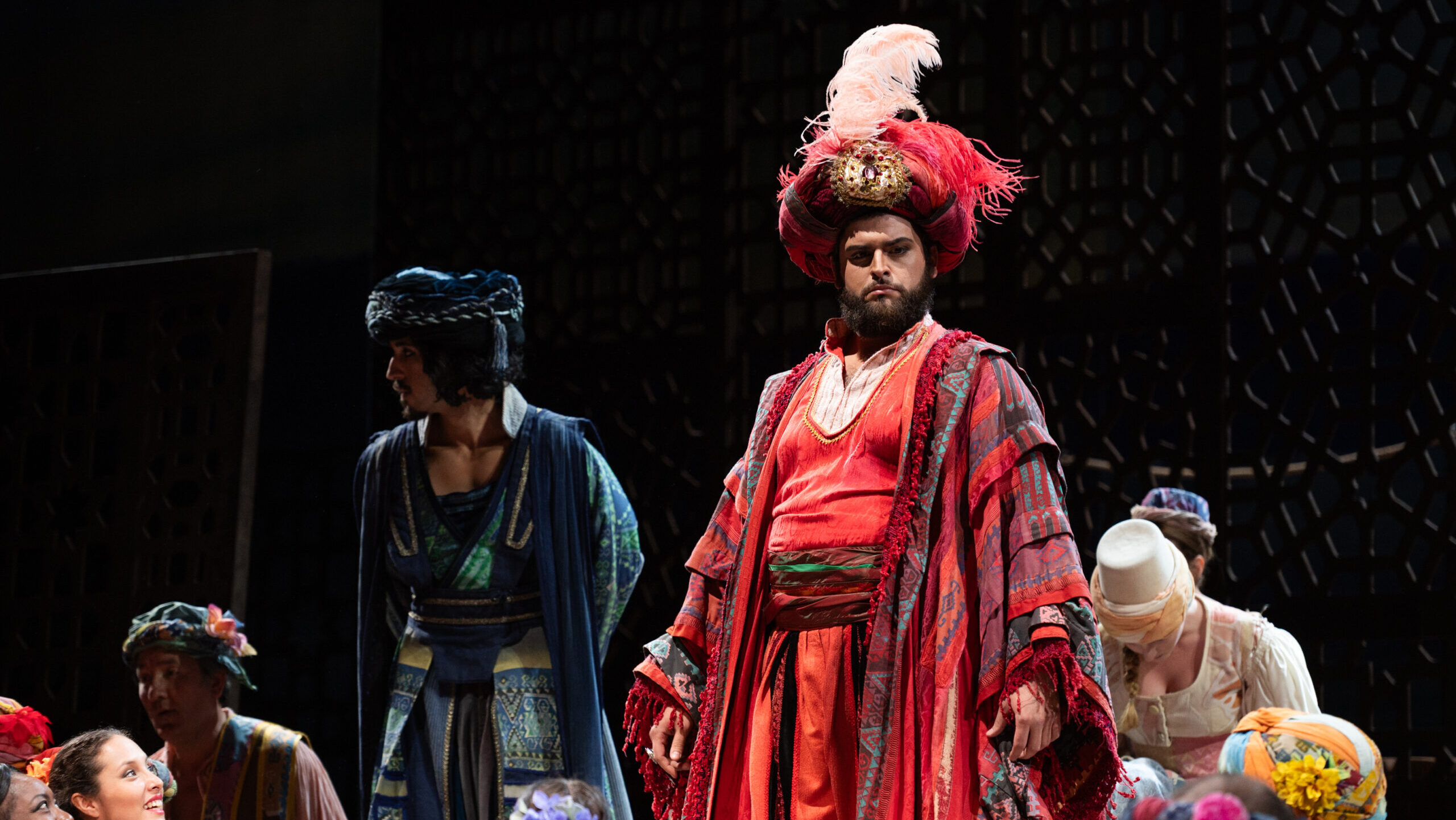
A brilliant L’italiana in Algeri in Rome has Larry Wolff once again thinking about “singing Turks”
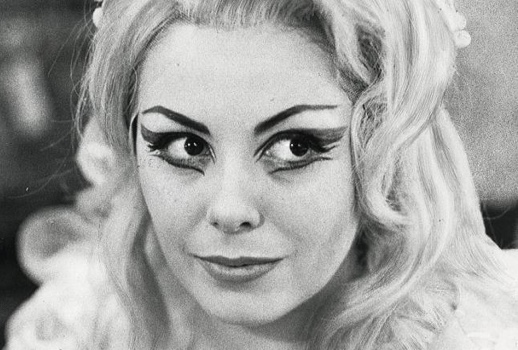
“Trove Thursday” offers a vernal take on Massenet’s magical Cendrillon (in English) featuring two sopranos: Margaret Price—not yet 30—and Anne Pashley, then just 35.
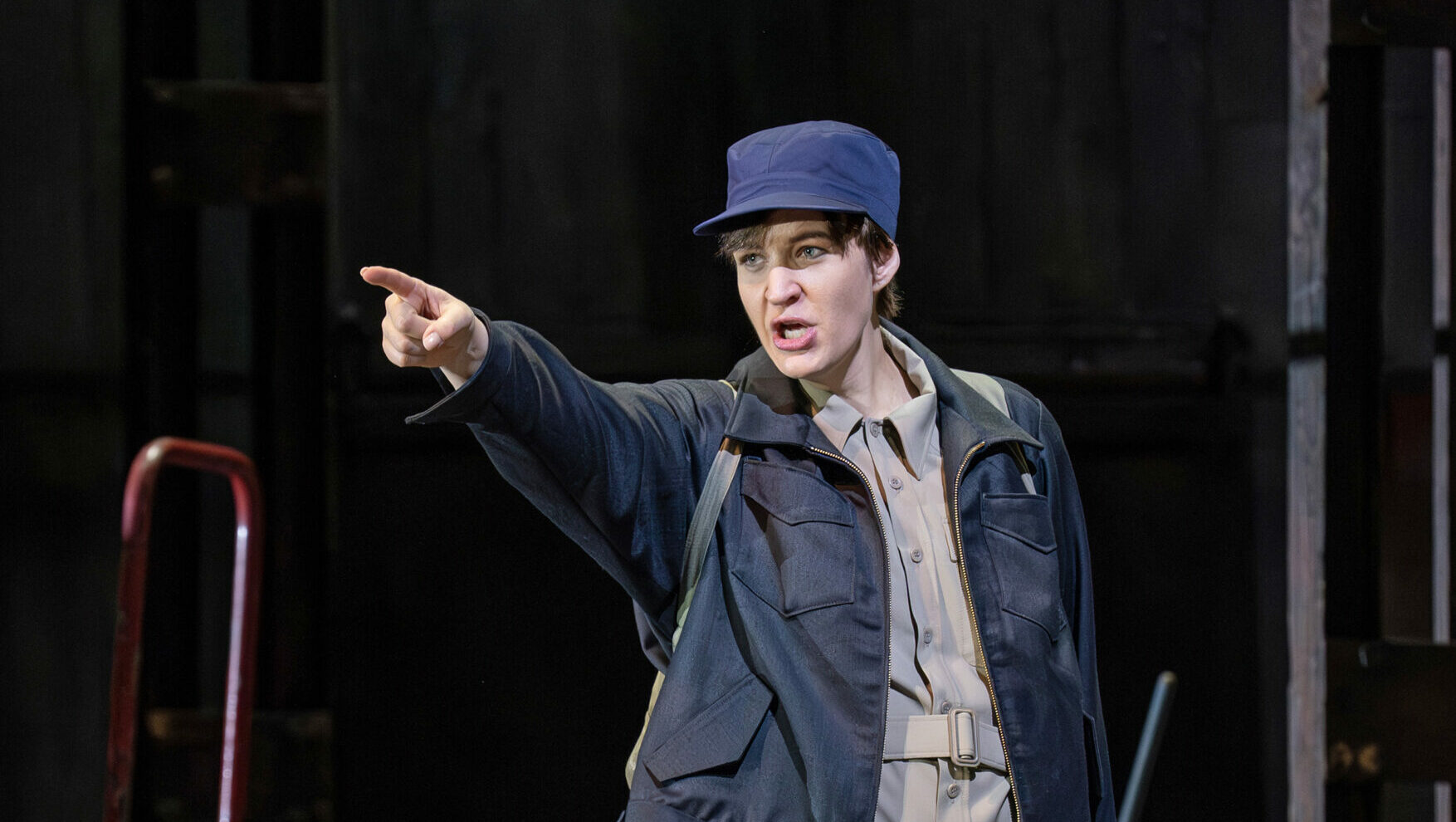
Eli Jacobson inaugurates parterre box’s new “Perspectives on the Aria” feature with a deep dive into Leonore’s “Abscheulicher!” from Beethoven’s Fidelio which returns to the Metropolitan Opera tomorrow with the Met’s current dramatic soprano star Lise Davidsen as Leonore.
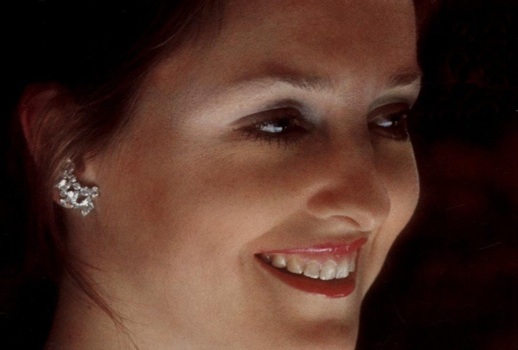
Three decades before Joyce DiDonato and Juan Diego Flórez dazzled the world with their La donna del lago roadshow, another deluxe team headed by Frederica von Stade and Marilyn Horne shone in Rossini’s neglected masterpiece.
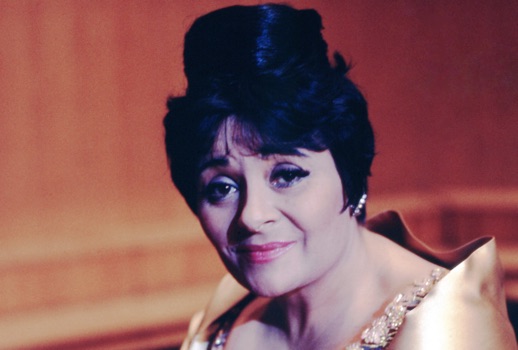
“Trove Thursday” presents Falla’s La Vida Breve in a live concert version with Victoria de los Angeles, one of Spain’s greatest singers, as Salud.
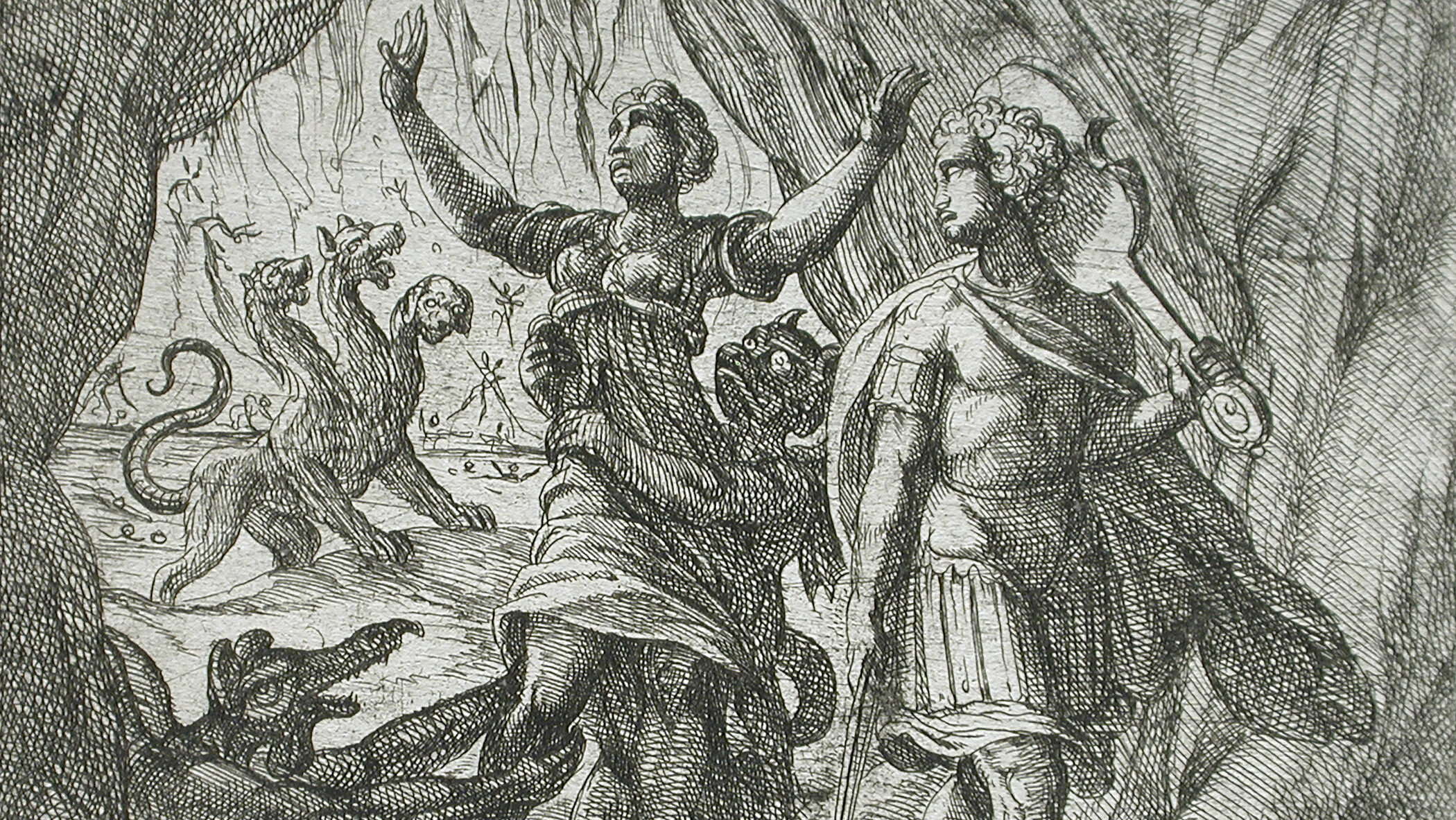
Ross Wassermann tracks the development of “Che farò senza Euridice?” — and “J’ai perdu mon Eurydice” — for this month’s Perspectives on an Aria
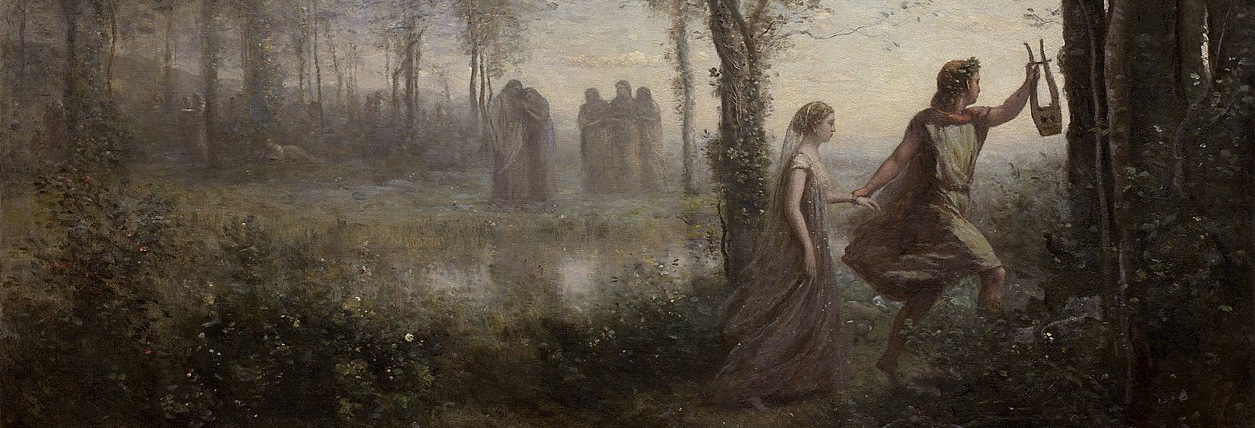
Starring Jamie Barton, Orfeo ed Euridice returns to the Met next month for the first time in more than a decade so “Trove Thursday” offers two complete live versions of Gluck’s masterwork.
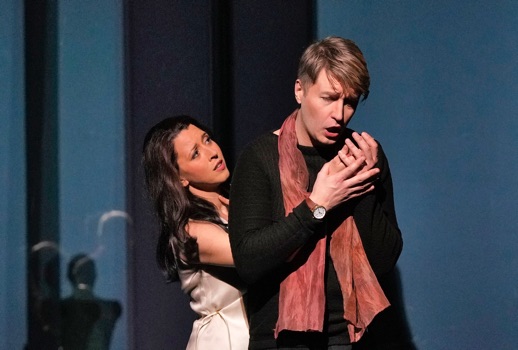
Neumeier adapted the story close to home, making Orpheus a choreographer and his wife a star ballerina.

With help from the Met’s invaluable performance archive, here is a look back at just some of what you could have seen, and perhaps did see, on October 31st through the years at the Met.
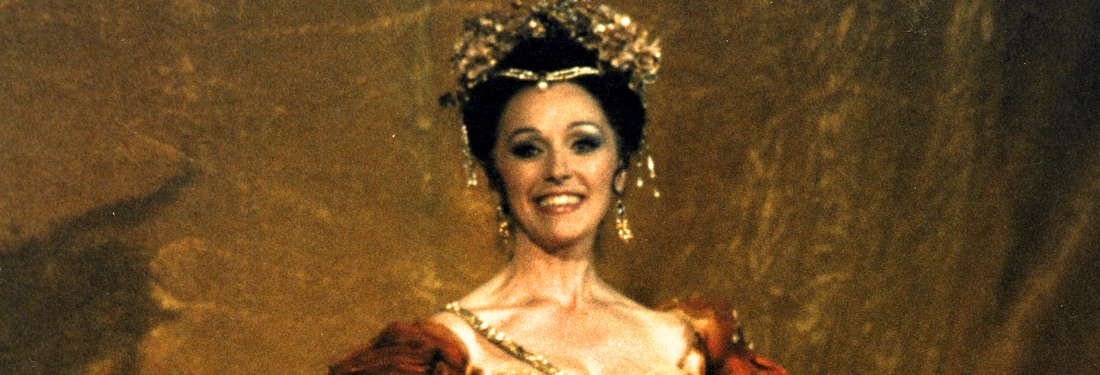
The lovely English soprano Valerie Masterson turns 84 today, prompting Trove Thursday to present her in a pair of her specialties.
A 1984 performance of Handel’s Orlando with Marilyn Horne, Valerie Masterson, Marvis Martin, Jeffery Gall and Robert Lloyd, conducted by Charles Mackerras.

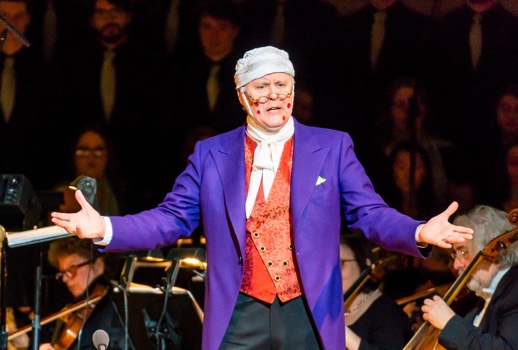
Celebrating Lenny’s 100th this year has made Candide ubiquitous at opera houses worldwide.

Iestyn Davies’s theatrical blandness combined with his vocal unsuitability for the role left a hole at the center of Rinaldo.
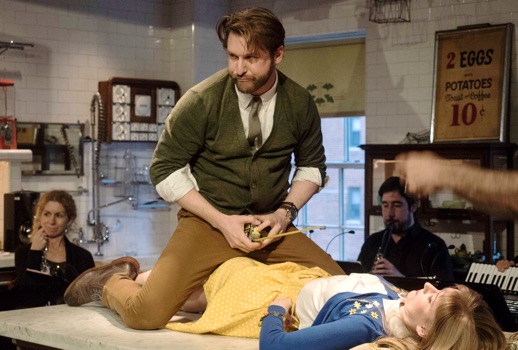
An extraordinarily rich variety of opera happens locally, under the umbrella of New York Opera Fest.
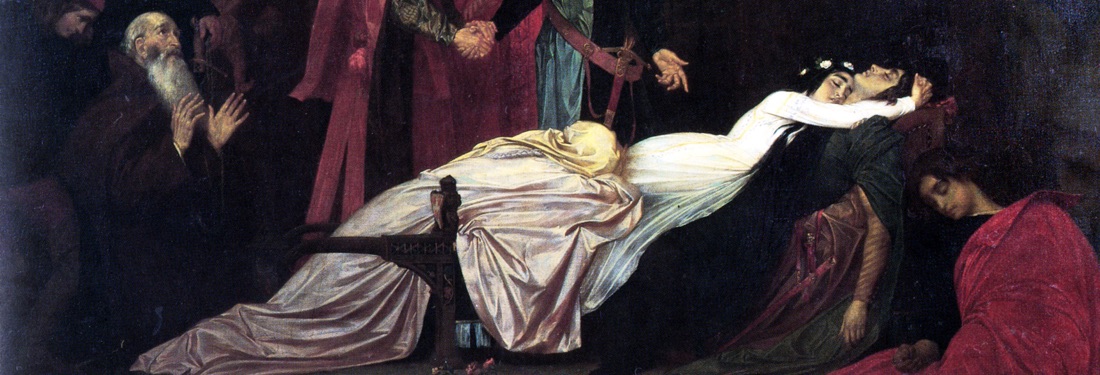
Joining the Met’s week of bel canto reruns and Tuesday’s premiere of Teatro Nuovo’s exciting new project, Trove Thursday presents Bellini’s I Capuleti ed I Montecchi with Tatiana Troyanos and Cecilia Gasdia.
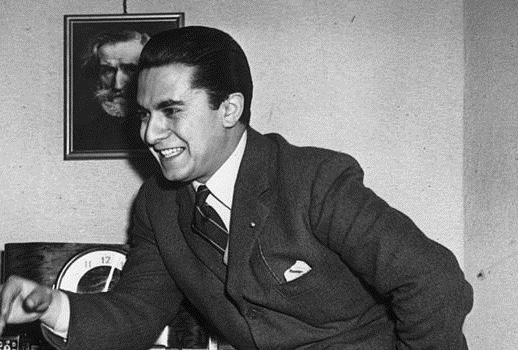
In our circle, Mexico City in the summer was the opera capital of the world from the late 1940s and early 1950.
John Corigliano‘s first and second symphonies won the Grawemeyer and the Pulitzer, respectively; the premiere of his Third Symphony wasn’t even reviewed by the Times. His score for The Red Violin won an Oscar™; his score for Edge of Darkness ended up on the cutting room floor. Is there an American composer at once more […]
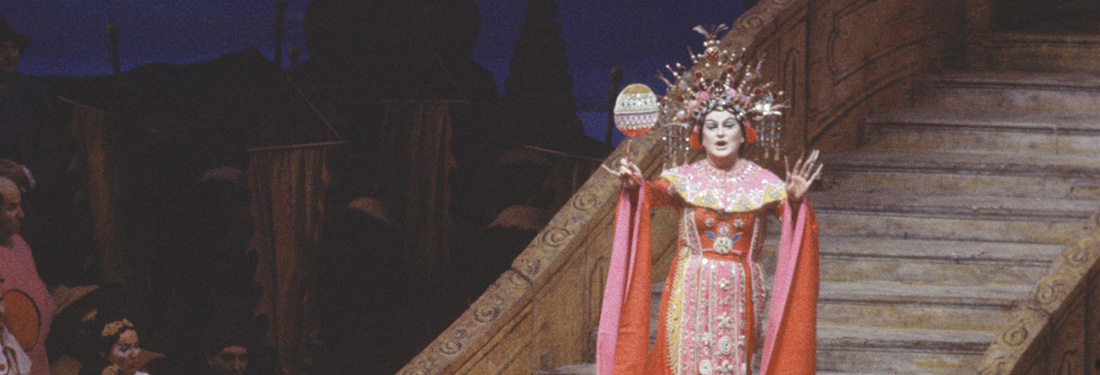
In the lead up to LA Opera’s mounting of Turandot on May 18th (hooray!) I thought I’d touch on some of my favorite recordings and new re-masters I’ve discovered. I have them all.
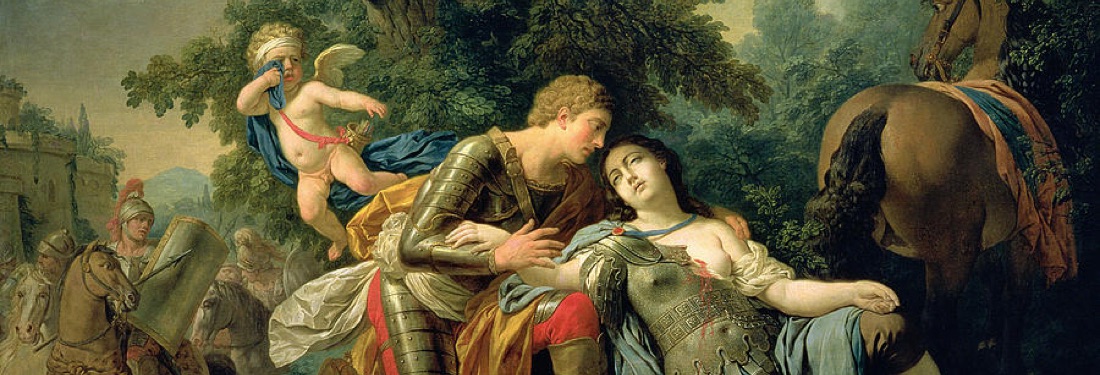
Trove Thursday begins February with two striking versions of Rossini’s Tancredi.
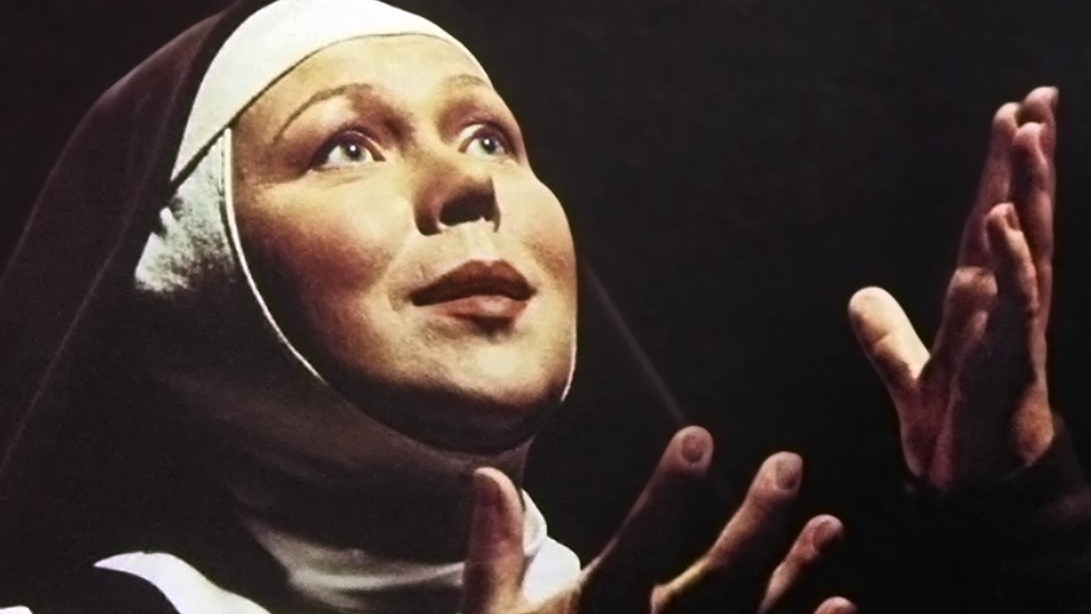
Patrick Mack looks back on “a great, nay, historic evening,” Renata Scotto‘s 1981 performance of Il trittico, now newly available on Met Opera on Demand.

The days are getting shorter, but you can keep the prattle going this fall’s Talk of the Town! You will, you can, you must join in the discussion about: Great mezzo soprano performances (October),
Gained in translation (November), Teleport me back to… (December).
Exclusive opera reviews, commentary, and top reads
delivered to your email weekly…ish.