
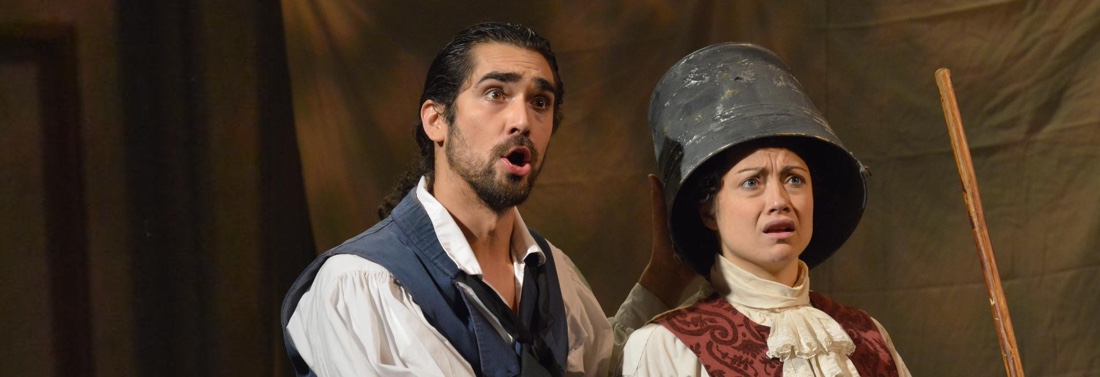
The opposite of sex
Since 1934, Philadelphia’s Academy of Vocal Arts has been preparing emerging artists for operatic careers.
253 pieces since 2008 — in 1 role, at 9 companies, most often at Metropolitan Opera.
Since 1934, Philadelphia’s Academy of Vocal Arts has been preparing emerging artists for operatic careers.
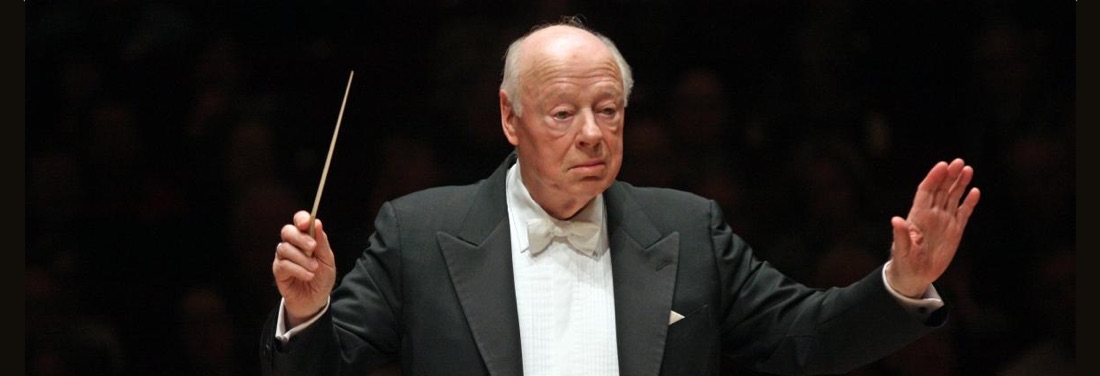
In the month and a half leading to Bernard Haitink’s passing on October 21, my AirPods constantly channeled a musical festival of sorts centered on the Dutch giant’s expansive discography.
If the Arthaus Musik release of Le nozze di Figaro from La Scala feels like a slouchy revival pulled haphazardly from the video vault, the singers are certainly not at fault. Ildebrando D’Arcangelo and Diana Damrau, starring as Figaro and Susanna, are bankable stars who live up to the hype. At the podium, Gérard Korsten […]
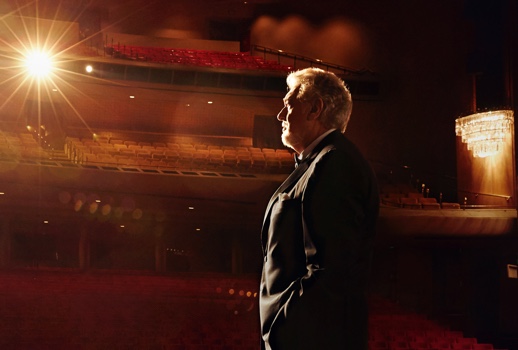
Saturday night the Los Angeles Opera threw itself a party.
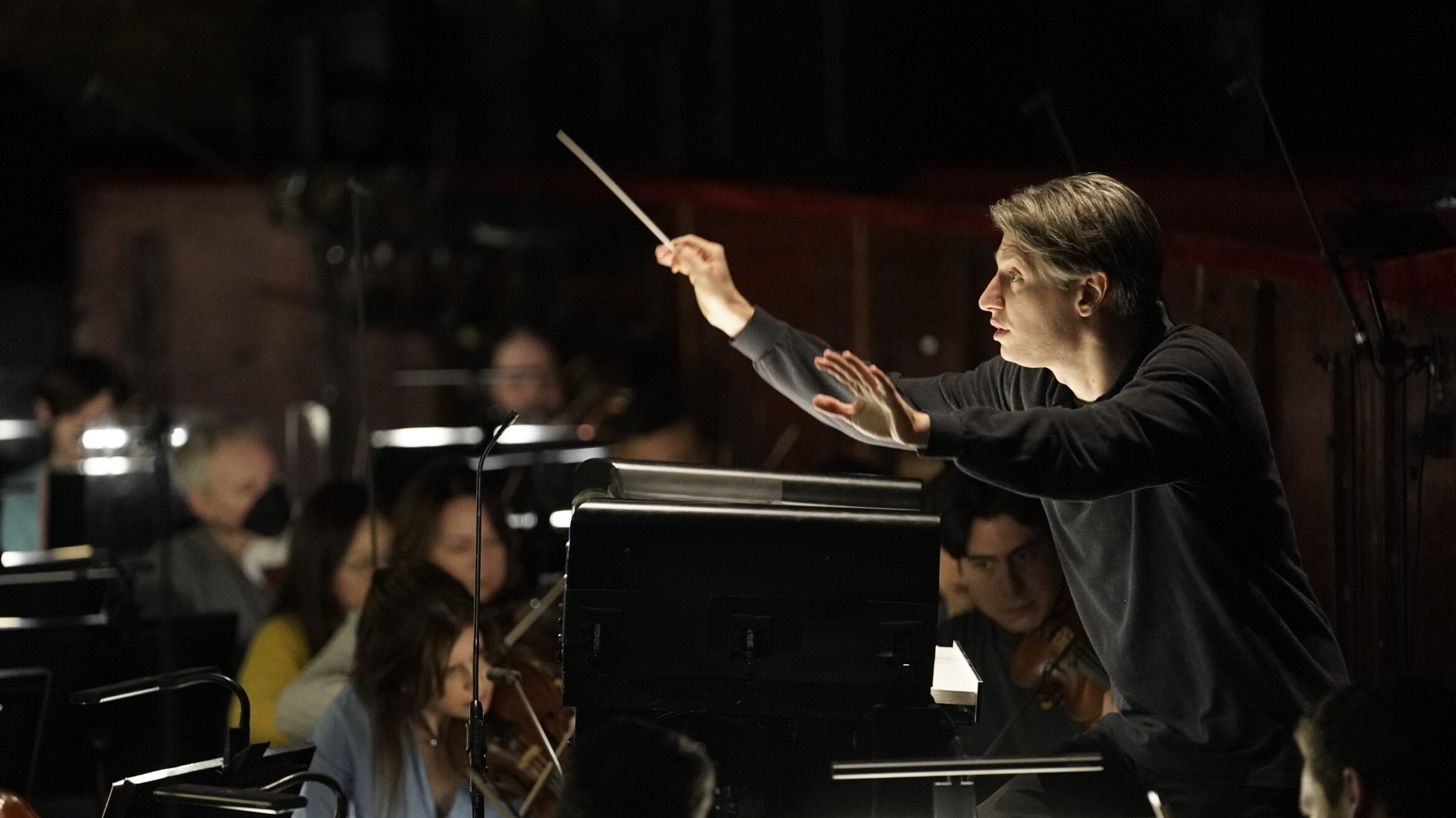
Daniele Rustioni, who starts his tenure as Met Principal Guest Conductor with Don Giovanni this week, might just be the opera conductor we’ve all been waiting for — and he’s betting on a long haul.
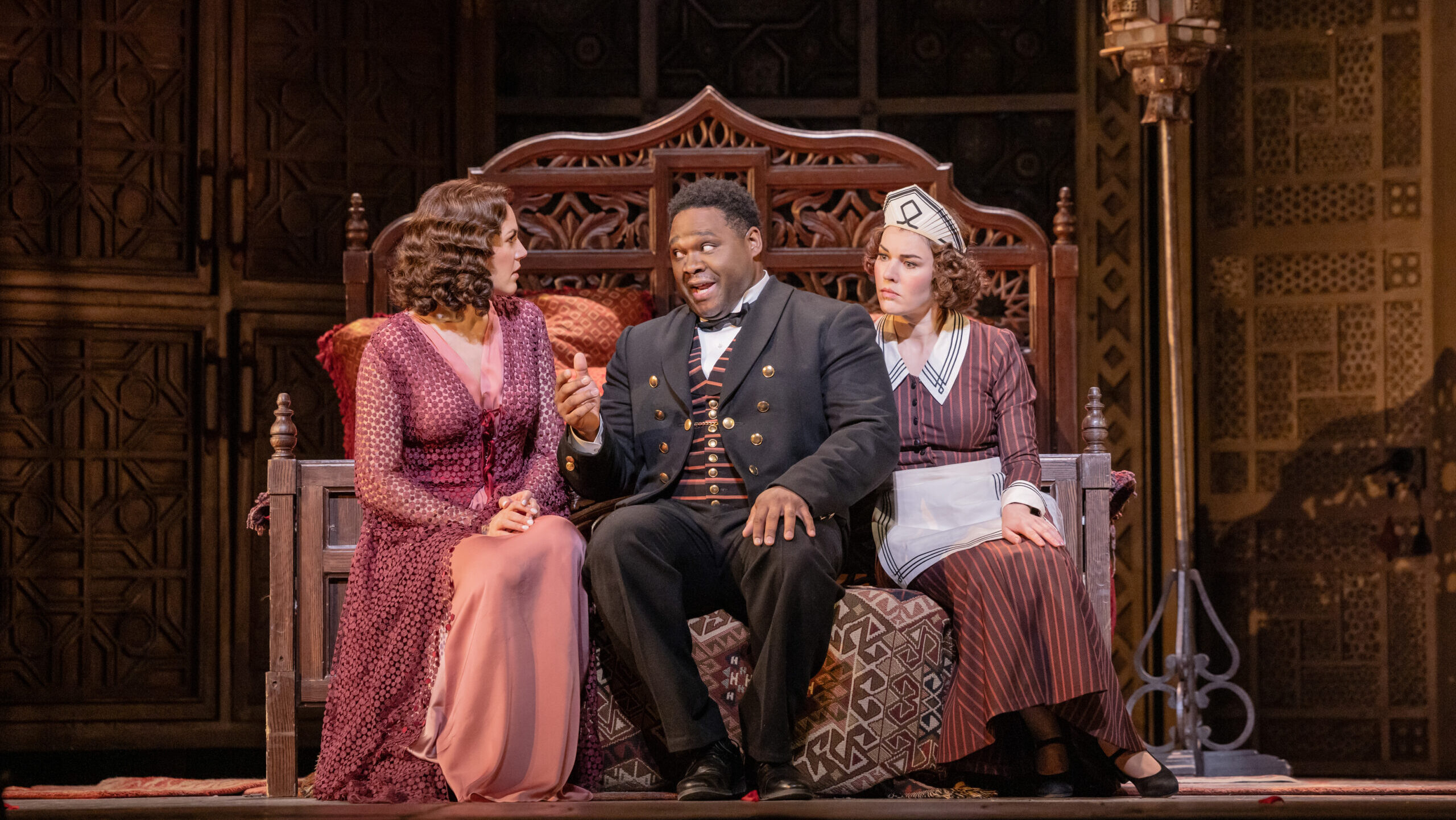
A muted and merry carousel ride out of feudalism in the Met’s production of Le nozze di Figaro
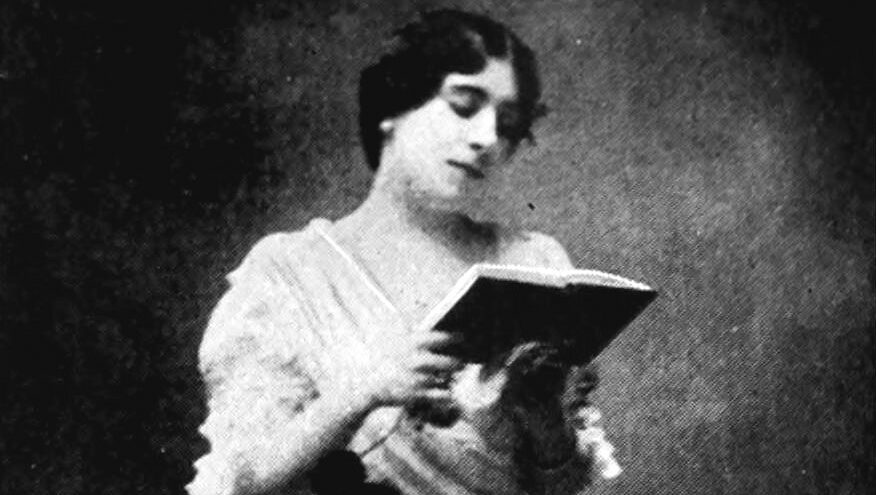
Joyce Guyer’s silvery soprano, impeccable musicianship and beguiling stage presence made her an invaluable member of the Met roster in the late 1990s and early 2000s, appearing most frequently in harmony with others in such assignments as Najade in Ariadne auf Naxos, Woglinde in Wagner’s Ring Cycle and as a Parsifal Flower Maiden.
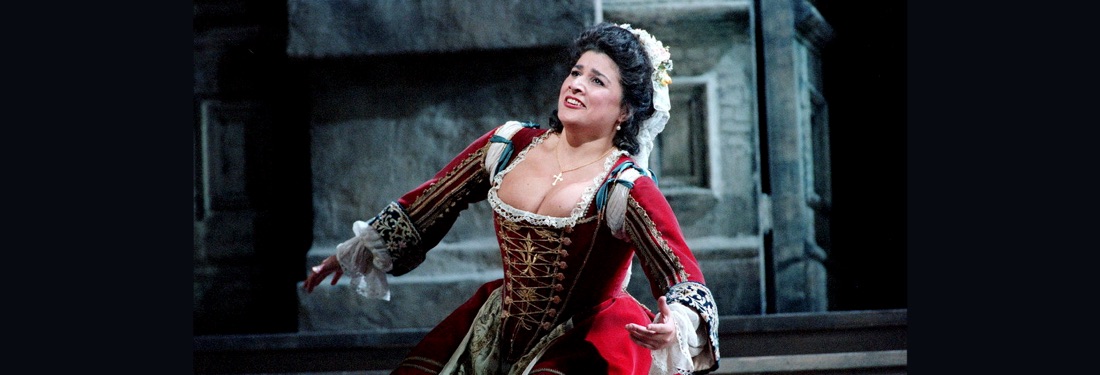
On this day in 1998 the Metropolitan Opera presented a new production of Le nozze di Figaro featuring Cecilia Bartoli as Susanna.
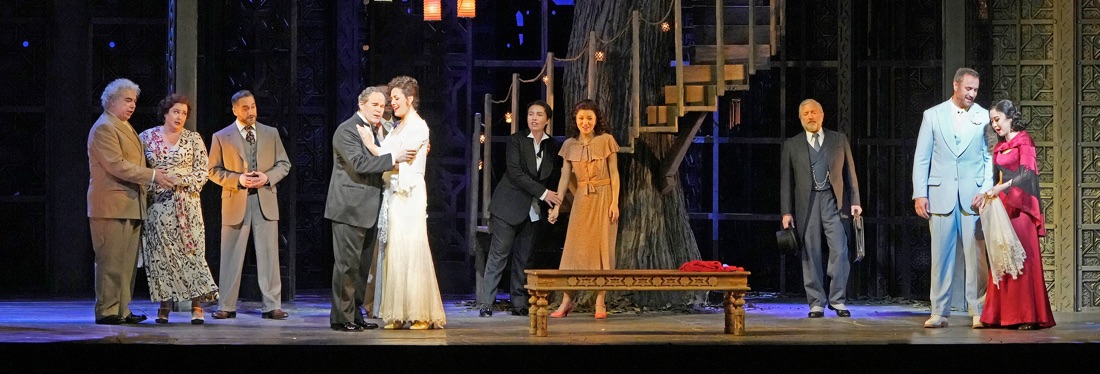
Saturday’s performance of Le nozze di Figaro at the Met mined the humor from Mozart’s divine setting of Beaumarchais’s play about a crazy day in the Almaviva household.
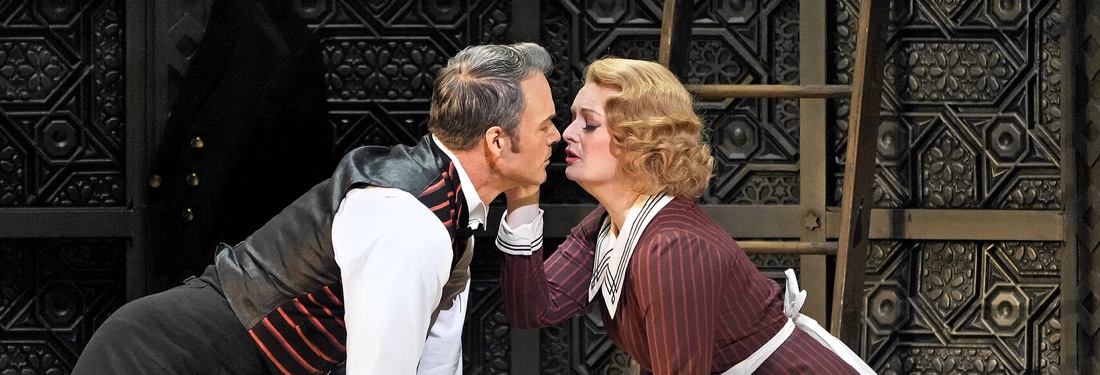
Despite having lost its announced Cherubino, conductor and Count (the latter in the midst of rehearsals), the season premiere of Le Nozze di Figaro Saturday afternoon proved to be one of the most enjoyable Met Mozart performances I’ve attended in ages.
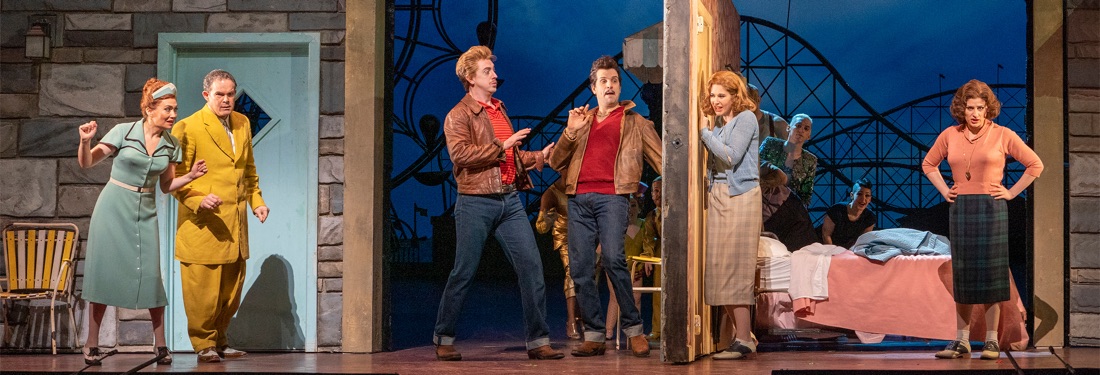
Saturday’s performance of Così fan tutte demonstrated that even the cool, acerbic wit of Mozart’s most controversial comedy can warm our hearts in these icy winter months.

Is there any opera more bullet-proof than Le Nozze di Figaro?
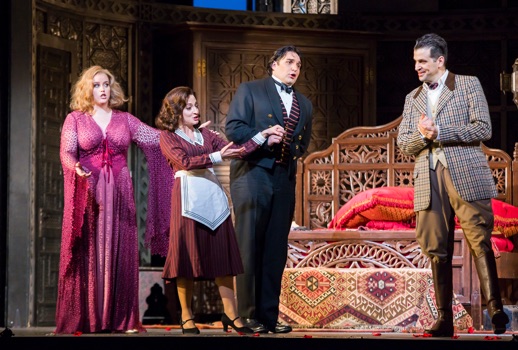
It was odd, if not downright uncomfortable, to watch Le Nozze di Figaro at the Metropolitan Opera.
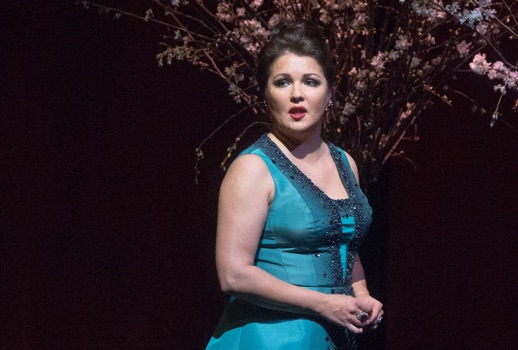
It took the better part of a decade—including two high-profile cancelations—or New York to finally hear Anna Netrebko in recital.
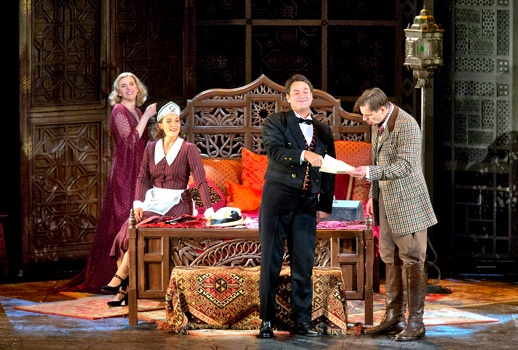
The Metropolitan Opera desperately needed a new production of Le nozze di Figaro.

Wednesday brought the Met’s “real” season opener, an indelible, indispensable night at the opera: a starry revival of Verdi’s Macbeth crowned by Anna Netrebko’s demented Lady.

On this, the occasion of her 37th birthday [see below], La Cieca is happy to repeat the story of how she came to be born (as first told in the pages of parterre box, issue #28.
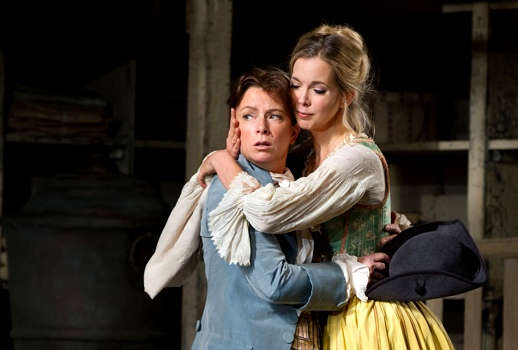
The performance at the Metropolitan Opera last night proved that yes, it is possible to kill this opera. I don’t know how they managed it, but they did.
Our JJ‘s review of the Met’s revival of Le nozze di Figaro didn’t make it into today’s New York Post for reasons that you should be able to figure out once you’ve read the piece. At the suggestion of his editor, La Cieca is publishing it here.
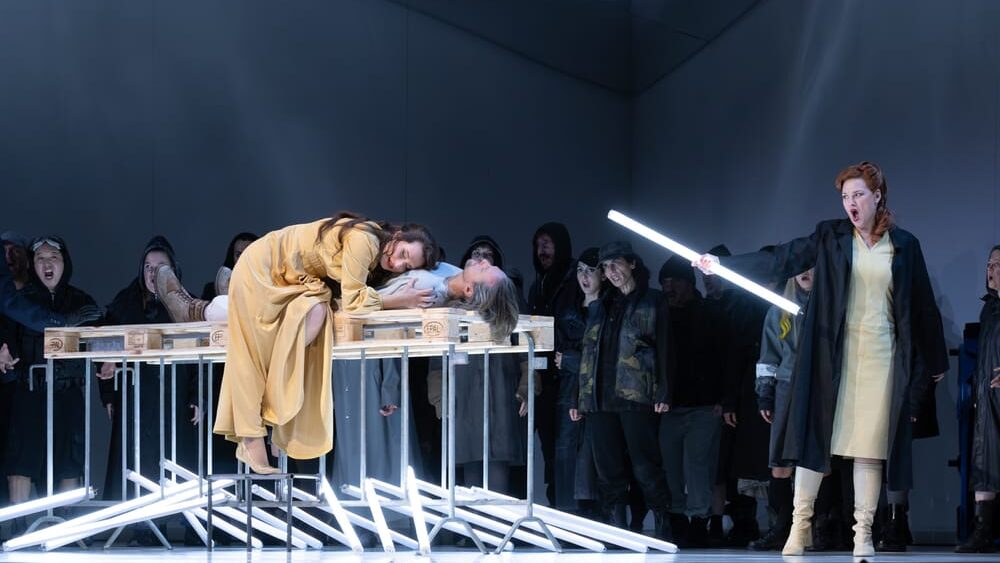
Das Wunder der Heliane fuses sex with the sacred at a simmering performance at the Opéra National du Rhin.
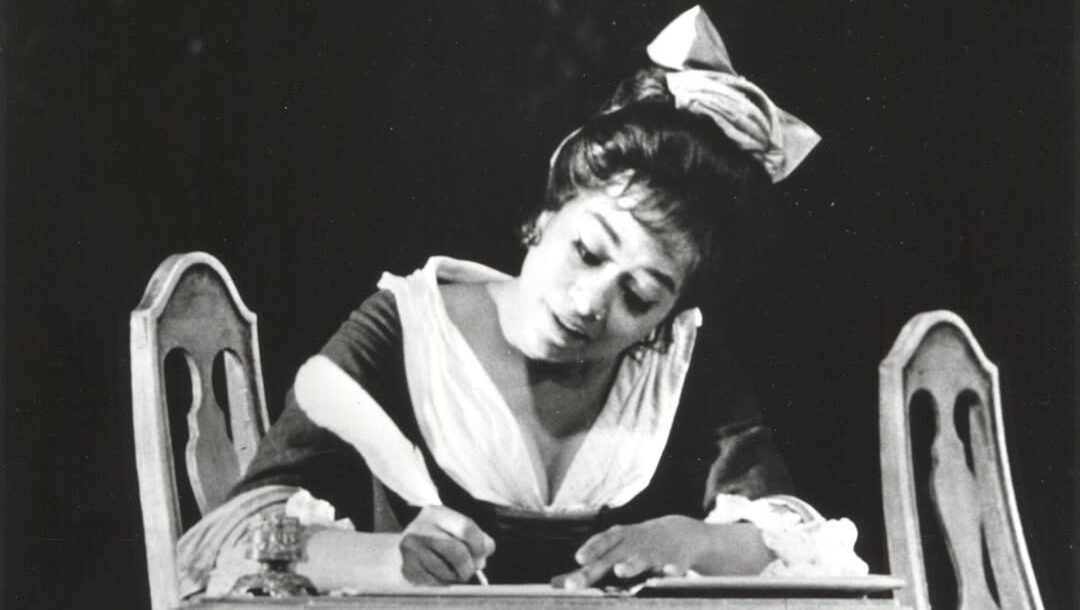
This performance truly “never fails to lift my mood.”
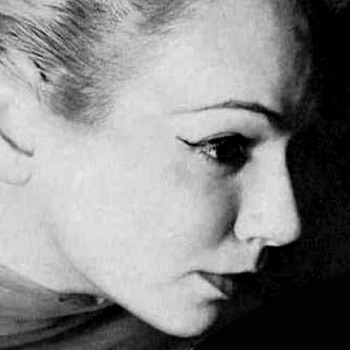
This week “Trove Thursday” brings a rare in-house recording of a visit to the Metropolitan Opera House by the Staatsoper Hamburg presenting Stravinsky’s The Rake’s Progress with a deluxe cast
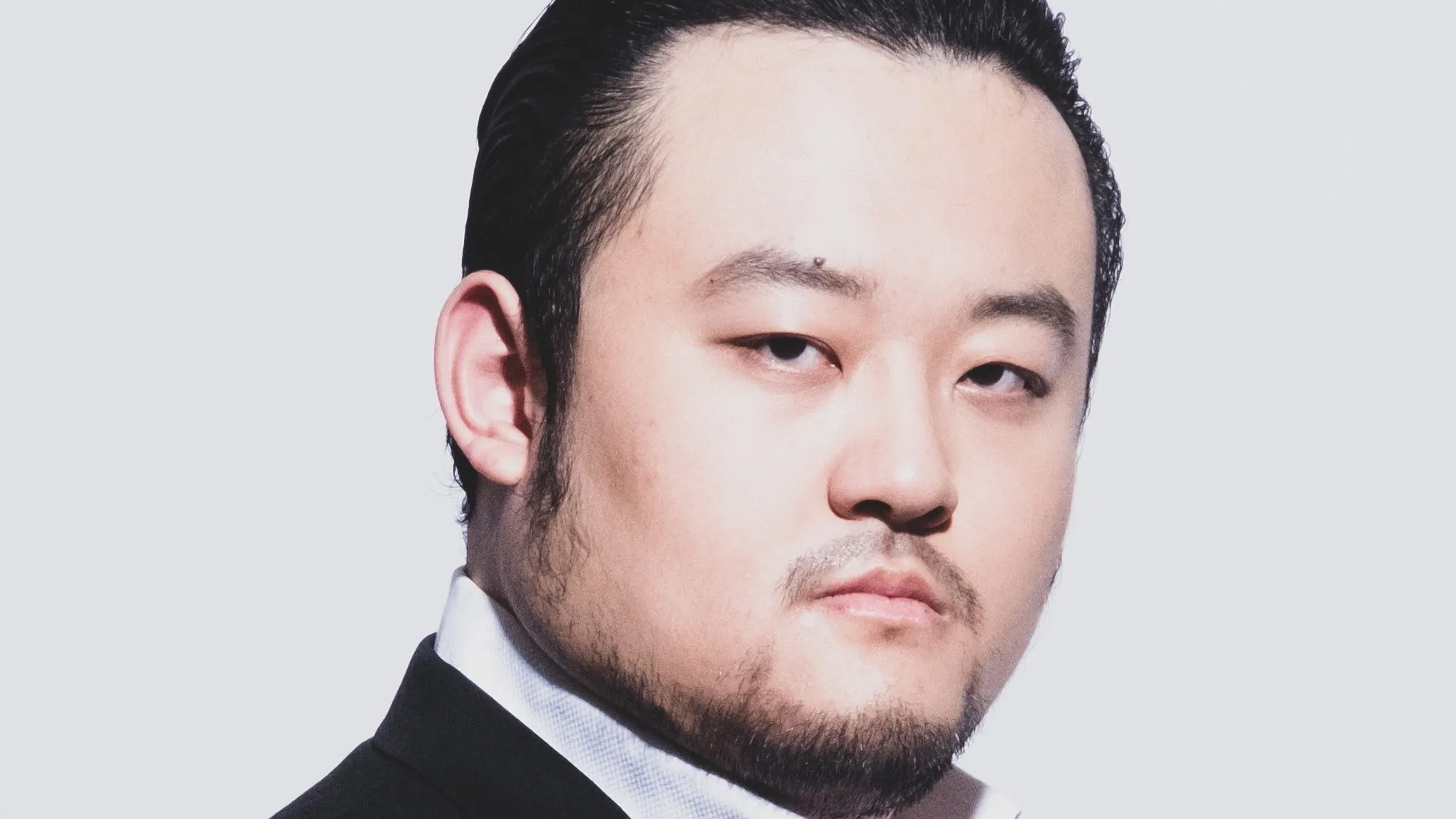
Christopher Corwin speaks to rising bass-baritone Le Bu about his journey from Yancheng, China to the Met (with a stop in Wichita) and what important roles await him.

The days are getting shorter, but you can keep the prattle going this fall’s Talk of the Town! You will, you can, you must join in the discussion about: Great mezzo soprano performances (October),
Gained in translation (November), Teleport me back to… (December).
Exclusive opera reviews, commentary, and top reads
delivered to your email weekly…ish.