
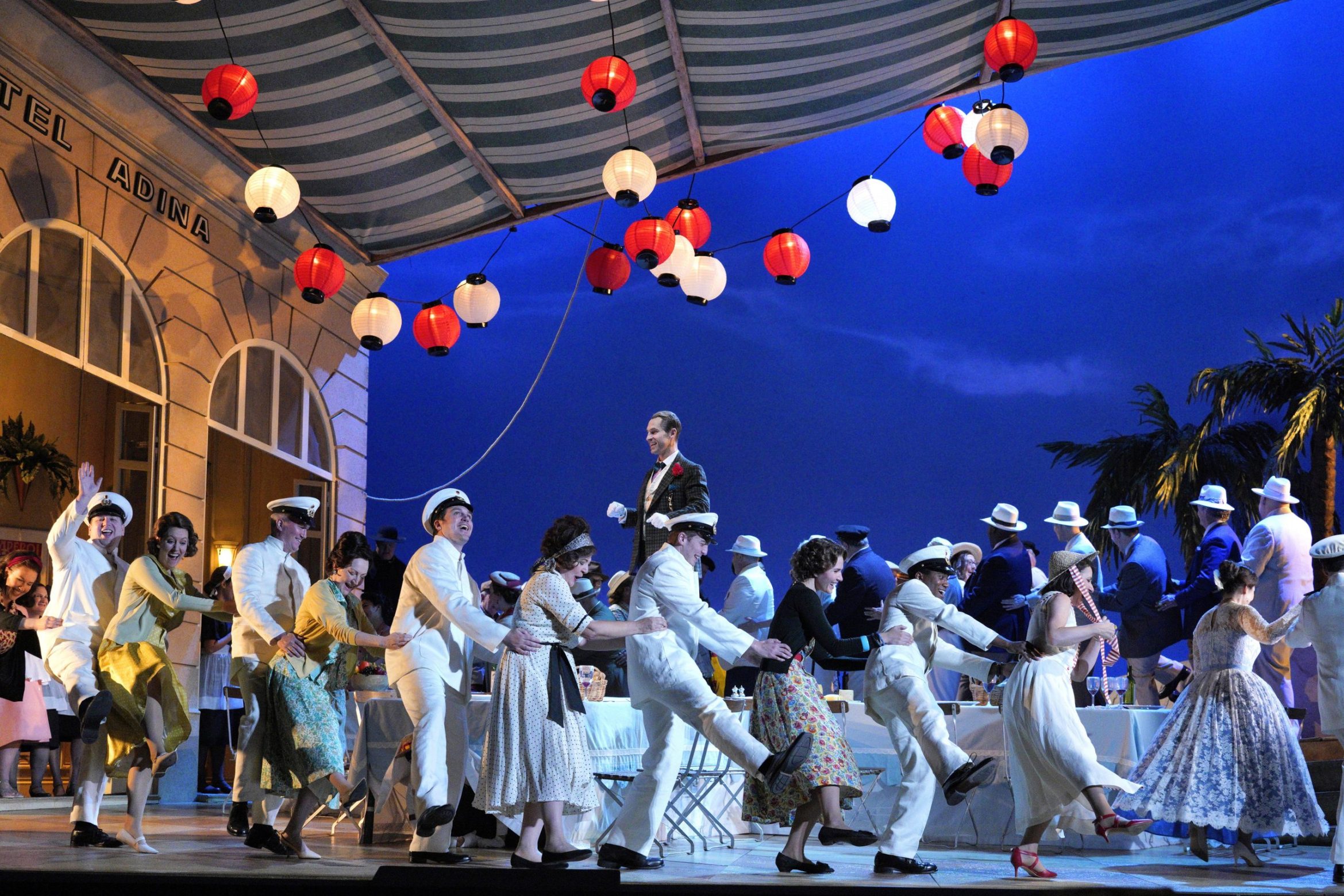
The brew that is true
This is an exuberant, uplifting, and joyous Elisir, and, for once, it was actually laugh-out-loud funny.
42 pieces since 2013 — in 22 roles, at 11 companies, most often at Metropolitan Opera.
This is an exuberant, uplifting, and joyous Elisir, and, for once, it was actually laugh-out-loud funny.

Verdi’s Falstaff is a brilliantly written opera: funny, with a complex ability to operate across minutely shifting registers of farce and lyricism. It needs, ideally, a production and cast capable of executing both comedy and drama, irony and sincerity—often concurrently. In its current Met revival, happily, Falstaff has everything it needs.
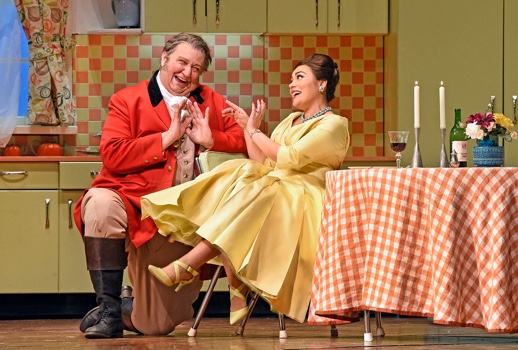
Since 1985, from the Chicago Symphony at Carnegie Hall to the Welsh National Opera visiting BAM and from Chicago Lyric to New York City Opera to the Met, I’ve never encountered a bad Falstaff—or one that didn’t astound and delight me.

It doesn’t get more classic than John Dexter‘s Dialogues des Carmélites.
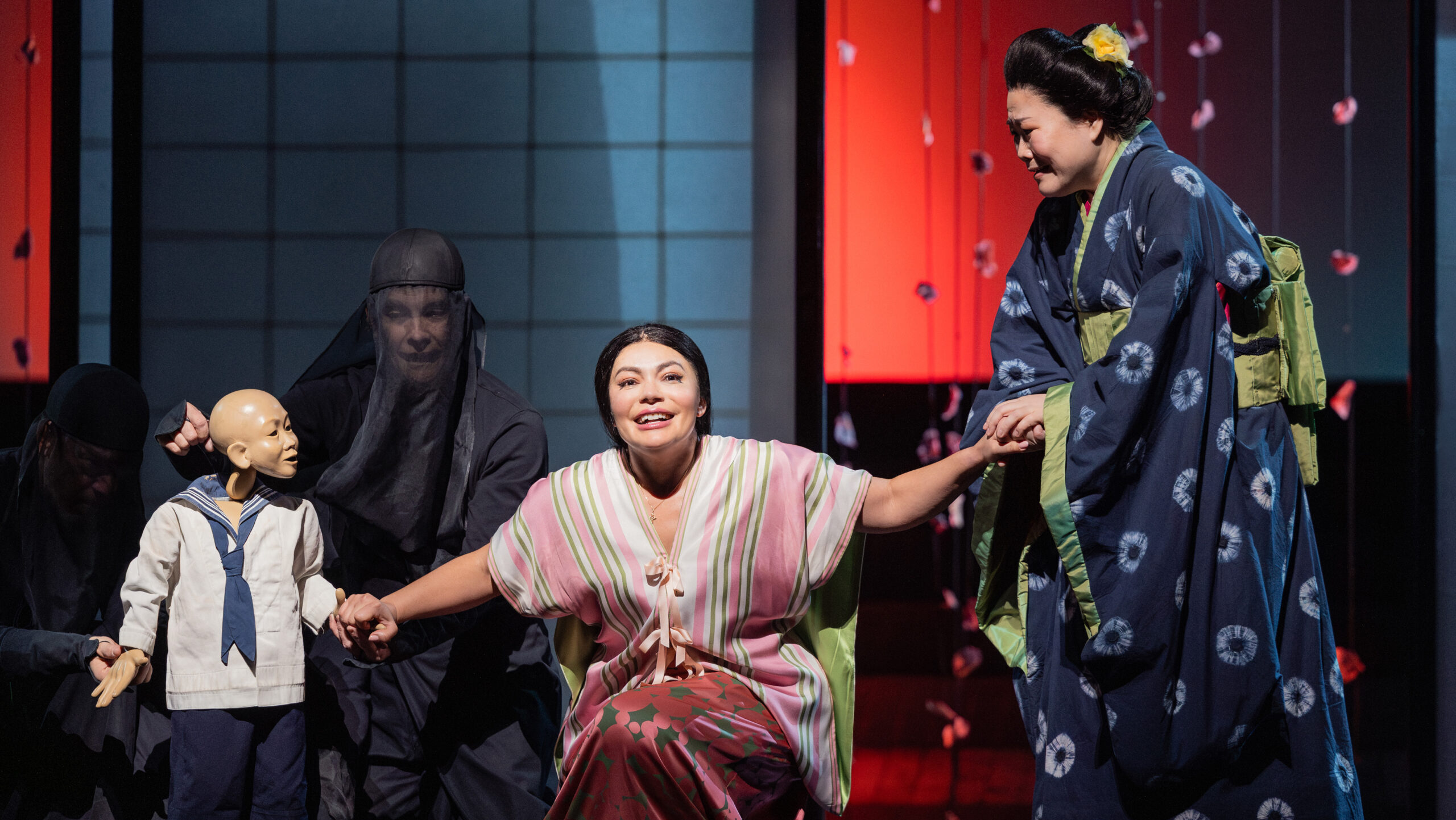
Back-to-back casts in the Metropolitan Opera’s revivals of Madama Butterfly and La traviata offer ample opportunity for soprano-gazing.
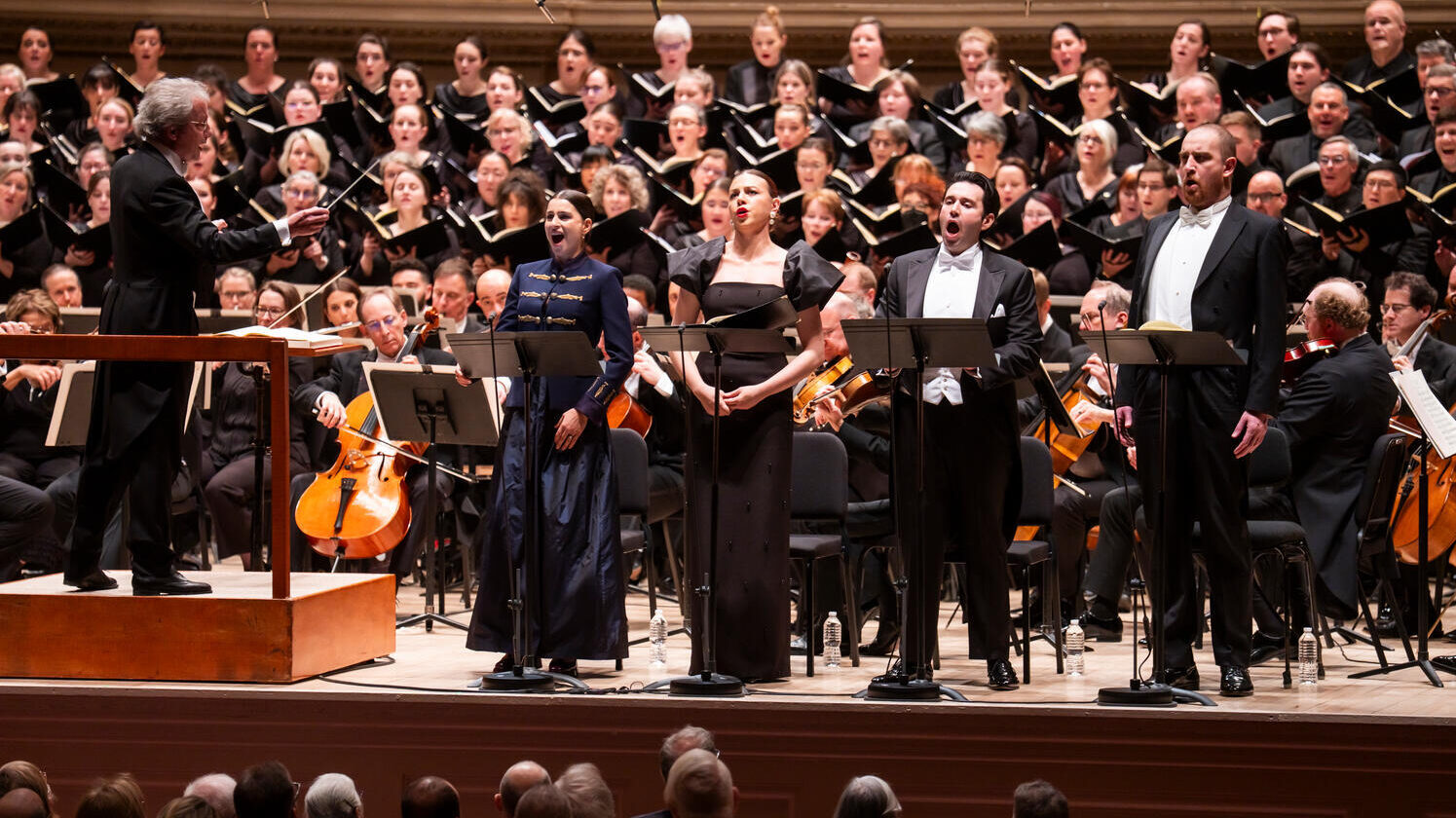
Franz Welser-Möst leads a rigorous, if emotionally staid, performance of Verdi‘s Requiem at Carnegie Hall.
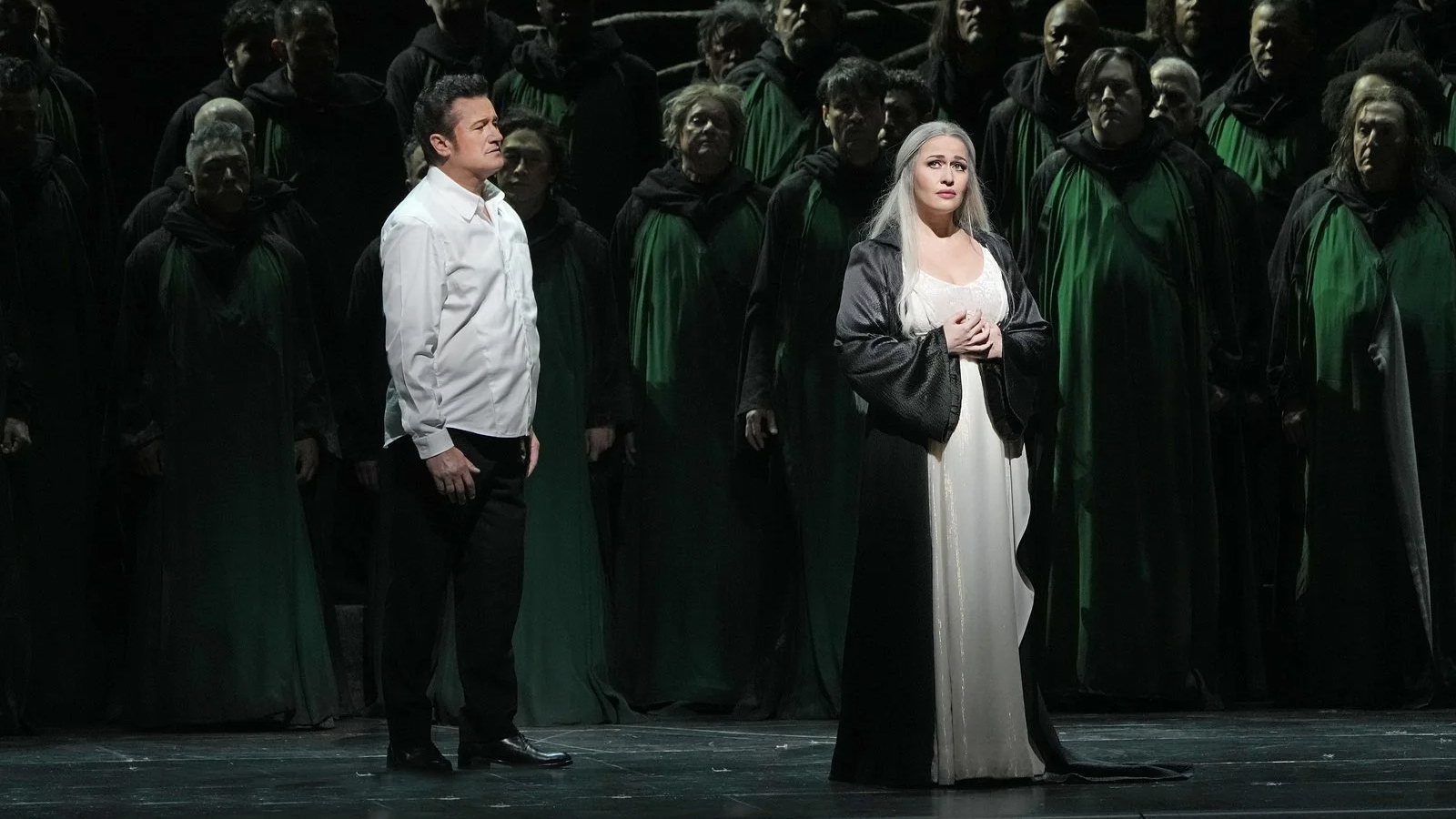
Nearly three years after the premiere of François Girard’s Lohengrin at the Met, Parterre Box looks back at the production with a duet from Piotr Beczala and Elena Stikhina.

This Sunday marked a muted return of the Richard Tucker Foundation Gala, which had the dubious distinction of the fourth edition not to feature a prizewinner and perhaps the first not to provide complete orchestral and choral accompaniment for its performers.
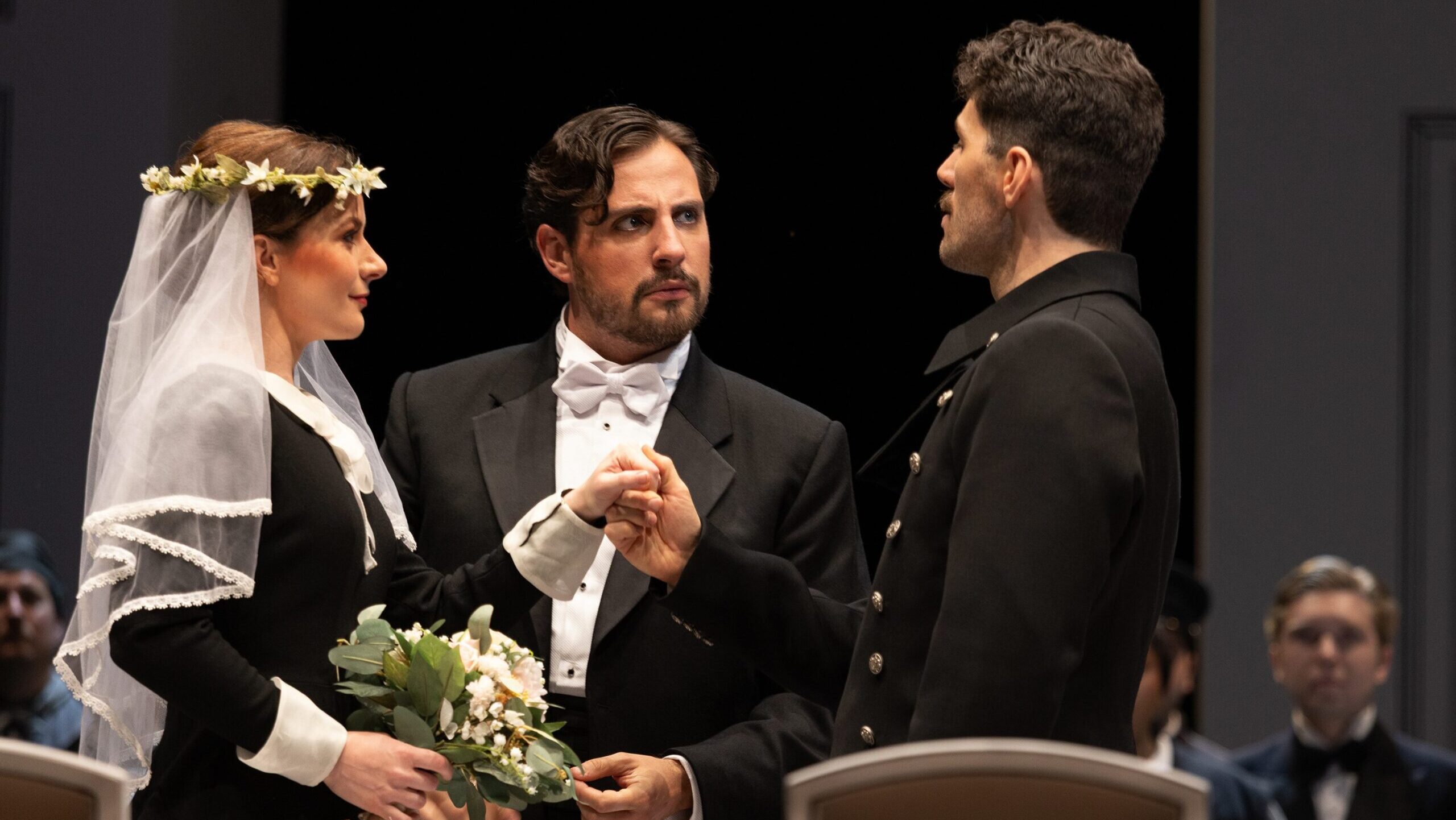
Le nozze di Figaro in Santa Fe is a light and kindly revival while The Turn of the Screw is crisp and atmospheric
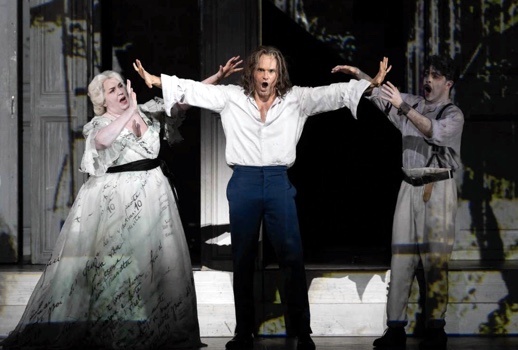
Mozart appears to find promiscuity a source of humor rather than something that is a fundamental problem.
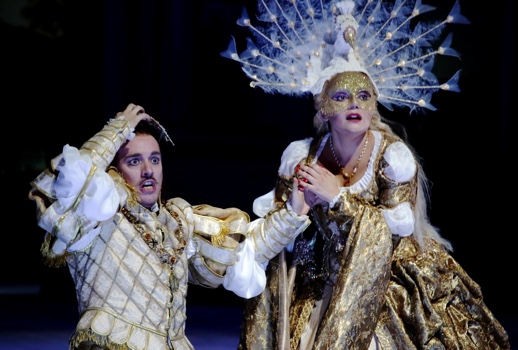
Uneven operas, like Verdi’s Ernani, which just recently finished its Scala run, more often work as theatre on the micro level than the macro.
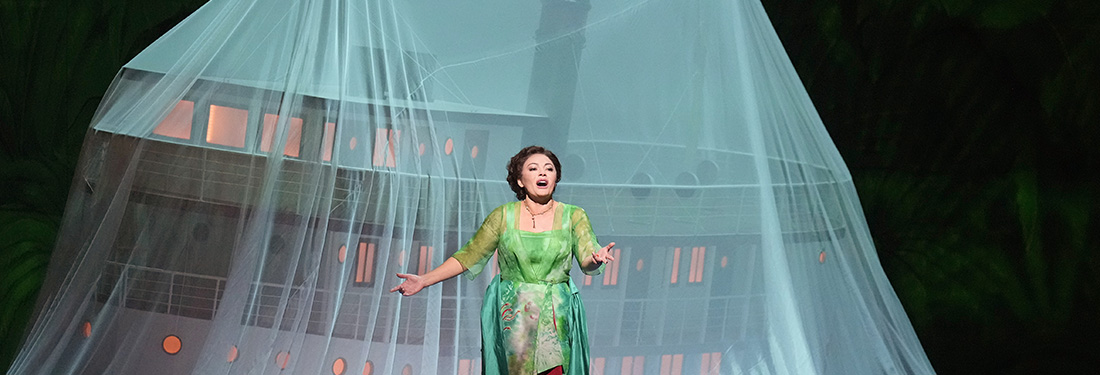
In its Met premier, neither a talented cast nor some beautiful musical moments were enough to make Florencia feel new or vital.
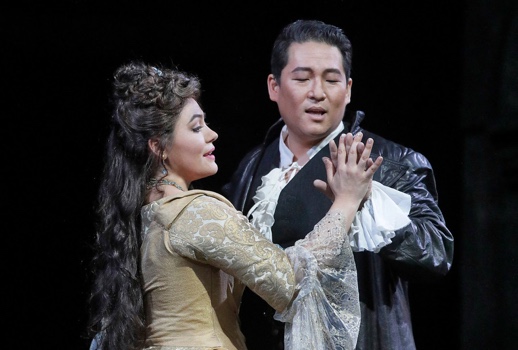
Plácido Domingo’s conducting reduced the score’s urgency to the lethargy of a jellyfish.
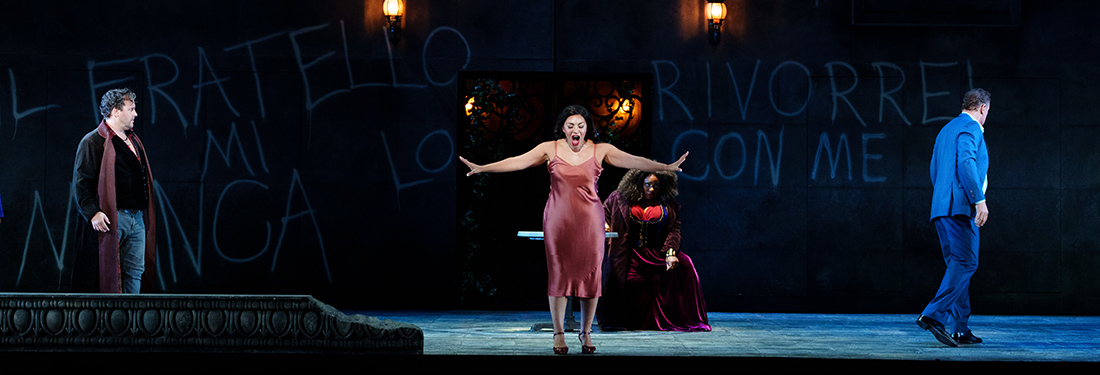
For the opening night of Il Trovatore, Houston Grand Opera’s new production aimed high, bringing together a star-studded cast and a fresh, contemporary take on Verdi’s intense drama.
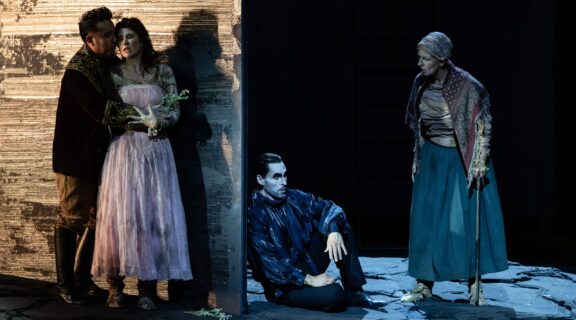
The Bayerische Staatsoper’s summer festival wound down with Lotte de Beer’s darkly effective production of Gounod ’sFaust.
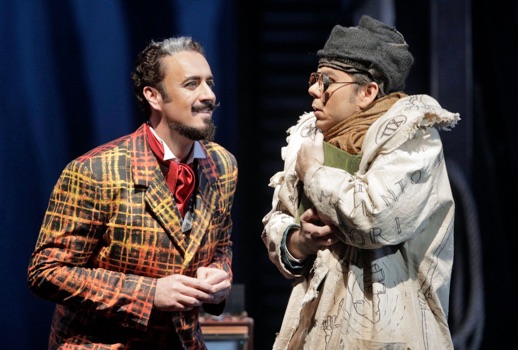
The production is at all times visually arresting, but it’s also extremely distracting.
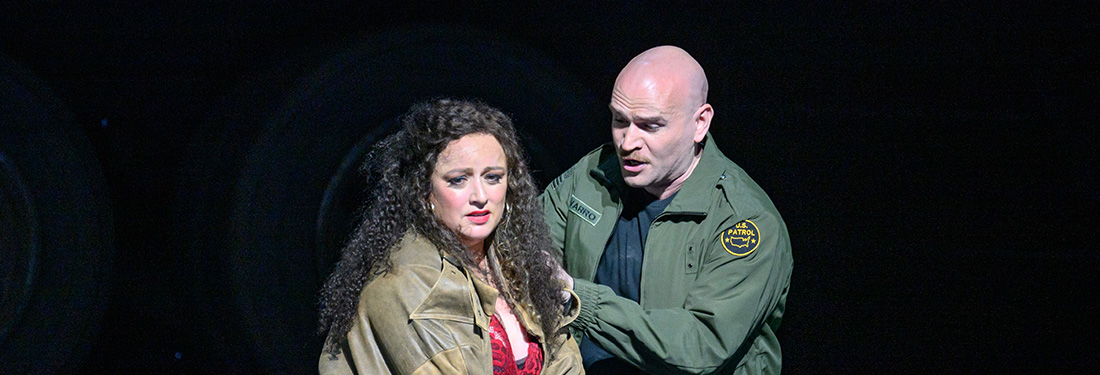
When it premiered at the Opéra Comique in 1875, Carmen shocked audiences with its frank depictions of female sexuality, the proletariat, and violence: subjects that have ensured the piece’s continued relevance and that have inspired numerous retellings and revisions.
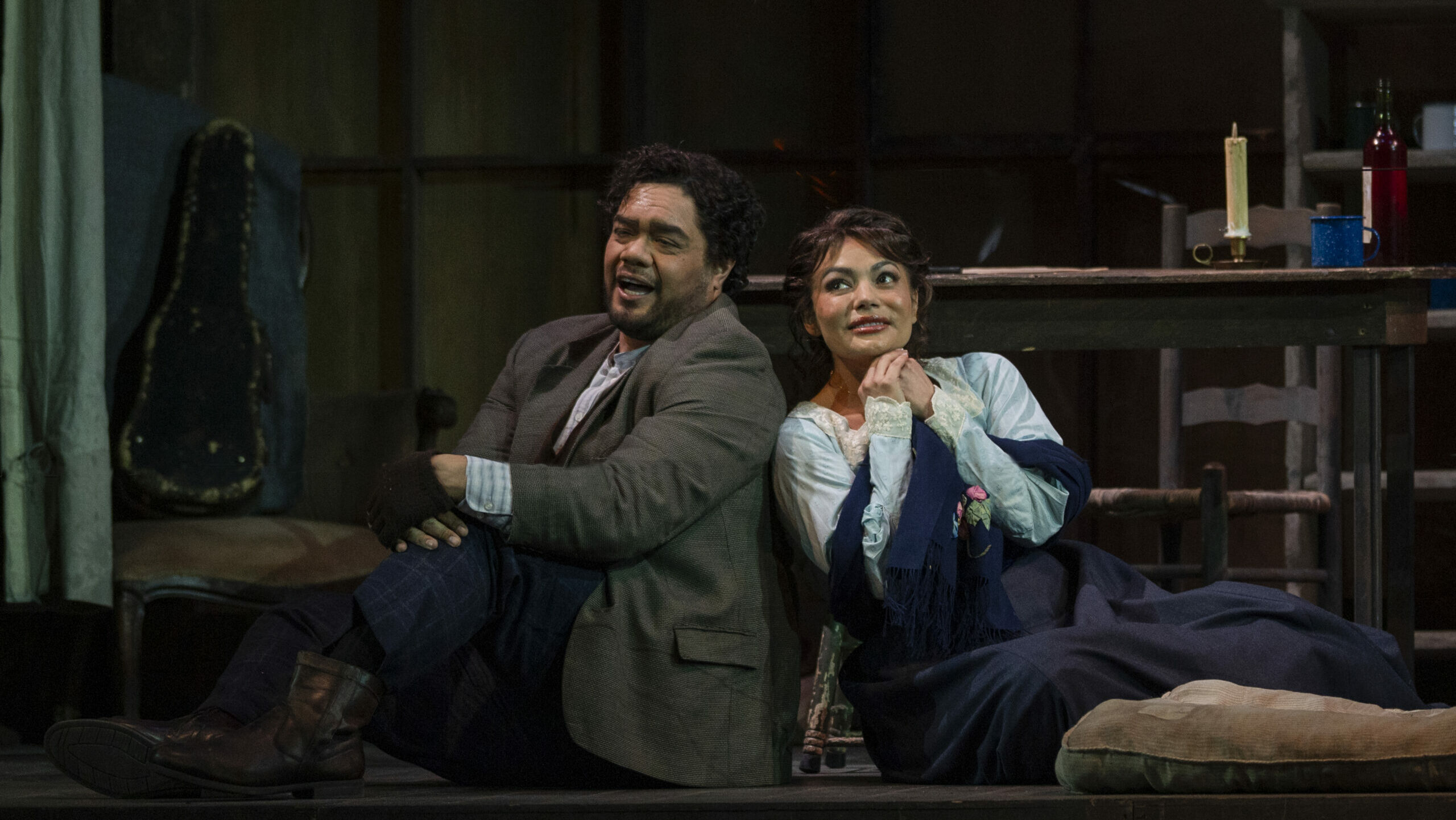
Before this weekend, I never thought I would want to leave an opera by Act I. The recent production of Puccini’s La bohème at the Lyric Opera of Chicago taught me that there’s a first time for everything.
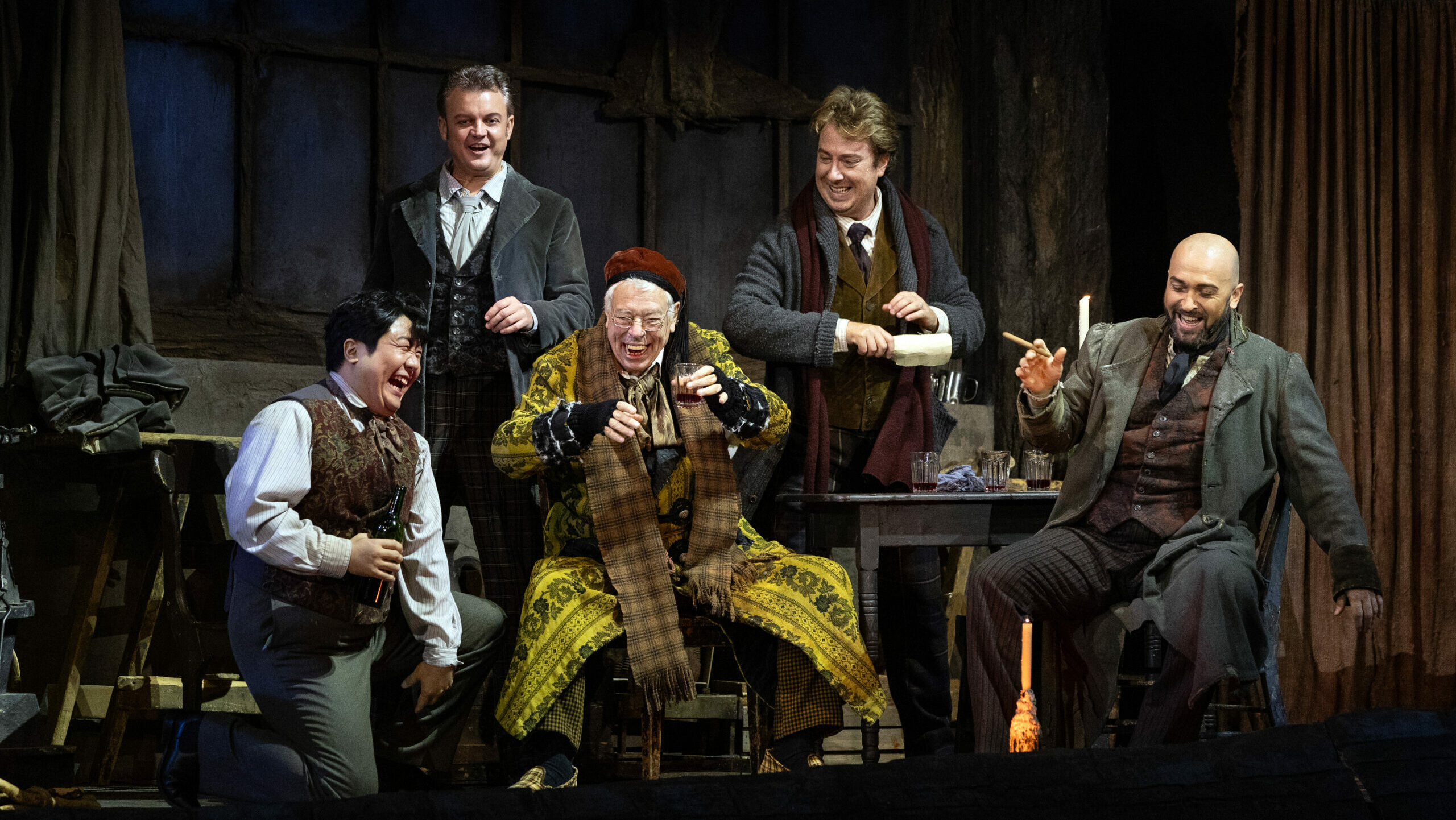
This archly traditional production of La bohème was a little shaky on opening night. It nevertheless had a full complement of sterling individual performances to take us on home.

At Friday night’s performance of La Bohème at the Met, the cast seemed to lean into (and gamble upon) the production’s enduring popularity.
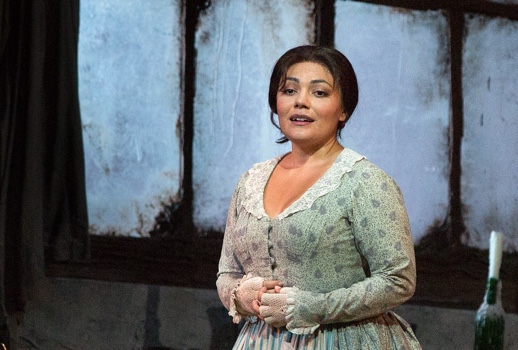
Mortality is ugly—it smells, it makes uncomfortable noises, it takes its time; and then there is the overwhelming sense of dread and helplessness.
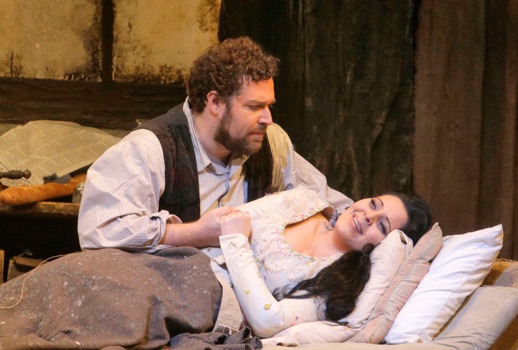
Maria Agresta‘s delicately-acted, sumptuously-sung seamstress transformed what might have been just an average Wednesday night revival into something finer.
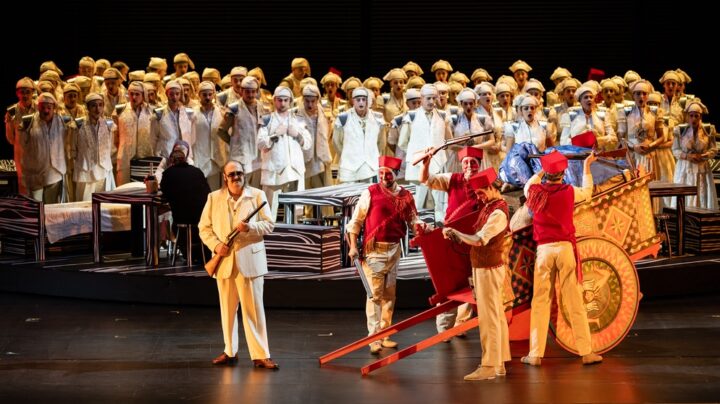
Contrasting approaches to Regie duke it out in Cavalleria rusticana & Pagliacci and Rusalka in Munich
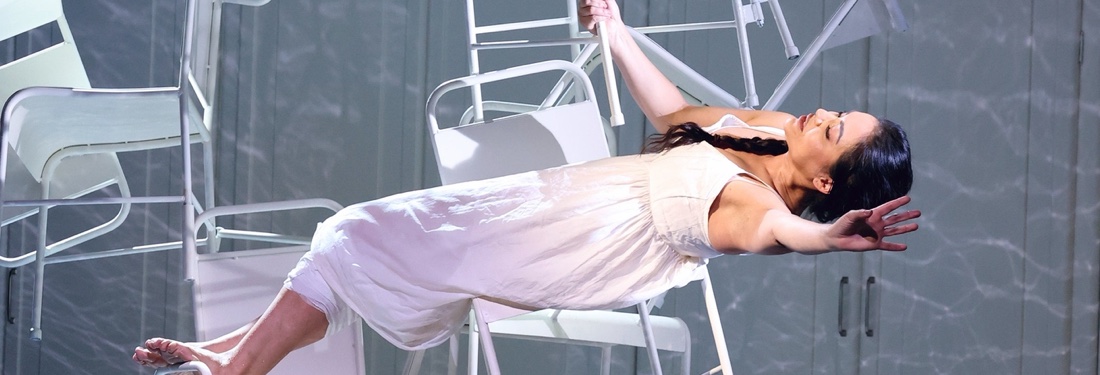
The fourth production of Santa Fe Opera’s 66th Festival Season that opened on Saturday June 22 offered a multitude of firsts.

I was reminded at the Met’s season premiere of Eugene Onegin Friday night always to expect the unexpected.
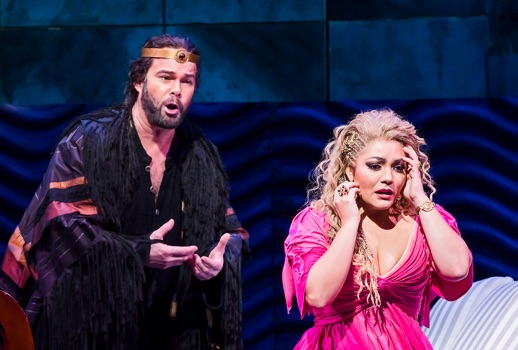
A wonderfully committed Ailyn Pérez and Gerald Finley at Saturday afternoon’s revival abetted by Emmanuel Villaume’s passionate conducting converted me to a Thaïs believer.
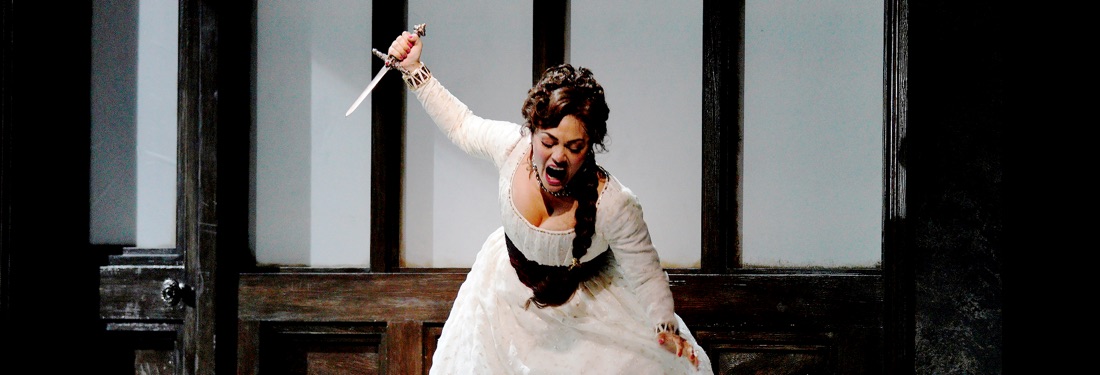
The San Francisco Opera became the first US opera company to present a full-blown production indoors on its home turf this season when they ushered the US opera audience into 2021-22 Season on Saturday September 21 with a stellar performance of Giacomo Puccini’s perennial favorite Tosca.
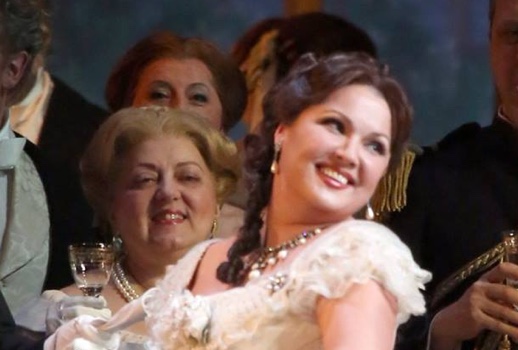
On Thursday evening, the Teatro alla Scala audience didn’t watch the familiar presentation of a “wayward woman” who overcomes moral inferiority only to be robbed of happiness when she finally deserved it.

The days are getting shorter, but you can keep the prattle going this fall’s Talk of the Town! You will, you can, you must join in the discussion about: Great mezzo soprano performances (October),
Gained in translation (November), Teleport me back to… (December).
Exclusive opera reviews, commentary, and top reads
delivered to your email weekly…ish.