

Monsters, no-neck and otherwise
Through a lucky coincidence of timing, I was able to catch up with Cat on a Hot Tin Roof, a play I adore, in two productions playing at the same time.
20 pieces since 2012.
Through a lucky coincidence of timing, I was able to catch up with Cat on a Hot Tin Roof, a play I adore, in two productions playing at the same time.
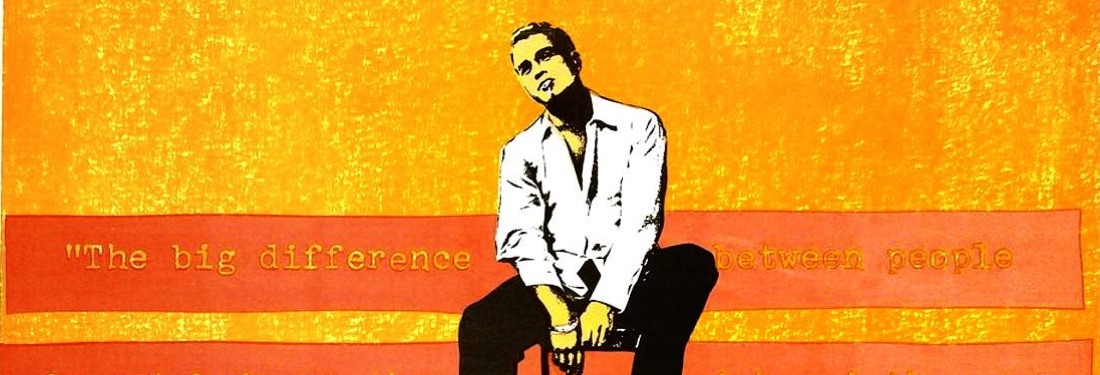
Sweet Bird of Youth closes out an undeniably successful decade for Tennessee Williams, on stage and screen, and bisects his body of work, with his mature hits on one side and his experimental, often lambasted later plays on the other.
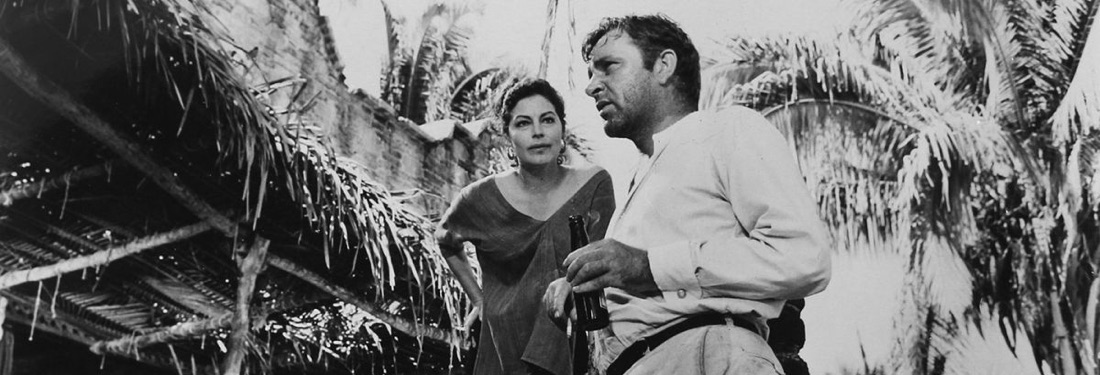
If The Night of the Iguana is not exactly a day at the beach, it’s not really the dark night of the soul it should be, either.
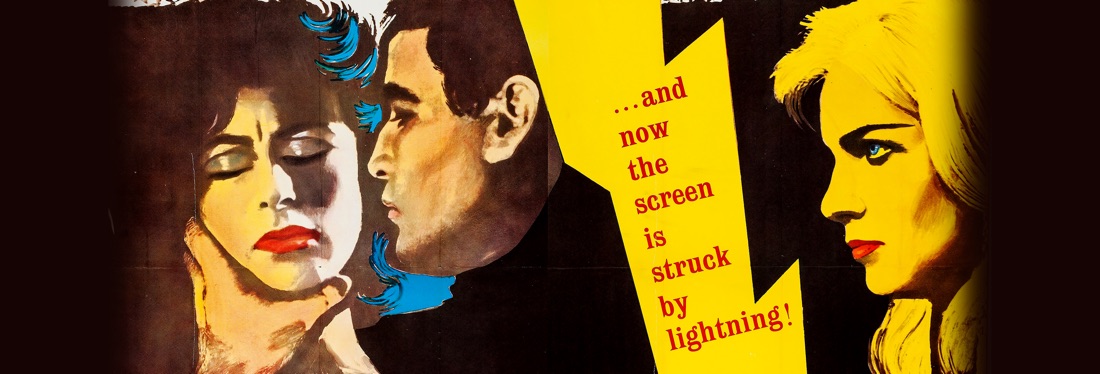
We shared a feeling that writing about The Fugitive Kind was a date with destiny.

By the end, we have rolling heads, a lot of screaming, and cheap horror too often overwhelms the better instincts of the screenwriters.
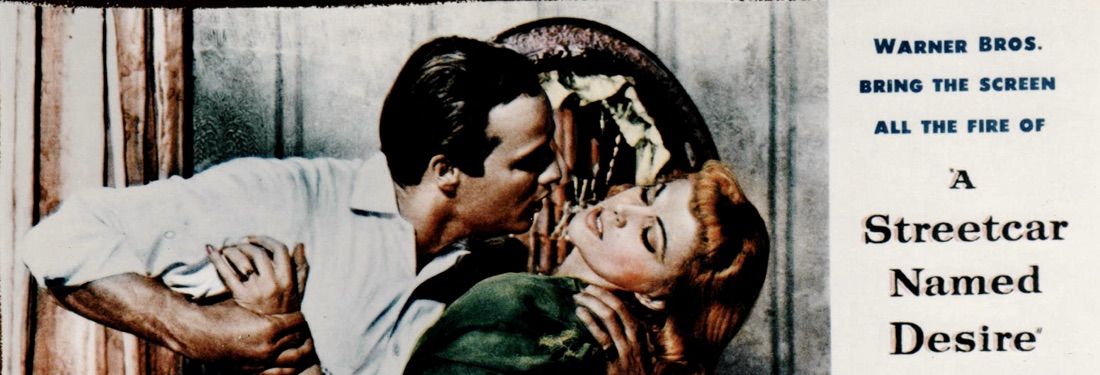
Nearly 70 years after its debut, A Streetcar Named Desire remains the greatest stage-to-screen adaptation of all time.

There are a number of fine elements in this film, and a couple that are exceptional—but I can’t get over the wrongness of its look.

Perhaps the idea here is to give Tennessee Williams’ 1947 play a renewed sense of visceral power that speaks to a younger audience? Maybe, but it doesn’t speak to me.

Although Kim Stanley’s big-screen appearances were rare—four major film roles, plus the uncredited narration in To Kill a Mockingbird—she was the leading lady of television drama’s “Golden Age.”

In I Can’t Imagine Tomorrow, we’re contending with Kim Stanley and the last gasp of the Method.

Gorgeousness is, of course, its own reward—and the movie of Cat on a Hot Tin Roof has many other pluses as well—but I do think Elizabeth Taylor‘s and Paul Newman‘s good looks pose an ongoing distraction.
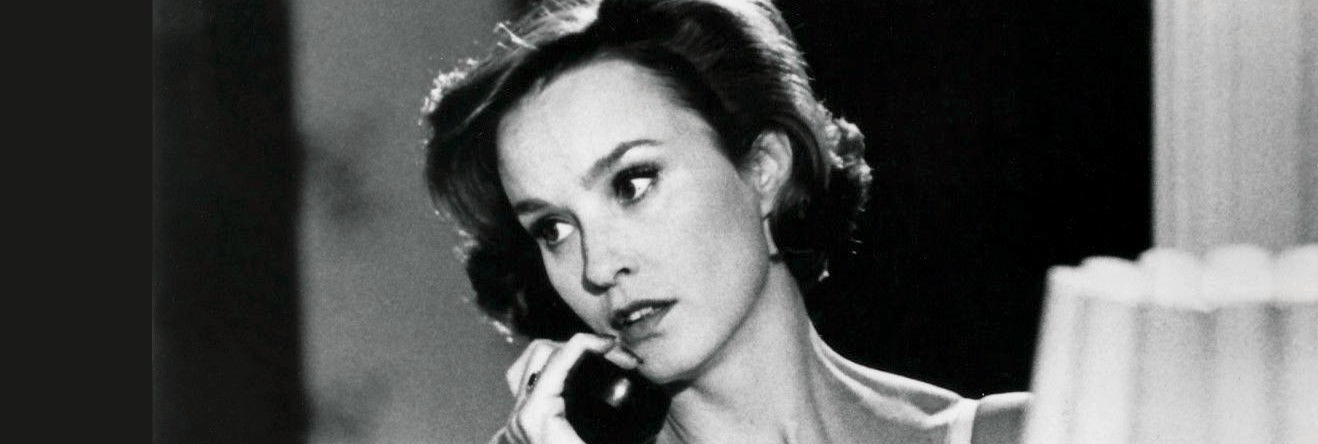
This Cat seems more together than most. Unlike many of the teleplays we’ve considered so far, this one is actually directed by a Tony-winning theater director, and I’d venture that accounts for its relative success.

Cat on a Hot Tin Roof is sometimes called the American King Lear, which nods to themes of a father and his disappointing children… but I think it’s also Shakespearean in its sprawl and grandeur.

Yet there remain some memories and impressions I know we’d both like to share—on a few stage performances, memorable in various ways, so how about one more roundup?

Shirley Booth‘s Amanda reminds us again of her astonishing range, and truly unique (yes, a word I hate, but I mean it here) ability to mix heartbreak and humor in the same breath.

It is interesting to consider how strongly Inge focuses on women (mostly single or widowed) and sex, particularly from his position as a (closeted) gay man.
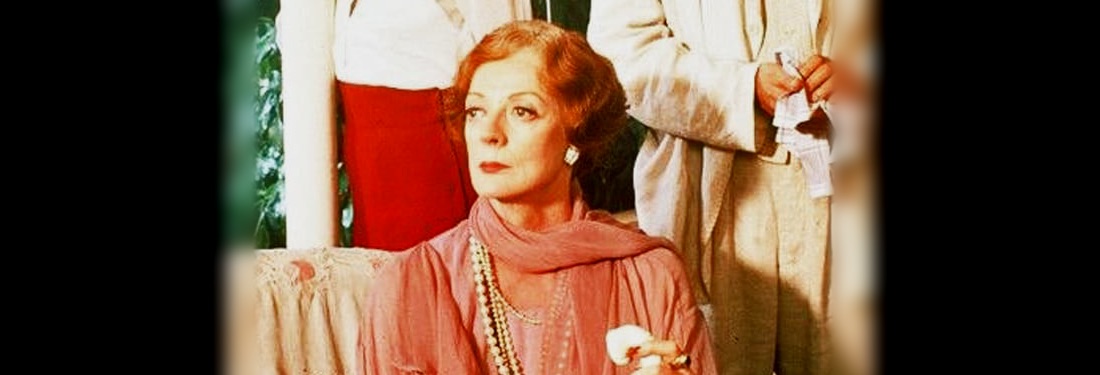
There’s no way for any production of Suddenly Last Summer to completely avoid at least a whiff of camp.

Like any good gay theatergoers, we seek out Tennessee Williams revivals with the fervor of truffle-sniffing pigs.
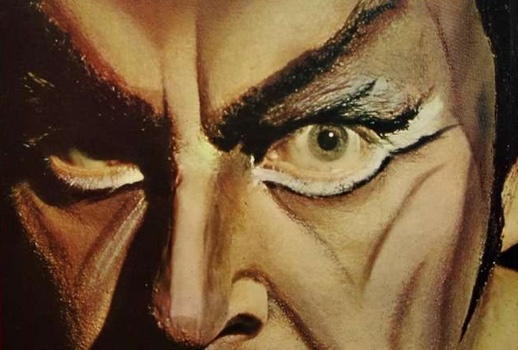
“Trove Thursday” keeps the evil deeds going this All Saints’s Day with a vintage La Scala broadcast of Arrigo Boito’s only completed opera Mefistofele.
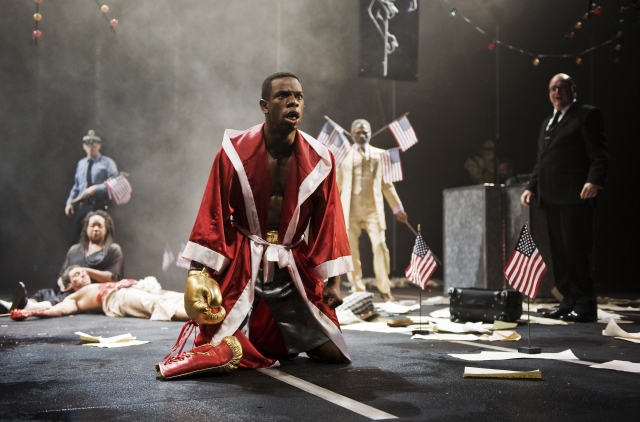
If it wasn’t anything special as art or even entertainment, Lyric Opera of Chicago’s recent production of Rinaldo (March 24) does offer an excellent peg on which to hang an argument about the future of opera in America.

The days are getting shorter, but you can keep the prattle going this fall’s Talk of the Town! You will, you can, you must join in the discussion about: Great mezzo soprano performances (October),
Gained in translation (November), Teleport me back to… (December).
Exclusive opera reviews, commentary, and top reads
delivered to your email weekly…ish.