

Beyond the wail
Cavalleria rusticana and Pagliacci at Lyric Opera of Chicago are hysterical in all the wrong ways.
48 pieces since 2013 — in 19 roles, at 9 companies, most often at Metropolitan Opera.
Cavalleria rusticana and Pagliacci at Lyric Opera of Chicago are hysterical in all the wrong ways.
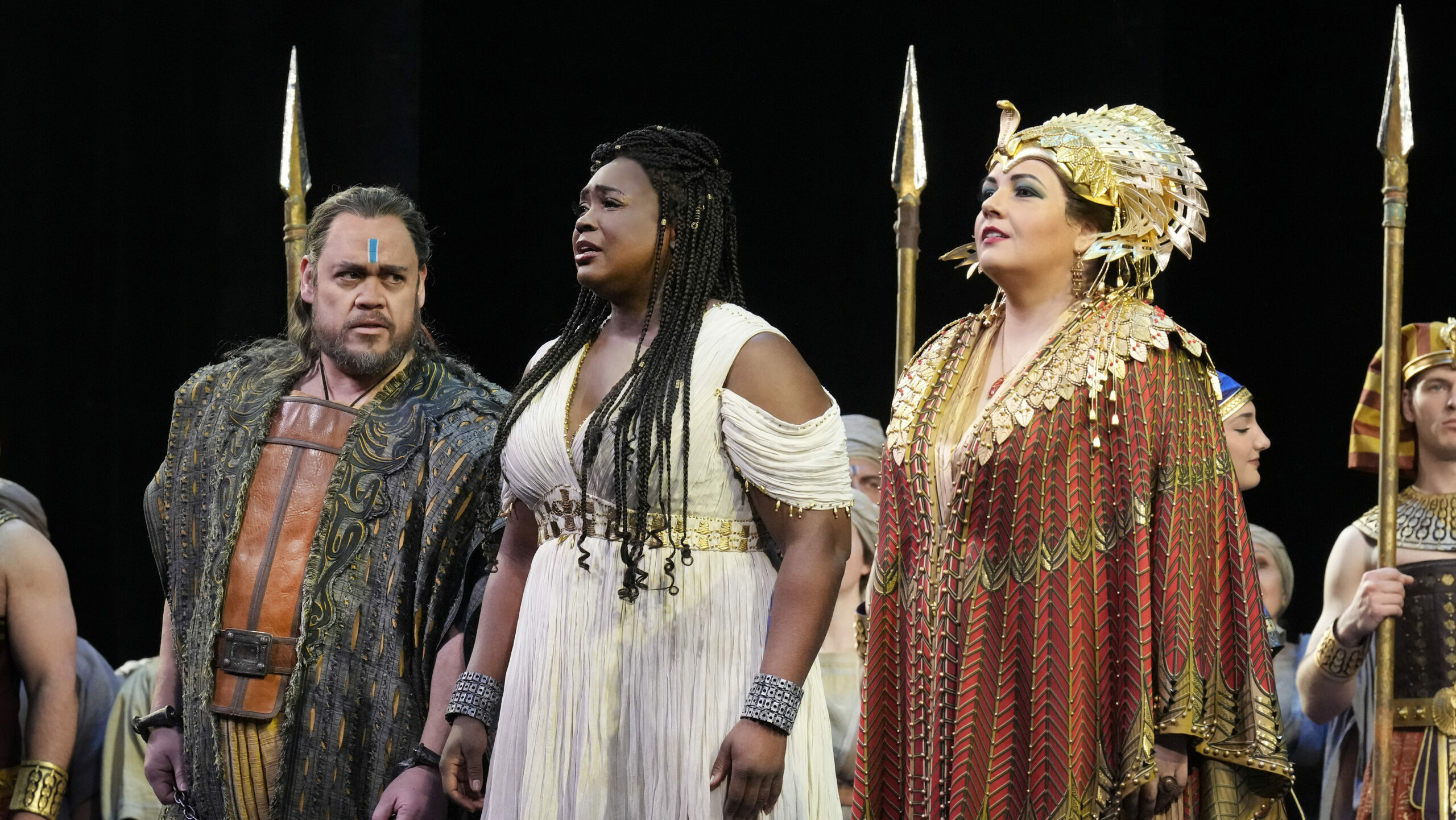
I had been hopeful that 2024 would end, if not on a high note, then one that was at least in tune.
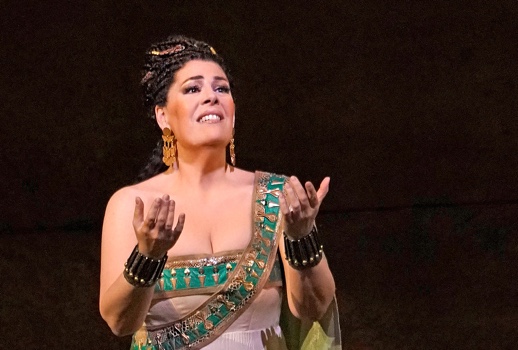
Sondra Radvanovsky returned for her 29th Met Aïda Thursday night (but only her second Aïda.)
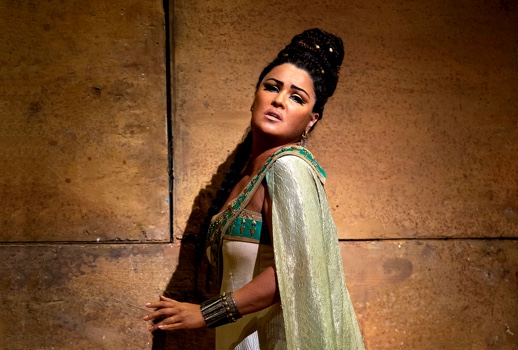
Anna Netrebko is the greatest performing artist singing opera today. Nobody else comes close; she makes me love her in a way that verges on the erotic.
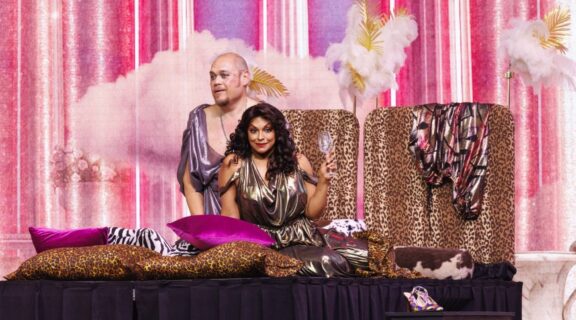
Jake Heggie and Gene Scheer‘s bubbly The Judgement of Paris brings a distinctly Californian terroir to operatic comedy.
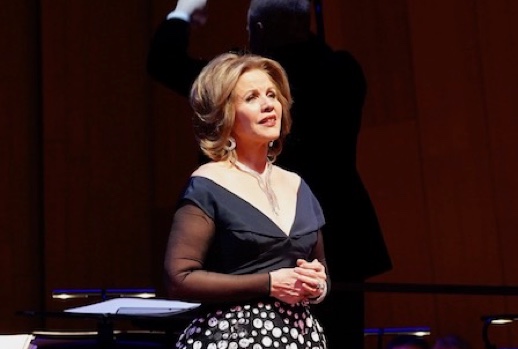
Saturday night, Lyric Opera of Chicago gave us a wonderful evening of vocalism in honoring Renée Fleming’s 25th anniversary at Lyric.
Later this month the Met at last revives its striking Herbert Wernicke production of Die Frau ohne Schatten, prompting a Chris’s Cache preview of three live recordings of Strauss and Hofmannsthal’s fanciful if knotty masterpiece.
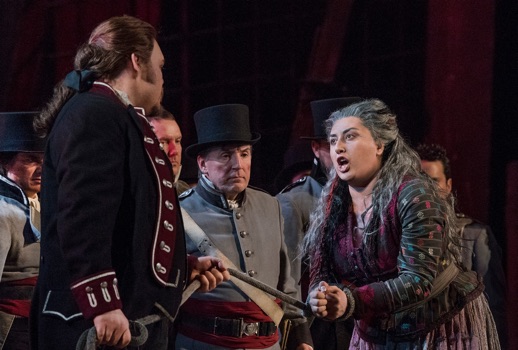
Anita Rachvelishvili and Quinn Kelsey towered over an otherwise pedestrian if still exciting Il Trovatore.
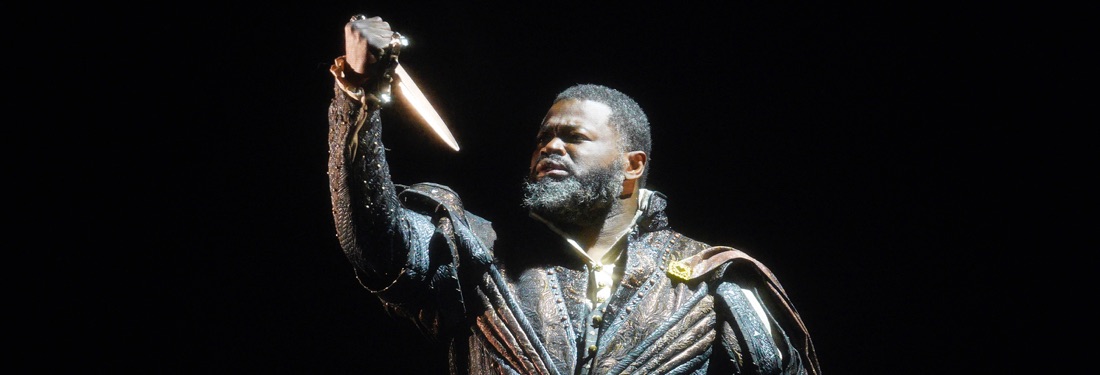
LOC’s Ernani is a satisfying evening of Verdi sung by four stars at the height of their powers.
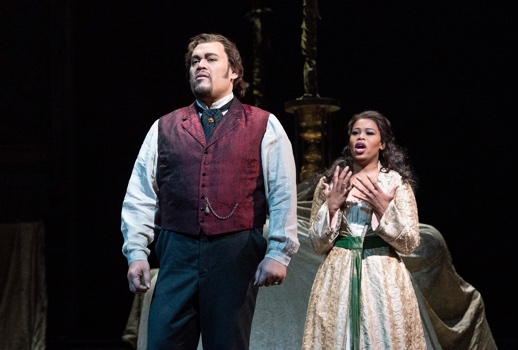
The new cast at the Met suggested an alliterative retitling of Lucia di Lammermoor was needed—perhaps Lost Loonies in Love or its Italian equivalent?
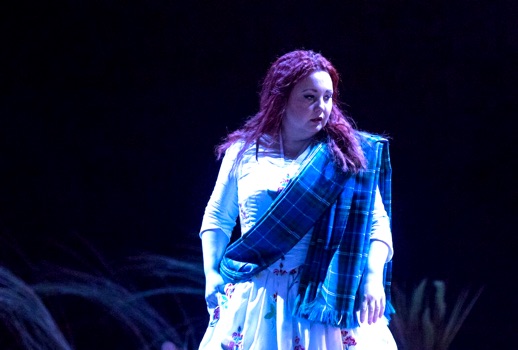
Donizetti’s bel canto masterpiece Lucia di Lammermoor returned to Chicago Lyric Opera on Saturday evening.
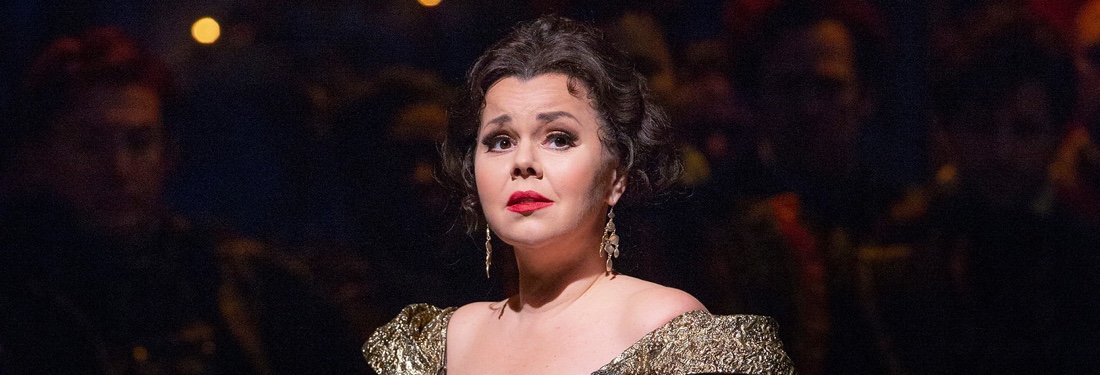
At the Metropolitan Opera on Friday night, an otherwise undistinguished Traviata was salvaged by an astonishing performance from Aleksandra Kurzak, whose Violetta was an incontrovertible triumph.
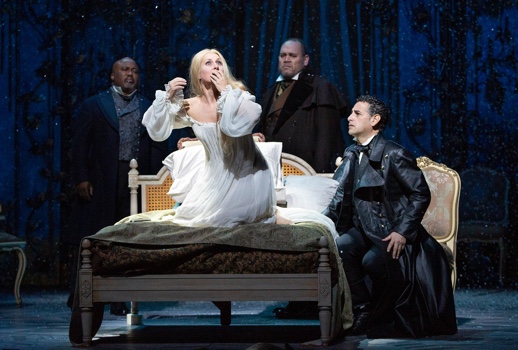
Diana Damrau‘s performance as Violetta was the work of a very ordinary artist, one susceptible to vocal flubs, poor intonation, and an all too banal approach operatic performance.
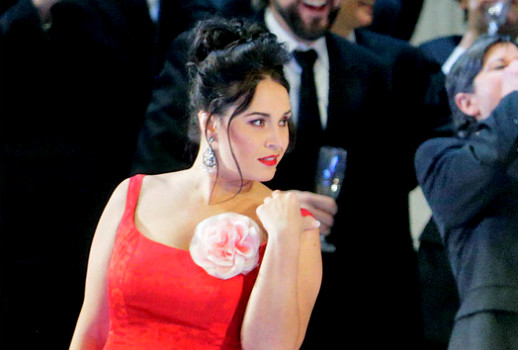
At what moment does a “rising star” become simply a “star”?

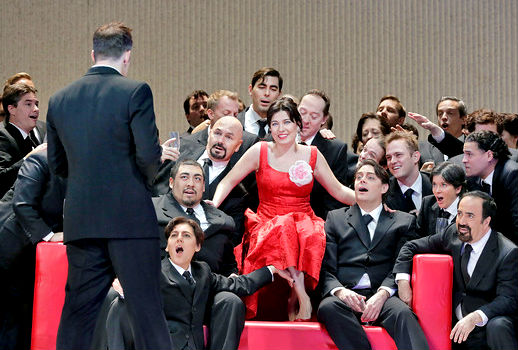
Verdi must have gotten tired of tossing and turning by now and has gone back to resting in peace.
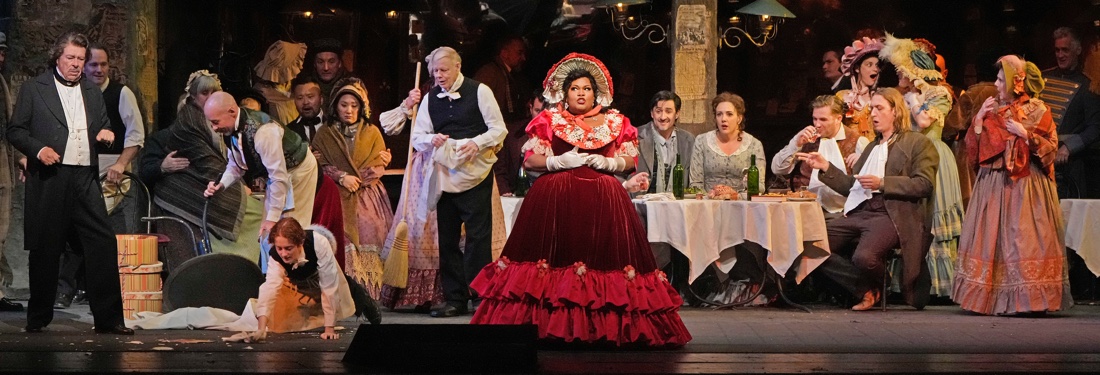
In the five short years that I’ve been in New York, I have seen that crusty old Franco Zeffirelli production of La bohème more times than I can count on one hand. And there are certainly times when that peeling mise-en-scène really shows its age.
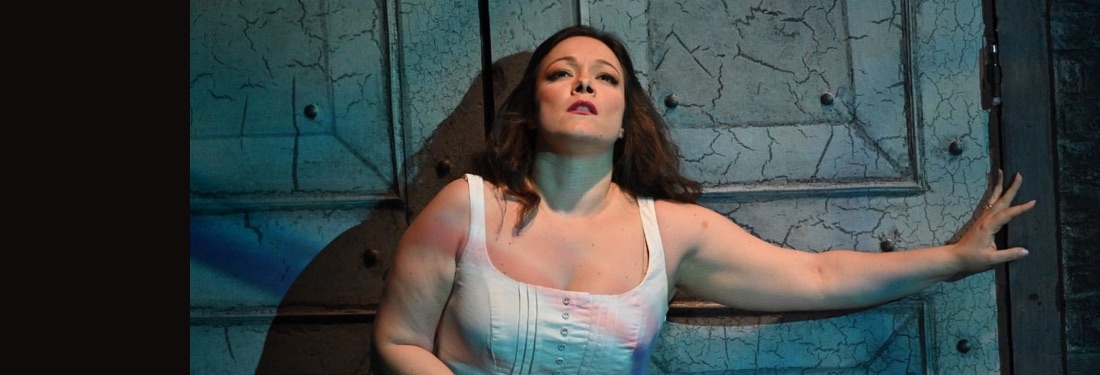
Pavarotti and Freni are gone but the Franco Zeffirelli Bohème remains.
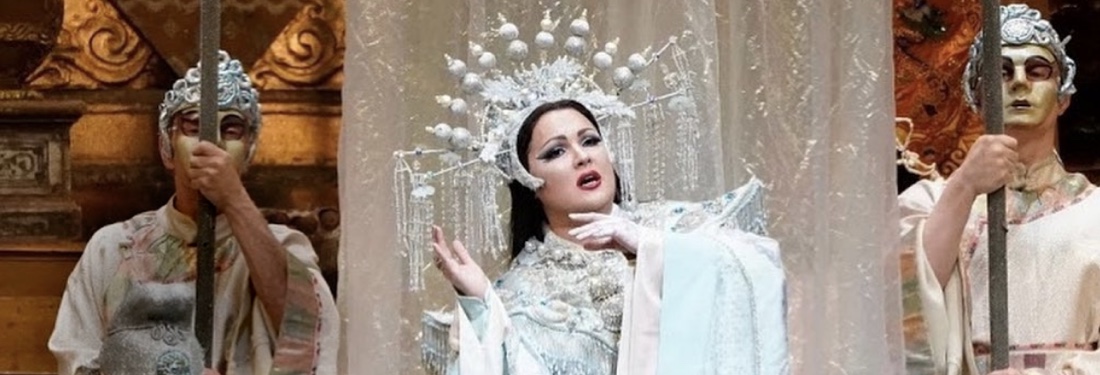
Although the gold glitter cannons detonated at the end of the act were an ostentatious reminder that this was a celebration of the new year, it seemed that the only words on anyone’s lips as the audience filed out of the theater were “Viva Netrebko!”
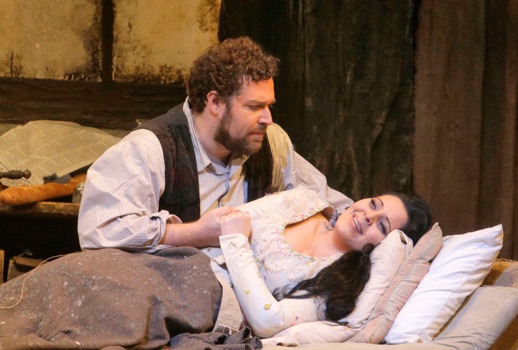
Maria Agresta‘s delicately-acted, sumptuously-sung seamstress transformed what might have been just an average Wednesday night revival into something finer.
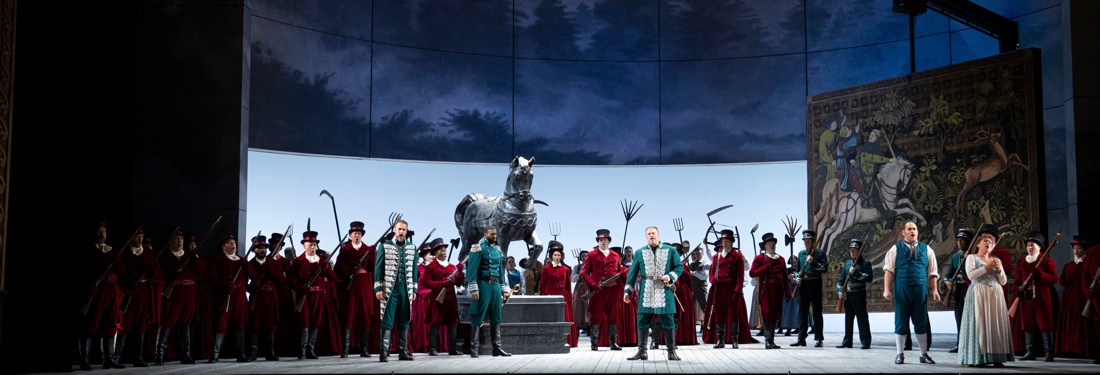
Luisa Miller snowballs toward disaster and death.
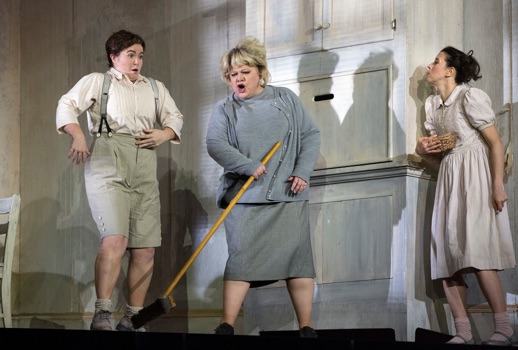
Hansel and Gretel might just be the best thing the Met has done so far this season.

On October 20th, a wet but warmish Friday night, the Metropolitan Opera opened this season’s revival of Verdi’s Un Ballo in Maschera in David Alden’s 2012 production.
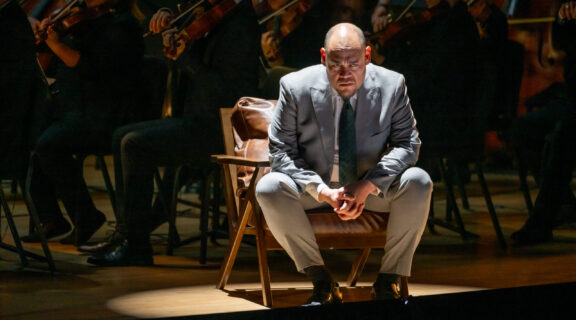
Baltimore Symphony Orchestra’s concert Rigoletto hits some vocal turbulence
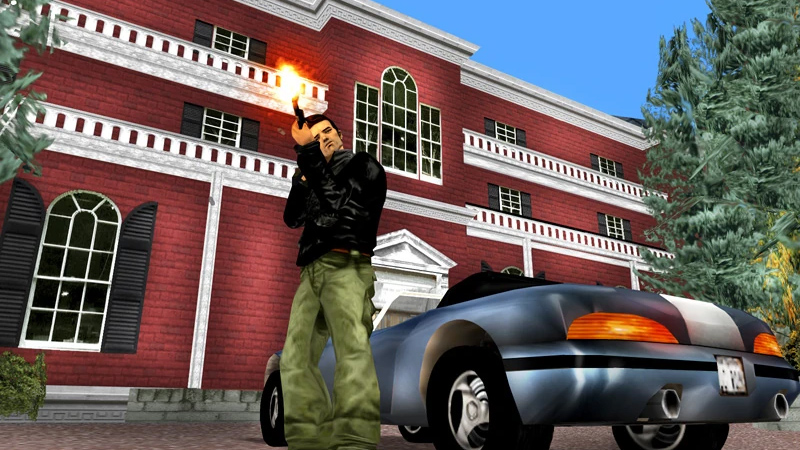
Some people were introduced to the art form listening to the Met’s NBC broadcasts on a glowing tube radio or watching acid-trip animated adaptations on the BBC or seeing Elmer Fudd sing, “Kill the Wabbit.” I came to opera through simulated drive-by shootings soundtracked by The Marriage of Figaro.
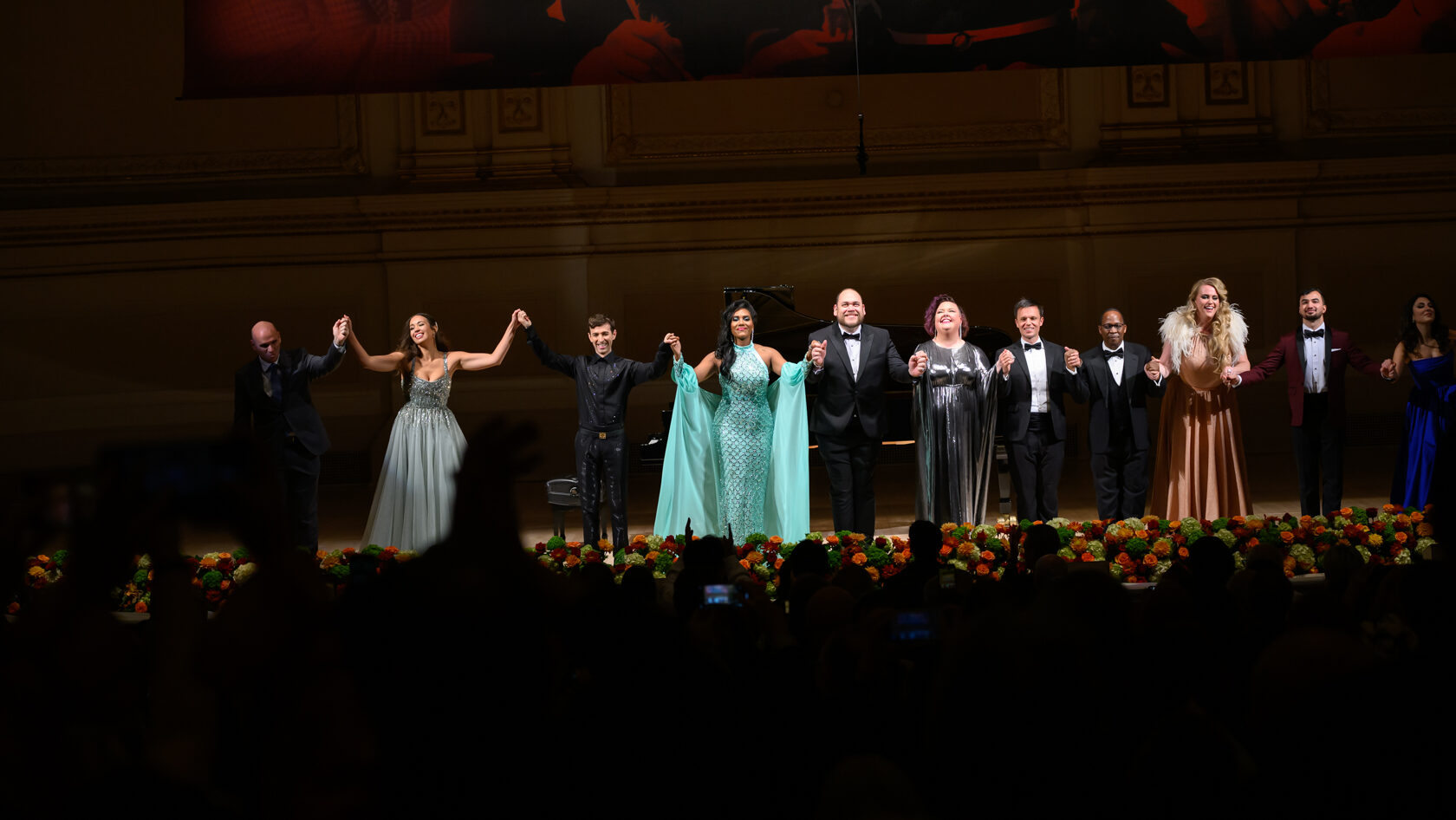
The Richard Tucker Foundation Gala has always been a big annual celebration of the voice with an emphasis on big-voiced singers in big repertoire (not much Wagner usually, though…). Like so many reliable operatic institutions it has struggled for survival after the pandemic.
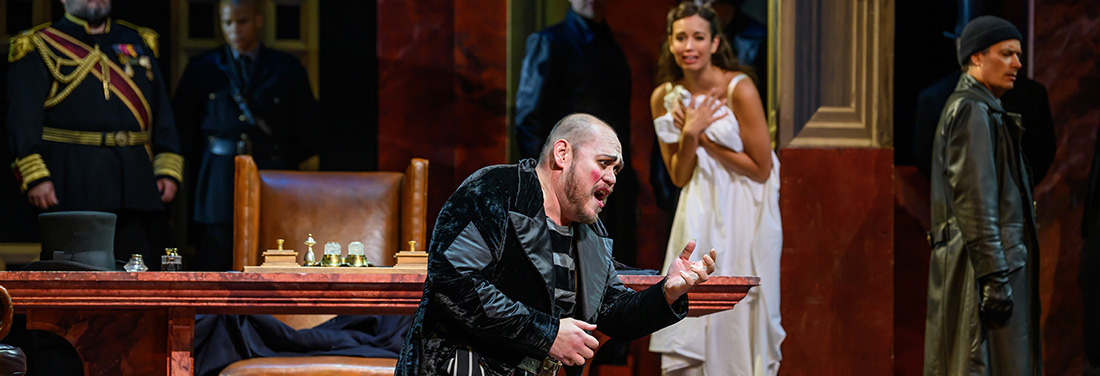
Rigoletto is the perfect opera. The story is straightforward and powerful; none of the action occurs backstage or between scenes or twenty-seven years before curtain rise; and the ethical anvil lands not once but twice, on the title character singing, “La maledizione!” The curse!

The main reason to see this revival is Benjamin Bernheim’s Duca.
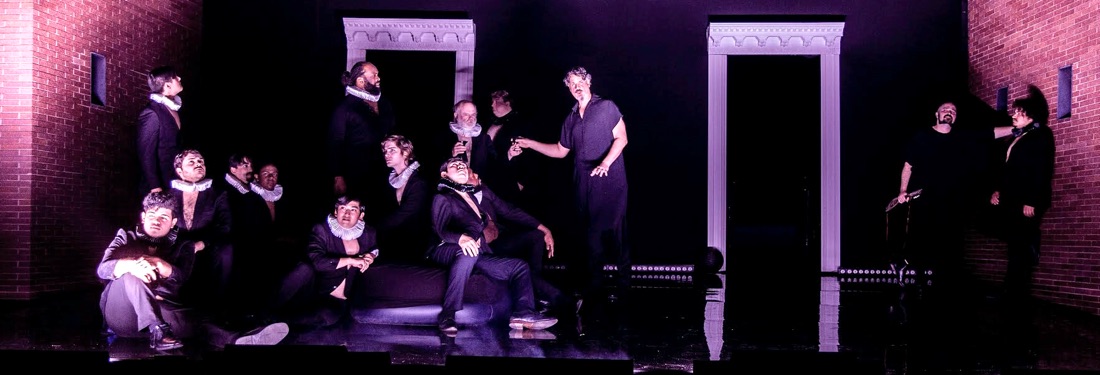
The winners of the evening were the composer Riccardo Zandonai and Teatro Grattacielo which pulled off a near-impossible feat with success.
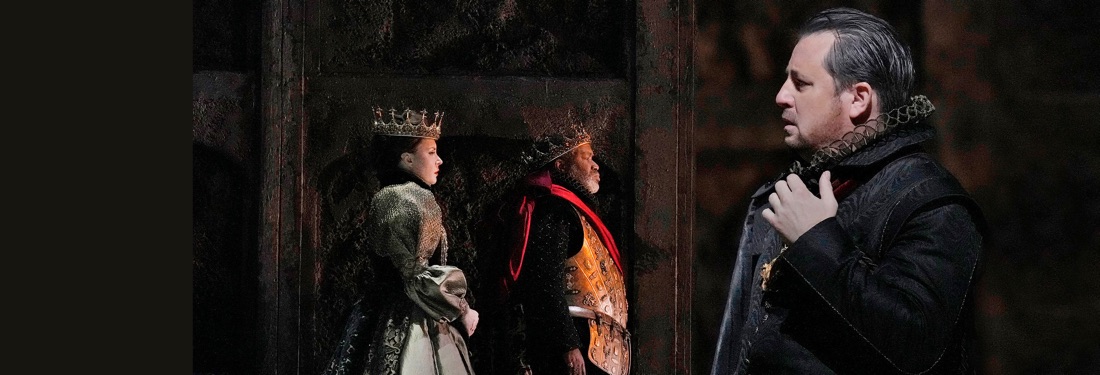
When was the last time the Metropolitan Opera mounted a new production that was musically outstanding yet the direction and/or design mostly sucked?

At the heart of this success was Quinn Kelsey’s revelatory take on Rigoletto. He was matched, vocally and dramatically, by Rosa Feola’s Gilda—a tour-de-force performance.
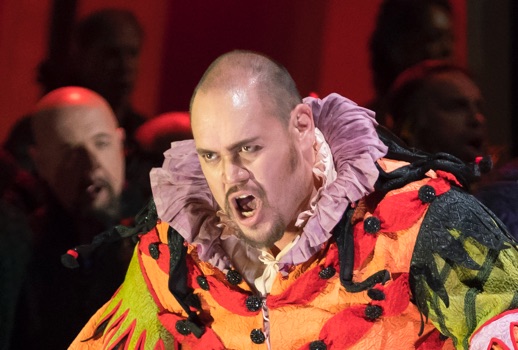
Verdi’s Rigoletto returned to Lyric Opera of Chicago, a rousing performance both musically and dramatically.
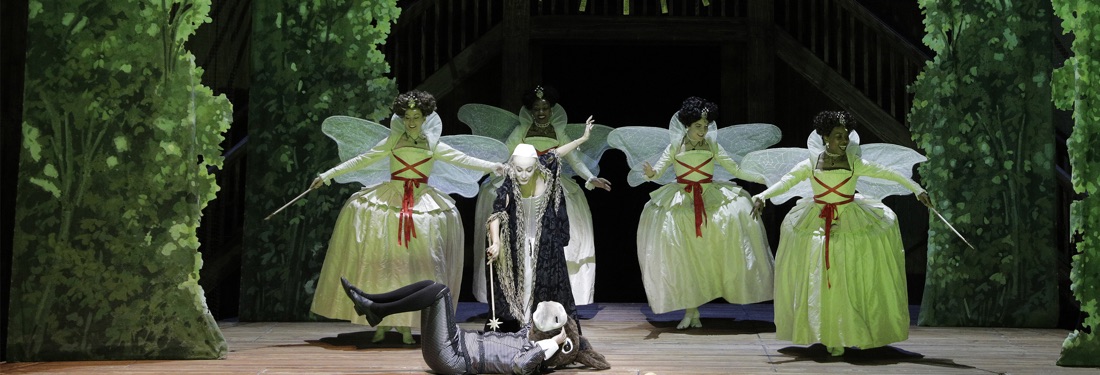
For those of you keeping track at home that’s four substitutions for three roles and the curtain hasn’t even gone up yet.
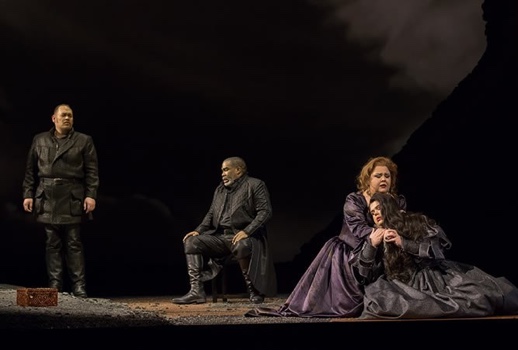
A regular day in 2018 Washington, D.C., or Verdi’s Don Carlo?
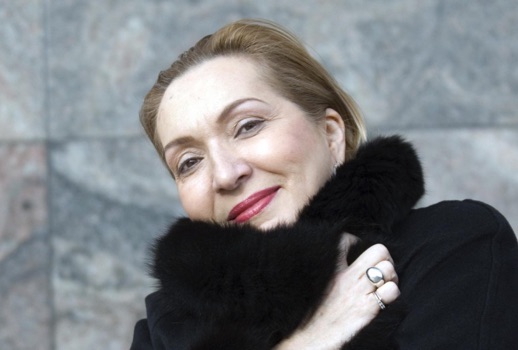
>Verdi’s marvelous yet neglected Luisa Miller finally returns to the Met later this month after an absence of a dozen years so “Trove Thursday” provides a preview.
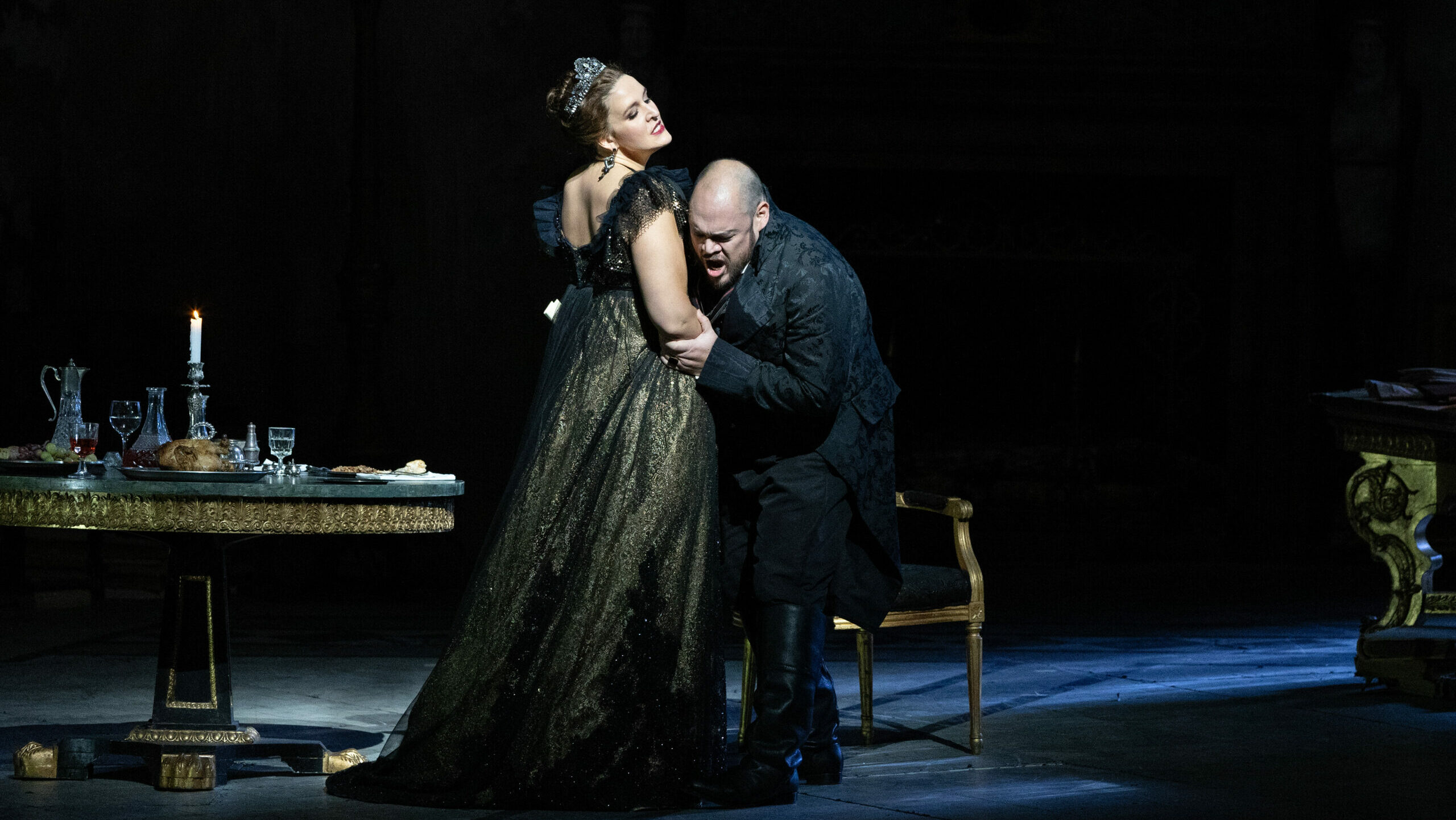
After an uneven gala performance of Tosca on Tuesday, I’m not sure what the Met means by “celebrating Puccini.”
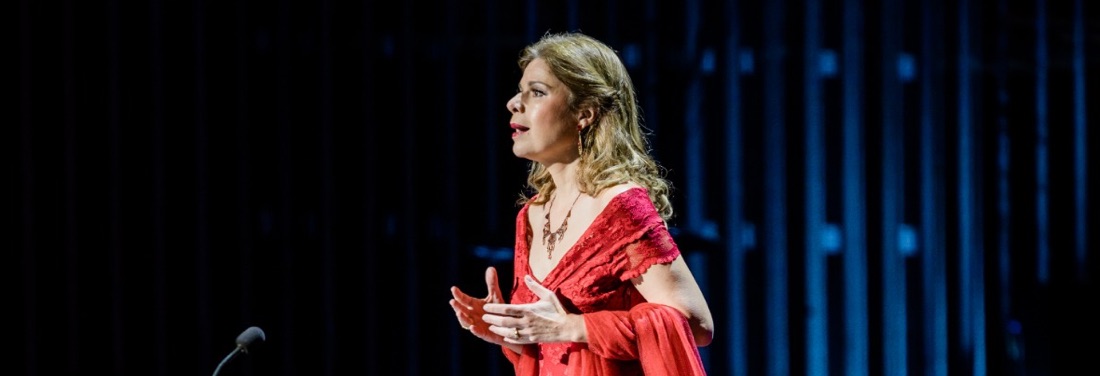
Opera is back, baby, and it’s good to be home!
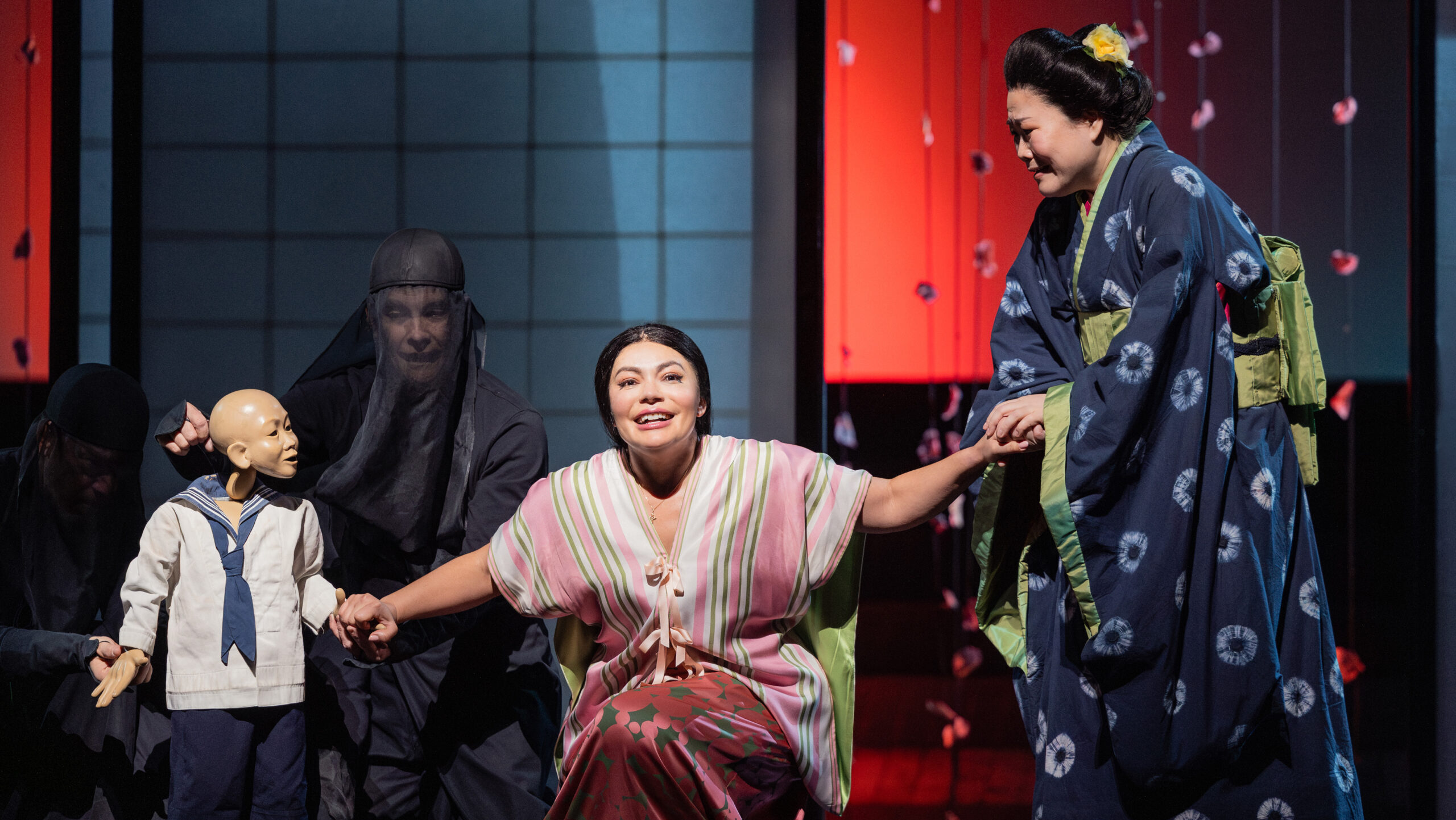
Back-to-back casts in the Metropolitan Opera’s revivals of Madama Butterfly and La traviata offer ample opportunity for soprano-gazing.

In sum: not a perfect Simon Boccanegra—is there such a thing?—but a grand and often great one.

The days are getting shorter, but you can keep the prattle going this fall’s Talk of the Town! You will, you can, you must join in the discussion about: Great mezzo soprano performances (October),
Gained in translation (November), Teleport me back to… (December).
Exclusive opera reviews, commentary, and top reads
delivered to your email weekly…ish.