
From Russia with love
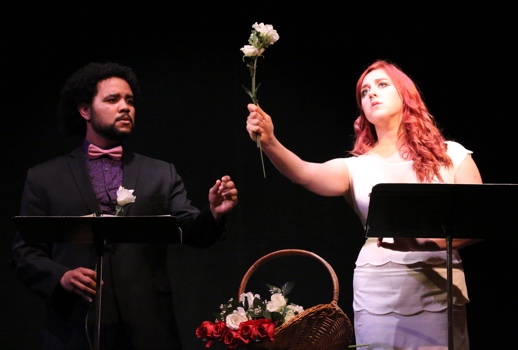
Under any circumstances, the Russian Opera Workshop’s radiant concert performance of Tchaikovsky’s Iolanta would have been an event to celebrate.
50 pieces since 2010.
Under any circumstances, the Russian Opera Workshop’s radiant concert performance of Tchaikovsky’s Iolanta would have been an event to celebrate.
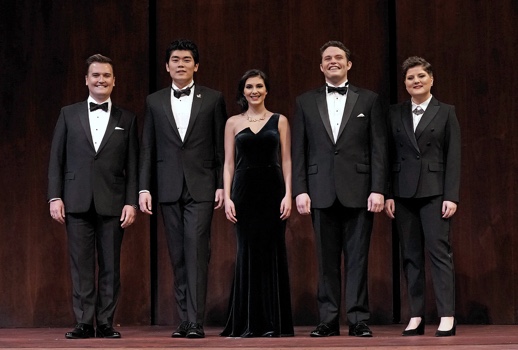
The finals on Sunday seemed a bit like the modern-day operatic equivalent of the Roman colosseum.
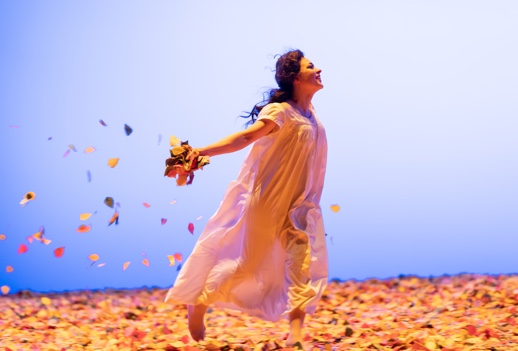
Is there any opera that can take more of a beating while still making an impact than Eugene Onegin?
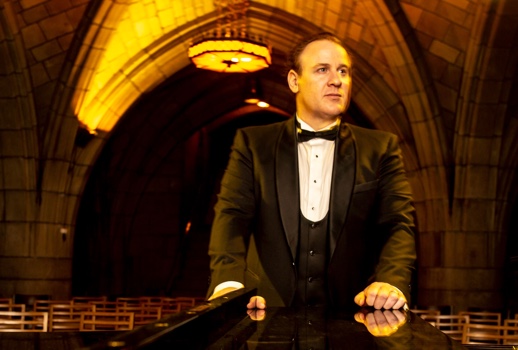
Hearing Lucas Meachem perform Kindertotenlieder in the crypt of Harlem’s Church of the Intercession was a heart-warming, and ultimately uplifting experience.

Although Gustav Mahler never wrote an opera, his colossal Eighth Symphony “The Symphony of a Thousand” may give us some glimpses of what a Mahler opera might have sounded like

If I had to live with just one Tchaikovsky opera, it would be Iolanta.
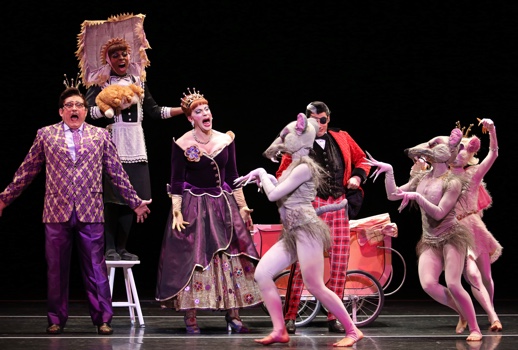
Mark Morris’ saucy, psychedelic The Hard Nut has returned to the Brooklyn Academy of Music yet again this week for its 27th Christmas since the ballet premiered in Brussels.
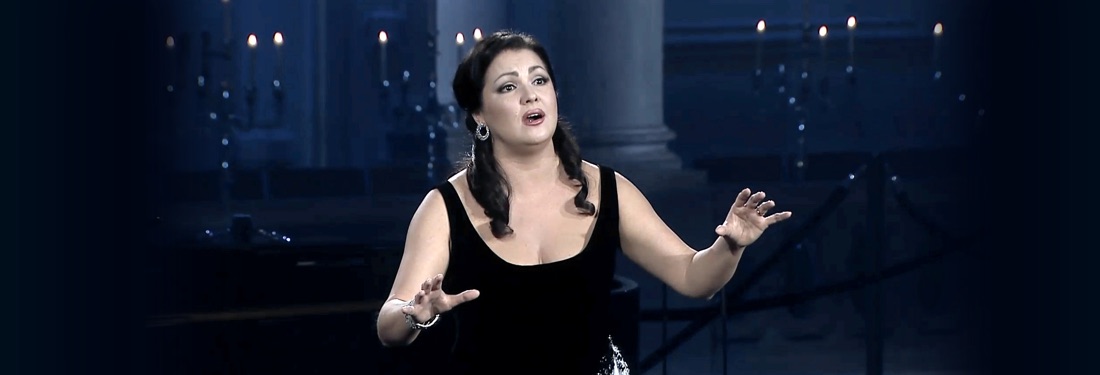
Anna Netrebko sang throughout with a palpable sense of joy and ease in vocal production, never a hint of strain or any moment forced.
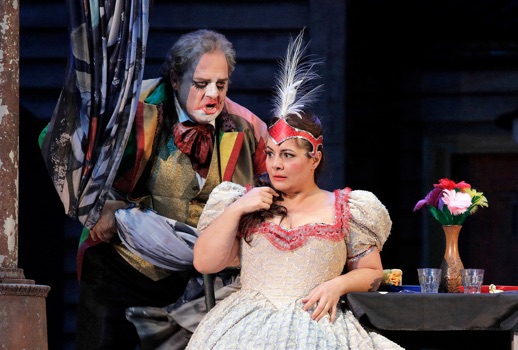
San Francisco Opera opened their 2018-19 Season Friday with a double bill of Italian verismo operas, Cavalleria rusticana and Pagliacci, which made a welcome return to War Memorial Opera House after 15 years.
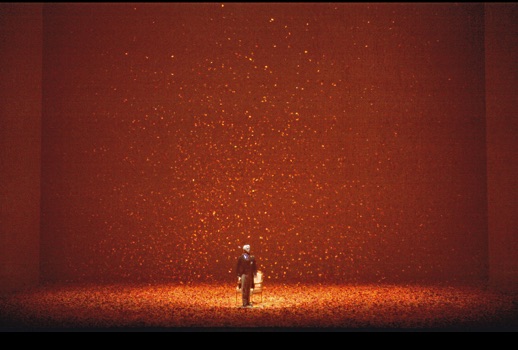
On this day in 1997 Robert Carsen made his Met debut with a new production of Eugene Onegin.
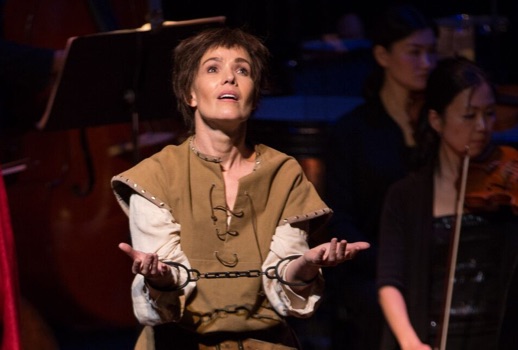
Norman Dello Joio, who was knocking about winning prizes for film and TV scores, composed The Trial at Rouen, his second opera on the subject, for NBC.
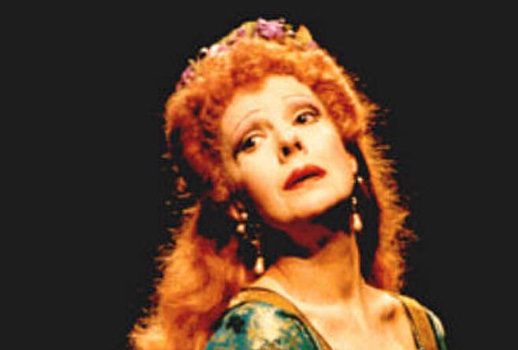
In March 1973, OONY’s second season featured Francesca da Rimini starring Raina Kabaivanska, Plácido Domingo and Matteo Manuguerra.
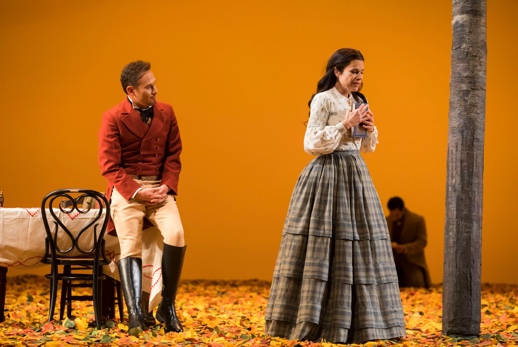
Lyric Opera of Chicago concluded its 2016-17 season with a spellbinding and wonderfully sung production of Tchaikovsky’s familiar Eugene Onegin.
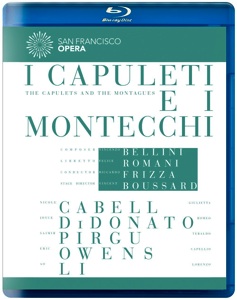
The key to enjoying Bellini’s I Capuleti e Montechi is to do a hard factory reset and reformat your brain to forget all other works based on Romeo and Juliet.

Pytor Ilyich Tchaikovsky’s Eugene Onegin is his masterwork and its themes of social convention and unrequited longing surely struck a deep chord in a composer who, in late 19th century Russia, was gay and had to conduct himself carefully.
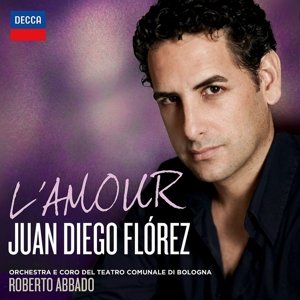
When Norman Lebrecht is declaring on an almost daily basis that classical music is dead, it’s perhaps heartening that four of today’s prominent tenors have recently released what might be called fluff/vanity albums.
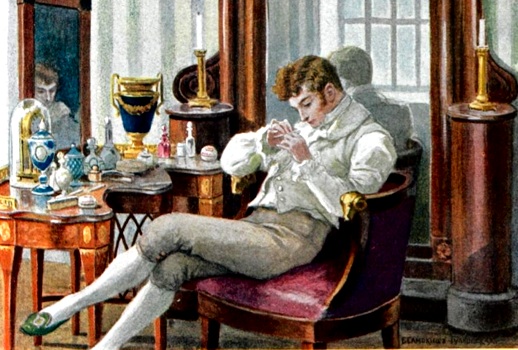
Well, “extreme” is such an, oh, how shall I put it… extreme word, my dears; really La Cieca is no more than the humble intermediary here between Mike Richter‘s CD-ROMs and you, the cher public. This time our treat from the trove is Eugene Onegin, a selection from his disc devoted to the Metropolitan Opera […]
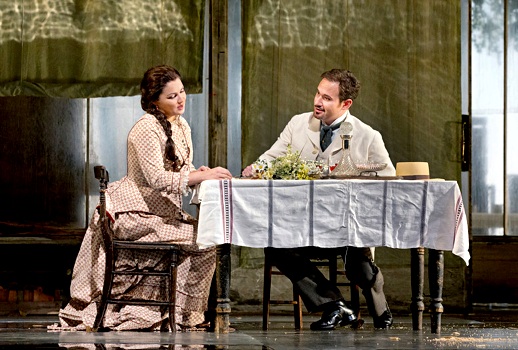
Last night, the Met opened the 2013-14 season with a handsome, fairly conservative new production of Eugene Onegin by Deborah Warner that replaces the handsome, fairly conservative one by Robert Carsen. (The trend is clear.)
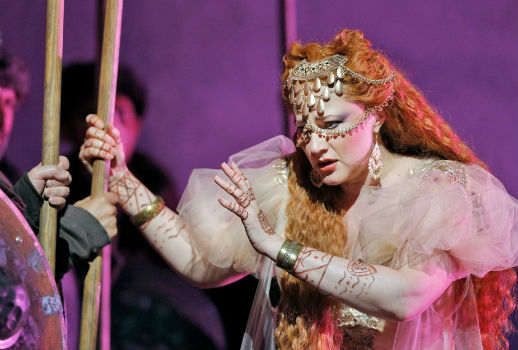
Sergey Taneyev, pupil of Tchaikovsky and teacher of Scriabin and Rachmaninov, composed just one opera, Oresteia, premiered in 1895 when he was 39.
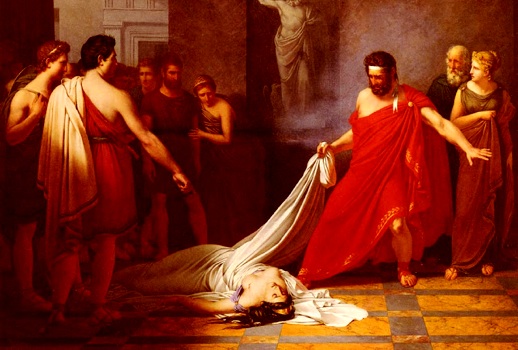
Taneev was quite a high-minded fellow, so it’s not altogether surprising that nothing less than Aeschylus (and the whole of his Oresteia!) would suffice as a libretto for his first and only opera.
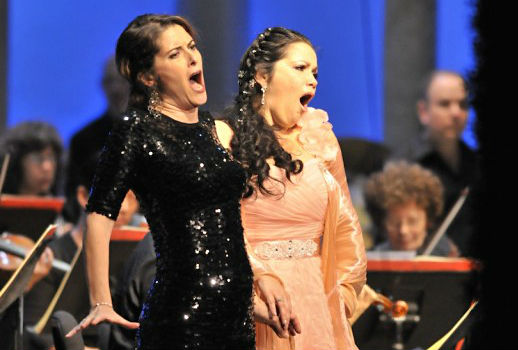
Richard Wagner told Cosima he first got the idea of composing an opera about Tristan and Isolde while he was conducting Bellini’s I Capuleti e i Montecchi starring his muse, Wilhelmine Schröder-Devrient, in the trouser role of Romeo.
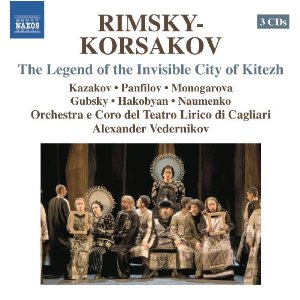
The story is enough of a cipher to make any regie-bent director salivate.
Nathan Gunn (not really pictured) made his debut as Eugene Onegin in Cincinnati Opera’s production of Tchaikovsky’s opera last night. He certainly has the physicality for the part and the vocal potential. In this performance he sang well and expressively but without the heft to fully project over the orchestra.
New York Festival of Song’s Manning the Canon: Songs of Gay Life is a delightfully lighthearted, deeply personal, and colorful recital made of equal parts sex, camp, melancholy, and tenderness. Steven Blier‘s wide-ranging program consists of five sets of songs, each meant to evoke, as per his program notes, “a quintessential moment of a gay […]

The days are getting shorter, but you can keep the prattle going this fall’s Talk of the Town! You will, you can, you must join in the discussion about: Great mezzo soprano performances (October),
Gained in translation (November), Teleport me back to… (December).
Exclusive opera reviews, commentary, and top reads
delivered to your email weekly…ish.