
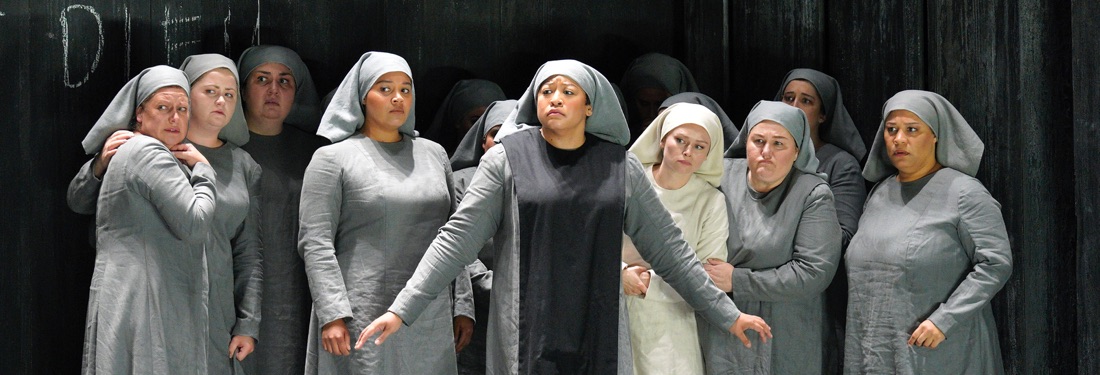
A study in simplicity and profundity
“The function of prayer is not to influence God, but rather to change the nature of the one who prays” – Soren Kierkegaard
29 pieces since 2016 — in 10 roles, at 9 companies, most often at Metropolitan Opera.
“The function of prayer is not to influence God, but rather to change the nature of the one who prays” – Soren Kierkegaard
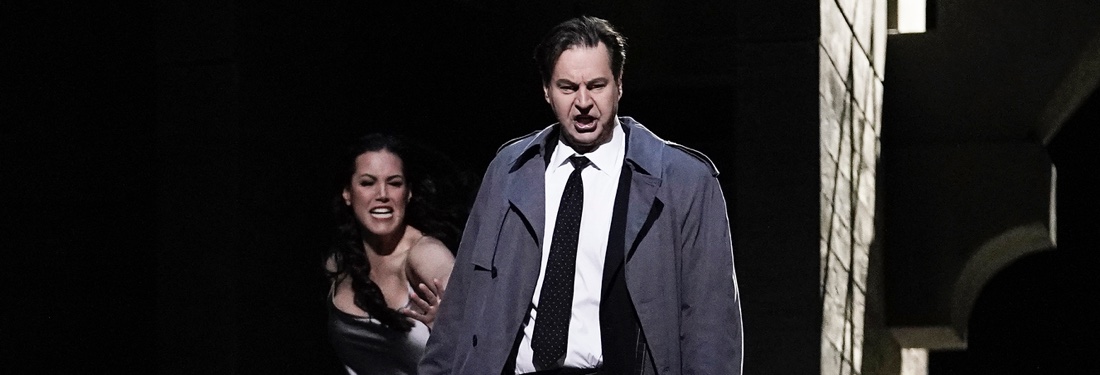
Like a sommelier of male entitlement, Peter Mattei paired with precision moves from a wide-ranging vocabulary of gesture.
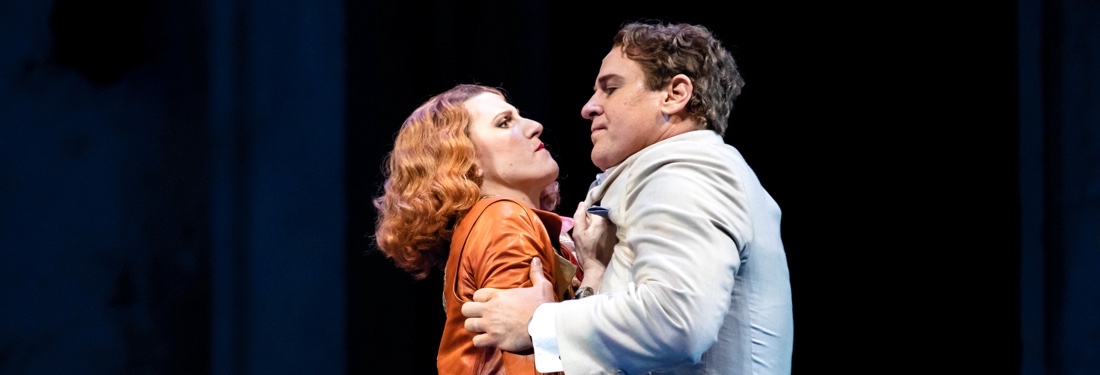
Lyric Opera of Chicago’as Don Giovanni lands smack dab in the middle of our current debate about wanted or unwanted sexual advances and outright sexual abuse.
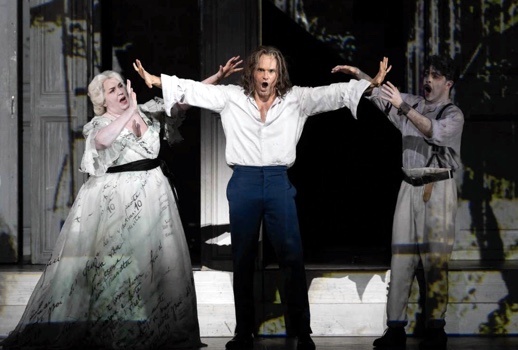
Mozart appears to find promiscuity a source of humor rather than something that is a fundamental problem.

This Sunday marked a muted return of the Richard Tucker Foundation Gala, which had the dubious distinction of the fourth edition not to feature a prizewinner and perhaps the first not to provide complete orchestral and choral accompaniment for its performers.
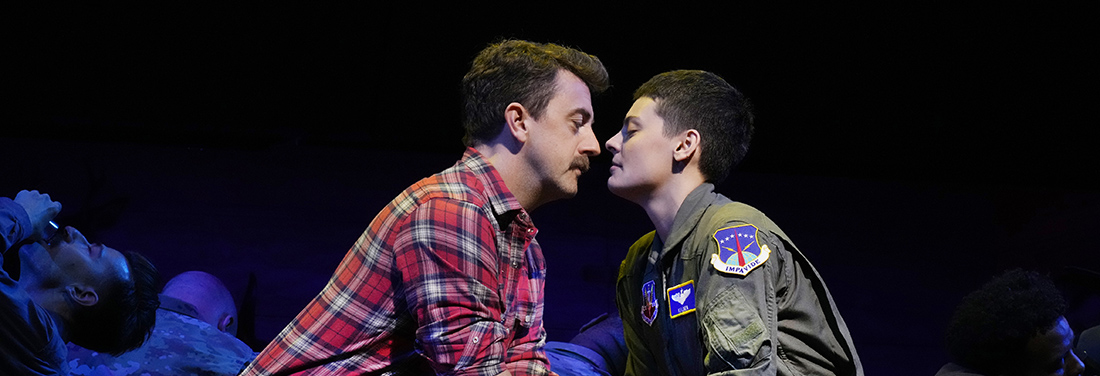
It’s not so much that I hated the Met Opera’s Grounded. I’m just not convinced that it should have been an opera.
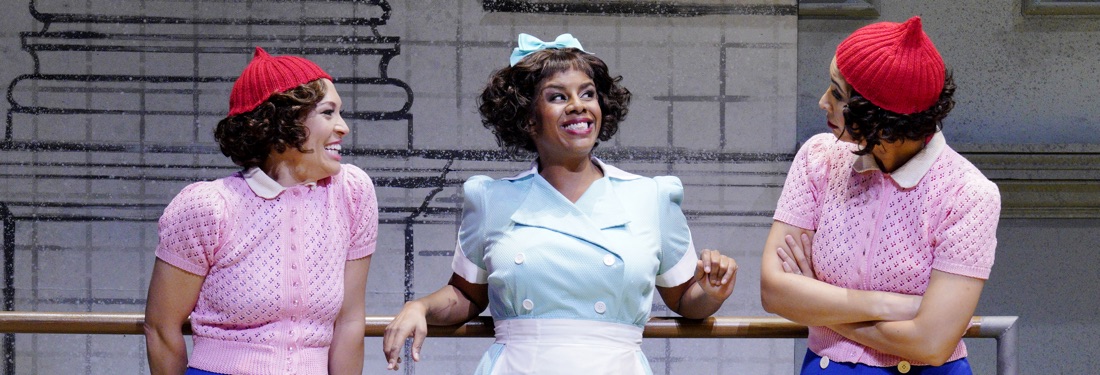
In San Francisco Opera’s new Così fan tutte, the elements that most visibly read as “American” were a penchant for slapstick humor, overcooked blocking, and an abundance of cartoonish period costumes that hobbled the opera’s first act.
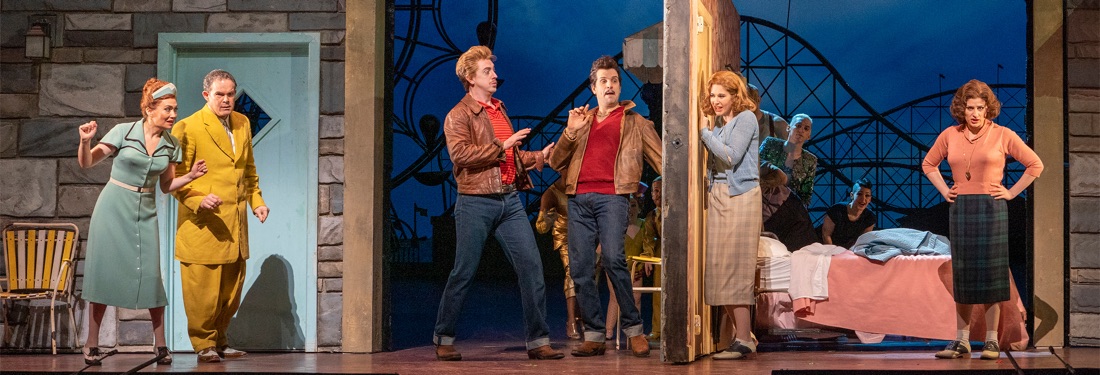
Saturday’s performance of Così fan tutte demonstrated that even the cool, acerbic wit of Mozart’s most controversial comedy can warm our hearts in these icy winter months.
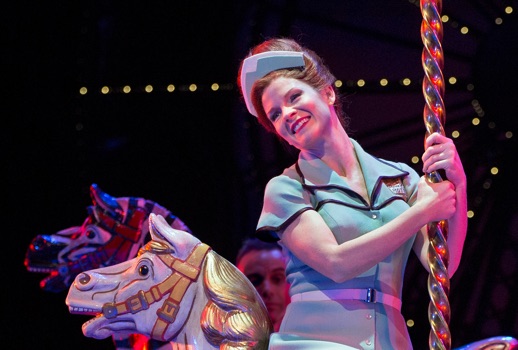
As Despina in the Metropolitan Opera’s new production of Così fan tutte, Kelli O’Hara injects much needed vitality into an otherwise lethargic evening.
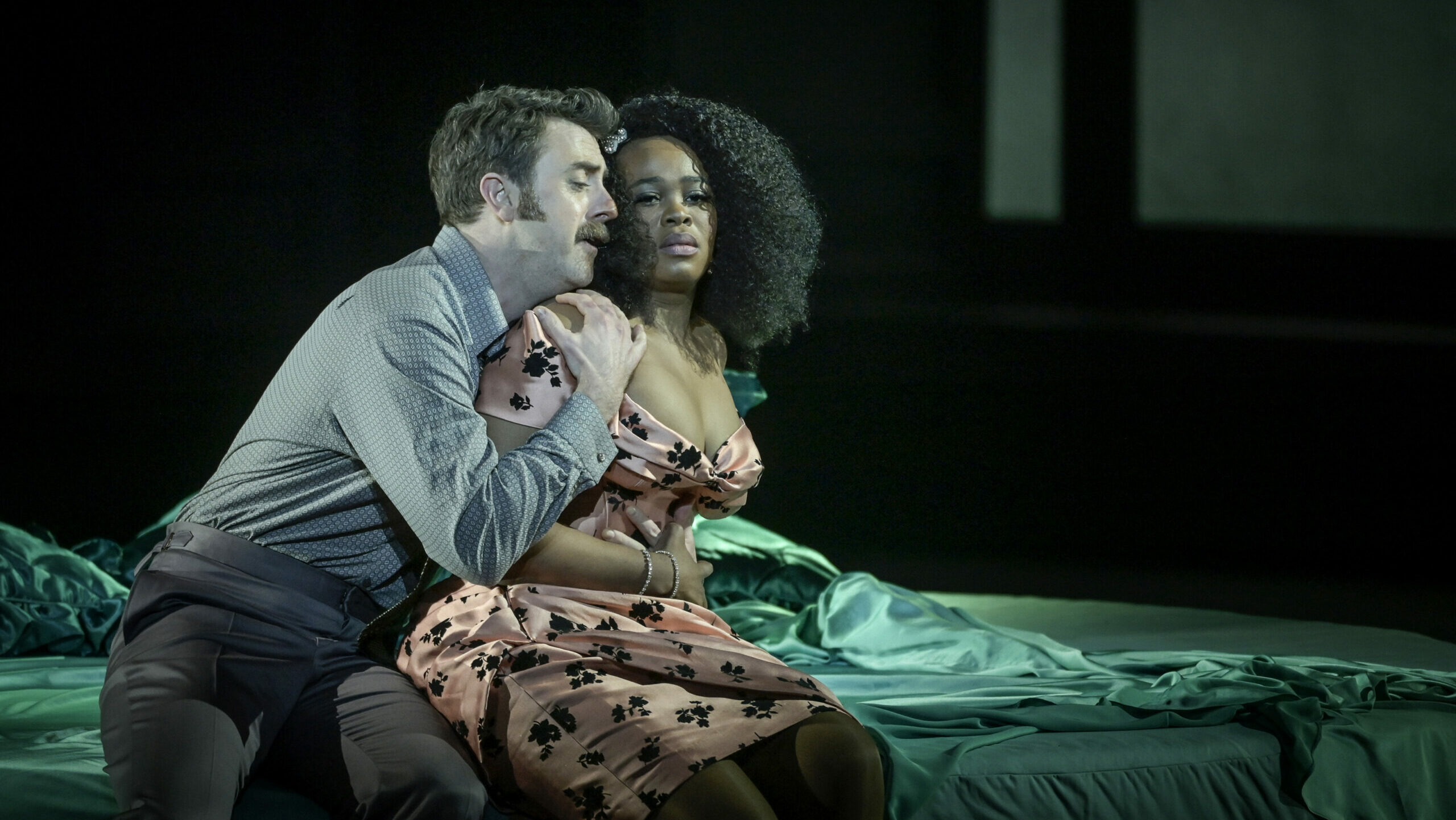
Even if our monolingual American tourists can be the source of vexation for many a Parisian, our singers gave much for the city’s operagoers to admire this month in stylish productions of Semele at the Théâtre des Champs-Élysées and I Puritani at the Opéra Bastille.
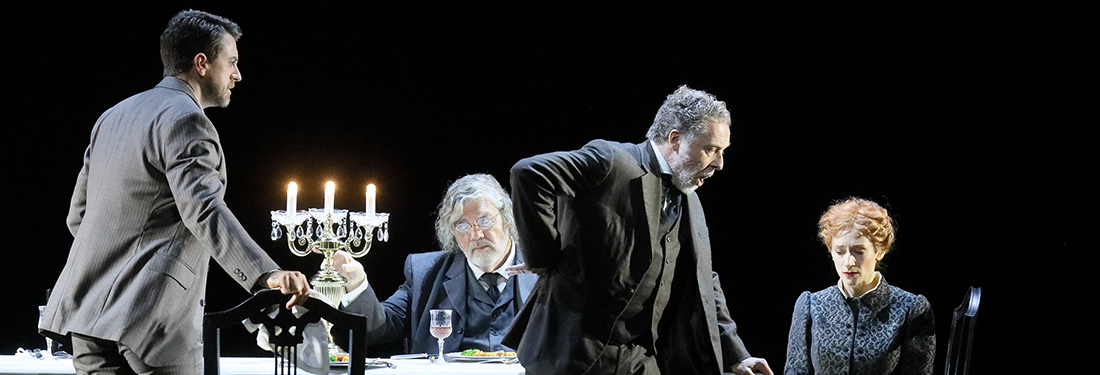
This July, Munich played host to hordes of football fans in town for the European Championship—and arguably the two finest working sopranos today.
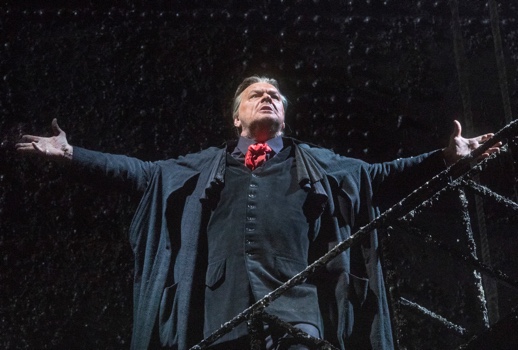
The wild tempest that whipped and drenched the audience as it exited the Met after Tuesday’s season premiere of Wagner’s Der Fliegende Holländer mirrored the finer features of the evening.
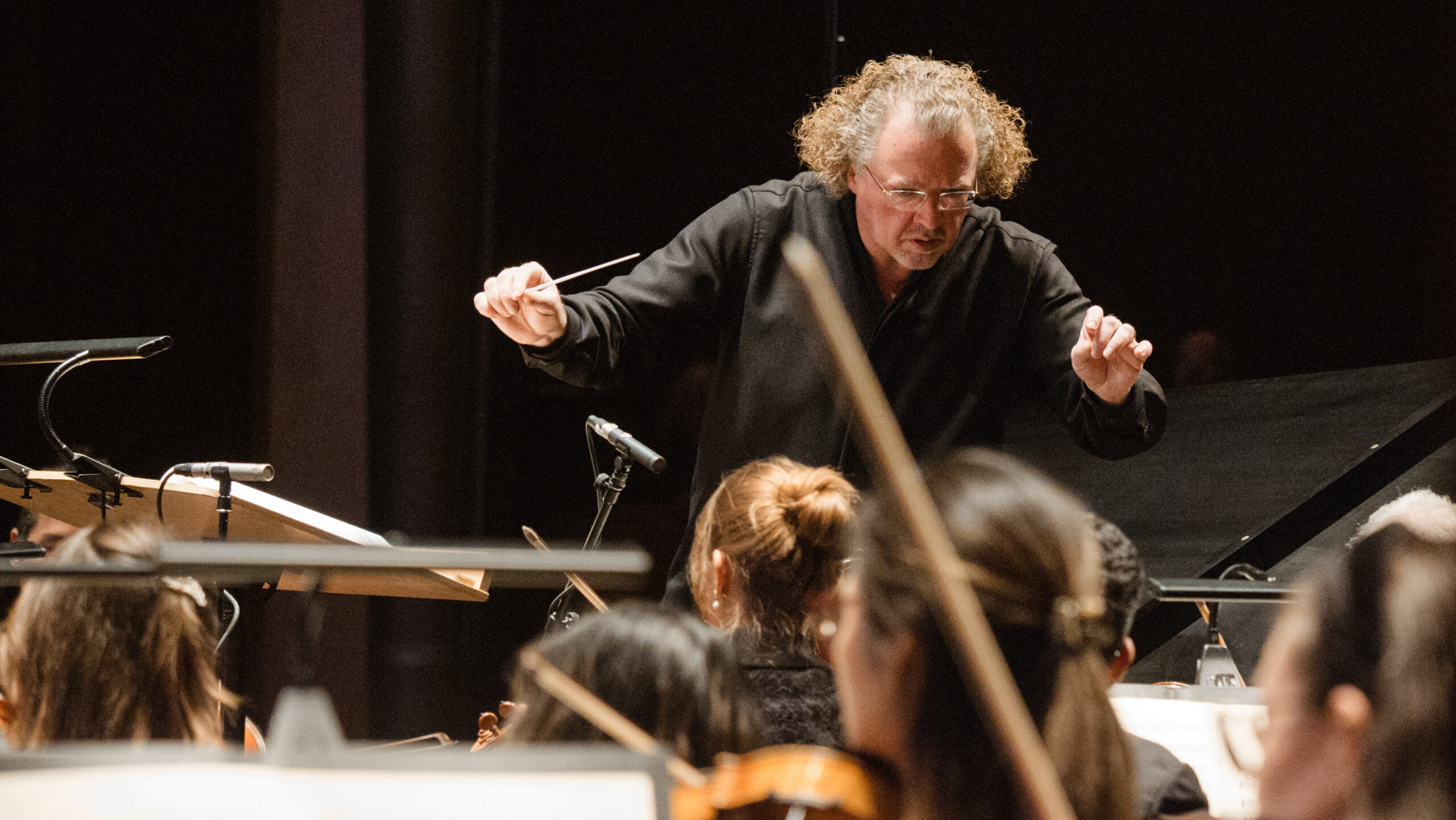
The St. Louis Symphony Orchestra under conductor Stéphane Denève plays up the schtick in a concert performance of The Magic Flute – and obscures Mozart’s magic in the process.

The Met Orchestra Chamber Ensemble’s Das Lied von der Erde skirts the sublime at Carnegie Hall
Look, for one of the most-staged operas in the repertoire, Mozart’s Die Zauberflöte seems awfully difficult to stage.
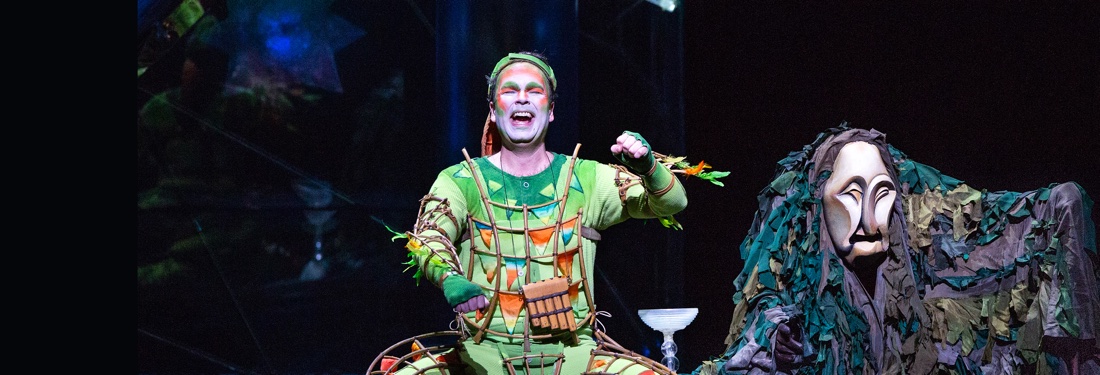
Do you ever wonder how easy it is to invent a Christmas tradition?
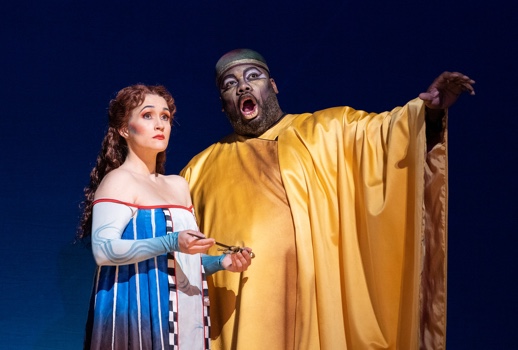
Heretofore I’d avoided the Met’s abridged, English-language holiday presentations.
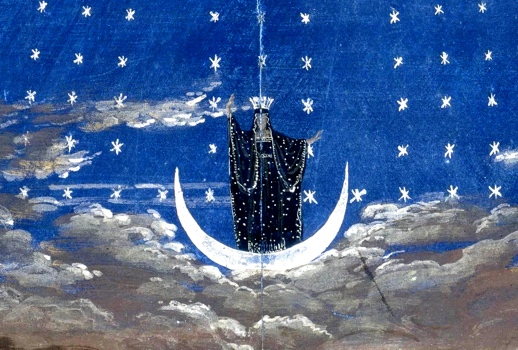
This year’s Salzburg Festival opens Saturday with a new production of Mozart’s Die Zauberflöte, an opera often performed elsewhere in translation, so “Trove Thursday” offers two for the price (!) of one.
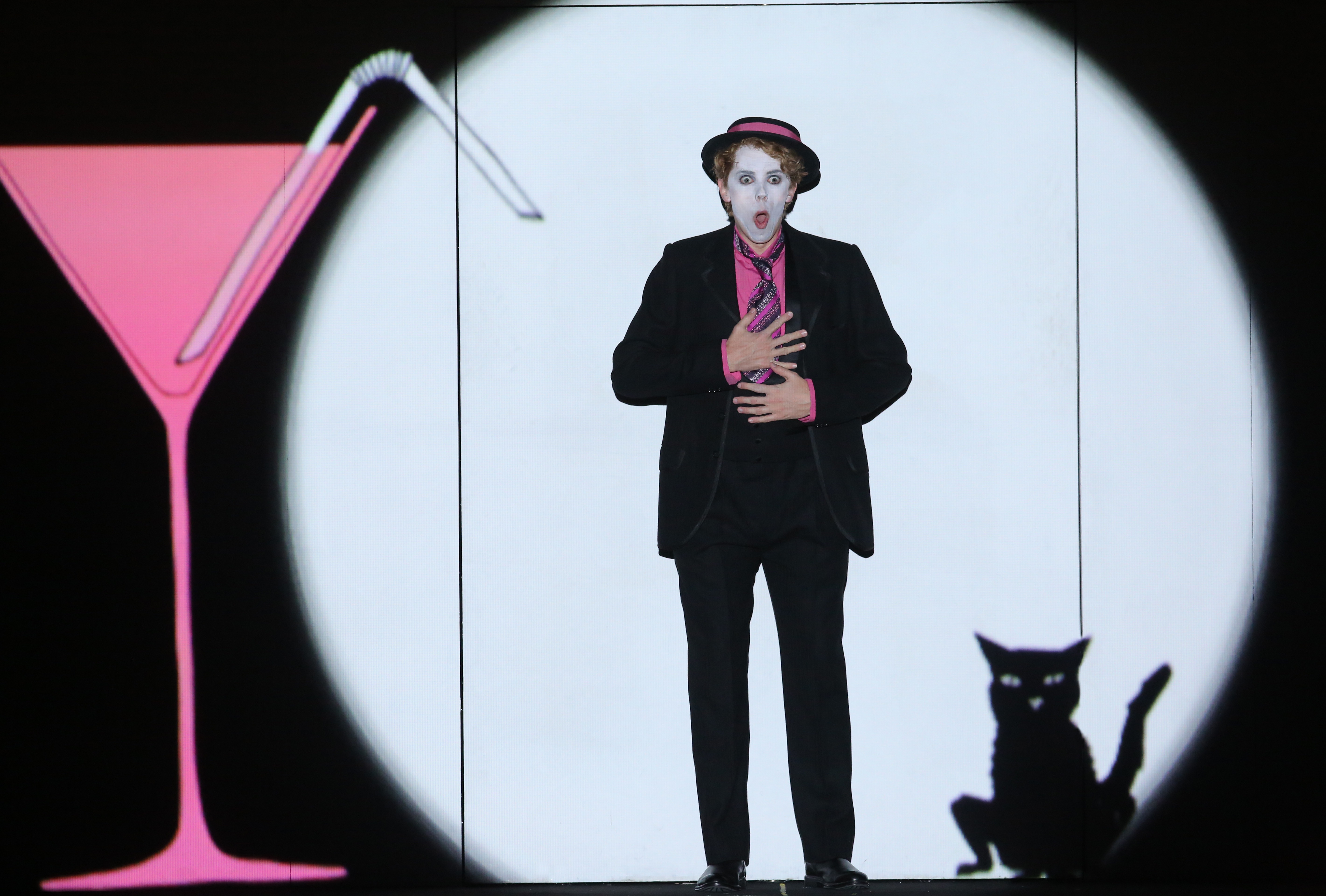
The revival of Mozart’s The Magic Flute at the Music Center downtown, last seen at LA Opera in 2013, is reason for jubilation for everyone except perhaps the singers engaged.

It was, at least, a jolly good show. Whether or not it actually suited Stravinsky’s music or Auden and Kallman’s text, is another question.
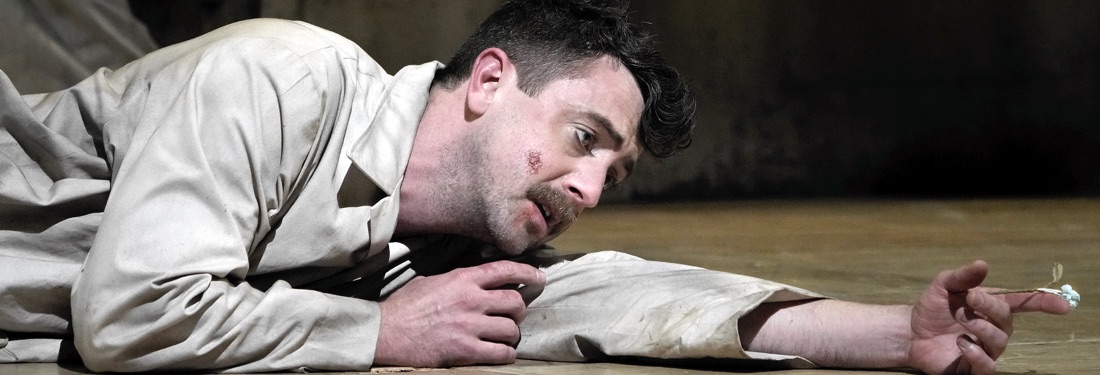
The opera The Rake’s Progress, as many people know already, was inspired by a series of engravings and paintings of the same name by William Hogarth, showing the decline of a young man into depravity and insanity.

The days are getting shorter, but you can keep the prattle going this fall’s Talk of the Town! You will, you can, you must join in the discussion about: Great mezzo soprano performances (October),
Gained in translation (November), Teleport me back to… (December).
Exclusive opera reviews, commentary, and top reads
delivered to your email weekly…ish.