
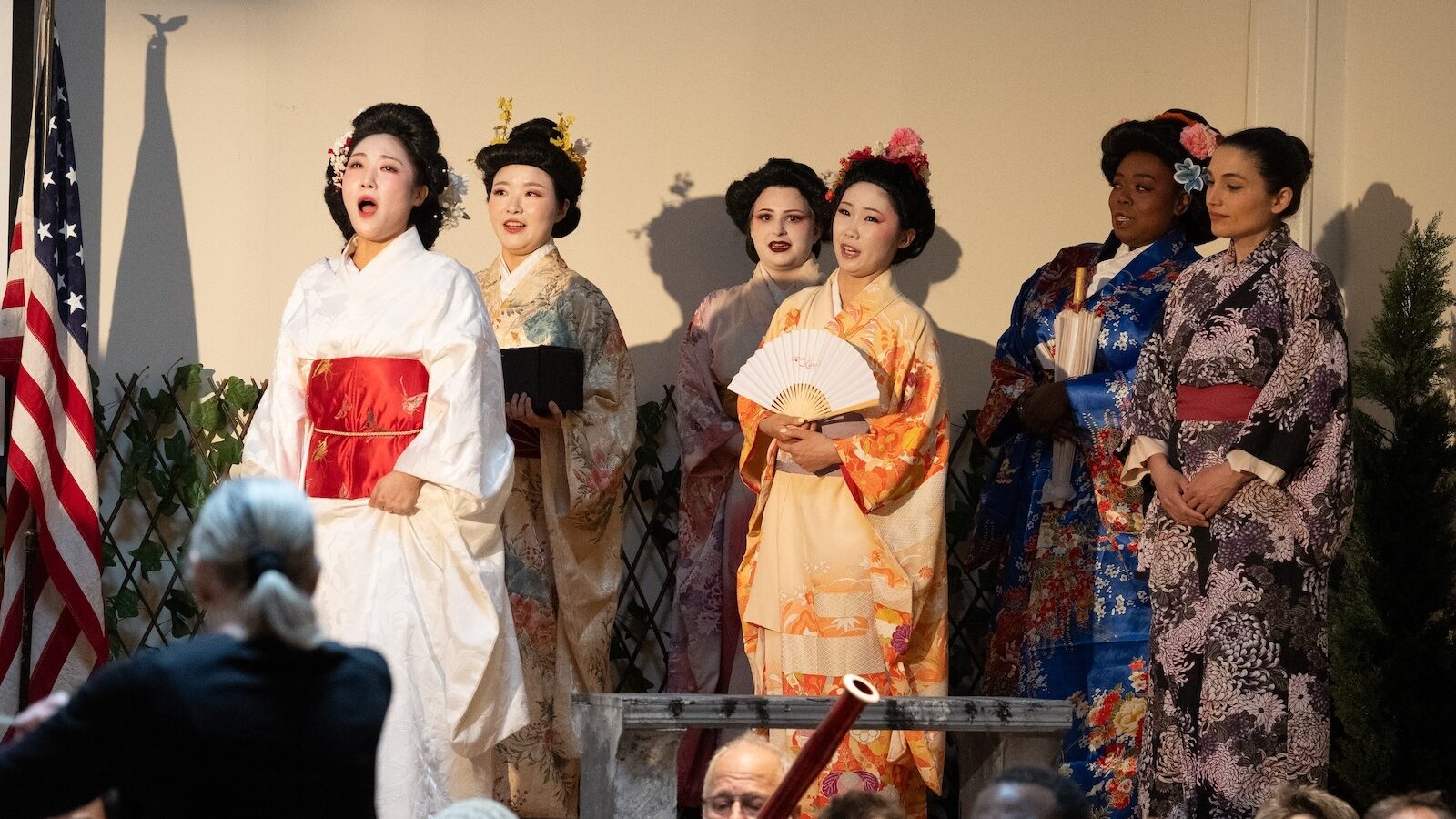
Povera Butterfly
A parade of young singers delight in an intimate Madama Butterfly at Amore Opera
280 pieces since 2007 — at 5 companies, most often at Metropolitan Opera.
A parade of young singers delight in an intimate Madama Butterfly at Amore Opera
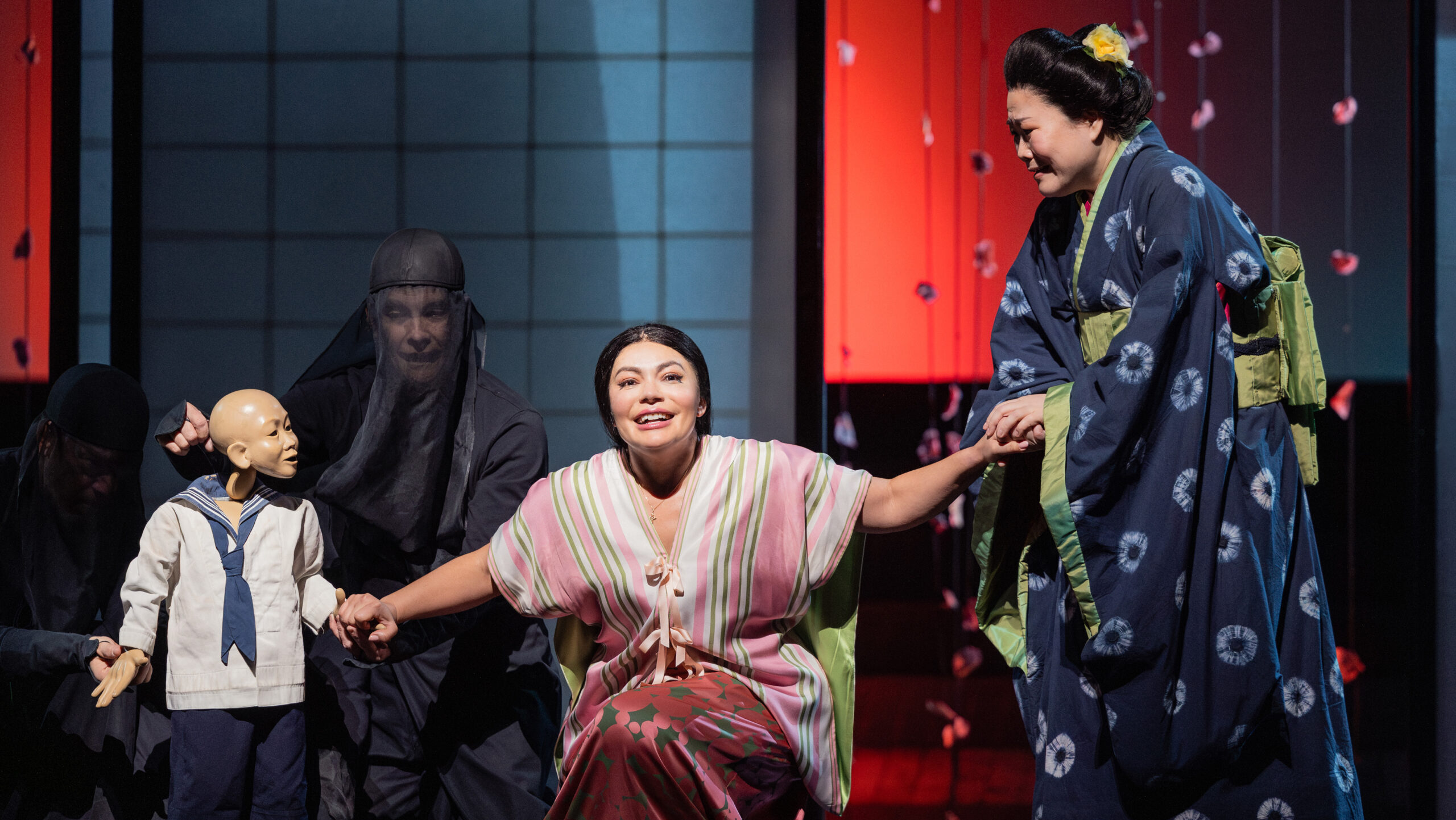
Back-to-back casts in the Metropolitan Opera’s revivals of Madama Butterfly and La traviata offer ample opportunity for soprano-gazing.
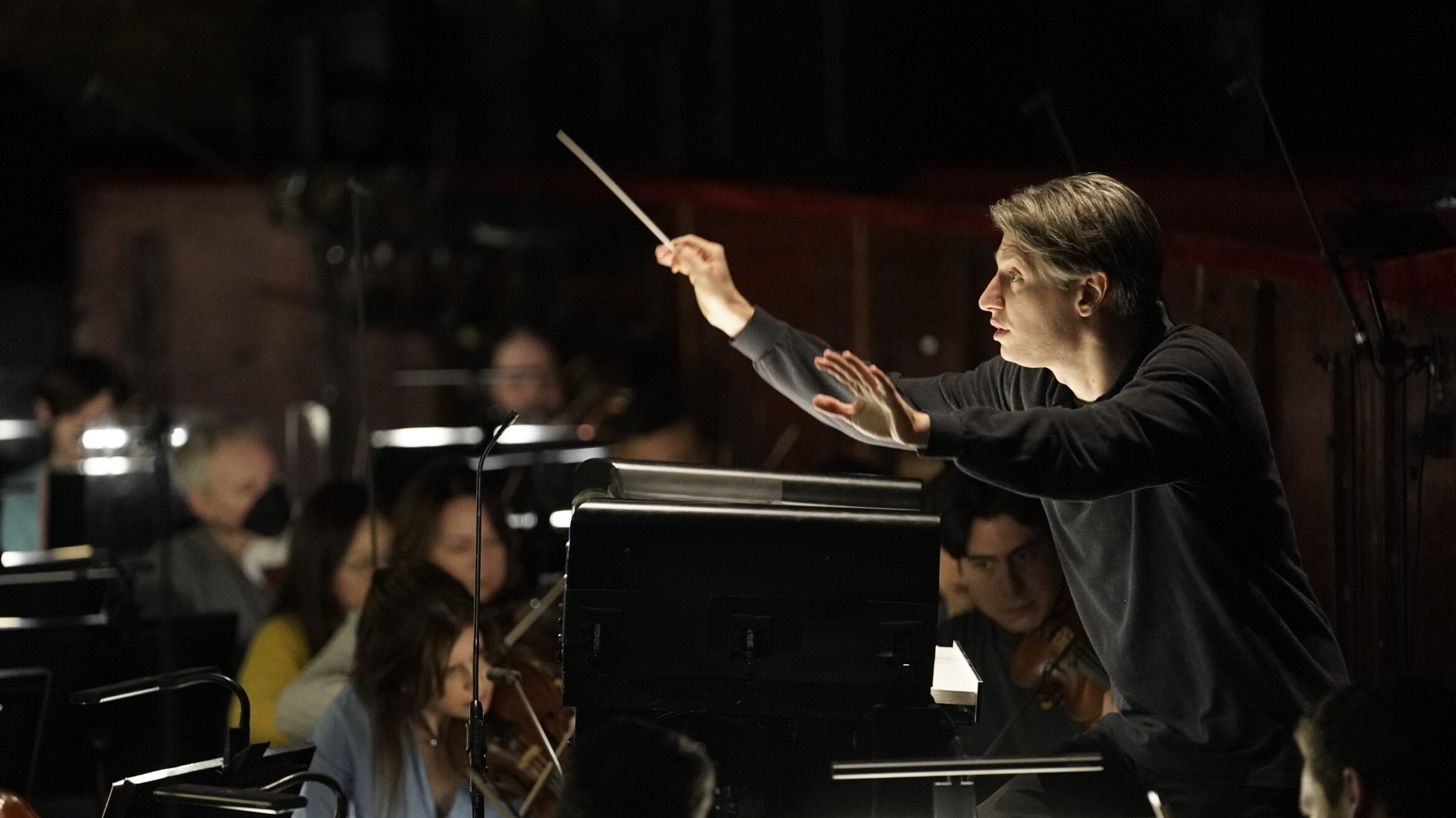
Daniele Rustioni, who starts his tenure as Met Principal Guest Conductor with Don Giovanni this week, might just be the opera conductor we’ve all been waiting for — and he’s betting on a long haul.
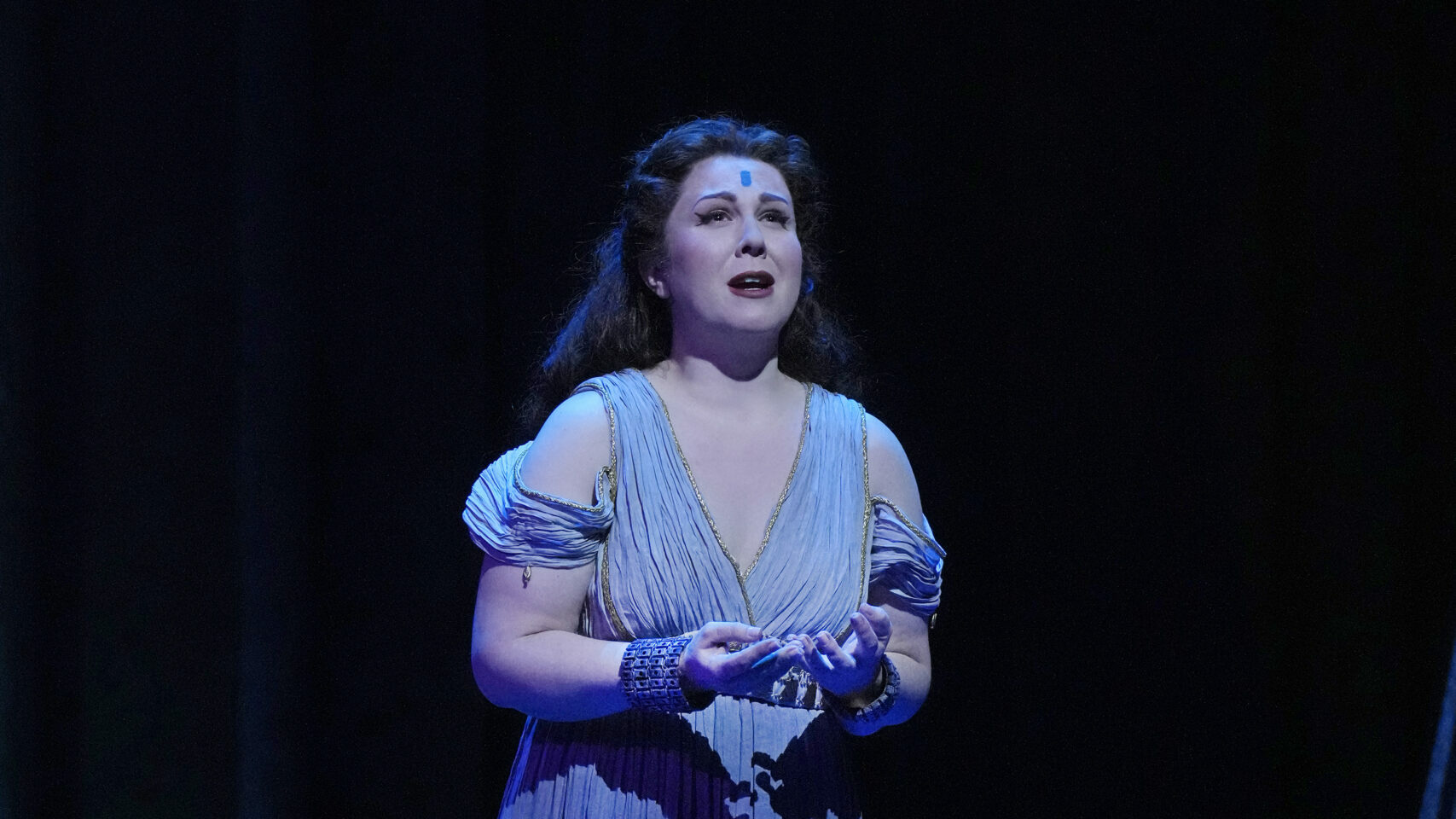
Christina Nilsson‘s debut enlivens the Met’s new Aïda.
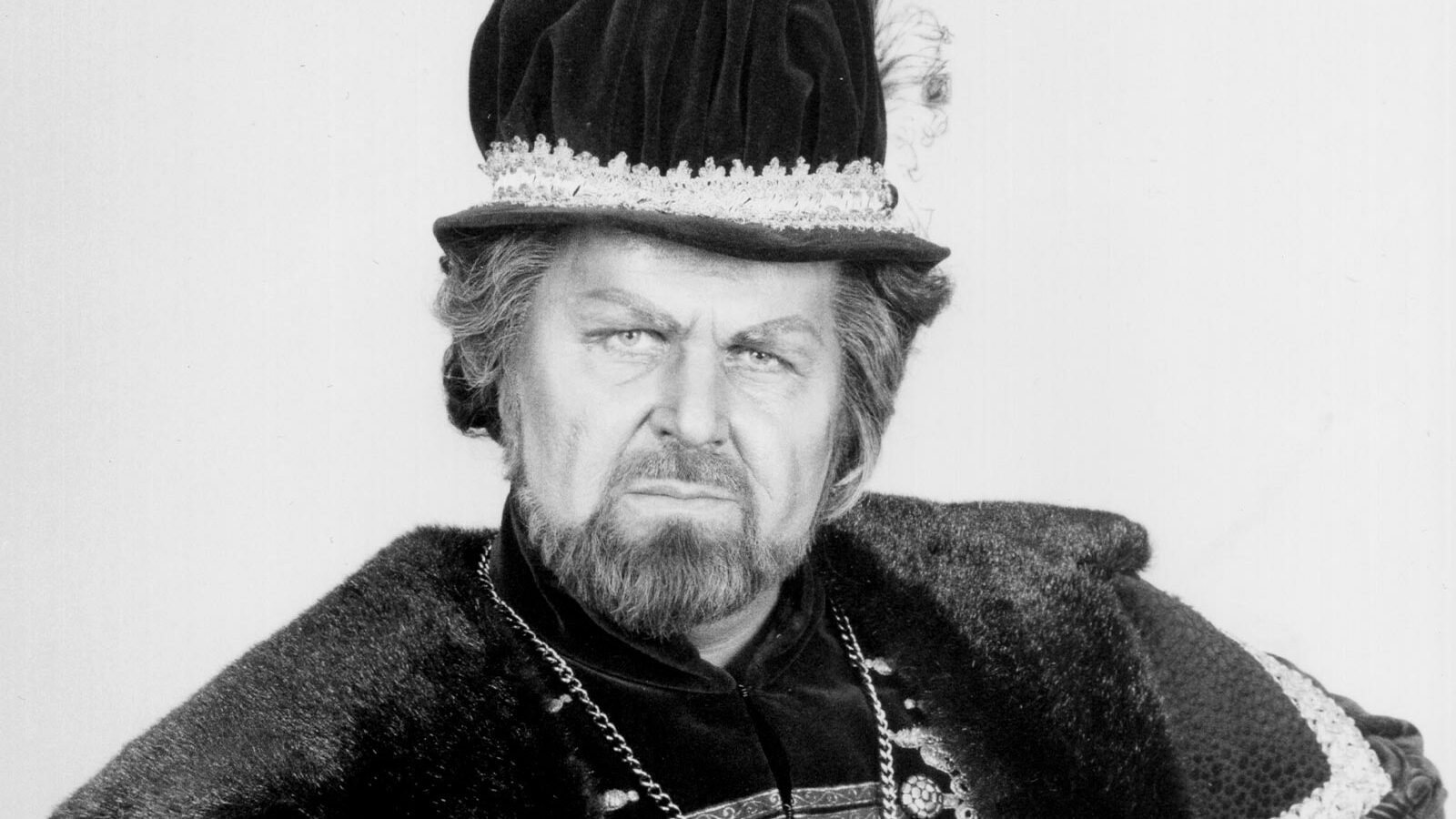
The American bass, a fixture of the Metropolitan Opera between 1967 and 2018, was 83.
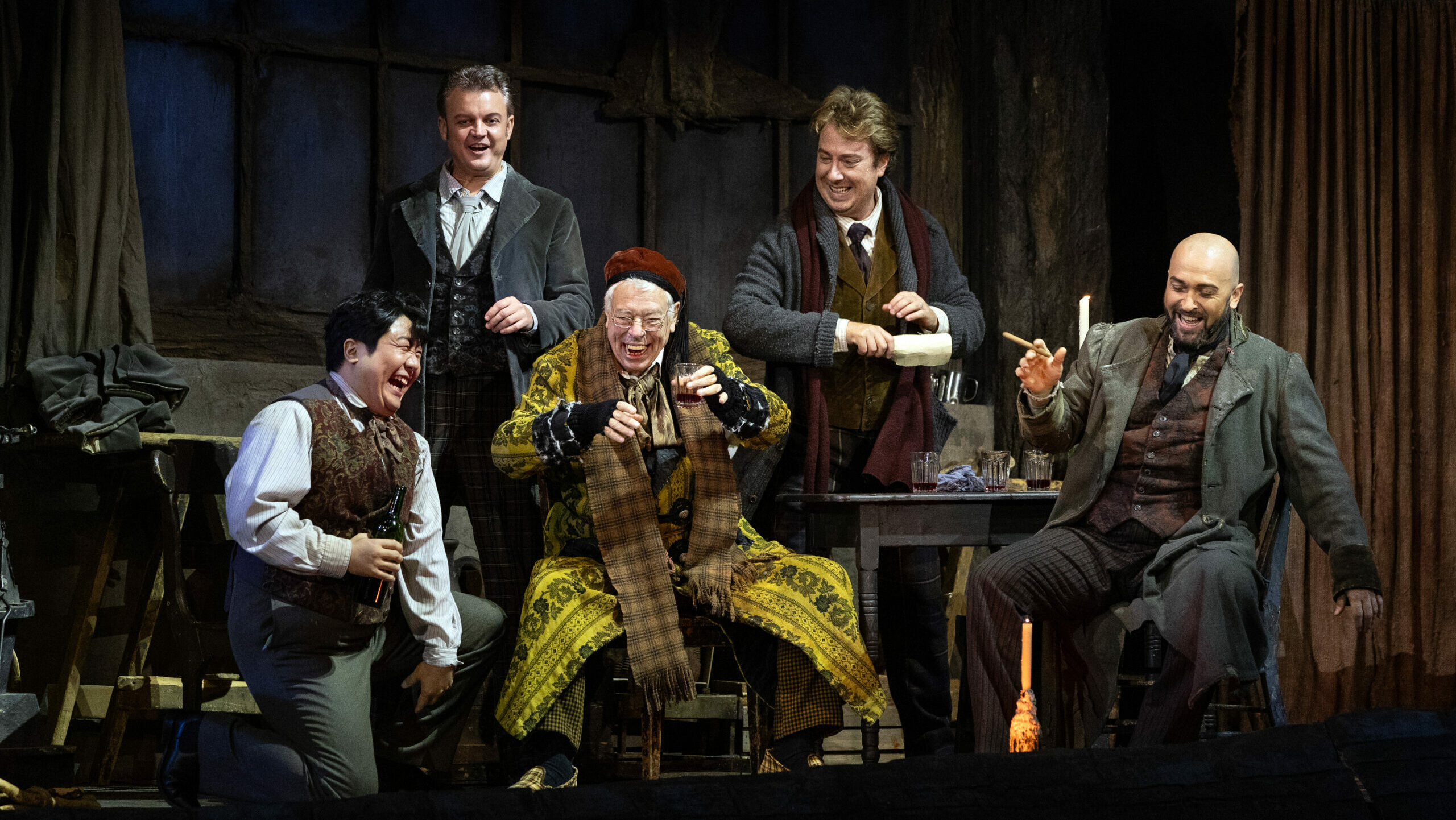
This archly traditional production of La bohème was a little shaky on opening night. It nevertheless had a full complement of sterling individual performances to take us on home.
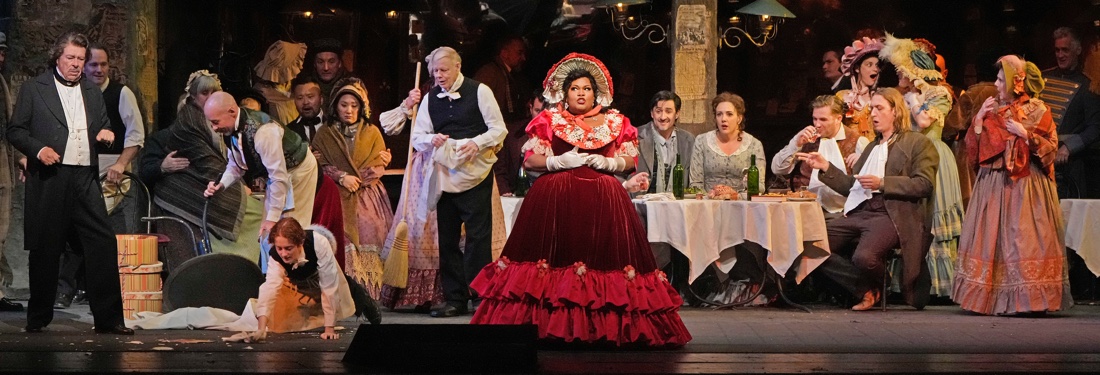
In the five short years that I’ve been in New York, I have seen that crusty old Franco Zeffirelli production of La bohème more times than I can count on one hand. And there are certainly times when that peeling mise-en-scène really shows its age.

Angel Blue‘s refulgent, lush soprano blooms as Violetta’s vocal lines broaden and soar.
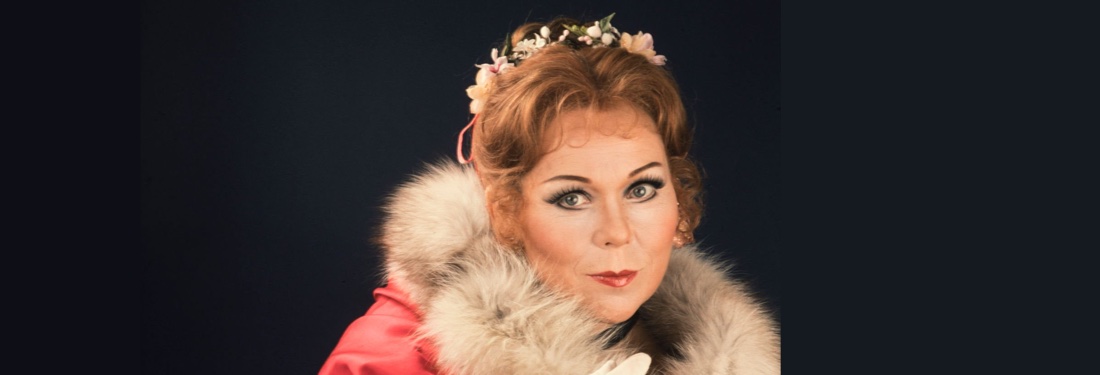
Chris’s Cache sends Renata Scotto a valentine ahead of her 89th birthday next week with rare in-house recordings of eight (!) mid-career performances spanning 1971-1977.
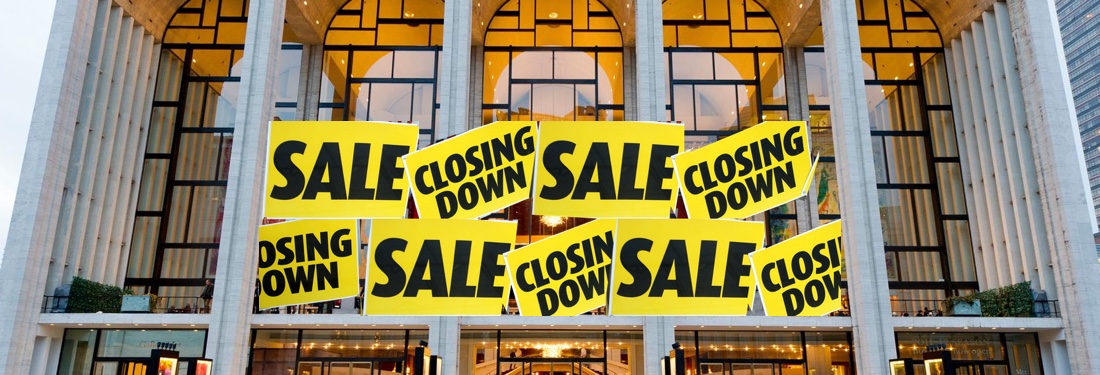
A quick survey of the Met website shows wide swaths of available seats for the upcoming performances of La traviata and L’elisir d’amore. Only new works like The Hours and Fire Shut Up in My Bones have been achieving sold-out houses.
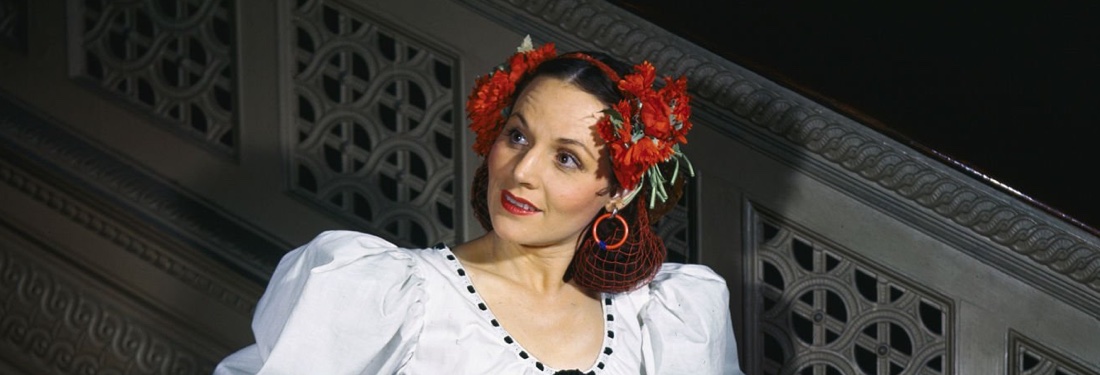
On this day in 1952 the Metropolitan Opera presented a new production of La bohème directed by Joseph L. Mankiewicz.

What is there to say about the Franco Zeffirelli Bohème? What is left to say?
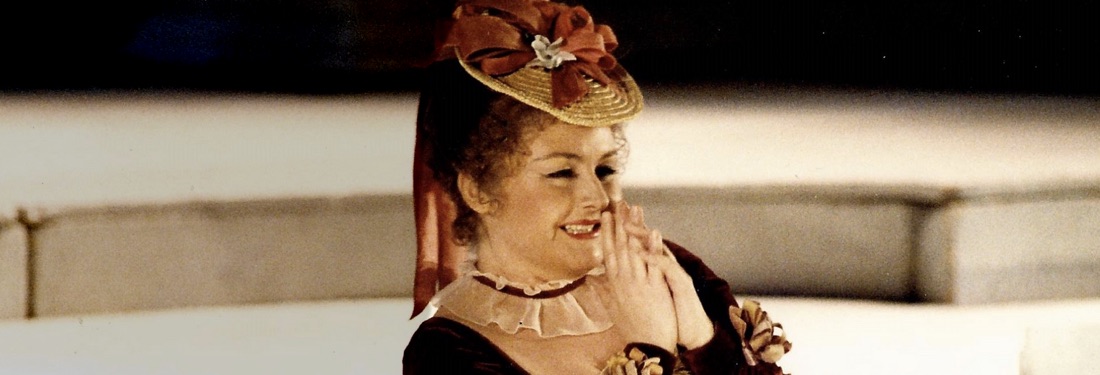
Trove Thursday remembers Edita Gruberová with live recordings of two of the three operas I heard her perform at the Met: a 1985 Munich La Traviata with Neil Shicoff and Wolfgang Brendel conducted by Carlos Kleiber and an I Puritani from Vienna 1994 featuring two other artists who recently left us too soon: Marcello Giordani and Dmitri Hvorostovsky.

At Friday night’s performance of La Bohème at the Met, the cast seemed to lean into (and gamble upon) the production’s enduring popularity.
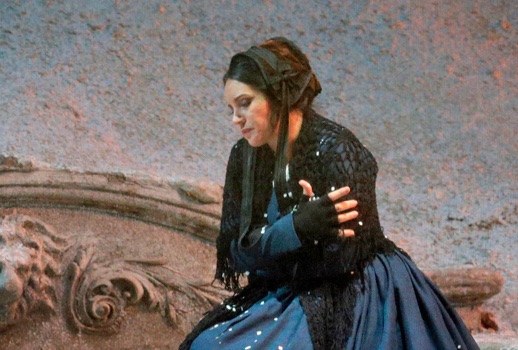
La bohéme returned to the stage of the Metropolitan Opera once again last night (does it ever leave?)
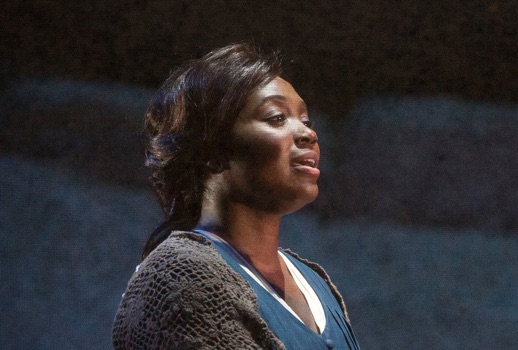
At the center of the Met’s revival of Puccini’s La bohème, one found the rich and layered talent of Angel Blue.
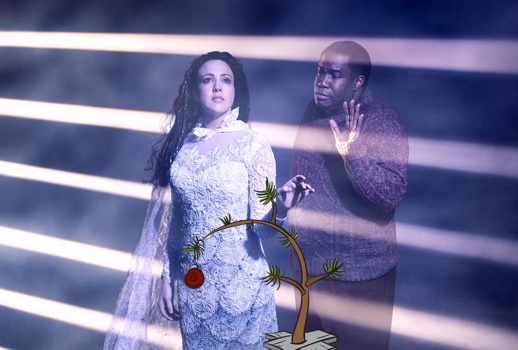
With Christmas Eve 2016 falling on a Saturday, the Met offers contrasting orchestral splendors at noon and 6 p.m.
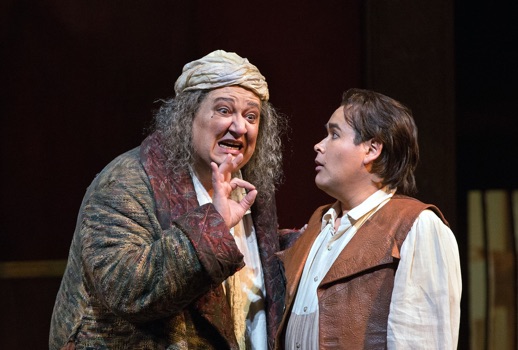
These days a cadre of voluble opera-goers regularly issues dire warnings that anyone about to attend this or that production at the Met should close her eyes and just listen rather than witness yet another Peter Gelb regie “atrocity.”

A “lone voice in the wilderness” booed Barbara Frittoli’s calamitous Nedda.

Wednesday brought the Met’s “real” season opener, an indelible, indispensable night at the opera: a starry revival of Verdi’s Macbeth crowned by Anna Netrebko’s demented Lady.
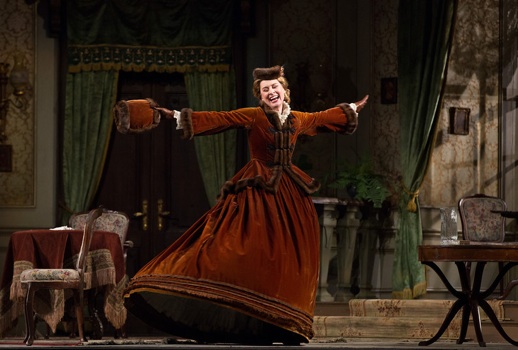
About this evening: the opera we saw was Arabella, written by a gentleman named Mr. Richard Strauss.
You perhaps will not be completely flabbergasted that La Cieca has a spy following the Met’s Japan tour (pictured). The reports thus far (I mean, once the ragtag band of misfits finally landed in the Land of the Rising Sun) are not particularly scandalous, but, please give our operative time!
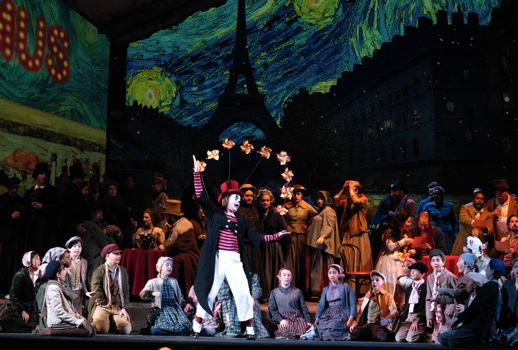
It’s a wonderful idea to cast Bohème with young singers, and these delivered astonishingly assured, confident, mature performances.
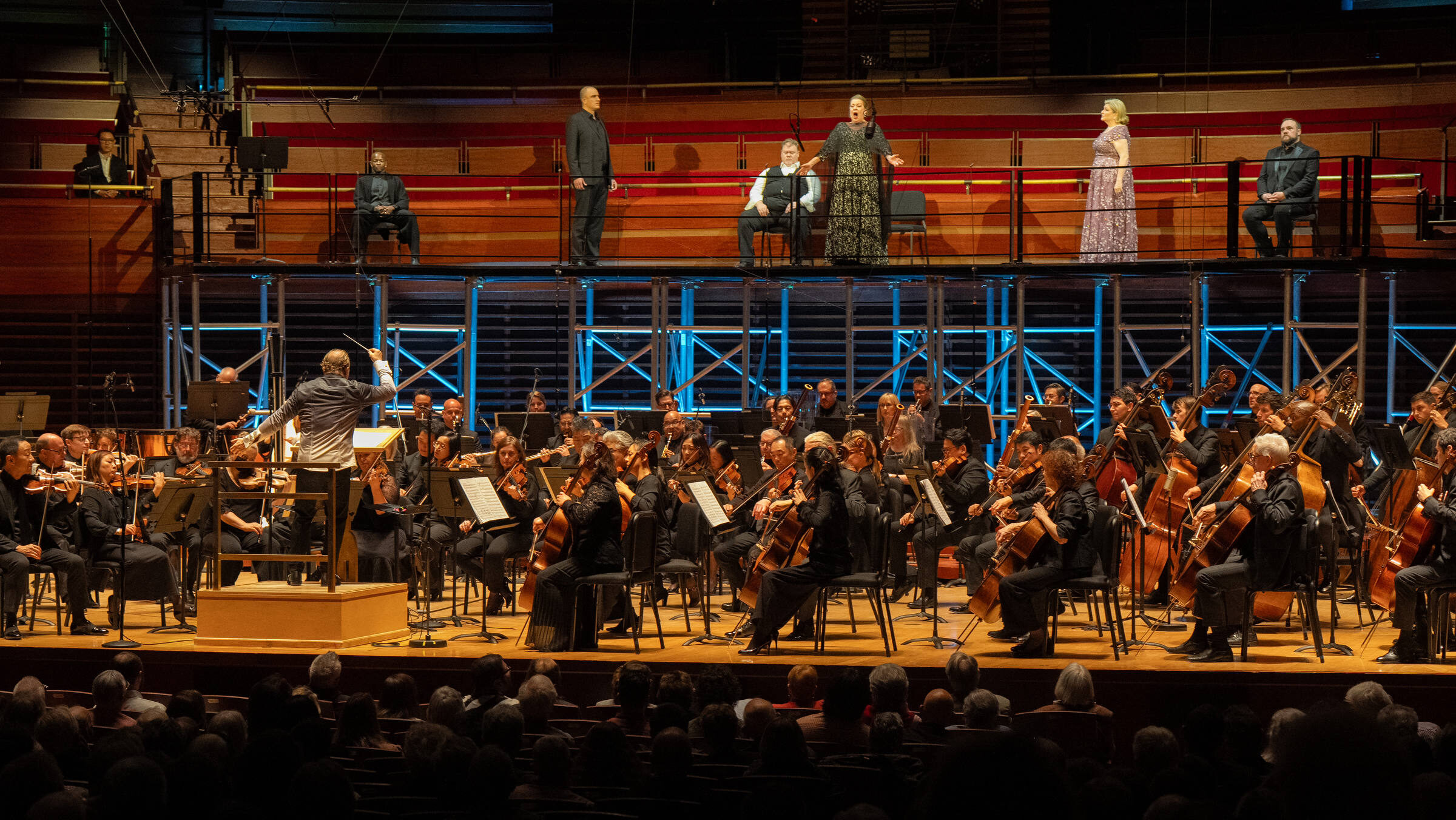
Yannick Nézet-Séguin leads the Philadelphia Orchestra, Stuart Skelton, and Nina Stemme in a Tristan und Isolde for the ages
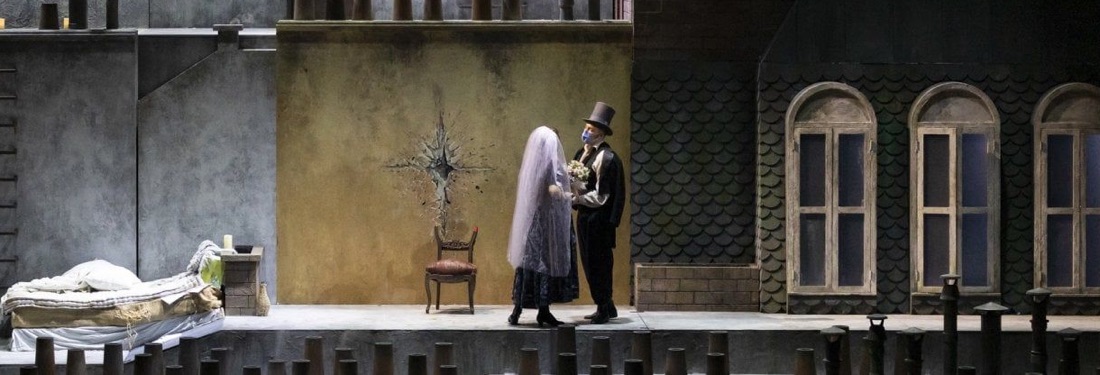
The people—I assume most of them were natives—seemed pretty happy at La Boheme at the San Carlo on Saturday night. For one thing, the theater was packed to the top tier, all of us masked (vigili di fuoco—firemen—made sure of that)

The days are getting shorter, but you can keep the prattle going this fall’s Talk of the Town! You will, you can, you must join in the discussion about: Great mezzo soprano performances (October),
Gained in translation (November), Teleport me back to… (December).
Exclusive opera reviews, commentary, and top reads
delivered to your email weekly…ish.