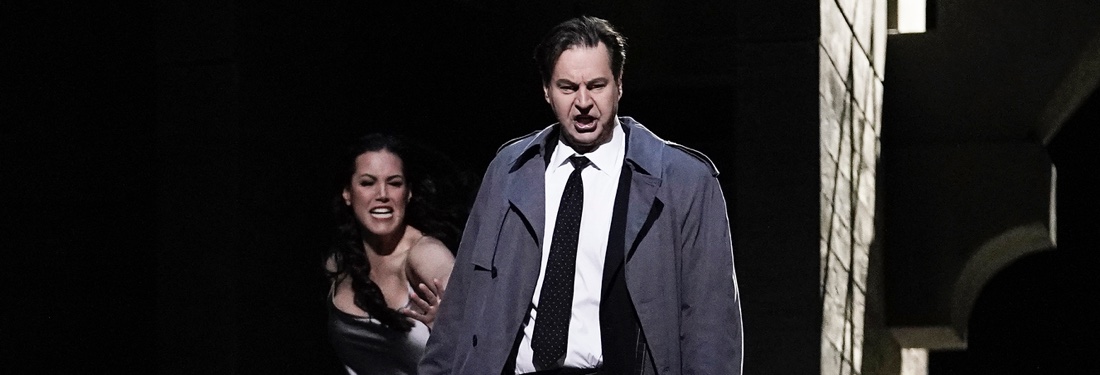
Like a sommelier of male entitlement, Peter Mattei paired with precision moves from a wide-ranging vocabulary of gesture.
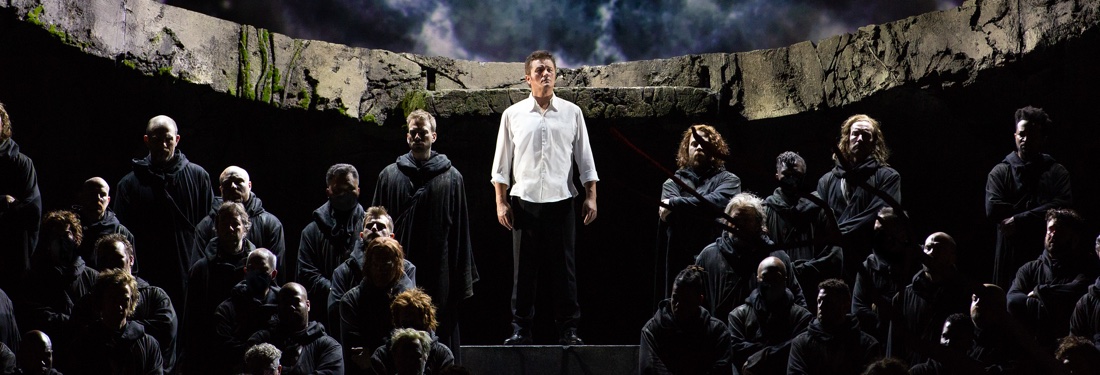
Here’s an update for those keeping up with the Lohengrin casting sweepstakes at the Met.
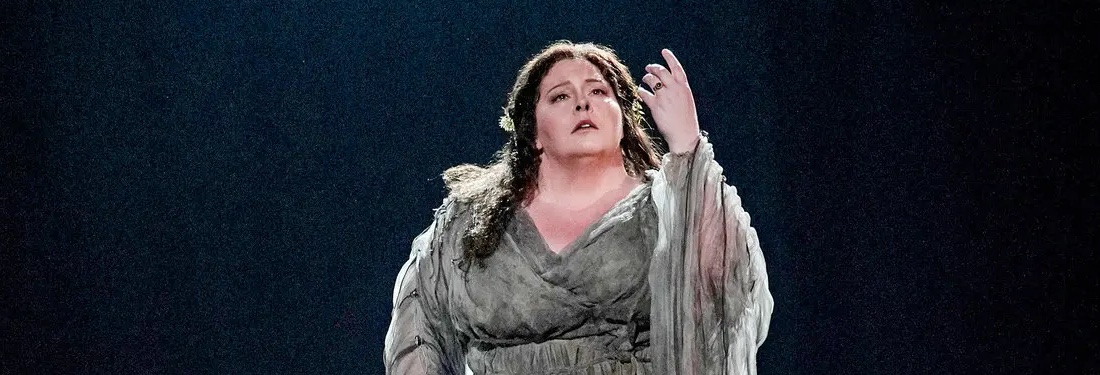
Angela Meade, reportedly flown in at the very last minute to take on the role of Norma, absolutely triumphed, pulling out all the stops to deliver a commanding performance that should, indeed, go down in history.
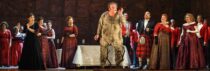

Verdi’s Falstaff is a brilliantly written opera: funny, with a complex ability to operate across minutely shifting registers of farce and lyricism. It needs, ideally, a production and cast capable of executing both comedy and drama, irony and sincerity—often concurrently. In its current Met revival, happily, Falstaff has everything it needs.
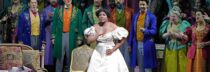

Angel Blue‘s refulgent, lush soprano blooms as Violetta’s vocal lines broaden and soar.


On the train ride home I was thinking that I don’t want to see or hear Norma ever again.
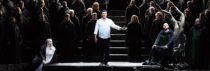

It seems that François Girard has been watching a little too much Star Wars lately. His new production of Lohengrin, which opened at the Metropolitan Opera Sunday afternoon, reduced Wagner’s opera to a knockoff space opera, full of hackneyed sci-fi tropes and B-rated futurist apologue.
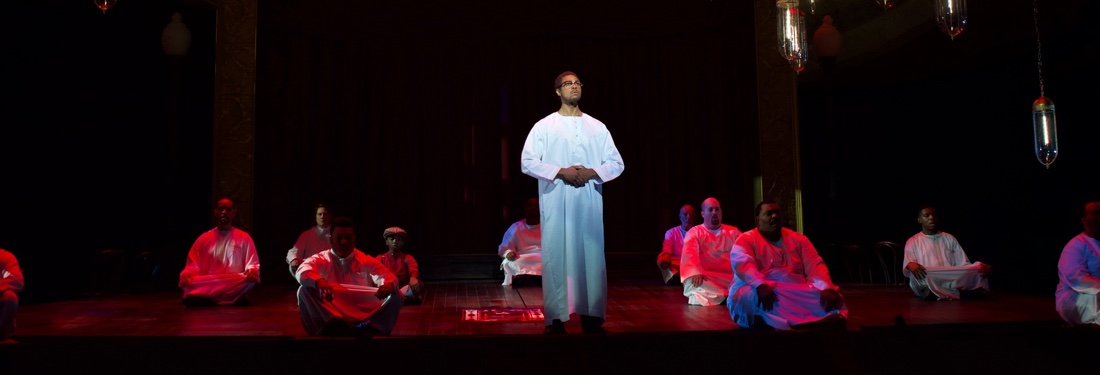
Six contemporary operas, including four Metropolitan premieres, headline the company’s upcoming season, which was announced today at noon.

It doesn’t get more classic than John Dexter‘s Dialogues des Carmélites.

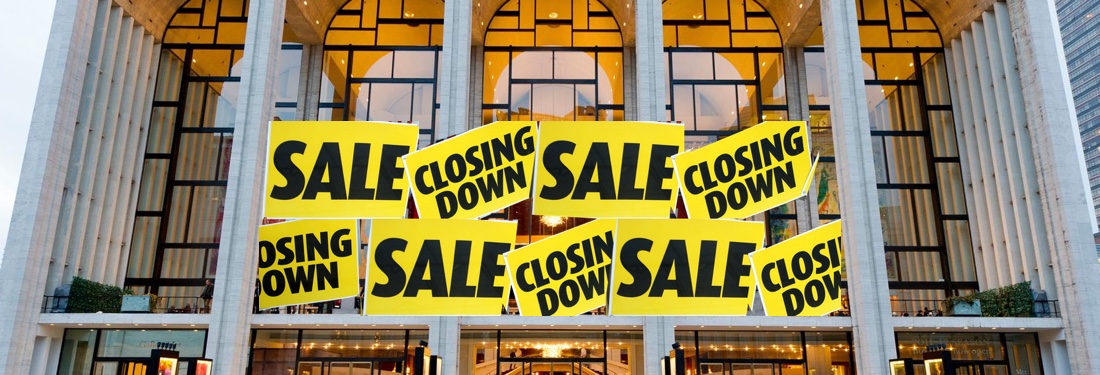
A quick survey of the Met website shows wide swaths of available seats for the upcoming performances of La traviata and L’elisir d’amore. Only new works like The Hours and Fire Shut Up in My Bones have been achieving sold-out houses.
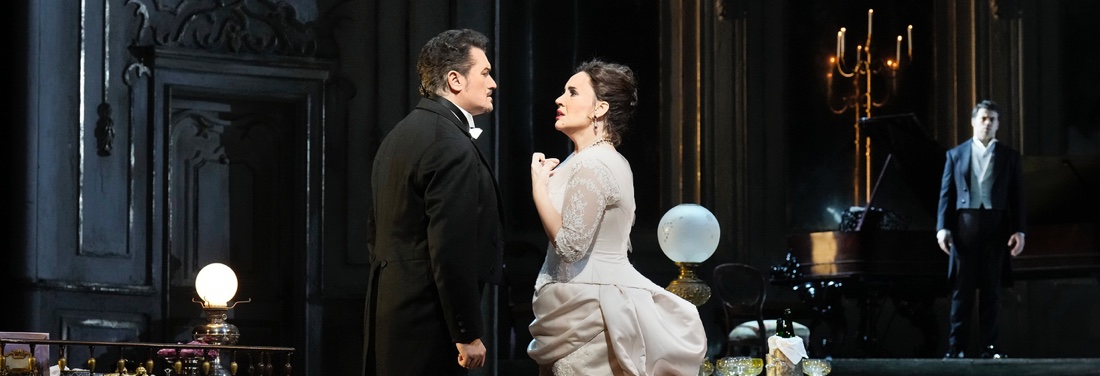
Following new productions of Tosca in 2017, Adriana Lecouvreur in 2018, and the Anna Netrebko-led Puccini orgy of 2019, New Year’s Eve at the Met has come to signify that verismo, as this school tends to be known, is still kicking.
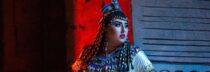

Mezzo Anita Rachvelishvili has canceled all her remaining Met performances of Aida due to illness.

BREAKING: The Metropolitan Opera’s website is back online!

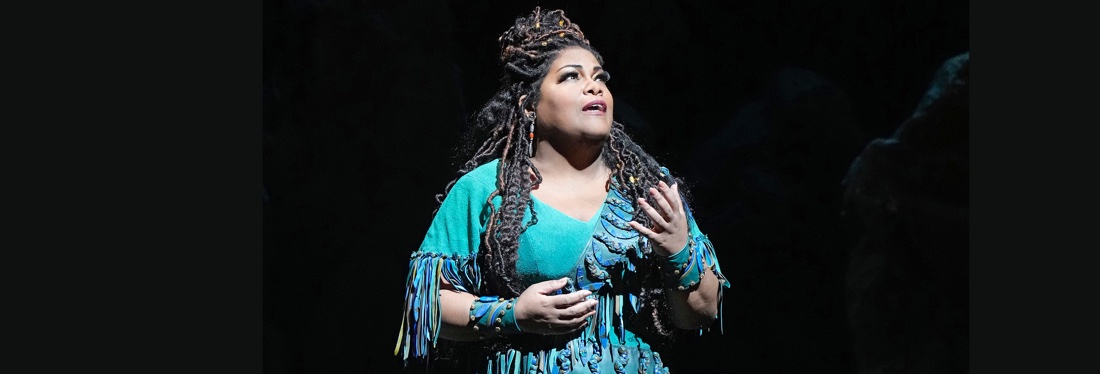
Step aside, Texas: “Everything is bigger at Aida” is the motto of the Met’s second attempt at retiring Sonja Frisell’s colossal production.
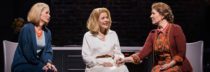
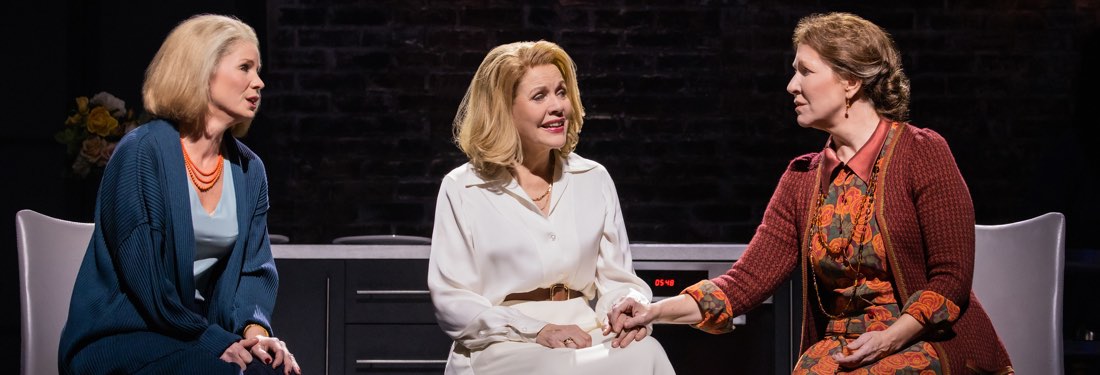
The film of The Hours failed to effectively weave together the novel’s trio of threads of interiority about suicide and secondarily literary creation. I wondered if an opera would stand a better chance at achieving that? Based on Tuesday’s diva-encrusted stage premiere of Kevin Puts and Greg Pierce’s The Hours, its creators didn’t pull it off either.
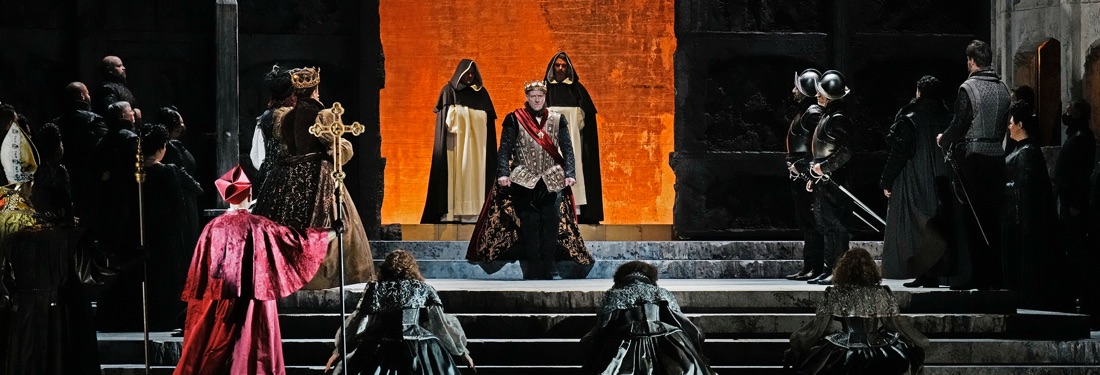
The revival of Don Carlo(s) which opened on November 3 restored the translated Italian text and the cut 1882 four-act revision not seen at the Met since Rudolf Bing’s last season in 1972.

The Metropolitan Opera and other classical music venue are dropping their mask requirements for audience members.
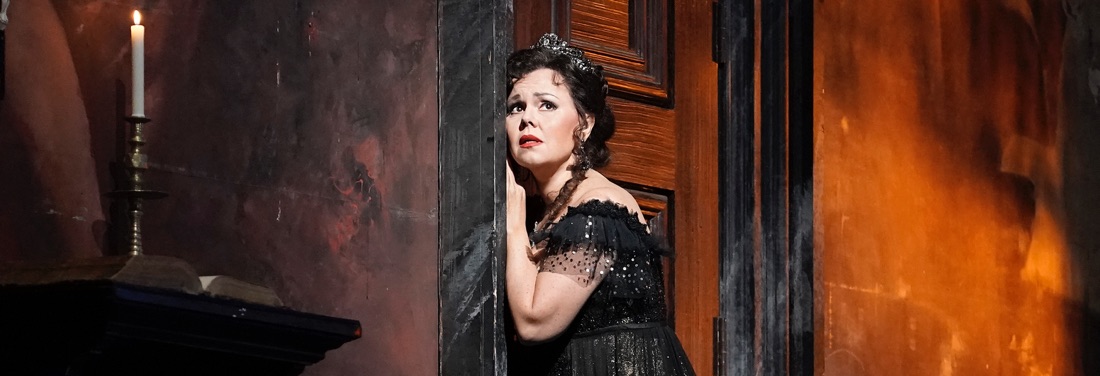
David McVicar’s 2017 production of Tosca returned to the Met on Tuesday night, with an able and watchable, if not transcendent cast.
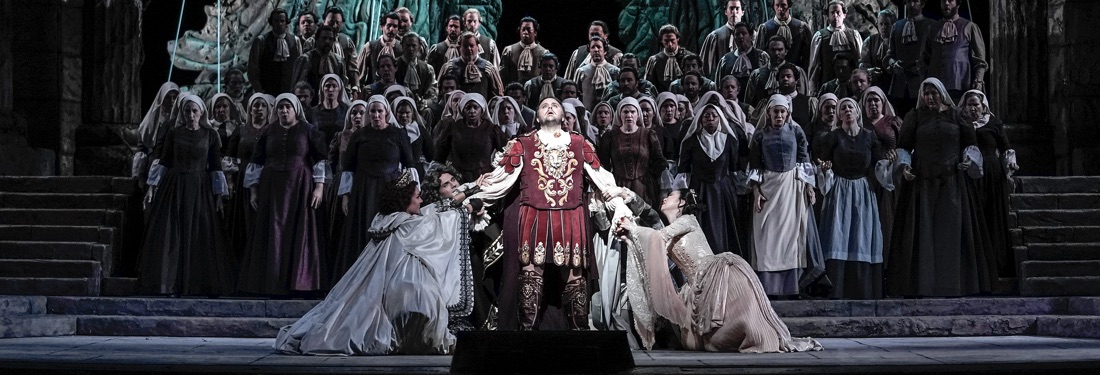
Michael Spyres’s nobly moving Idomeneo wasn’t just a bravura triumph: singing strongly throughout, he brought more colors to his portrayal of the tortured king than I had experienced from others in the Ponnelle production.
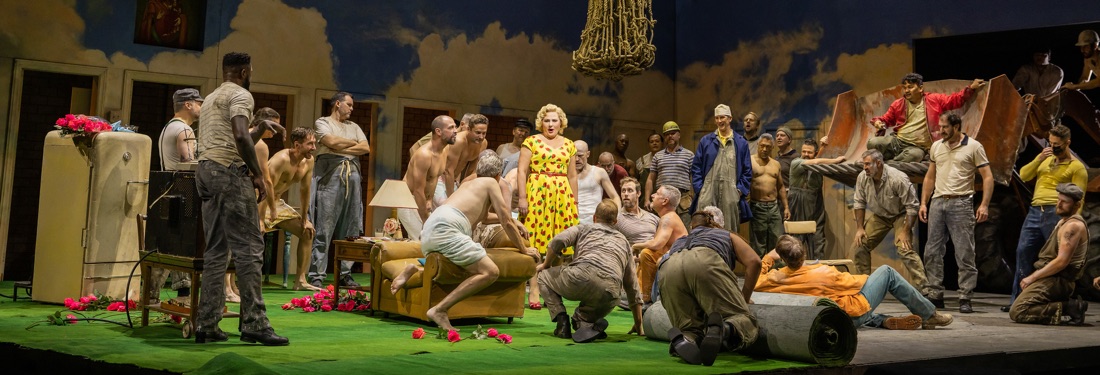
It’s nasty world, Shostakovich seems to say, where life alternates between boring and terrifying.
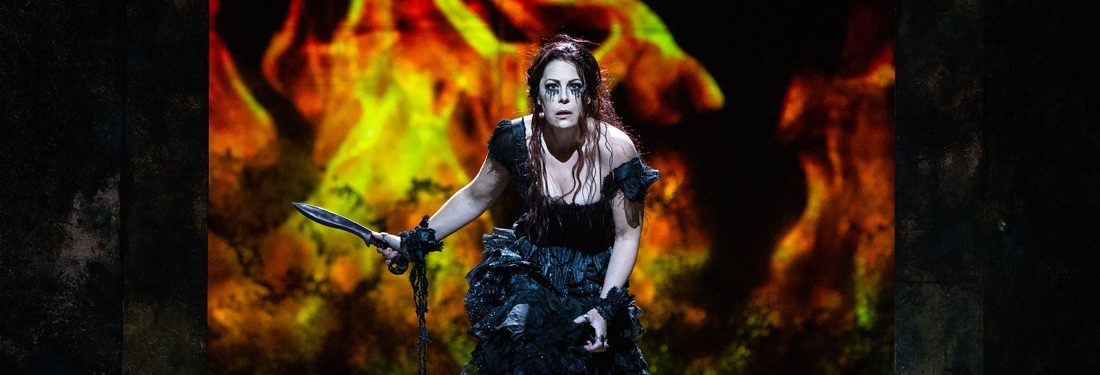
Sondra Radvanovsky has an unconventional voice that is suited to unconventional characters and is best used in rangy, difficult music. The lack of lush beauty was no deficit in depicting Medea’s jealousy and vengeful rage.
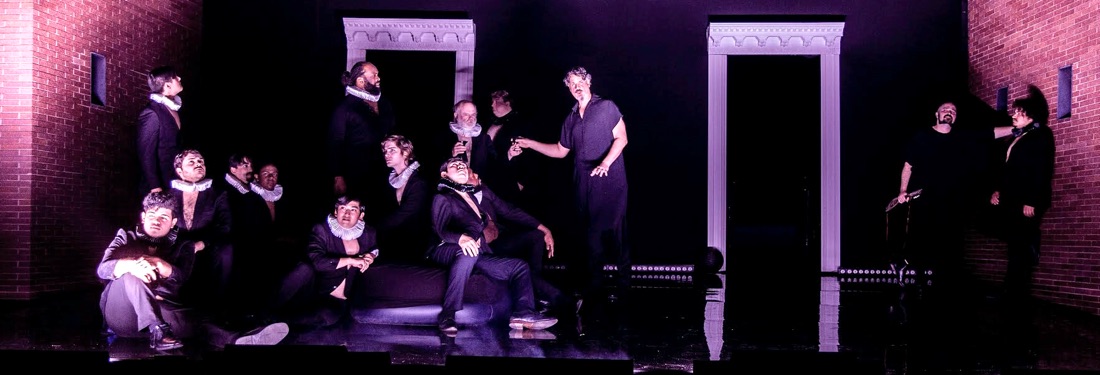
The winners of the evening were the composer Riccardo Zandonai and Teatro Grattacielo which pulled off a near-impossible feat with success.
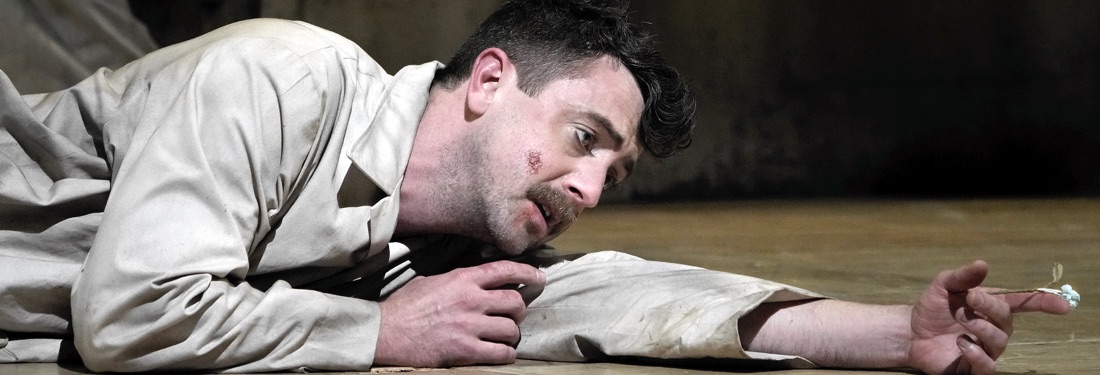
The opera The Rake’s Progress, as many people know already, was inspired by a series of engravings and paintings of the same name by William Hogarth, showing the decline of a young man into depravity and insanity.
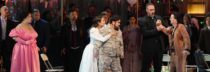

Riccardo Frizza conducts Nadine Sierra (Lucia), Javier Camarena (Edgardo), Artur Rucinski (Enrico) and Christian Van Horn (Raimondo.)
Tell us: What’s your favorite Verdi performance?
Hasten thee to feed another quarter of conversation for The Talk of the Town!