
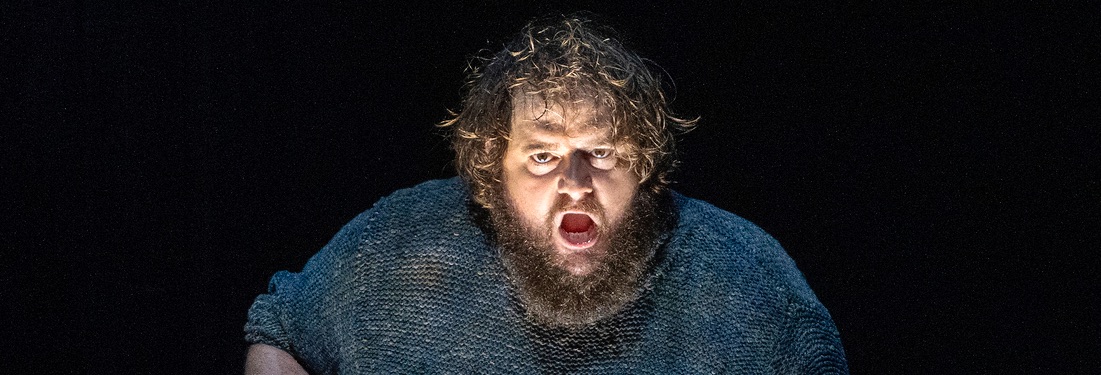
The clue whose meaning we avoid
We watch Peter Grimes being made into a deviant— a process that can take place through the mechanism of the law, but often happens outside of it through social processes.
21 pieces since 2013 — in 11 roles, at 4 companies, most often at Metropolitan Opera.
We watch Peter Grimes being made into a deviant— a process that can take place through the mechanism of the law, but often happens outside of it through social processes.
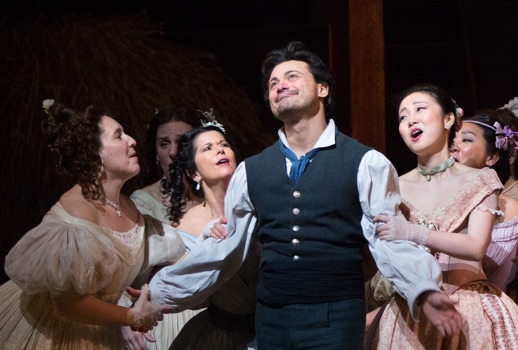
As portrayed by Vittorio Grigolo, Nemorino was a manic self-absorbed, probably bipolar, stalker who—against all odds and good sense—gets the poor girl.

Jacquelyn Stucker talks to Kevin Ng about repertoire, tearing down the Fach system, and what it takes to make music from baroque to George Benjamin her own.
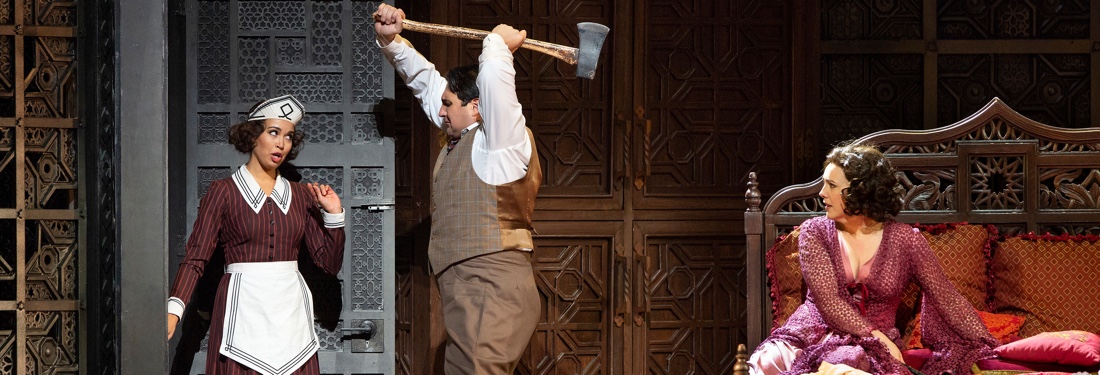
Saturday afternoon’s performance of Le Nozze di Figaro at the Met was awash with contradictions.
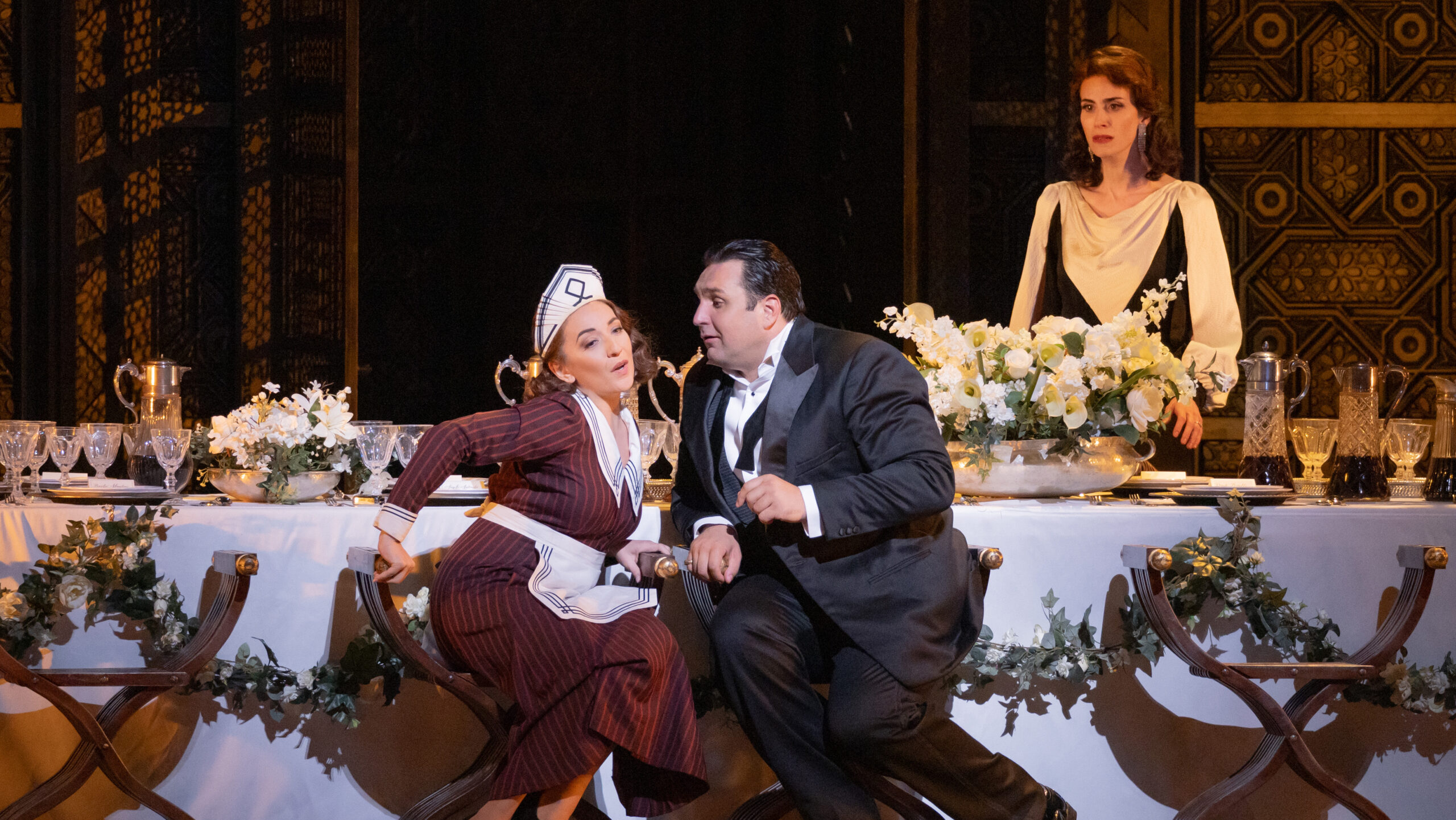
An uneven new cast can’t dim the glow of Richard Eyre‘s incisive Le nozze di Figaro at the Met
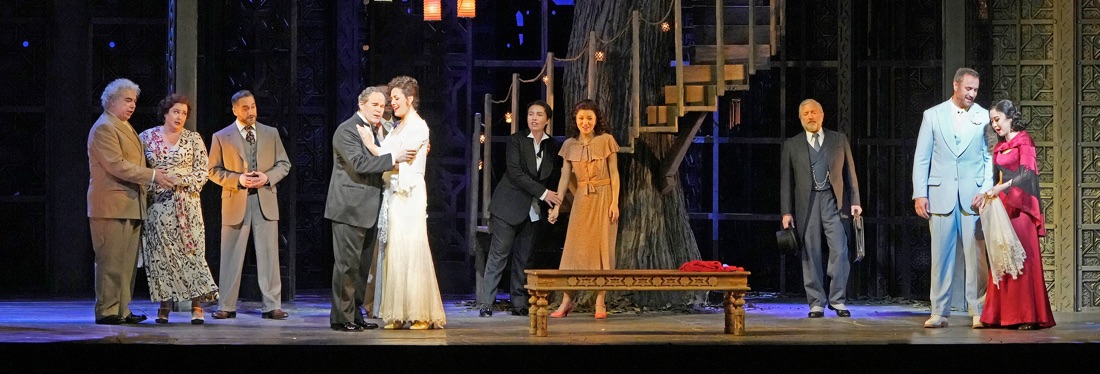
Saturday’s performance of Le nozze di Figaro at the Met mined the humor from Mozart’s divine setting of Beaumarchais’s play about a crazy day in the Almaviva household.
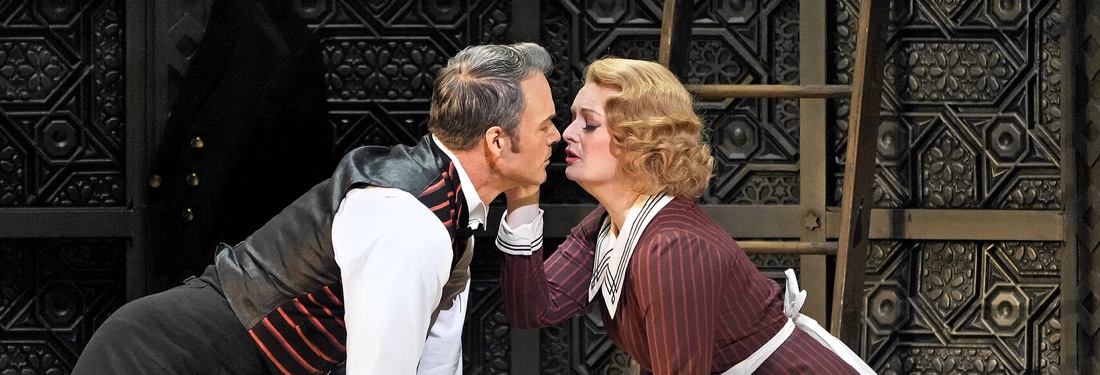
Despite having lost its announced Cherubino, conductor and Count (the latter in the midst of rehearsals), the season premiere of Le Nozze di Figaro Saturday afternoon proved to be one of the most enjoyable Met Mozart performances I’ve attended in ages.

Is there any opera more bullet-proof than Le Nozze di Figaro?
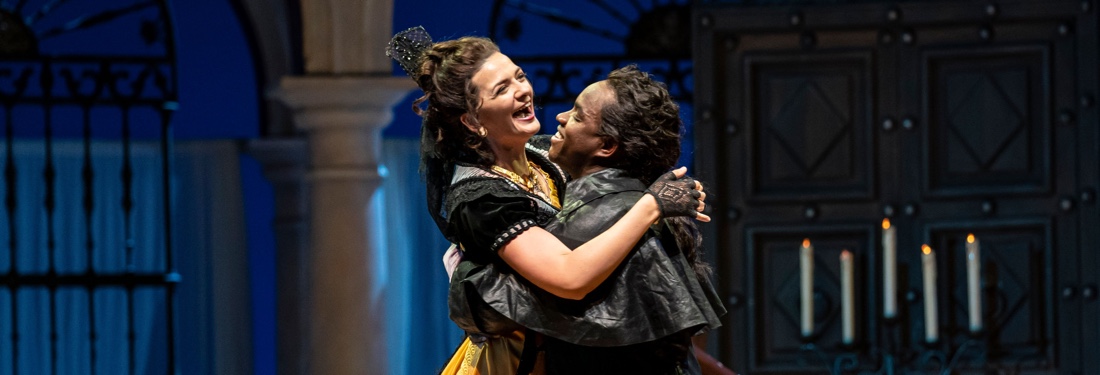
It’s an old chestnut of a joke that applies even more to opera than to the theatre: A veteran actor is on his deathbed.
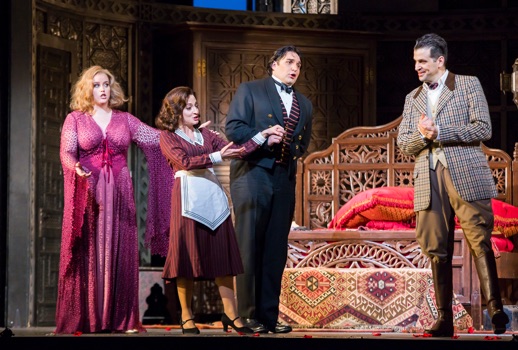
It was odd, if not downright uncomfortable, to watch Le Nozze di Figaro at the Metropolitan Opera.
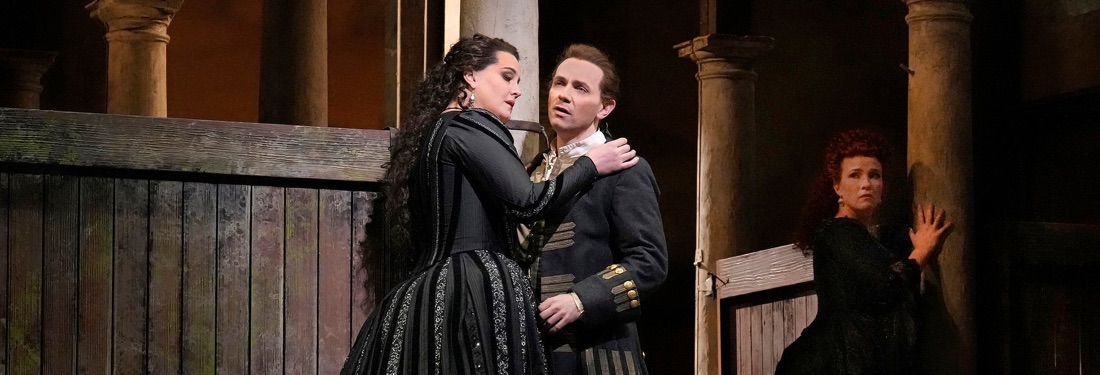
While it must be admitted that Elza van den Heever doesn’t have an ideally warm and agile Handel voice, she evidenced fierce control over her instrument and skillfully built a powerful portrait of the courageous Rodelida fighting for her survival.
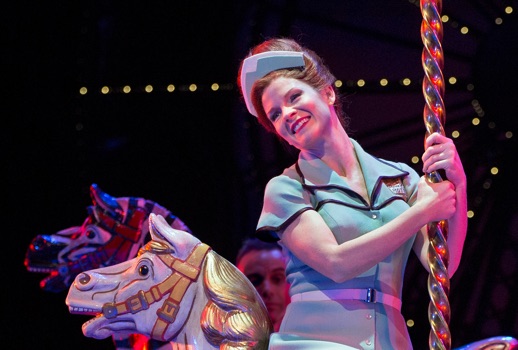
As Despina in the Metropolitan Opera’s new production of Così fan tutte, Kelli O’Hara injects much needed vitality into an otherwise lethargic evening.

The 19th century could not cope with Così fan tutte, ossia La scuola degli amanti (Thus Do They All, or The School for Lovers) with a libretto by Lorenzo da Ponte and music by Mozart, first presented in Vienna in 1790.
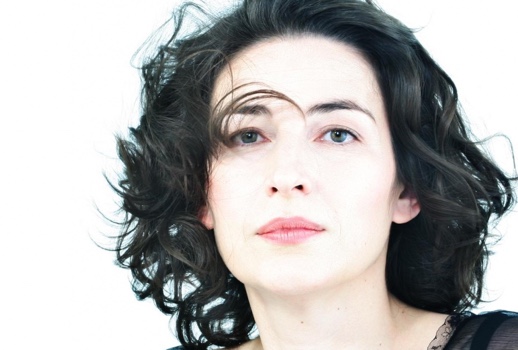
A performance of Gluck’s Alceste from Wiener Staatsoper in June 2016.
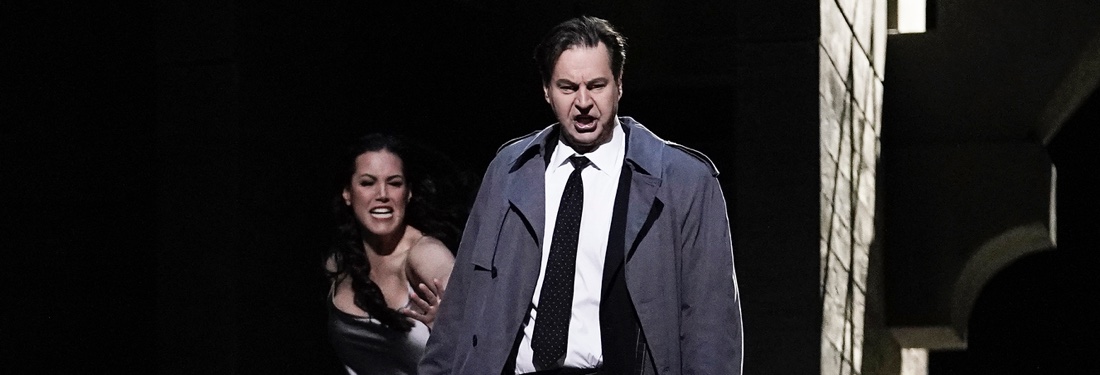
Like a sommelier of male entitlement, Peter Mattei paired with precision moves from a wide-ranging vocabulary of gesture.
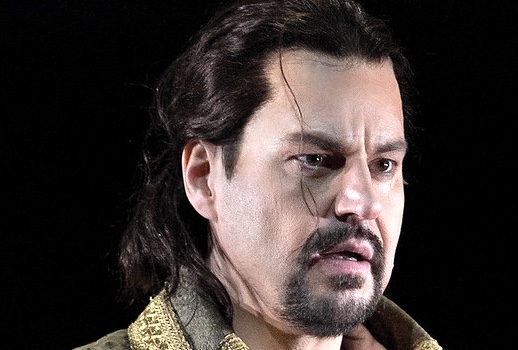
One needs liberty in order to be a libertine.
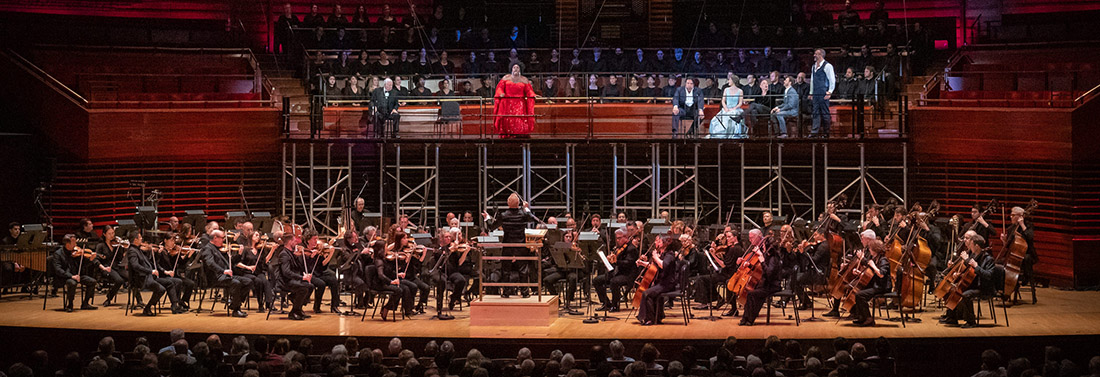
Opera took center stage on the final weekend of the Philadelphia Orchestra season.

It’s autumn in New York, baby.
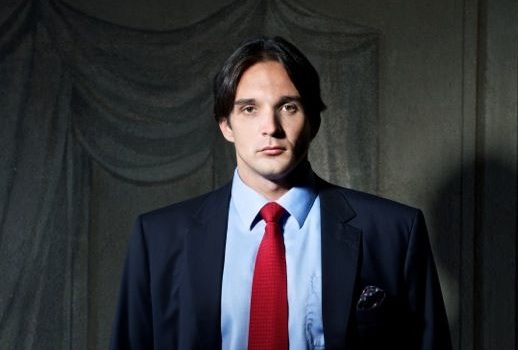
No surprises this week: back to normal with what is perhaps the world’s most favorite opera: Puccini’s La bohème.

The days are getting shorter, but you can keep the prattle going this fall’s Talk of the Town! You will, you can, you must join in the discussion about: Great mezzo soprano performances (October),
Gained in translation (November), Teleport me back to… (December).
Exclusive opera reviews, commentary, and top reads
delivered to your email weekly…ish.