

Somewhere in time
The current Met revival of Der Rosenkavalier, while not perfect, has much to feel joyful and excited about.
43 pieces since 2011 — in 19 roles, at 6 companies, most often at Metropolitan Opera.
The current Met revival of Der Rosenkavalier, while not perfect, has much to feel joyful and excited about.
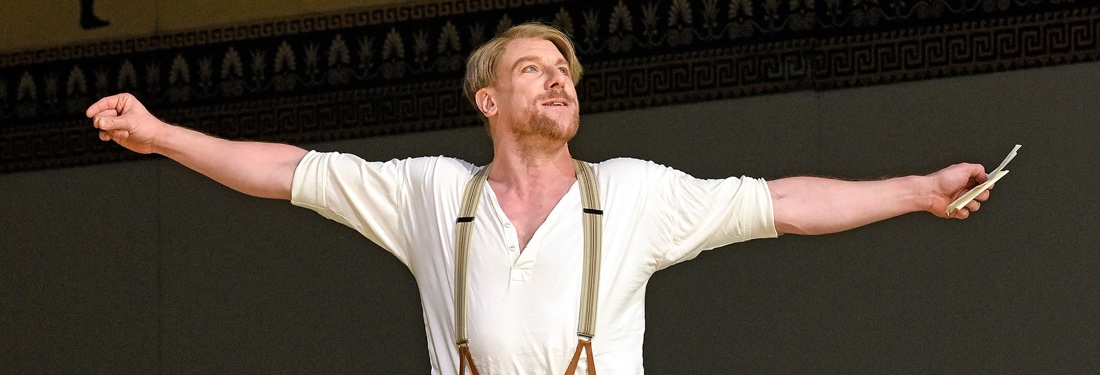
Günther Groissböck’s ridiculously entertaining Baron Ochs and Sir Simon Rattle’s enthralling conducting soared highest during a mostly excellent revival of Der Rosenkavalier.
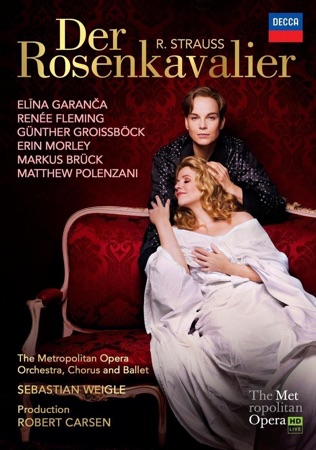
Der Rosenkavalier (on Blu-ray and DVD) is from the Met HD broadcast which also happened to be the final performance of the run, becoming a true souvenir of the farewells of its two leading ladies.
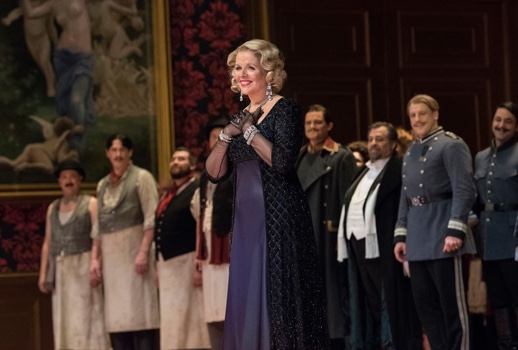
If everything you see is great, you are either new to opera or chronically easy to please.
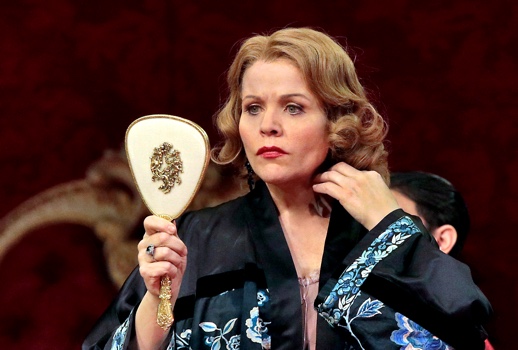
Any production of Der Rosenkavalier that can transform the usually excruciating first half of the third act into a hilarious romp already has my vote.
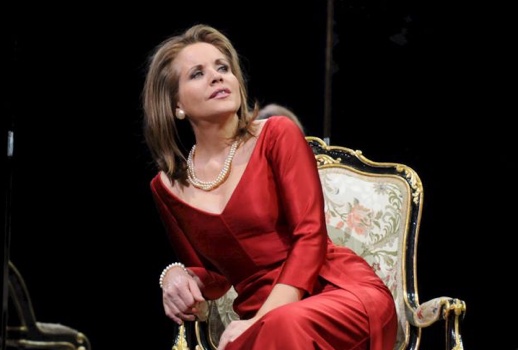
We leave behind the Vienna of the 1740s, the time of breeches, fans and white wigs.
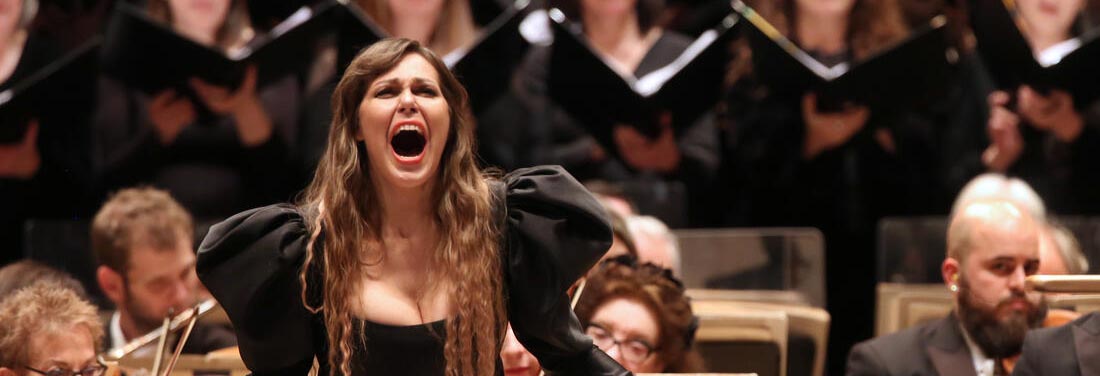
Boston Symphony Orchestra recently confirmed an infinitely renewable contract upon Andris Nelsons, its music director since 2014. To understand why, one needed little more evidence than the outfit’s recent visit to Carnegie Hall.
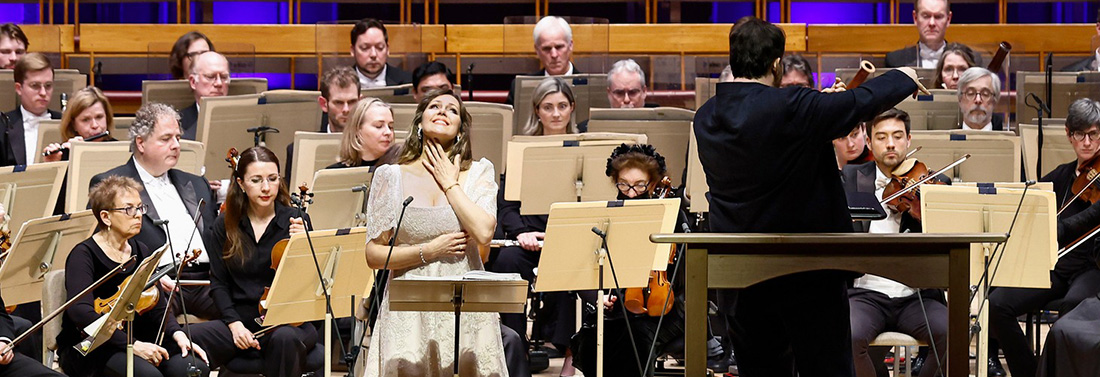
The flashing eyes, the floating hair, and the inexplicable barefootnedness during the second half of Saturday night’s performance confirmed one thing: Kristine Opolais is back.
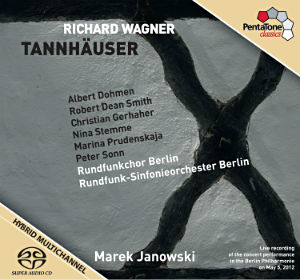
Could Marek Janowski do for Wagner what the early music movement did for the Baroque and Classical repertory?

Cycle II represented an embarrassment of musical riches.
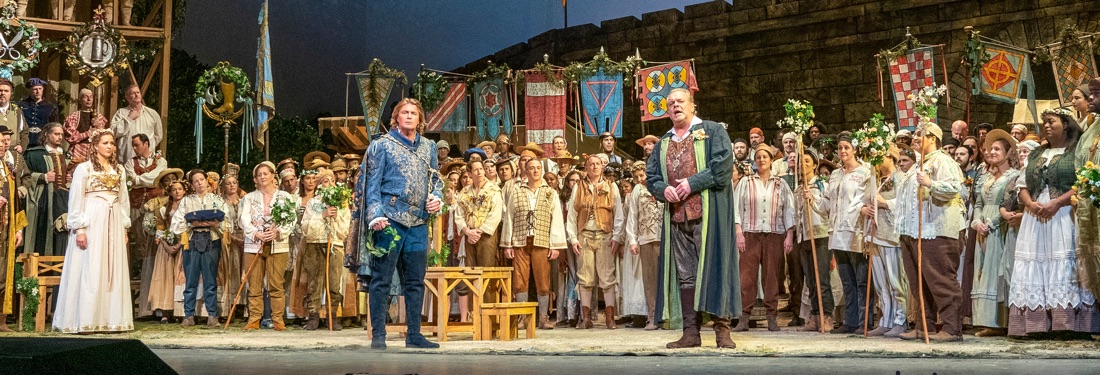
Last night’s cast of Die Meistersinger at the Met, dominated by the irascible, unbeatable duo of Michael Volle and Johannes Martin Kränzle as Sachs and Beckmesser, did much to enliven Otto Schenk’s creaky, nearly 30-year-old production.
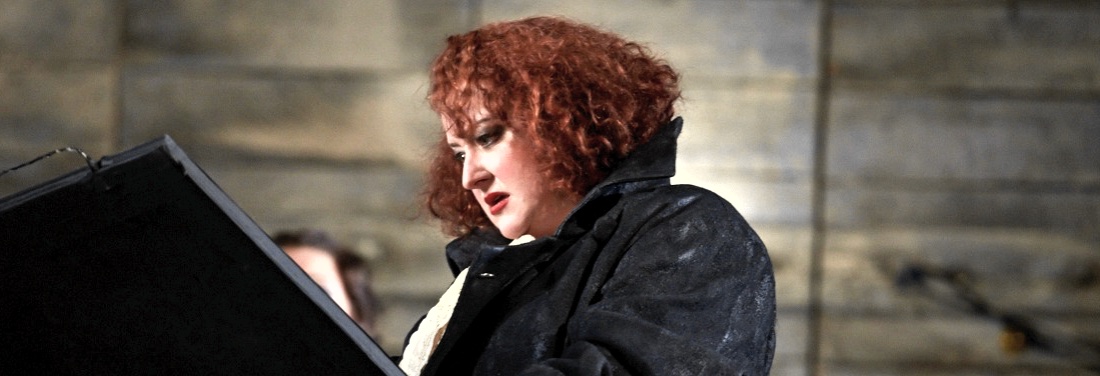
I can’t imagine anything more anxiety-inducing than being put in at last-minute to sing a role in a high-profile production at the Met.
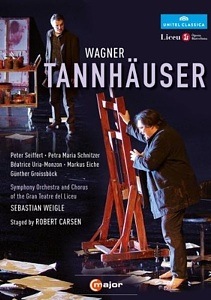
Certain contemporary opera directors have taken to portraying Wagner protagonists as visual artists to better illuminate the characters’ moral and aesthetic struggles.
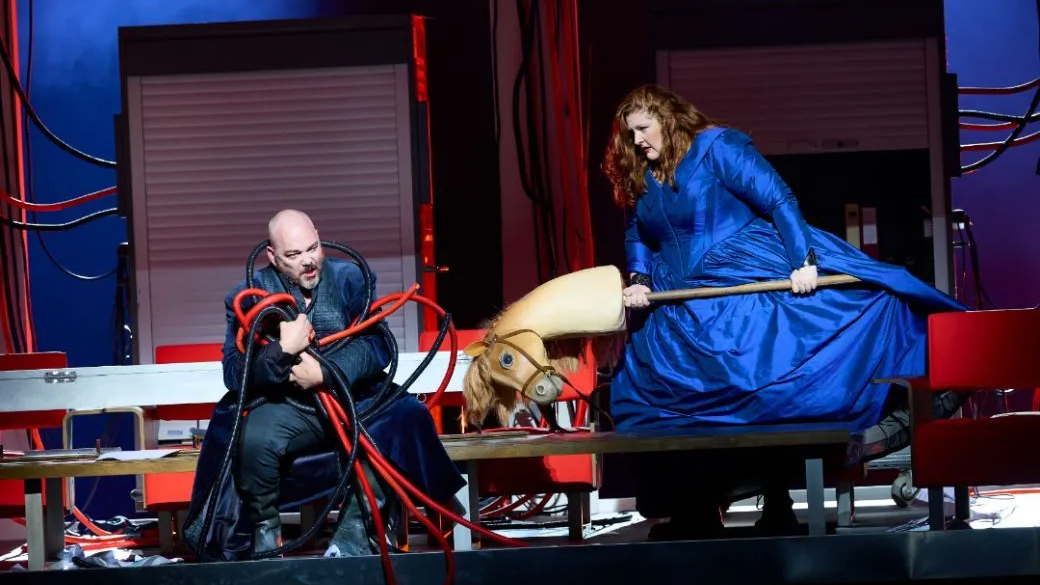
Tamara Wilson and Stanislas de Barbeyrac are the standouts in Calixto Bieito’s underwhelming Die Walküre in Paris
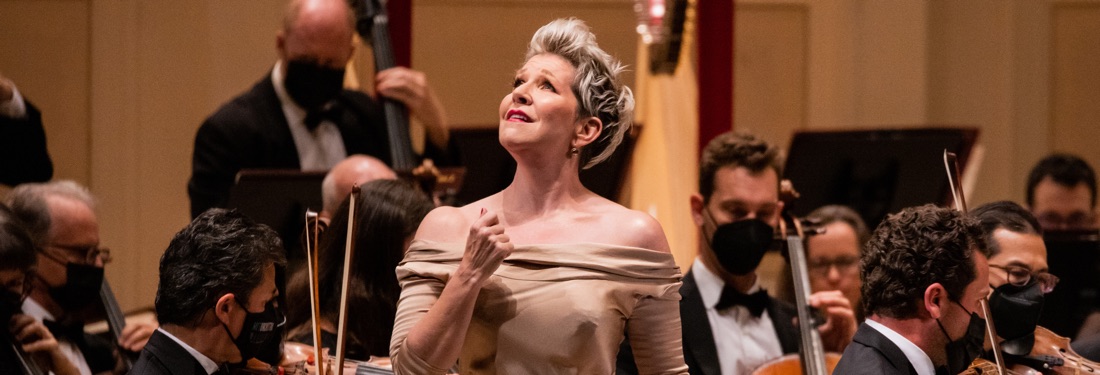
To conclude its triumphant season, last week the Met Orchestra performed its annual Carnegie Hall concerts under music director Yannick Nézet-Séguin and once again performed superbly.
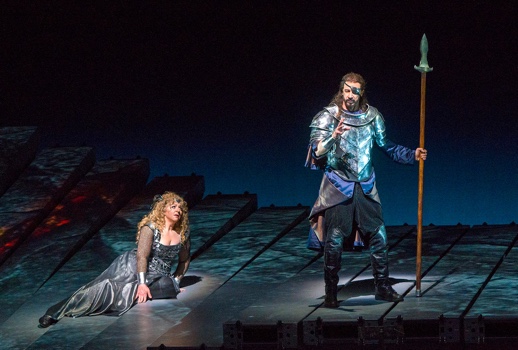
Die Walküre crystallizes the cycle’s questions, ideas, and stakes.
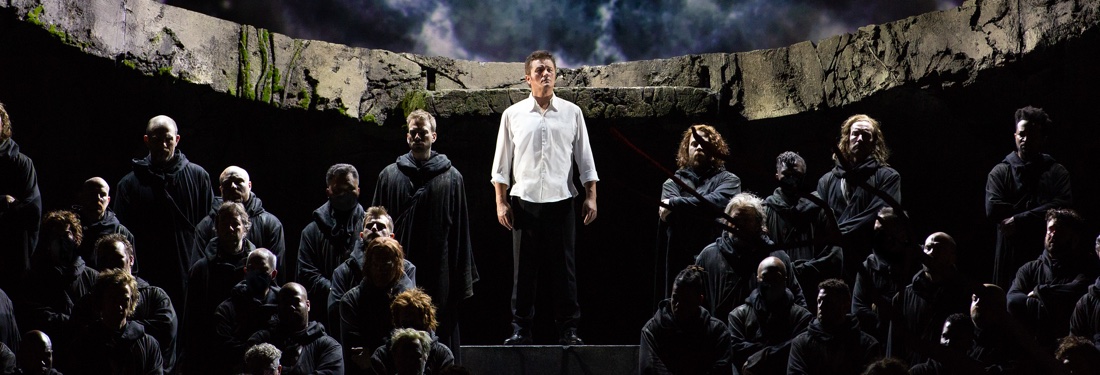
Here’s an update for those keeping up with the Lohengrin casting sweepstakes at the Met.

It seems that François Girard has been watching a little too much Star Wars lately. His new production of Lohengrin, which opened at the Metropolitan Opera Sunday afternoon, reduced Wagner’s opera to a knockoff space opera, full of hackneyed sci-fi tropes and B-rated futurist apologue.

Richard Wagner believed the key to any legend was contrasting the supernatural with human nature, and showing how the combination had no chance of enduring. In Lohengrin, the title’s character’s insistence on unconditional love and trust collide with the conditional expectations of the real world. The challenge is capturing the tale’s somber majesty without losing […]
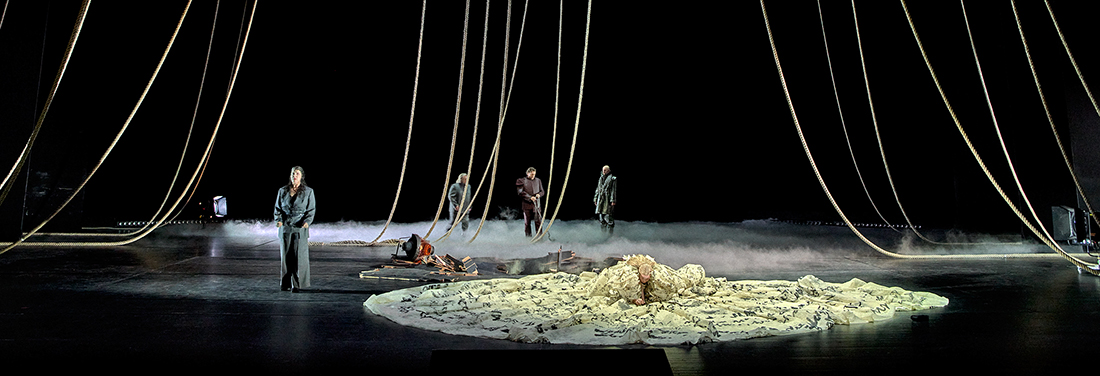
In Nike Wagner’s essay “The Sounding Silence,” the German dramaturge argues that “the longing for deathrepresents the central motif” of her great-grandfather’s opera Tristan und Isolde.

Christine Goerke‘s distracted, tentative Isolde turned out to be the least potent feature of what was an otherwise exciting and effective second act of Tristan.
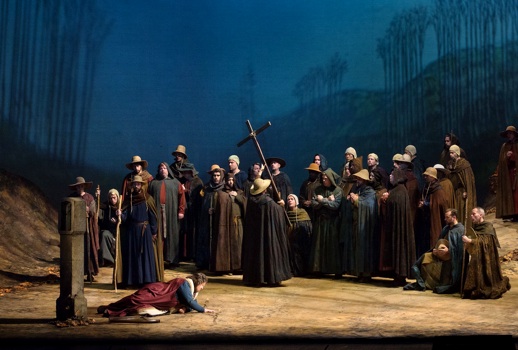
Although the season is less than three weeks old, Metropolitan Opera audiences may hear nothing else this season as beautiful as Peter Mattei’s “Song to the Evening Star.”
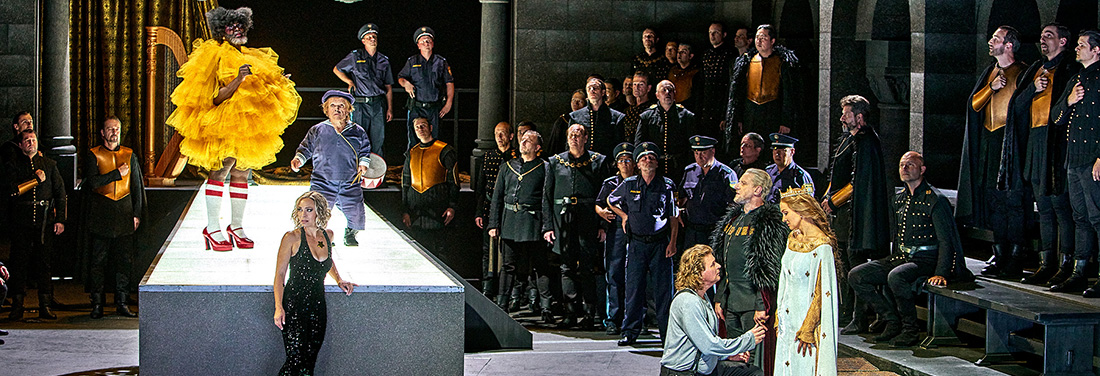
At the heart of Tobias Kratzer’s incisively rollicking production of Tannhäuser lies a metanarrative that maps Wagner’s early political and artistic challenges onto its hero’s philosophical struggles.
Fertilization; birth; growth; decay. Eating; digestion; defecation; fermentation; biogas recovery; food production. Wagner’s Tannhäuser is a meditation on the relentless, repetition of cycles that define our existence and man’s insistence on the possibility salvation despite all the biochemical evidence to the contrary.

While the celebrity-studded, expensively-dressed audience gathered for the gala opening of the Metropolitan Opera’s 2015-2016 season seemed genuinely enthralled by Monday evening’s performance of Otello, it was more likely swept away by the power of Verdi’s genius than by Bartlett Sher’s puzzling, inert new production.
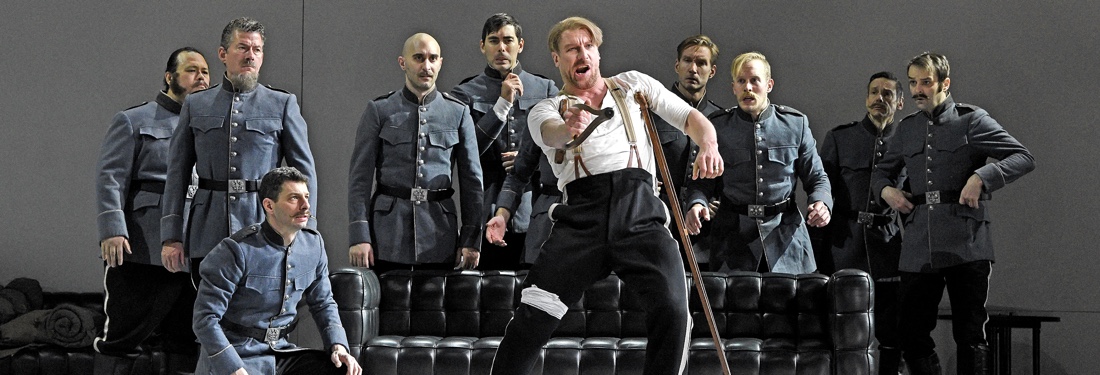
Saturday night’s Rosenkavalier at the Met was an evening of excess — beautiful singing, sensitive acting, elaborate sets, and an unfortunate business that mars Robert Carsen’s otherwise excellent production.
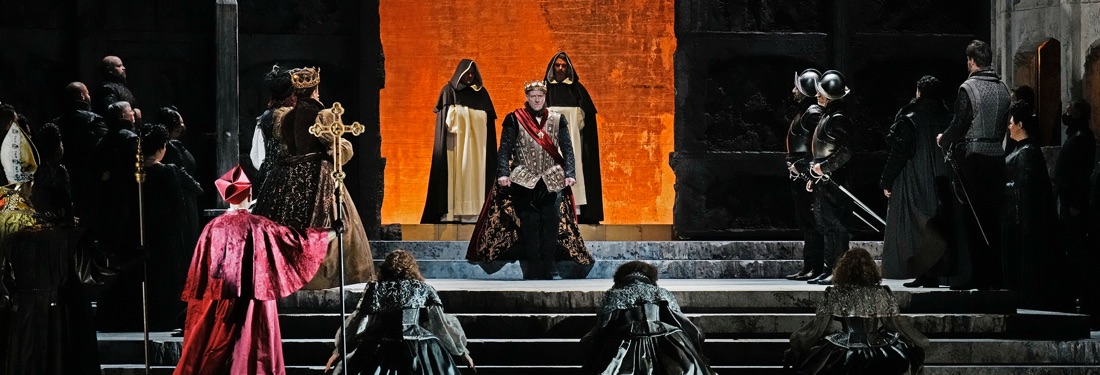
The revival of Don Carlo(s) which opened on November 3 restored the translated Italian text and the cut 1882 four-act revision not seen at the Met since Rudolf Bing’s last season in 1972.
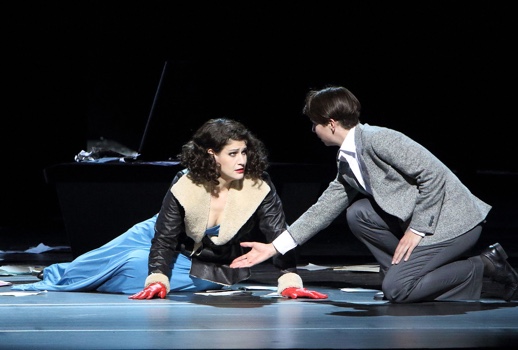
We humans tend to dislike uncertainty, therefore there is something comforting going to opera revivals; you know exactly what you are going to get.
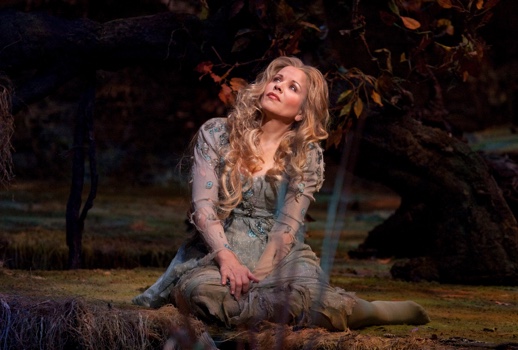
Today’s Rusalka video overview covers filmed performances of Dvorák’s opera since 2010.
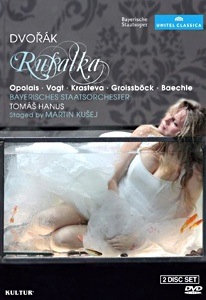
Rusalka and her sisters are huddled in the flooded basement.

The days are getting shorter, but you can keep the prattle going this fall’s Talk of the Town! You will, you can, you must join in the discussion about: Great mezzo soprano performances (October),
Gained in translation (November), Teleport me back to… (December).
Exclusive opera reviews, commentary, and top reads
delivered to your email weekly…ish.