
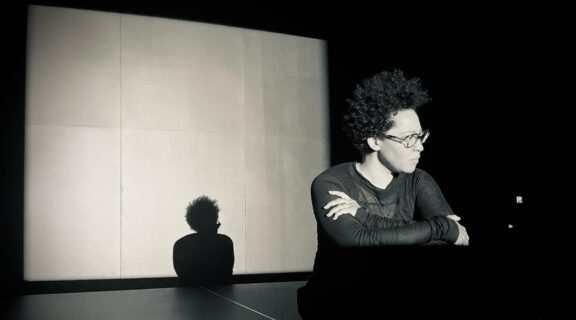
Here is who I am now
Julia Bullock on ten years of living with the life and artistry of Joséphine Baker before Paris performances of Perle Noire: Meditations for Joséphine
21 pieces since 2011.
Julia Bullock on ten years of living with the life and artistry of Joséphine Baker before Paris performances of Perle Noire: Meditations for Joséphine
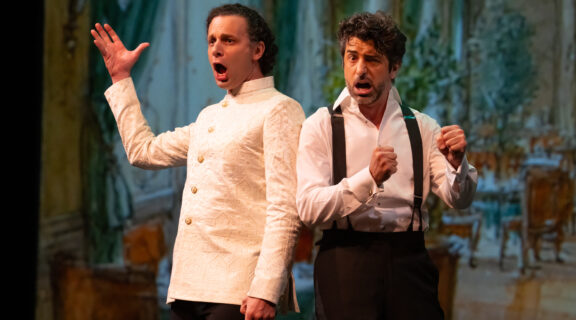
While it may not be top-tier Rossini, Teatro Nuovo’s mounting of Il turco in Italia is still good summer fun.
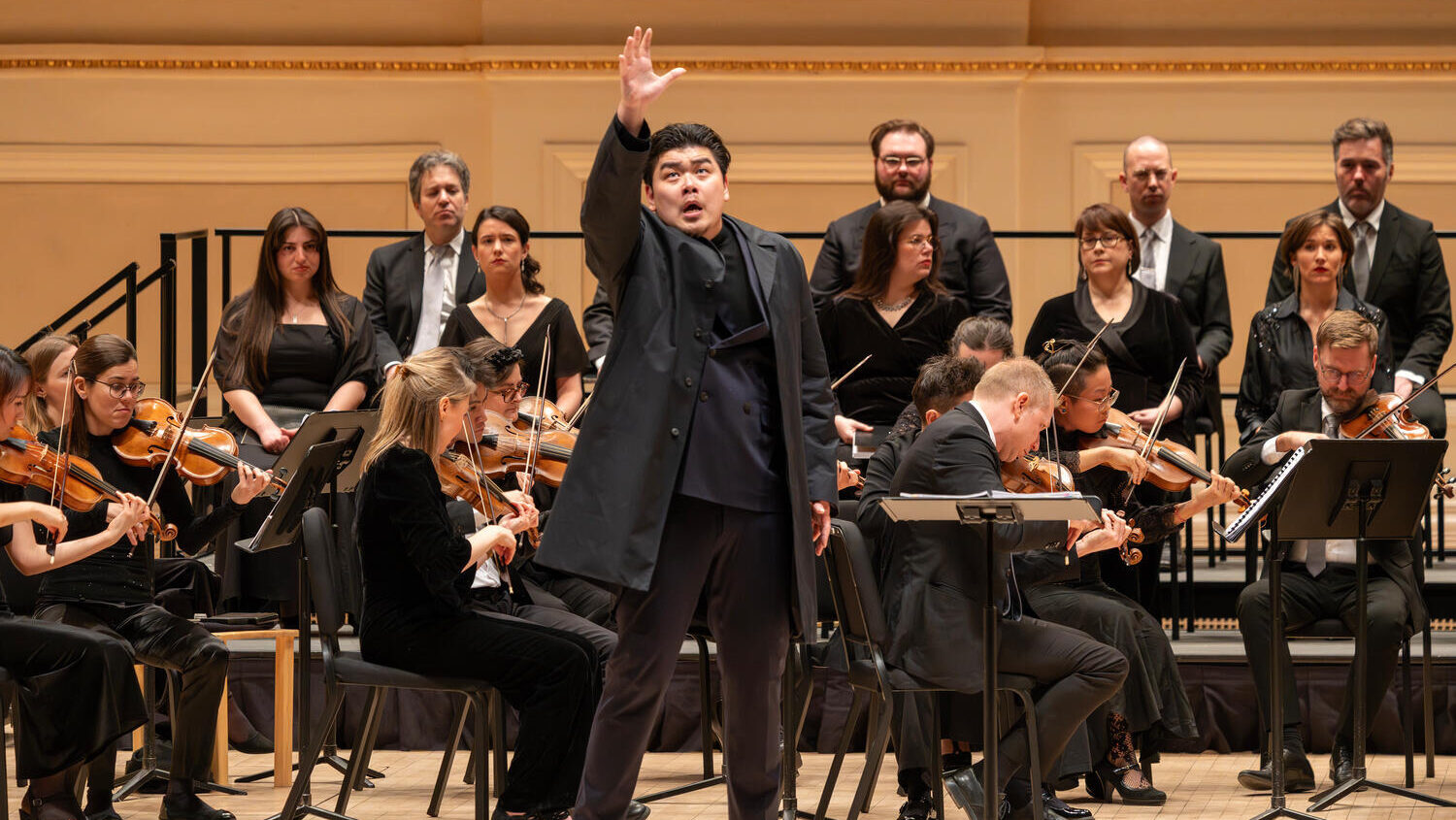
William Guanbo Su and Ann Hallenberg are compelling in The English Concert’s presentation of Handel‘s Hercules at Carnegie Hall.

As Messiah season begins, Christopher Corwin reports on two of Handel’s forays into the Old Testament.
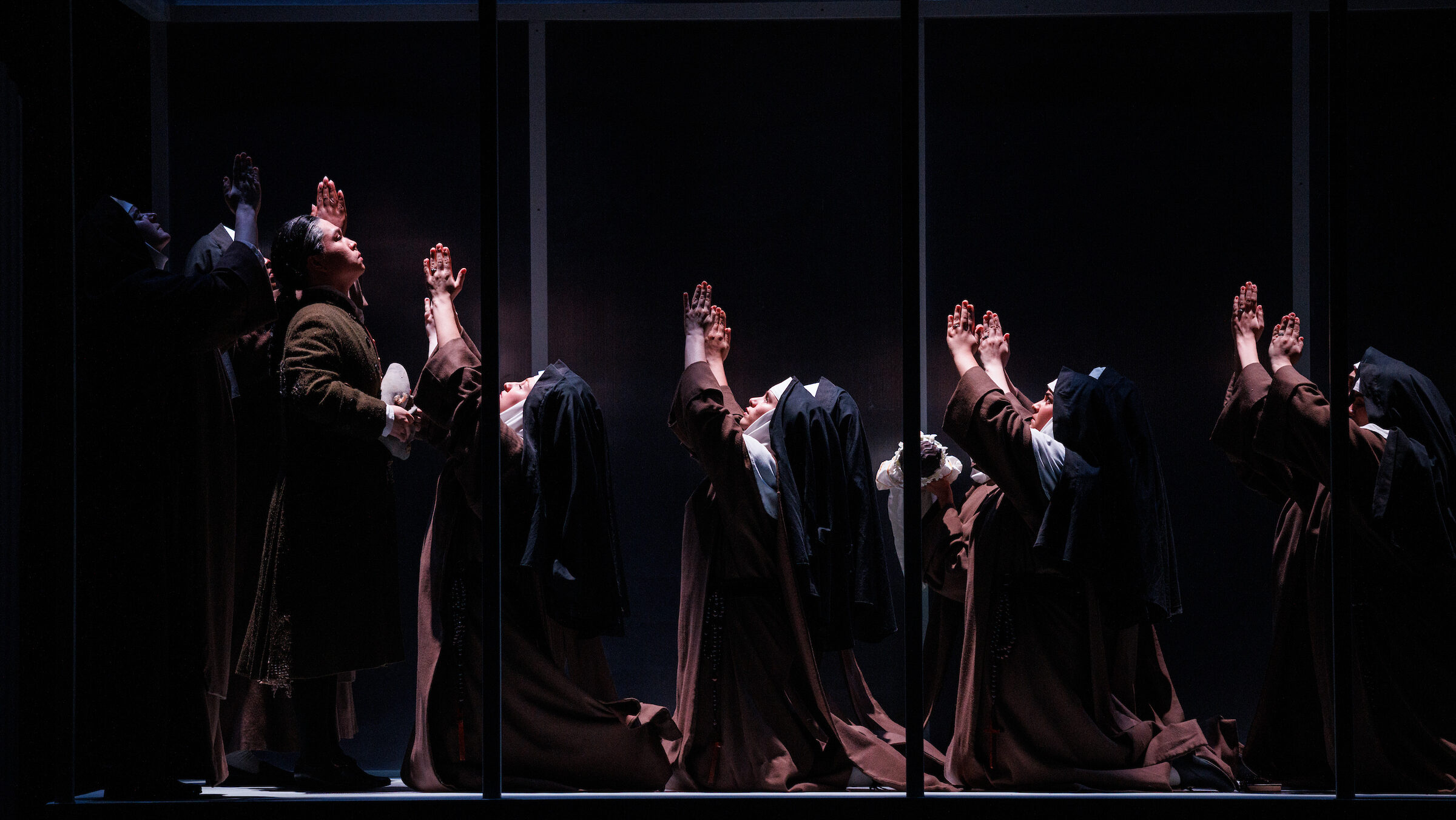
Turmoil and injustice in the federal government; turmoil and grief in the Catholic Church: the time sure seems right for a staging of Francis Poulenc’s Dialogues des Carmélites.
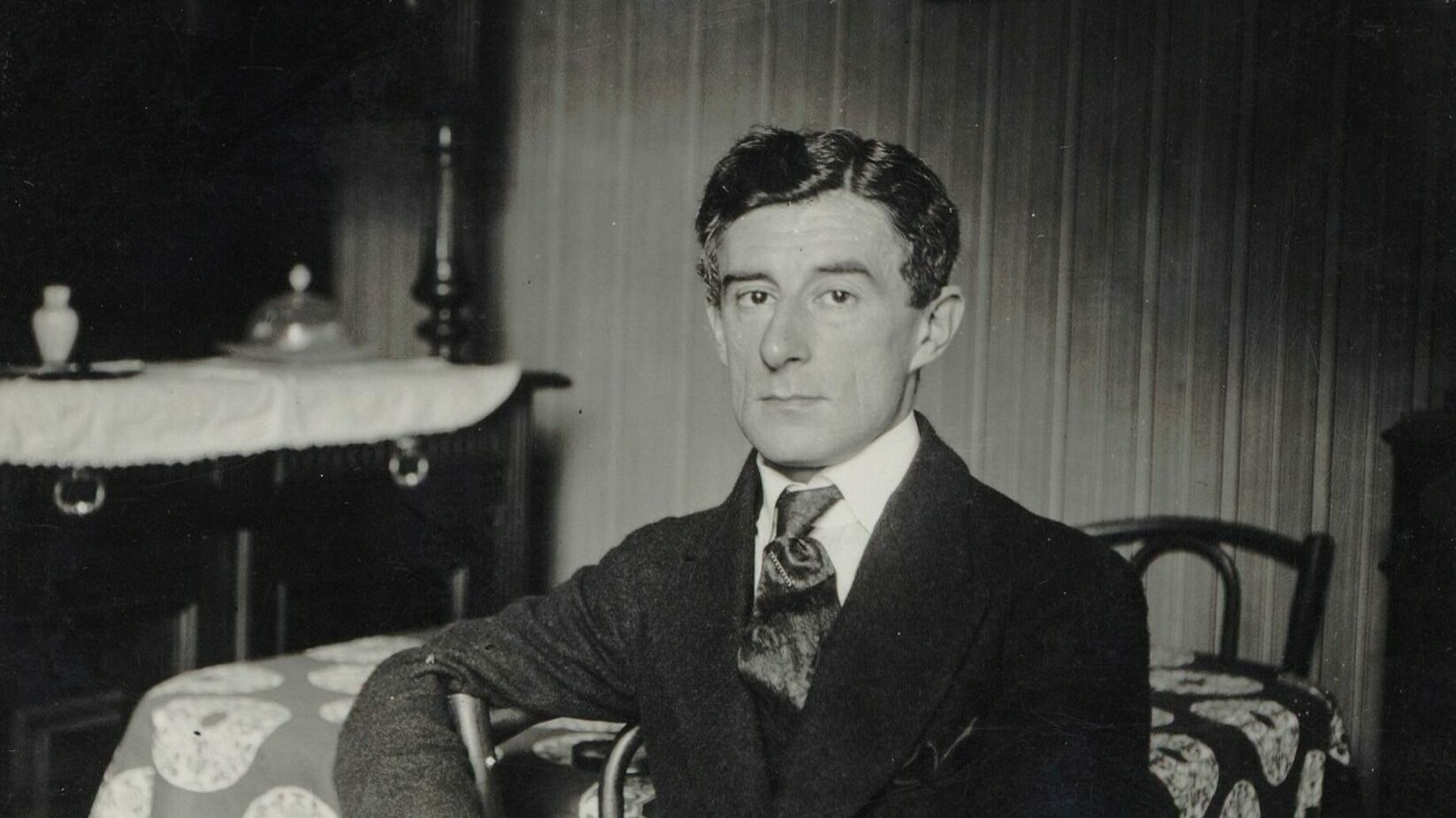
One of the highlights, if not the highlight, of No-Met-February was an all-Ravel evening presented by the Juilliard Orchestra.
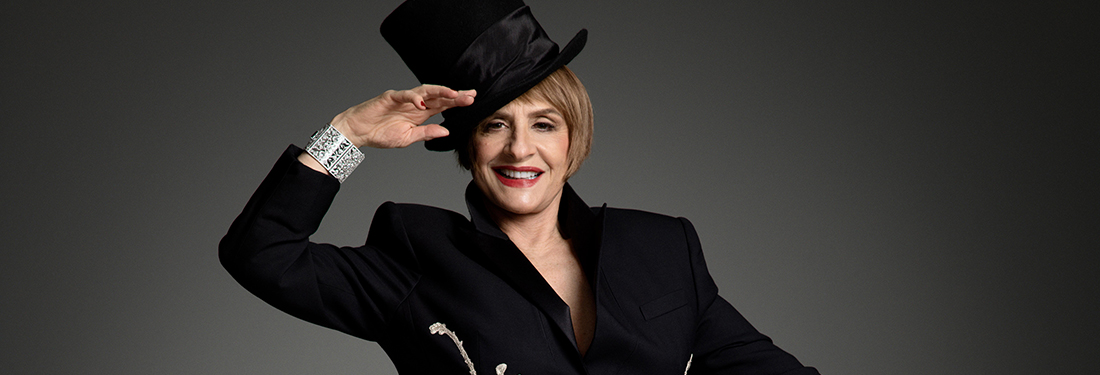
I have a confession and you may need to sit down for it: Andrew Lloyd Webber’s Evita was one of the gateway drugs to my eventual opera fandom.
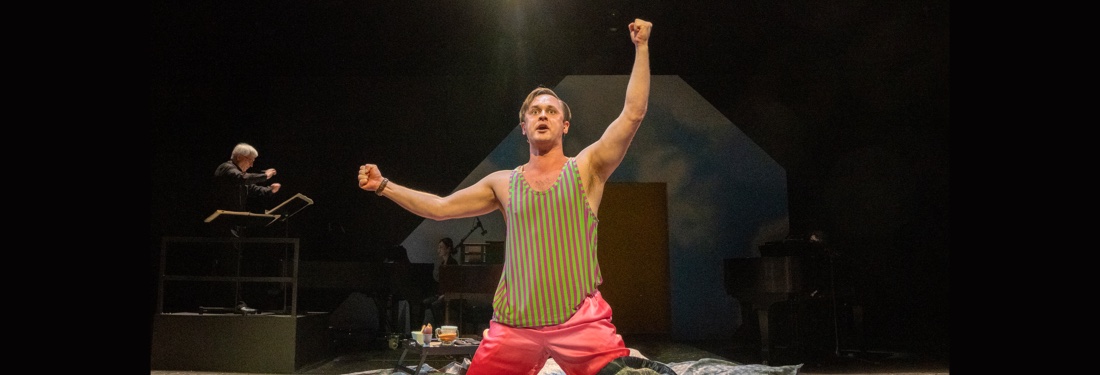
What’s the status of the American Dream nowadays? Did it ever really exist? If it’s dead, why isn’t it gone?
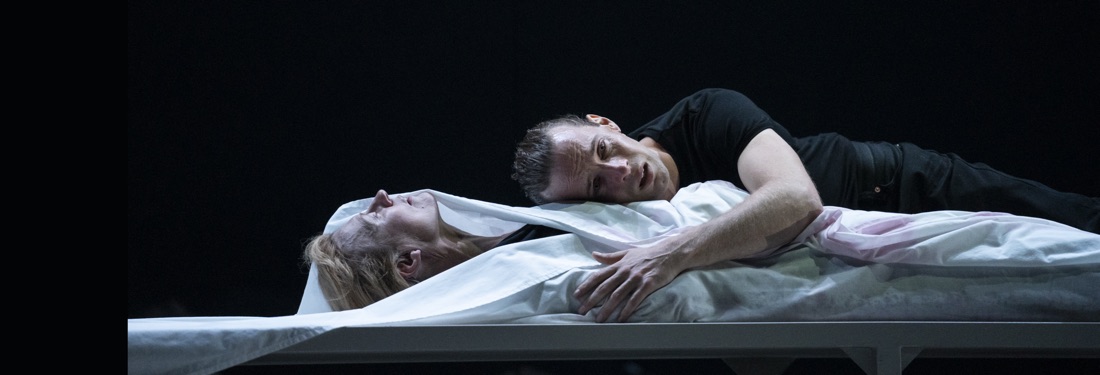
Having had many memorable encounters with these characters before, I had been looking forward to encountering them again in an ambitious contemporary Oresteia, but I left the Armory feeling that writer-director Robert Icke just didn’t get it.
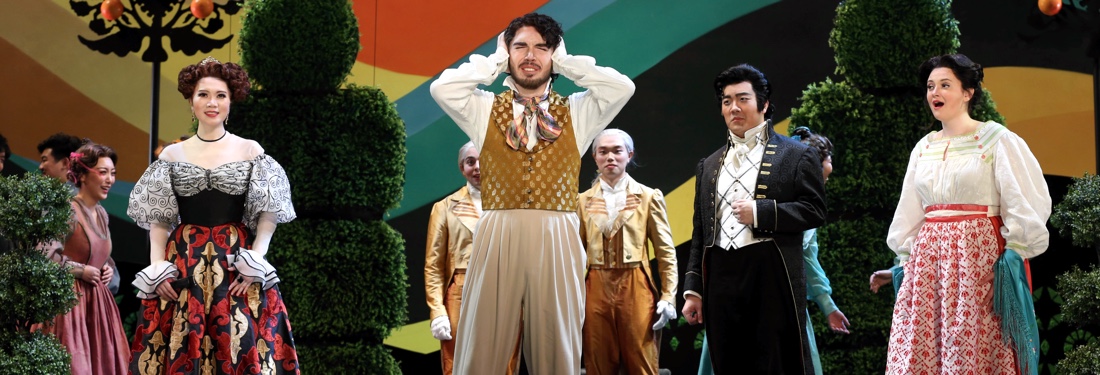
Mozart and Donizetti could humanize characters in a farce—Mercadante in I due FIgaro cannot get a handle on them.
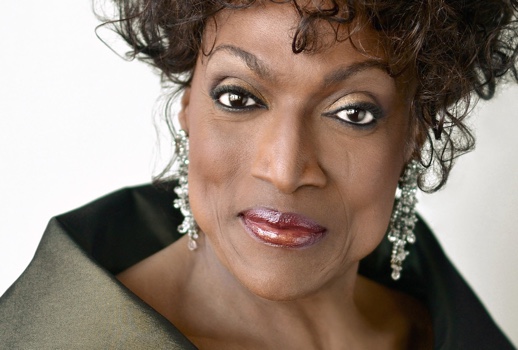
In addition to Jessye Norman, this event paid homage to the shamefully obscure soprano Sissieretta Jones—once billed as “The Black Patti.”
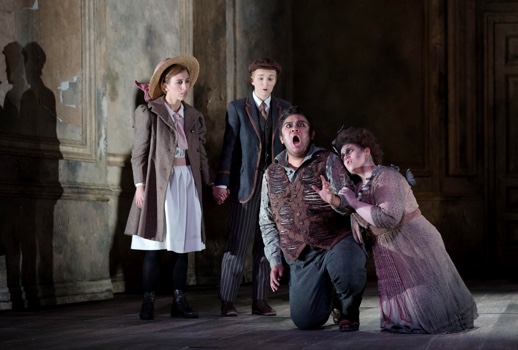
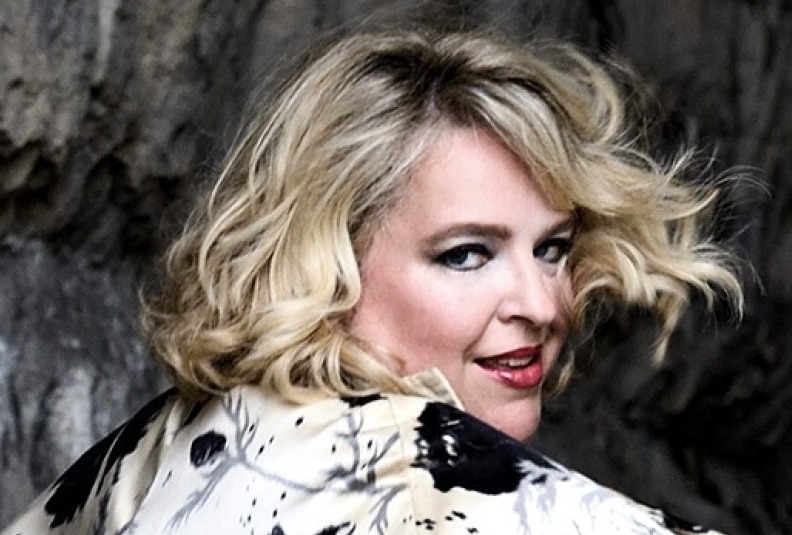
Armide with a superbly grand Francophone heroine in Karina Gauvin and conducted by the always excellent Ivor Bolton.
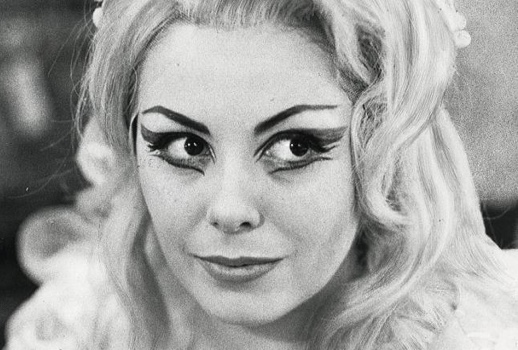
“Trove Thursday” offers a vernal take on Massenet’s magical Cendrillon (in English) featuring two sopranos: Margaret Price—not yet 30—and Anne Pashley, then just 35.
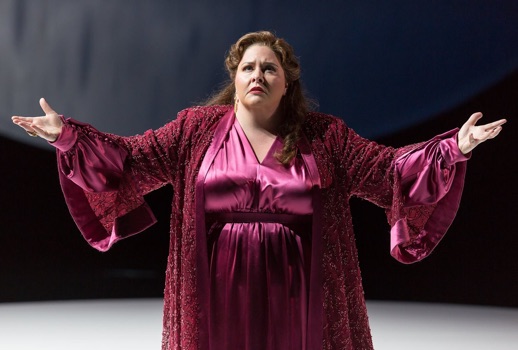
Washington National Opera’s lukewarm Alcina, unthreateningly misguided in both its musical and theatrical values, made little impact.
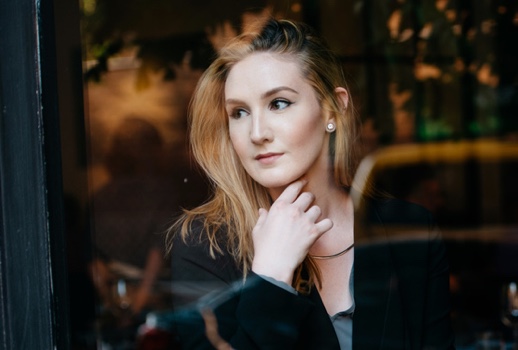
Samantha Hankey, so impressive as Diana and Giove-in-Diana in Juilliard’s recent run of Cavalli’s La Calisto, was the perfect Cenerentola.
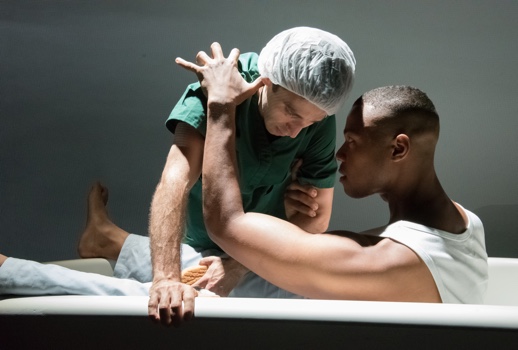
Wednesday brought Christopher Alden’s grimly dark and violent take on Handel’s Aci, Galatea e Polifemo at National Sawdust.
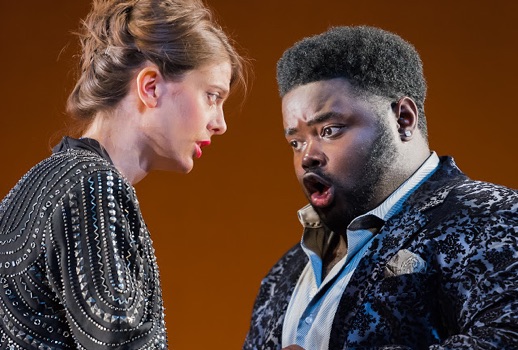
Since its founding 20 years ago, Washington, DC-based Opera Lafayette has devoted its considerable imagination and energy to reviving lesser-known 17th and 18th century French operas.

New York City isn’t a bad place to live, operatically-speaking.

Almost exactly twenty years after her auspicious Metropolitan Opera debut as the Fiakermilli in Arabella and a year following what she has claims was her final appearance on the operatic stage, Natalie Dessay returned Sunday afternoon to Lincoln Center—to sing opera.
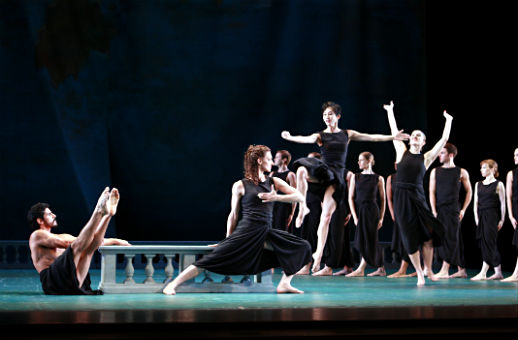
After 23 years, the Queen of Carthage has finally made it to Manhattan.
As suggested in Part I of this piece, to experience Glass’s Satyagraha as a purely aesthetic experience is unfortunately to succumb to a romantic ideology promoting detached reflection on art which is wholly inapplicable to such a politically-charged opera. The idea that Gandhi’s action-oriented philosophy would be packaged and sold for the sake of passive […]

The days are getting shorter, but you can keep the prattle going this fall’s Talk of the Town! You will, you can, you must join in the discussion about: Great mezzo soprano performances (October),
Gained in translation (November), Teleport me back to… (December).
Exclusive opera reviews, commentary, and top reads
delivered to your email weekly…ish.