Turkish delight on a moonlit night
While it may not be top-tier Rossini, Teatro Nuovo’s mounting of Il turco in Italia is still good summer fun.
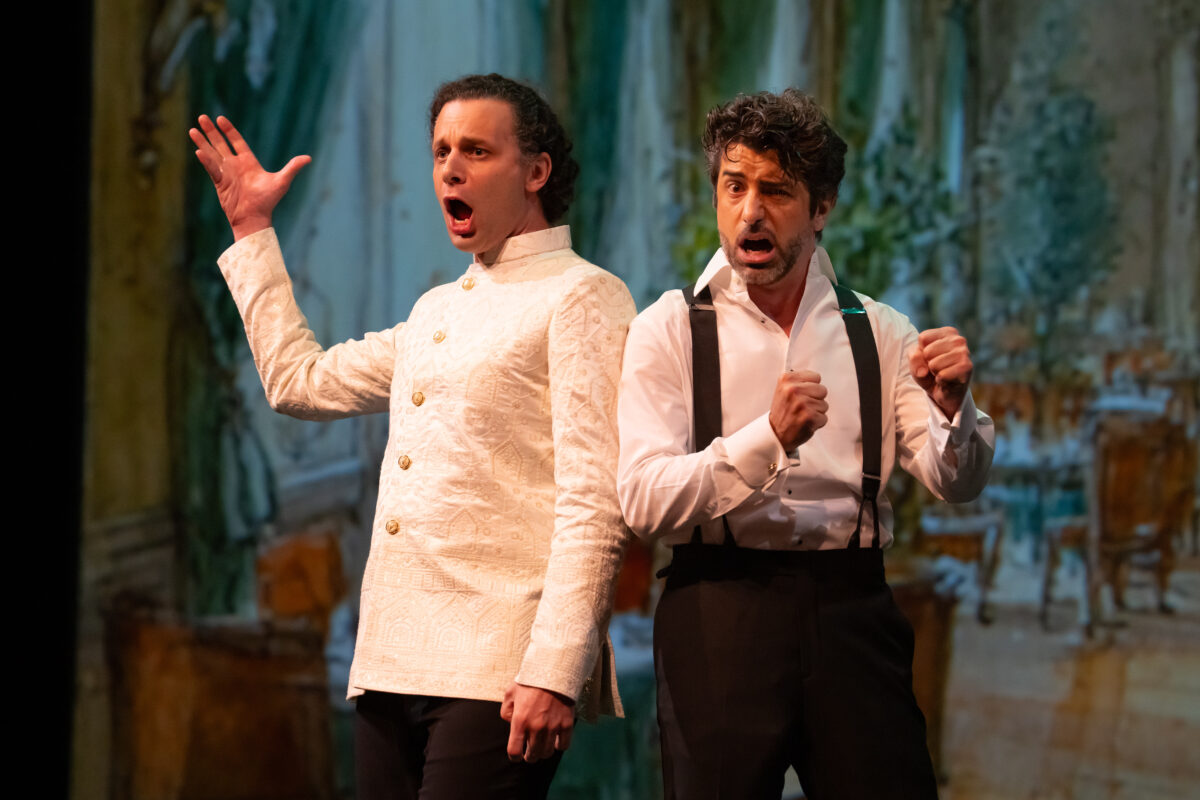
Photo: Steven Pisano
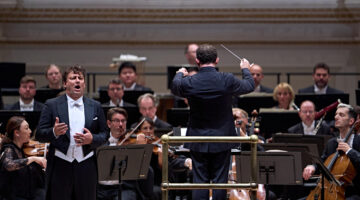
After a detour to City Center last summer, Teatro Nuovo returned to the Rose Theater, Jazz at Lincoln Center to offer its eagerly anticipated annual pair of semi-staged opera performances. This July, the enterprising company, under its General and Artistic Director Will Crutchfield, dedicated its season to a commemoration of the 200th anniversary of the ten-month residency that introduced Italian opera to New York City. Beginning on November 29, 1825, a company of eight singers led by legendary tenor Manuel Garcia Sr. performed the U.S. premieres of nine works including Mozart’s Don Giovanni and Rossini’s Il turco in Italia, the two operas Teatro Nuovo presented this year.
The latter work might be best remembered for its catchy name rather than for its music. A year before Turco premiered, Rossini offered L’Italiana in Algeri in Venice, and it proved a grand success. The twenty-two year-old composer then made his La Scala debut with Aureliano in Palmira followed by Turco in August 1814. Neither proved a success, with Turco being inevitably and unfavorably compared to Italiana: They shared a similar name, and their antic plots revolve around a foreigner’s arrival in an unfamiliar locale, setting off a farcical series of comic misadventures. While Italiana features a captivating and quick-witted heroine, the bland title character of Turco quickly becomes secondary to Fiorilla, the married siren determined to seduce any man who crosses her path, especially Selim, newly-arrived from Turkey.
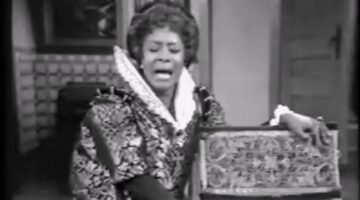
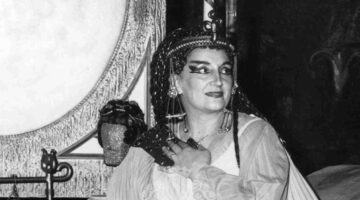
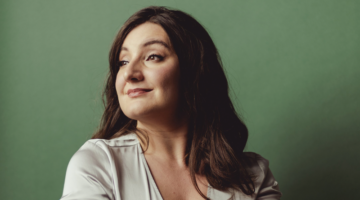
Turco’s unusual libretto, an early work by the twenty-six year-old Felice Romani, may in part explain why the work has never been embraced as enthusiastically as Italiana has. Despite an ornate “11 o’clock” scena in which she signals a renunciation of her compulsive man-eating ways, Fiorilla is a most unsympathetic central figure, pursuing Selim purely for the sake of novelty while blithely ignoring both her husband, Don Geronio, and her current lover, Don Narciso. Nonetheless, Turco’s occasional post-war revivals have been as diva vehicles for Maria Callas, Beverly Sills, Montserrat Caballé (who only recorded the opera), and Cecilia Bartoli. More recently, Lisette Oropesa has performed Laurent Pelly’s take on Fiorilla, and Julie Fuchs takes on the role this November in a revival of Christof Loy’s production at the Hamburgische Staatsoper.
Being far from a Callas-completist, I’ve never listened to her complete Turco recording, but I remember the fairly recent ecstasy that greeted the rediscovery of a good-sounding aria from 1950 which I duly appreciated for her trademark bel canto ease.
I remember starting to watch the live 1978 Turk (it was performed in English) telecast of Sills from New York City Opera, but I turned it off midway as I’d developed an allergy to America’s sunny Prima Donna by that time. As expected, Rossini basso par excellence Samuel Ramey did briefly embrace Selim; he’s Caballé’s partner in flirtation on CD, while he and Lella Cuberli (my Met Assur and Semiramide seven years later) teamed up at the 1983 Rossini Opera Festival in Pesaro. In 2014, Juilliard revived Turco under Speranza Scappucci’s fizzy baton in a brightly persuasive production by John Giampietro featuring standout portrayals by Hyesang Park and Michael Sumuel as Fiorilla and Selim.
While it lacks Italiana’s inviting plot and endless fount of melody, Turco nevertheless contains many inventive numbers, particularly dazzling ensembles in which the principals combine in near-every permutation. The opera’s most intriguing feature is the character of Prosdocimo, a poet whose struggles to create a new libretto are wittily confided to the audience in recurrent fourth wall breaks. Unfortunately, his meta-comments stand outside the main action except for an exceptional trio with the Selim and Geronio. Teatro Nuovo veteran Hans Tashjian brought a wryly bemused whimsy to Prosdocimo, his light bass-baritone, however, occasionally got lost in the ensembles.
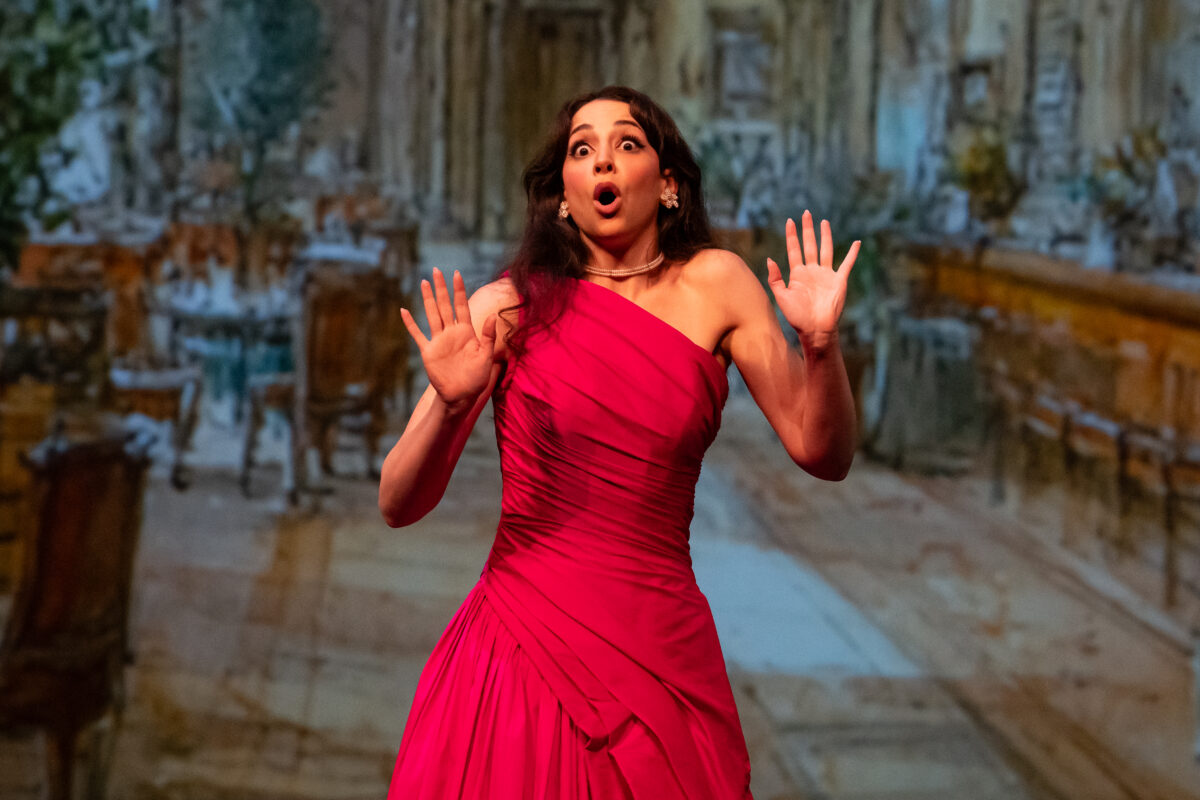
Photo: Steven Pisano
Initially, Elisa Citterio’s large period-instrument ensemble sometimes covered her singers, but balance issues resolved themselves by the end of the first act. Leading her enthusiastic crew as primo violino, Citterio set lively tempi that nevertheless allowed lovely details from Rossini’s delicious orchestral writing to emerge. However, Turco’s energy began to seriously lag during the inordinately long second act, where consecutive (and unilluminating) arias brought the plot to an absolute standstill. Nevertheless, Max Alexader Cook as Don Narciso and David Freides as Albazar brought pleasingly agile tenors to their solo moments in the spotlight.
Kresley Figueroa as Fiorilla must have tired, as her attenuated final aria featured increasingly chaotic coloratura. Prior to that, however, her fevered sensuality and vivid intensity along with pungent high acuti enlivened her seduction game. She lacked an equal partner in Vincent Graña, whose wooly bass-baritone struggled with Rossini’s florid lines. His uncharismatic Selim failed to command the stage which, as usual with Teatro Nuovo presentations, featured apt projections of historical venues—in lieu of sets—and contemporary dress. I was surprised to see Sabatina Mauro listed in the program as a soprano. Her Zaida, Selim’s discarded betrothed, abounded with lush mezzo fervor, prompting a friend to remark that she seemed destined for Amneris.
However, the star of the evening was once again Italian bass-baritone Mattia Venni as Fiorilla’s brutally ignored husband Don Geronio. In 2018, the cameraman-turned-bass-baritone (check out his IMDB page) abandoned film for opera, and he brought irresistible energy and stylish élan to Crispino in Teatro Nuovo’s immensely enjoyable revival of the Ricci Brothers’s Crispino e la Comare three years ago. Once again, his superbly effortless patter won the day and nearly made Geronio the central character.
Despite reservations that have surfaced regarding works featuring awkwardly satiric portraits of Muslim-associated characters, not only this Turco has been revived this summer but the Ravinia Festival and the Chicago Symphony just presented Die Entführung aus dem Serail , which too was just staged at Paris’s Théâtre des Champs-Élysées. Another stab at the Mozart occurs at Bard Summerscape on August 16.

Christopher Corwin
Christopher Corwin began writing for parterre box in 2011 under the pen name “DeCaffarrelli.” His work has also appeared in , The New York Times, Musical America, The Observer, San Francisco Classical Voice and BAMNotes. Like many, he came to opera via the Saturday Met Opera broadcasts which he began listening to at age 11. His particular enthusiasm is 17th and 18th century opera. Since 2015 he has curated the weekly podcast Trove Thursday on parterre box presenting live recordings.
-
People: Beverly Sills, Cecilia Bartoli, Christof Loy, Elisa Citterio, Felice Romani, Hans Tashjian, Hyesang Park, John Giampietro, Julie Fuchs, Kresley Figueroa, Laurent Pelly, Lella Cuberli, Lisette Oropesa, Maria Callas, Mattia Venni, Michael Sumuel, Montserrat Caballé, Samuel Ramey, Speranza Scappucci, Steven Pisano, Vincent Graña, Will Crutchfield
-
Works: Aureliano in Palmira, Crispino e la comare, Die Entführung aus dem Serail, Don Giovanni, Il turco in Italia, L'italiana in Algeri
-
Places & Organizations: Bard SummerScape, Chicago Symphony Orchestra, Juilliard, New York City Opera, Ravinia Festival, Rossini Opera Festival, Teatro Nuovo, Théâtre des Champs-Elysées