

O Say, Can You Kelsey
Baritone Quinn Kelsey’s recital of English-language art songs in partnership with pianist Craig Ketter was a worthy celebration of Vocal Arts DC’s 35th-anniversary season.
23 pieces since 2010.
Baritone Quinn Kelsey’s recital of English-language art songs in partnership with pianist Craig Ketter was a worthy celebration of Vocal Arts DC’s 35th-anniversary season.
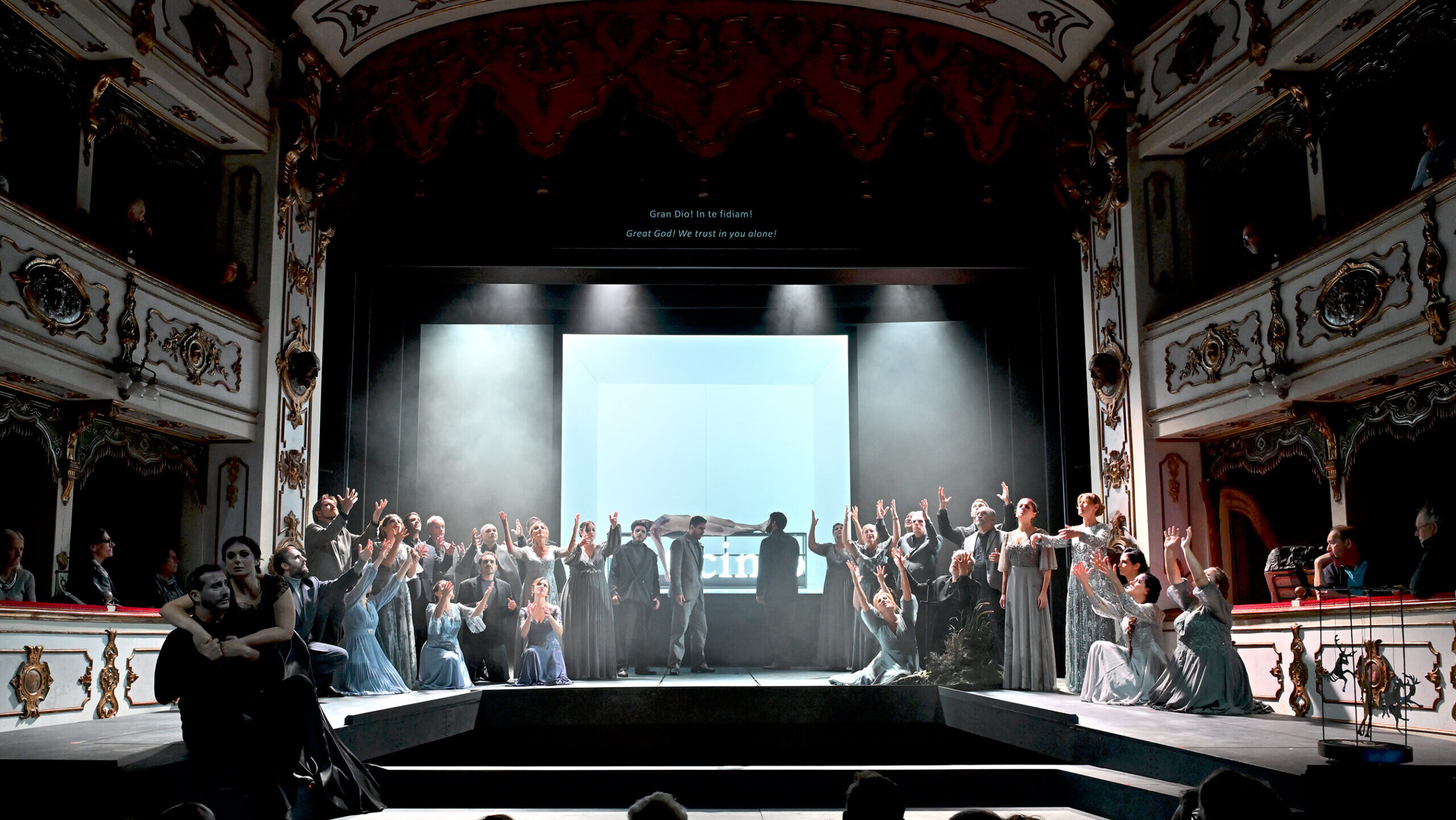
Macbeth at the Festival Verdi in Parma aims big — on a small scale
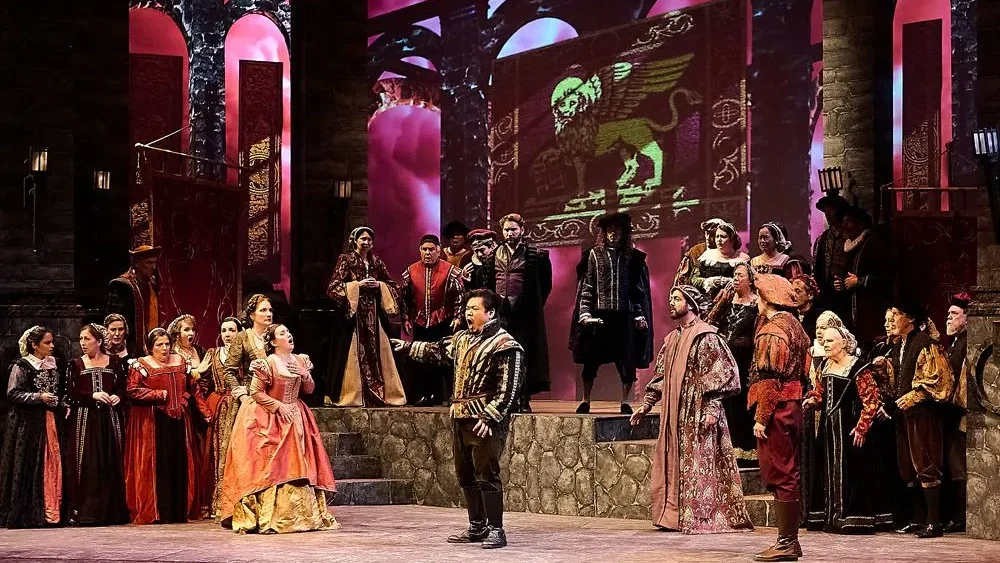
West Bay Opera’s Otello punches well above its weight
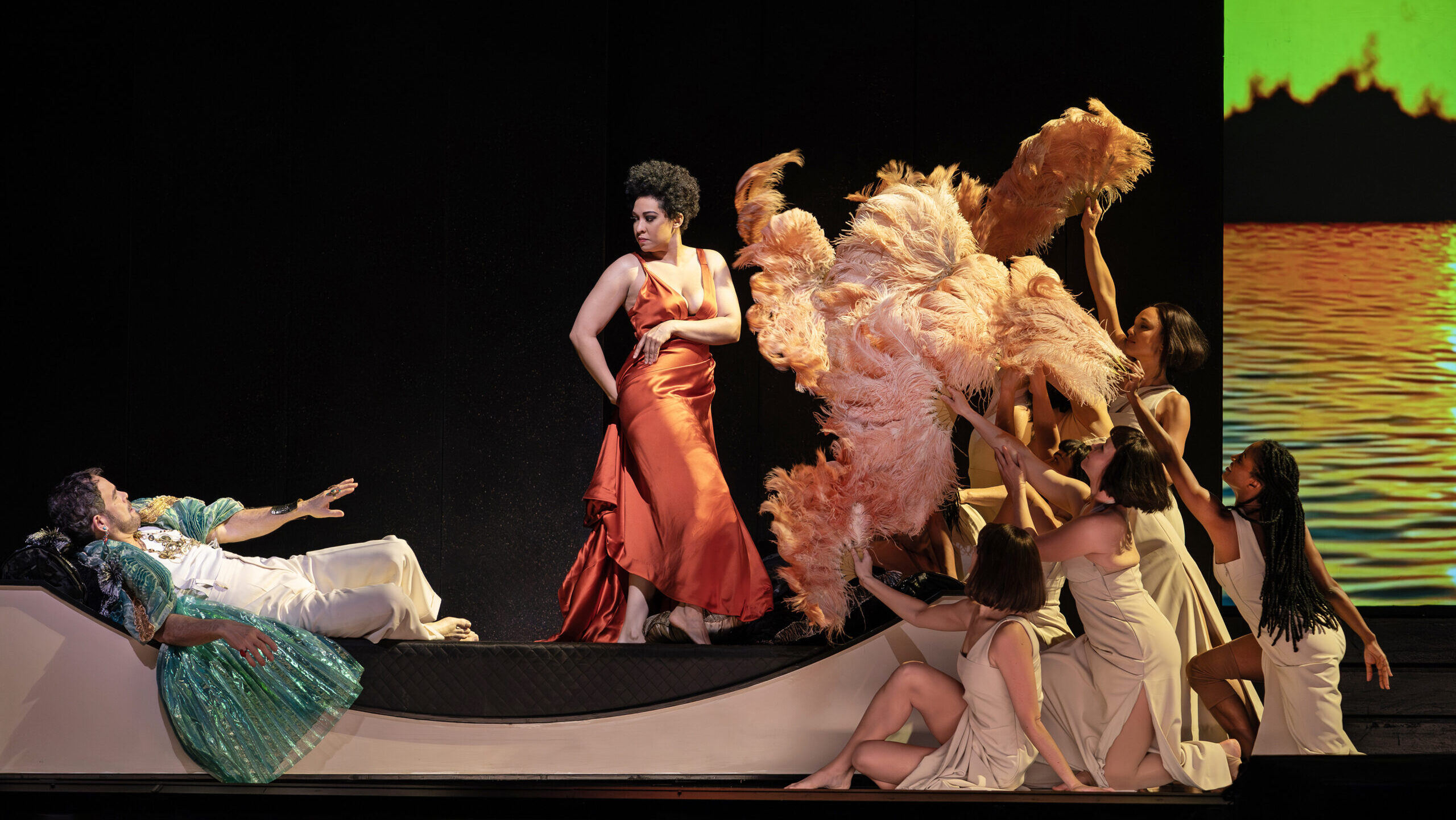
An impressive cast blurs binaries as John Adams‘s ambitious Antony and Cleopatra arrives at the Met
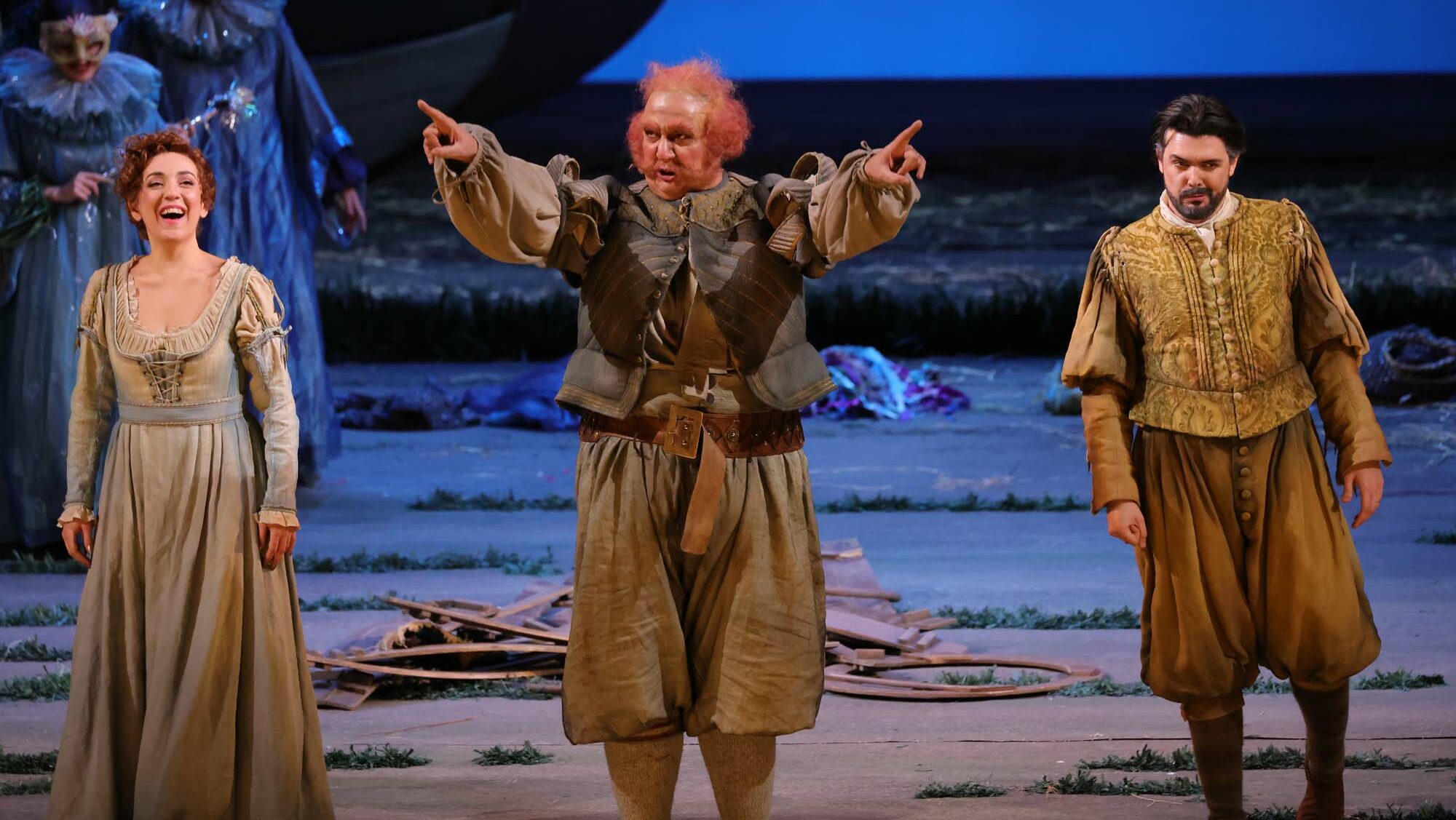
Revivals of Falstaff in Milan and Don Carlo in Naples have Larry Wolff thinking across the six decades of Verdi‘s career

I’ve argued with myself for many years as to which was my favorite opera by Giuseppe Verdi, La forza del destino or Don Carlos. The latter finally won out especially after studying it in depth, but in the long run, it is the music of Forza that I love the most.

In a lovingly curated program of art songs, Ying Fang and the pianist Myra Huang presented pieces hailing from four different national traditions.

Over the course of 700 pages, Alex Ross exhaustively—and sometimes exhaustingly—examines an impact that began in the Wagner’s own lifetime and continues unbroken today, with references cropping up in contemporary works as different as The Matrix and Curb Your Enthusiasm.
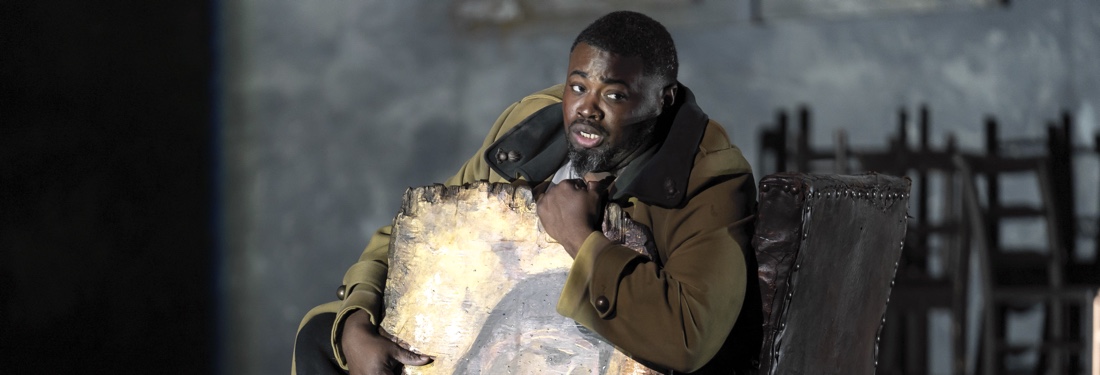
While Russell Thomas admirably goes toe to toe with Otello (and Otello) in a thoughtful and self-aware way, the assumption feels like a work in progress if not an outright mismatch with his vocal gifts.
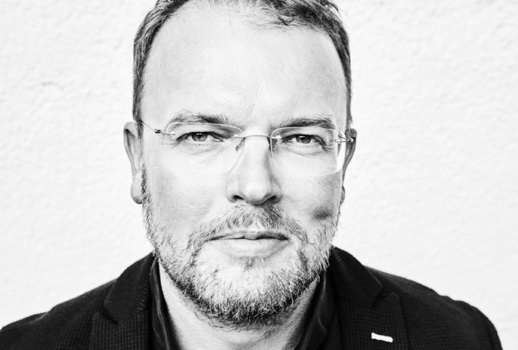
In this recital, the Polish bass-baritone Tomasz Konieczny and his pianist Lech Napierala present the world premiere recording of Stanislaw Baranczak‘s Podróz Zimowa (Winter’s Journey), which weds the poet’s meticulously crafted poetry to the music of Franz Schubert.
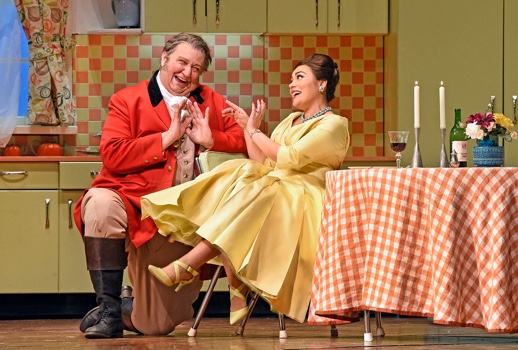
Since 1985, from the Chicago Symphony at Carnegie Hall to the Welsh National Opera visiting BAM and from Chicago Lyric to New York City Opera to the Met, I’ve never encountered a bad Falstaff—or one that didn’t astound and delight me.
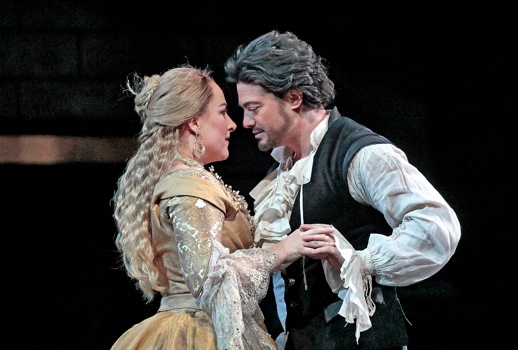
The Met ushers out this wretched year and rings in the new with an elegant and effective new production of Charles Gounod’s Roméo et Juliette.
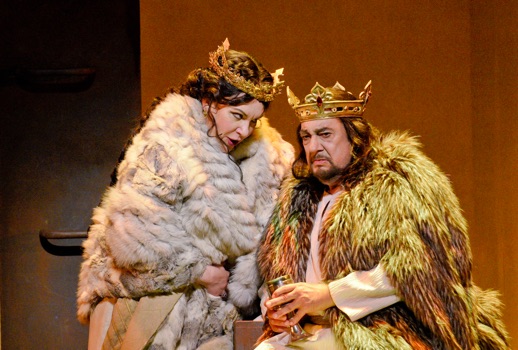
The characters get right down to work immediately with their foul deeds.
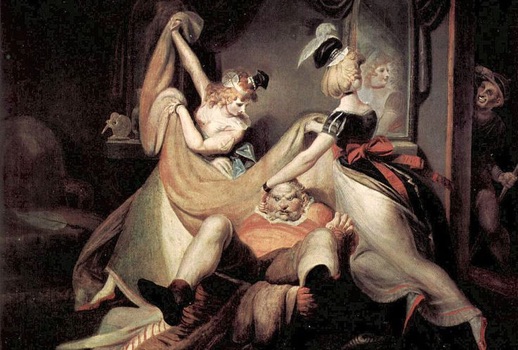
“Trove Thursday” continues its mini Shakespeare festival with a delightful performance by the New York City Opera of Die Lüstigen Weiber von Windsor.
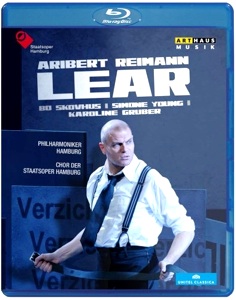
Aribert Reimann’s 1978 opera Lear, based of course on Shakespeare’s titanic tragedy King Lear, is a major achievement in modern operatic scoring.
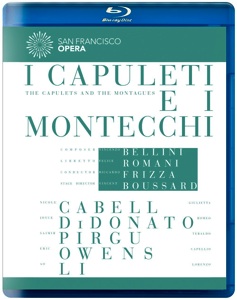
The key to enjoying Bellini’s I Capuleti e Montechi is to do a hard factory reset and reformat your brain to forget all other works based on Romeo and Juliet.

In recent years the enterprising Dell’Arte Opera Ensemble has brightened the usually arid weeks of August in New York City with some worthy operatic showcases for young singers.
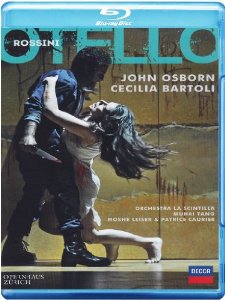
Before there was Verdi’s Otello, Rossini’s Otello was considered the master operatic adaptation of Shakespeare’s tragedy.

Falstaff, Verdi’s final opera, is exuberantly inventive, bubbling and roiling with ideas the 79-year-old composer was too impatient to develop.
Camille Saint-Saëns was such a brilliant, facile musician that pals like Wagner and Liszt felt a distinct schadenfreude when he suffered composer’s block.
“Theater ohne Regie gibt es nicht – das ist ganz einfach dann lediglich Literatur.” So writes Jürgen Flimm in the Berliner Morgenpost: “Theater without direction does not exist; it is simply only literature.” UPDATE: Our Own Batty Masetto has provided a translation after the jump.
I have to confess to a certain bias: I adore Rossini’s music. Barber was the first album I ever bought, and fittingly, the first opera I ever sang. Rossini was an astonishingly prolific composer, writing more than thirty-five operas, as well as numerous secular and sacred choral works, songs, and chamber music.

The days are getting shorter, but you can keep the prattle going this fall’s Talk of the Town! You will, you can, you must join in the discussion about: Great mezzo soprano performances (October),
Gained in translation (November), Teleport me back to… (December).
Exclusive opera reviews, commentary, and top reads
delivered to your email weekly…ish.