I am certain that we Parterrians are a very literate, even literary, group.
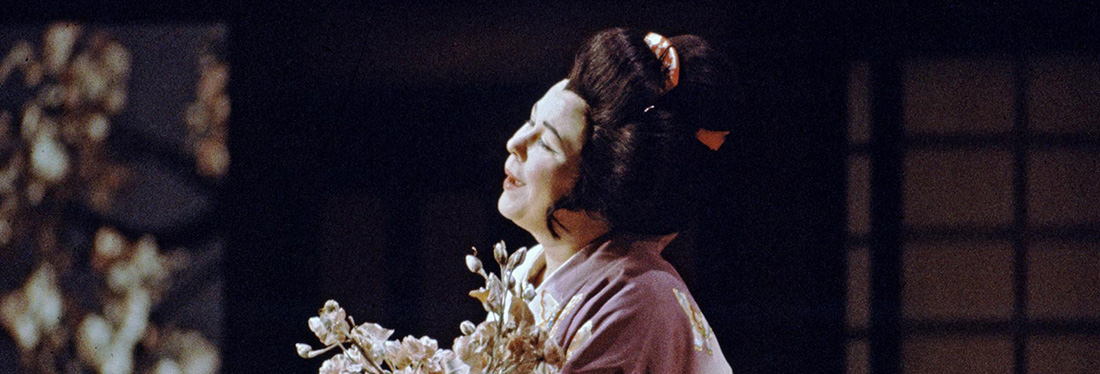
The scene: a vocal audition, sometime in the past. A young, blond soprano approaches the podium. Her aria: “Un bel di.” She sings. Before she gets to the second “Chi sara” she’s rudely interrupted.
Anna Netrebko‘ s new CD of Verdi arias seems to be a bold, defiant, “in your face” statement about the direction she is taking with her career.
Name a Verdi opera, based on a play by Voltaire, described in the immortal words of the composer as “Questo e proprio brutto.”
For better or worse, Decca’s new Norma recording will ultimately be embraced—or dismissed—by those reacting directly to Cecilia Bartoli’s controversial portrayal.
On this, the occasion of her 37th birthday [see below], La Cieca is happy to repeat the story of how she came to be born (as first told in the pages of parterre box, issue #28.
“I didn’t think anything could be campier than Adriana. But this is nothing but camp. Adriana at least has tunes.”
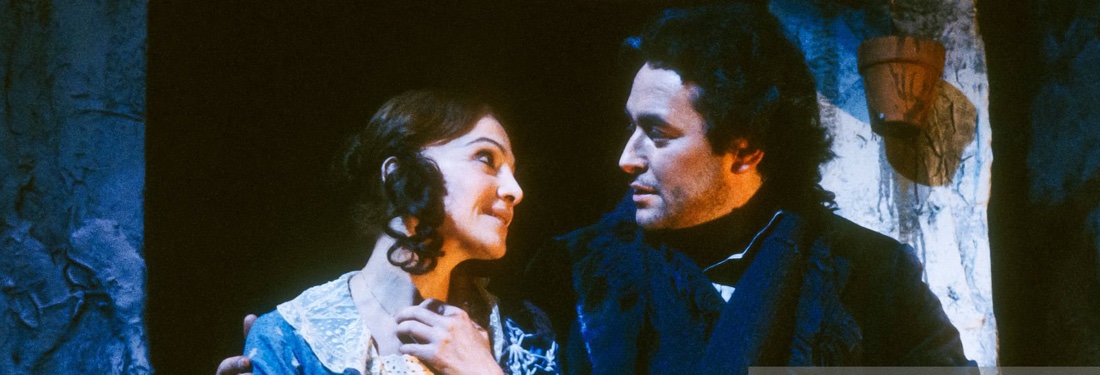
Death and its terrible aftermath hang like a pestilent fog over director Stefan Herheim’s fascinating and chilling production of Puccini’s La Bohème for Den Norske Opera.
Puccini’s evening of one-act operas Il Trittico seems to be riding a wave of popularity over the last few years, with a new production at the Met and several high-profile productions in America and Europe.
Richard Wagner told Cosima he first got the idea of composing an opera about Tristan and Isolde while he was conducting Bellini’s I Capuleti e i Montecchi starring his muse, Wilhelmine Schröder-Devrient, in the trouser role of Romeo.
The Monday, 12th December, Weill Hall recital debut of Signora Chiara Taigi, a strikingly good looking Italian soprano, who had made her American operatic debut this past March, starring as Selika in the OONY production of Meyerbeer’s long-neglected L’Africaine, was something Your Own Camille had looked forward to with a high hopes and a faintly…
You may recall, cher public, that a few weeks ago La Cieca challenged you to identify the blurbs for that new picture book (James Levine: 40 Years at The Metropolitan Opera, and yes, it’s available on Amazon!) Where was I, oh, yes. Anyway, La Cieca supplied three of the back cover blurbs and you were…
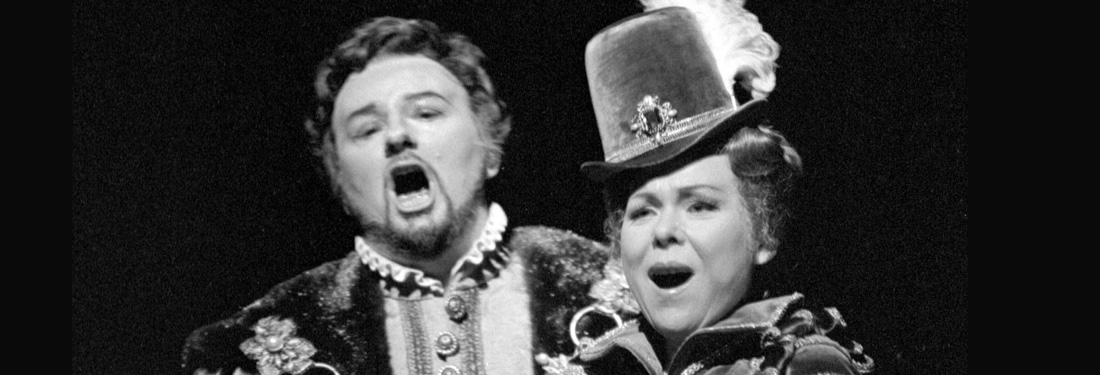
Chicago’s opera community has been abuzz about this production of Verdi’s Un ballo in maschera ever since the 2010-11 Lyric Opera season was announced. A sumptuous production owned by San Francisco opera, major female stars, a solid male cast of experienced Verdians, and stage direction by the legendary Renata Scotto—what more could one ask?
I attend the opera intent on enjoying myself. If the music is not my favorite, there is always something to like, be it a colleague’s individual performance, the discovery of a newcomer, nifty stagecraft or costumes, observing the movement skills of the various singers, or in worst-case scenarios, observing the audience’s boredom, carefully notating the…
“Mirror, mirror on the wall, who are the greatest divas (Classic and Contemporary) of them all?” And the mirror replied, “I’ll tell you right after the jump!”
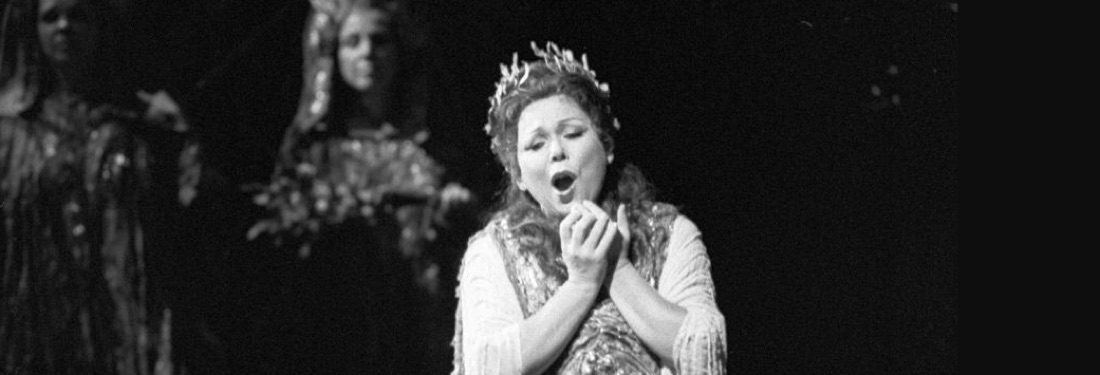
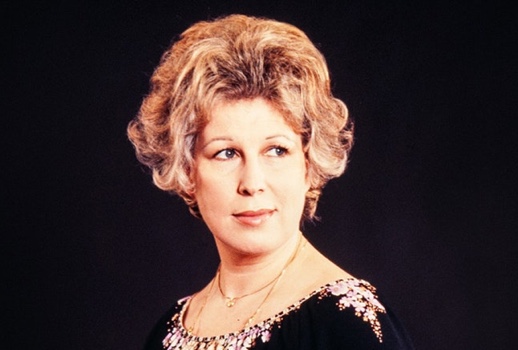
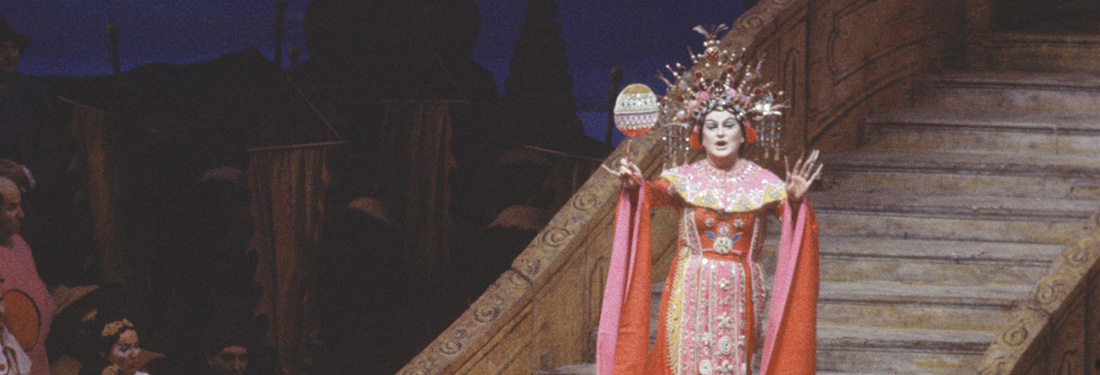
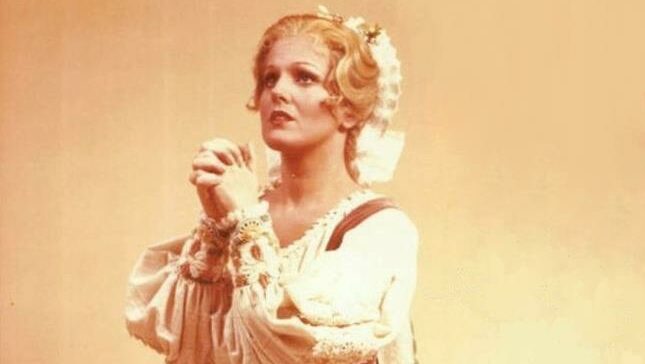
La Cieca continues to apply the Kang Method to the dozen divas of the Classic mode. This time, our five criteria for diva status offer fewer total points, but the difficulty level remains the same. Especially for Renata Scotto.
We begin our Kang Method statistical analysis of That Which is Called Diva with a dozen Classic Divas: Hildegard Behrens, Montserrat Caballé, Régine Crespin, Mirella Freni, Marilyn Horne, Christa Ludwig, Jessye Norman, Leontyne Price, Leonie Rysanek, Renata Scotto, Joan Sutherland and Tatiana Troyanos, henceforth called by first name or nickname as applicable. Our first report…
“As beautiful as her singing was, [Renata Scotto] never was much of an actress.” — Lotfi Mansouri: An Operatic Journey
A quintessential theater man as well as a brilliant conductor, James Levine rightfully chose not only the five-act version of Don Carlo for this 1980 performance but begins the opera as Verdi had originally conceived it. The Woodcutters chorus and the episode in which Elisabetta gives her necklace to a destitute woman are pages essential to…
To get straight to the point, the main attraction of this DVD is Renata Scotto. The Italian soprano, the first to perform all three heroines of Il trittico at the Met, is simply superb. She has élan in the moments of tension and a powerful, in-depth delivery. There is not a single word in the…
Sometime in the late 1950s, the management at Glyndebourne had the good idea to make archival recordings of the performances there, and these recordings, duly remastered and transferred to digital form, are gradually coming before the public through Glyndebourne’s house label. Thus it is that we find ourselves with this early release, a recording of…
1. DON’T STAGE THE OVERTURE. Surprise: Verdi and Rossini and Wagner Mozart actually worked in the theater most of their lives, so give them credit for knowing that the overture is there to get the audience in the mood, to ease their transition from “outside” to “inside.”
Four of the cher public caught yesterday’s HD presentation of Tosca and have agreed to share their impressions with La Cieca and the rest: “The death of Puccini’s Tosca was much exaggerated, in fact it did not take place.” “After about 34 years of going to the opera, I don’t think I’ve ever left a…
The headlined phrase is a neologism (La Cieca should know, because she just made it up) and therefore will require a bit of explanation. Bear with your doyenne, cher public, because there’s eventually going to be a CD review in here somewhere. So. Many, many years ago, ere the earth was young and all that,…
Tell us: Filth or dementia?
Hasten thee to feed another quarter of conversation for The Talk of the Town!
Sign up for our free Newsletter.
Support Parterre Box
Donate to keep opera's liveliest publication free and independent. No paywalls, no institutional backing, no bootlicking.
Get our free newsletter
Opera's top reads delivered to your email weekly…ish.
Join over 100k readers.
The best opera magazine on the web.
Reviews, breaking news, critical essays, and brainrot commentary on opera from those demented enough to love it.
Essentials
Copyright © 2026 Parterre Box.
All rights reserved.
Registration or use of this site constitutes acceptance of our Terms & Conditions and our Privacy Policy. Do Not Sell or Share My Personal Information.
Sign up for Parterre’s free newsletter.
Exclusive opera reviews, commentary, and top reads
delivered to your email weekly…ish.