
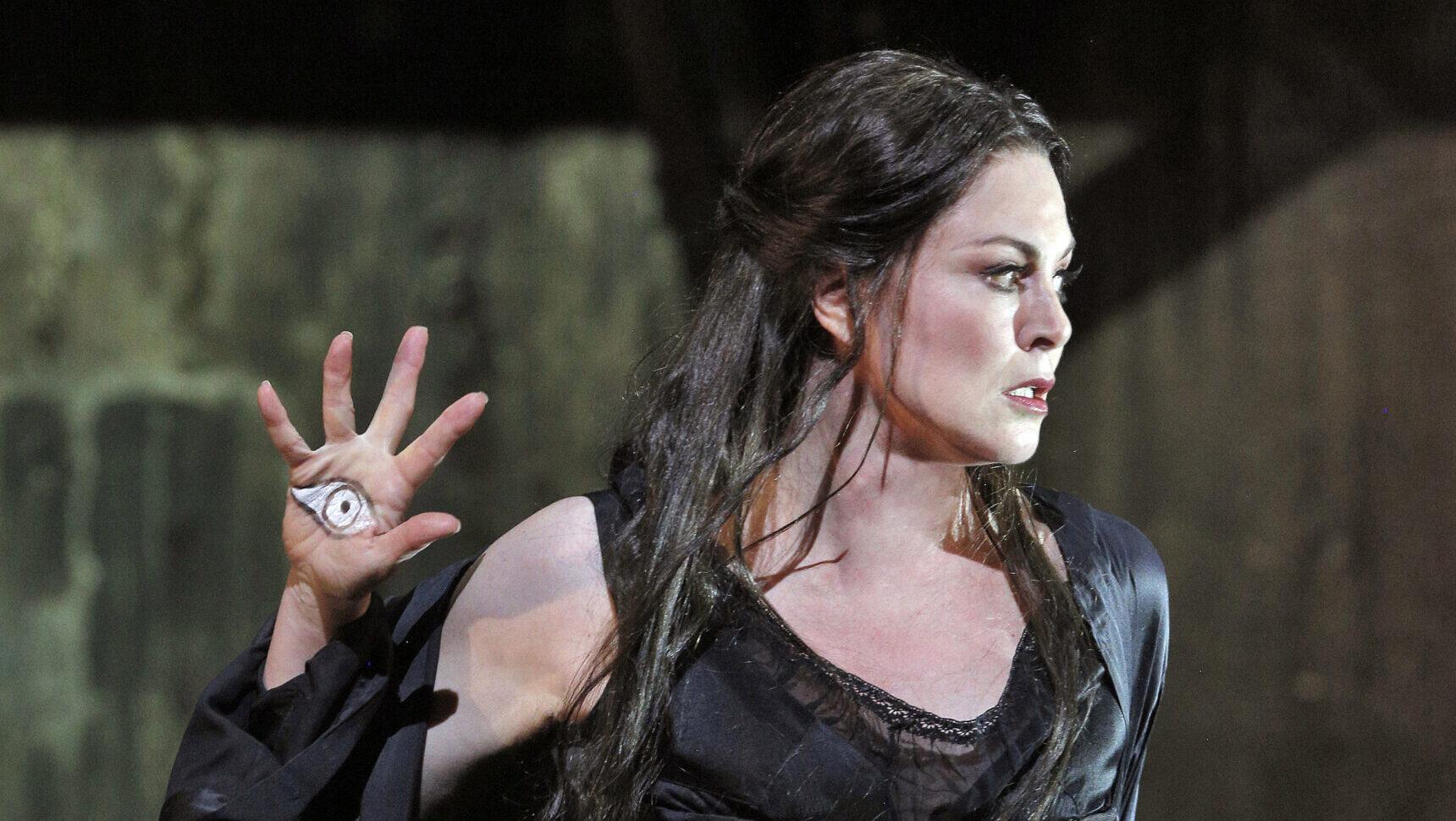
Anna Caterina Antonacci should have made it to the Met
The one who got away was Anna Caterina Antonacci, a thrilling performer.
By Last Castrato
68 comments
18 pieces since 2009.
The one who got away was Anna Caterina Antonacci, a thrilling performer.
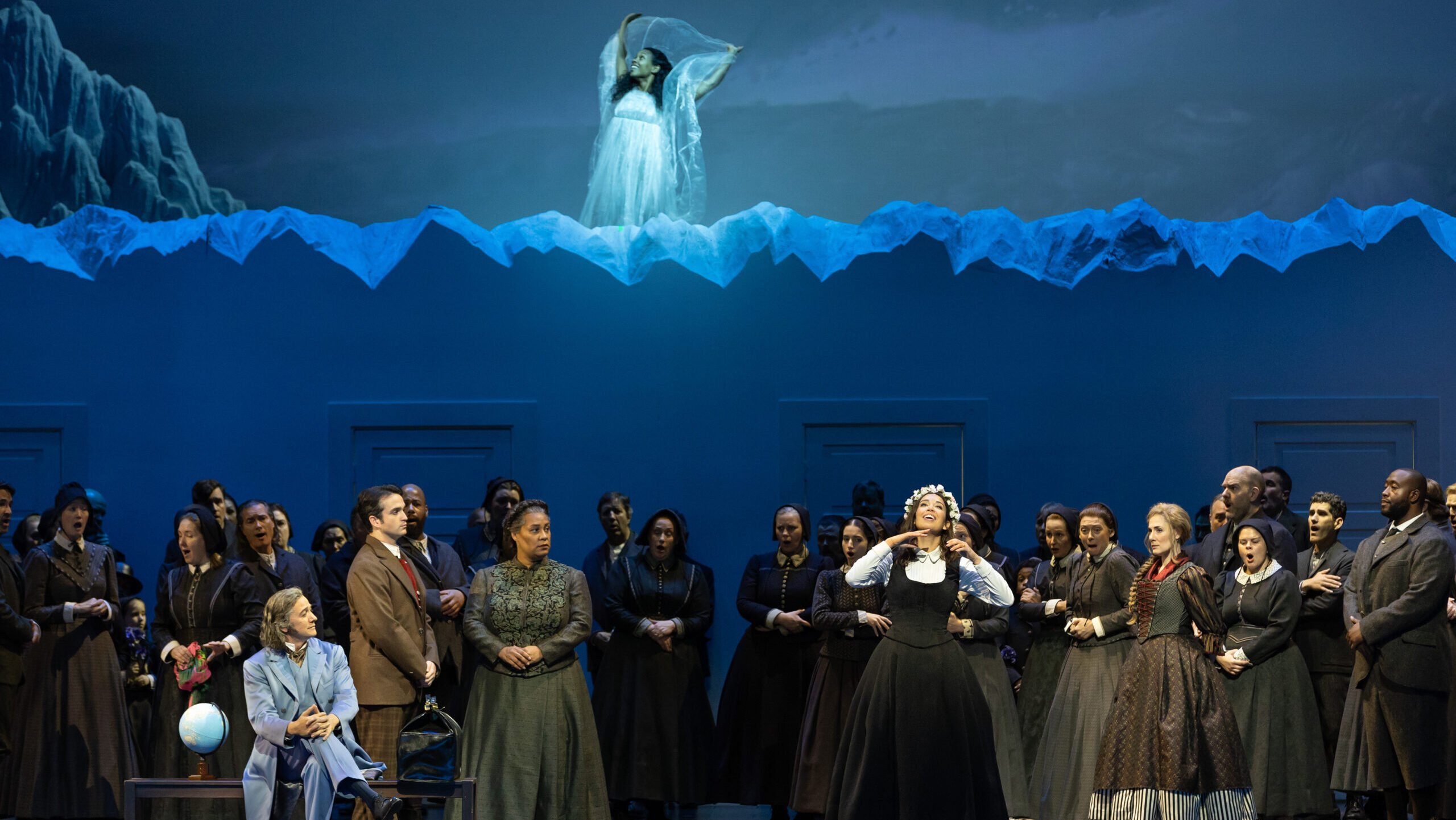
A new production of La sonnambula at the Metropolitan Opera is musically charming if dramatically confounding.
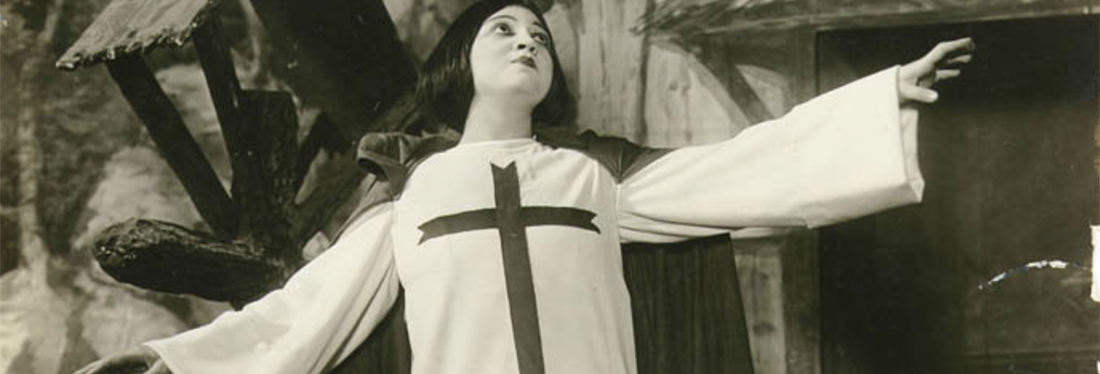
It is a measure of Verdi’s genius that throughout the four rambling acts, his musical invention in the service of creating characters never failed him.
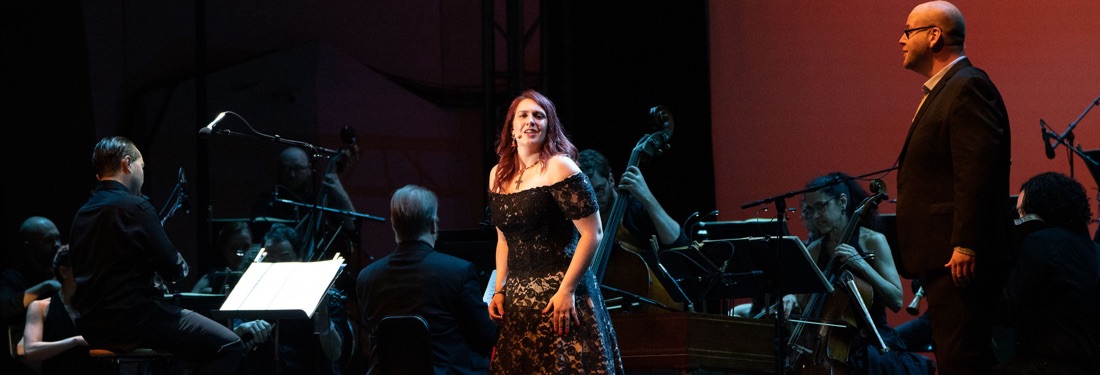
Last night, for the first time in nearly a year and a half, opera returned to Lincoln Center.

Live opera returns to Lincoln Center when Teatro Nuovo presents Il Barbiere di Siviglia on July 27 and 28.
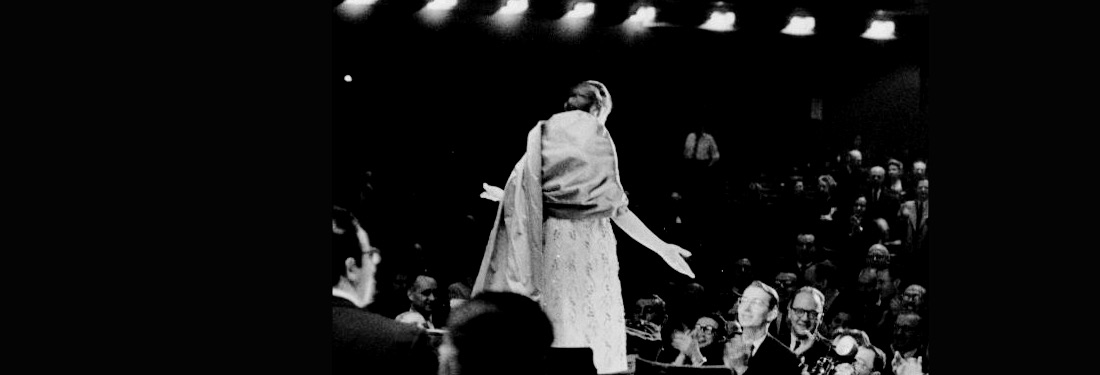
Off-and-on since last fall my PPP (Personal Pandemic Project) has been assembling a chronology of the American Opera Society. For 19 years beginning in 1951 it presented a remarkable series of concert performances of works unperformed by either the Met or New York City Opera.
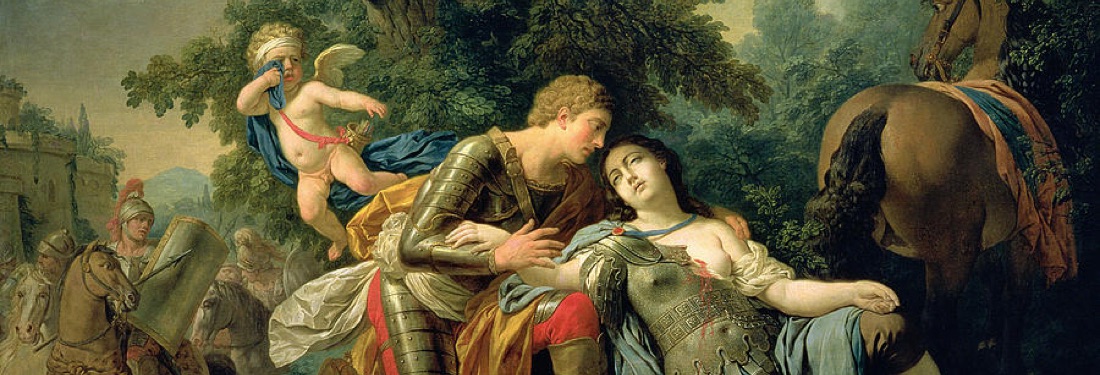
Trove Thursday begins February with two striking versions of Rossini’s Tancredi.

A recent discussion here about Gianna Rolandi prompts Trove Thursday to present the American soprano in a rare trouser role in an even rarer opera, Cimarosa’s Gli Orazi e I Curiazi paired with Anna Caterina Antonacci.
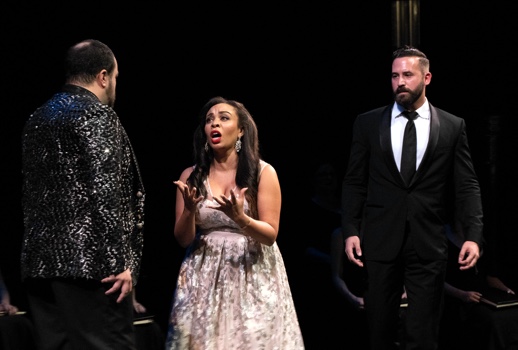
The four leading roles in La Straniera were all attractively cast by Teatro Nuovo with fresh, promising young voices that did not seem quite ready for the big time.
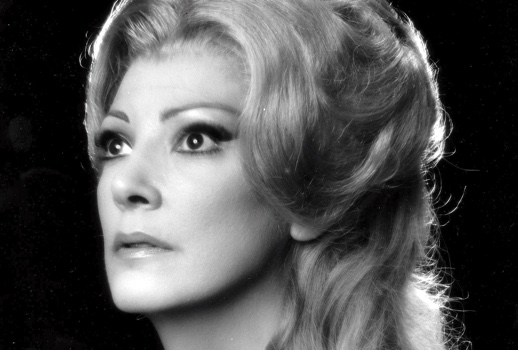
Trove Thursday offers Bellini’s La Sonnambula with Anna Moffo (San Francisco 1960) and Anna Netrebko (Vienna 2006).
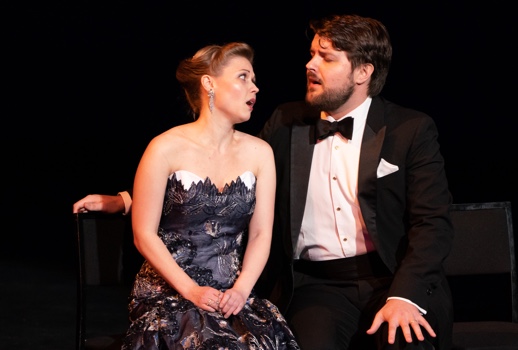
Can a work with indisputably great music fail to add up to a successful opera? I puzzled over that Sunday during Teatro Nuovo’s essential concert staging of Rossini’s La Gazza Ladra at SUNY Purchase.
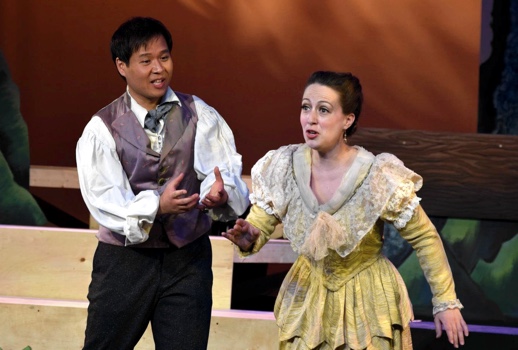
Amore Opera, one of New York’s smaller opera companies, is presenting the first local run of Dinorah, ou le Pardon de Ploërmel since before the war.
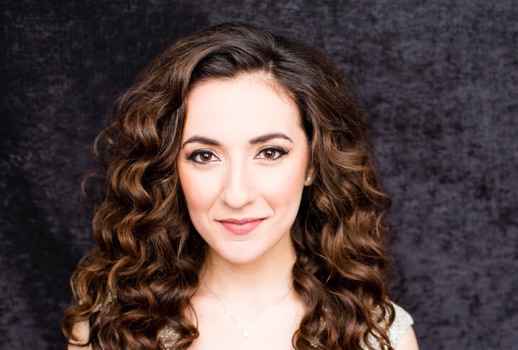
To heck with Bayreuth and Salzburg, Glimmerglass and Santa Fe as Rosa Feola sang Mozart at Lincoln Center Friday night and I wouldn’t have been anywhere else!
There might be nothing in the world as joyous as a Rossini overture.
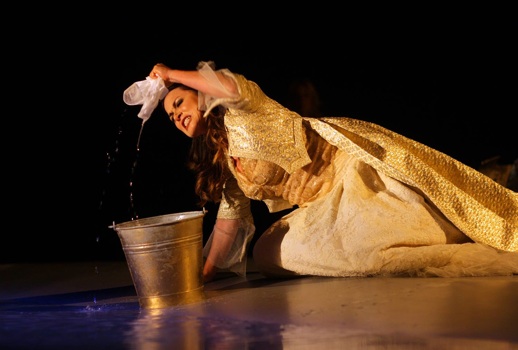
I suspect most New York City opera-lovers had long since given up hope that the fascinating soprano Anna Caterina Antonacci would ever return to their city.
1817 was a fertile and diverse time for 26 year old Gioachino Rossini. It opened with his last true opera buffa, La Cenerentola, continued with his most important semiseria, La gazza ladra, and ended with two operas, which, although both nominally belonging to the seria genre, could not be more different from each other.
Joyce Di Donato‘s latest release is a CD entirely devoted to music Rossini composed for his first wife, Isabella Colbran, one of the most celebrated divas of the early 19th century.
[Our Own Gualtier Malde (along with a few thousand other people) attended the public dress rehearsal of the Met’s new production of La sonnambula this morning. Here is his report.] Innocence, rustic naiveté and virginity just don’t get no respect no more. I should know, I grew up way out in central New Jersey and […]

The days are getting shorter, but you can keep the prattle going this fall’s Talk of the Town! You will, you can, you must join in the discussion about: Great mezzo soprano performances (October),
Gained in translation (November), Teleport me back to… (December).
Exclusive opera reviews, commentary, and top reads
delivered to your email weekly…ish.