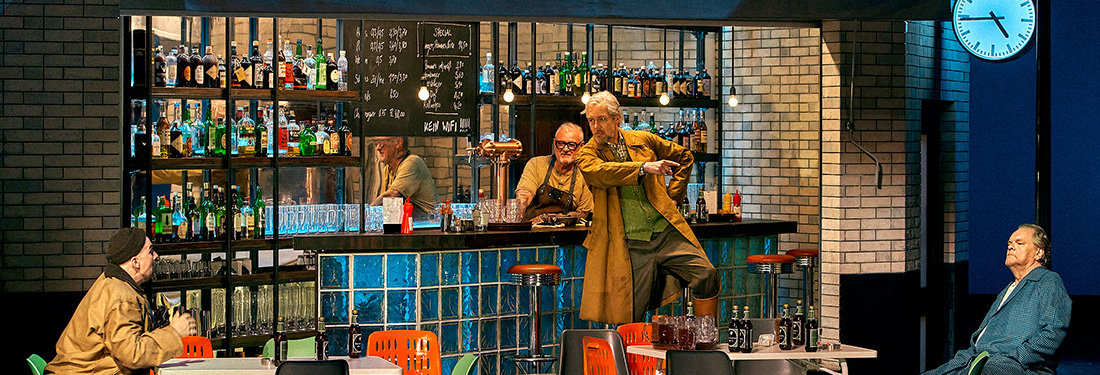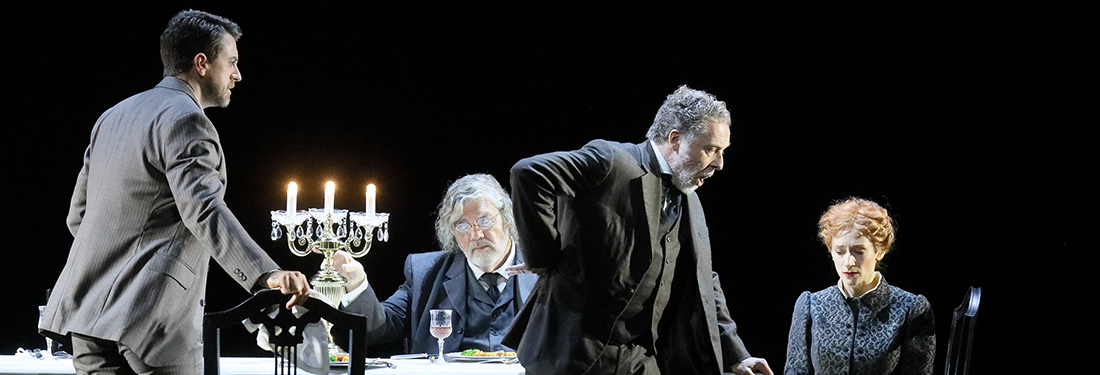
Last night’s cast of Die Meistersinger at the Met, dominated by the irascible, unbeatable duo of Michael Volle and Johannes Martin Kränzle as Sachs and Beckmesser, did much to enliven Otto Schenk’s creaky, nearly 30-year-old production.
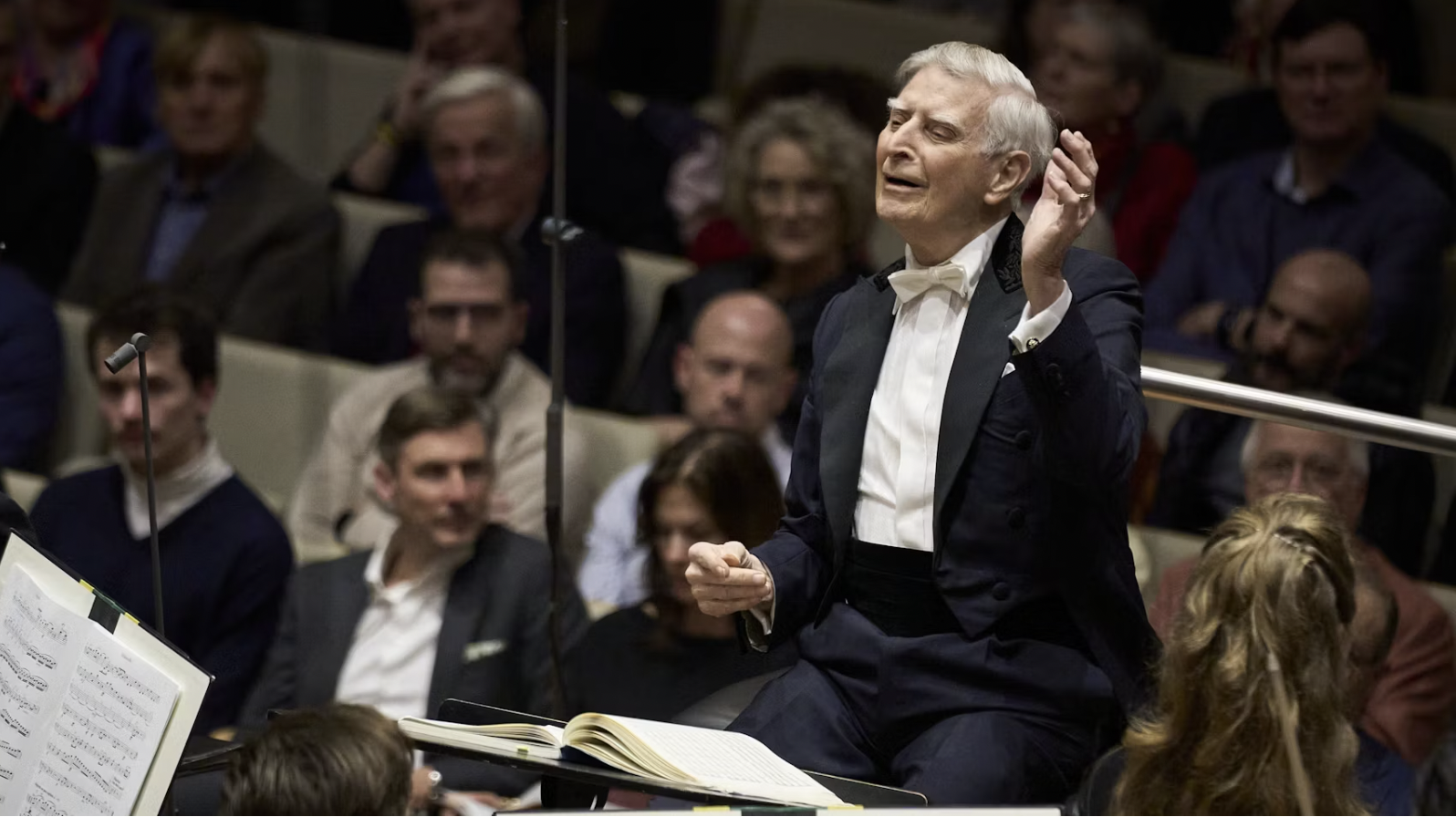
In the month and a half leading to Bernard Haitink’s passing on October 21, my AirPods constantly channeled a musical festival of sorts centered on the Dutch giant’s expansive discography.
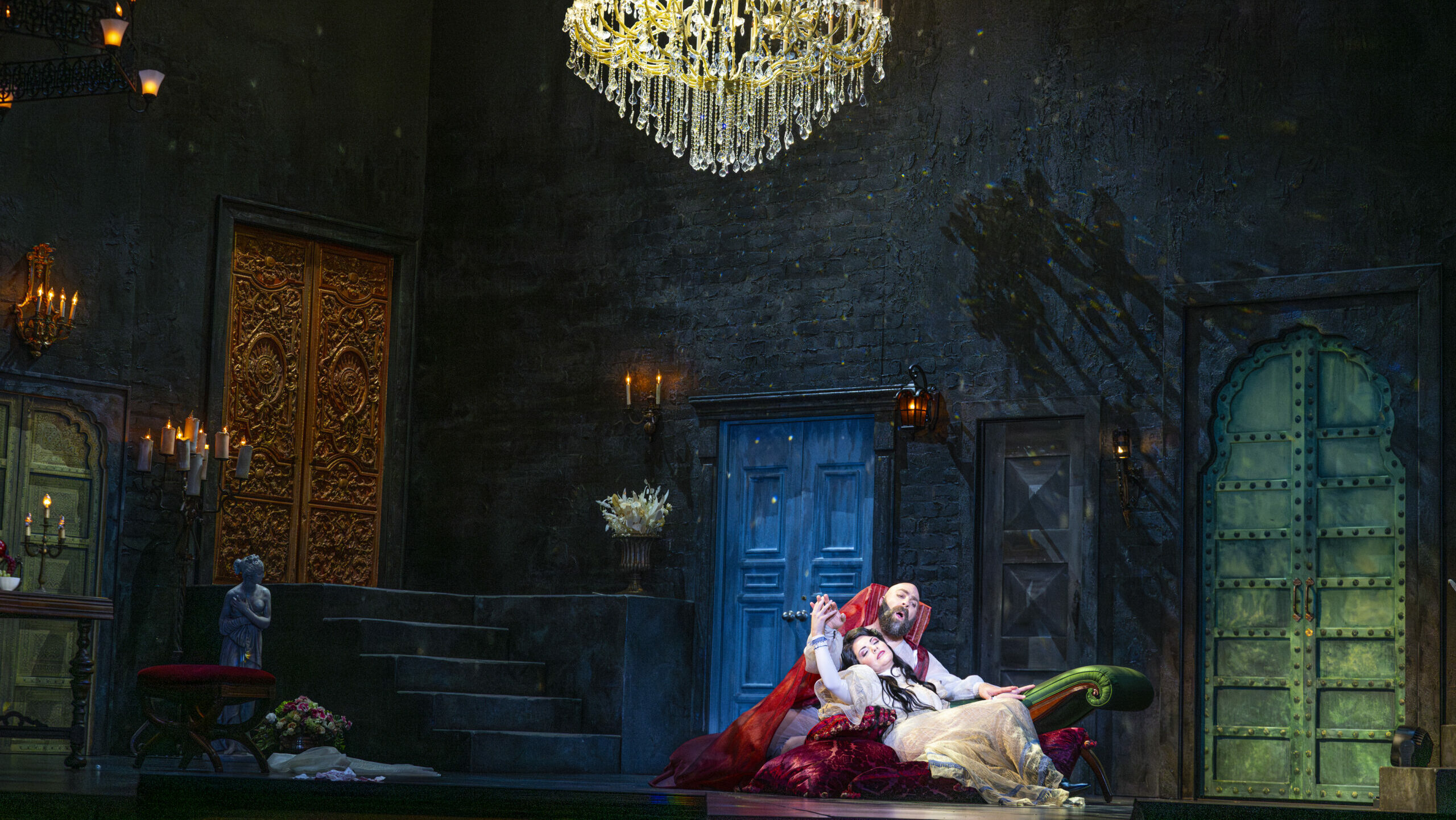
Remember that time you went to the opera and the whole evening was like magic? Saturday night at the Dorothy Chandler Pavilion probably ranks among my greatest nights in the theater and I’m finding the superlatives in my thesaurus inadequate to the task.
Ludwig van Beethoven’s “rescue opera” Fidelio was presented by San Francisco Opera as their first new production of the season last Thursday in reinterpreted fashion.
After the break the ladies stepped up their game so much that it elevated the night into legendary status: definitely one for the books!
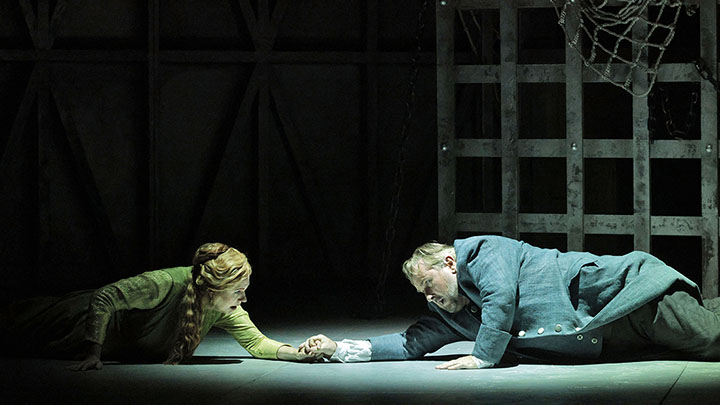
The crown jewel of this year’s Munich Festival is undoubtedly Richard Wagner’s Tristan und Isolde, which opened the Festival on June 29 and will close the Festival with an “Opera for All” screening on July 31.
Teresa Stratas turned 83 yesterday and Trove Thursday features one of the recent past’s most interesting yet frustrating artists in two rare broadcasts.
With Lent arriving next week, Trove Thursday throws a “Jeudi Gras” party featuring two delicious zarzuela concerts.
Imagine my surprise then when I discovered a new recording of Tristan und Isolde released by Navona Records, a small label based in New Hampshire that primarily focuses on recitals of chamber music, solo works, and smaller ensemble pieces.
Over the course of 700 pages, Alex Ross exhaustively—and sometimes exhaustingly—examines an impact that began in the Wagner’s own lifetime and continues unbroken today, with references cropping up in contemporary works as different as The Matrix and Curb Your Enthusiasm.
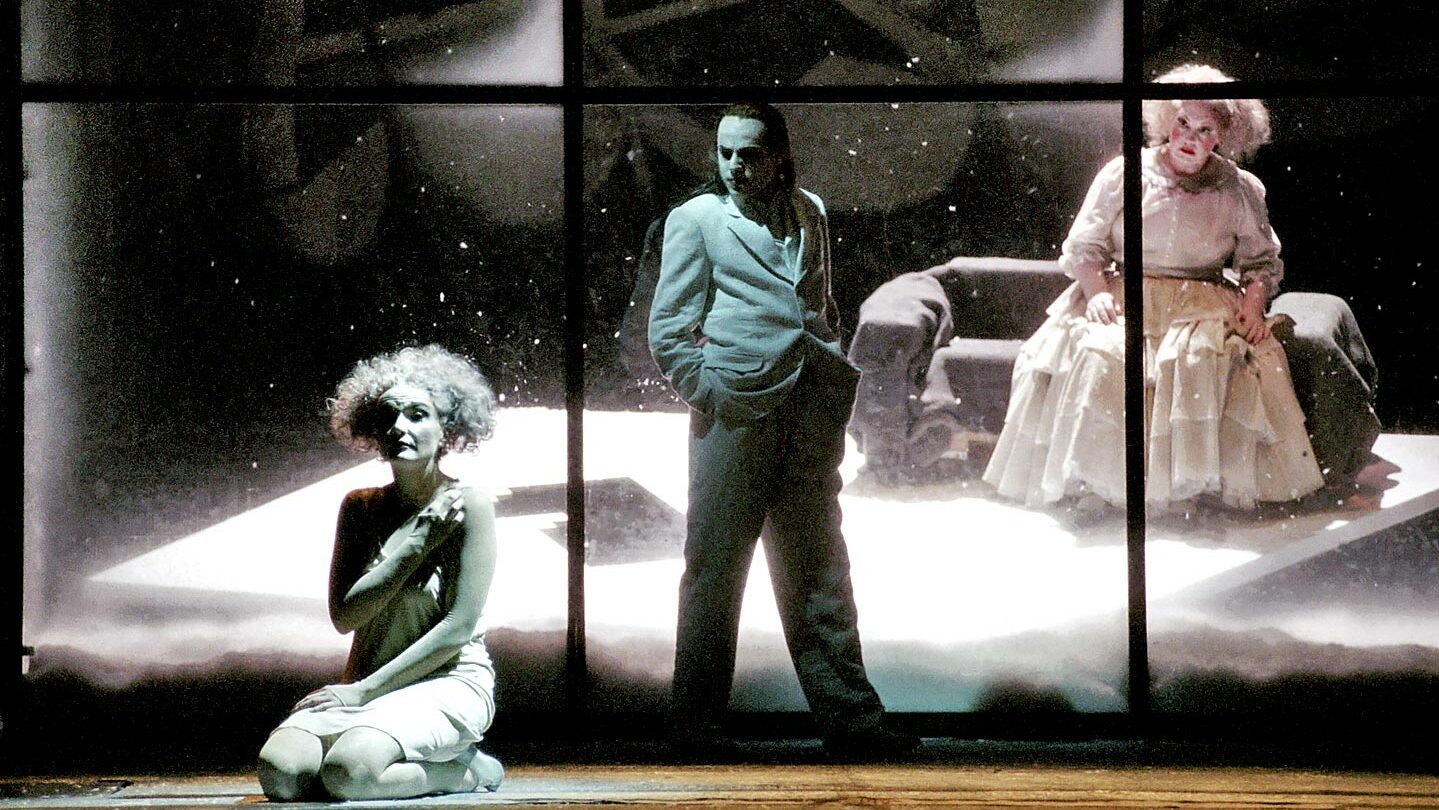
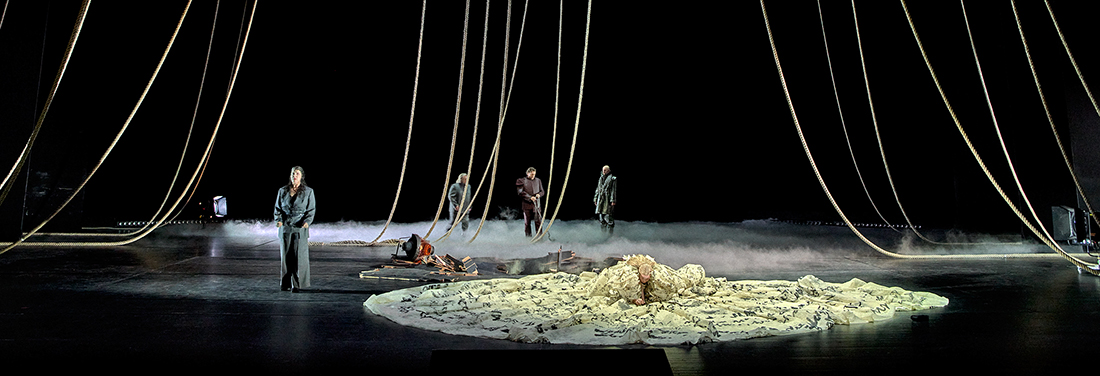
I still remember, and some of it quite vividly, what it was like to experience Achim Freyer‘s intense and groundbreaking Ring production all these years later.
With most of us dug in for the duration, there’s no better time to tuck into a CD box set of neglected treasures. Not that I needed an excuse, mind you.
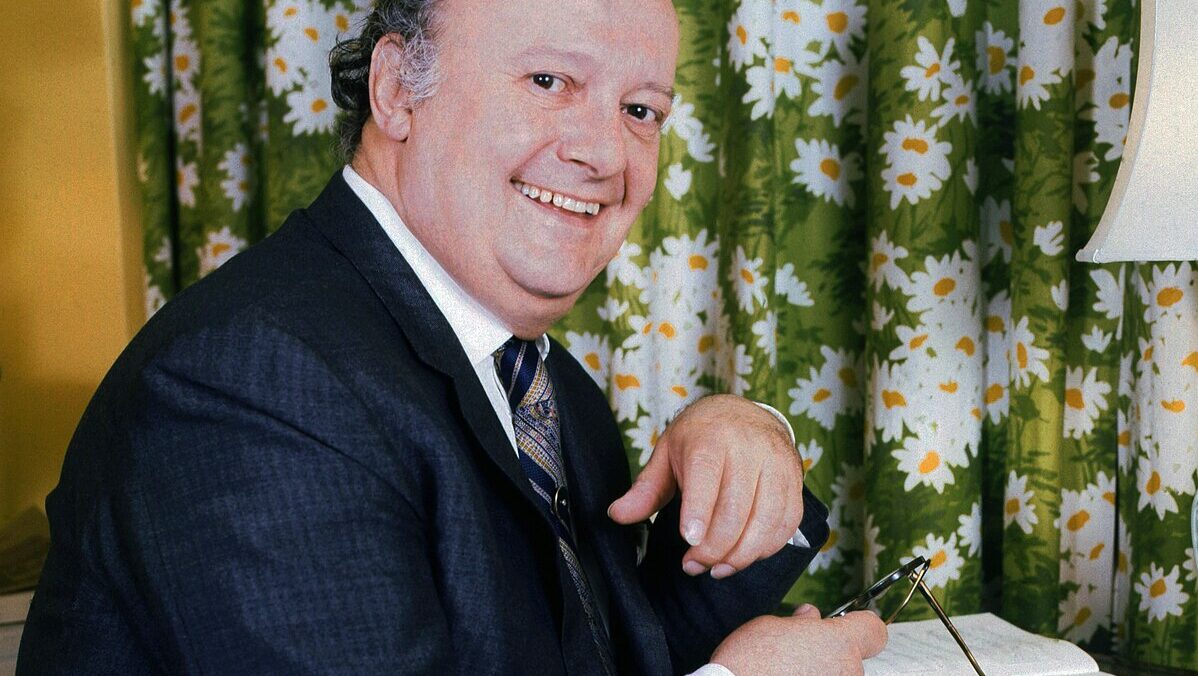
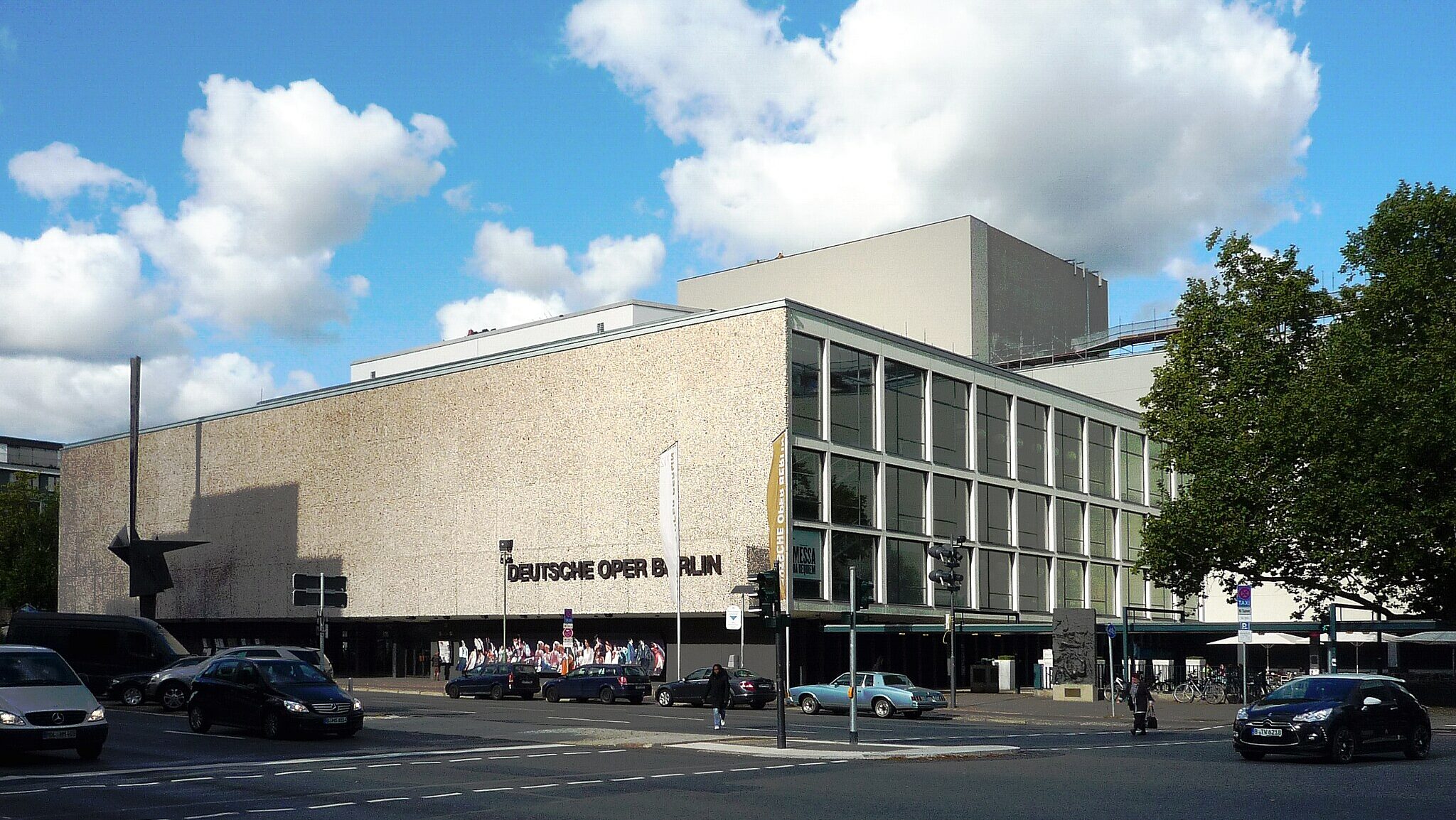
One of the more unfortunate losses from the Met’s closure is its revival of Simon Boccanegra, so Trove Thursday steps up with a 1975 Berlin performnace of Verdi’s dark masterpiece with Ingvar Wixell, Gundula Janowitz, José van Dam and Bruno Prevedi.
In the opera world, one of the pieces that underwent a multitude of changes in its reception was undoubtedly Richard Wagner’s longest and most Germanic opera, Die Meistersinger von Nürnberg.
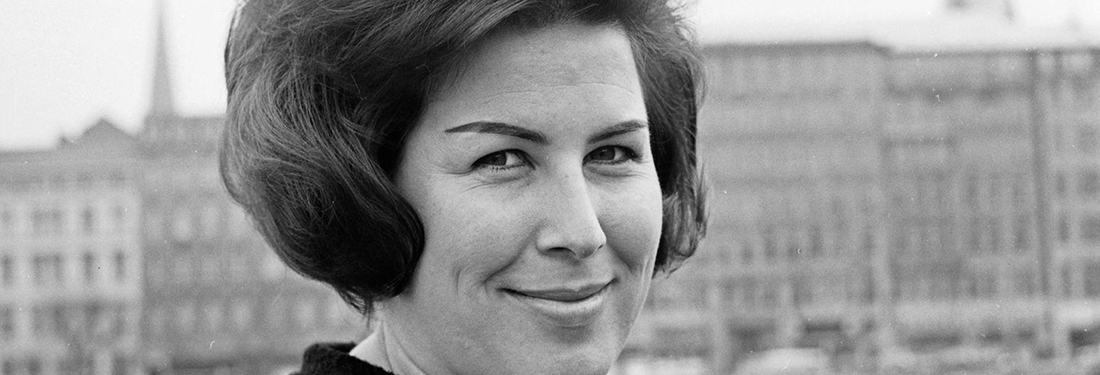
Today’s Trove Thursday was originally scheduled for February 27, which would have been Mirella Freni’s 85th birthday, but instead we remember today the beloved soprano who passed away this past weekend in Puccini.
We’ve had a mini-fest of director Barrie Kosky’s work this year at LA Opera.
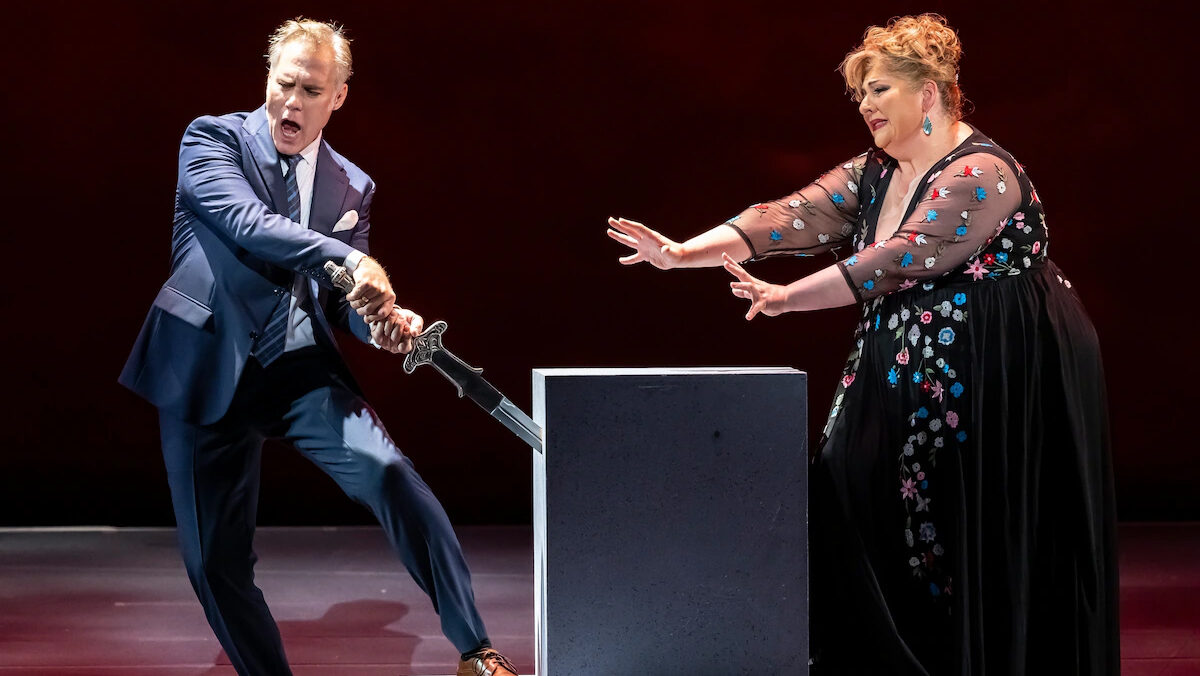
Christine Goerke‘s distracted, tentative Isolde turned out to be the least potent feature of what was an otherwise exciting and effective second act of Tristan.
Rossini’s Semiramide is a highly original and imaginative work of theater that impresses for its creative and beautifully scored orchestration, incisive recitatives and ensembles, and theatrically intriguing characters.
I’m certain I wasn’t the only one thrilled to bits to see LA Opera’s production of La Bohème finally retired after 26 years and seven mountings.
“Trove Thursday” turns to a quintet of baritone/bass voices: Matthias Goerne, Simon Keenlyside, Georg Nigl, Thomas Quasthoff and René Pape performing works by Pfitzner, Sibelius, Adams, Martin and Schubert.
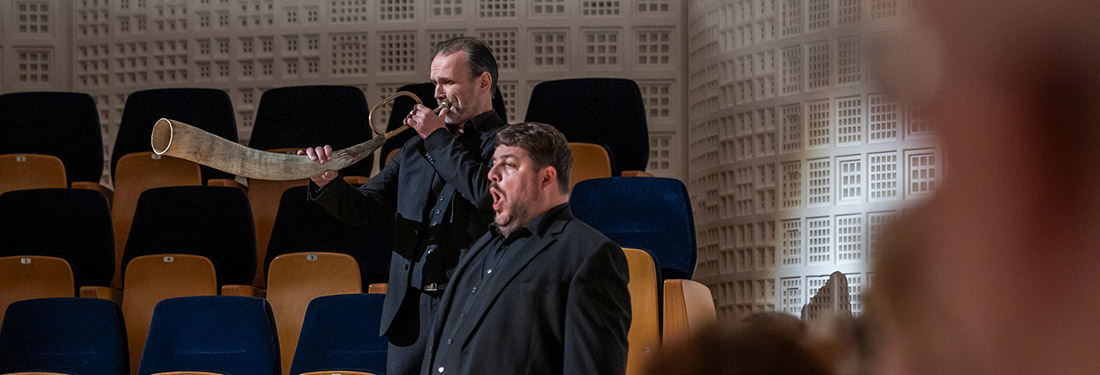
A hefty thunderclap shook Tanglewood’s Koussevitzky Shed just as Andris Nelsons raised his baton for the third act of the weekend’s concert Die Walküre.
In this recital, the Polish bass-baritone Tomasz Konieczny and his pianist Lech Napierala present the world premiere recording of Stanislaw Baranczak‘s Podróz Zimowa (Winter’s Journey), which weds the poet’s meticulously crafted poetry to the music of Franz Schubert.
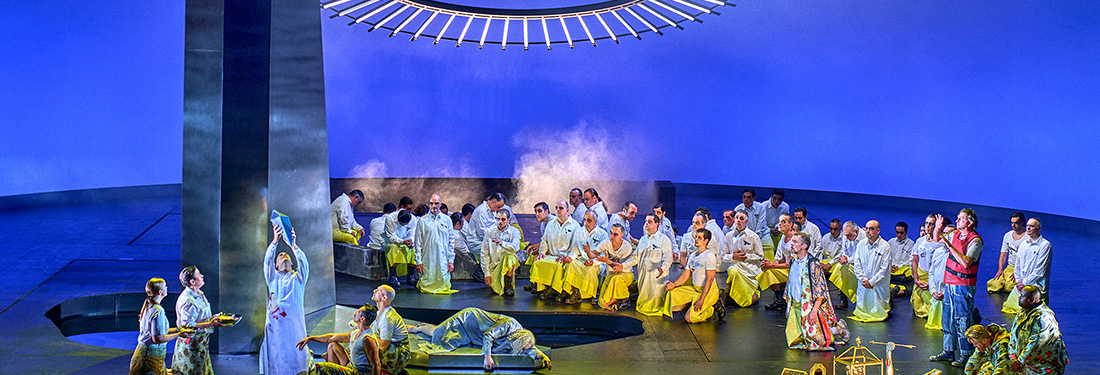
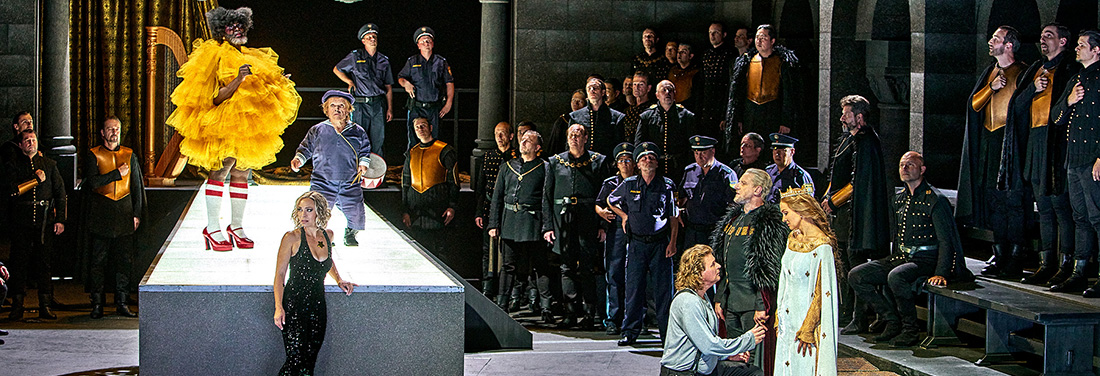
Tannhäuser pales beside the other great Wagnerian operas in the degree to which it has innovated the Regisseur’s vocabulary for set design and dramaturgy.
Cycle II represented an embarrassment of musical riches.
Tell us: Filth or dementia?
Hasten thee to feed another quarter of conversation for The Talk of the Town!
Sign up for our free Newsletter.
Support Parterre Box
Donate to keep opera's liveliest publication free and independent. No paywalls, no institutional backing, no bootlicking.
Get our free newsletter
Opera's top reads delivered to your email weekly…ish.
Join over 100k readers.
The best opera magazine on the web.
Reviews, breaking news, critical essays, and brainrot commentary on opera from those demented enough to love it.
Essentials
Copyright © 2026 Parterre Box.
All rights reserved.
Registration or use of this site constitutes acceptance of our Terms & Conditions and our Privacy Policy. Do Not Sell or Share My Personal Information.
Sign up for Parterre’s free newsletter.
Exclusive opera reviews, commentary, and top reads
delivered to your email weekly…ish.