
It takes a woman
The plight of two women, each from different backgrounds, was on full display in San Francisco opera houses last week.
The plight of two women, each from different backgrounds, was on full display in San Francisco opera houses last week.
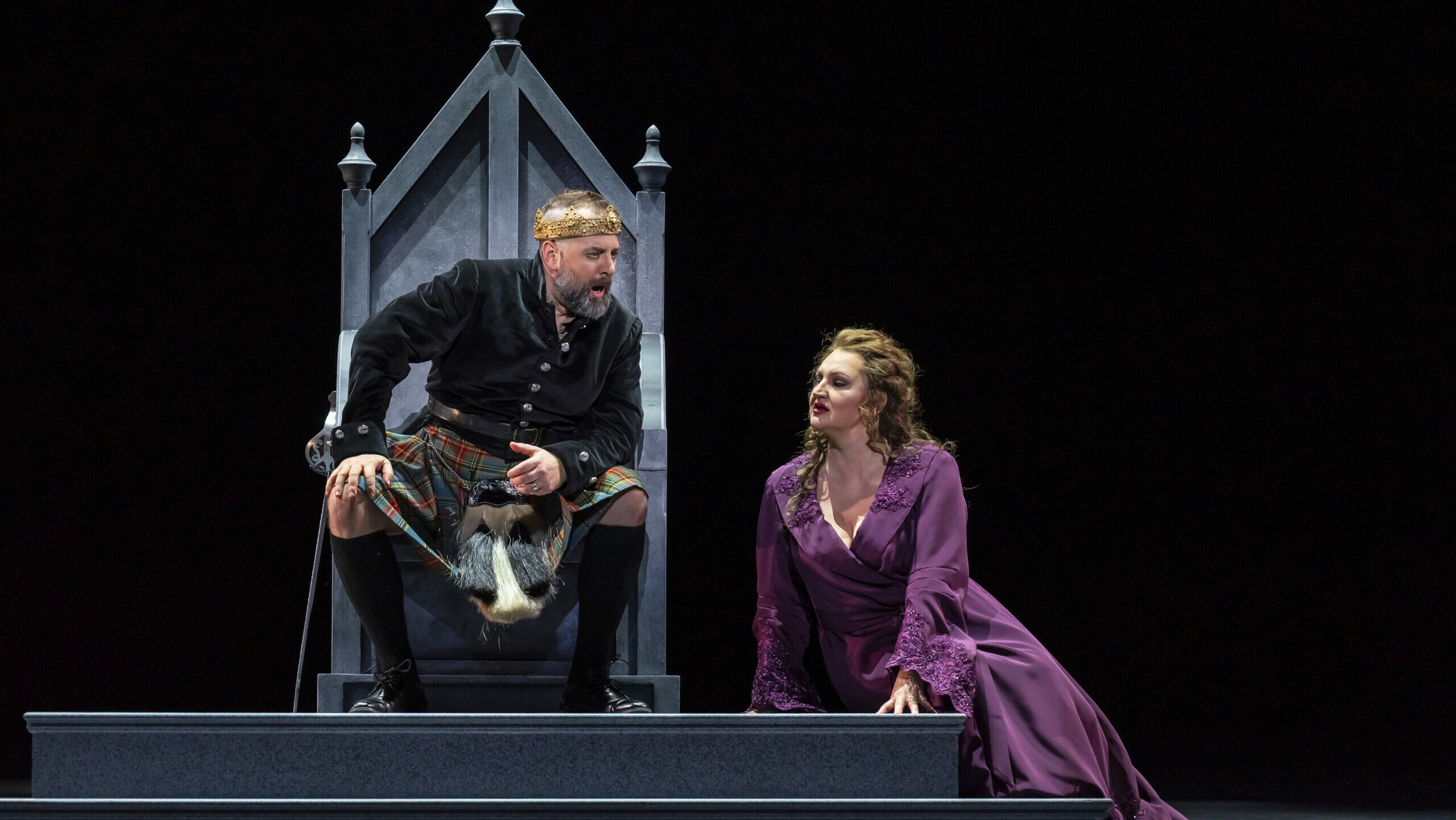
Washington National Opera’s second full-run offering of the season, a new production of Verdi’s perennially appealing Macbeth, premiered last Wednesday at the Kennedy Center.
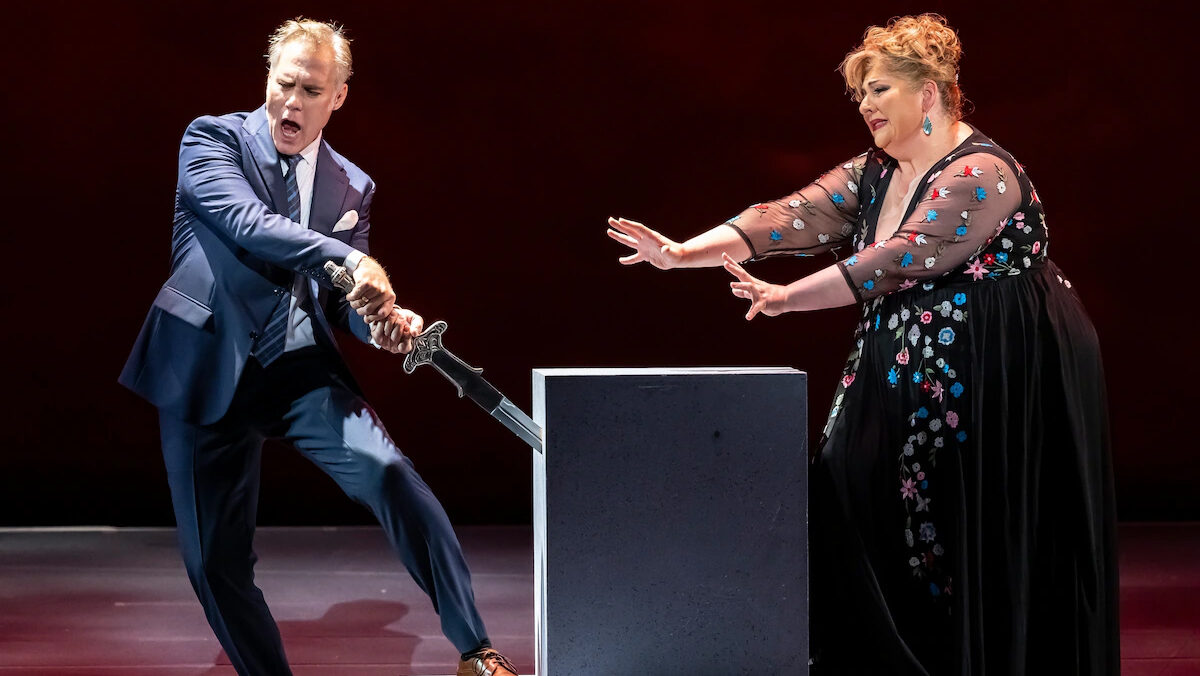
Washington National Opera rounded out its season opening weekend with a one-night-only performance entitled “Gods & Mortals: A Celebration of Wagner” the evening after the premiere of its new production of Fidelio.
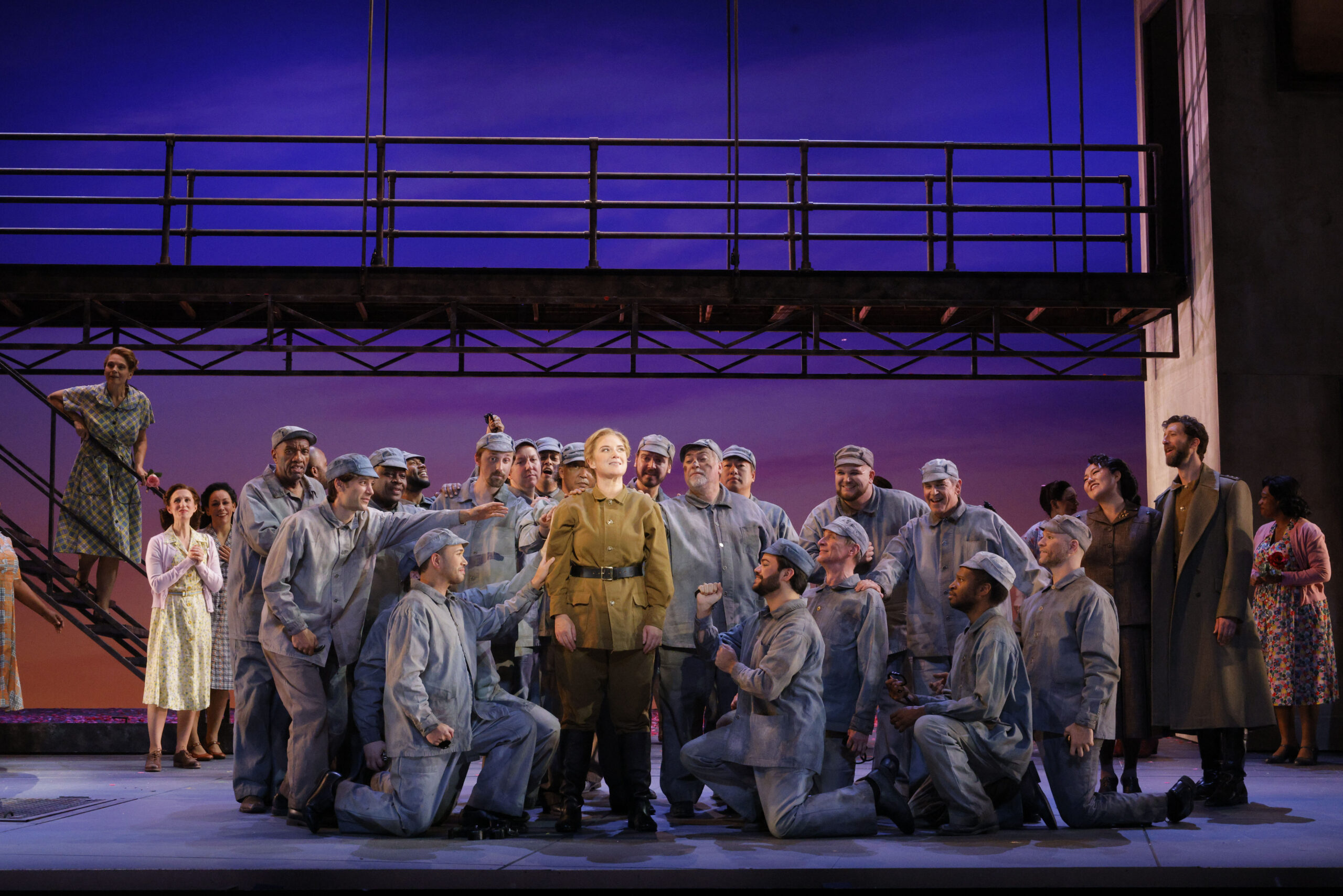
If Zambello’s season-ending Turandot last year represented some of the best of what WNO can offer in the standard rep, this Fidelio was a regression to the mean.
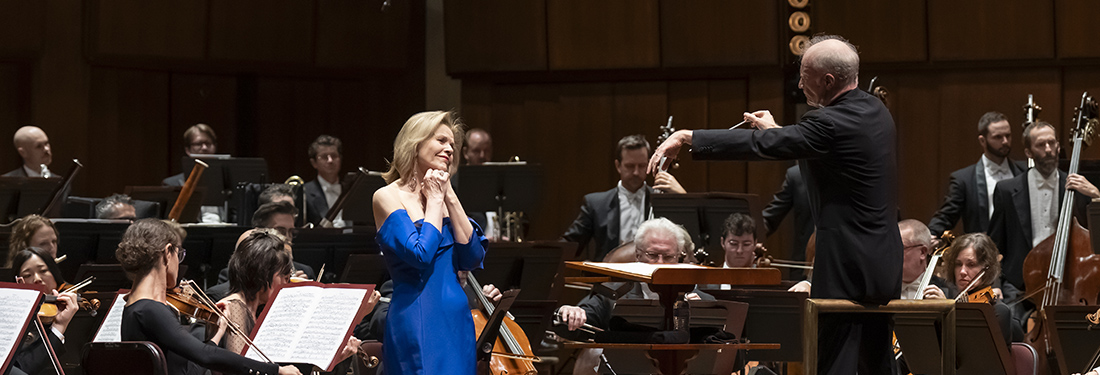
In concert with Renée Fleming’s quietly authoritative stage presence, the performance offered frequent reminders of the special affinity between this singer and Strauss’s aristocratic women.
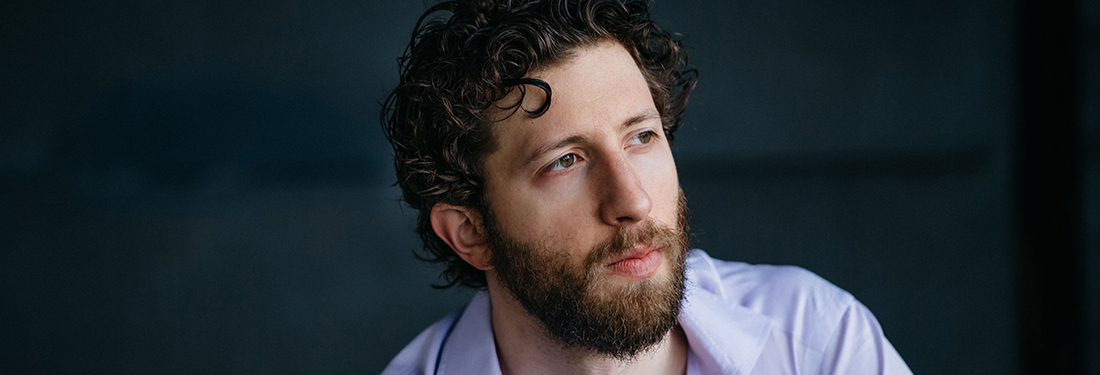
Judith Malafronte sits down with bass David Leigh who debuts as Rocco in Washington National Opera’s production of Fidelio next week
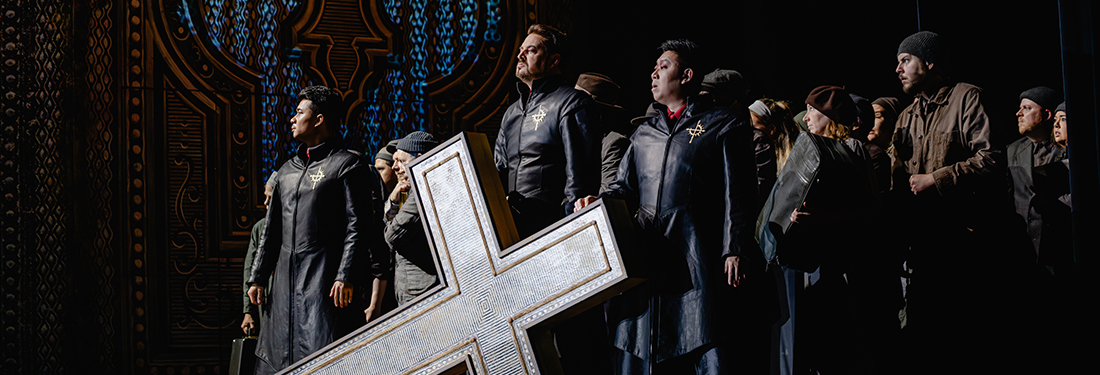
Folks who have never attended a full-length, uncut Giacomo Meyerbeer grand opera have been known to pout and ponder: Why did the most popular opera composer of the mid-nineteenth century all but vanish from the stages of the world after a hundred years?
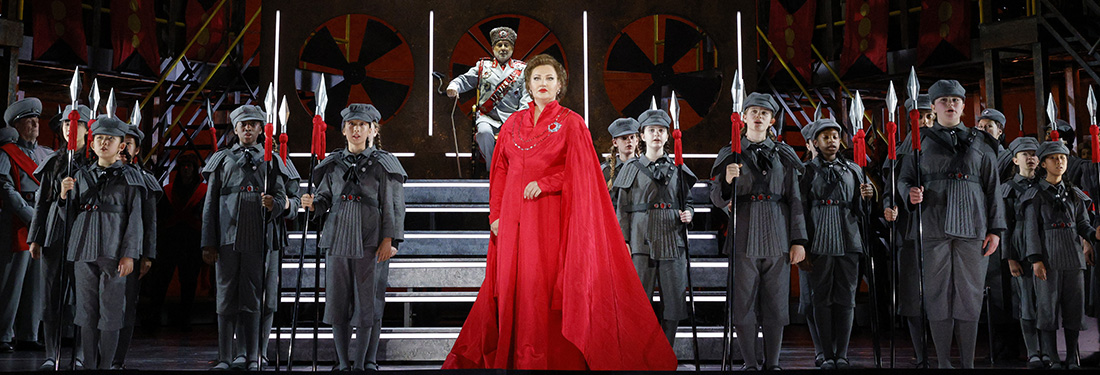
Washington National Opera’s final production of the season, seen May 22, is also its high point: a new Turandot directed by Francesca Zambello, updated to the 20th century and featuring the world premiere of a completion of Puccini’s score by composer Christopher Tin and playwright and screenwriter Susan Soon He Stanton.
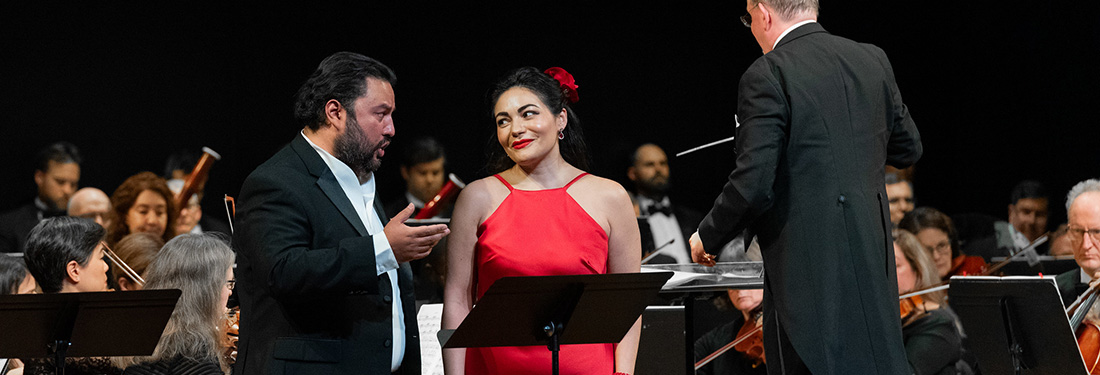
After a century of searching, the world has perhaps finally found a definitive Magda in ethereal soprano Ailyn Pérez.
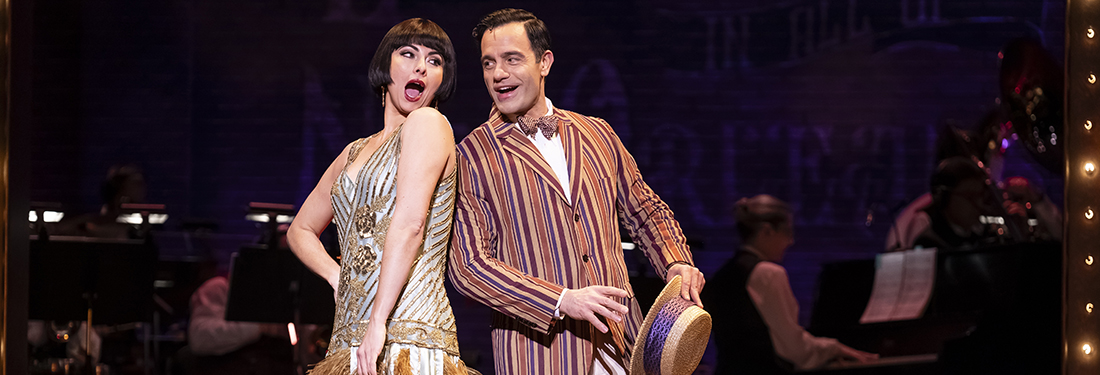
Opera at the Kennedy Center has been in hibernation this winter.
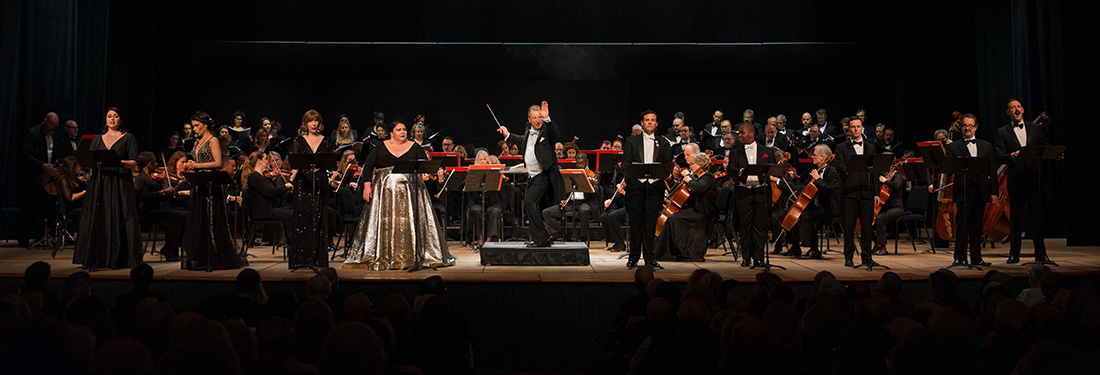
Washington Concert Opera’s season opened with a triumphant performance of Gioachino Rossini’s rarely heard Ermione Saturday night at George Washington University in D.C., led by Antony Walker and a stellar quartet of principals in Angela Meade, Lawrence Brownlee, David Portillo, and Ginger Costa-Jackson.
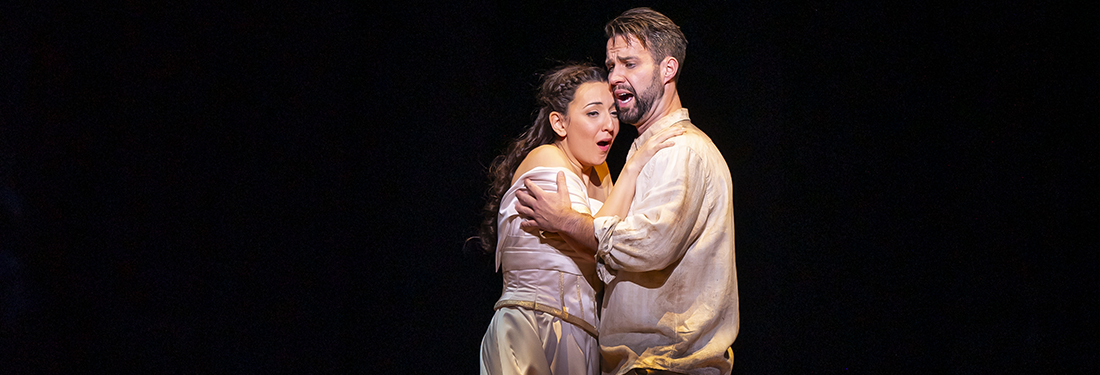
Rosa Feola, hailed last year for her Gilda at the Met, brought a level of vocal refinement and elegance to Juliet that substantially elevated the night’s proceedings.

Chopping up the action and dutifully showing each plot point may work in a film but in an opera, where every piece of marginal dialogue must be set to music, it feels like a chore.
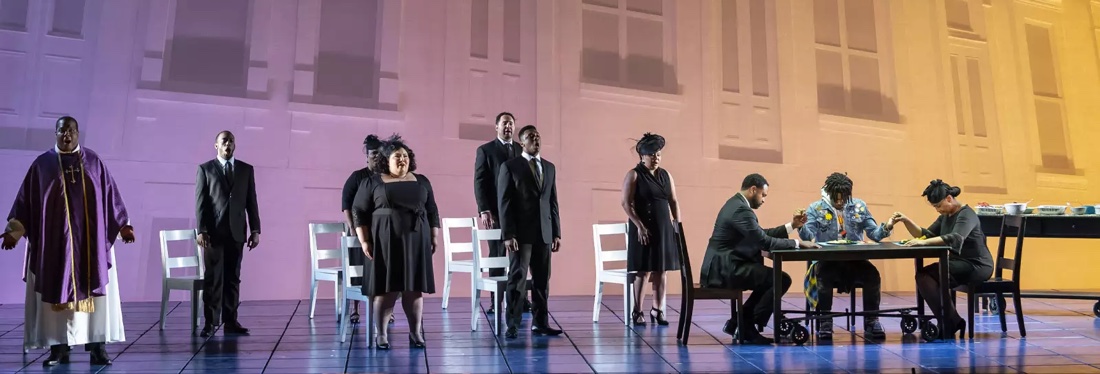
Originally scheduled for a D.C. premiere in spring 2020 but thwarted by the pandemic, Washington National Opera was finally able to present composer Jeanine Tesori and librettist Tazewell Thompson’s Blue at the Kennedy Center last Saturday.

After putting a hiatus on their awards in 2020 and 2021 (for reasons that are all too well-known to all of us), the Richard Tucker Foundation Gala returned on Sunday evening November 13 honoring soprano Angel Blue the 2022 Award winner.
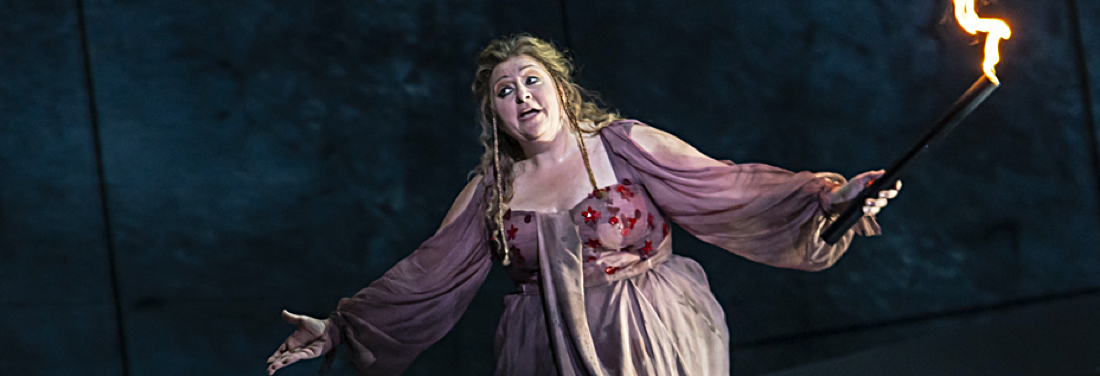
If it is true that there are few respectable ways for people over 40 without small children to celebrate Halloween, a performance of Richard Strauss’ pioneering horror opera Elektra belongs on the short list.
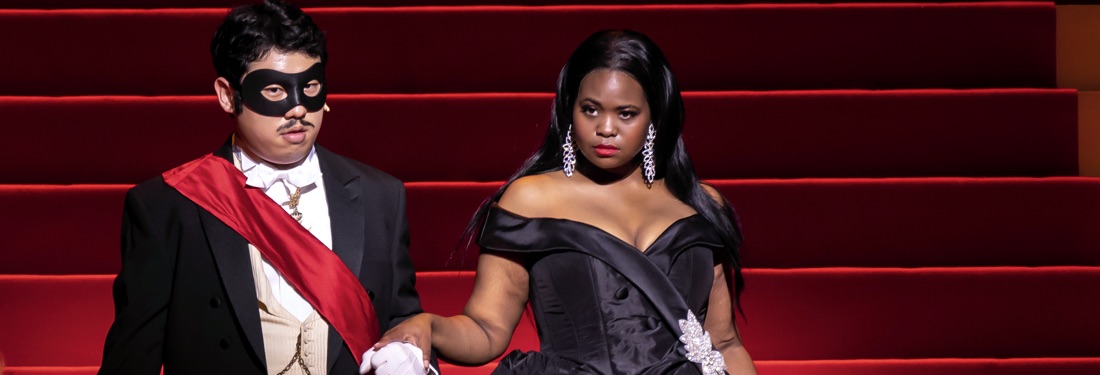
This Traviata remained firmly Beltway-bound and by the time I had gotten home, the 45-minute traffic jam to leave the parking lot was eminently fresher in my mind than the evening’s performance.

The monsoon outside was no match for the torrents of gorgeous, dramatic singing and playing that was unleashed inside George Washington University’s Lisner Hall Sunday afternoon when Washington Concert Opera, in a glorious deluge of Léo Delibes, presented Lakmé to round out its return season.

A Trove Thursday Mega-Post © featuring the wonderful American soprano Erin Morley in Orff’s Carmina Burana and Richard Strauss’s Brentano Lieder, plus extended live excerpts from Handel’s Orlando, Mozart’s Die Entführung aus dem Serail, and Meyerbeer’s Les Huguenots.
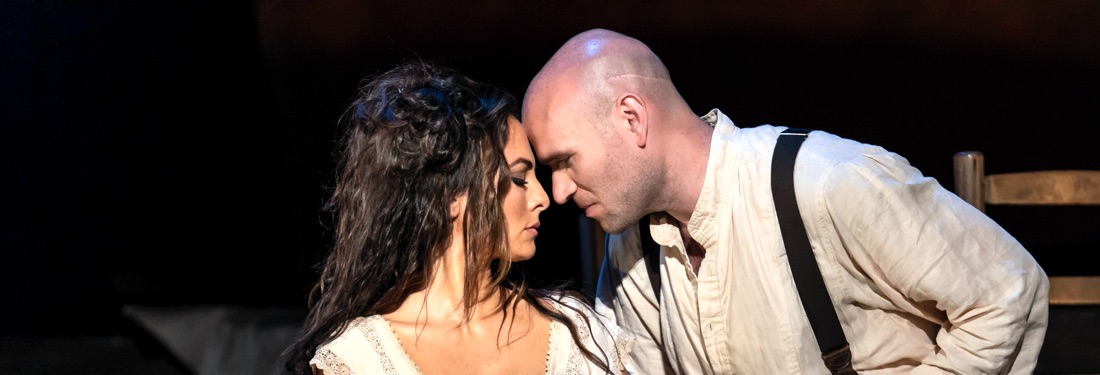
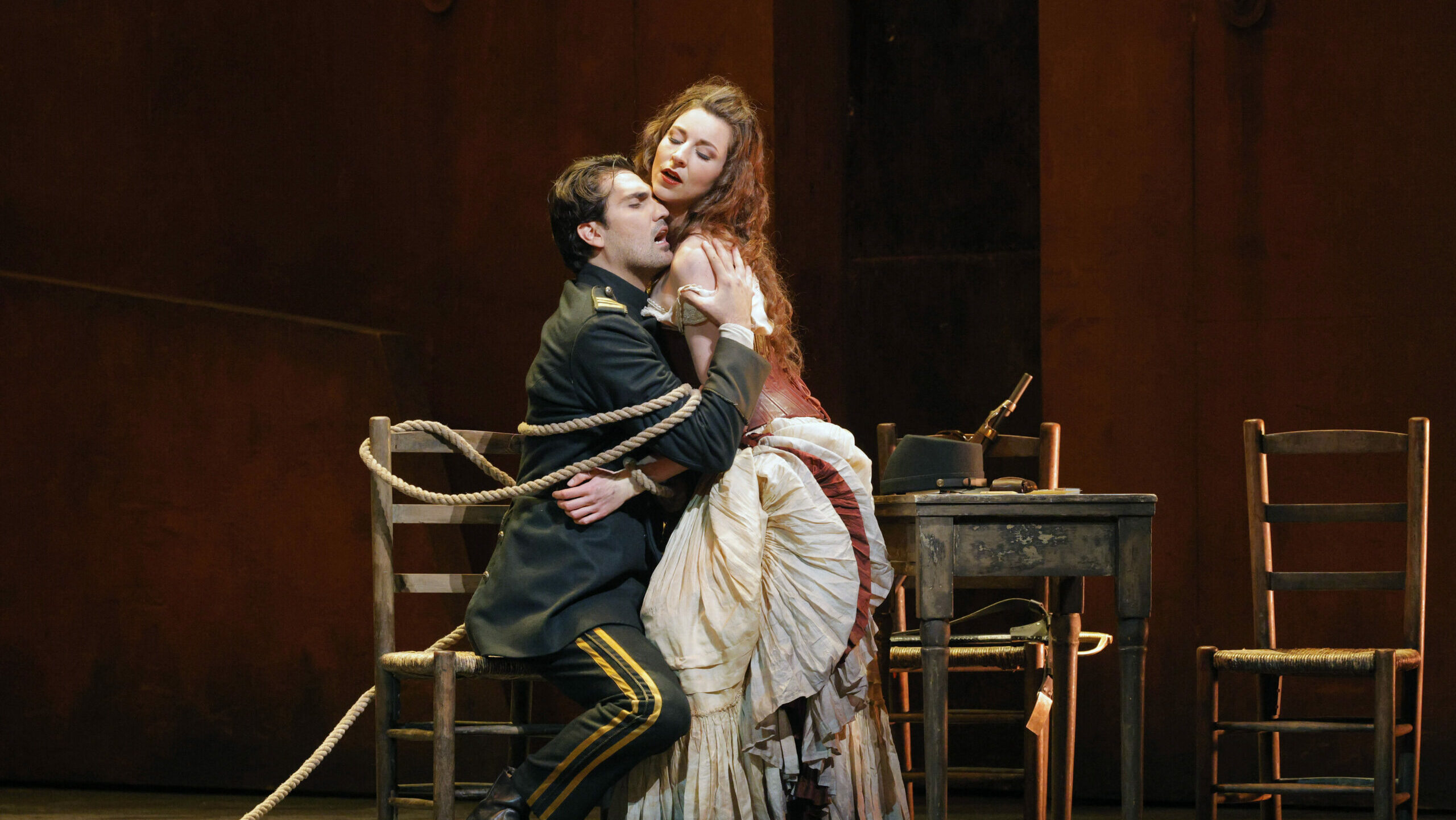
It’s maybe not a surprise that Carmen is neither a good vocal nor temperamental fit for Isabel Leonard.
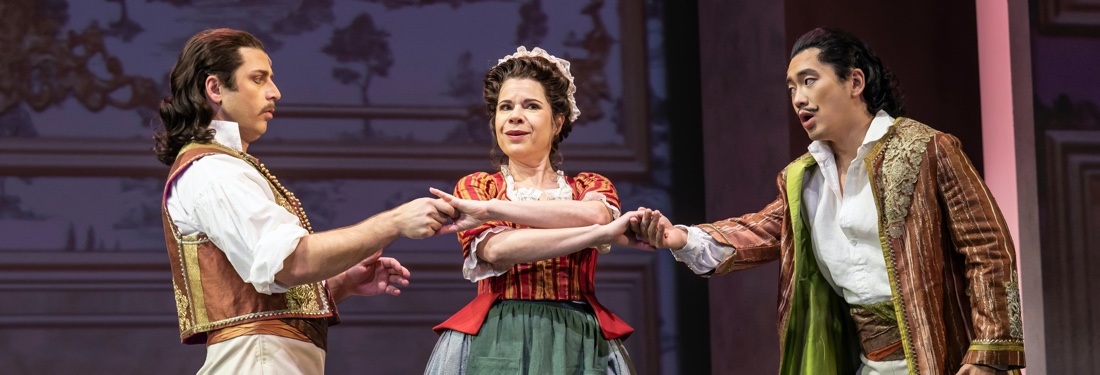
In 2022, making Così fan tutte intimate is not a radical act. Making it enjoyable, however, is.

While the formulaic nature of some of Rossini’s other operas can undermine his ability to balance bravura singing and playing with legitimate drama, a concert Maometto II proves, with what it offers as much as what it lacks, that the formula still works.

From an exposure standpoint, Ruth Bader Ginsburg was the best thing to happen to opera since Beverly Sills.
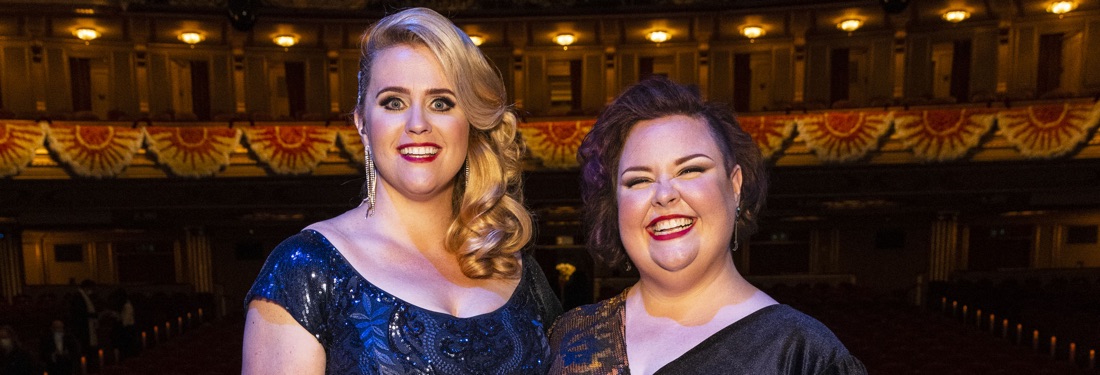
After the break the ladies stepped up their game so much that it elevated the night into legendary status: definitely one for the books!

The days are getting shorter, but you can keep the prattle going this fall’s Talk of the Town! You will, you can, you must join in the discussion about: Great mezzo soprano performances (October),
Gained in translation (November), Teleport me back to… (December).
Exclusive opera reviews, commentary, and top reads
delivered to your email weekly…ish.