
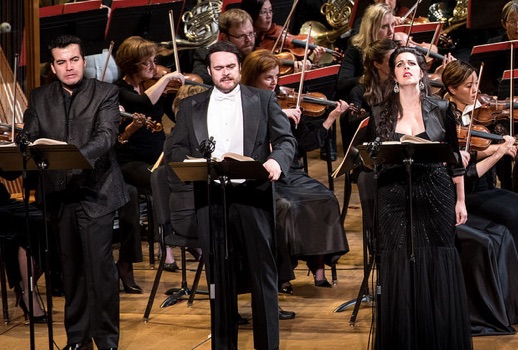
Stranger things
Vincenzo Bellini’s La Straniera was presented at George Washington University’s dreary Lisner Hall on Sunday.
Vincenzo Bellini’s La Straniera was presented at George Washington University’s dreary Lisner Hall on Sunday.
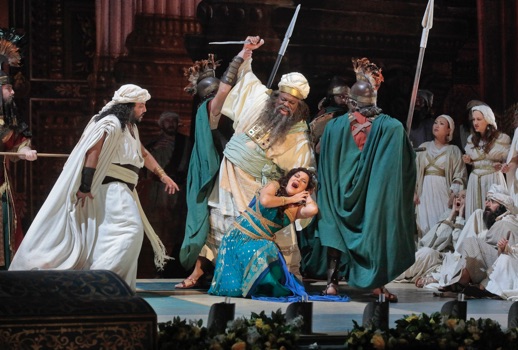
What if you could time travel back to the first run of Giuseppe Verdi’s first great success Nabucco?
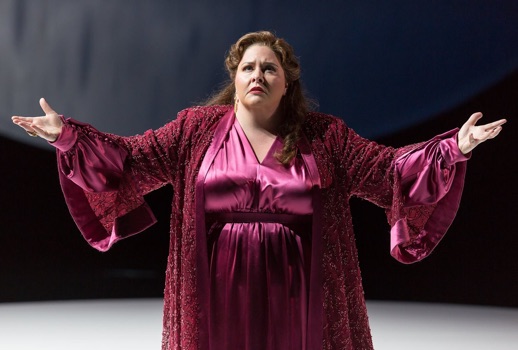
Washington National Opera’s lukewarm Alcina, unthreateningly misguided in both its musical and theatrical values, made little impact.
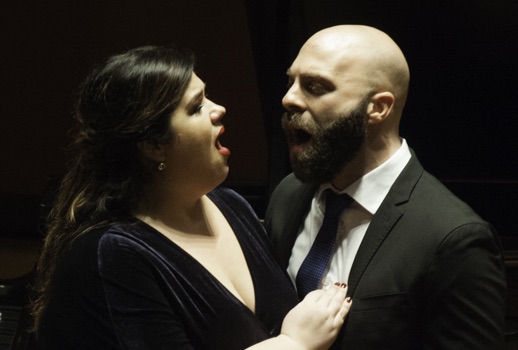
At yesterday’s recital at the Morgan Library, Leah Crocetto sang as her encore Kern and Hammerstein’s “Can’t Help Lovin’ Dat Man.”
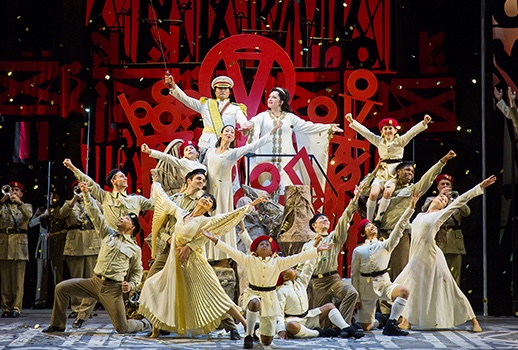
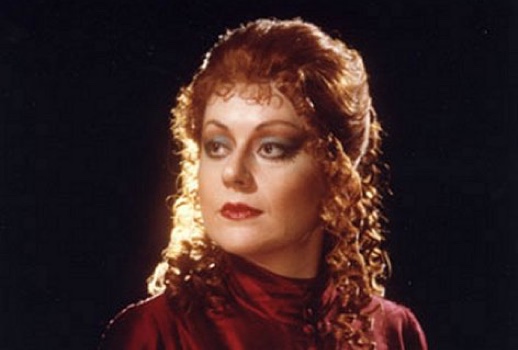
Today’s offering is an electric performance of Verdi’s early potboiler Attila conducted by Giuseppe Sinopoli.
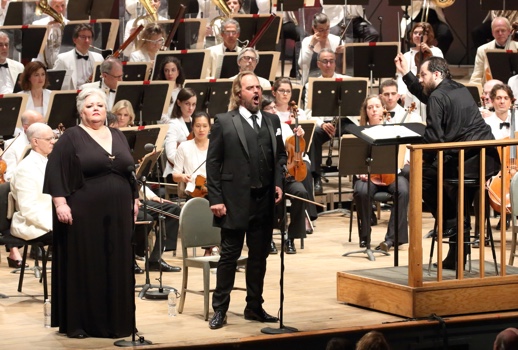
Skirting the leafy, patrician Berkshires of Western Mass, and flush with wine coolers and white people, pastoral Tanglewood doesn’t much resemble the dark Nibelung settings of Norse myth.
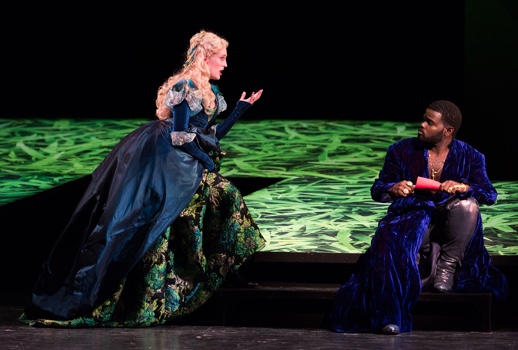
The late-mid 1730s were transitional years for Handel, to put it nicely.
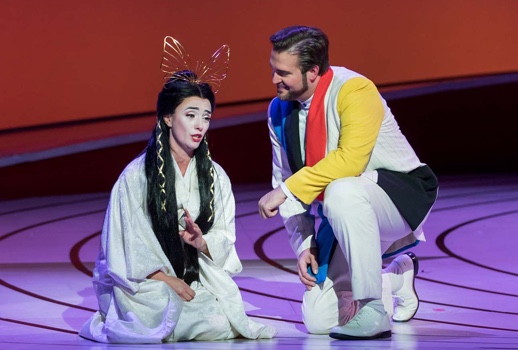
Going into Washington National Opera’s final presentation of the season, Madama Butterfly, I feared that I might be geisha’d out.
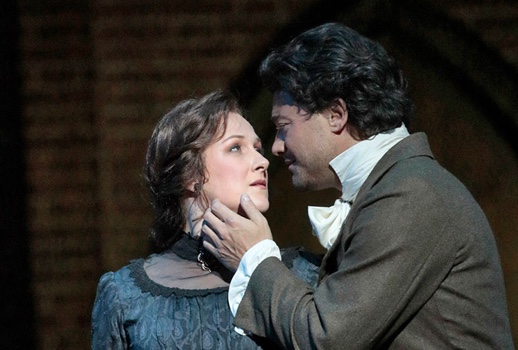
Jacques Offenbach’s Les contes d’Hoffmann has had a bumpy ride to its pride of position in the current French repertoire.
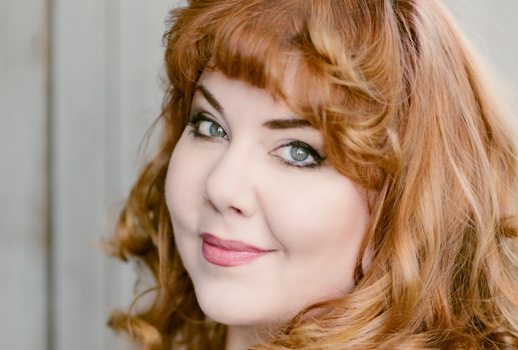
The rewards of Leonore lie almost as much in the ensembles as the solo contributions.
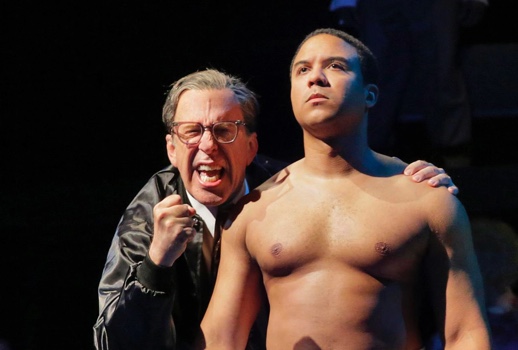
Washington National Opera continued a focus on recent works this season with Terence Blanchard and Michael Cristofer’s 2013 opera Champion on the life of boxer Emile Griffith.
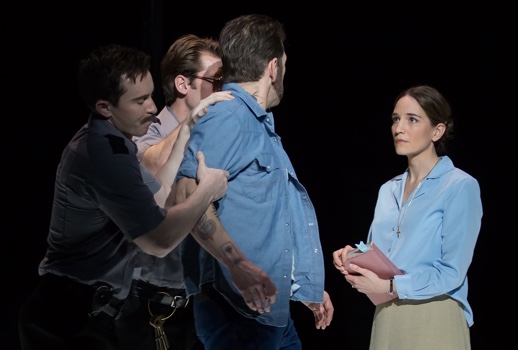
The opera is relentlessly obvious, a work that repeatedly turns to tired tropes and canned characters to fill up its nearly three hour run time.
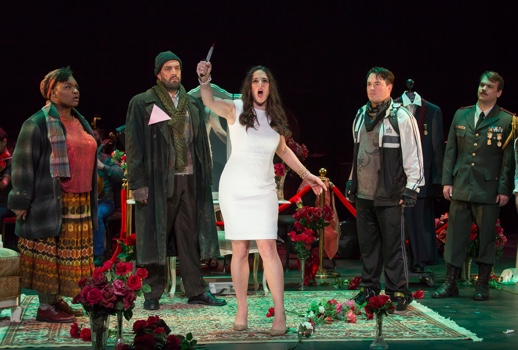
Washington National Opera’s American Opera Initiative, now in its 5th year, keeps the opera flame alight at the Kennedy Center during the long winter stretch between mainstage WNO productions.
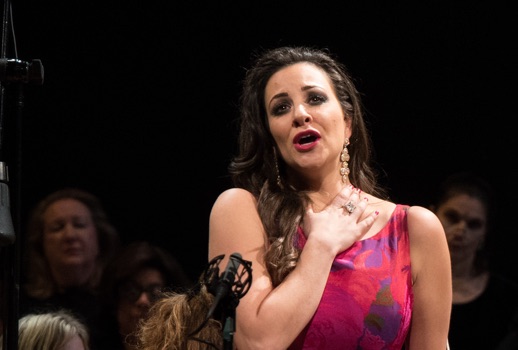
Operatic history can be cruel where multiple works with the same subject are concerned
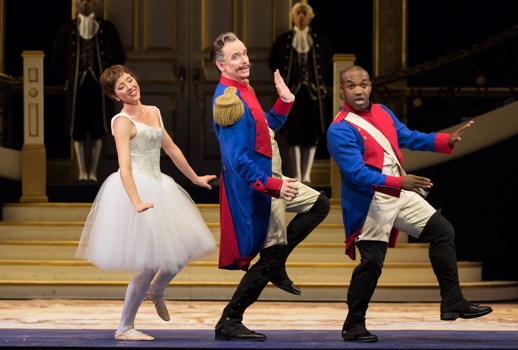
Washington National Opera offered a shellshocked D.C. some much-needed diversion Saturday night, with a new production of La Fille du Regiment.
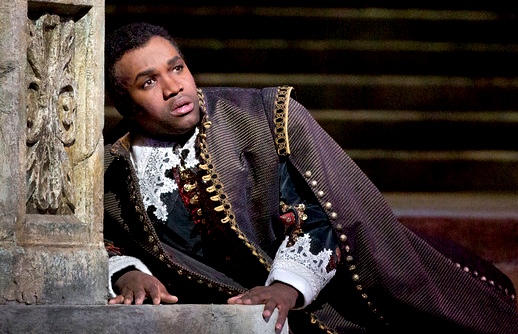
The good news is that the first concert was devoted to the exceptional artistry of Lawrence Brownlee.
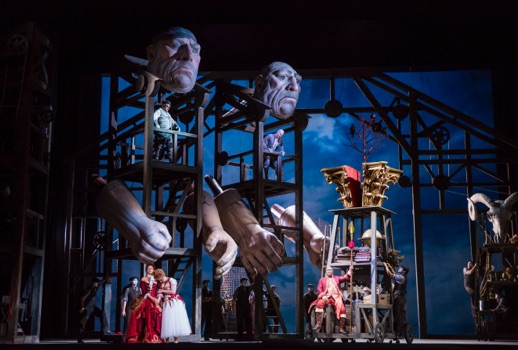
Lyric Opera of Chicago’s 2016-17 season got off to an exciting start on Saturday night with Wagner’s Das Rheingold.
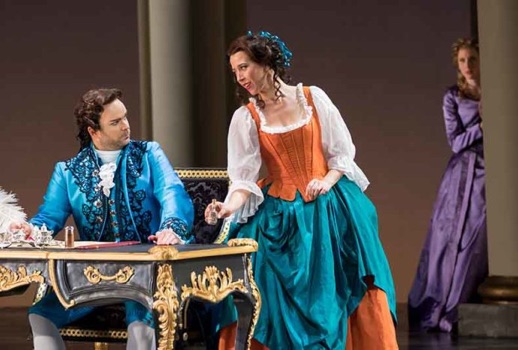
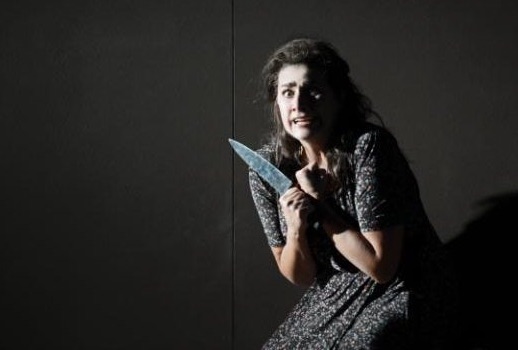
I was hopeful that my next operatic engagement would offer greater rewards: Norma at the Edinburgh Festival.
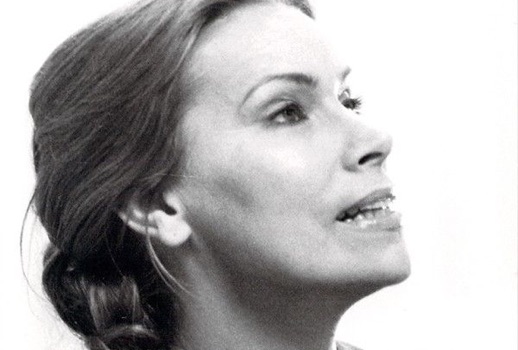
Puccini’s Madama Butterfly with an unexpected heroine: the electrifying Julia Varady, seduced and abandoned by the suavely ardent Giacomo Aragall.
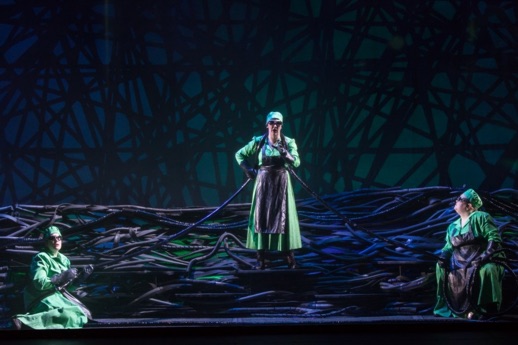
Washington National Opera’s first Ring Cycle came to a bittersweet conclusion this past Sunday, closing the door on an extraordinary three weeks in the opera house and a remarkable musical and theatrical achievement for the company.
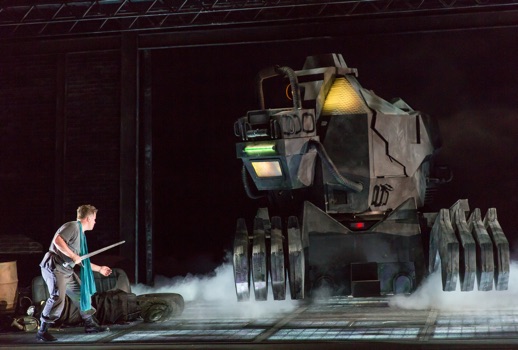
Washington National Opera followed up Monday’s lavishly praised Die Walküre with a Siegfried that, if not quite rising to the summit of the previous installment, delivered a musically committed and eminently watchable version of this complicated work.
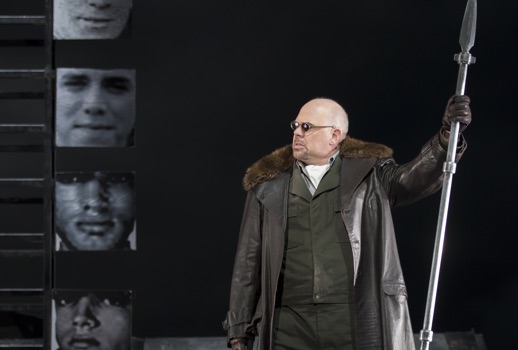
WNO’s first complete Ring Cycle continued Monday evening with a revamped version of the Die Walküre first seen at the Kennedy Center in 2007.

The days are getting shorter, but you can keep the prattle going this fall’s Talk of the Town! You will, you can, you must join in the discussion about: Great mezzo soprano performances (October),
Gained in translation (November), Teleport me back to… (December).
Exclusive opera reviews, commentary, and top reads
delivered to your email weekly…ish.