
Opera Syria
“The music’s fun, but doesn’t Rossini repeat himself?”
19 pieces since 2011 — in 13 roles, at 5 companies, most often at Metropolitan Opera.
“The music’s fun, but doesn’t Rossini repeat himself?”
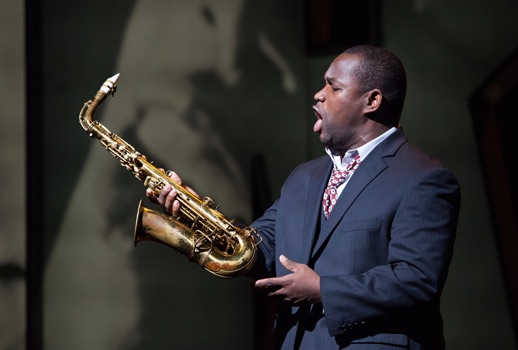
In Charlie Parker’s Yardbird, an opera based on the famed jazz musician’s life, the title character asks, “So if there is a God, why does the negro suffer? Is my prayer, my music lesser, smaller in God’s eyes?”
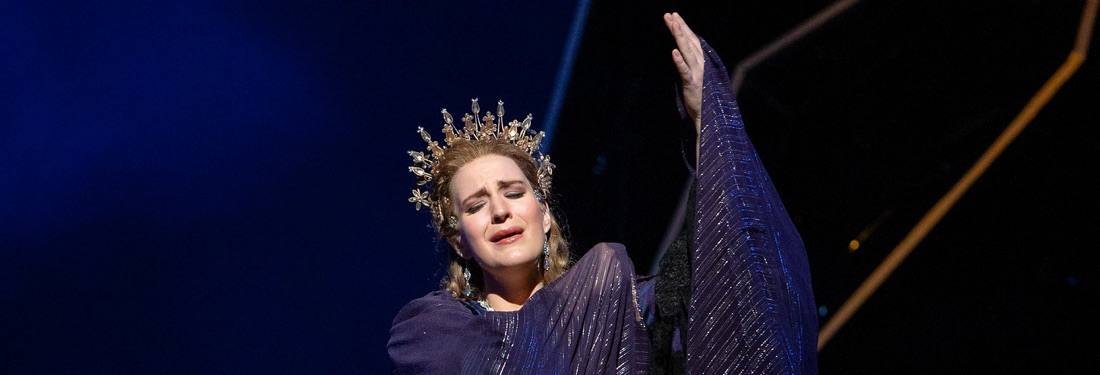
This sterling revival shows the Metropolitan to be surviving well and in good shape.
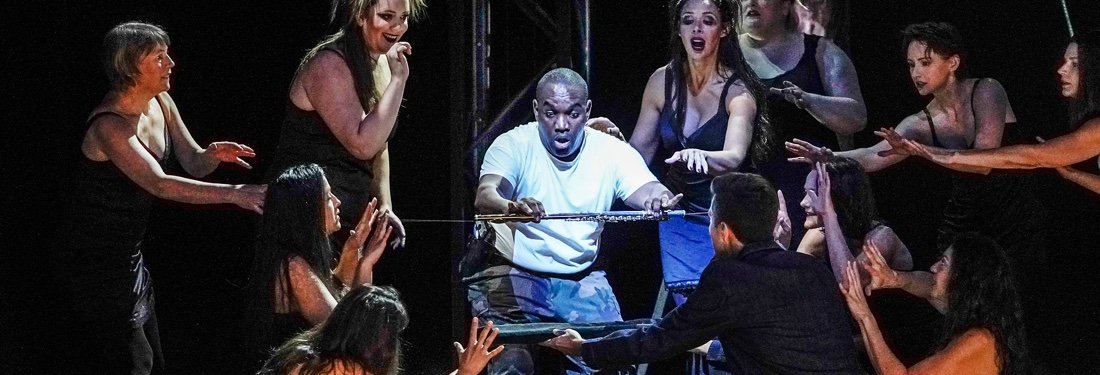
Simon McBurney’s Die Zauberflöte, the second new production of the Met’s May Mozart Miracle, opened on Friday to rousing near-unanimous cheers.
Two operas both alike in dignity, set in dimly lit Renaissance towns ruled by seething, conspiratorial courts.
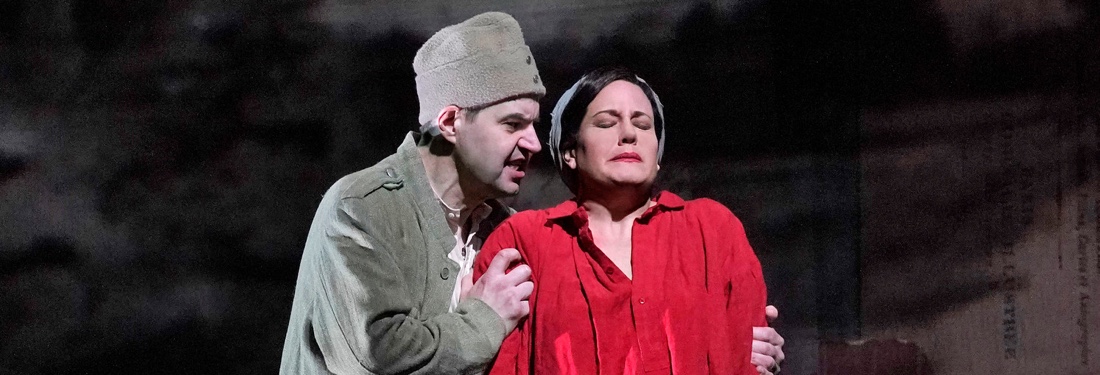
Yannick Nézet-Séguin and the Metropolitan Opera Orchestra reigned supreme at the opening night of Wozzeck on Friday evening, rendering every snarl and shimmer of Berg’s score with gripping intensity.

Are Beethoven’s symphonies overplayed? Yes, but for a reason. While this justification may sound cliché, Beethoven’s humanist universalism is a sentiment that feels urgent in an era of widespread polarization and pessimism.
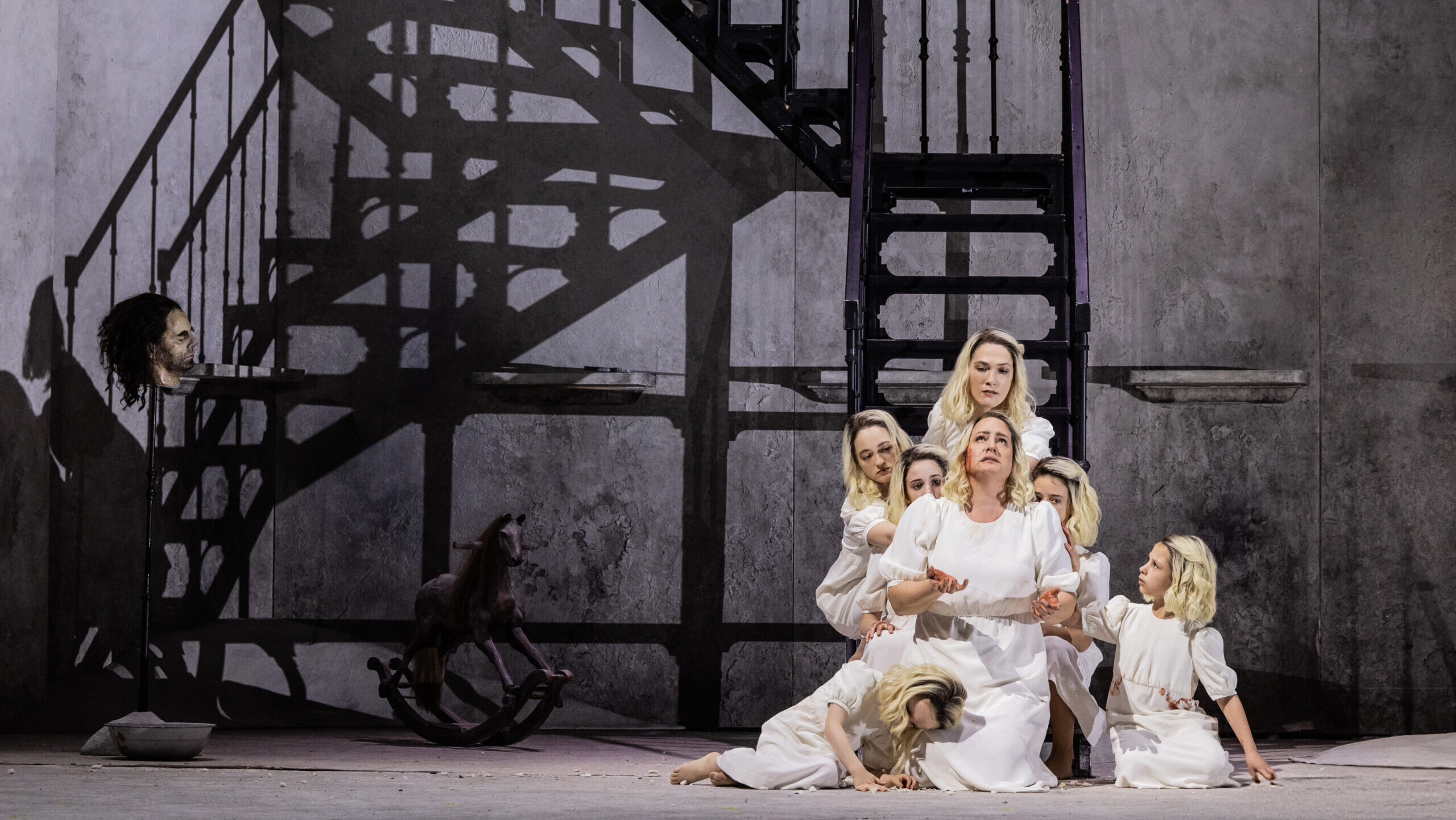
Elza van den Heever and Peter Mattei (and the stage elevator) elevate an assertive, if not definitive, new Salome at the Met
The setting: a dark plaza extending directly in front of a storied opera house. The time: just after a ho-hum revival of something Puccini. The crowd streams out, moderately satisfied but also far from bowled over. A group open to a proposition, you could say.
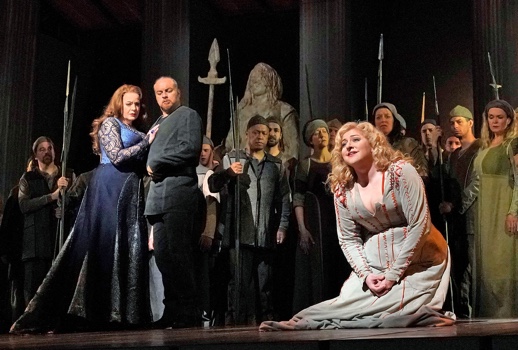
At the Metropolitan Opera’s Götterdämmerung on Saturday afternoon, the fires which consumed the Gods burned lukewarm.
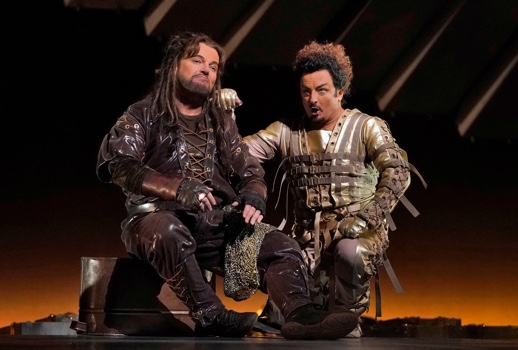
The Metropolitan Opera delivers on the promise of Wagner’s Gesamtkunswerk in a revival of Robert Lepage’s Ring.
It is always a pleasure to hear a great orchestra take on a major score that might sound half-muffled emerging from the pit of an opera house.

The Metropolitan Opera’s much vaunted so-called “Tudor Ring” of three royal operas by Donizetti got off to a bumpy start Saturday afternoon with a revival of Anna Bolena that stubbornly refused to cohere either musically or dramatically.
Today is the dress rehearsal/preview of Anna Bolena at the Met, and naturally La Cieca has infiltrated the event with a veritable phalanx of spies. After the jump: all your latest Anna Netrebko related news.
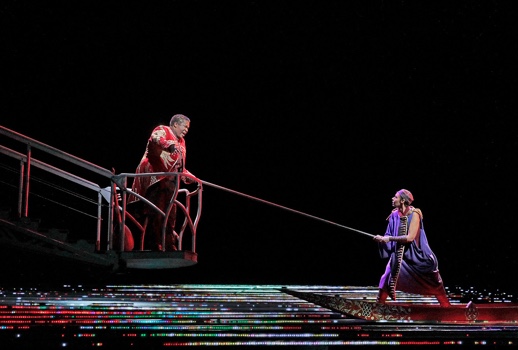
Much like Wagner’s Tristan und Isolde, which launched the Met’s 2016-2017 season, Kaija Saariaho’s L’Amour de Loin is an opera about love and death.
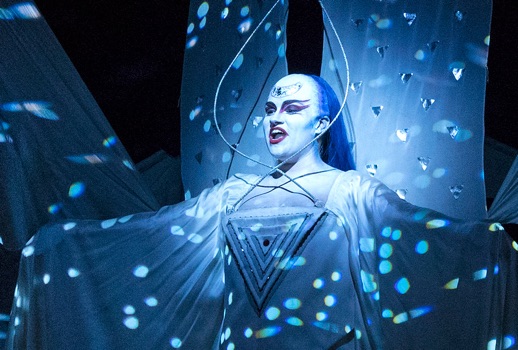
In Schikaneder’s patriarchal cosmology, darkness is the province of emotional women—not just the erratic fury of the Queen of the Night, but the pathetic supplications of Pamina as well.

The days are getting shorter, but you can keep the prattle going this fall’s Talk of the Town! You will, you can, you must join in the discussion about: Great mezzo soprano performances (October),
Gained in translation (November), Teleport me back to… (December).
Exclusive opera reviews, commentary, and top reads
delivered to your email weekly…ish.