

(A)nything (B)ut (C)armen
Calling from 2066, Brendan Latimer argues that the best way to save opera might be to just blow up the standard repertoire altogether.
25 pieces since 2010.
Calling from 2066, Brendan Latimer argues that the best way to save opera might be to just blow up the standard repertoire altogether.

Big voices overwhelm Claus Guth‘s toothless staging of Khovanshchina at the Berlin Staatsoper.

In a lifetime of opera going I suppose I have seen many transformative productions, but this recent one seems, in the light of the increasing disaster enfolding this country, uncannily pertinent.
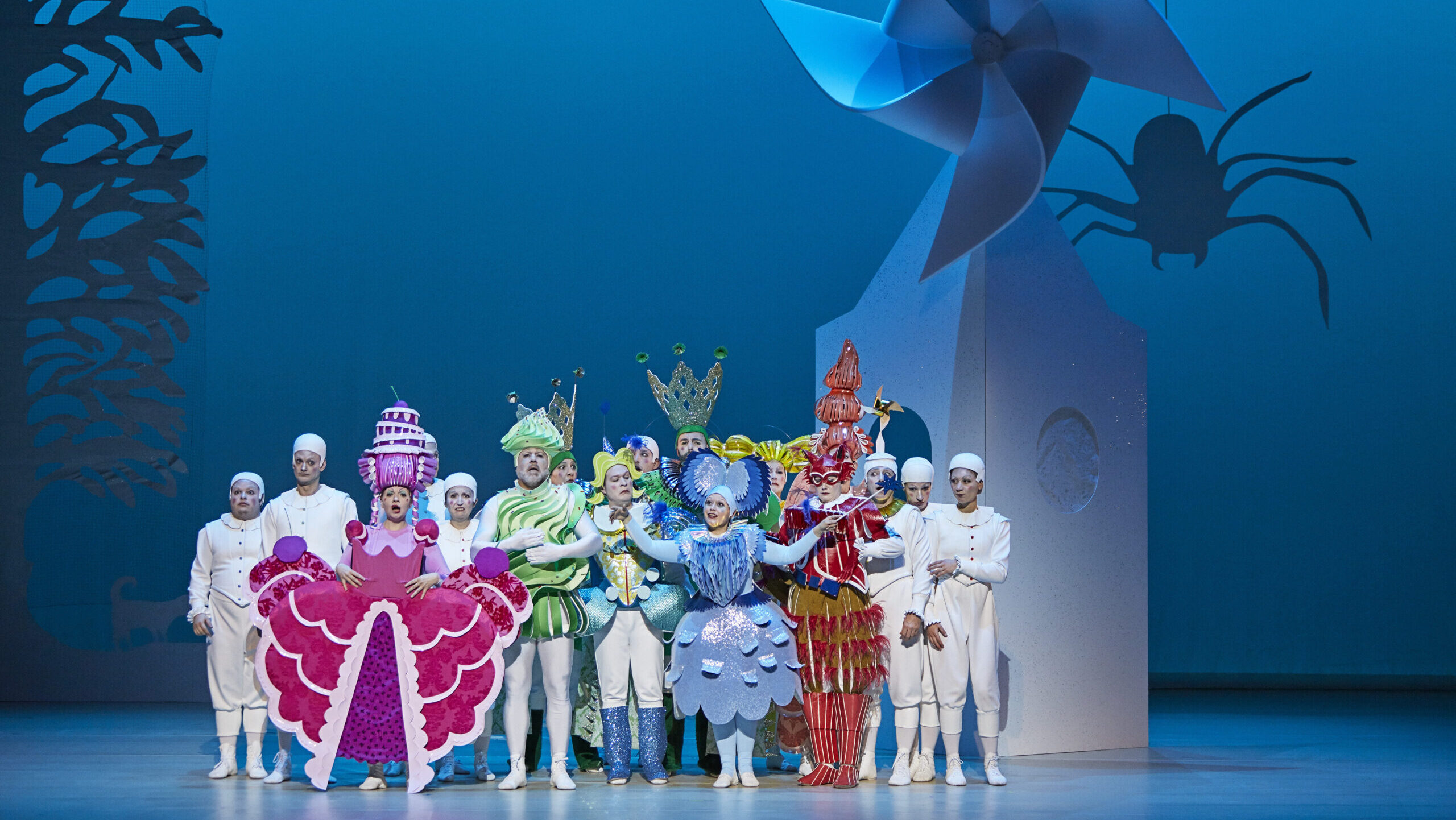
Félix Fourdrain‘s “féerie” Les Contes de Perrault by the Frivolités Parisiennes is as fun for adults as it is for children
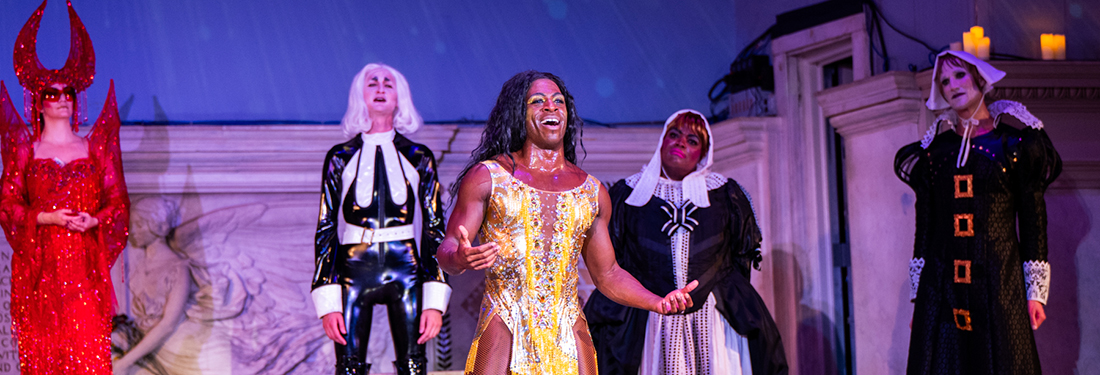
Double double, toil and trouble, y’all, and happy spooky season from Slaylem. (It’s like Salem, but fun.)

Erin Morley closed Vocal Arts DC’s season on May 13th with a recital in the Kennedy Center’s Terrace Theater, partnered by pianist Gerald Martin Moore.
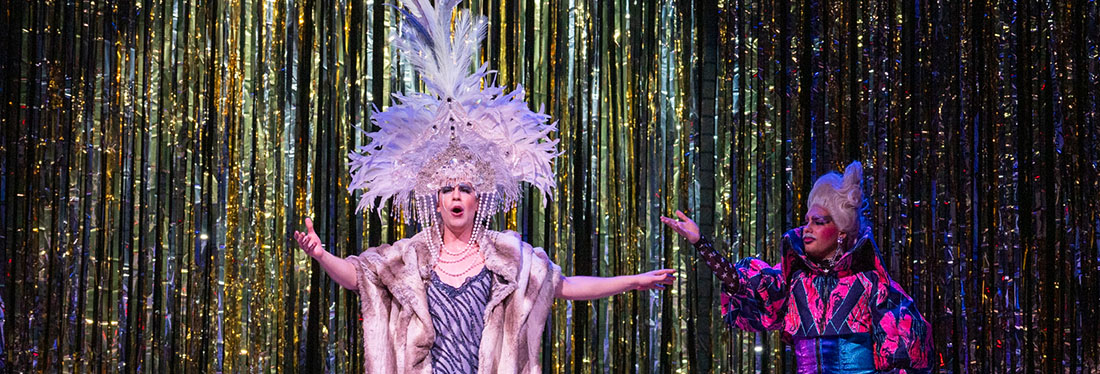
Heartbeat Opera knows how to party.

Saturday marks the centenary of Julius Rudel’s birth which Trove Thursday celebrates with Le Coq d’or, Faust and Ariodante, a triple-bill showcasing his impressive versatility, featuring Beverly Sills and Norman Treigle, two of the most important artists he nurtured during his leadership of the New York City Opera.
“Trove Thursday” escapes to an exotic place with Rimsky-Korsakov’s Sadko.

Mussorgsky’s Boris Godunov must be Russian’s most iconic opera and “Trove Thursday” presents it with Claudio Abbado leading an impressive team.
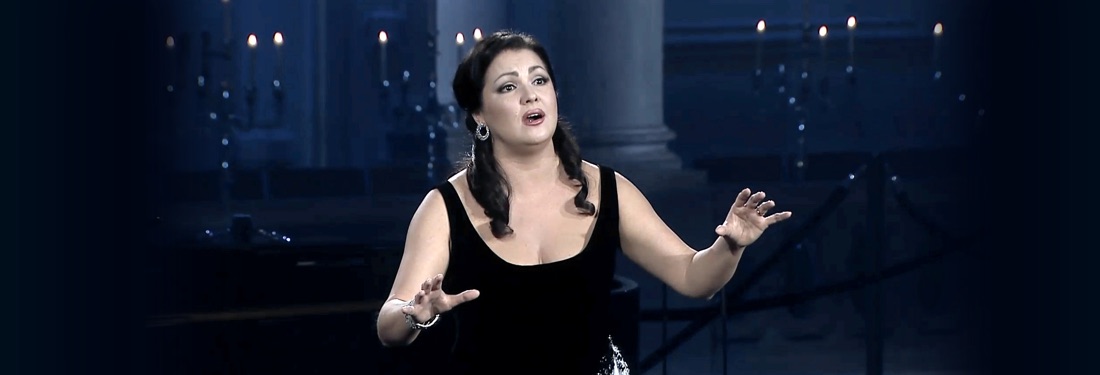
Anna Netrebko sang throughout with a palpable sense of joy and ease in vocal production, never a hint of strain or any moment forced.
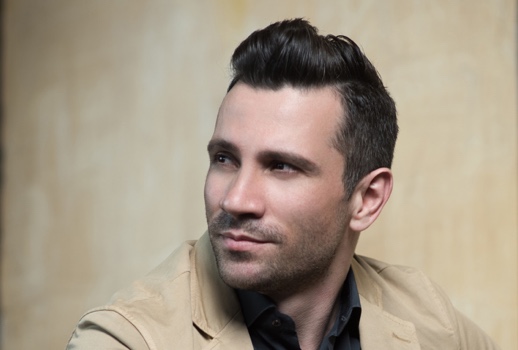
At “Trove Thursday” it’s May Night, Nikolai Rimsky-Korsakov’s 1880 comic opera, in a recent broadcast from Moscow led by pianist-conductor Mikhail Pletnev.
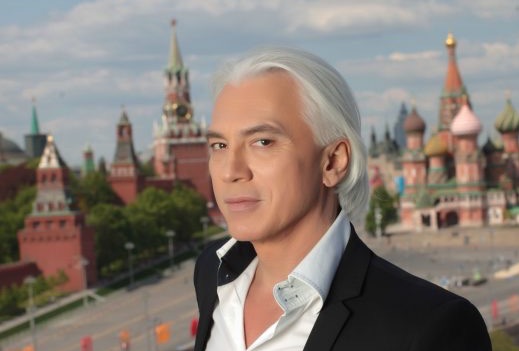
“Trove Thursday” offers a belated 55th birthday nod to Dmitri Hvorostovsky with a blazing live performance of Rimsky-Korsakov’s The Tsar’s Bride.
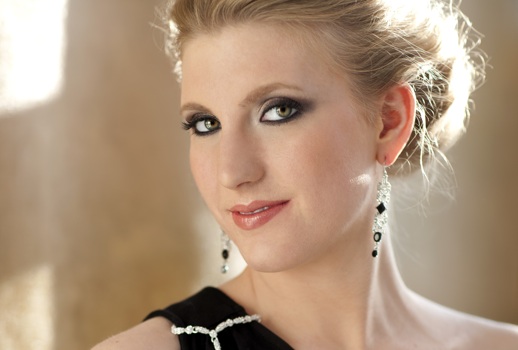
Bard College presented a semi-staged concert of Halka on Saturday evening as part of its impressively wide-ranging two-week “Chopin and his World” festival.
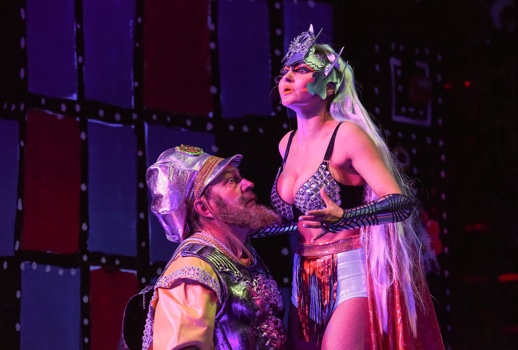
Zolotoy pyetushok (translated as The Golden Cockerel in English, is best known in these parts as Le Coq d’Or.
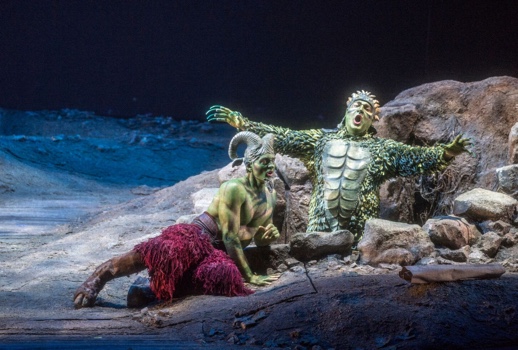
La Campana Sommersa (The Sunken Bell), which is being presented by the New York City Opera at the Rose Theater through April 7, is a true oddball.
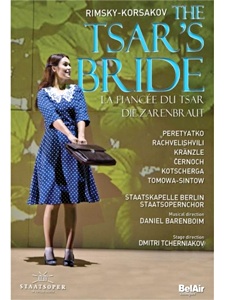
For all their orchestral and vocal attractions, Nikolai Rimsky-Korsakov’s 15 operas are rarities in the West.

My memory is fading but the events I recall most vividly of the last season seem largely to have been concert performances.

Opera-lovers who attend too much modern opera may find that it feels like duty.
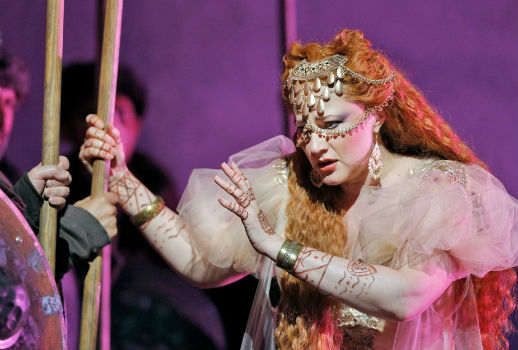
Sergey Taneyev, pupil of Tchaikovsky and teacher of Scriabin and Rachmaninov, composed just one opera, Oresteia, premiered in 1895 when he was 39.
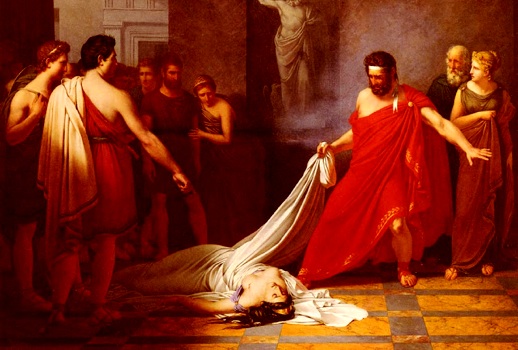
Taneev was quite a high-minded fellow, so it’s not altogether surprising that nothing less than Aeschylus (and the whole of his Oresteia!) would suffice as a libretto for his first and only opera.
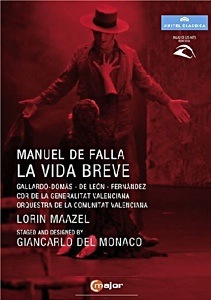
Manuel de Falla’s La Vida Breve makes its video debut with this release from C-Major which means there’s still plenty of opportunities for improvement.
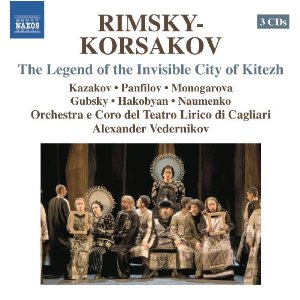
The story is enough of a cipher to make any regie-bent director salivate.
Our Doyenne demonstrated her omniscience once again by sending me a DVD of Rimsky Korsakov’s Le Coq d’Or (Zolotoy Petushok) to review. I’m with musicologist Richard Taruskin who stated that Rimsky Korsakov was “perhaps the most underrated composer of all time” (and I’m sure his editor insisted on including the “perhaps”).

The days are getting shorter, but you can keep the prattle going this fall’s Talk of the Town! You will, you can, you must join in the discussion about: Great mezzo soprano performances (October),
Gained in translation (November), Teleport me back to… (December).
Exclusive opera reviews, commentary, and top reads
delivered to your email weekly…ish.