
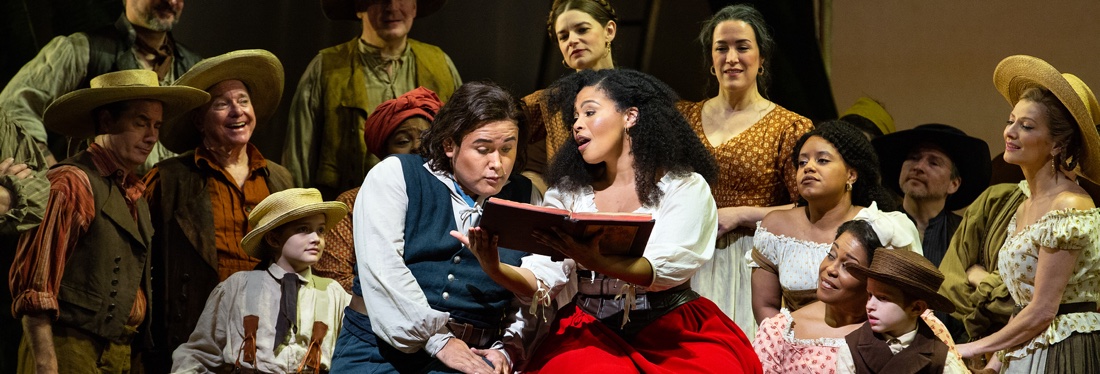
‘Elisir’ not quite ‘rara qualita’
On paper, the Met’s revival of L’elisir d’amore looked like a lovely evening. And at times it was—a few scenes hinted at what it could be and what it might yet become.
26 pieces since 2017 — in 12 roles, at 9 companies, most often at Metropolitan Opera.
On paper, the Met’s revival of L’elisir d’amore looked like a lovely evening. And at times it was—a few scenes hinted at what it could be and what it might yet become.
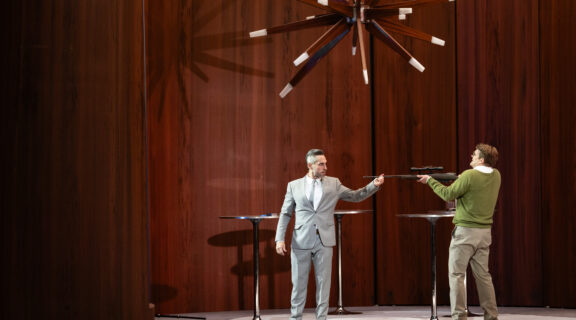
Dmitri Tcherniakov‘s production of Der Freischütz in Munich may fire a few blanks, but the musicians are all on target.

It was, at least, a jolly good show. Whether or not it actually suited Stravinsky’s music or Auden and Kallman’s text, is another question.
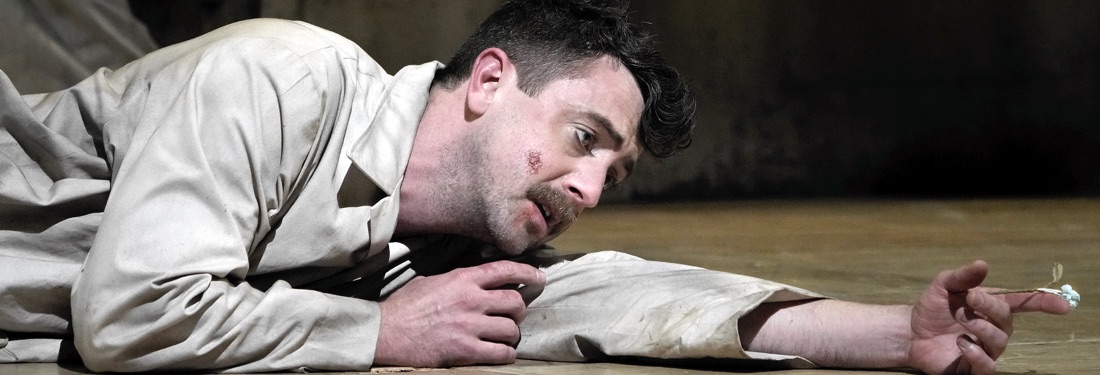
The opera The Rake’s Progress, as many people know already, was inspired by a series of engravings and paintings of the same name by William Hogarth, showing the decline of a young man into depravity and insanity.
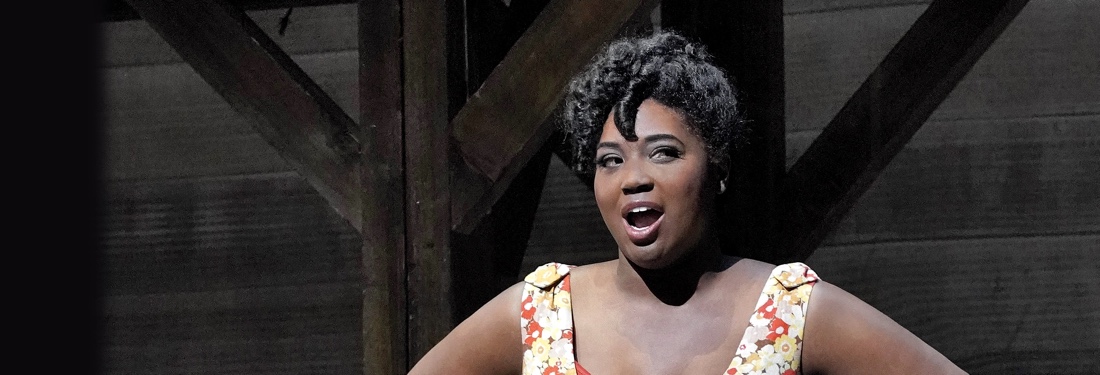
Opera’s latest superstar, Angel Blue, in a compleat and enthralling portrayal, gloriously sung and rivetingly acted.
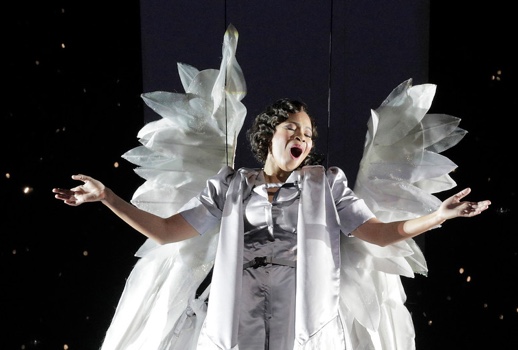
There comes a time where everything falls into place, and more importantly, when your head and heart are also in the right mindset. That’s when when the opera becomes cathartic, life-changing experience.
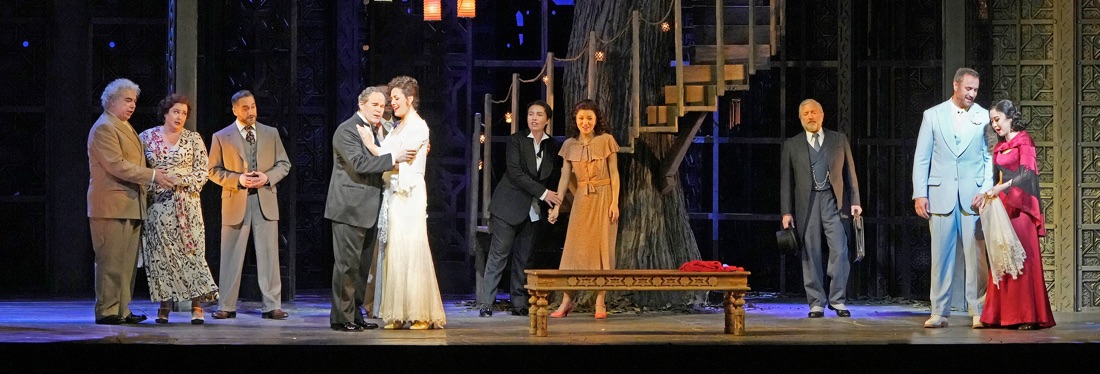
Saturday’s performance of Le nozze di Figaro at the Met mined the humor from Mozart’s divine setting of Beaumarchais’s play about a crazy day in the Almaviva household.
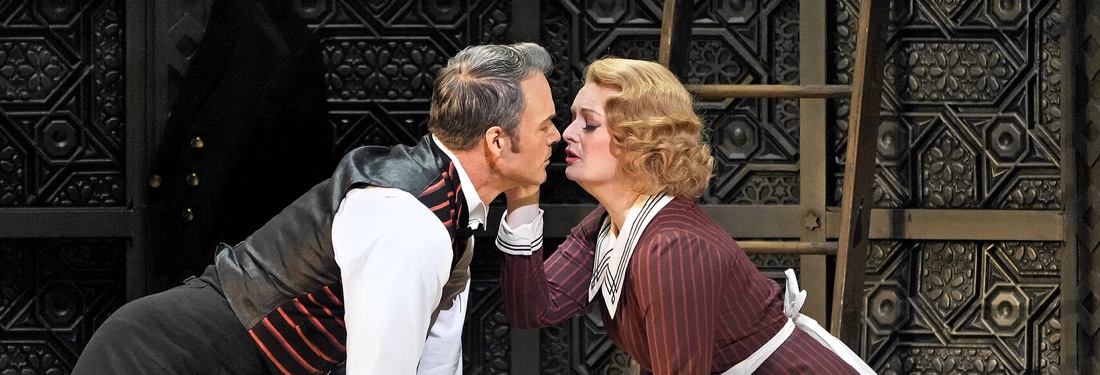
Despite having lost its announced Cherubino, conductor and Count (the latter in the midst of rehearsals), the season premiere of Le Nozze di Figaro Saturday afternoon proved to be one of the most enjoyable Met Mozart performances I’ve attended in ages.
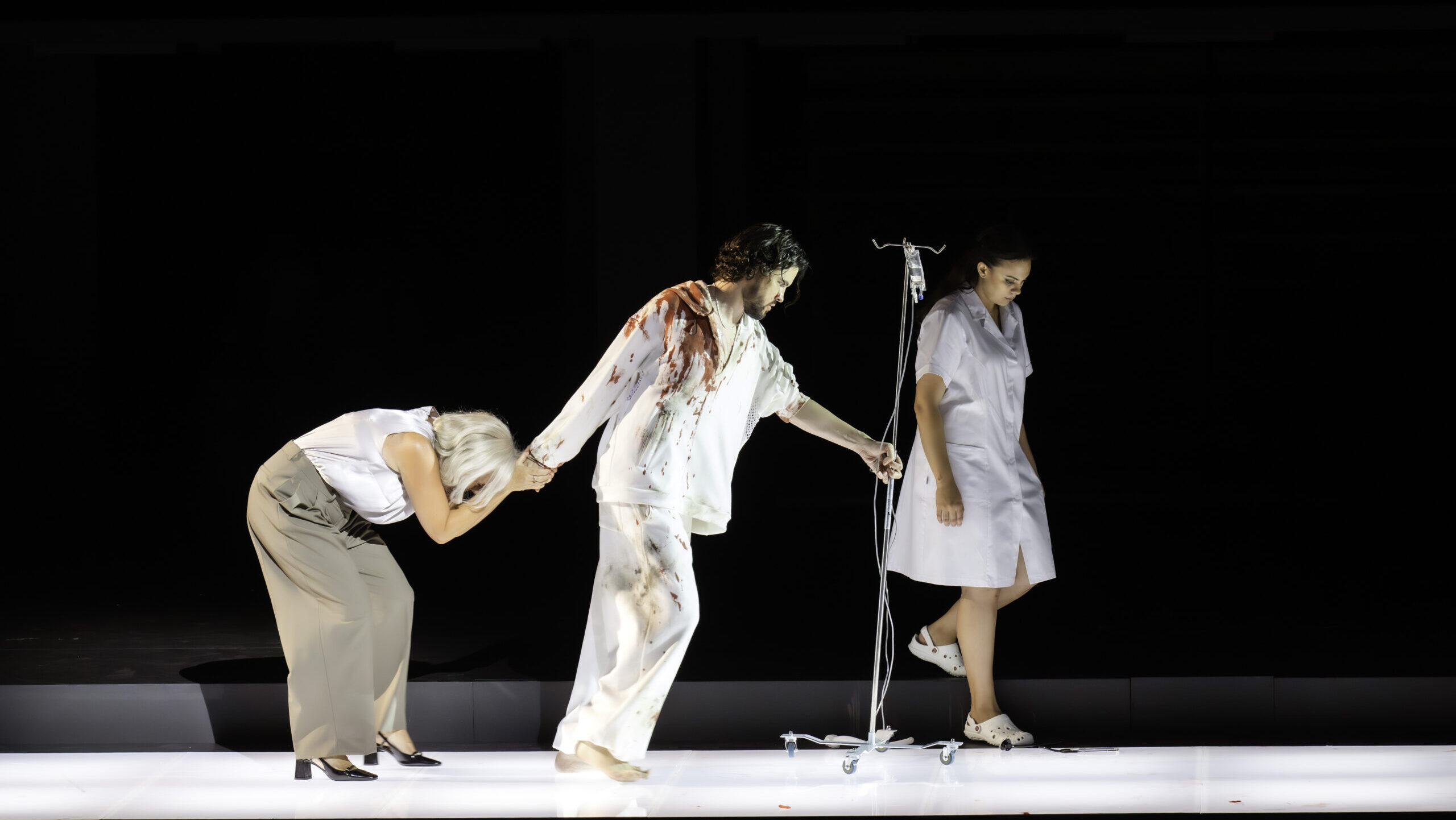
This summer’s festival, taking place amid record high temperatures and in the wake of its artistic director, Pierre Audi, featured a disquietingly zeigeisty focus on sexual violence.
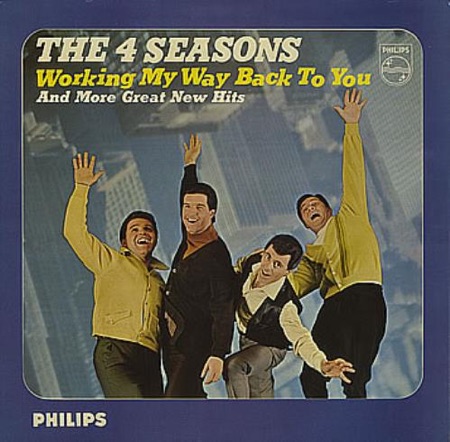
One of the greats of classical music, Franz Joseph Haydn was a bit of an “also-ran” as an opera composer.

Following the great success of its new piece The Factotum, Lyric Opera of Chicago returned to the tried and true with the audience-pleaser Carmen in an equally tried and true 20-year old Lyric production that has stood the test of time.
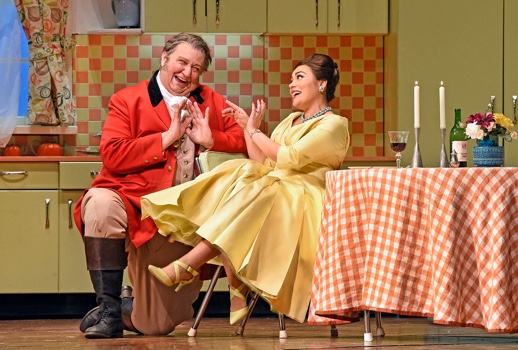
Since 1985, from the Chicago Symphony at Carnegie Hall to the Welsh National Opera visiting BAM and from Chicago Lyric to New York City Opera to the Met, I’ve never encountered a bad Falstaff—or one that didn’t astound and delight me.
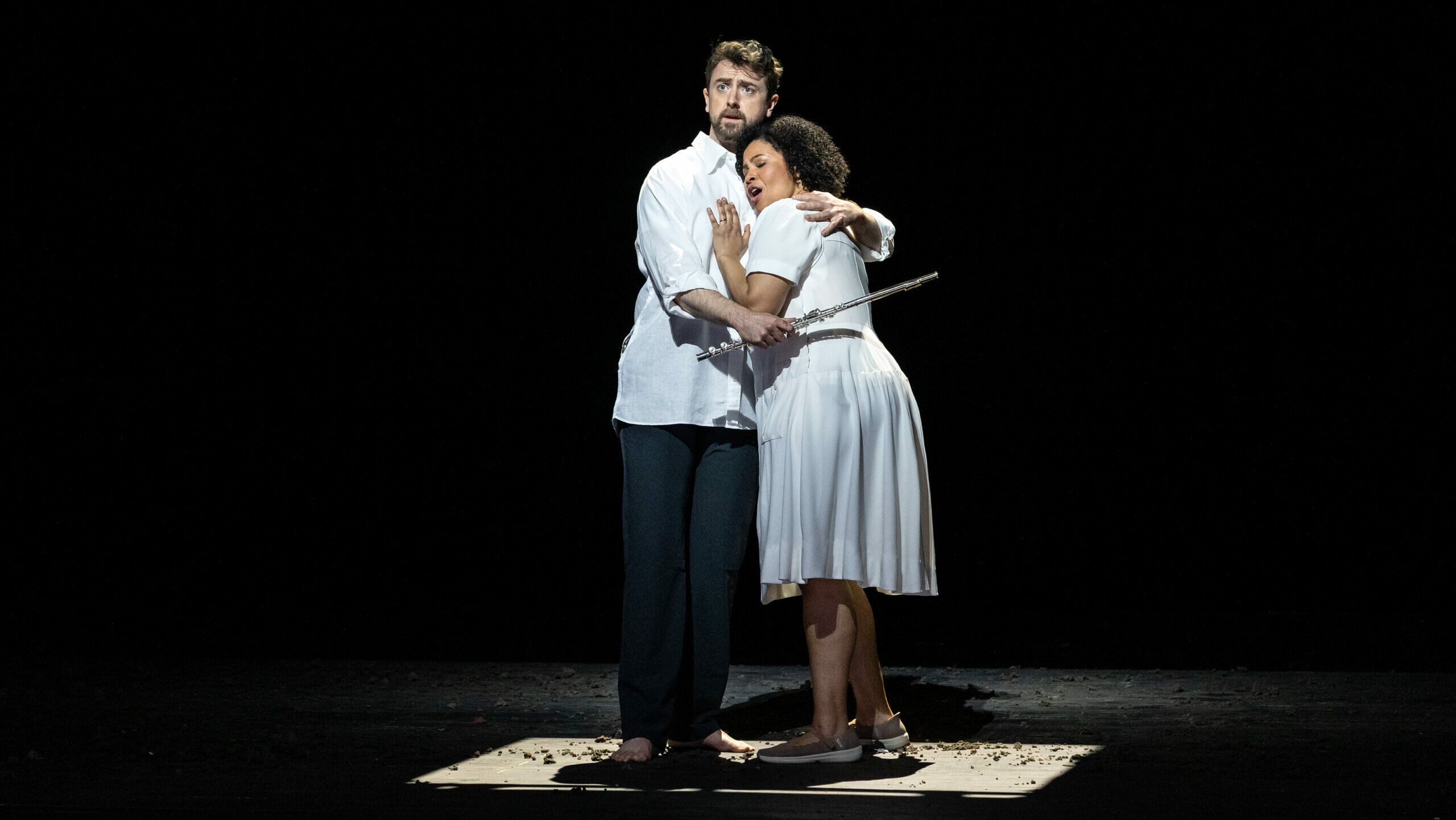
Look, for one of the most-staged operas in the repertoire, Mozart’s Die Zauberflöte seems awfully difficult to stage.
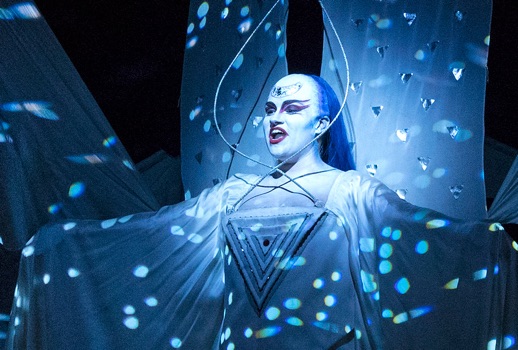
In Schikaneder’s patriarchal cosmology, darkness is the province of emotional women—not just the erratic fury of the Queen of the Night, but the pathetic supplications of Pamina as well.
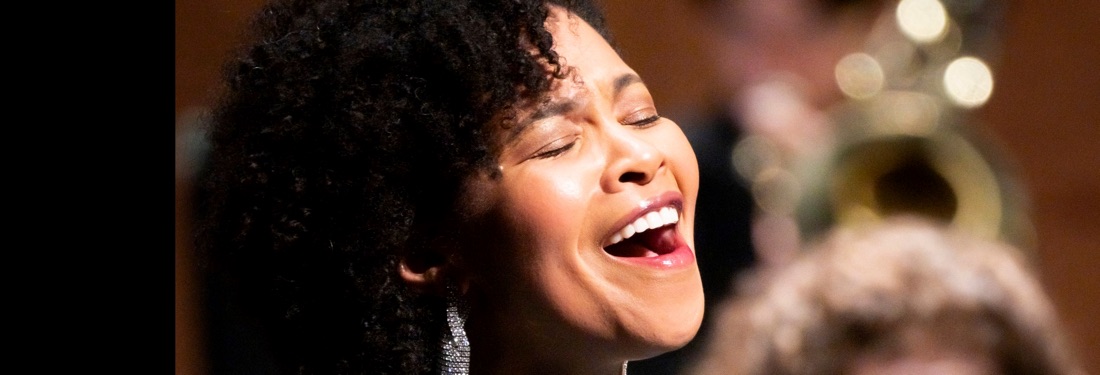
Minutes into “An die Nacht,” the first song Friday night, I realized how much I’d missed being enveloped in that seductive Straussian combination of a soprano (or two or three) rising higher and higher over a surging orchestra.
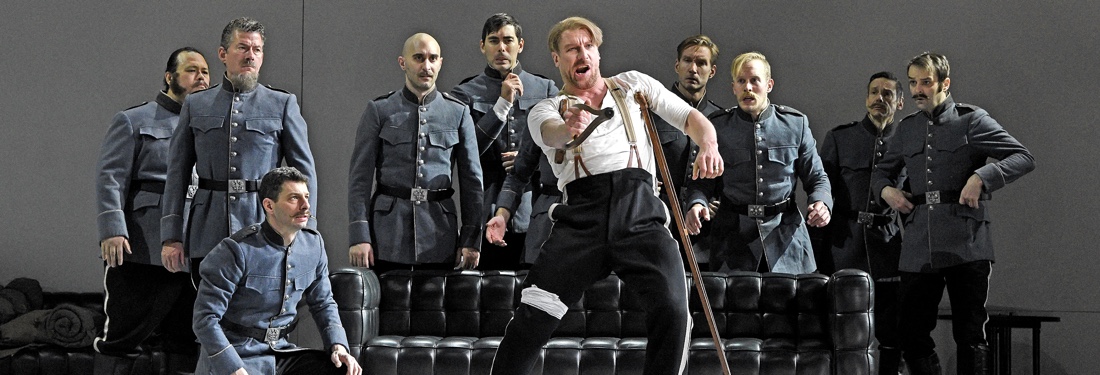
Saturday night’s Rosenkavalier at the Met was an evening of excess — beautiful singing, sensitive acting, elaborate sets, and an unfortunate business that mars Robert Carsen’s otherwise excellent production.
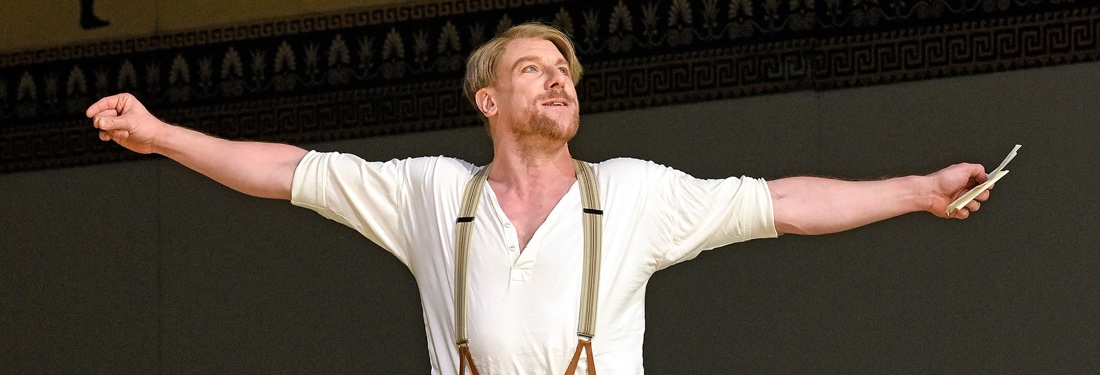
Günther Groissböck’s ridiculously entertaining Baron Ochs and Sir Simon Rattle’s enthralling conducting soared highest during a mostly excellent revival of Der Rosenkavalier.

The days are getting shorter, but you can keep the prattle going this fall’s Talk of the Town! You will, you can, you must join in the discussion about: Great mezzo soprano performances (October),
Gained in translation (November), Teleport me back to… (December).
Exclusive opera reviews, commentary, and top reads
delivered to your email weekly…ish.