
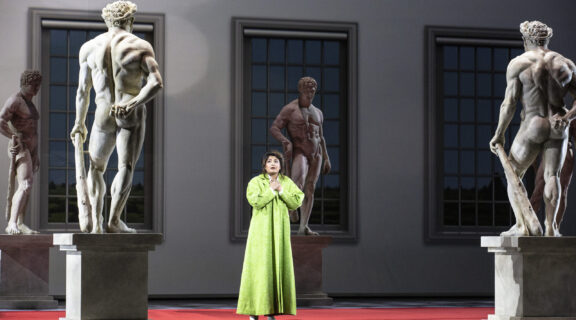
Bembo eruption
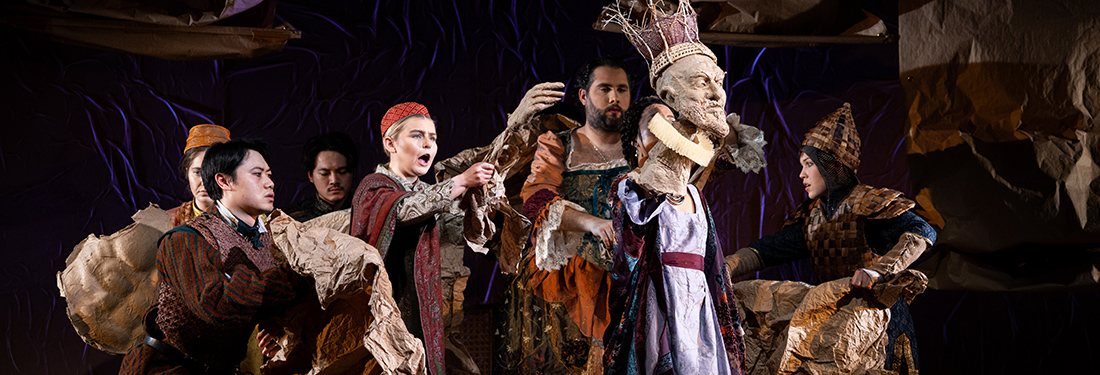
Supported by an ingenious production and strong performances, Antonia Bembo’s Ercole Amante makes a successful Paris Opera debut.
30 pieces since 2010.
Supported by an ingenious production and strong performances, Antonia Bembo’s Ercole Amante makes a successful Paris Opera debut.
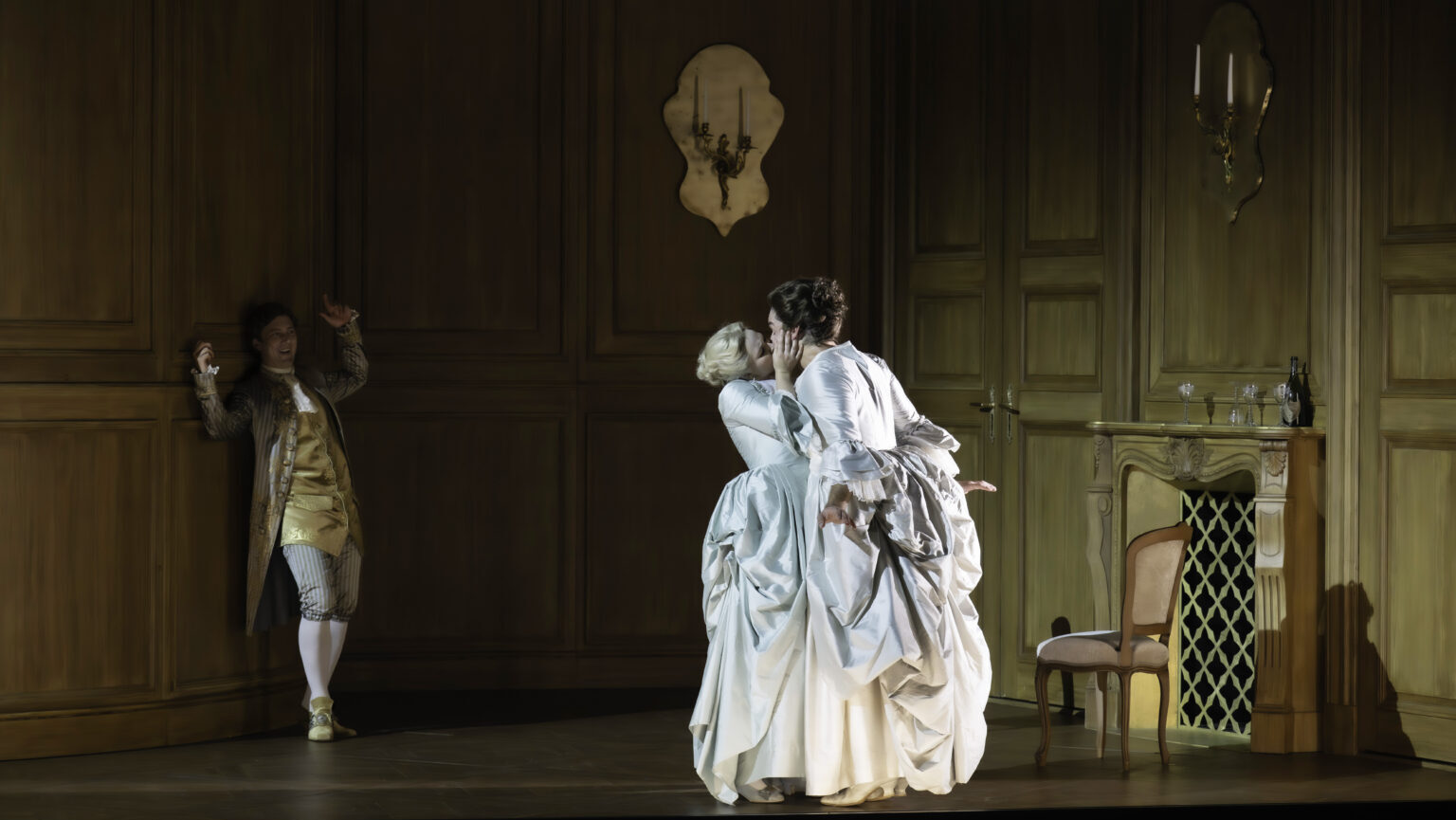
An exciting cast digs their claws into a heady production of La Calisto at the Théâtre des Champs Elysées.
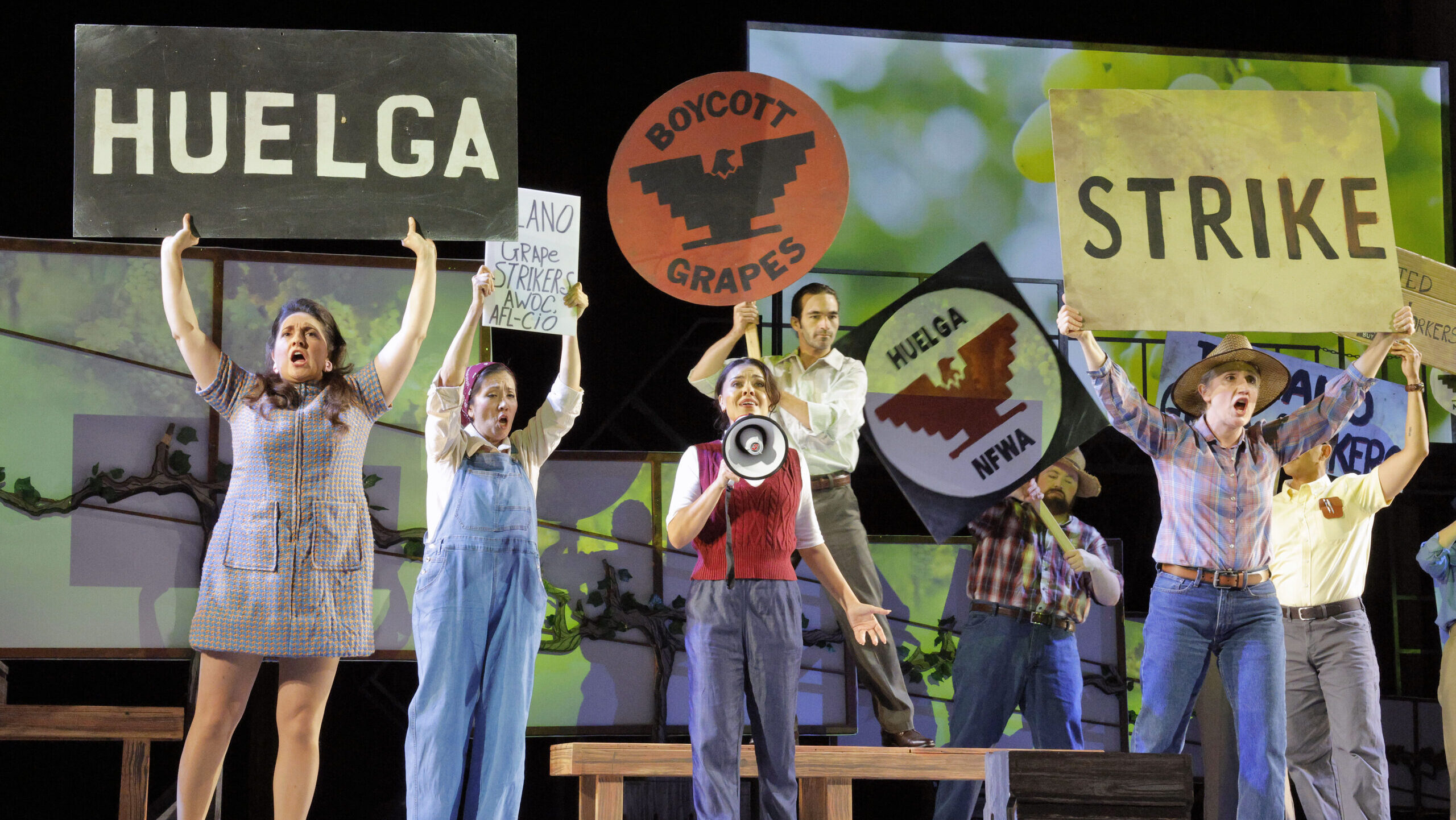
The world premiere of Dolores and Charpentier‘s David and Jonathan bring the heat to West Edge Opera’s 2025 Festival.

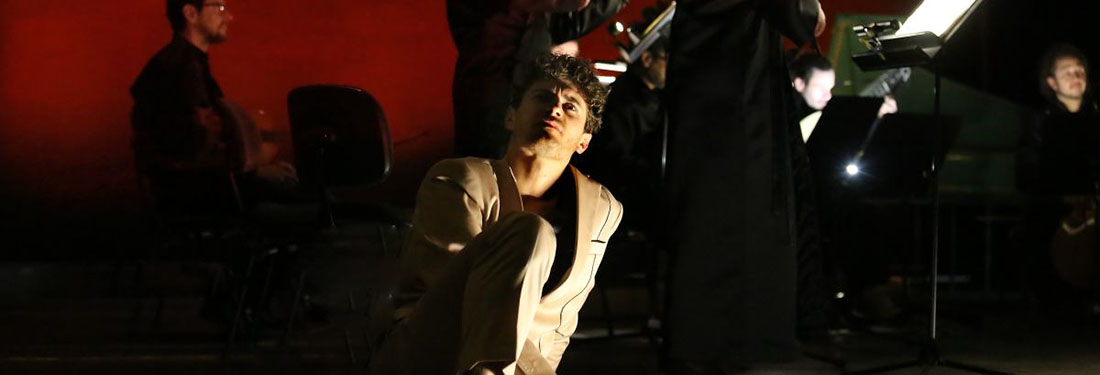
John Yohalem reports on Catapult Opera’s satiating San Giovanni Battista
Those of us in New York City who relish 17th century Italian vocal music were offered an enticing banquet over the past few weeks.

Before Wednesday I don’t remember gasping when I entered a concert venue.

Joyce DiDonato admits that she is “a problem solver, a dreamer, and—yes I’m a belligerent optimist.”
Over the past week New York City was blessed by two appealing 17th century presentations: John Blow’s Venus and Adonis from Opera Lafayette and La Storia di Orfeo courtesy of the Boston Early Music Festival.
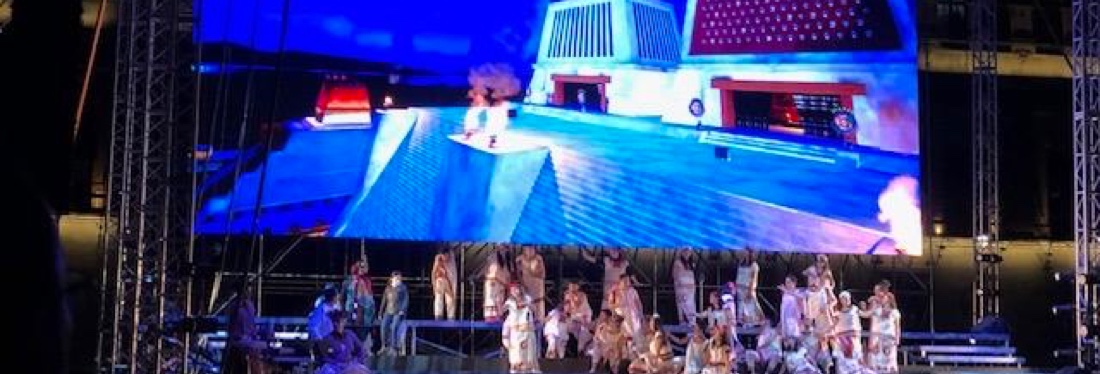
What is opera for if not to commemorate a national epic tragedy and triumph?
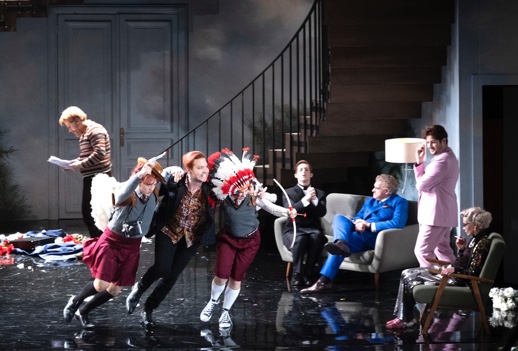
Legrenzi married the quirky libretto to a score of transcendental beauty.
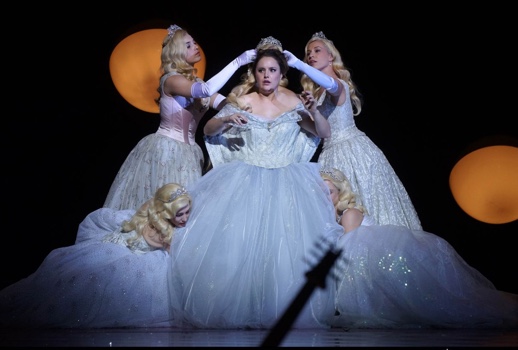
Teatro Real continued their 200 years’ celebration by premiering a piece that they have never done before, Francesco Cavalli’s opera La Calisto.
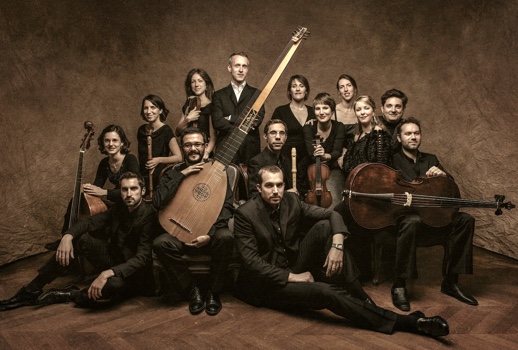
French early music group Ensemble Correspondances offered two of the year’s very best concerts.
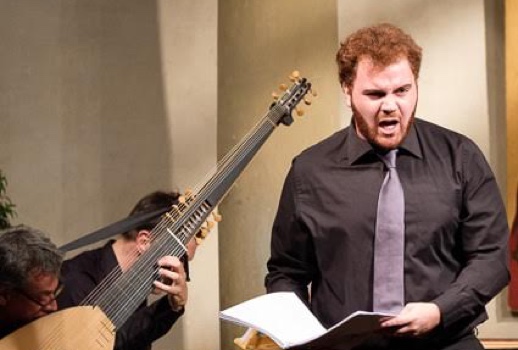
This program honored the singer, composer and theorist Giulio Caccini, “Giulio da Romano,” on the 400th anniversary of his death.
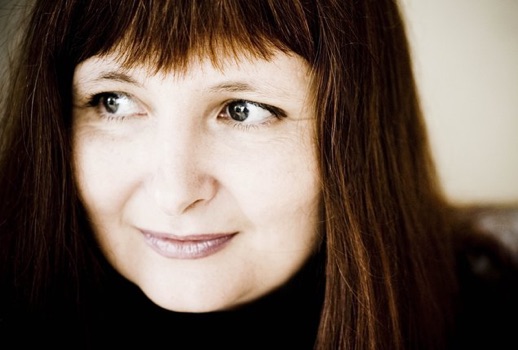
New York fans of 17th century Italian vocal music should be rejoicing this month.
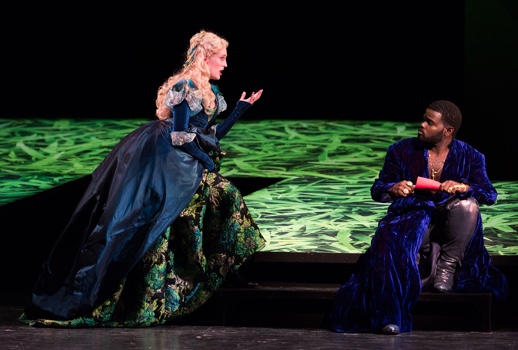
The late-mid 1730s were transitional years for Handel, to put it nicely.
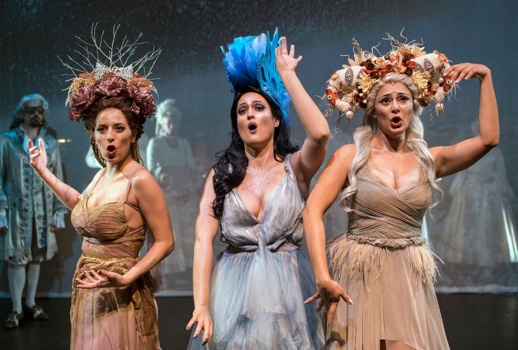
Antonio Literes, a boy soprano from Majorca, had, we may presume, friends in high places.

An opera revolving around chastity vows, adultery, slut-shaming, lesbianism, transvestism and much more!
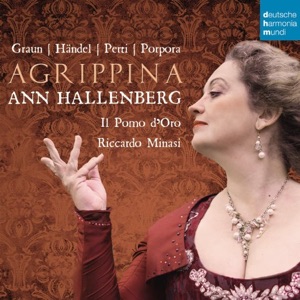
Fans of divas who sing 19th and 20th century opera may find themselves searching in vain for CDs to buy with this season’s gift cards, since their idols so rarely put out solo recitals these days.
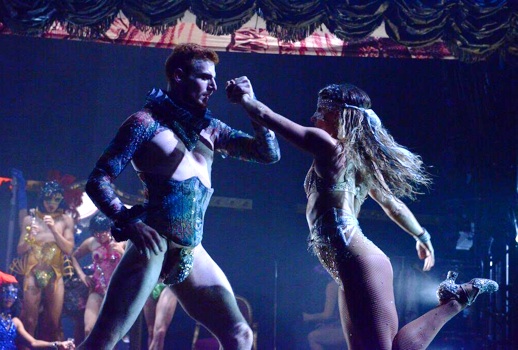
“Operatic” generally refers to sung drama, but there is another meaning of that term: grandiose, outsize, hysterical.
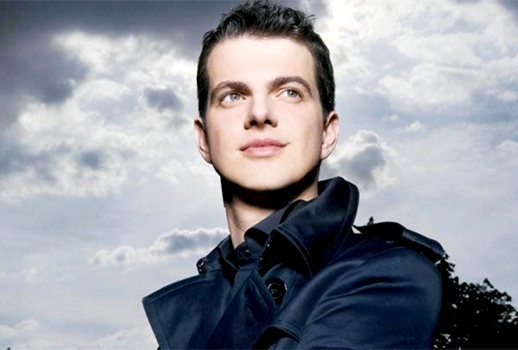
My impossible wish would be to hear one of the great castrati who dominated opera for most of the 18th century.
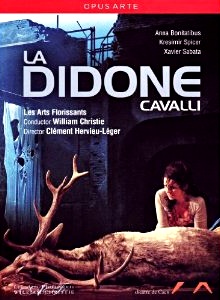
The theatrical expression “You can’t tell the players without a program” was never more apt than when applied to Opus Arte’s release of Cavalli’s La Didone.

Can it be nearly a quarter-century ago that an Italian mezzo-soprano in her early twenties recorded her first recital?
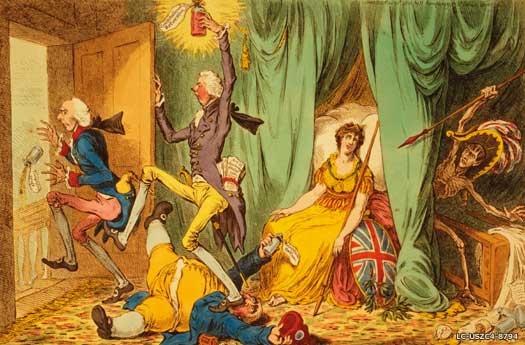
Rule Britannia? Often during the Olympics that famous number from Thomas Arne’s 1740 Alfred echoed in my ears.

The days are getting shorter, but you can keep the prattle going this fall’s Talk of the Town! You will, you can, you must join in the discussion about: Great mezzo soprano performances (October),
Gained in translation (November), Teleport me back to… (December).
Exclusive opera reviews, commentary, and top reads
delivered to your email weekly…ish.