
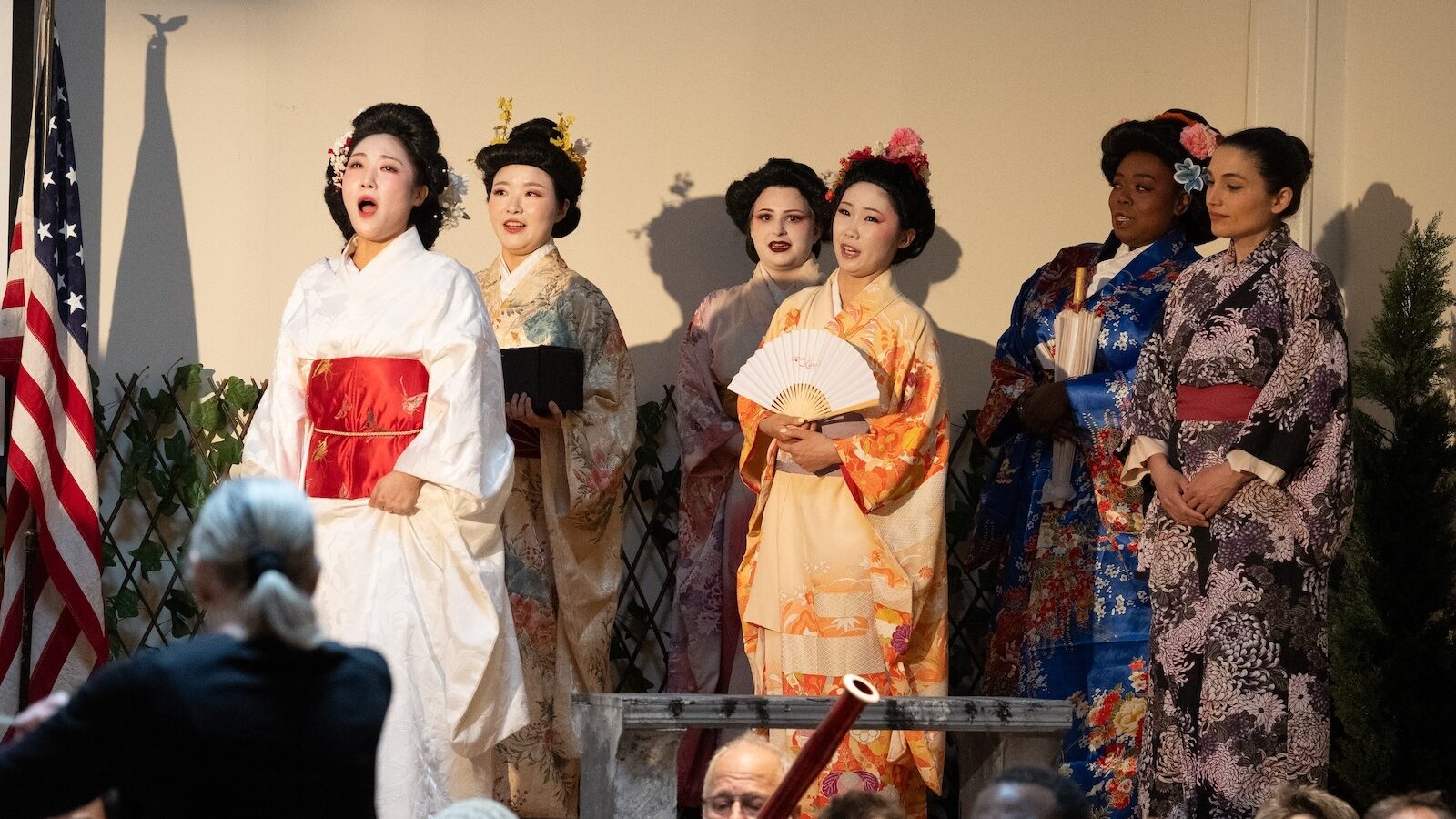
Povera Butterfly
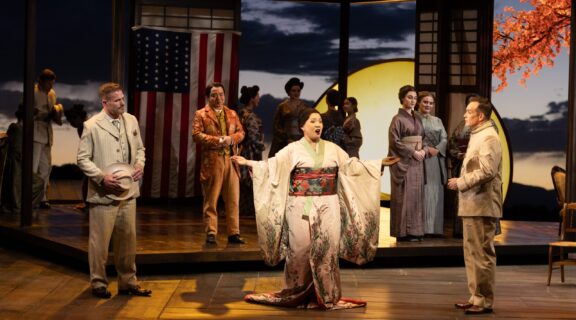
A parade of young singers delight in an intimate Madama Butterfly at Amore Opera
175 pieces since 2005 — at 6 companies, most often at Metropolitan Opera.
A parade of young singers delight in an intimate Madama Butterfly at Amore Opera
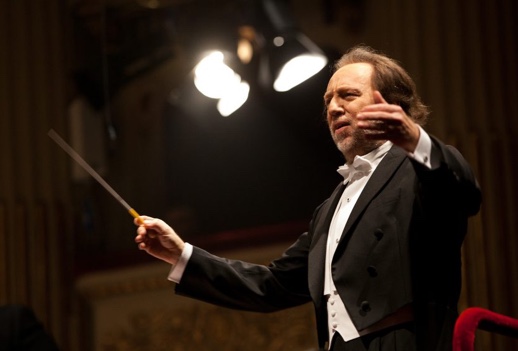
Riccardo Chailly’s appointment as La Scala’s new music director was news that I greeted with enthusiasm when first announced in 2013.
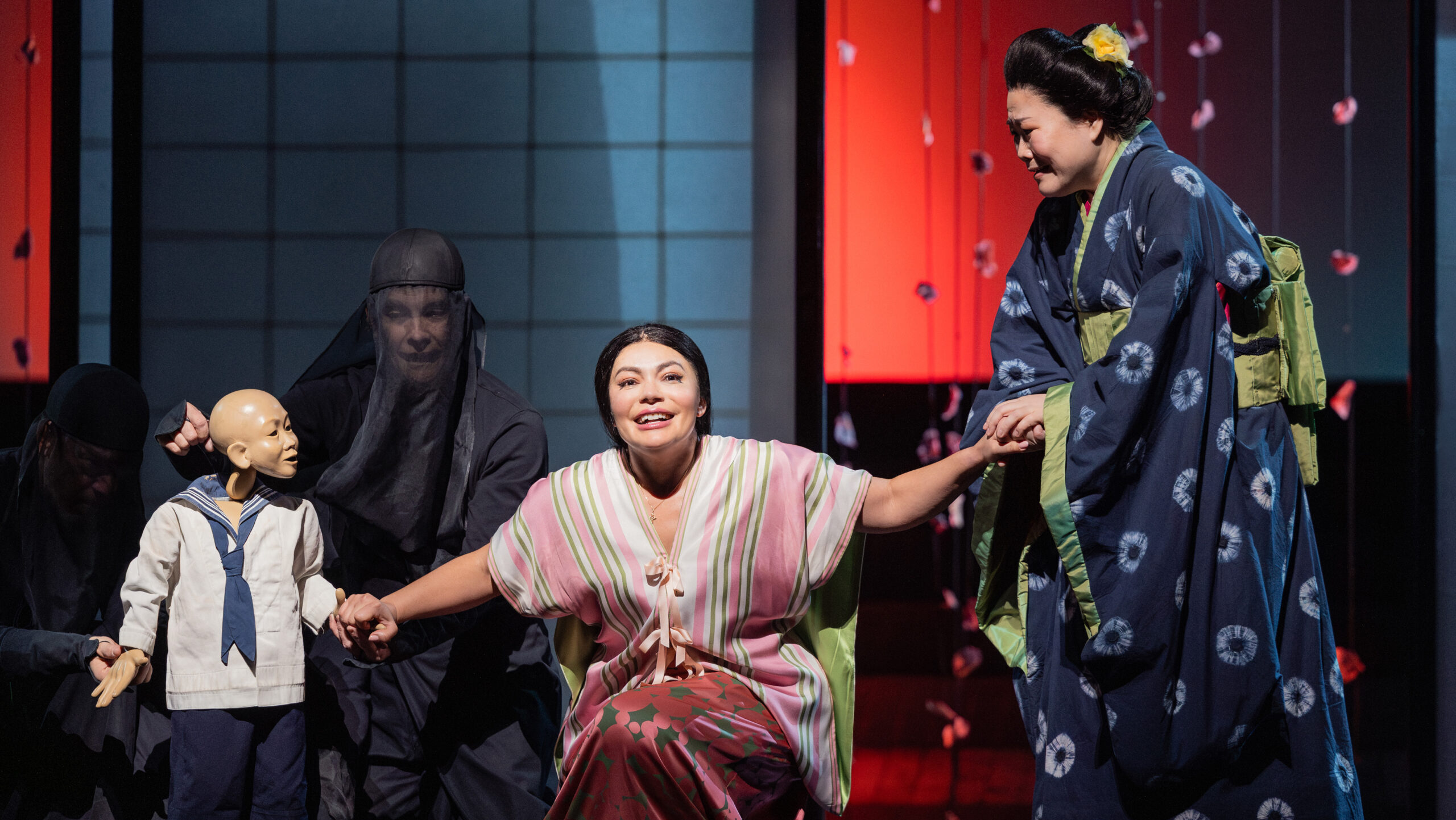
Back-to-back casts in the Metropolitan Opera’s revivals of Madama Butterfly and La traviata offer ample opportunity for soprano-gazing.
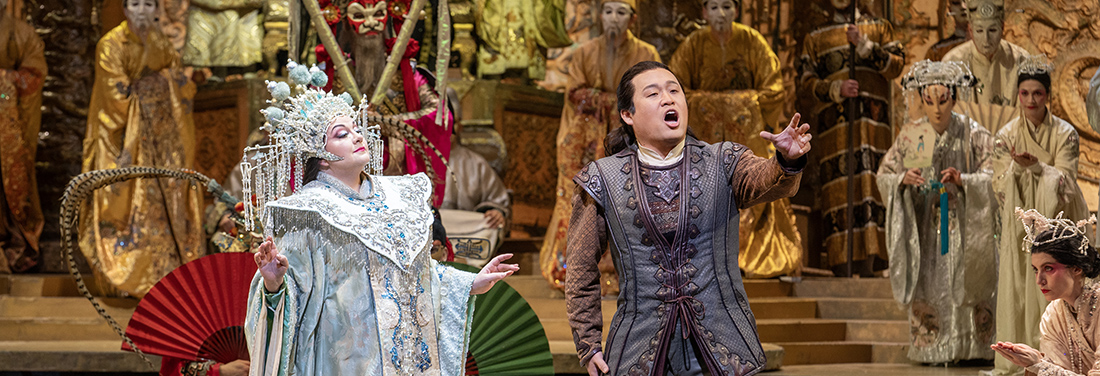
From a musical perspective, the evening came together admirably. As a work of theater, though, it was as stale as last week’s takeout.

On Sunday afternoon, husband-and-wife duo Roberto Alagna and Aleksandra Kurzak presented a charming program of operatic favorites from the patio of the Château de la Chèvre d’Or in Èze, France.
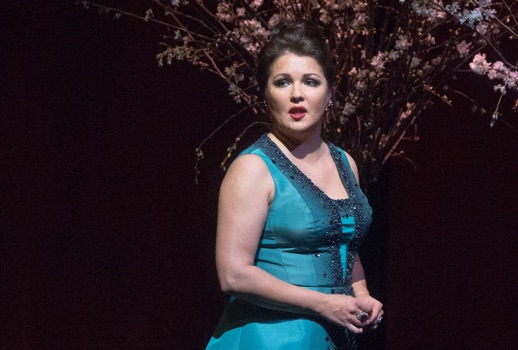
It took the better part of a decade—including two high-profile cancelations—or New York to finally hear Anna Netrebko in recital.
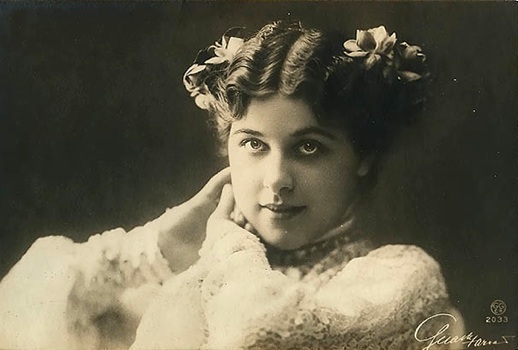
Geraldine Farrar has gone and the Gerry-flappers are disconsolate.
That’s how one industry insider described today’s open dress rehearsal of Madama Butterfly at the Met. “More people than I’ve ever seen in the theater, some of them with tickets scalped from Ebay!” A more measured assessment comes from yet another of La Cieca’s network of operatives: “Well I am happy to say that today’s […]
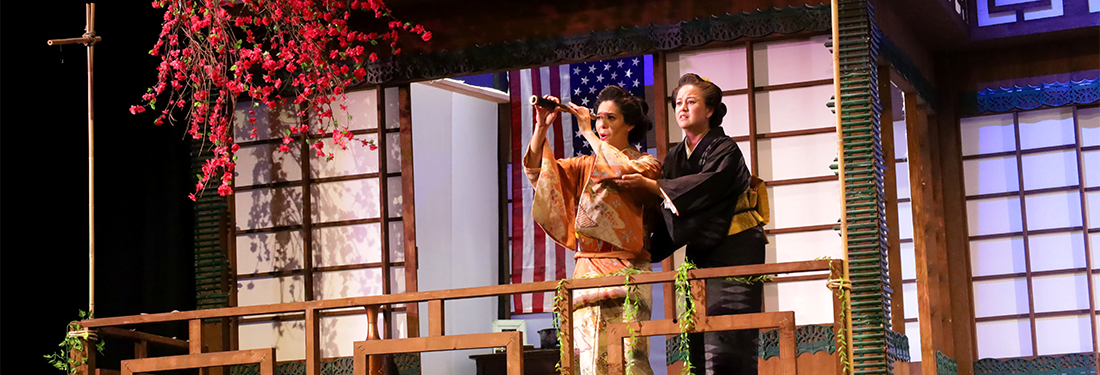
You can imagine my surprise at encountering an almost wholly traditional staging with one teensy difference.

June is long gone. It was truly a month of excellence and exuberance here in San Francisco, coupled with cozy and inviting weather, as if to make up for the extended winter.
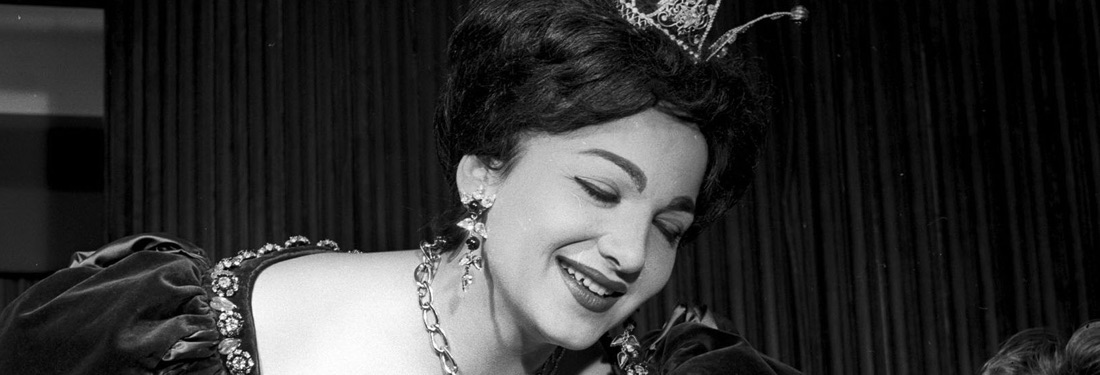
Teresa Stratas turned 83 yesterday and Trove Thursday features one of the recent past’s most interesting yet frustrating artists in two rare broadcasts.
Ilana Walder-Biesanz reports from The Santa Fe Opera, where Tobias Picker‘s latest opera falls short, a new Rodelinda scintillates, and sumptuous singing abounds across the entire repertoire.

The days are getting shorter, but you can keep the prattle going this fall’s Talk of the Town! You will, you can, you must join in the discussion about: Great mezzo soprano performances (October),
Gained in translation (November), Teleport me back to… (December).
Exclusive opera reviews, commentary, and top reads
delivered to your email weekly…ish.