

Hysterical blondeness
Wednesday brought the Met’s “real” season opener, an indelible, indispensable night at the opera: a starry revival of Verdi’s Macbeth crowned by Anna Netrebko’s demented Lady.
50 pieces since 2006 — in 17 roles, at 8 companies, most often at Metropolitan Opera.
Wednesday brought the Met’s “real” season opener, an indelible, indispensable night at the opera: a starry revival of Verdi’s Macbeth crowned by Anna Netrebko’s demented Lady.
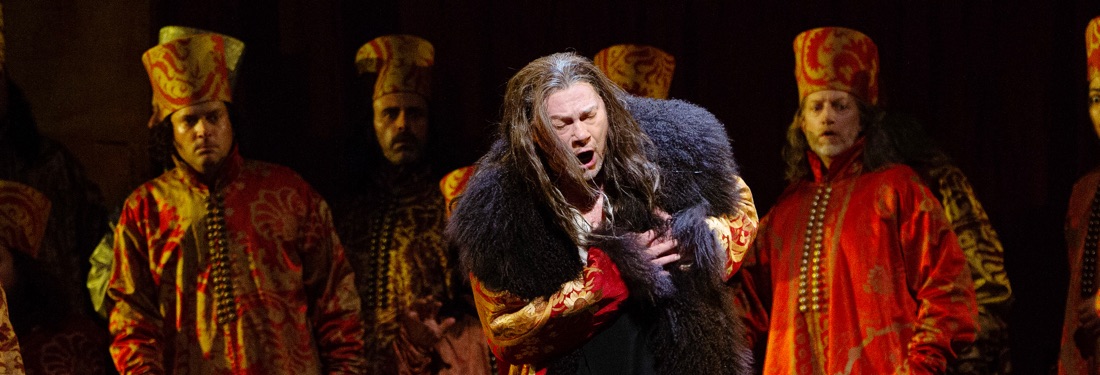
A snarky commentator might dub last night at the Met “Boris of the divo hair flip” but that would do a disservice to a serious, often effective performance of the challenging original version of Mussorgsky’s masterpiece.
La Cieca must be brief as she is on jury duty (can you imagine, La Cieca being asked to pass judgment?) Anyway. Highlight of the Tucker Gala was definitely Marcello Giordani, who was in absolutely ideal voice for the “Improvviso,” and only slightly nervous for the “Vicino a te.” (He sharped on the very final […]

When Mikhail Gorbachev assumed the mantle of the General Secretary of the Communist Party of the Soviet Union in 1985, a palpable change was felt in the air, from Novosibirsk to East Berlin. Words like glasnost (openness) and perestroika (restructuring) began to replace the gradually outmoded Leninist philosophies that had become warped under Stalin and Andropov.
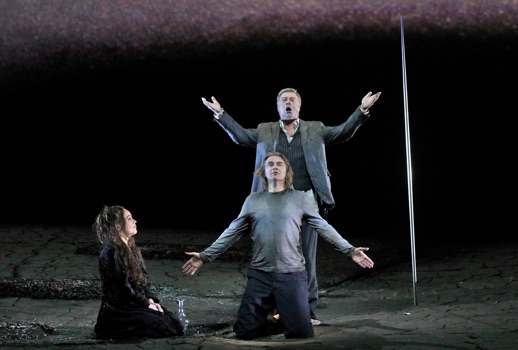
The Met’s magnificent revival which opened on Monday night with a superb cast under the mesmerizing leadership of Yannick Nézet-Séguin nearly converted me into a devoted Parsifal disciple.
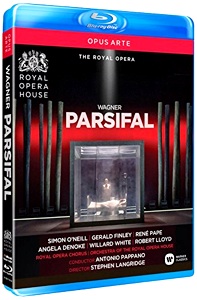
Contemporary stagings of Parsifal tend to be spare, abstract affairs scrubbed of religious associations, knights in armor and, sometimes, a grail.
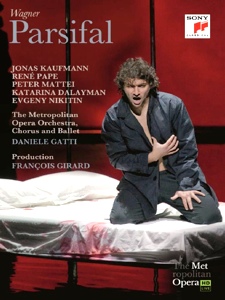
One of the things that made François Girard’s 2013 production of Parsifal at the Met so compelling was the way he tried to make the tale of suffering and temptation relevant to a contemporary audience.

I am grateful to Sony for this new release of the Metropolitan Opera’s latest production of Parsifal and I hope I’m not the only one who discovers what a rich experience this opera can be because of it.

The experience of watching Wagner’s final opera Parsifal is frequently elevated to a spiritual occurrence, and productions have historically emphasized the religious dimension of the opera’s core themes of redemption and the dangers of temptation.
As with all good myths, certainly all the myths at the heart of Wagner’s operas, the juggling of symbols and archetypes and themes in Parsifal opens the piece to a great variety of interpretations.
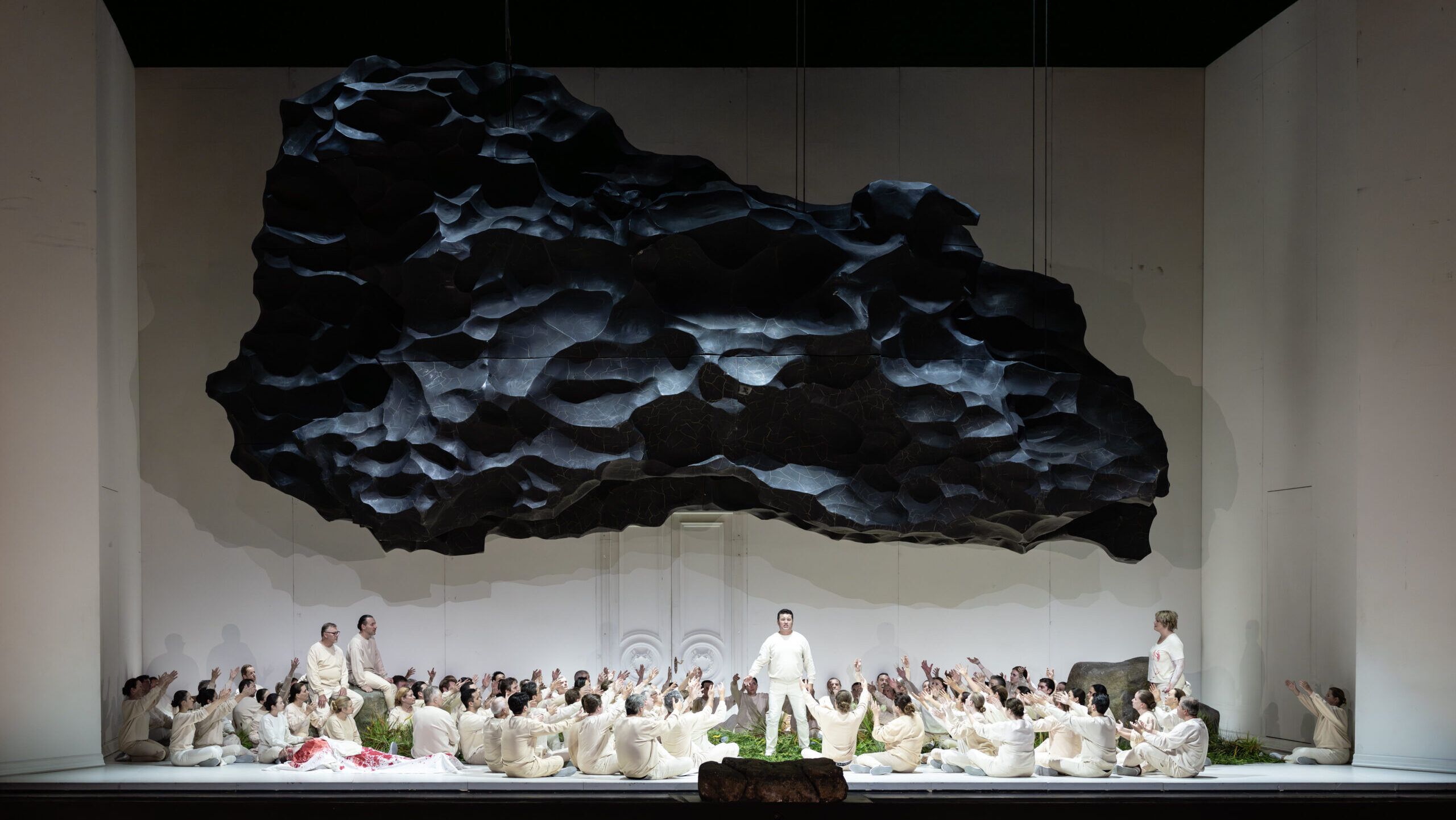
In Lohengrin, populism comes to an apocalyptic end on the Bavarian stage
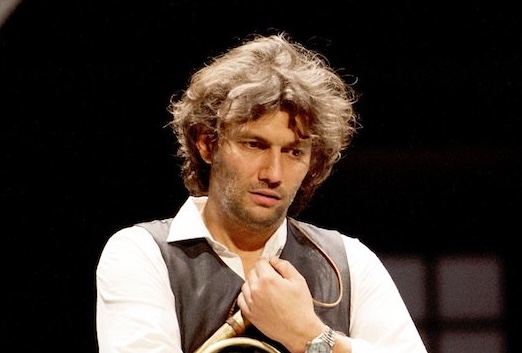
Kaufmann conveys Lohengrin’s immense loneliness in a profoundly moving way. I am happy to report that vocally he sounds completely recovered.
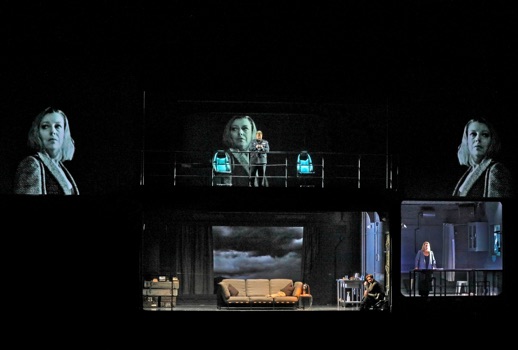
Mariusz Trelinski unveiled a rather gloomy, though musically satisfying, Tristan und Isolde.
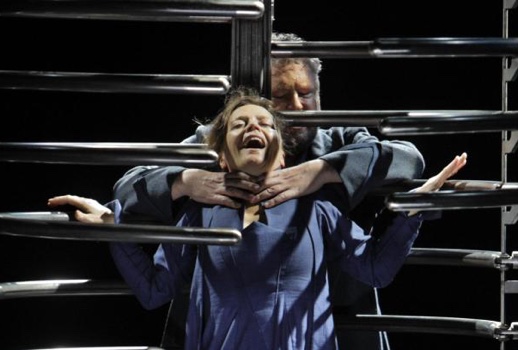
Now we have considered the three “winners” in the Tristan competition, let’s turn to the also-rans, or, to be more optimistic, the runners up.
Our Own Gualtier Maldè reports: The Met’s orchestra and audience have found a new conductor to love: Daniel Barenboim.  The debutante conductor got a huge ovation before he even lifted his baton. Lots of applause for Danny B. all night from an adoring audience including a generous amount at his final bow. There was lots of touchy feely […]
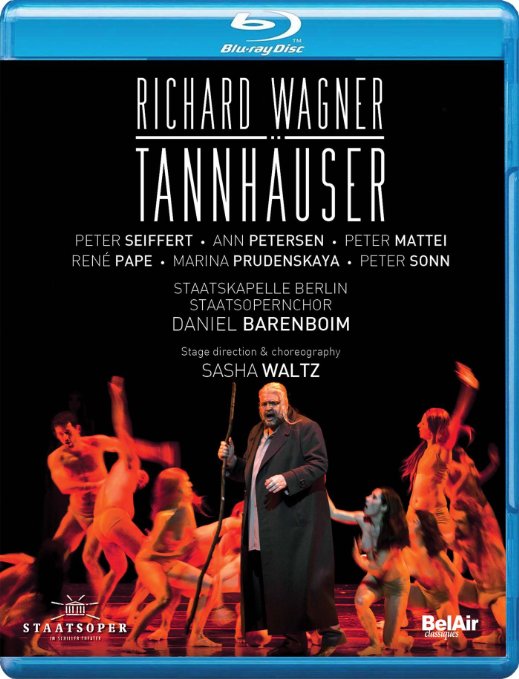
Richard Wagner viewed dance as an essential element of art, though he used it sparingly in his operas.
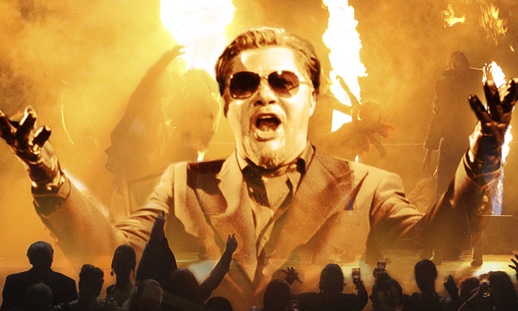
The subject of timidity has been in my thoughts in these waning days of February 2017. One would almost think there had been some big announcement recently, preceded by a series of smaller ones, to turn a U.S.-based opera fan’s thoughts in this direction.
It is, as Noel Coward remarked, astonishing how potent cheap music is. According to Brockway and Weinstock’s World of Opera, Gounod’s Faust was performed, after a rather lackluster debut in 1859, a thousand times inParis at the Opera between 1869 and 1894—a gobsmacking average of once every nine days.
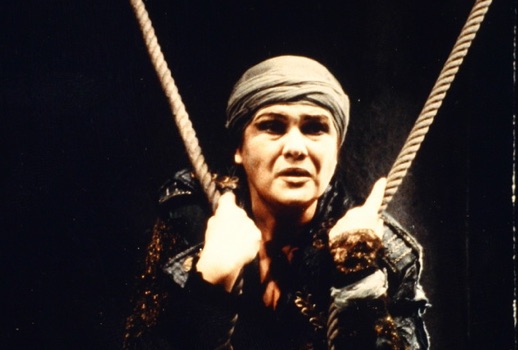
“I will never sing the role again. It was frightful. We were a set of madwomen…There is nothing beyond Elektra. We have lived and reached the furthest boundaries in dramatic writing for the voice with Wagner. But Richard Strauss goes beyond him. His singing voices are lost. We have come to a full stop.”
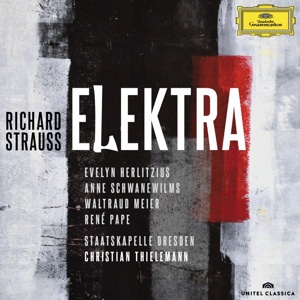
“Conduct Salome and Elektra as if they were by Mendelssohn: Fairy music.” Seriously, how often has that happened?
That little place just two hours from the city is on the list of things I shall never understand, like the plot of Parsifal.
Beverly Sills and Renée Fleming perform 30 years apart the same work with the same orchestra in the same venue!
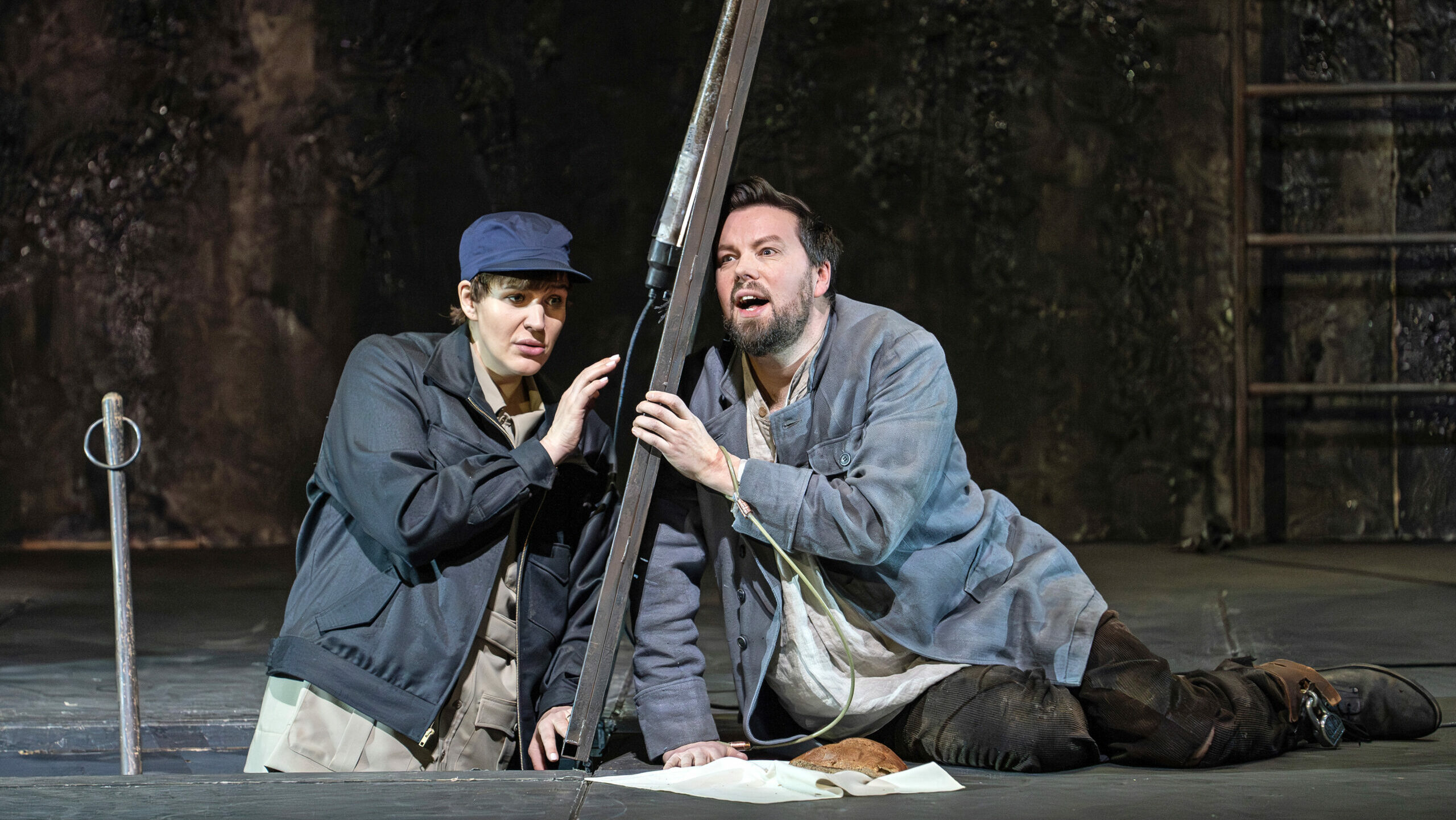
Fidelio, which opened last week at the Metropolitan Opera, will always be relevant, I fear.
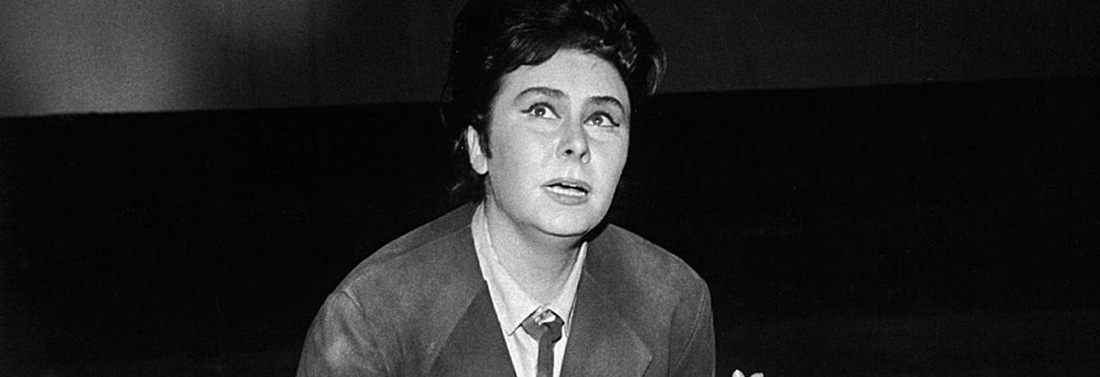
Chris’s Cache wraps up November with Régine Crespin’s Chicago Leonore; two rare Met Fidelios headed by Christa Ludwig and Hildegard Behrens; and a concert performance with Birgit Nilsson led by Leonard Bernstein, plus a final twist: excerpts of Carol Vaness in Leonore.

I was greatly anticipating Karita Mattila’s recital on Friday in Toronto’s Koerner Hall.
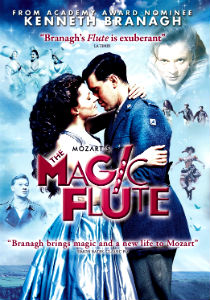
I’ve long been a fan of Kenneth Branagh, even though this fandom feels a bit like being a camel in the desert.
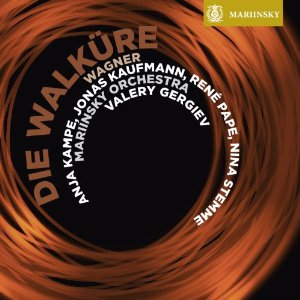
Wagner is becoming an important calling card for Valery Gergiev and the Mariinsky Theatre.

The days are getting shorter, but you can keep the prattle going this fall’s Talk of the Town! You will, you can, you must join in the discussion about: Great mezzo soprano performances (October),
Gained in translation (November), Teleport me back to… (December).
Exclusive opera reviews, commentary, and top reads
delivered to your email weekly…ish.