

There are no dead
John Danaher pays an operatic tribute to the writings of James McCourt, an author who captured the spirit of opera as queer and dangerous like no other.
10 pieces since 2010.
John Danaher pays an operatic tribute to the writings of James McCourt, an author who captured the spirit of opera as queer and dangerous like no other.

Opera Baltimore concludes its season with a piercing semi-staged production of Pelléas et Mélisande.

Pénélope at the Bayerische Staatsoper’s summer festival spotlights the crossroads between the nostalgic and the progressive.
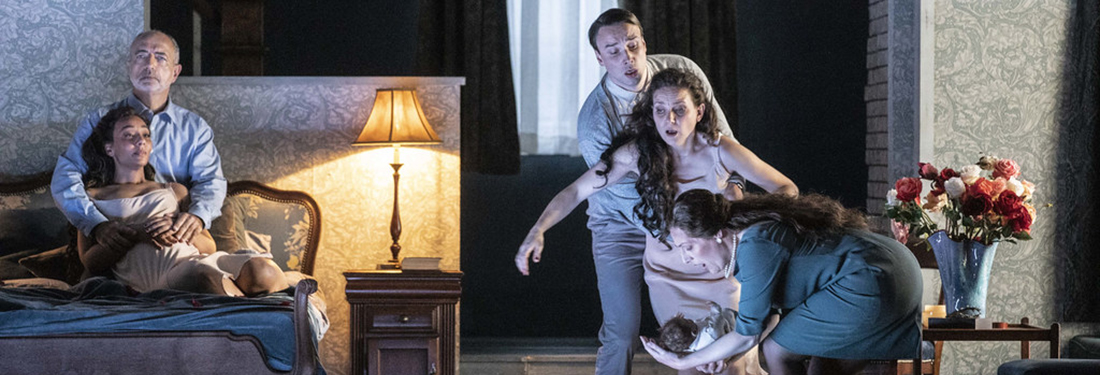
Pelléas and Mélisande are not transparent to themselves. Which means: they each have an unconscious.

When a work is named for its lovers one might legitimately expect that pair to dominate its performance but in my experience that is never the case with Debussy’s Pelléas et Mélisande.
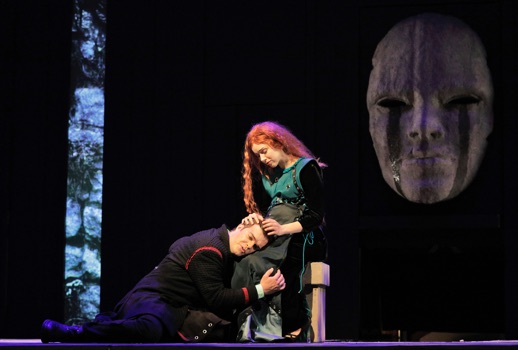
Last weekend marked the opening night for West Edge Opera: Debussy’s Pelléas et Mélisande.
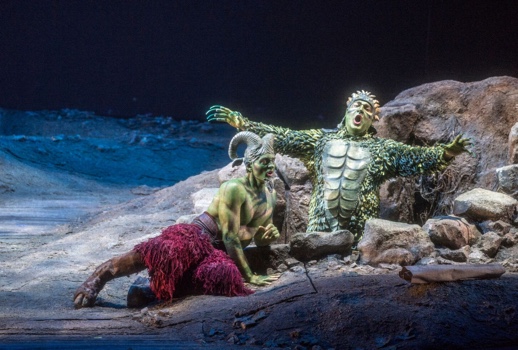
La Campana Sommersa (The Sunken Bell), which is being presented by the New York City Opera at the Rose Theater through April 7, is a true oddball.

There was a general feeling of homecoming in the hall on Friday evening in anticipation of what promised to be a special return visit on many levels.
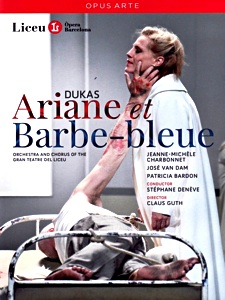
On first hearing, Paul Dukas’ 1907 opera Ariane et Barbe-bleue (Ariane and Bluebeard) sounds like the love child of a three-way between Wagner, Strauss, and Debussy.
It’s a sad story, really. Debussy and Maeterlinck had what the kids would call Major Drama over who was to sing Melisande (Mary Garden vs. the person you’ve never heard of) and so Maeterlinck didn’t see Pelleas until years after Debussy had died, so he never got to be like “word!” or, I suppose, “mot!”

The days are getting shorter, but you can keep the prattle going this fall’s Talk of the Town! You will, you can, you must join in the discussion about: Great mezzo soprano performances (October),
Gained in translation (November), Teleport me back to… (December).
Exclusive opera reviews, commentary, and top reads
delivered to your email weekly…ish.