
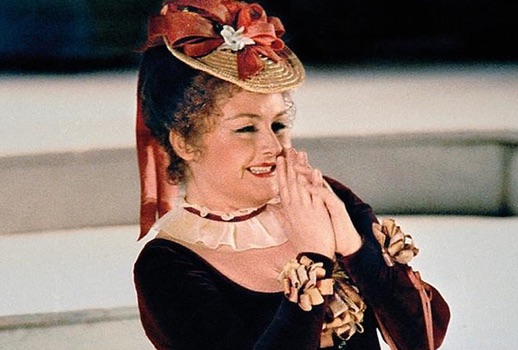
Sie ist eine Meisterin im Improvisieren!
No 50th anniversary career tribute would be complete without covering Edita Gruberova’s legendary status as the premier Zerbinetta of her long reign in the role!
52 pieces since 2010.
No 50th anniversary career tribute would be complete without covering Edita Gruberova’s legendary status as the premier Zerbinetta of her long reign in the role!
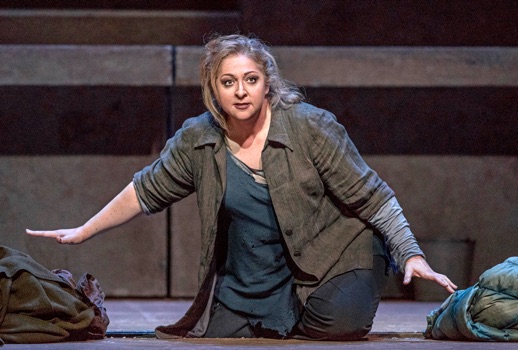
Christine Goerke‘s puzzling high register has become an increasingly troubling aspect of her singing. One just never knew what was going to come out from one moment to the next.
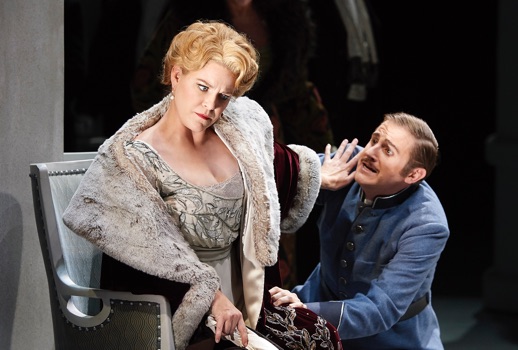
Erin Wall was an elegant, warm, and sensitive Arabella.
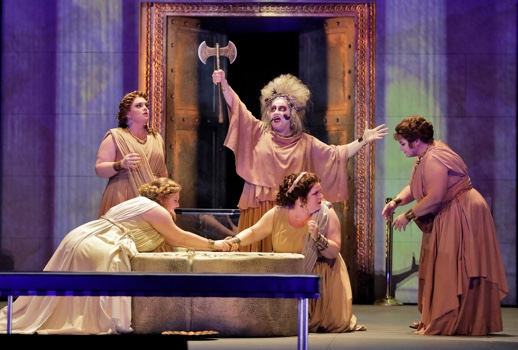
You’ve got your “Night in the Museum,”and your “It’s All In Her Head” and your “Pantomimes of Childhood Trauma” and that’s all before halftime.
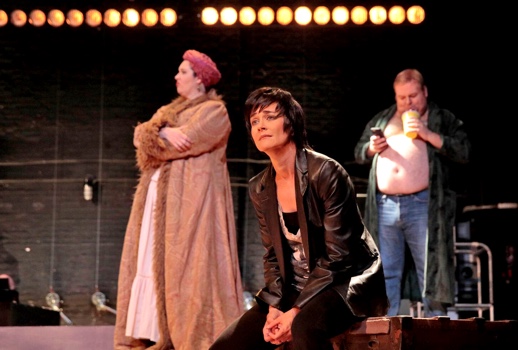
For those who thought opera to be a rare enough commodity that there shouldn’t be duels, Saturday night in the Berkshires offered the odd rebuttal.
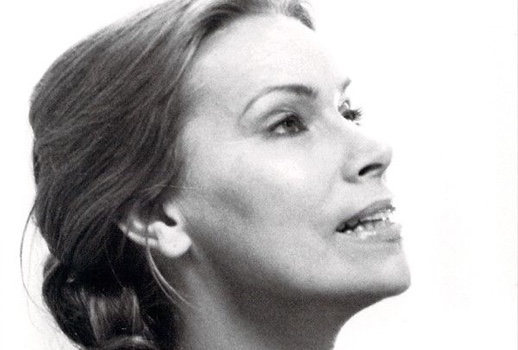
A live broadcast of the prologue to Ariadne auf Naxos featuring Julia Varady, a favorite sopranos in a role she sang only rarely.
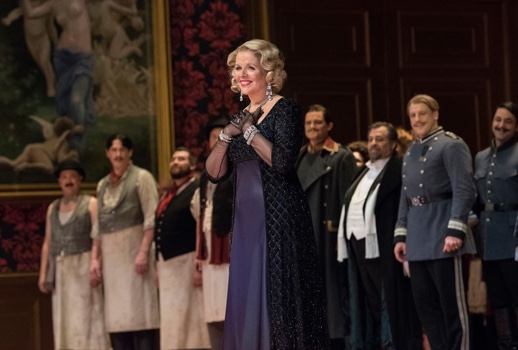
If everything you see is great, you are either new to opera or chronically easy to please.

This year’s treat was Vittorio Gnecchi’s Cassandra, completed around 1905
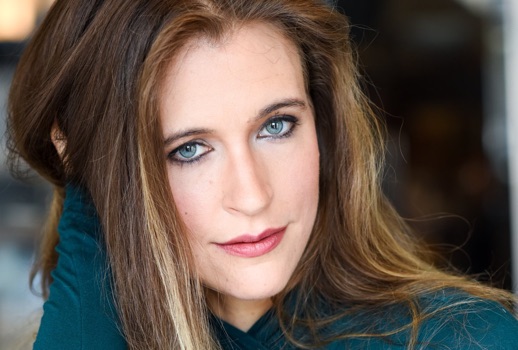
I have always wanted to see a production of Strauss’ Elektra that made my ears bleed.
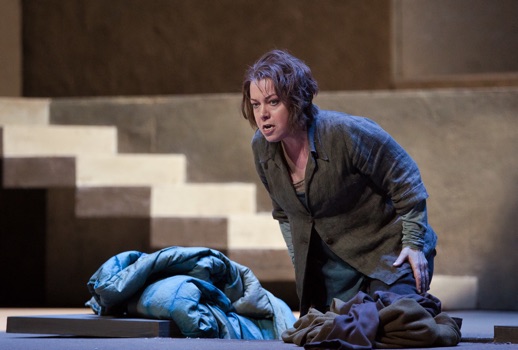
The haunted Mycenae of Patrice Chéreau’s enthralling production of Richard Strauss’s Elektra had seized its viewers in an unrelenting vise that never relaxed even at its quietly shattering conclusion.
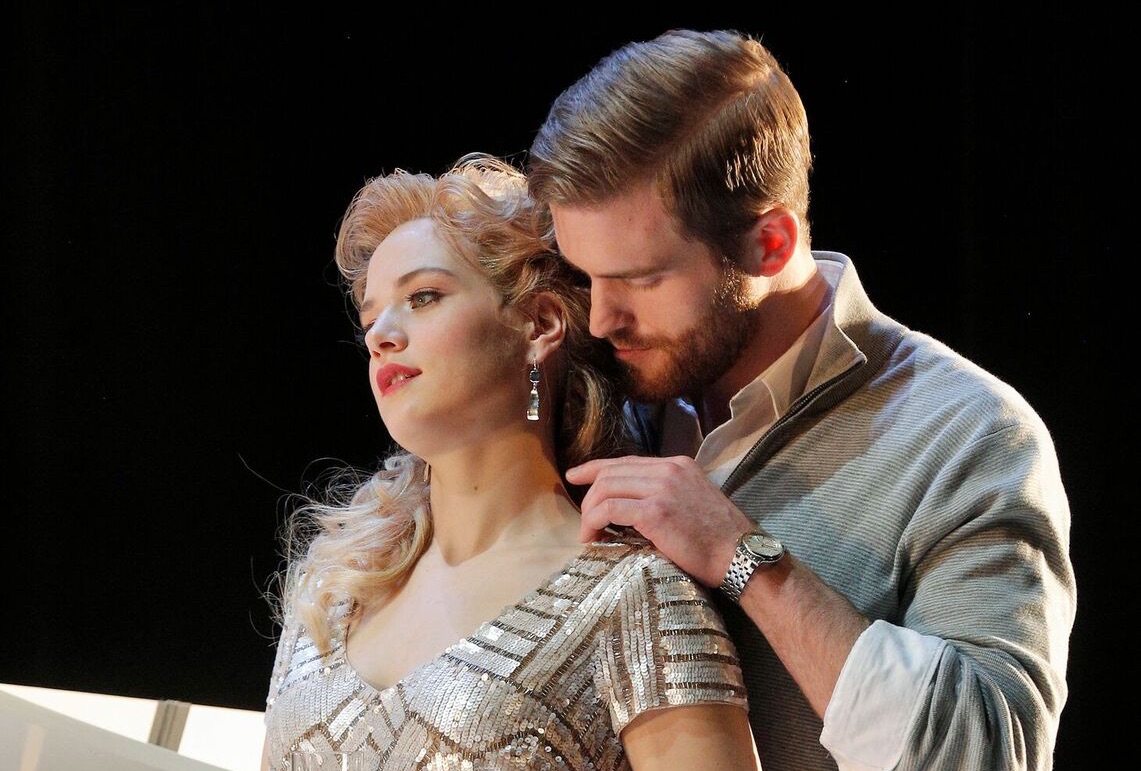
Capriccio was a great pleasure on Friday night, March 4. This was a co-production of Opera Philadelphia and The Curtis Institute, presented in the intimate Pearlman Theater at the Kimmel Center.

Simply put, Christine Goerke is a stupendous Elektra.
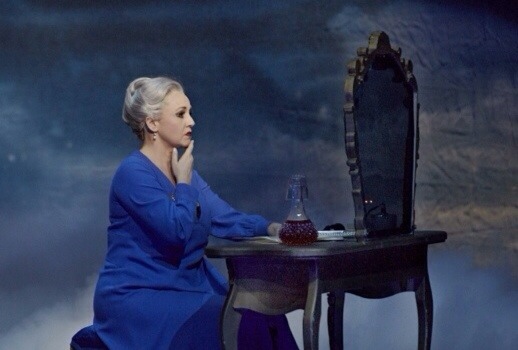
It will come to no surprise to followers of the direction of Stefan Herheim (or to readers of La Cieca’s gushing fangirl appreciations of his work) that his Stuttgart production of Der Rosenkavalier was as “delightfully busy” as we have come to expect.

Christian Thielemann’s spirited, precise conducting and the superb, sumptuous playing of the Staatskapelle Dresden are the finest features of this strongly cast performance of Strauss’s Arabella.
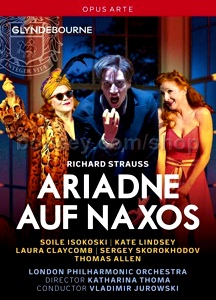
The appeal of Ariadne auf Naxos (for me anyway) is the acknowledgment that underneath it all, opera (and all other forms of “high art”) is really show business.
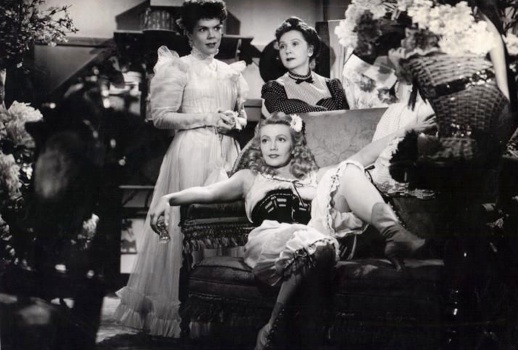
With Richard Strauss and Hugo von Hofmannsthal’s Arabella once again on the Met’s stage, I thought I’d take a moment to revisit that opera’s most reviled character, the Fiakermilli.
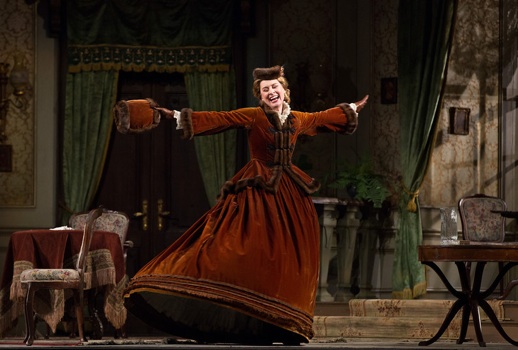
About this evening: the opera we saw was Arabella, written by a gentleman named Mr. Richard Strauss.

The simple fable at the heart of Die Frau ohne Schatten shouldn’t be difficult to parse, but Hugo von Hofmannsthal’s libretto juggles its vaguely Jungian, vaguely Arabian Nights symbolitry as if with intent to mystify and bewilder.

Christian Thielemann has proved himself to be the preeminent Strauss interpreter of the current generation of conductors and he’s in striking form here.

The last of the Strauss-Hofmannsthal collaborations, Arabella, is a real problem child.
For all its rich evocations of 18th century Vienna and skillful balancing of slapstick and the sublime, Der Rosenkavalier’s popularity has always been rooted in its vivid principal characters.
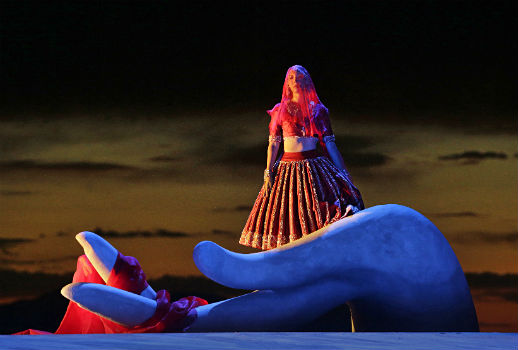
You Parterrestrials know all about Santa Fe Opera’s amazing mountain setting and open-sided theater affording breathtaking sunsets, weather-related drama and–when the back stage wall is opened–starry backdrops, but it was my first visit, so indulge me a little.
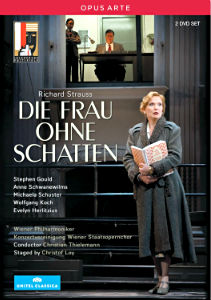
Richard Strauss’s “last romantic opera,” as he called Die Frau Ohne Schatten, is and has always been a problem child.

The Met has finally released the contents of the James Levine 40th Anniversary box sets separately for those of us who didn’t have $500 lying around.

The days are getting shorter, but you can keep the prattle going this fall’s Talk of the Town! You will, you can, you must join in the discussion about: Great mezzo soprano performances (October),
Gained in translation (November), Teleport me back to… (December).
Exclusive opera reviews, commentary, and top reads
delivered to your email weekly…ish.