
Albert Innaurato
During a career as a playwright, and more intensively from 1988 on, Albert Innaurato worked as a music journalist and lecturer. He wrote frequently for the New York Times Arts and Leisure section on many topics from the Lament Tradition in Serious Music to considerations of harmonic procedures in newer music, to articles on less familiar operas such as Pfitzner’s Palestrina. From 1988 to 2001 he was a regular contributor to Opera News, analyzing familiar and less familiar operas, reviewing recordings including those of the earliest singers to record, to interviewing current stars. In that time he contributed articles to Gramophone, BBC Music Magazine, OpernWelt and a large number of now defunct Italian periodicals.
He adapted Puccini’s La rondine for Lincoln Center, lectured for the New York Philharmonic, The Lincoln Center Chamber Music Society and when in Los Angeles for the Los Angeles Philharmonic, for whom he did an extensive series on Mahler. He wrote articles on serious music for Vogue, Vanity Fair, New York and reviewed symphony, chamber music and opera for Newsday. Currently, he is a frequent contributor to parterre box.
For the Metropolitan Opera Guild produced by Paul Gruber, he recorded 20 tapes/CDs of opera from Carmen to Death in Venice, most with him at the piano. He also became a regular lecturer for the Guild and gave intermission talks from the piano when the Metropolitan Opera Saturday Broadcasts were underwritten by Texaco and produced by Richard Mohr.
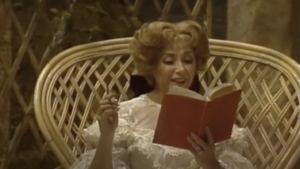
Were La Rondine an IQ test, I’d be in trouble.
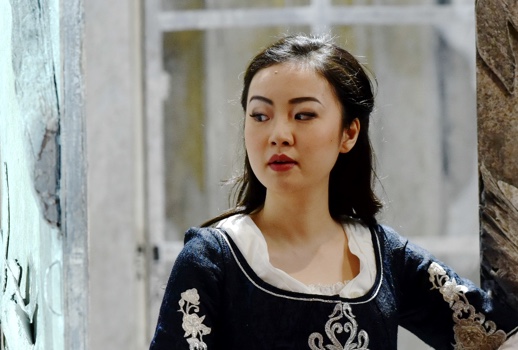
Opera Philadelphia ended its season with Le Nozze di Figaro, Friday, and it will play May 3, 5, and 7—a matinee. Figaro is considered by most to be one of the few perfect operas and although it’s perhaps too easily encountered in routine run-throughs, there are usually rewards in seeing it.
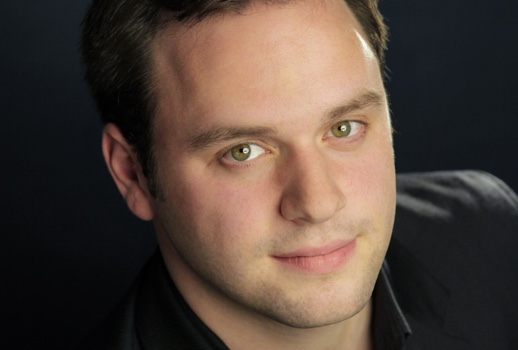
The best part of Paul Appleby’s recital for the Philadelphia Chamber Society came in his last two groups.
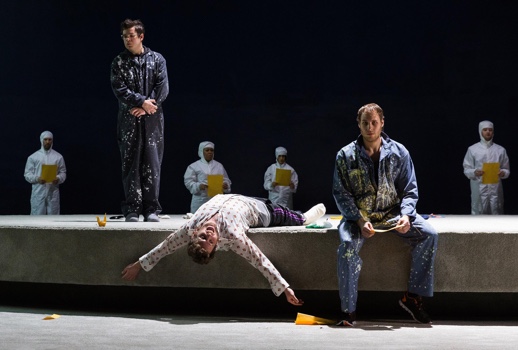
Curtis Opera Theater mounted a musically remarkable account of John Adams’ Doctor Atomic on March 2.
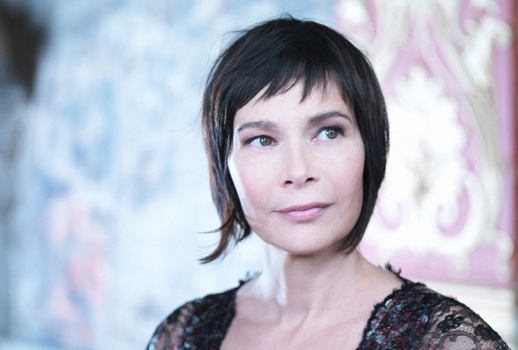
Sandrine Piau‘s lovely recital with pianist Susan Manoff at The Philadelphia Chamber Music Society on February 14 entered around the themes of sleep, dreams and waking.
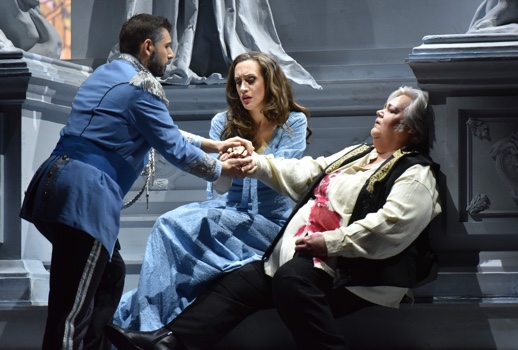
Tancredi, given on February 10th, was a credit to Opera Philadelphia, who offered a well-considered and compelling production.
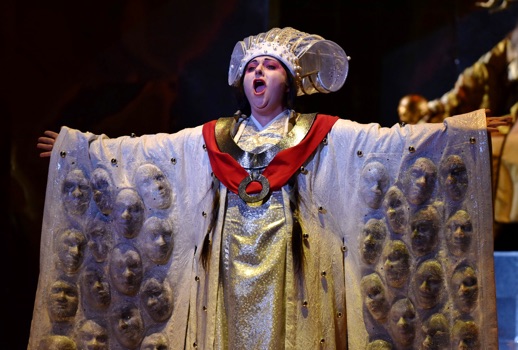
How Verdi’s opera might address this particular nightmare was unclear.
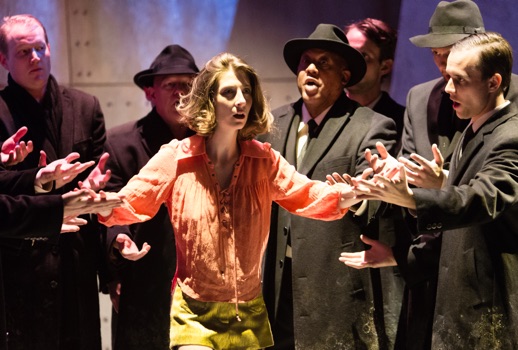
Missy Mazzoli, a 36-year-old composer from Brooklyn, has created the most startling and moving new American opera in memory.
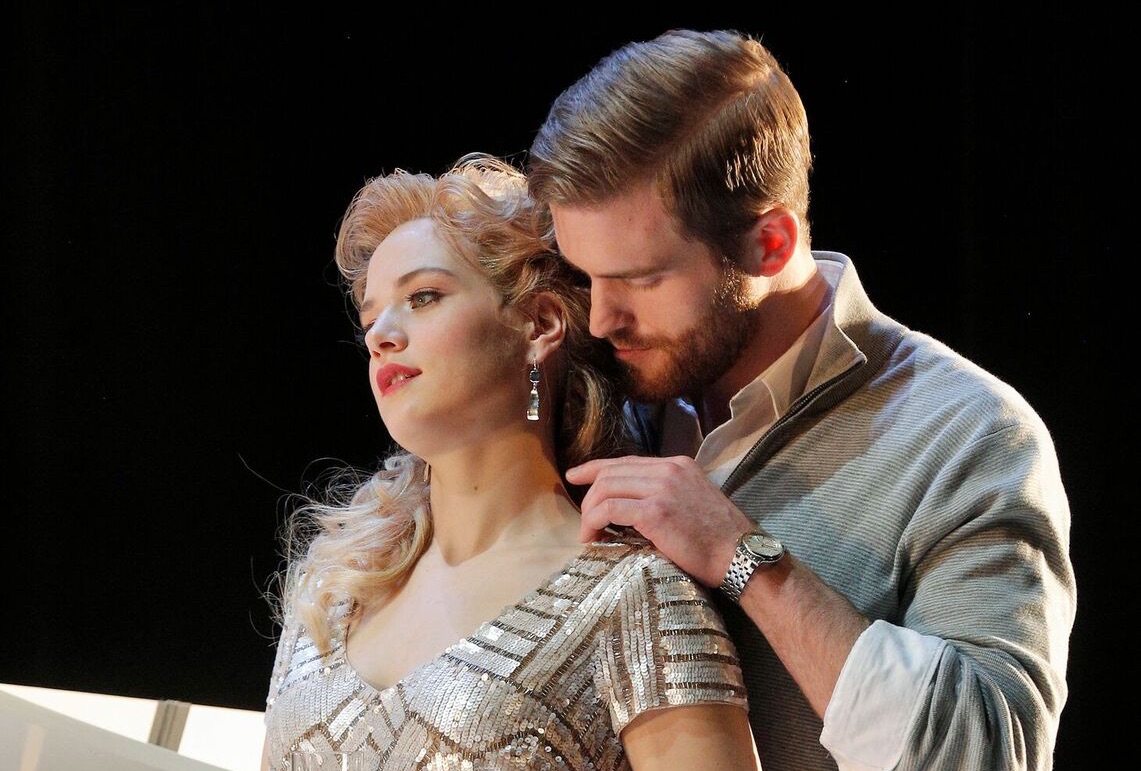
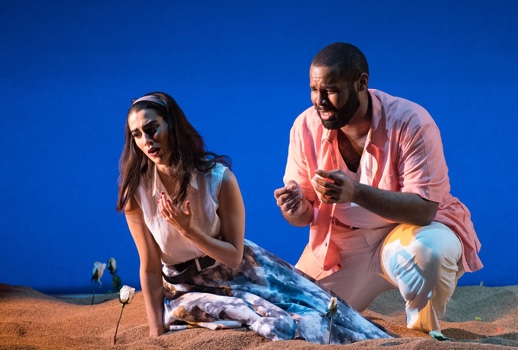
Capriccio was a great pleasure on Friday night, March 4. This was a co-production of Opera Philadelphia and The Curtis Institute, presented in the intimate Pearlman Theater at the Kimmel Center.
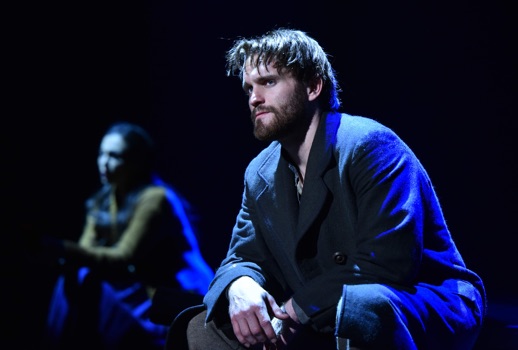
Jarrett Ott is a star. That is the only surprise takeaway from the well-intended snore, Cold Mountain.
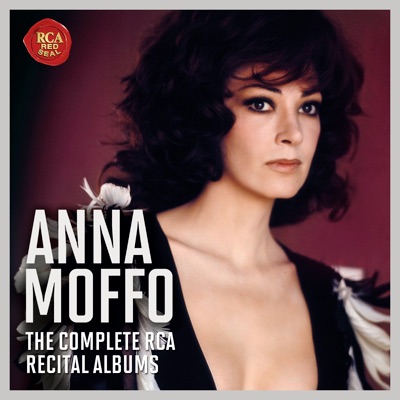
Anna Moffo made some of the most entrancing records ever. Their appeal is to “voice fanciers.” (I understand. We’re a despised group.) But Moffo’s best work renders us helpless.
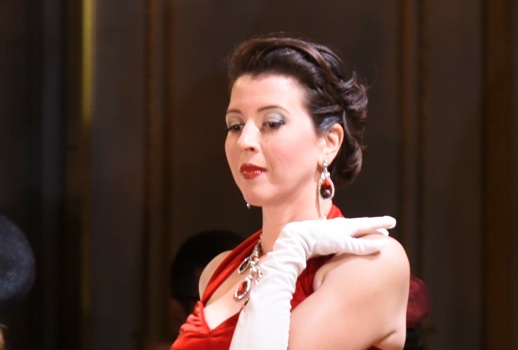
Lisette Oropesa sang “The Lost One”—the meaning of “traviata.”
Tell us: Filth or dementia?
Hasten thee to feed another quarter of conversation for The Talk of the Town!
Sign up for our free Newsletter.
Support Parterre Box
Donate to keep opera's liveliest publication free and independent. No paywalls, no institutional backing, no bootlicking.
Get our free newsletter
Opera's top reads delivered to your email weekly…ish.
Join over 100k readers.
The best opera magazine on the web.
Reviews, breaking news, critical essays, and brainrot commentary on opera from those demented enough to love it.
Essentials
Copyright © 2026 Parterre Box.
All rights reserved.
Registration or use of this site constitutes acceptance of our Terms & Conditions and our Privacy Policy. Do Not Sell or Share My Personal Information.
Sign up for Parterre’s free newsletter.
Exclusive opera reviews, commentary, and top reads
delivered to your email weekly…ish.