
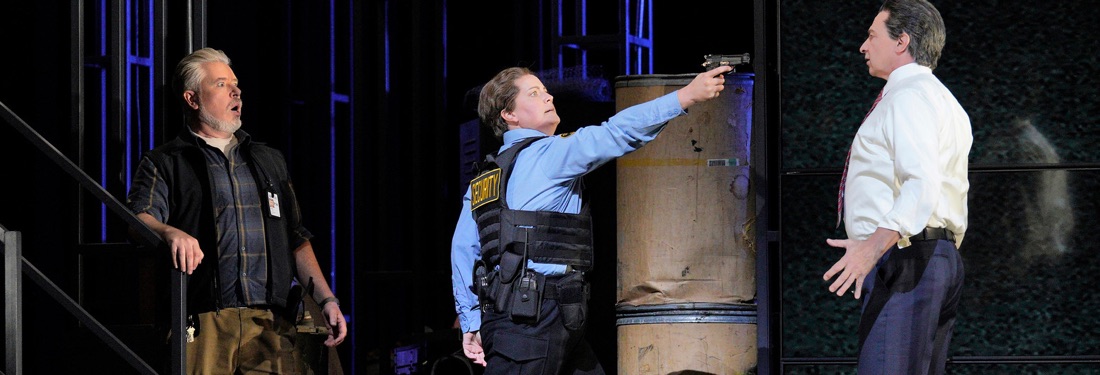
The big cube
Ludwig van Beethoven’s “rescue opera” Fidelio was presented by San Francisco Opera as their first new production of the season last Thursday in reinterpreted fashion.
14 pieces since 2010 — in 6 roles, at 4 companies, most often at Metropolitan Opera.
Ludwig van Beethoven’s “rescue opera” Fidelio was presented by San Francisco Opera as their first new production of the season last Thursday in reinterpreted fashion.
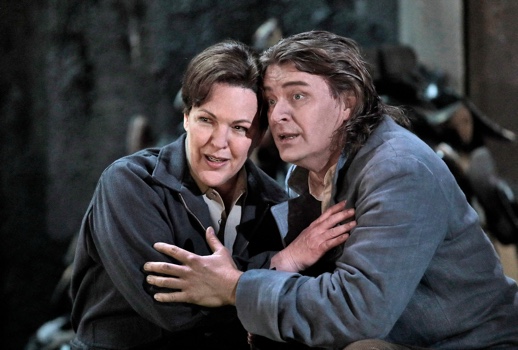
There is much to say about the similarities between the plot of Fidelio and the ancient myth of Orpheus.

Die Meistersinger is a bold stroke of programming, in a not particularly exciting way.
Blazing Jupiter, the Jovial Star, my personal magical azimuth, plus Perseid meteors wafting about, burning out as do our souls, as we arrived home from Seattle Opera’s new production of Tristan und Isolde.
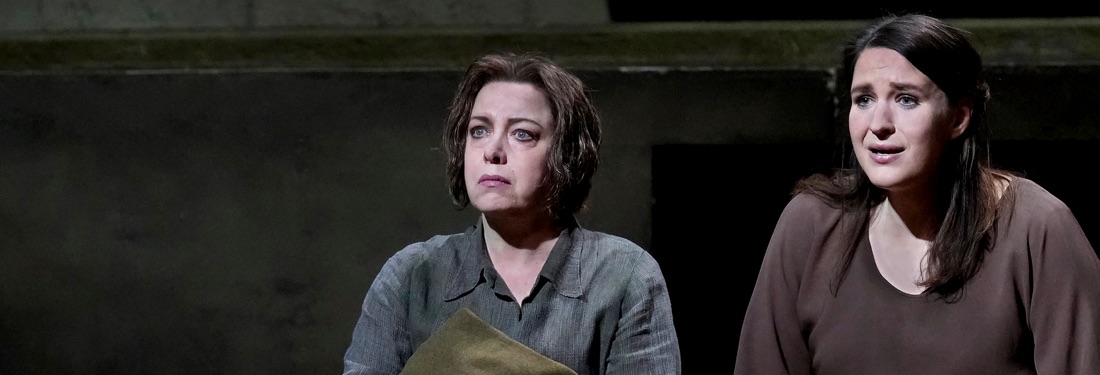
Nina Stemme’s Elektra always seemed the sanest individual onstage never quite giving over to obsession or hysteria with a good line in mordant sarcasm and contempt.
The moral of Lohengrin is clearly set out: Don’t talk on your wedding night. Even more important, don’t sing. Happily, at Lyric Opera of Chicago, Johan Botha in the title role and Amber Wagner as Elsa of Brabant ignored this advice.

Cycle II represented an embarrassment of musical riches.
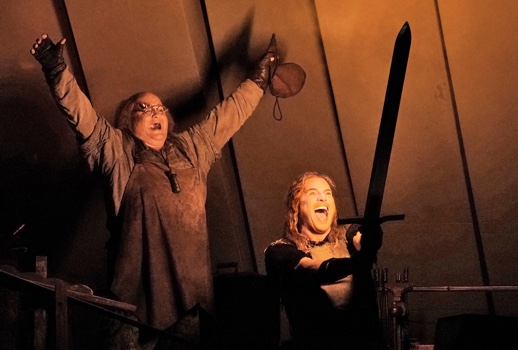
Stefan Vinke’s Siegfried was not so much brawny and terrestrial, but heady and mercurial
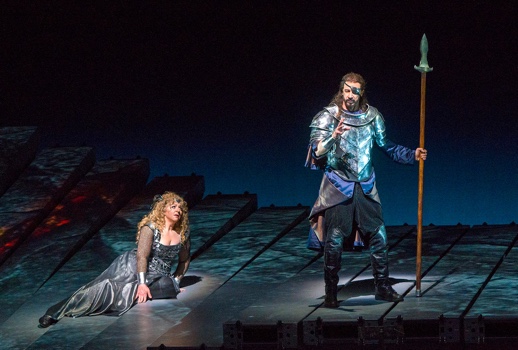
Die Walküre crystallizes the cycle’s questions, ideas, and stakes.
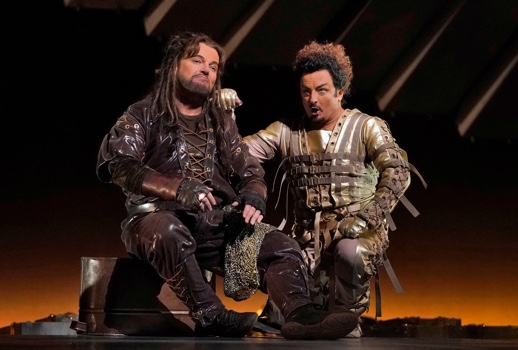
The Metropolitan Opera delivers on the promise of Wagner’s Gesamtkunswerk in a revival of Robert Lepage’s Ring.
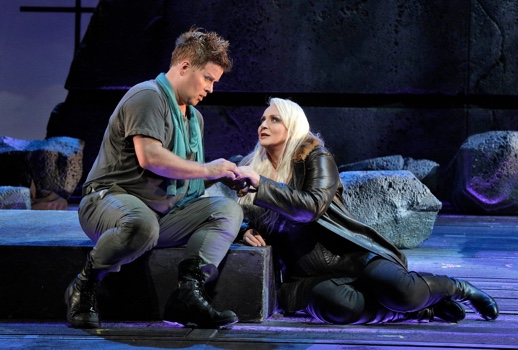
Siegfried is, in a sense, The Ring’s odd one out.
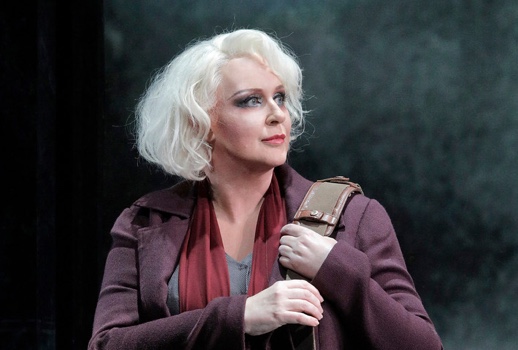
If Das Rheingold is an opera about infinitude, the illusory idea that the world is large enough to satisfy all of our desires, passions, and lusts, Die Walküre is an opera about scarcity.
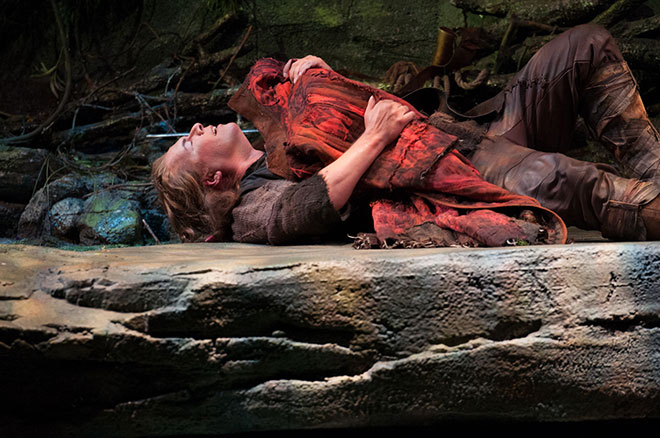
There is a mighty appetite among both old Wagnerians and new ones to see a Ring that follows—if not too slavishly—the scenic requests of the libretto.
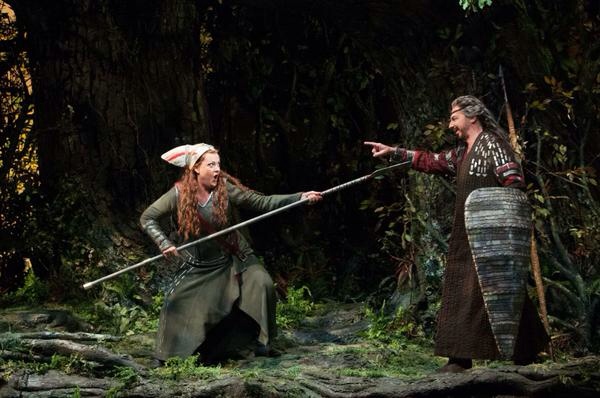
Is Der Ring des Nibelungen responsible for the transformation of Seattle from a gray, damp, low-rise Boeing company town where half the jokes had punchlines in Norwegian (and were about lutefisk in any case) into today's booming cultural metropolis? I like to think so.

The days are getting shorter, but you can keep the prattle going this fall’s Talk of the Town! You will, you can, you must join in the discussion about: Great mezzo soprano performances (October),
Gained in translation (November), Teleport me back to… (December).
Exclusive opera reviews, commentary, and top reads
delivered to your email weekly…ish.