
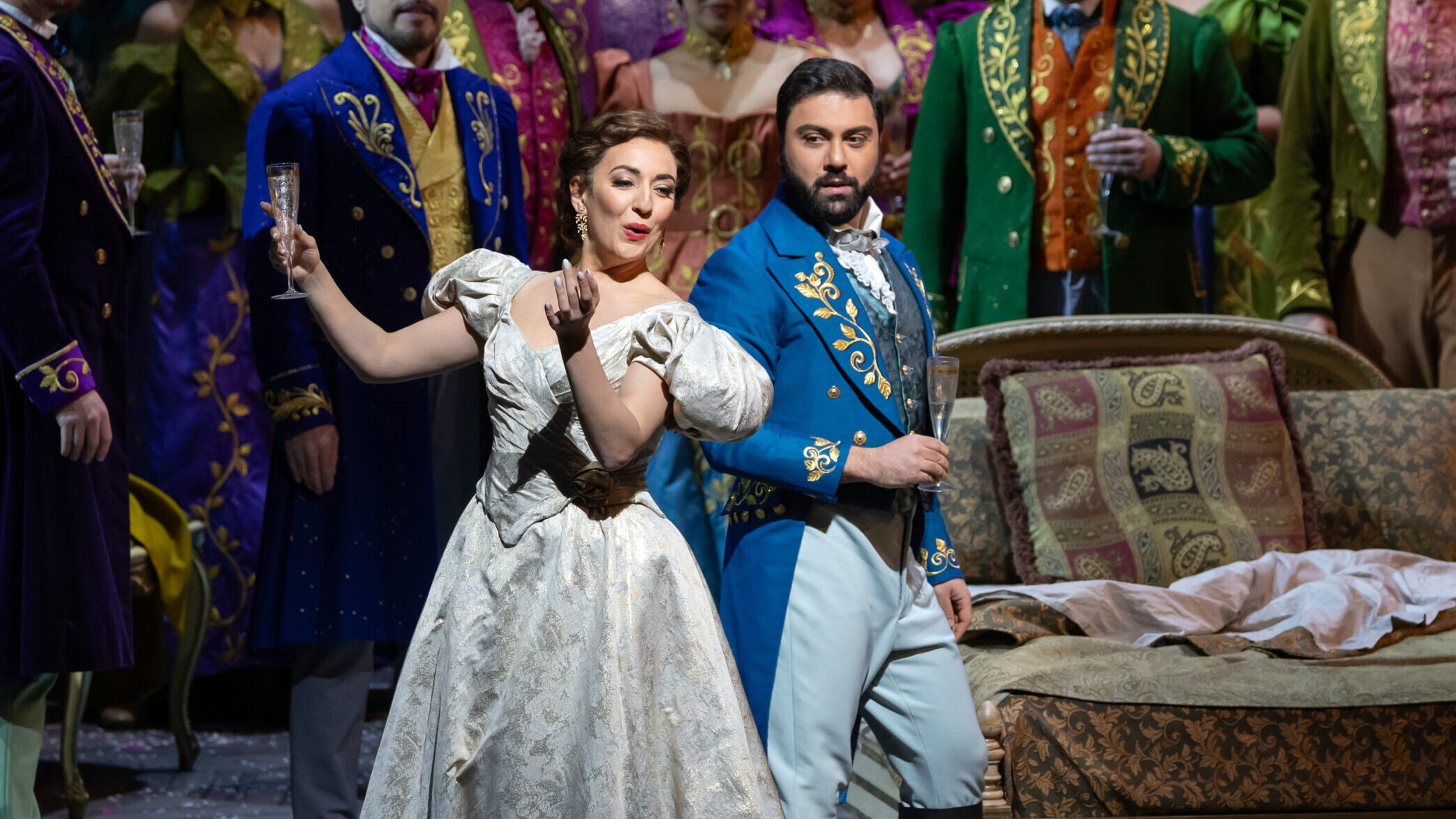
Three faces of Violetta
Christopher Corwin surveys the three Traviata casts — led by Lisette Oropesa, Rosa Feola, and Ermonela Jaho — at the Met this spring.
17 pieces since 2014 — in 14 roles, at 4 companies, most often at Metropolitan Opera.
Christopher Corwin surveys the three Traviata casts — led by Lisette Oropesa, Rosa Feola, and Ermonela Jaho — at the Met this spring.

Angel Blue‘s refulgent, lush soprano blooms as Violetta’s vocal lines broaden and soar.
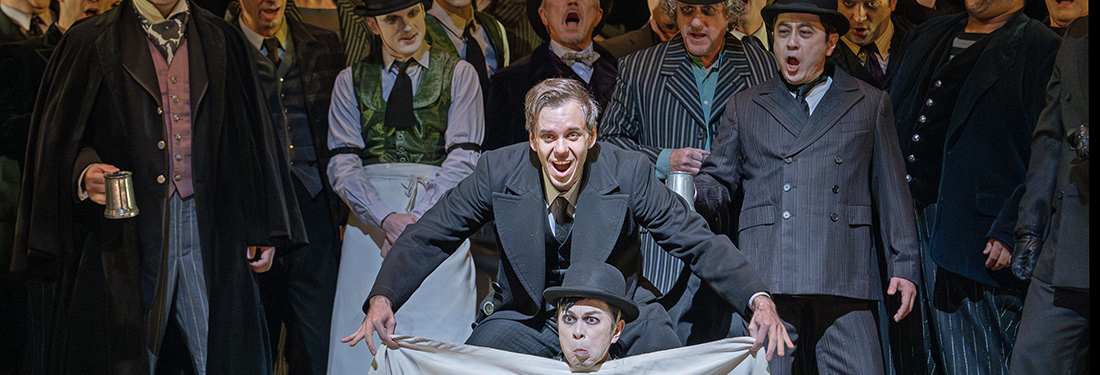
Les Contes d’Hoffmann is something of a puzzle in which some of the pieces are missing and others been altered to fit since Offenbach died before he could complete and revise the work.
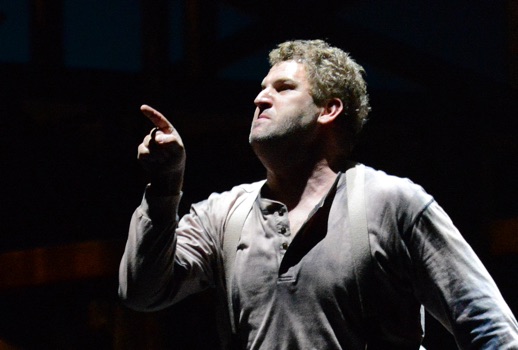
You don’t often hear the grand operas of Benjamin Britten on smaller stages.

HERE’s new radio opera marks itself out by leaning into the dramatic affordances of the audio-only format in No One is Forgotten, an adaptation of a play by Winter Miller with new music by Paola Prestini and Sxip Shirey.

For those who like their Handel loud, with no forfeit of baroque finesse, one promising solution is to make the hall smaller.

Breaking the Waves is not only a “real opera,” it is an immensely powerful work of music drama.
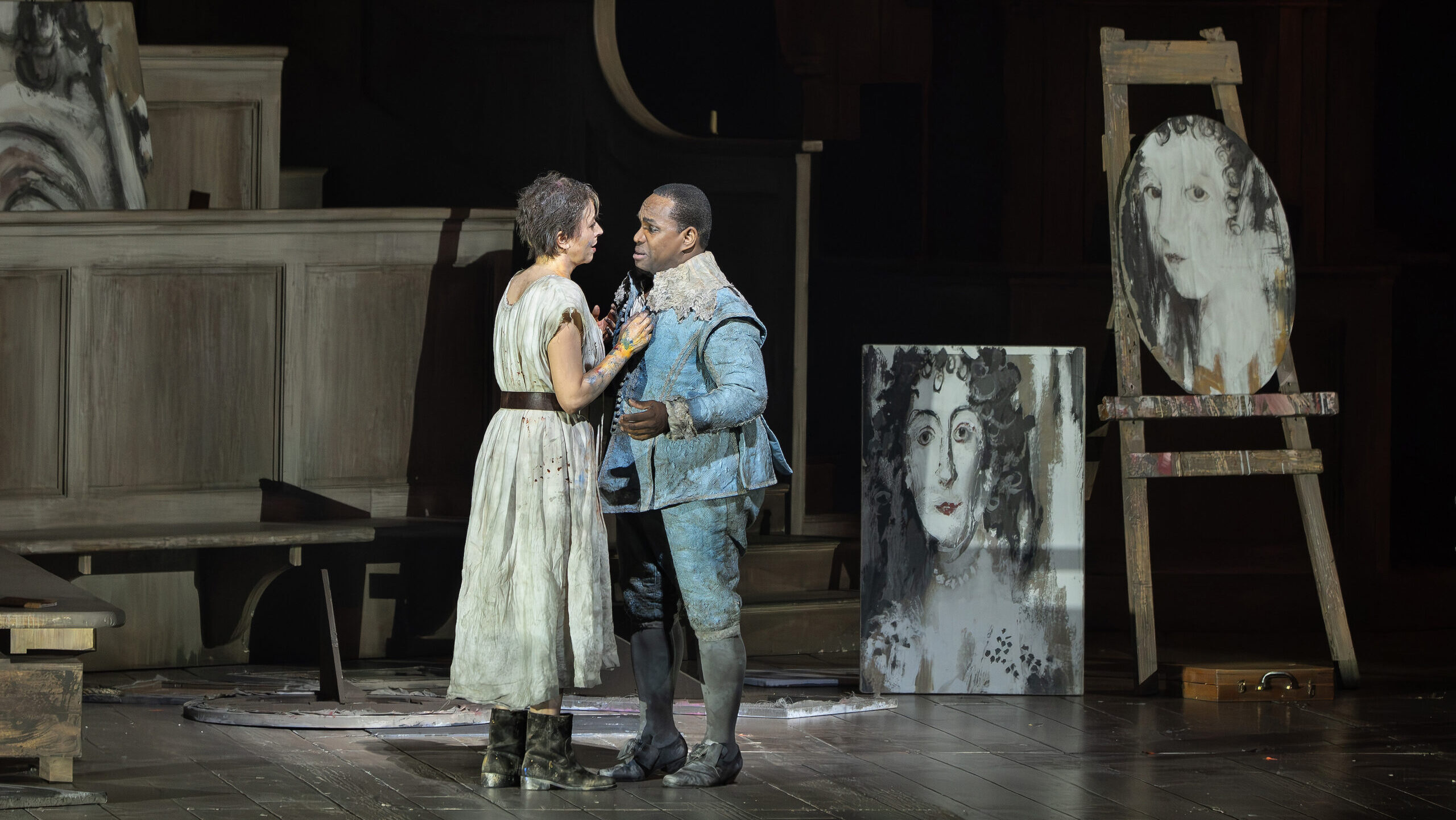
A messy new I puritani at the Met is a historic and historical disappointment.
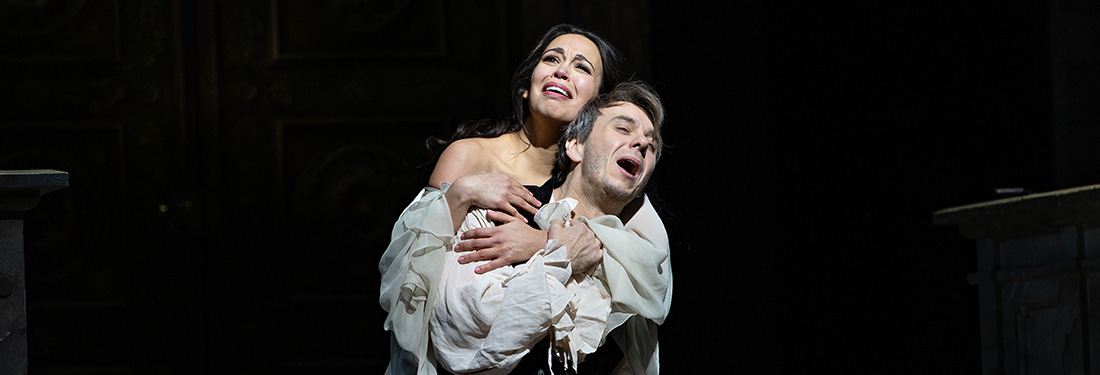
It’s not hard not to feel jaded about Romeo and Juliet.
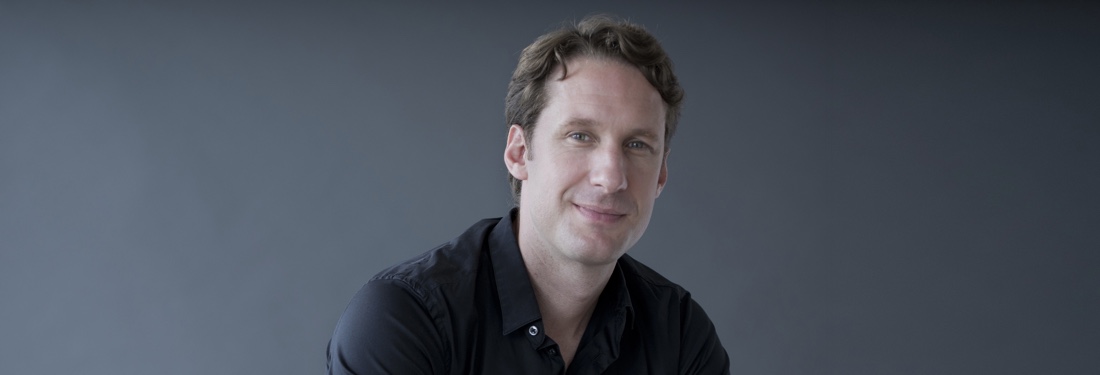
South African Jacques Imbrailo’s high-lying baritone did much to highlight the lyrical possibilities of the title role of Hamlet, originally conceived for a tenor.
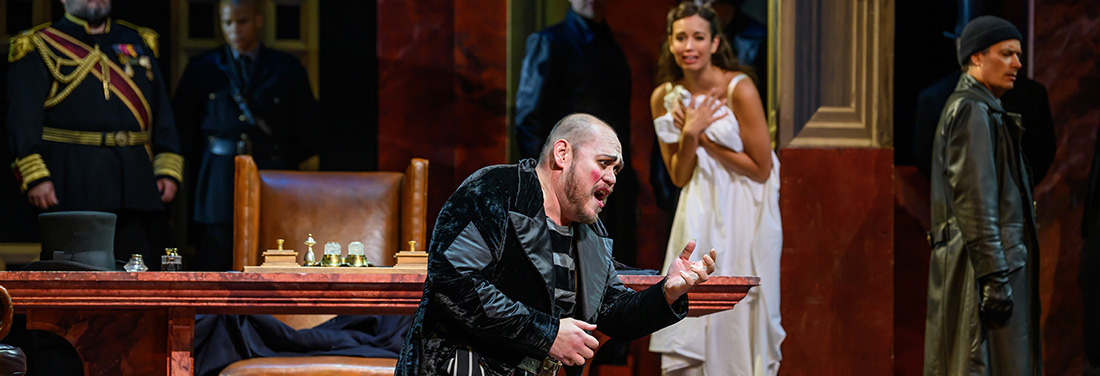
Rigoletto is the perfect opera. The story is straightforward and powerful; none of the action occurs backstage or between scenes or twenty-seven years before curtain rise; and the ethical anvil lands not once but twice, on the title character singing, “La maledizione!” The curse!
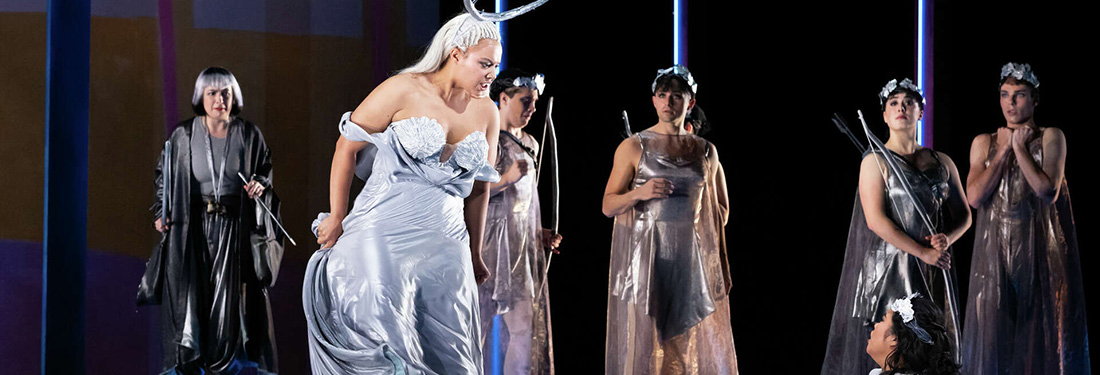
Love makes fools of us all – that seems to be the theme of this summer’s Glimmerglass Festival.
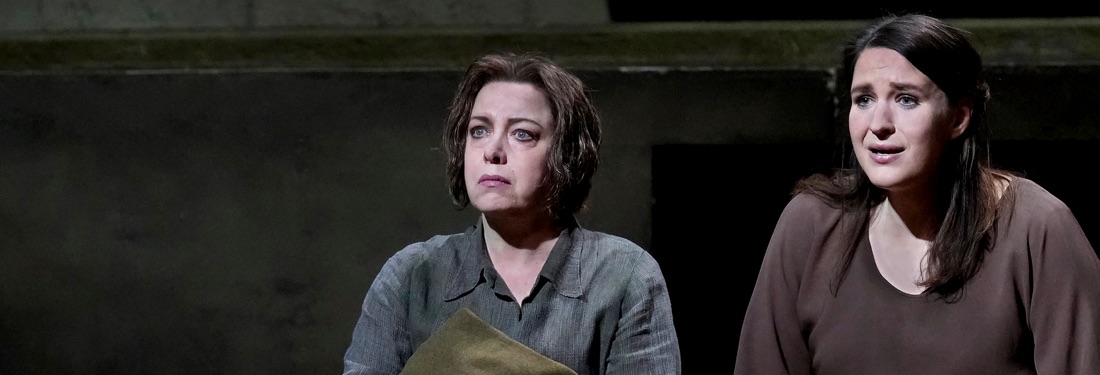
Nina Stemme’s Elektra always seemed the sanest individual onstage never quite giving over to obsession or hysteria with a good line in mordant sarcasm and contempt.

This Holländer offers neither a clear narrative vision for the work nor a sense of turbocharged drama; it simply sits on the Met’s cavernous stage as a dull gray mass.
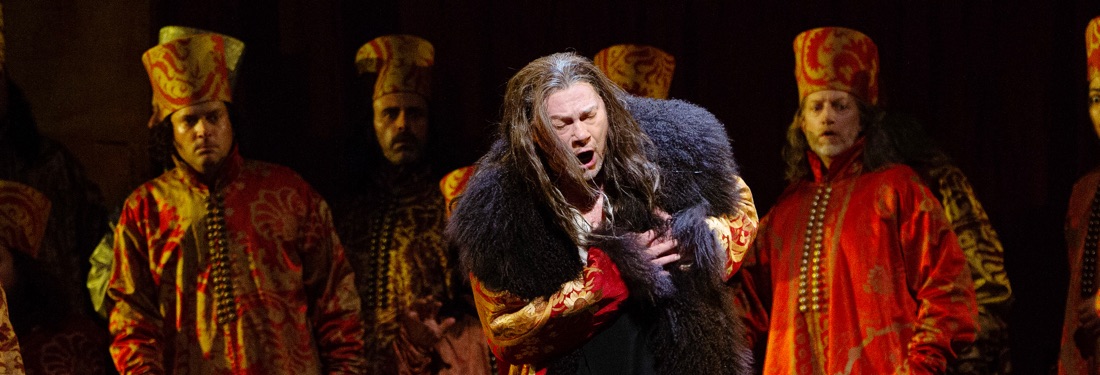
A snarky commentator might dub last night at the Met “Boris of the divo hair flip” but that would do a disservice to a serious, often effective performance of the challenging original version of Mussorgsky’s masterpiece.
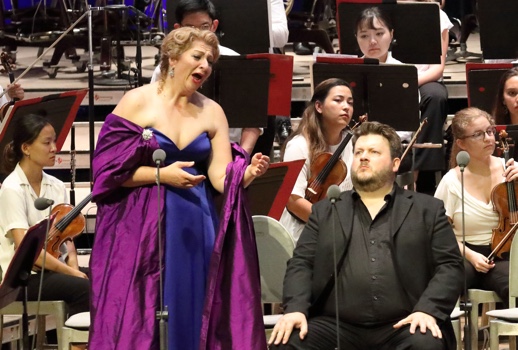
A hefty thunderclap shook Tanglewood’s Koussevitzky Shed just as Andris Nelsons raised his baton for the third act of the weekend’s concert Die Walküre.

The days are getting shorter, but you can keep the prattle going this fall’s Talk of the Town! You will, you can, you must join in the discussion about: Great mezzo soprano performances (October),
Gained in translation (November), Teleport me back to… (December).
Exclusive opera reviews, commentary, and top reads
delivered to your email weekly…ish.