
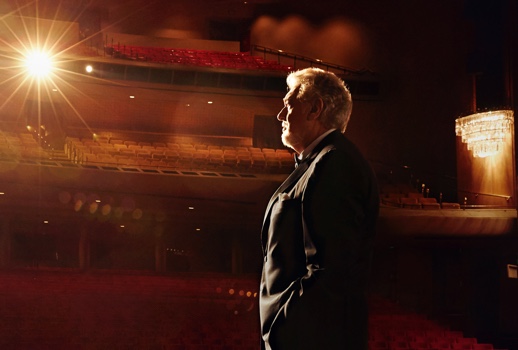
The gala lilies are in bloom again
Saturday night the Los Angeles Opera threw itself a party.
171 pieces since 2005 — in 2 roles, at 5 companies, most often at Metropolitan Opera.
Saturday night the Los Angeles Opera threw itself a party.

Reflecting my new mantra — “and would have gone on longer, had he not died” – here is The Curate’s Egg edition of the Saturday breakdown.
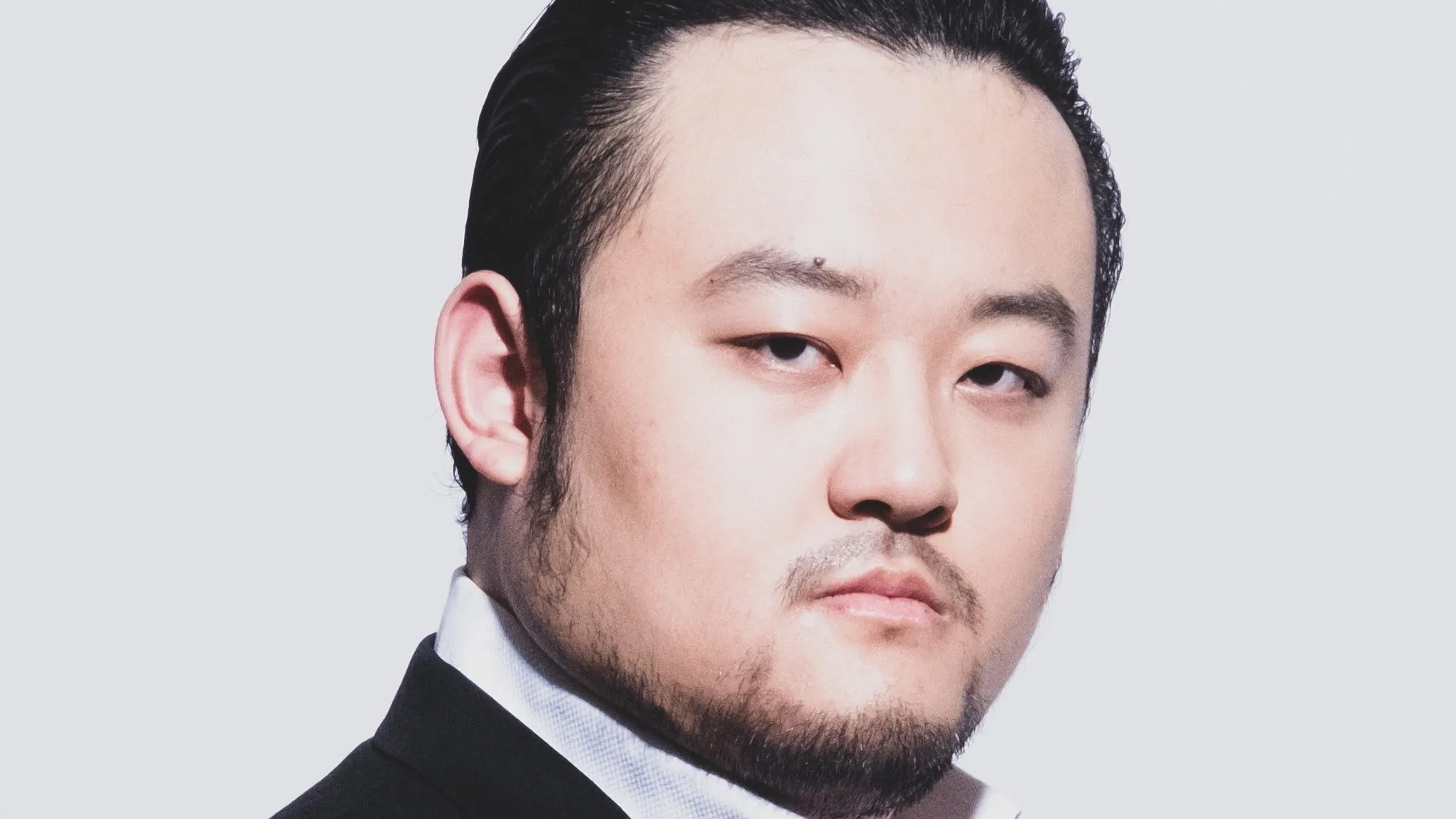
Christopher Corwin speaks to rising bass-baritone Le Bu about his journey from Yancheng, China to the Met (with a stop in Wichita) and what important roles await him.
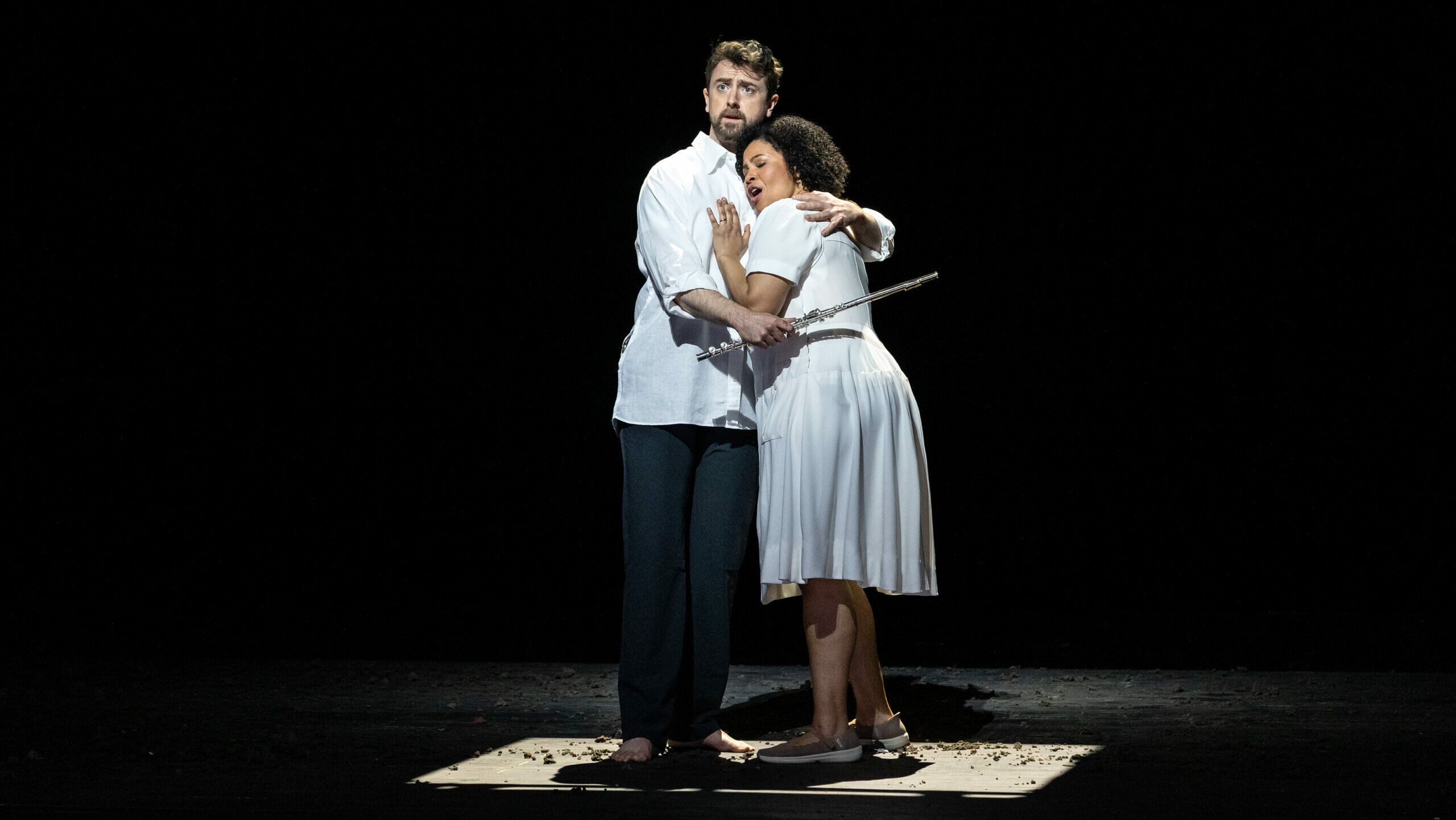
Look, for one of the most-staged operas in the repertoire, Mozart’s Die Zauberflöte seems awfully difficult to stage.
For many opera lovers of the Baby Boomer generation, German bass Kurt Moll (1938-2017) was Sarastro, exuding wisdom and kindness through his unaffected bearing and incomparably rich, homogeneous sound.
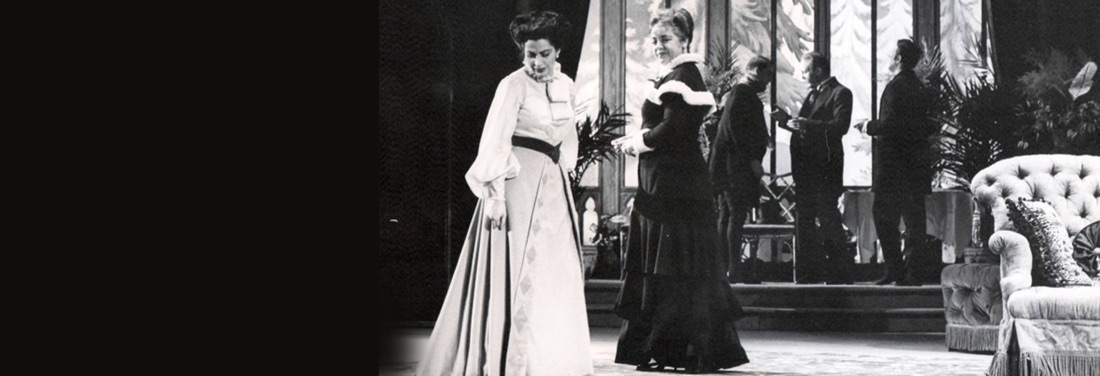
On this day in 1958 Samuel Barber‘s Vanessa had its world premiere at the Met
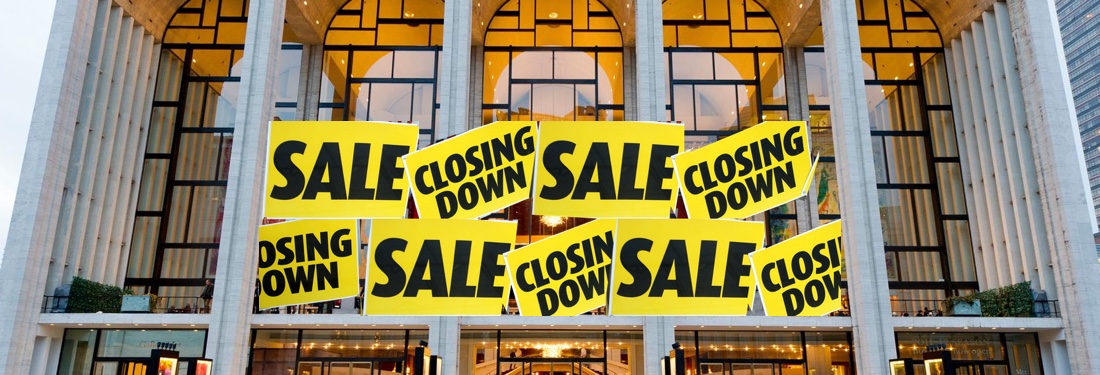
A quick survey of the Met website shows wide swaths of available seats for the upcoming performances of La traviata and L’elisir d’amore. Only new works like The Hours and Fire Shut Up in My Bones have been achieving sold-out houses.
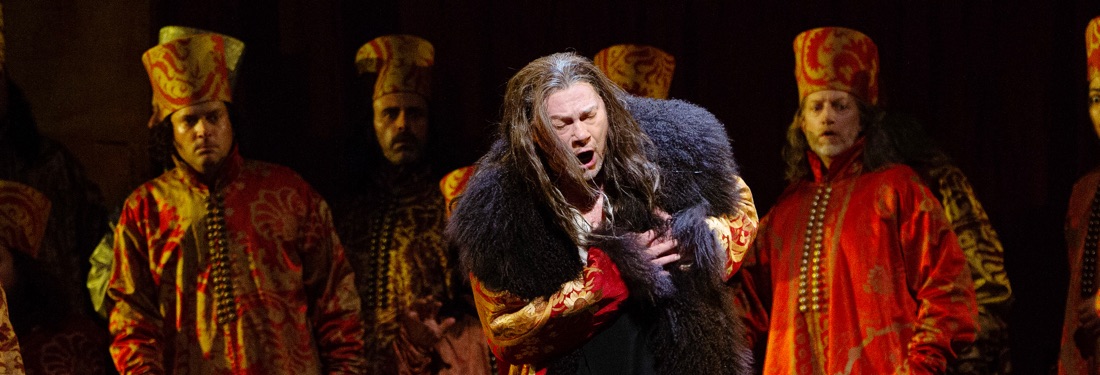
A snarky commentator might dub last night at the Met “Boris of the divo hair flip” but that would do a disservice to a serious, often effective performance of the challenging original version of Mussorgsky’s masterpiece.
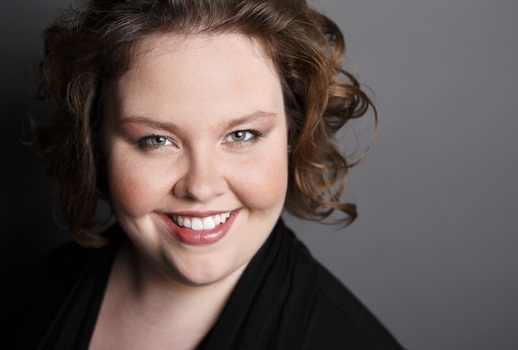
American mezzo Jamie Barton, who has steadily been winning fans in the US over the past few years for her rich and nuanced singing, took the international opera world by storm last weekend by winning both the Song Prize as well as the overall prize in the BBC Cardiff Singer of the World competition.
The upscale art book for opera lovers this holiday season is George Tsypin Opera Factory: Building in the Black Void (Princeton University Press). Tsypin is designer of choice to directors Julie Taymor, Peter Sellars and Francesca Zambello; his most familiar work to New Yorkers is perhaps his Met Zauberfloete in collaboration with Ms. Taymor. The […]
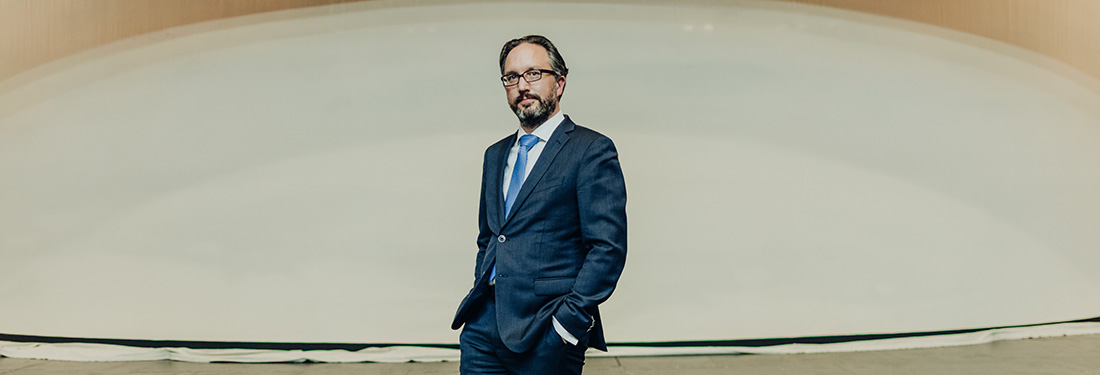
Michael Anthonio crunches the numbers on San Francisco Opera’s recent seasons and goes straight to the top to General Director Matthew Shilvock for a look at where SF Opera has been and where it’s headed
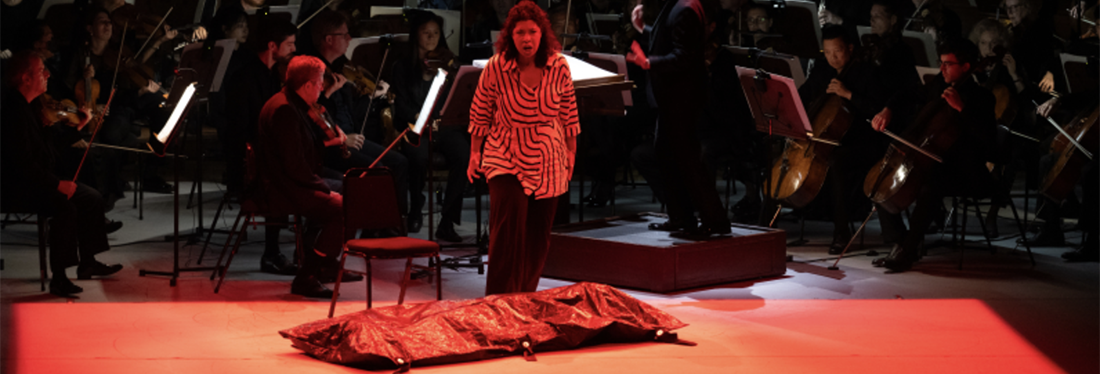
“The distance between dreams and reality is called action.” – Brian Tracy

I never fathomed I’d be writing words as these this soon.

The days are getting shorter, but you can keep the prattle going this fall’s Talk of the Town! You will, you can, you must join in the discussion about: Great mezzo soprano performances (October),
Gained in translation (November), Teleport me back to… (December).
Exclusive opera reviews, commentary, and top reads
delivered to your email weekly…ish.