
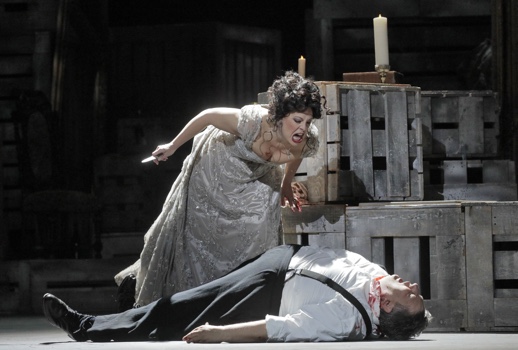
Not a few eyebrows arched on social media when L.A. Opera appropriated the hashtag “Fight like a girl” on street level poster adverts all over town for the revival of their 2013 production of Giacomo Puccini’s Tosca.
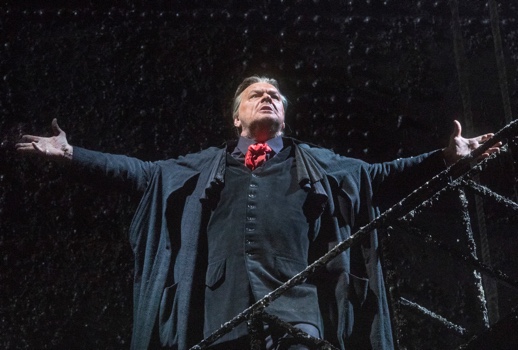
The wild tempest that whipped and drenched the audience as it exited the Met after Tuesday’s season premiere of Wagner’s Der Fliegende Holländer mirrored the finer features of the evening.
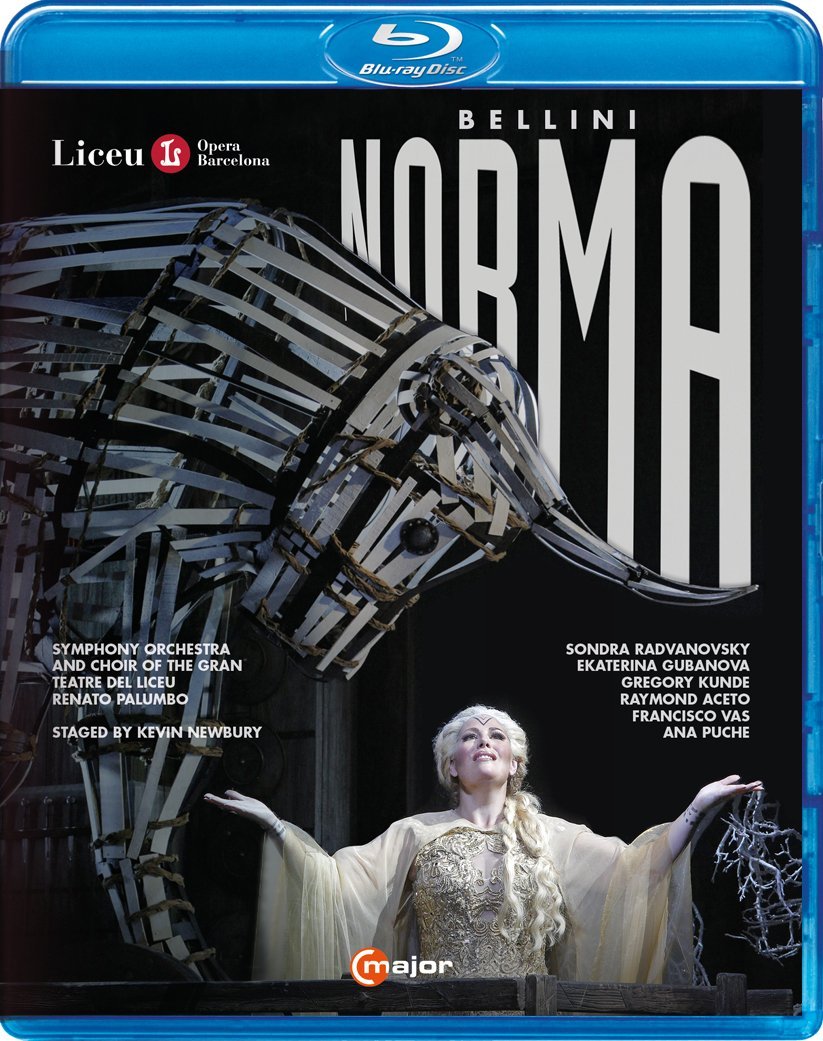
Kevin Newbury‘s familiar production of Bellini’s Norma with its most frequent leading lady, the American Sondra Radvanovsky.
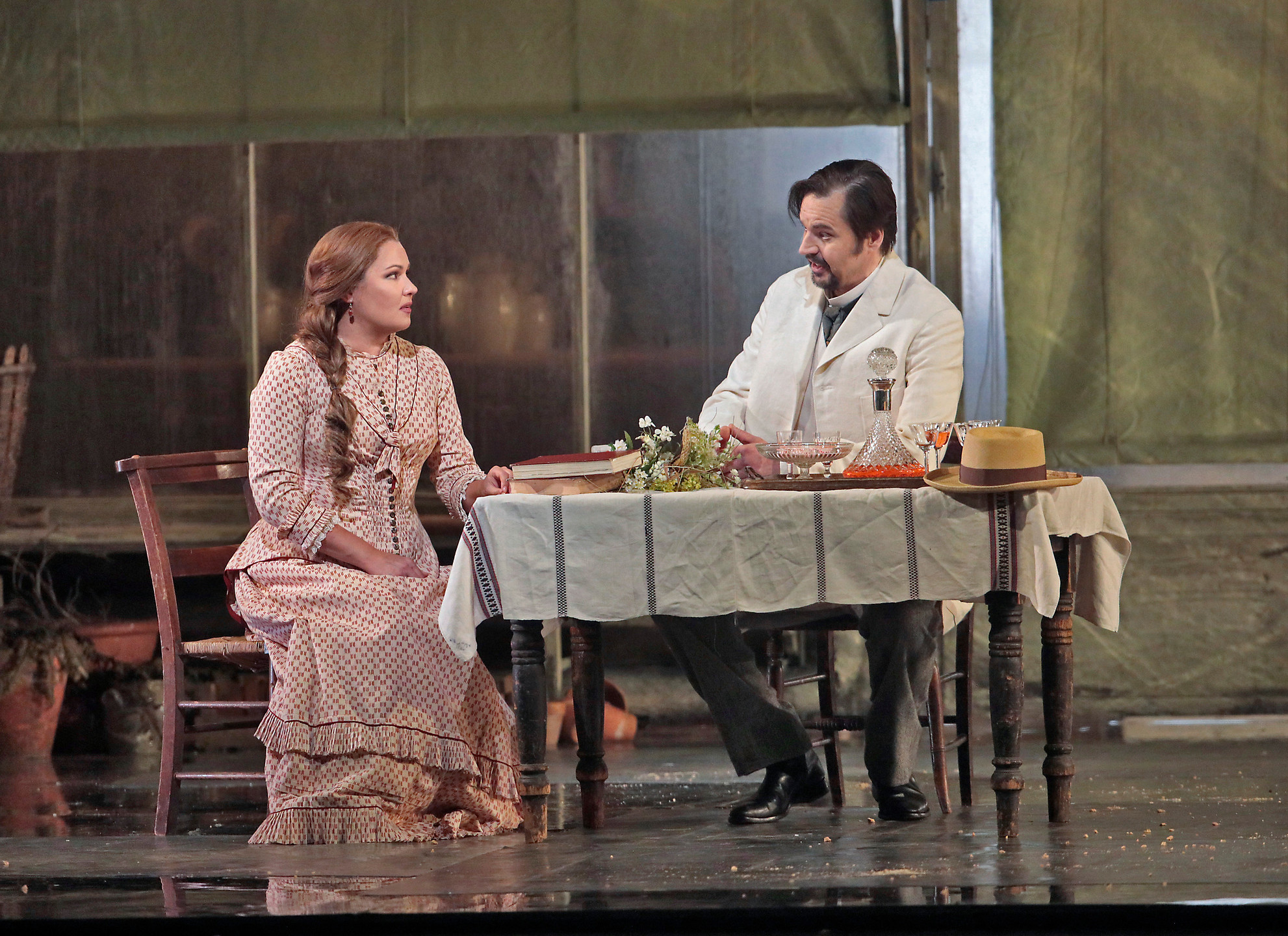
Is there a more gorgeous male voice before the public today than Peter Mattei’s? Has Anna Netrebko ever sounded better?
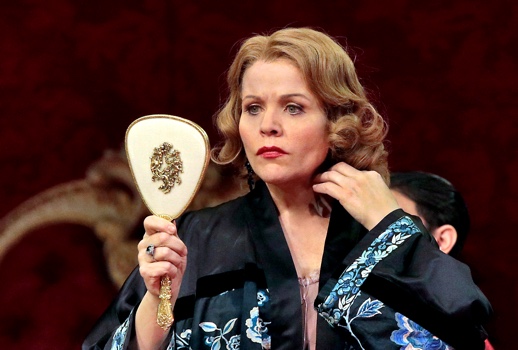
Any production of Der Rosenkavalier that can transform the usually excruciating first half of the third act into a hilarious romp already has my vote.
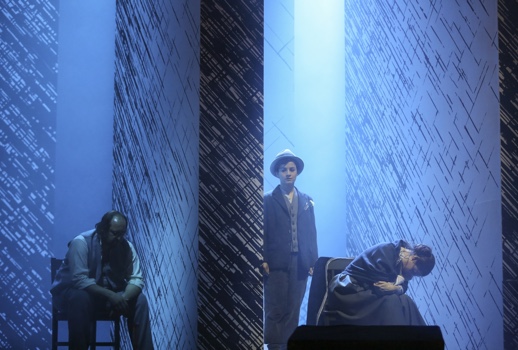
Be wary of operas that are famous for just one aria or just one famous opinion.

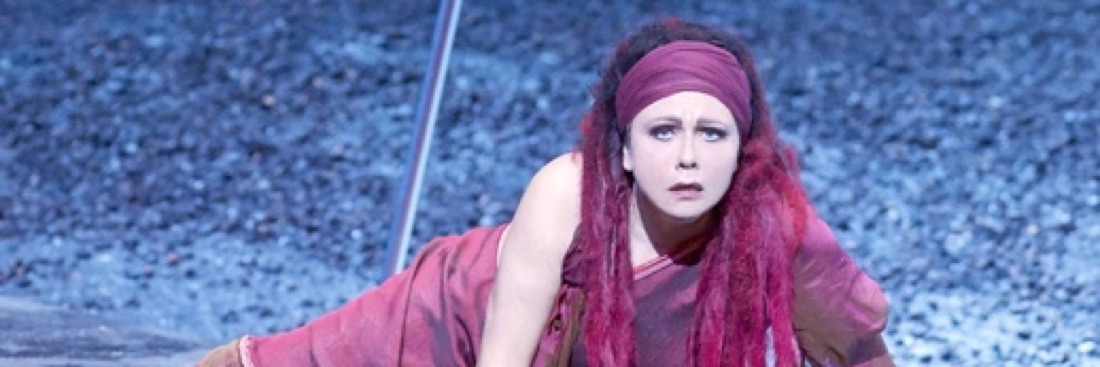
I was puzzled by my initial exposure to the Medea of Aribert Reimann, a work of 2010.
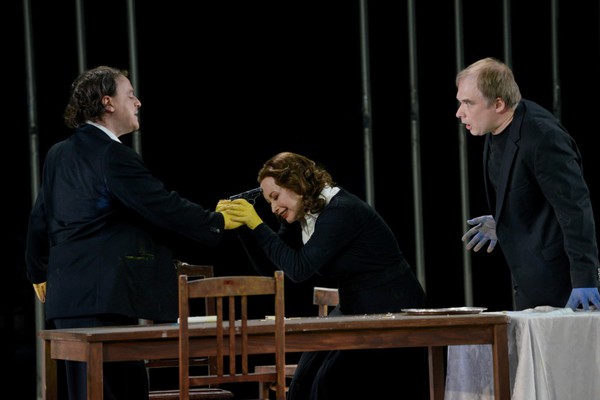
A brilliant production of La Juive like that of Peter Konwitschny generalizes the message that mindless hate does not pay and the mindless mob is always the enemy of civilization.
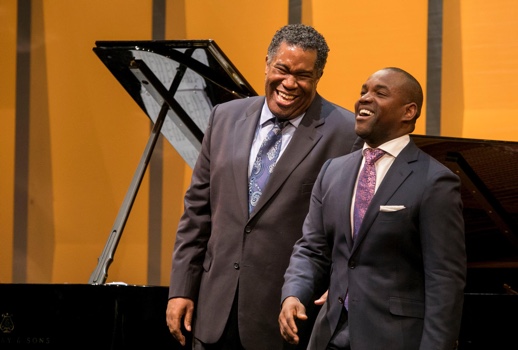
Lyric Opera of Chicago presented a highly anticipated joint recital featuring tenor Lawrence Brownlee, bass-baritone Eric Owens, and accompanist Craig Terry.
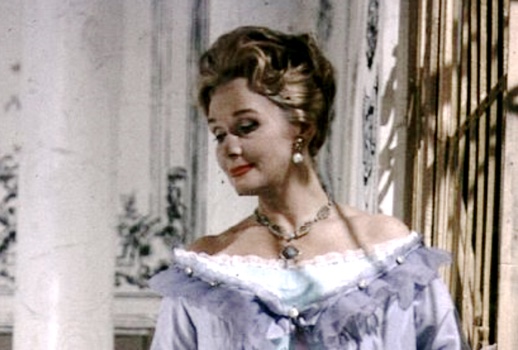
“Time is a strange thing,” the lady observes, to a young man who cannot begin to understand what she is talking about.
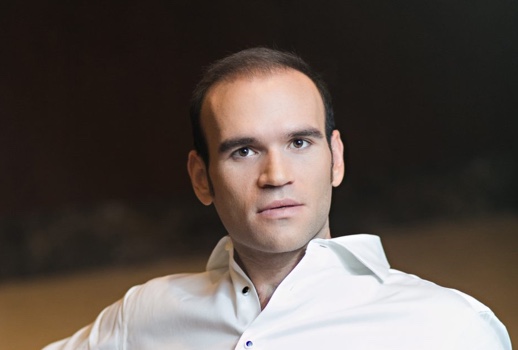
Mr. Fabiano proceeded to pour gasoline over the audience and toss a lit match into the crowd with his rendition of “Granada.”
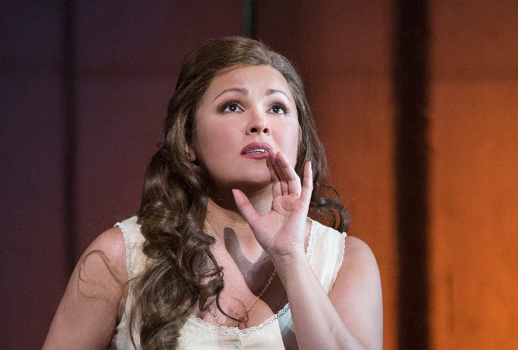
“Tatiana has developed into one of Netrebko’s very best roles.”
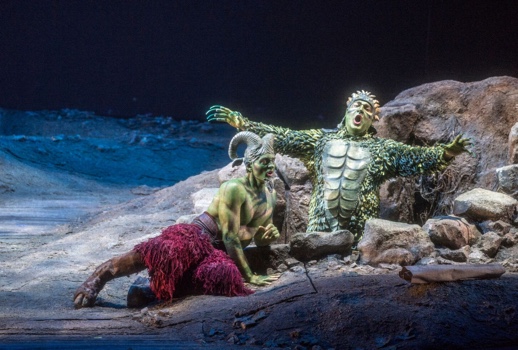
La Campana Sommersa (The Sunken Bell), which is being presented by the New York City Opera at the Rose Theater through April 7, is a true oddball.

Leos Janacek composed Adventures of Vixen Sharp-Ears, with its singing forest creatures of many species, in 1922-23.

The New Amsterdam Opera Company presented a concert Forza (orchestra and chorus, yes; sets and costumes, no) at $35 a ticket.
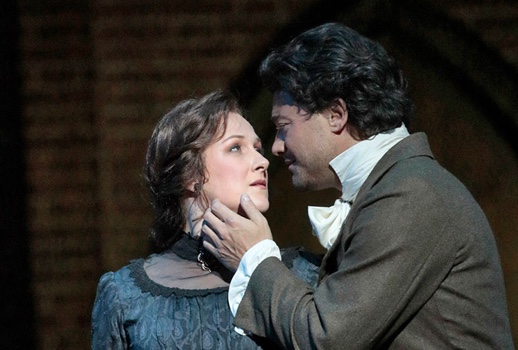
Jacques Offenbach’s Les contes d’Hoffmann has had a bumpy ride to its pride of position in the current French repertoire.
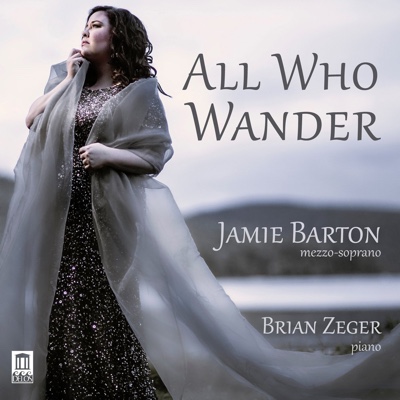
In her debut solo album, Jamie Barton surrounds Gustav Mahler’s staples of the song repertoire, Rückert Lieder, with the less familiar Gypsy Songs of Antonin Dvorák and select songs by Jean Sibelius.
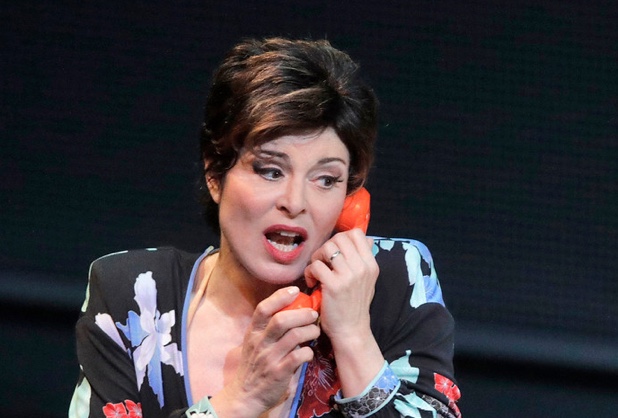
Anna Caterina Antonacci delivered a tour de force of French diction, subtlety of phrasing, variation of vocal timbre, and white-hot stage acting.
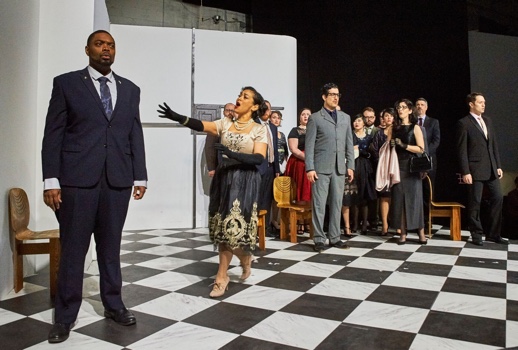
LoftOpera’s Saturday night performance of Rossini’s Otello successfully appealed to the essential kinetic energy of the operatic art form.
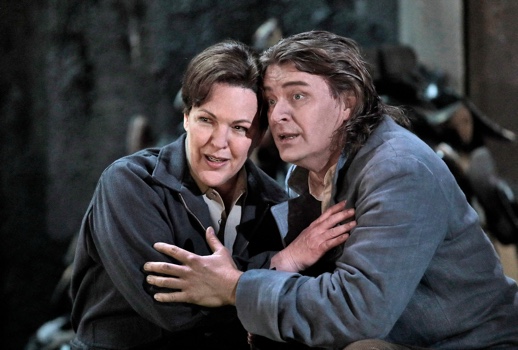
There is much to say about the similarities between the plot of Fidelio and the ancient myth of Orpheus.
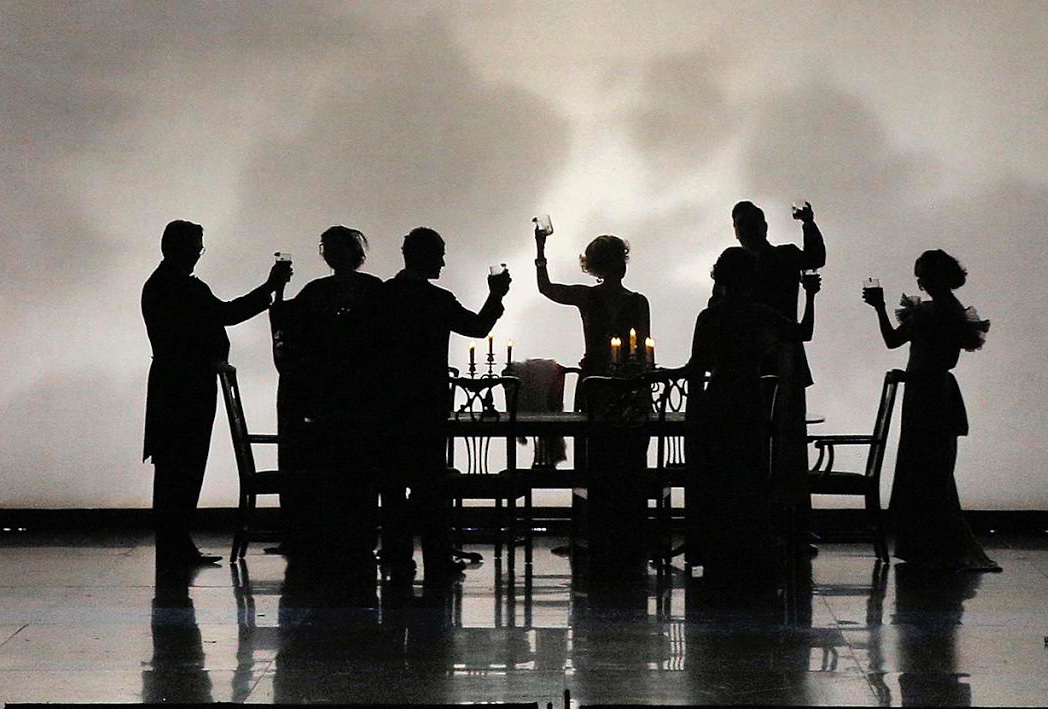
Seven characters step forward and sing a rousing opening number, “The Party Goes On,” accompanied by images of job lines, Hoovervilles, and soup kitchens.
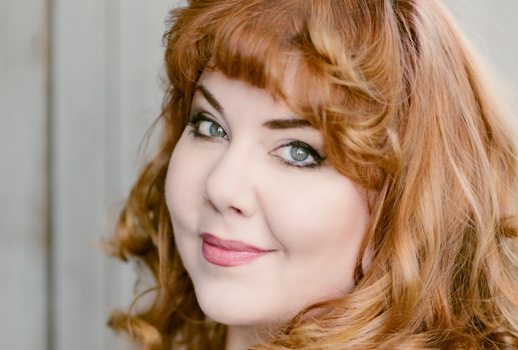
The rewards of Leonore lie almost as much in the ensembles as the solo contributions.
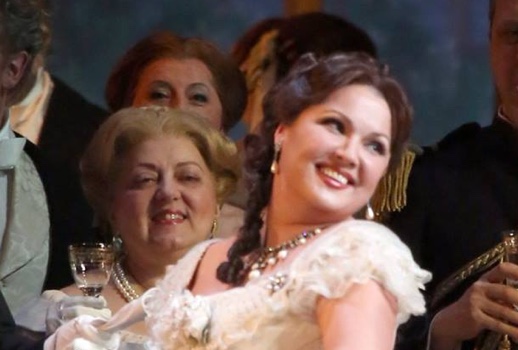
On Thursday evening, the Teatro alla Scala audience didn’t watch the familiar presentation of a “wayward woman” who overcomes moral inferiority only to be robbed of happiness when she finally deserved it.
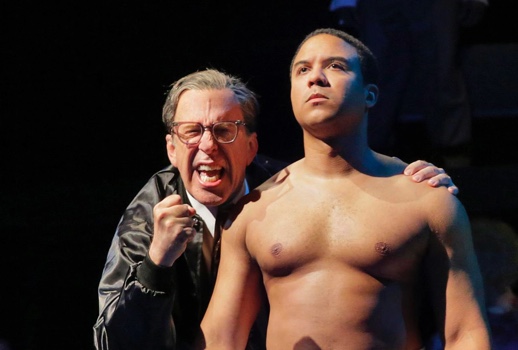
Washington National Opera continued a focus on recent works this season with Terence Blanchard and Michael Cristofer’s 2013 opera Champion on the life of boxer Emile Griffith.
Tell us: What’s your favorite Verdi performance?
Hasten thee to feed another quarter of conversation for The Talk of the Town!

