
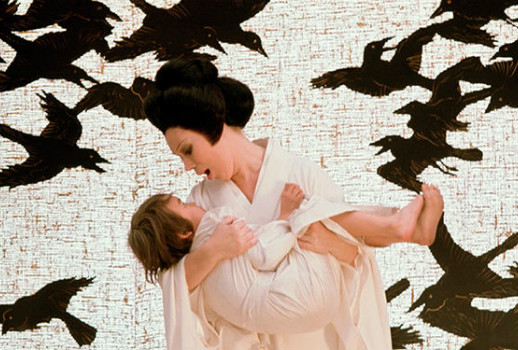
Rock-a-bye your baby with a pentatonic melody
It seems almost comical to think now but the designer-director Jean-Pierre Ponnelle, who died in 1988, was at one time considered the height of regie-theatre scandal.
It seems almost comical to think now but the designer-director Jean-Pierre Ponnelle, who died in 1988, was at one time considered the height of regie-theatre scandal.

New York City isn’t a bad place to live, operatically-speaking.
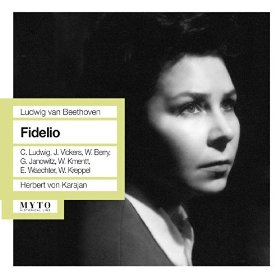
Herbert von Karajan once said listening to some of his old recordings made him envy painters who could simply burn the pictures they disliked.
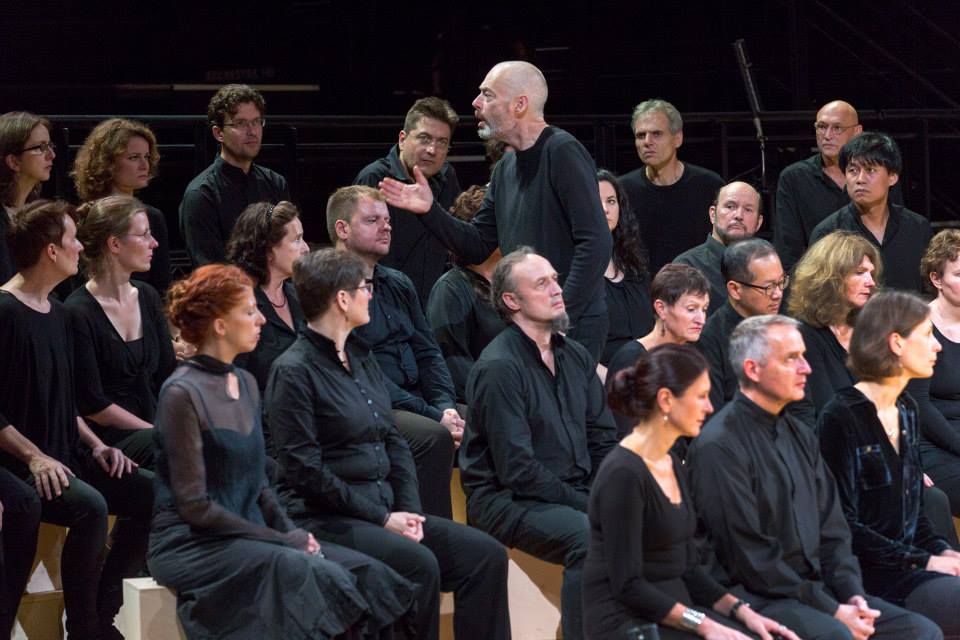
Passion propels more operas than almost any other human emotion; however, many musical dramas have a very different sort of passion—the final days of Jesus—as their subject.
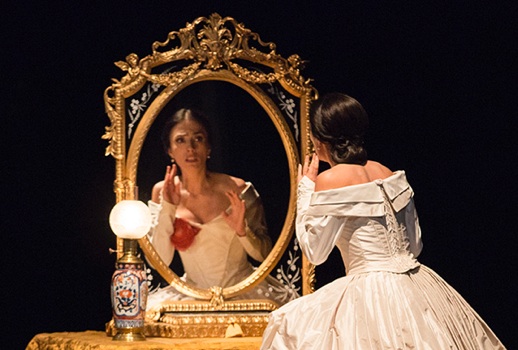
“Oh to be young and going to Paris for the first time,” exclaimed an elderly gentleman who donned his best sweatervest for a concert at the Ottawa International Chamber Music Festival this past August.
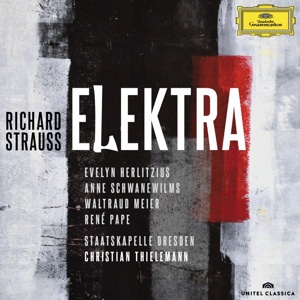
“Conduct Salome and Elektra as if they were by Mendelssohn: Fairy music.” Seriously, how often has that happened?
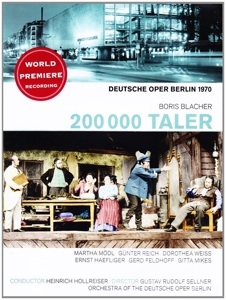
With the help of our friends at ArtHaus Musik, the Deutsche Oper Berlin have really been emptying out their archives and that’s certainly all for the good.
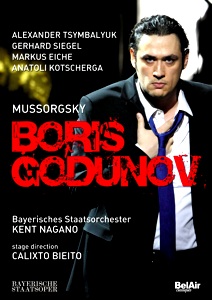
In Mussorgsky’s Boris Godunov, all the Russian people starve and suffer, but none has suffering like the mental agonies of Tsar Boris.
Our weekly peek into the Mike Richter treasure trove yields a live recording from his “Operas of Richard Strauss” CD-ROM, Die Frau ohne Schatten from the Bayerische Staatsoper on July 16, 1988.

I got quite a surprise when I opened the latest packet of goodies from La Cieca – a DVD of Orphée aux Enfers, but in German as Orpheus in der Unterwelt.
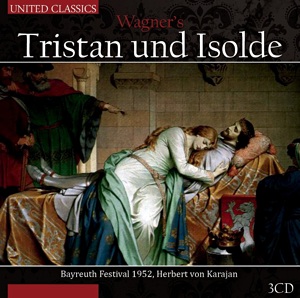
The curious things about accepted wisdom is that sometimes it’s correct.

If Frank Castorf‘s work on Der Ring des Nibelungen at Bayreuth accomplishes nothing else, it should serve as a sort of loud disorganized reminder of the dangers of indulging in the intentional fallacy.

The 1965 season was a time of big changes at the Vienna State Opera.

I’m told that the public were, if hardly enthusiastic, at least ambivalent toward the Frank Castorf Ring up until the first performance of Siegfried, at which point things got really ugly and the booing started in earnest.
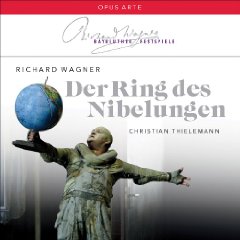
The complete recording of Der Ring des Nibelungen conducted by Christian Thielemann at the Bayreuth Festival is now on sale for only $5.99. And, no, I am not making this up.
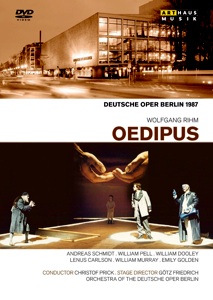
Say this about Oedipus: The character’s got staying power.
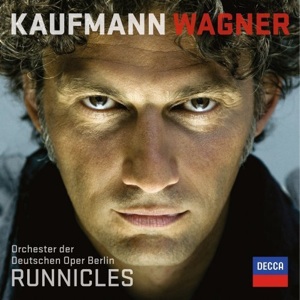
A new CD features the ten most gorgeous minutes recorded by a tenor in Wagner since World War II.
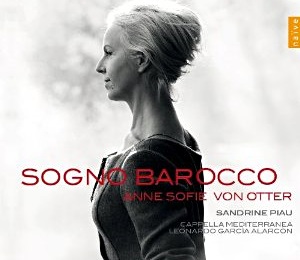
As if last week’s survey wasn’t enough, a few more recent diva-recital disks remain worthy of attention particularly since they arrive from five front-rank singers.
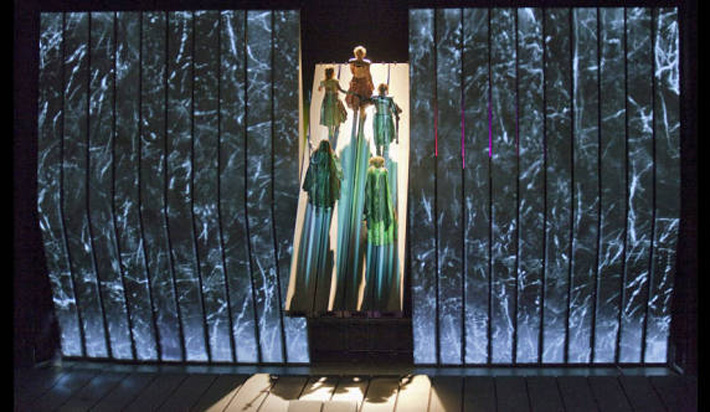
Since 2010 I’ve been reading nothing but horror being heaped upon the Met’s new Ring. It’s been like a cross between a cruise ship size buffet spread of internet snarking and a slasher film re-cast with music critics.
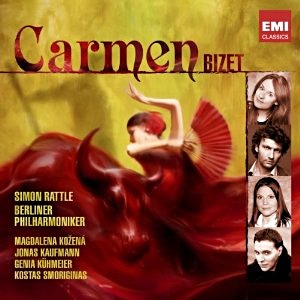
Press quotes on the back of this new release from EMI of Georges Bizet’s masterpiece promise ”a stylish and cliché-free Carmen” and on most fronts I think it’s a fair assessment.

This Hans Neuenfels staging for the Bayreuth Festival caused quite a stir at its 2010 premiere, but now, with time and distance, how radical is the production?
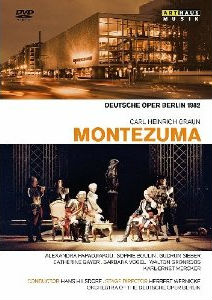
Sometime in 1753, Frederick The Great of Prussia, following a tiff with his great friend Voltaire, began writing an opera libretto in French prose that was to elucidate his ideas about the role of an enlightened monarch.
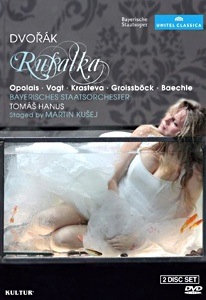
Rusalka and her sisters are huddled in the flooded basement.
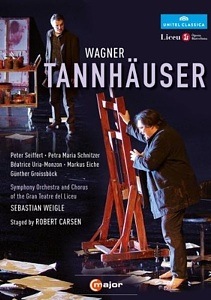
Certain contemporary opera directors have taken to portraying Wagner protagonists as visual artists to better illuminate the characters’ moral and aesthetic struggles.

The days are getting shorter, but you can keep the prattle going this fall’s Talk of the Town! You will, you can, you must join in the discussion about: Great mezzo soprano performances (October),
Gained in translation (November), Teleport me back to… (December).
Exclusive opera reviews, commentary, and top reads
delivered to your email weekly…ish.