
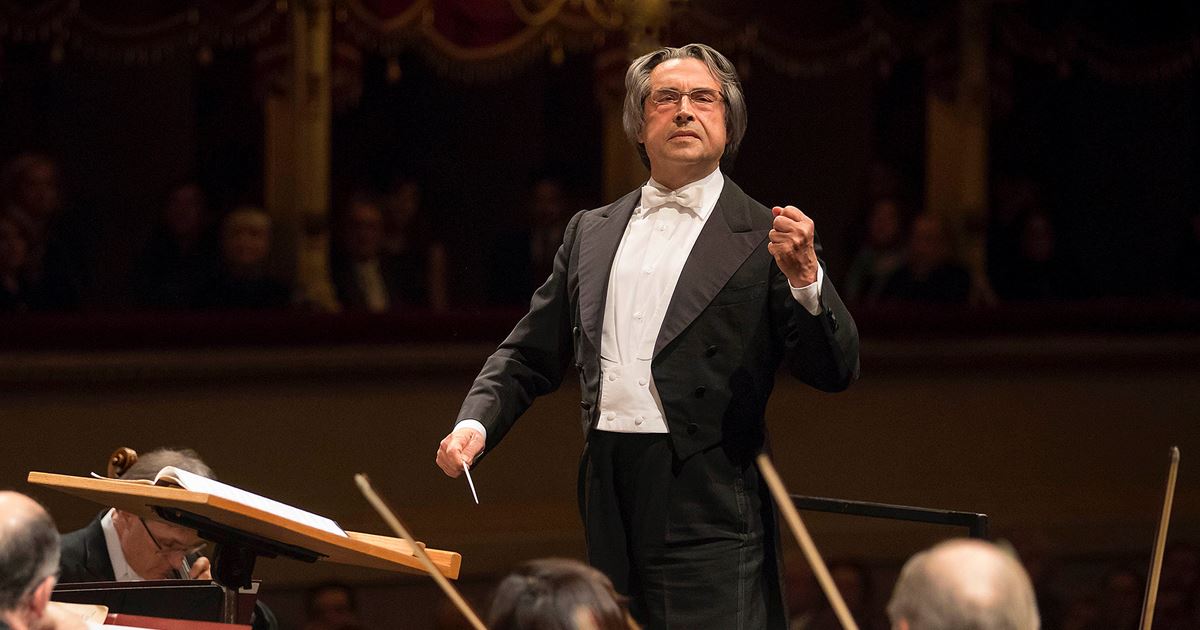
Riccardo Muti is a great opera conductor
I trust, fellow Parterre readers, that we can all agree that Riccardo Muti is a great opera conductor.
26 pieces since 2008.
I trust, fellow Parterre readers, that we can all agree that Riccardo Muti is a great opera conductor.
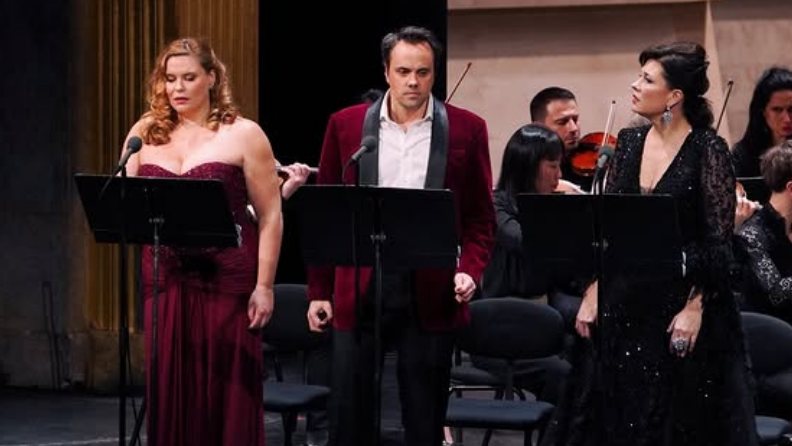
Marina Rebeka comes tantalizingly close to triumph in Cherubini’s Médée at Théâtre des Champs Elysées.
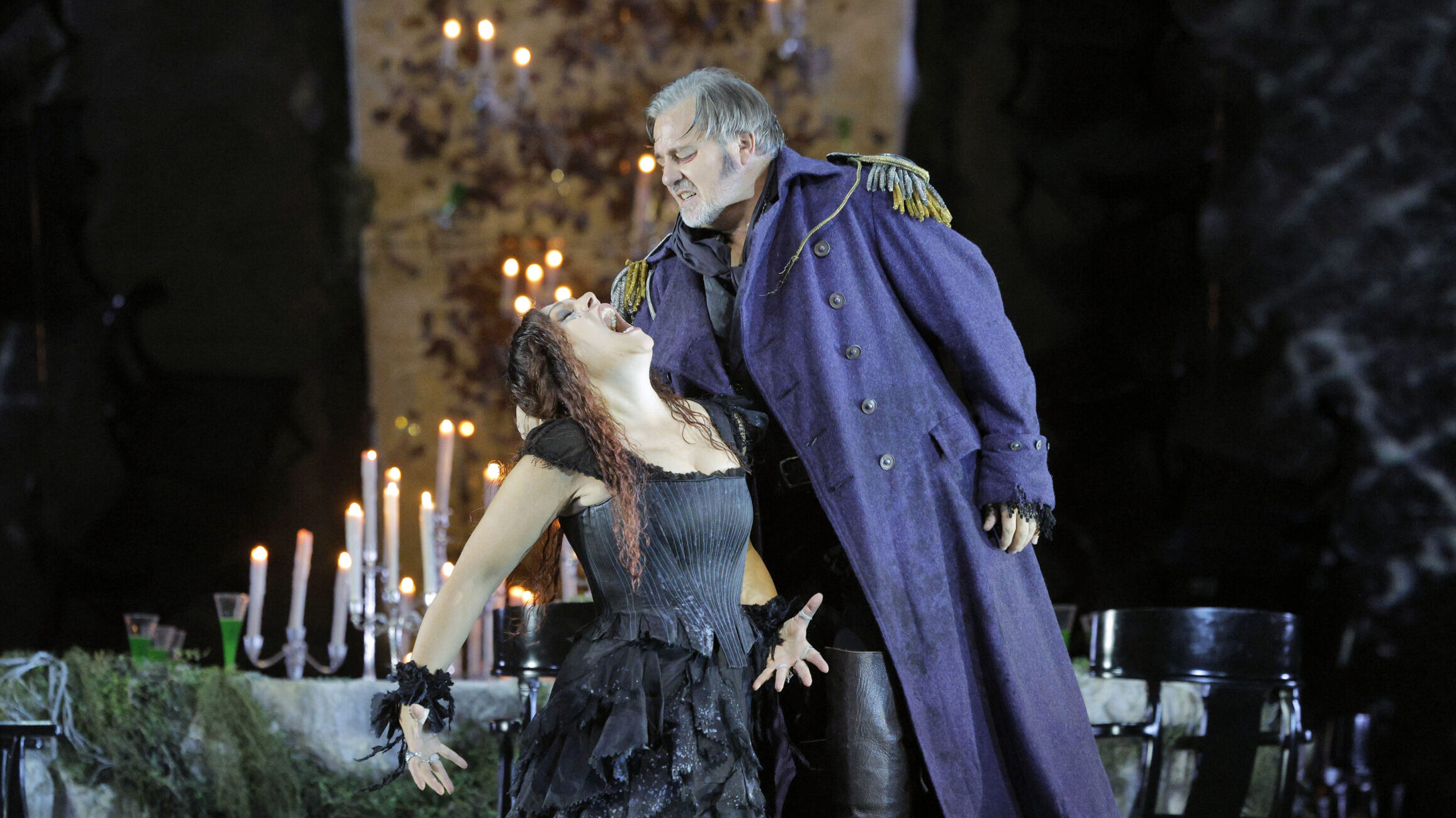
Seeing Sondra Radvanovsky as Medea at Lyric Opera of Chicago sprawled across the floor, soaked in her children’s blood, is proof that we’re witnessing an utterly haunting singer-actor.
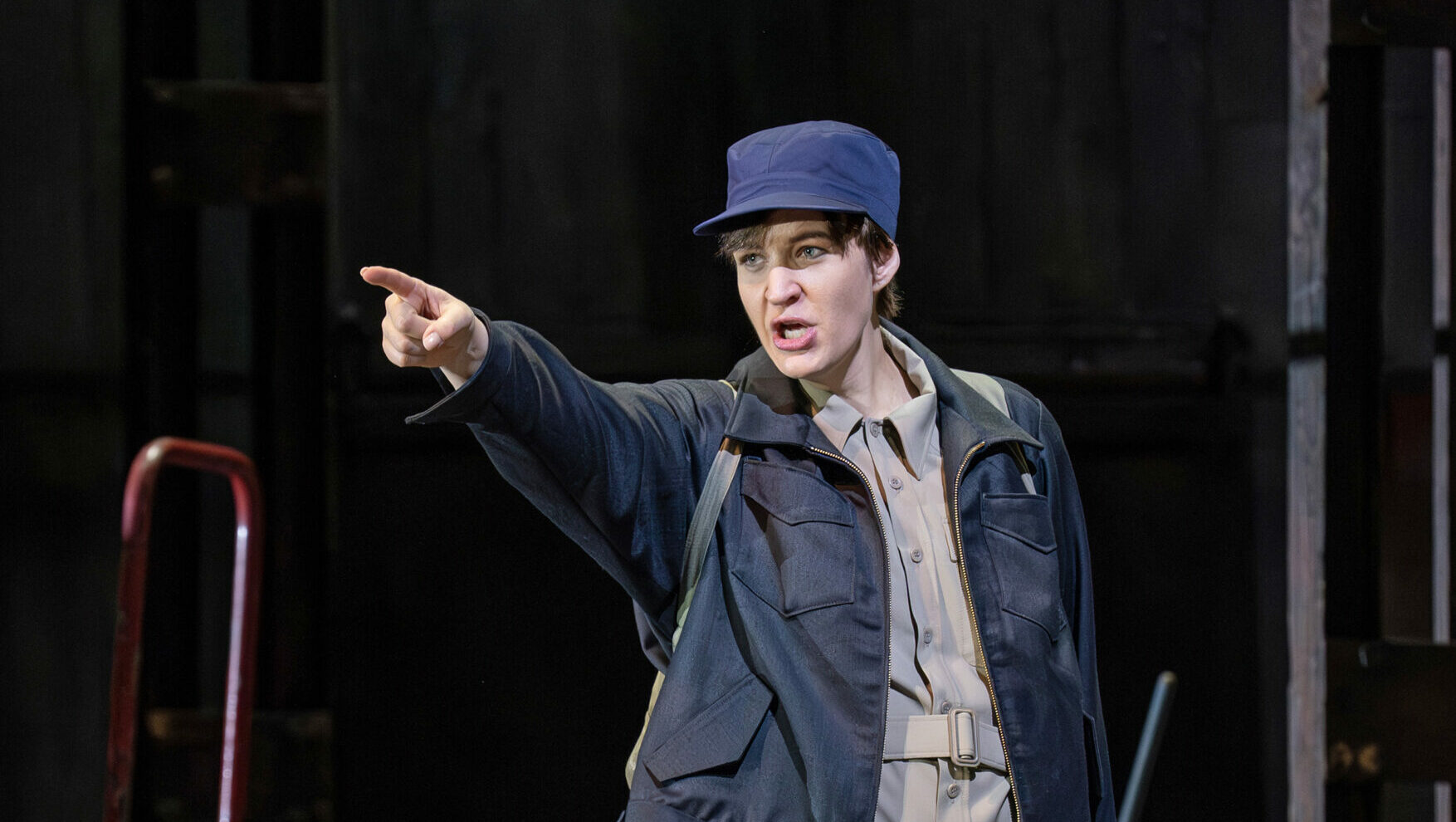
Eli Jacobson inaugurates parterre box’s new “Perspectives on the Aria” feature with a deep dive into Leonore’s “Abscheulicher!” from Beethoven’s Fidelio which returns to the Metropolitan Opera tomorrow with the Met’s current dramatic soprano star Lise Davidsen as Leonore.
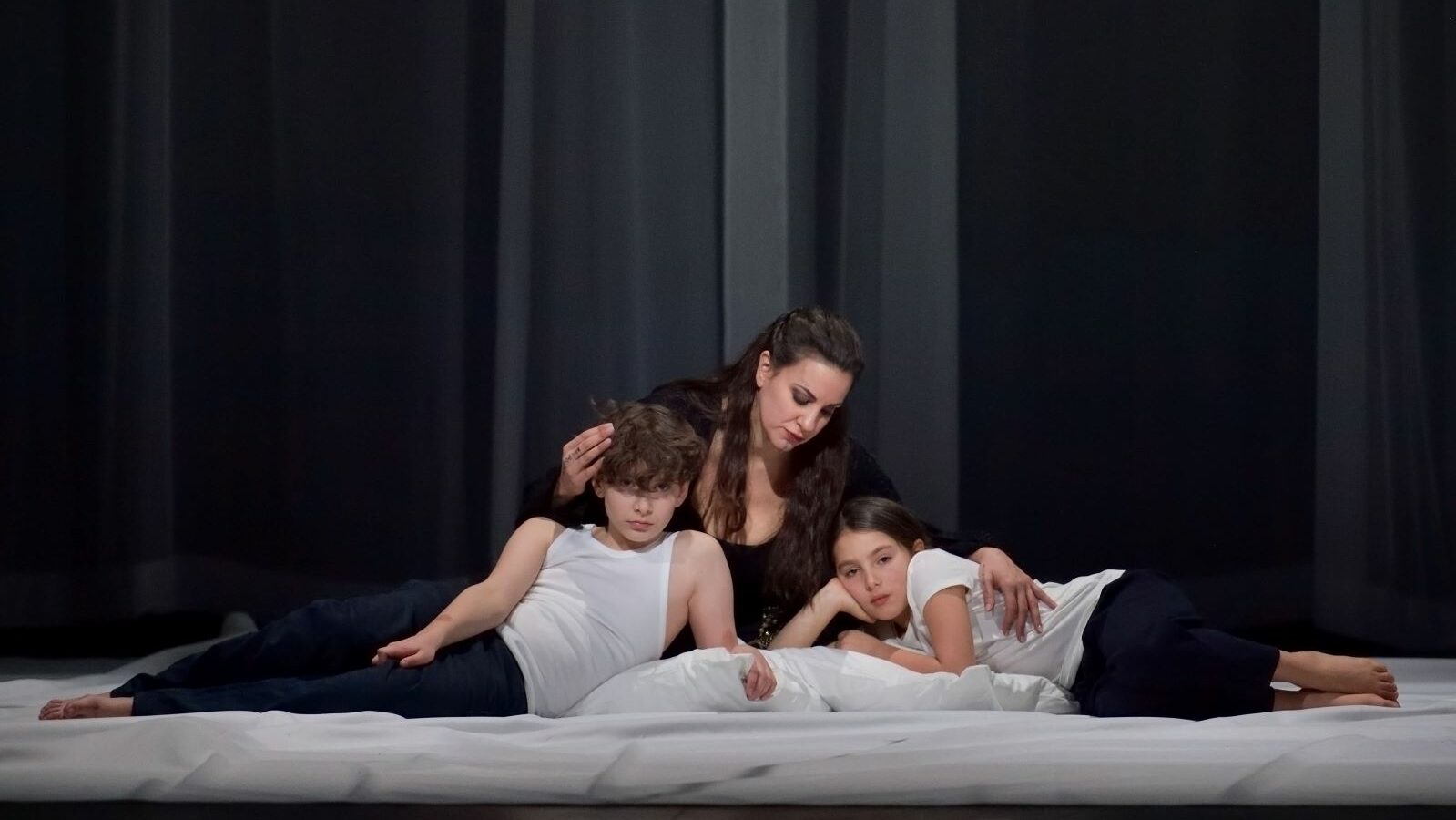
The return of Cherubini‘s Medée to the Opéra Comique may be a homecoming, but Nigel Wilkinson almost went home at intermission.

To get right to the point, the performance did not come together despite some good elements and was a major missed opportunity.
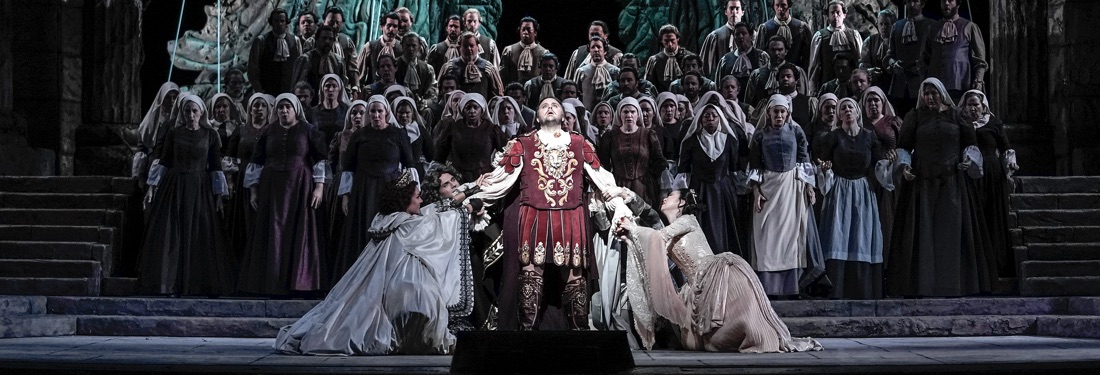
Michael Spyres’s nobly moving Idomeneo wasn’t just a bravura triumph: singing strongly throughout, he brought more colors to his portrayal of the tortured king than I had experienced from others in the Ponnelle production.
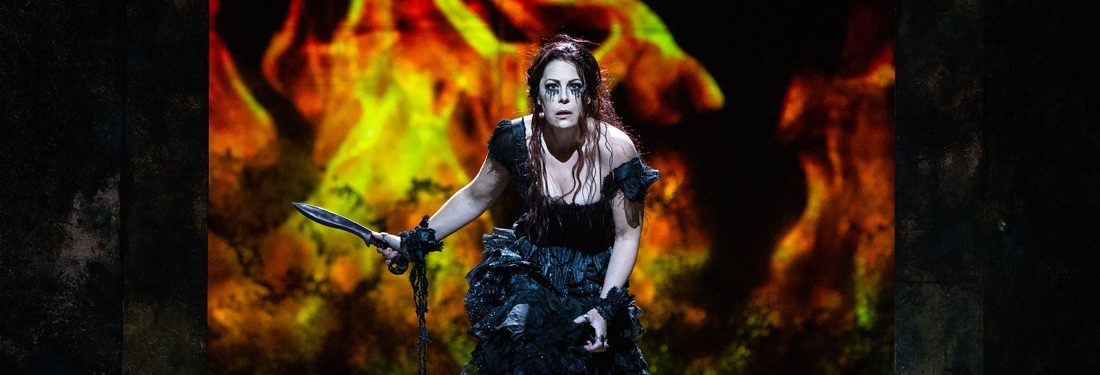
Sondra Radvanovsky has an unconventional voice that is suited to unconventional characters and is best used in rangy, difficult music. The lack of lush beauty was no deficit in depicting Medea’s jealousy and vengeful rage.

The always elegant Véronique Gens has recently returned often to her earliest roots in the French baroque.
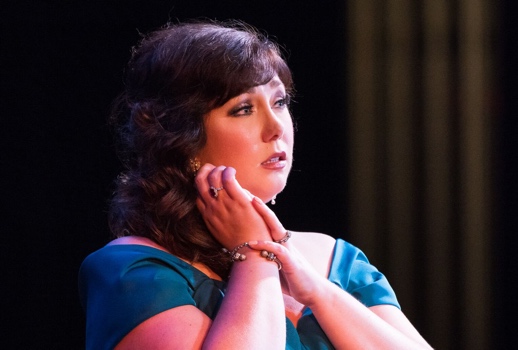
Simone Mayr’s Medea in Corinto, a curious work of 1813, has been revived by Will Crutchfield’s new enterprise, Teatro Nuovo.
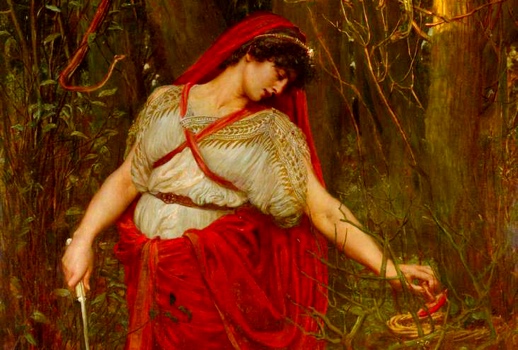
Trove Thursday offers a pair of live broadcasts of Médée featuring two compelling mid-20th century divas—Inge Borkh in German and Eileen Farrell in Italian.
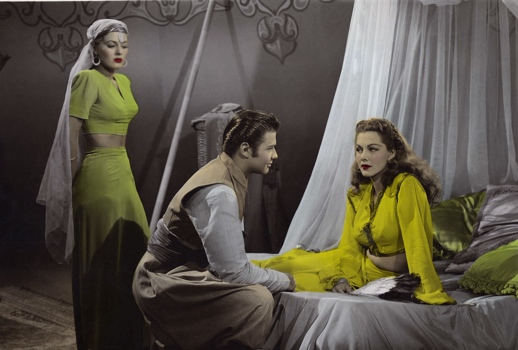
Ali Baba ou Les Quarantes Voleurs continues straight-tone September with Teresa Stich-Randall as its heroine while Alfredo Kraus scales the heights with another Nadir.
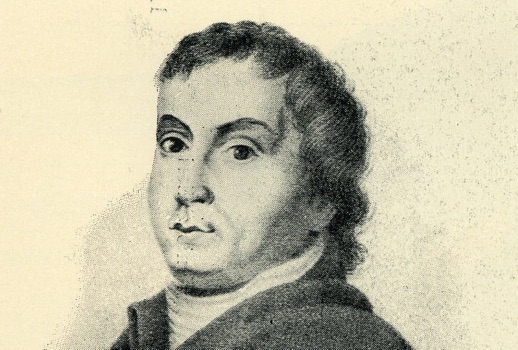
“Trove Thursday” presentsFerdinando Paër’s 1804 Leonora ossia L’Amore coniugale.
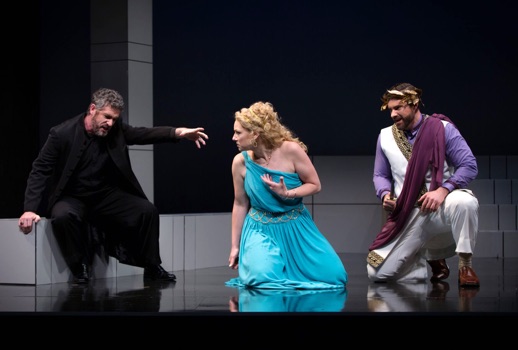
Ezio was an inspired choice for Boston’s feisty Odyssey Opera to open its “When In Rome” festival.
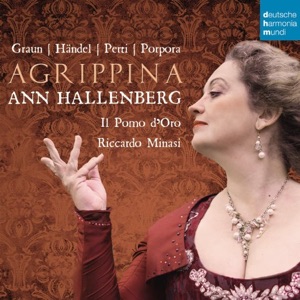
Fans of divas who sing 19th and 20th century opera may find themselves searching in vain for CDs to buy with this season’s gift cards, since their idols so rarely put out solo recitals these days.

Bare Opera, the feisty little company that gave Debussy’s exquisite L’Enfant Prodigue in Chelsea last spring, is now operating in chic, rundown Bushwick where so many original enterprises sprout.
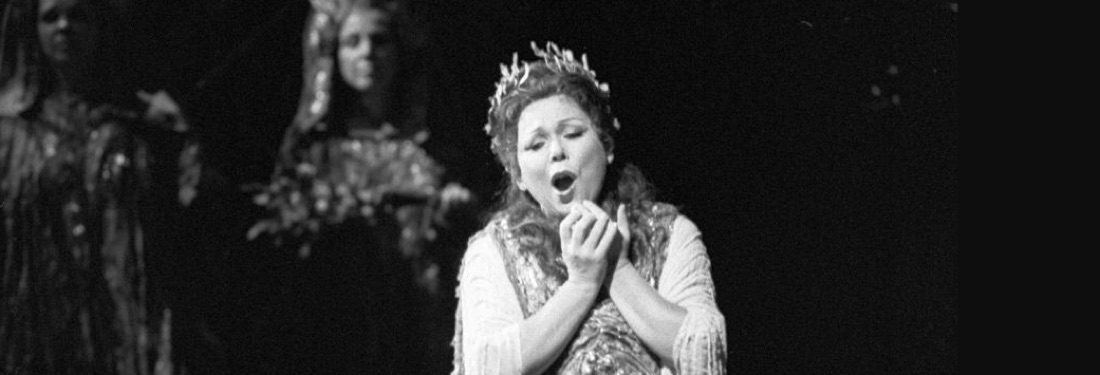
Several prima donnas have ought to resurrect La Vestale, including Renata Scotto, whose priestess highlights this week’s “Trove Thursday.”
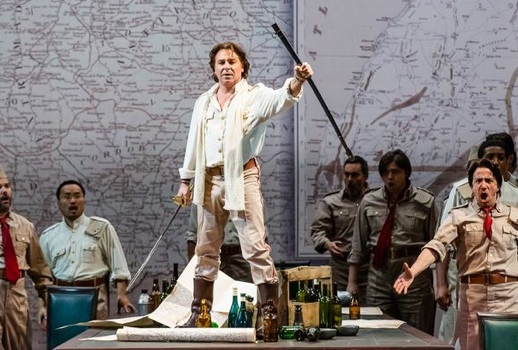
In his first appearance on the stage of Paris’ Palais Garnier, Roberto Alagna, as the newly knighted Rodrigue, was confronted with a profound dilemma.
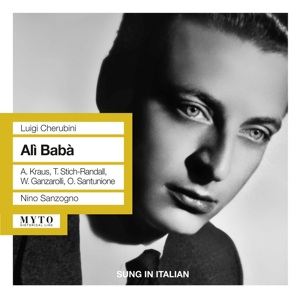
Perhaps there are not that many people in the world who would look at a CD cover and think “Oh, goody, goody! A libretto by Eugène Scribe I’ve never come across before!”

The most wonderful thing about opera on video is the vicarious thrill of seeing performances of important works in the most glamorous foreign theaters in gala presentations with musicians of great renown for a piddling fraction of the cost.
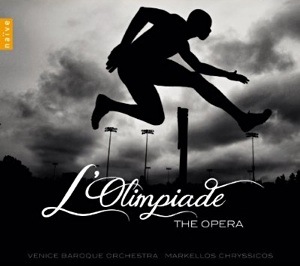
Of all the Olympics-related products created to honor the upcoming summer games in London, surely one of the oddest must be a brand new pasticcio just released on a two-CD set by Naïve—L’Olimpiade.
Giovanni Simone Mayr was one of the most important musical figures of his day, a man Rossini referred to as the “father of Italian opera” whom Napoleon personally lobbied to come work in Paris. Though he wrote nearly 70 operas and taught Donizetti and Bellini, the Bavarian-born composer had the misfortune of hitting his peak […]
Noticing how often she turns up lately, one might guess that the operatic “heroine” for the global economic crunch is Medea, the mythological Greek sorceress and filicide.
Leyla Gencer: The very name is exotic. She was an artist of Turkish ancestry who, during the 1950s and 60s, held her own despite the presence of Maria Callas, Renata Tebaldi, Renata Scotto, Montserrat Caballe, and Magda Olivero, all of whom shared roles in her repertoire. Ironically, Gencer has a number of important credits attached […]

The days are getting shorter, but you can keep the prattle going this fall’s Talk of the Town! You will, you can, you must join in the discussion about: Great mezzo soprano performances (October),
Gained in translation (November), Teleport me back to… (December).
Exclusive opera reviews, commentary, and top reads
delivered to your email weekly…ish.