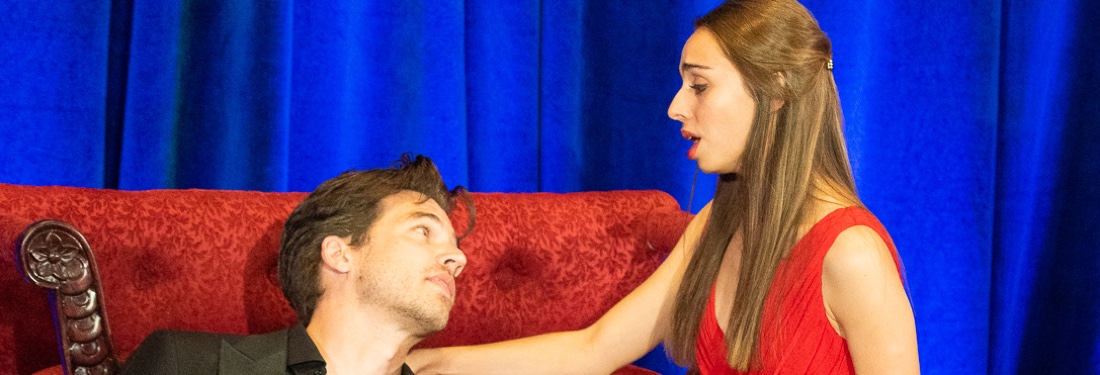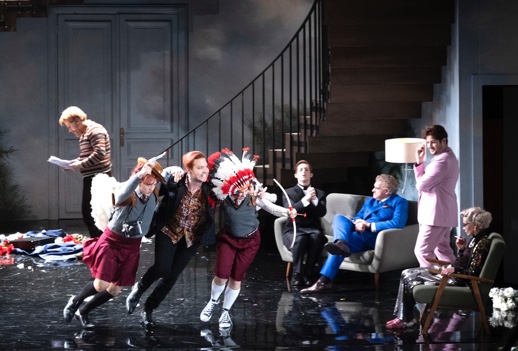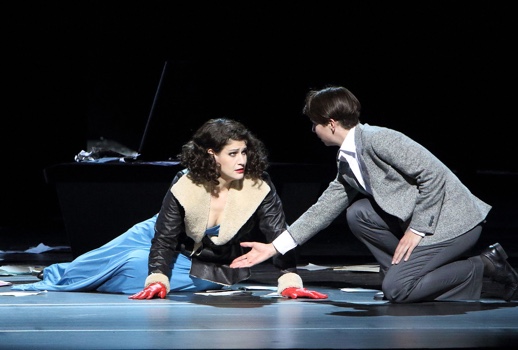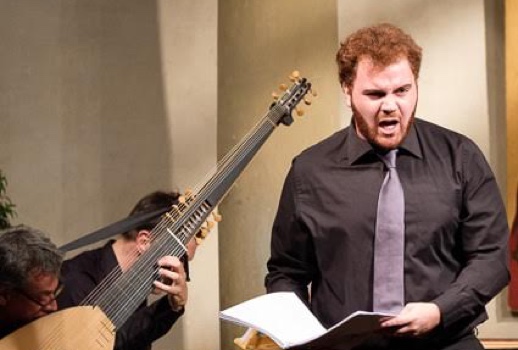
Legrenzi married the quirky libretto to a score of transcendental beauty.
We humans tend to dislike uncertainty, therefore there is something comforting going to opera revivals; you know exactly what you are going to get.
This program honored the singer, composer and theorist Giulio Caccini, “Giulio da Romano,” on the 400th anniversary of his death.
New York fans of 17th century Italian vocal music should be rejoicing this month.
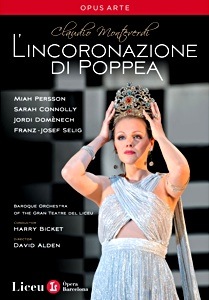
“Trove Thursday” marks Monteverdi’s 450th birthday with a rare broadcast of his towering final work L’Incoronazione di Poppea.
Arabella with Wolfgang Sawallisch conducting a prime-time 1980s Munich cast.
Can a surfeit of pleasure become—in the end—unsatisfying?
Antonio Literes, a boy soprano from Majorca, had, we may presume, friends in high places.
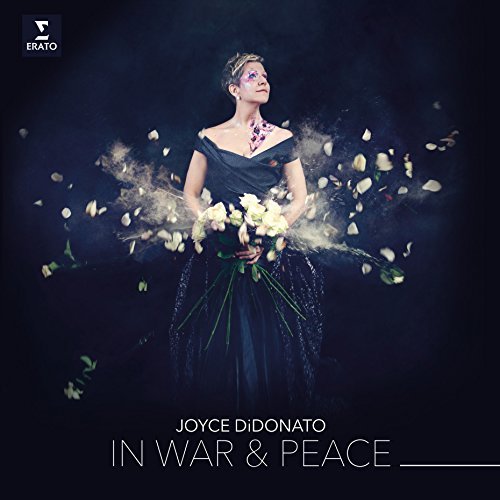
Joyce DiDonato’s atest album, In War & Peace: Harmony through music, is more specific than it sounds.
Many live treasures (and some duds) began to take up more and more space—first in my dorm room, then in my first little studio apartment thanks to a group of quite special men, none of whom I ever met face to face.
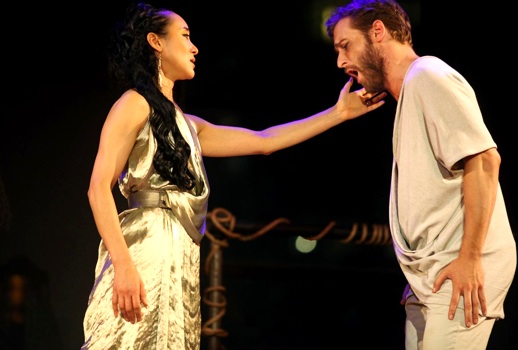
In the program for Opera Omnia’s production of Monteverdi’s Il ritorno di Ulisse, Crystal Manich, the company’s stage director, speaks of producing “baroque works in non-traditional ways.”
Seventeenth century opera remains the true connoisseur’s delight partly because it’s so rarely done.
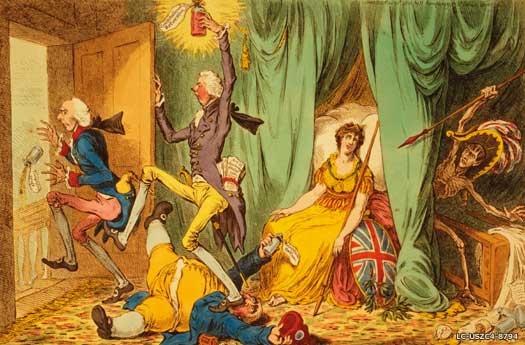
Rule Britannia? Often during the Olympics that famous number from Thomas Arne’s 1740 Alfred echoed in my ears.
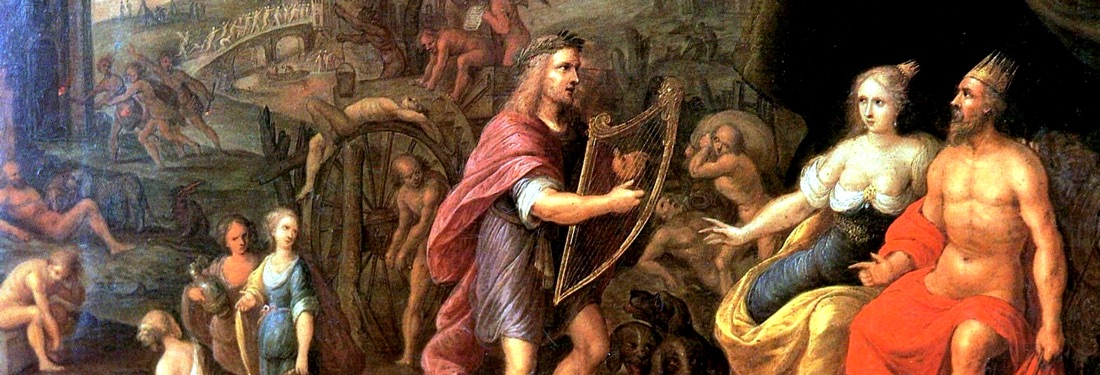
Is the threnody, the lament over a beloved corpse, the oldest form of song? Surely it is among the oldest; one of the most widespread and stylistically various, millennia before opera was devised.
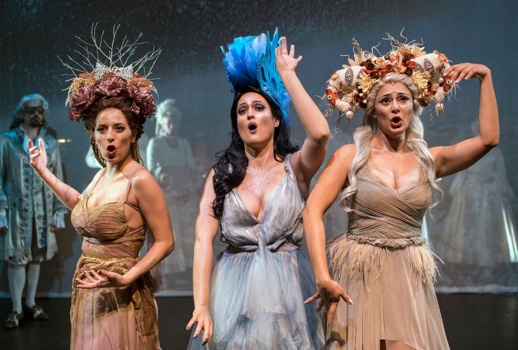
L’incoronazione di Poppea nearly disappeared from the stage completely after its 1642 Venice premiere and a Naples revival in 1651.
Classical music writer and opera critic Robert Levine has written a very pleasant new book, Weep, Shudder, Die, A Guide to Loving Opera, published by HarperCollins Books. Levine sets up the book’s premise early in his introduction: “Could singing… make one, as the composer Vincenzo Bellini said, ‘weep, shudder, die’ and at the same time…
It is a thousand pities Francesco Cavalli never saw Some Like It Hot. A tale of convoluted romances, cross-dressing, immoral moralizing and a divine diva would have been right up his alley, or rather, Venetian canal. As staged by Vertical Players Repertory in a back alley around the corner from the Gowanus Canal in Brooklyn’s…
“Playthings of the Gods: Essential Myths,” the Vertical Player Repertory’s evening of Monteverdi, Britten and Milhaud, heard October 8, was a satisfying treat. The soloists were excellent, although the venue, Christ Church Cobble Hill, had overwhelmingly boomy acoustics and robbed the audience of any nuance in the voices.
[This article originally appeared in the print zine precursor to this site, one of a series of surveys of live recordings by critic Leila de Lakmé.] Leyla Gencer. The very name is exotic. She was an artist of Turkish ancestry who, during the 1950s and 60s, held her own despite the presence of Maria Callas,…
Tell us: Filth or dementia?
Hasten thee to feed another quarter of conversation for The Talk of the Town!
Sign up for our free Newsletter.
Support Parterre Box
Donate to keep opera's liveliest publication free and independent. No paywalls, no institutional backing, no bootlicking.
Get our free newsletter
Opera's top reads delivered to your email weekly…ish.
Join over 100k readers.
The best opera magazine on the web.
Reviews, breaking news, critical essays, and brainrot commentary on opera from those demented enough to love it.
Essentials
Copyright © 2026 Parterre Box.
All rights reserved.
Registration or use of this site constitutes acceptance of our Terms & Conditions and our Privacy Policy.
Sign up for Parterre’s free newsletter.
Exclusive opera reviews, commentary, and top reads
delivered to your email weekly…ish.